A Baltic cruise can look like five excellent city breaks joined together by breakfast.
Copenhagen, Stockholm, Visby, Helsinki and Tallinn all deserve their own attention, but the route works best when you stop treating the sailing between them as dead time.
The Baltic is a shallow, brackish sea threaded with islands, skerries and old trading routes. Around Stockholm and Helsinki in particular, land and water become almost inseparable. The result is a cruise where some of the most memorable moments happen before the gangway opens.
Copenhagen: where the Baltic story begins
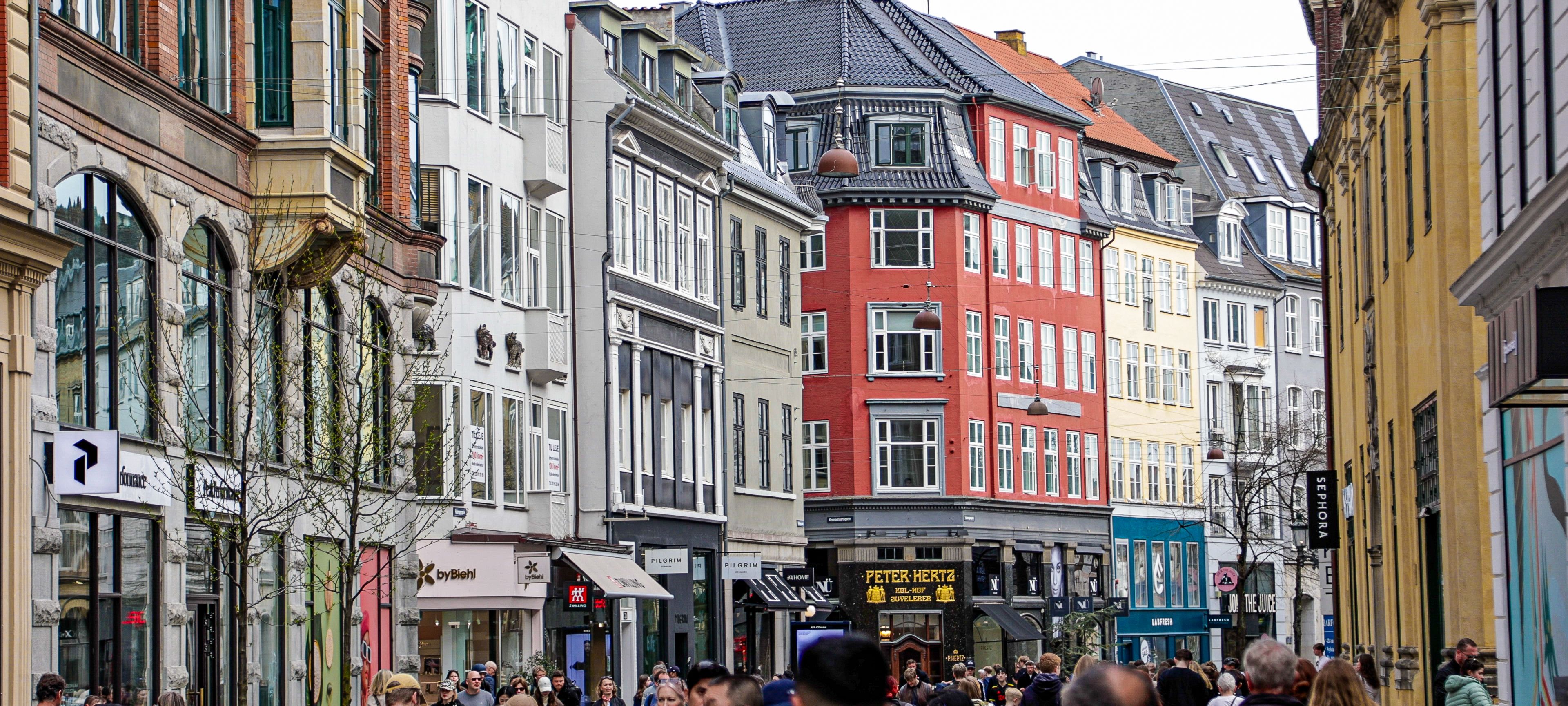
Copenhagen is an obvious starting point.
The city has always faced the water. Nyhavn began as a working port, while the old commercial centre developed around the harbour that connected Denmark to the rest of northern Europe.
For cruise passengers, that history is still visible in the shape of the city. Canals, waterfront streets and old trading buildings make the sea feel like part of Copenhagen rather than something beyond it.
Then you sail east.
Copenhagen to Stockholm: the scenery starts before arrival
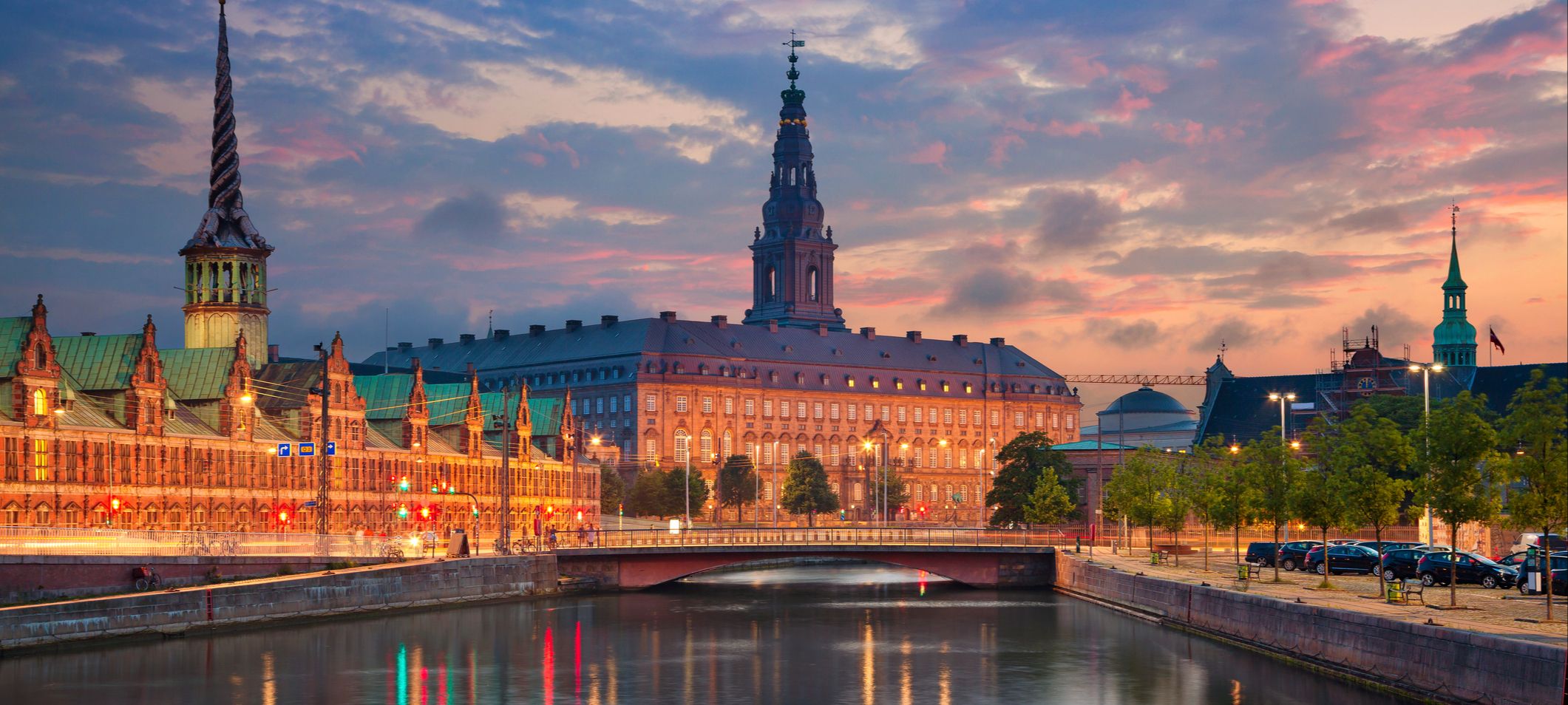
The open Baltic is understated rather than dramatic.
In summer, the evenings stretch on and the horizon stays low. Then, on the approach to Stockholm, the sea begins breaking apart into islands.
The Stockholm archipelago contains more than 30,000 islands, islets and skerries. Sailing through it can take hours, with wooded shores, summer houses and narrow channels appearing long before the city itself.
If your ship arrives early, this is one morning when getting out of bed before breakfast is worth it.
There is one important caveat. Some ships berth at Nynäshamn, around 50 kilometres south of Stockholm, rather than sailing into the city itself. You’ll still be able to visit Stockholm, but you’ll miss the classic archipelago approach.
Stockholm by cruise
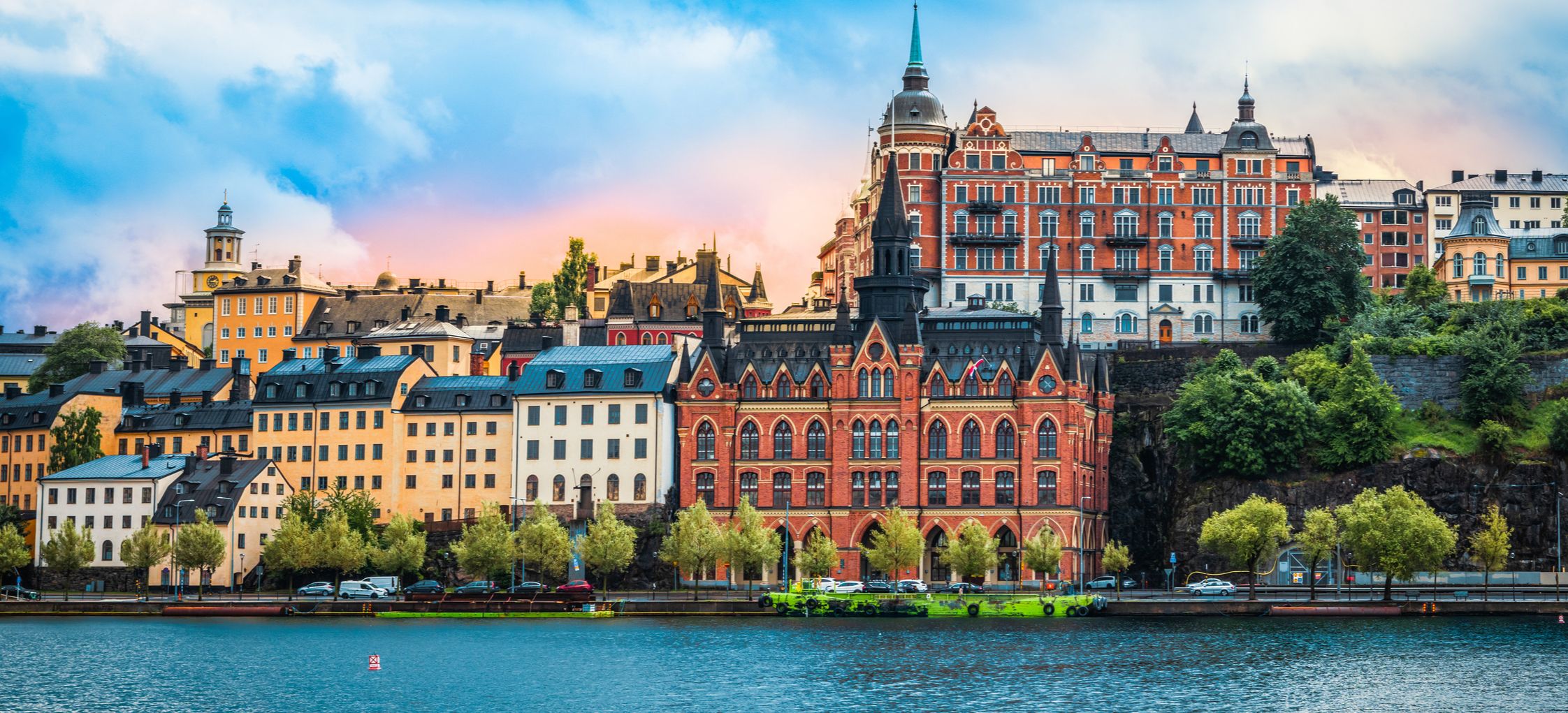
By the time you reach Stockholm, its geography makes perfect sense.
The city is built across 14 islands, with ferries and bridges knitting everything together. Gamla Stan occupies the medieval centre, while Djurgården is home to the Vasa Museum and its spectacularly preserved 17th-century warship.
The Vasa sank on its maiden voyage in 1628, having travelled barely beyond Stockholm harbour.
More than 98 per cent of the ship survives, along with a fairly enduring lesson in why optimism is not a substitute for naval engineering.
Visby: the Baltic’s medieval trading island
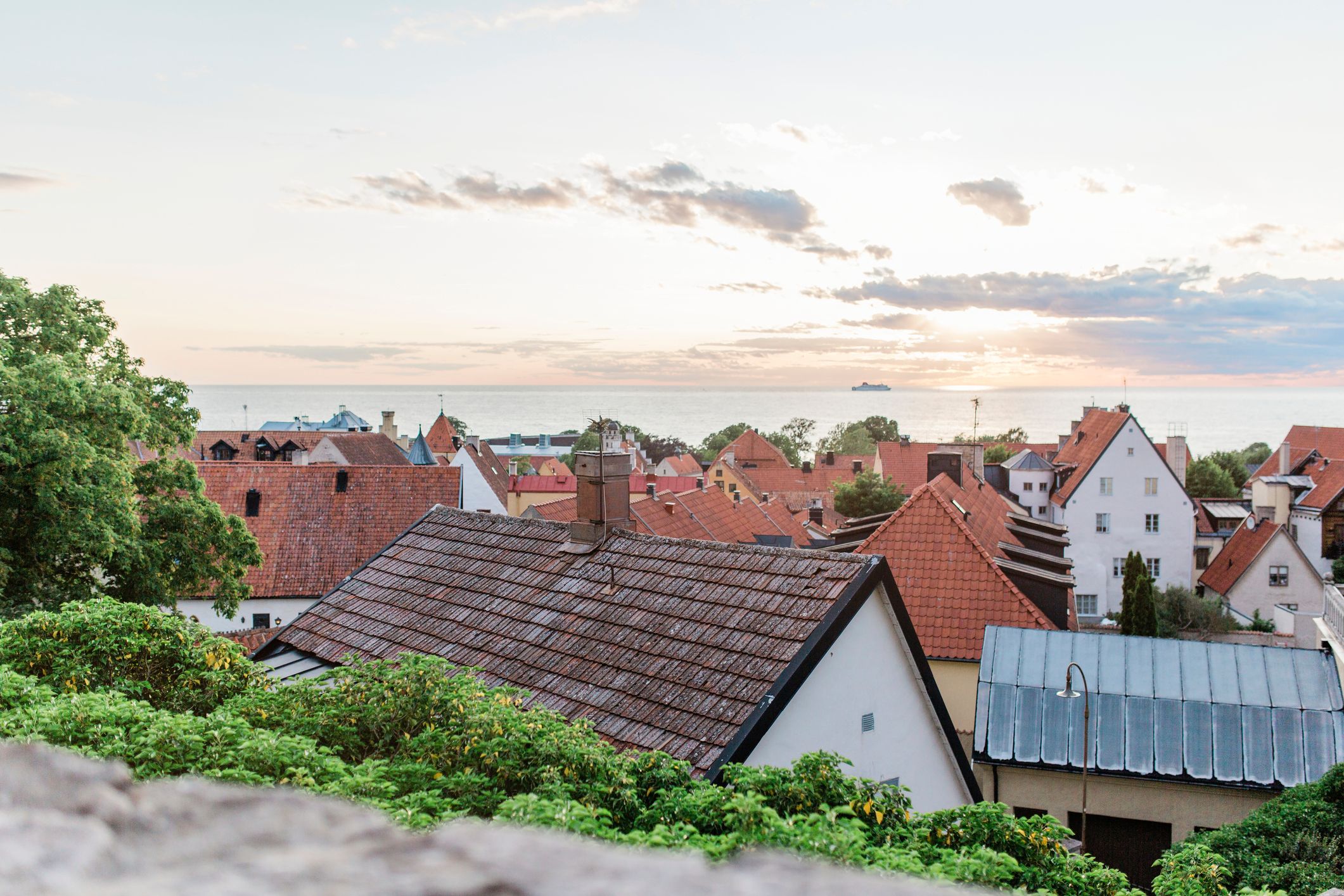
After Stockholm, Visby feels considerably smaller.
The capital gives way to Gotland, where Visby sits behind a 3.4-kilometre medieval wall. Once one of the Baltic’s most important Hanseatic trading centres, it still contains medieval warehouses, merchant houses, churches and a street plan shaped by centuries of commerce.
Its island setting is central to that story. Visby prospered because ships and merchants crossed the Baltic to reach it.
Today, the compact old town makes an unusually easy cruise stop. You can walk the walls, explore the ruined churches and cobbled streets and still sit down for lunch without treating the day like a military exercise.
Visby to Helsinki: crossing old borders
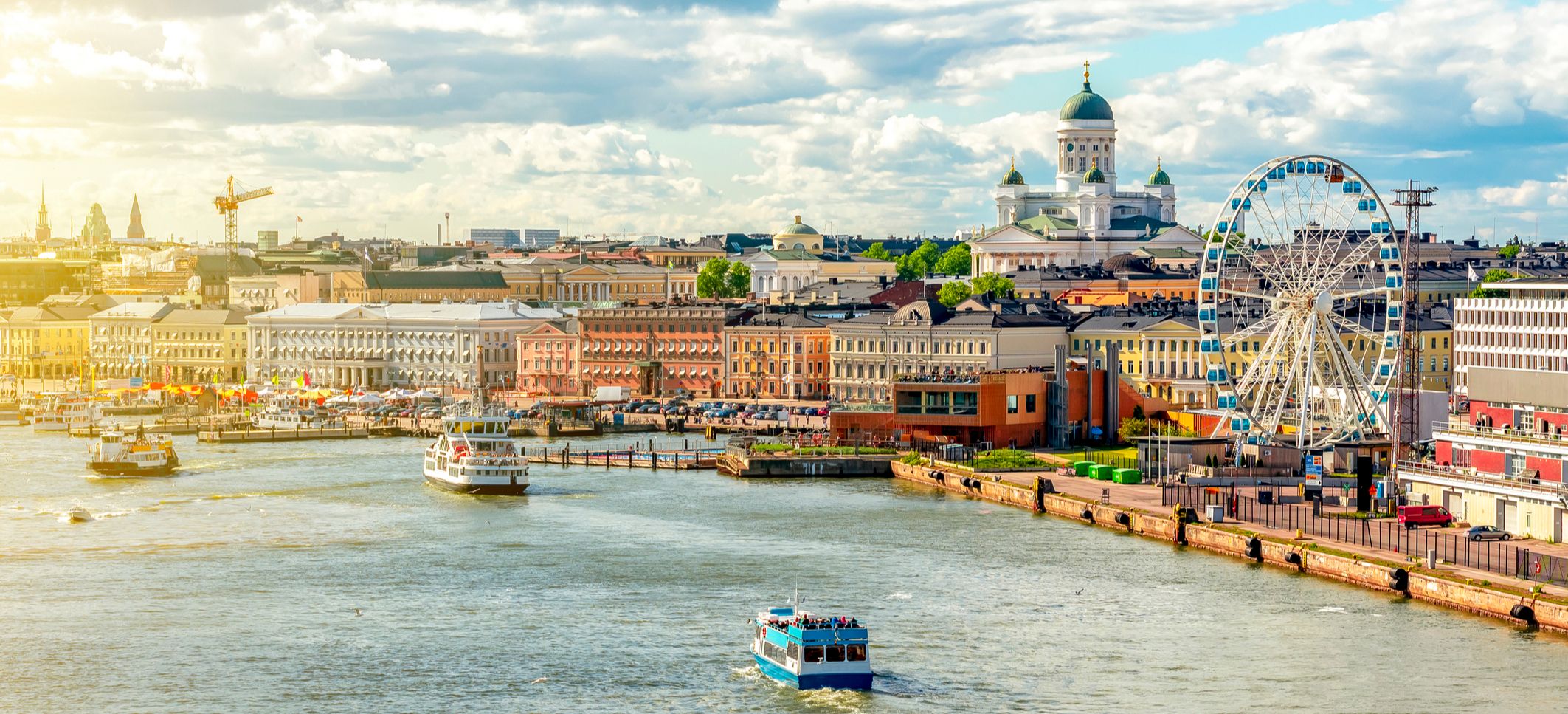
The overnight passage towards Finland is where the history of these ports begins to overlap.
Visby’s merchants once traded across these waters, while Sweden later ruled Finland for centuries. Helsinki was founded in the 16th century partly to compete for Baltic trade, before becoming capital of the Grand Duchy of Finland under Russian rule.
That complicated history becomes visible again as you approach Helsinki, where islands and fortifications guard the entrance to the city.
Helsinki by cruise
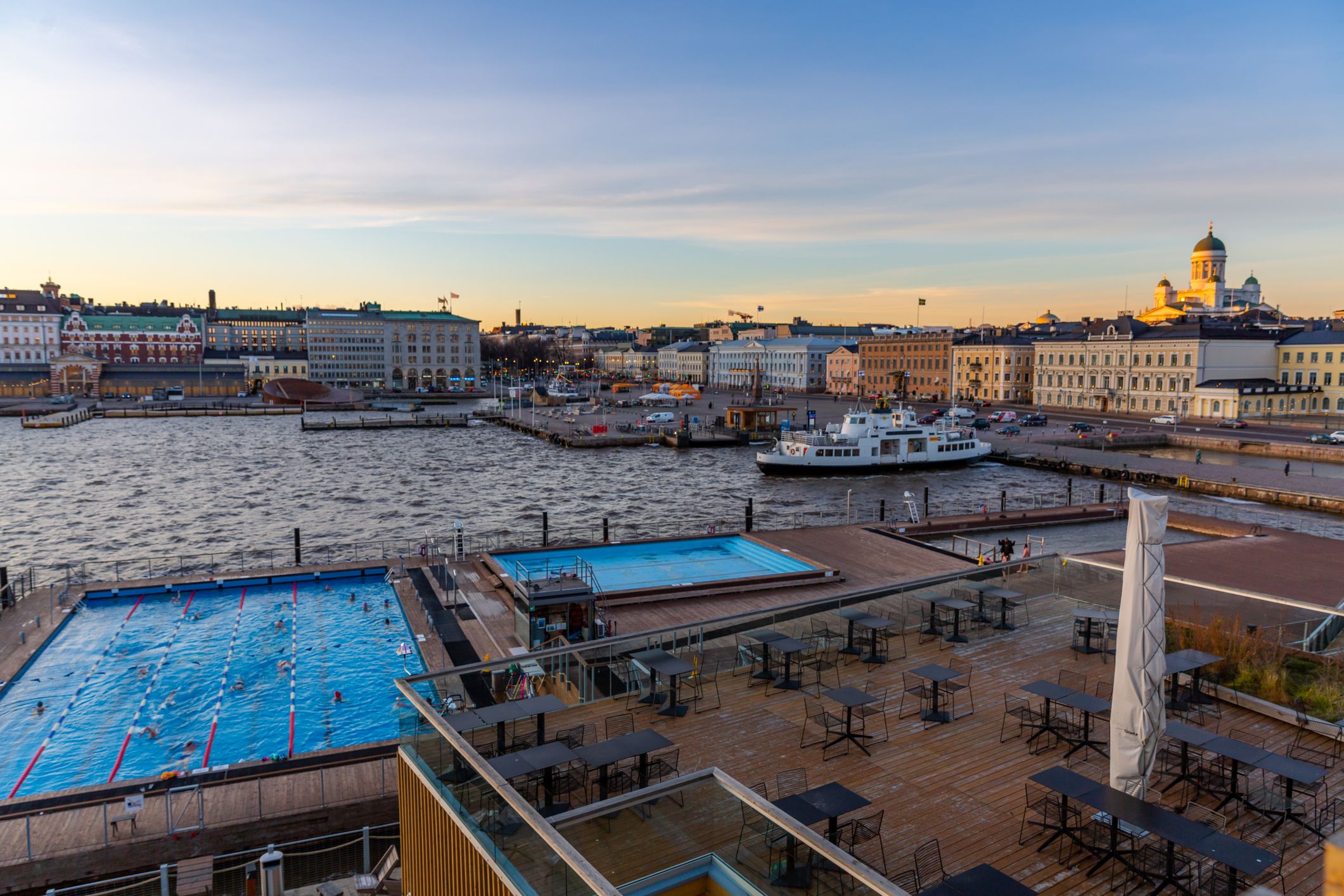
Helsinki faces the sea on three sides and is surrounded by an archipelago of more than 300 islands.
The clearest expression of that is Suomenlinna.
The UNESCO-listed sea fortress spreads across six islands just off the city and was developed under Swedish, Russian and Finnish rule. Ferries run from the centre, making it one of the easiest ways to spend part of a port day.
The short crossing is part of the appeal. You leave Market Square, pass through the harbour and arrive among old ramparts, tunnels and military buildings without ever really leaving Helsinki behind.
If you stay in the centre, the sea remains close anyway. Ferries move constantly between the islands, and much of the city’s public life sits around the waterfront.
Helsinki to Tallinn: two capitals across the Gulf
Helsinki and Tallinn sit opposite each other across the Gulf of Finland, close enough that ferries cross between them several times a day.
Cruise itineraries often follow the same pattern, linking Stockholm, Visby, Helsinki and Tallinn in quick succession.
It gives the journey a pleasing logic. Rather than hopping randomly between northern European cities, you’re following a route that people, goods and armies have used for centuries.
Tallinn by cruise

Tallinn makes a particularly satisfying final stop.
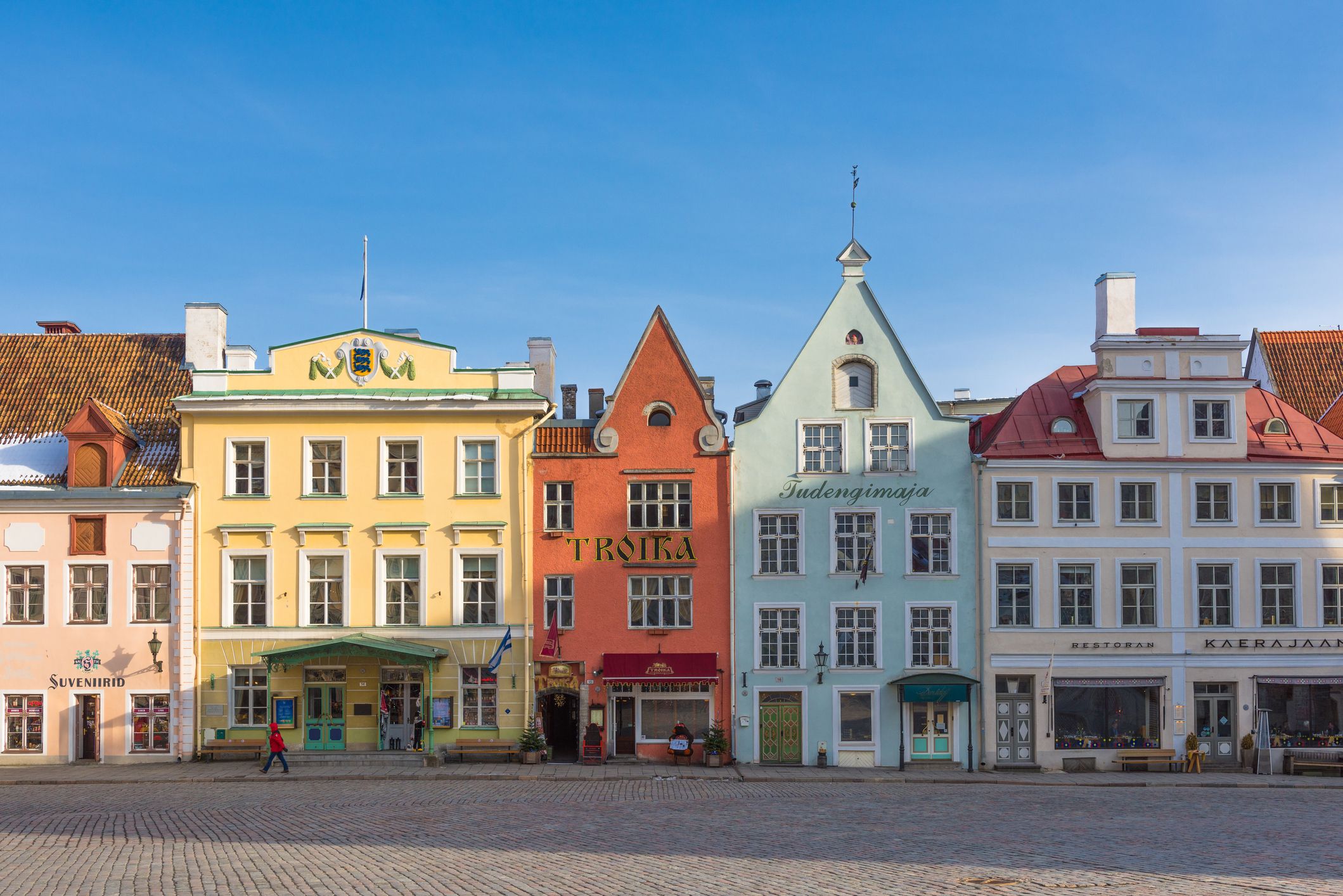
The cruise terminal is within walking distance of the medieval Old Town, where merchant houses, guild halls, churches and narrow streets preserve the city’s Hanseatic past.
The lower town was historically the domain of merchants and craftsmen, while Toompea above it was associated with rulers and nobility. That division is still visible in the cityscape today.
For a first visit, the Old Town can easily fill most of a port day. If you have time, continue into Kalamaja and Telliskivi for wooden houses, former industrial buildings and a more contemporary side of the city.
Why the Baltic works so well by ship
What makes this route special isn’t simply the quality of the ports.
Copenhagen introduces the maritime trading world. Stockholm arrives through an archipelago that explains the shape of the city before you step ashore. Visby shows how islands became powerful through trade. Helsinki pushes its history out across fortified islands, while Tallinn closes the loop with another great Hanseatic port.
So it’s worth looking beyond the arrival and departure times.
Check whether your ship sails through the Stockholm archipelago. Go outside as Helsinki’s islands appear. Watch Tallinn emerge across the Gulf.
The next port often starts long before you reach it.