Taiwan is a gift to cruisers in that it gives you a great deal of country without asking for a great deal of land time. The island has seven main cruise ports, but for most travellers the real story tends to come down to two bookends: Keelung in the north and Kaohsiung in the south. Keelung is Taiwan’s largest cruise port and most important homeport, while Kaohsiung is the island’s big southern maritime city, with a newly expanded Penglai International Cruise Terminal and a tourism pitch built around port culture, riverside scenery and year-round warmth. That is a very decent start for one island.
What makes the route especially appealing is that it does not force you to choose between city energy and something more textured. Keelung offers a natural harbour, temple-front food culture and a scruffier sort of northern charm. Kaohsiung is broader, sunnier and more expansive, with the Love River, Lotus Pond, old port warehouses turned cultural space and enough night-market action to make dinner feel less like a meal and more like a strategy. Taiwan can feel dense in the best way, with one urban mood giving way to another before you have even finished being impressed by the snacks.
Why Keelung works so well for a cruise call
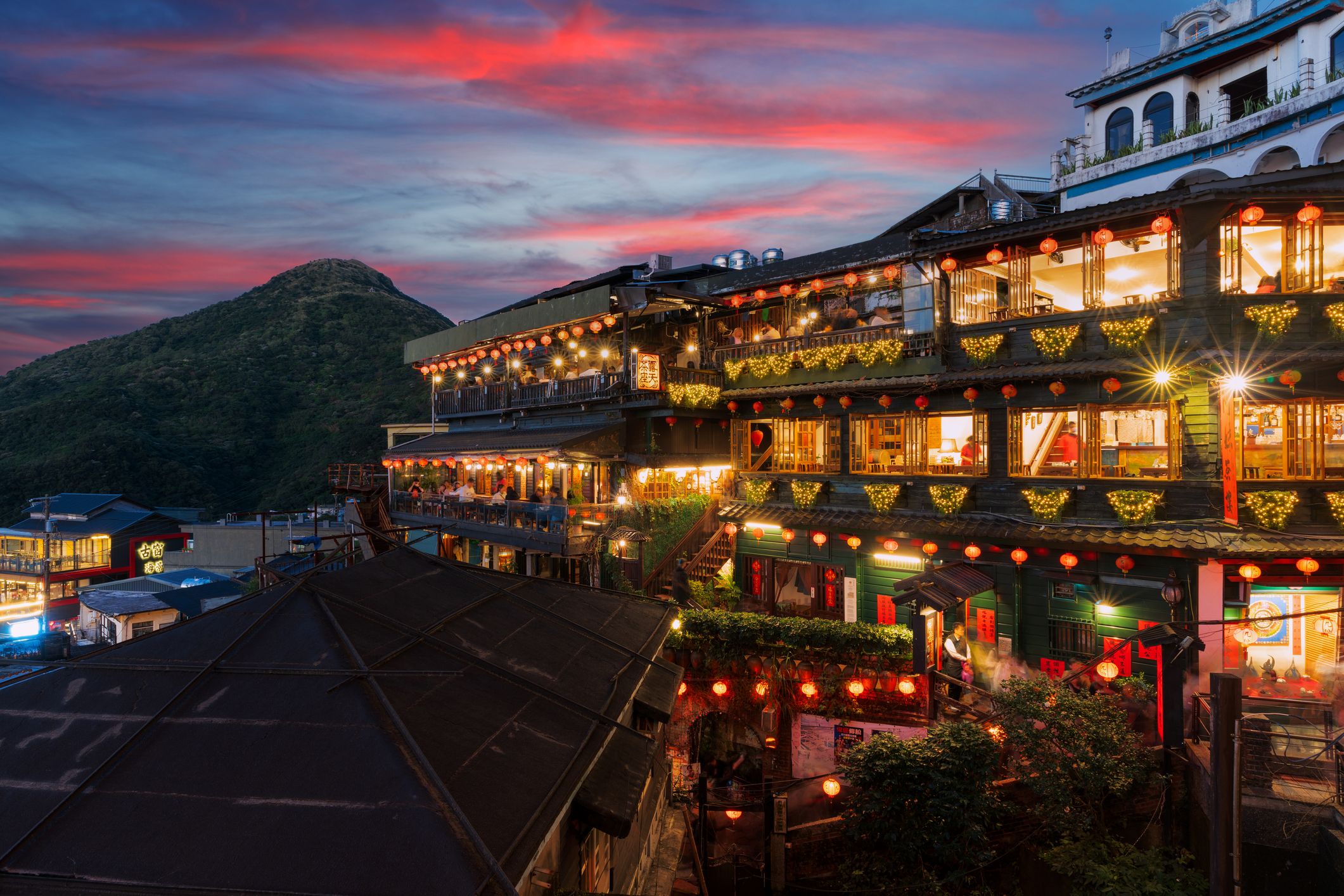
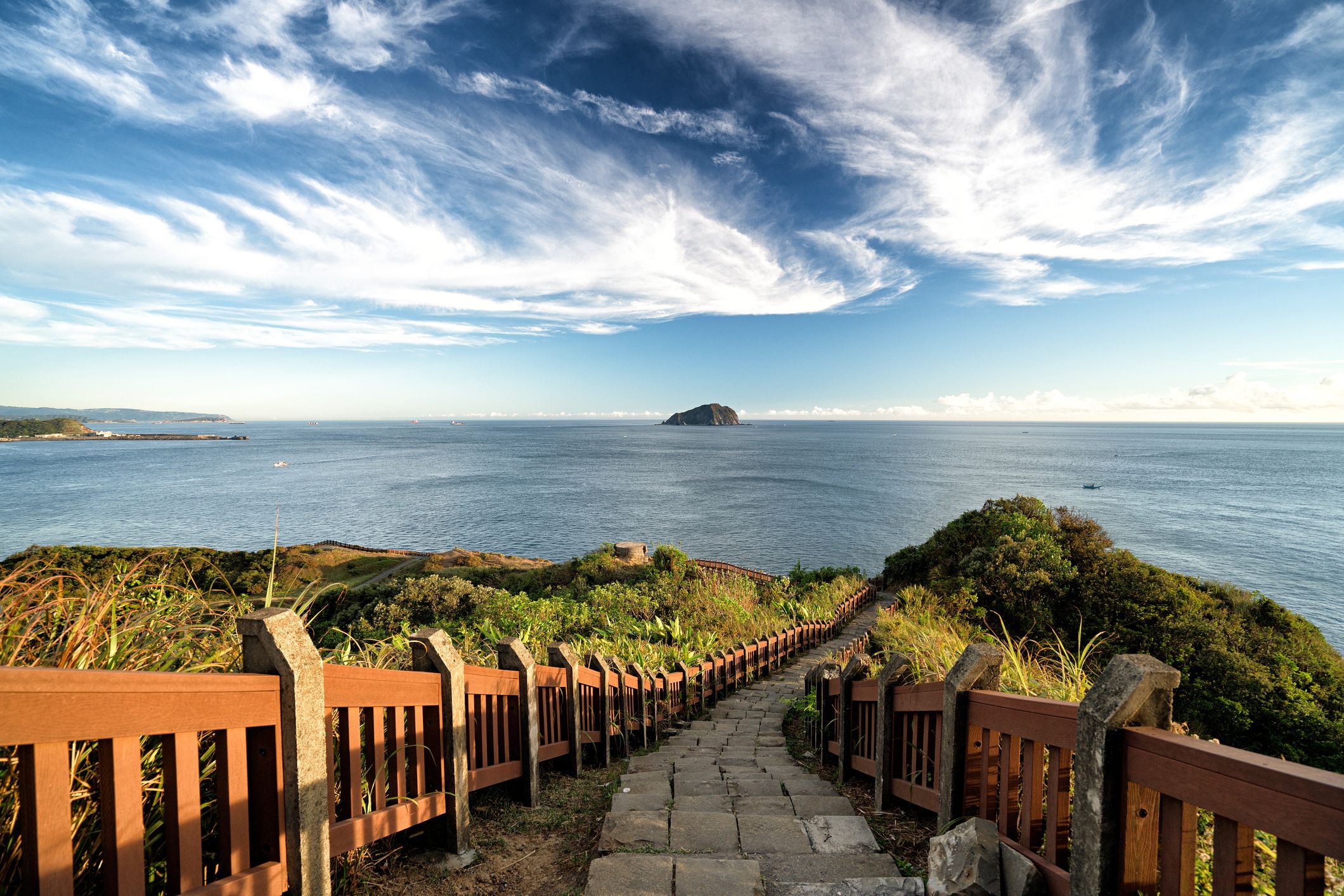
Keelung has the great advantage of looking like a port city rather than a city that has reluctantly agreed to tolerate ships. Taiwan’s Tourism Administration describes it as a natural harbour cut deep into downtown, with mountains on three sides and the Eastern Sea to the north, while the Port of Keelung openly sells itself as northern Taiwan’s gateway and the country’s leading international cruise homeport. Nearby attractions listed by the cruise-port authorities include Heping Island Park, Zhongzheng Park and Keelung Islet, which means the place begins rewarding you almost immediately. No punishing transfer, no spirit-sapping industrial trudge, no need to pretend a remote coach park is part of the atmosphere.
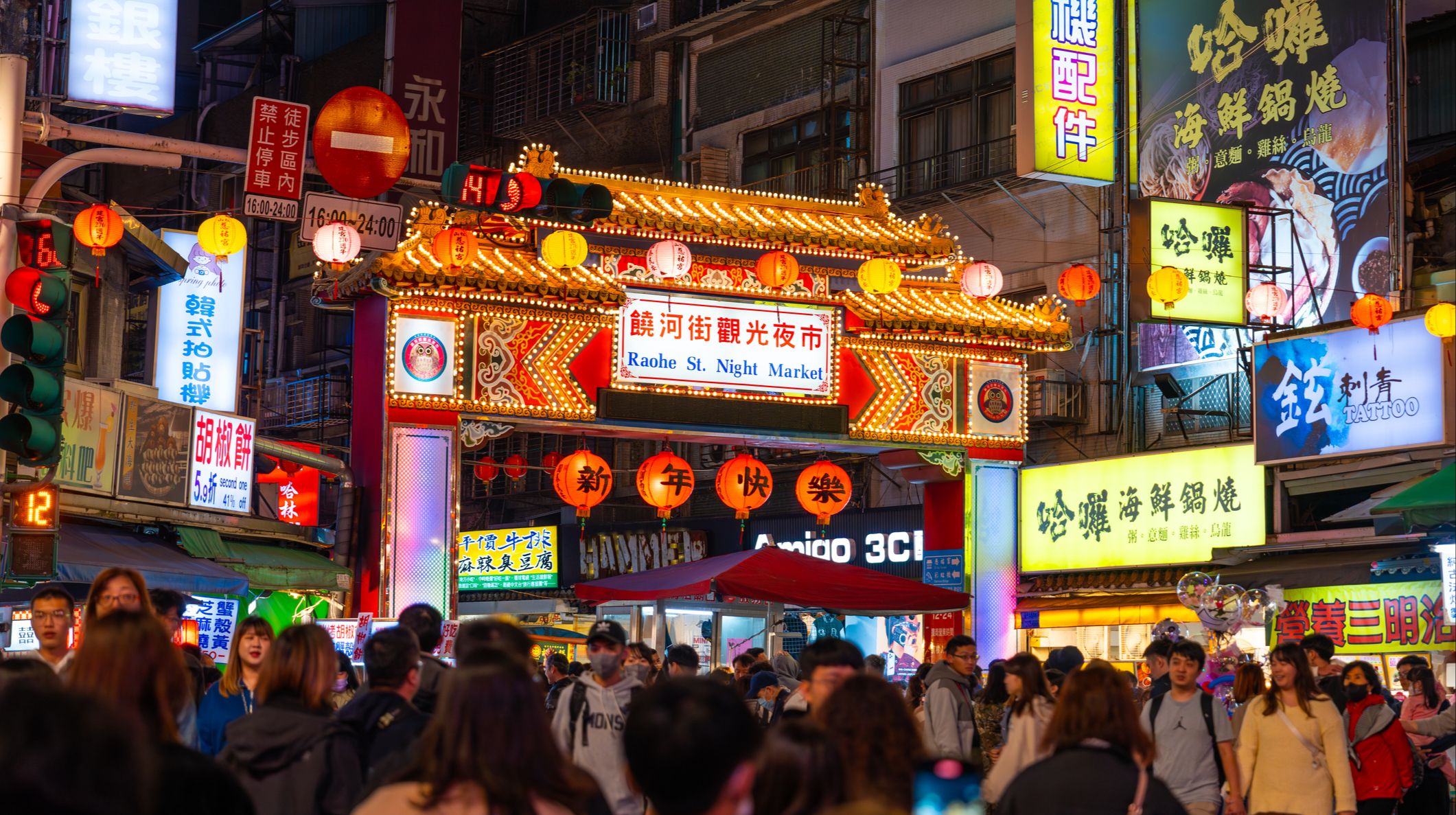
Then there is Miaokou, which is really the whole northern-Taiwan argument in miniature. The market surrounds Dianji Temple, stretches along Ren 3rd Road, and packs more than 200 food stalls into about 400 metres, according to Taiwan’s official tourism site. The same source says it stays lively until 2 or 3 in the morning, while Taiwan’s night-market overview highlights pot-edged pancake soup, tempura, shaved ice, fried sandwiches and shrimp meatballs among the local fixes. This is not one of those night markets where you drift through politely and claim to have “sampled the scene”. It is a full evening occupation disguised as a snack stop.
Northern Taiwan shore days: rocks, coastlines and hot springs
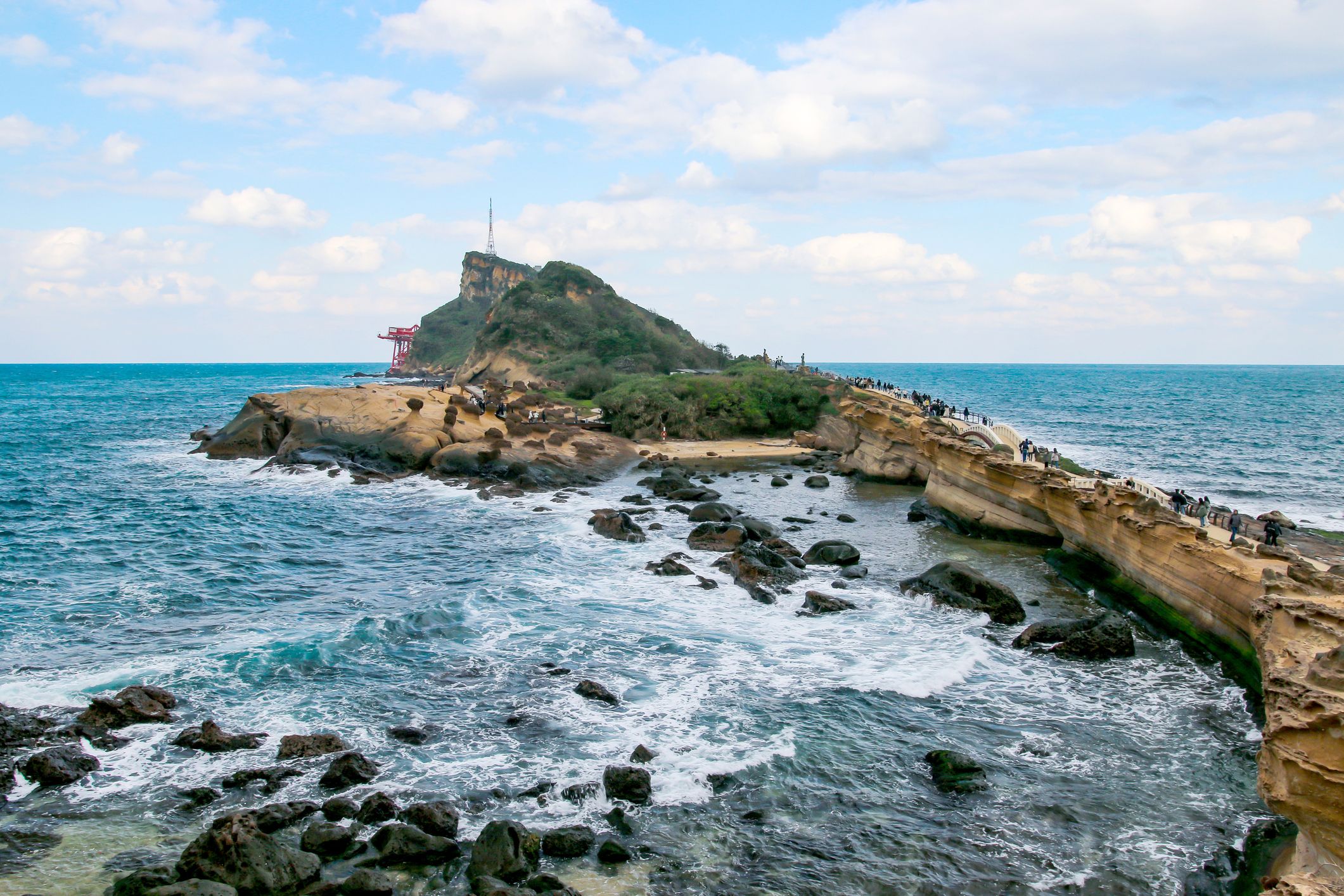
What I like about Keelung is that it also gives you a very unfair number of north-Taiwan detours if you are feeling energetic. Heping Island has been turned into a coastal park, with sea-eroded rock formations, a swimming pool, trails and the sort of shoreline that makes you briefly consider becoming the sort of person who says things like “tectonic drama” out loud. Taiwan’s tourism site also points to Yehliu Geopark on the north coast, where a 1,700-metre cape has been carved by sea erosion, weathering and earth movements into all those famously strange rock forms that look as though geology got a bit theatrical.
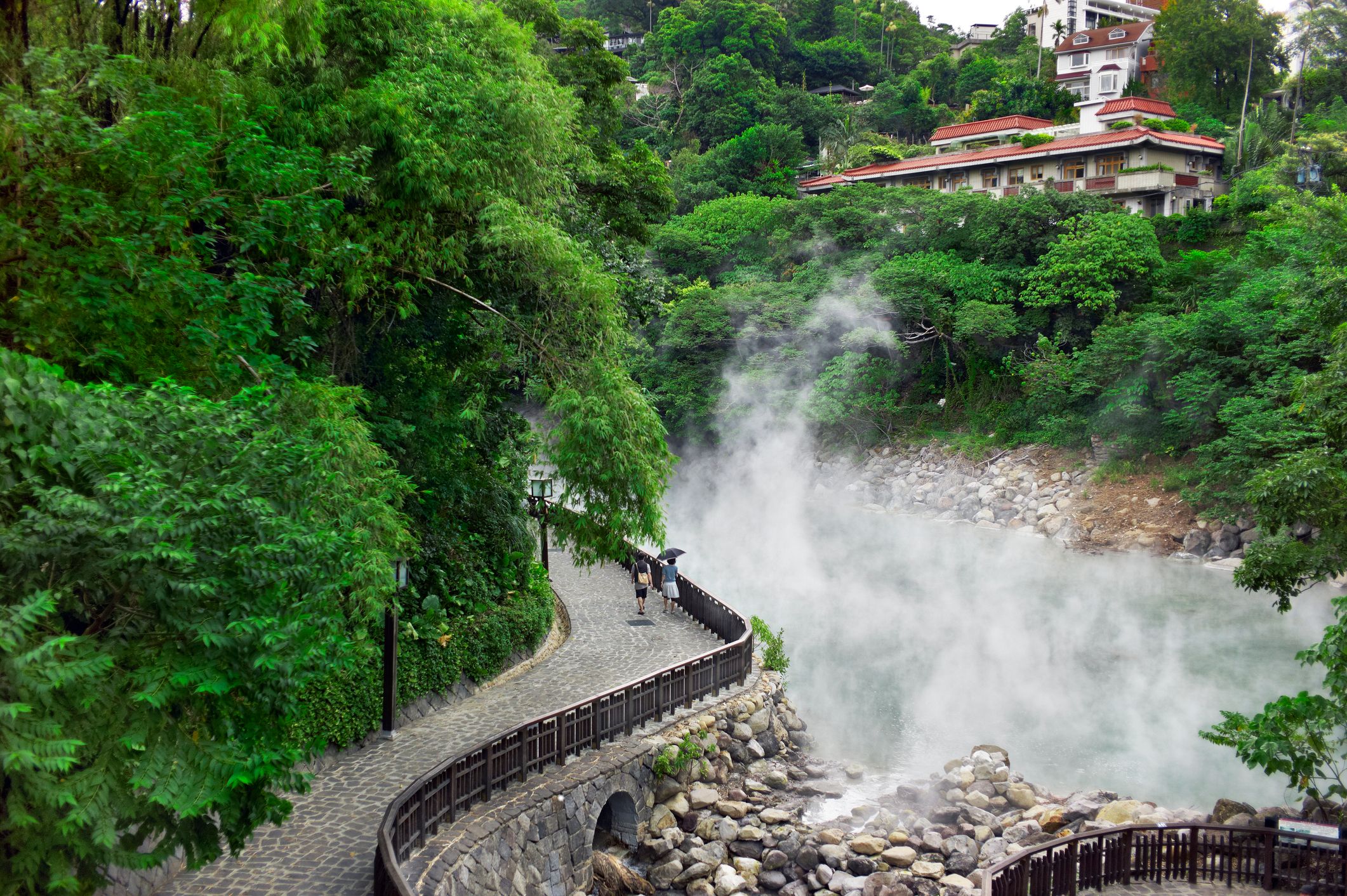
And if coast and stone still do not feel indulgent enough, there are the hot springs. Taiwan’s tourism authority describes Beitou as the island’s “paradise of hot springs”, with long-established bathing culture and abundant geothermal resources, while its Xinbeitou page frames the wider district through Hell Valley, Beitou Park and a concentration of hot-spring hotels and facilities. It is one of the odder pleasures of a Keelung call that you can spend the morning among temple snacks and sea wind, then pivot towards sulphur and steam by afternoon if the mood takes you. That is a lot of range for one port.
Why Kaohsiung feels like a completely different island
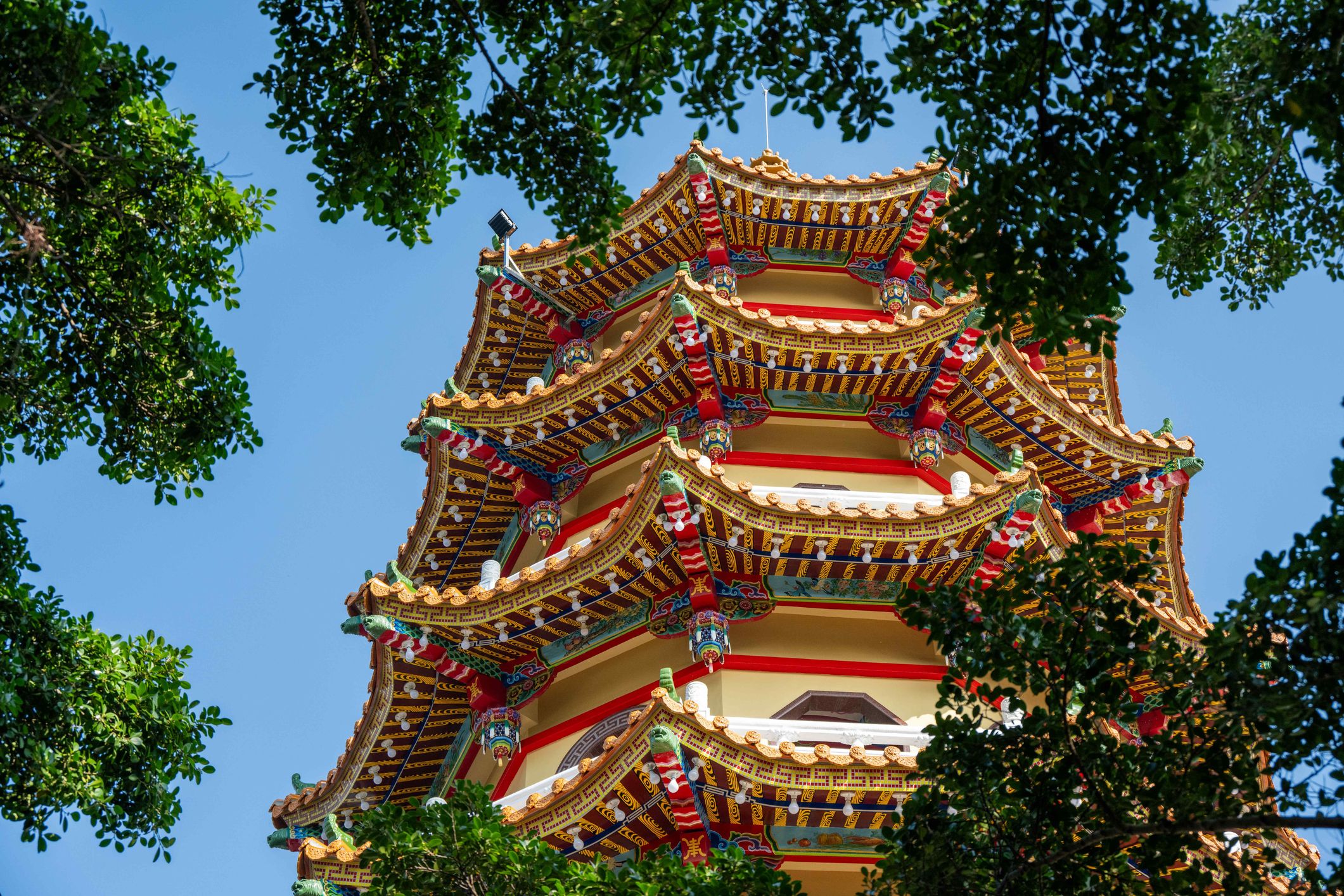
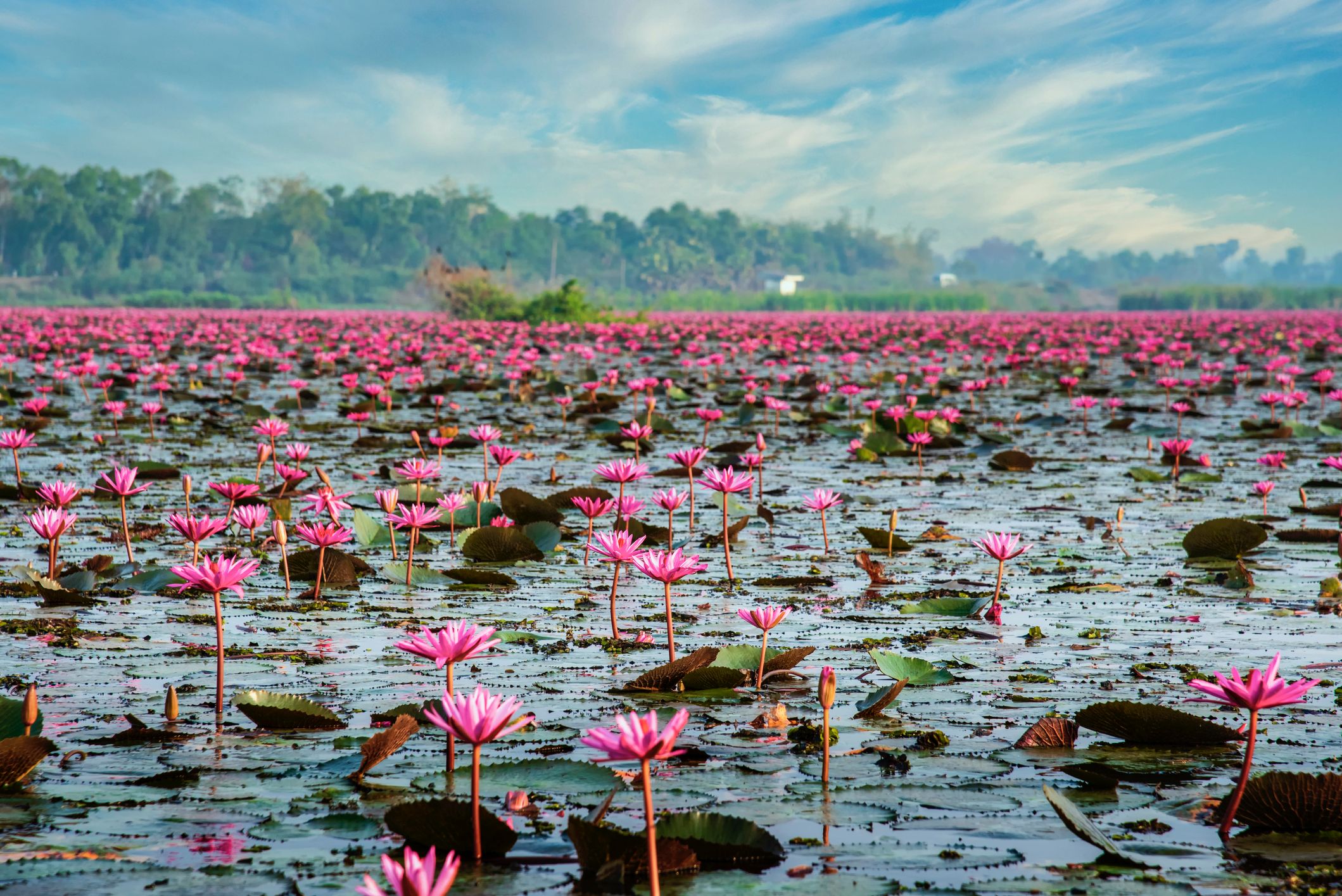
Kaohsiung, by contrast, is Taiwan at a bigger, broader, slightly more swaggering scale. Taiwan’s Tourism Administration describes it as the island’s largest industrial centre and “Taiwan’s Maritime Capital”, while also stressing the city’s efforts to beautify the waterfront and build its tourism offer around scenic mountains, ocean views, rivers and port culture. That combination matters. Kaohsiung is not trying to pretend it was never a working city. It has simply decided to turn that history into part of the appeal. The reopened and expanded Penglai International Cruise Terminal fits neatly into that story, giving the city a much sharper front door for cruise traffic.
The city’s best move was probably to stop apologising for being a port and make a feature of it instead. Pier-2 Art Center, on the north bank of the harbour where the Love River enters Kaohsiung Port, grew out of old warehouses and now serves as one of the founding pieces of the city’s cultural and creative corridor. The Love River itself still does what urban rivers do best, which is to lend a bit of romance and coherence to places that might otherwise feel too spread out. Taiwan’s tourism site is very keen on its sunrise and sunset views, and in fairness that is exactly the sort of city this is. Warm, watery and unexpectedly good at making an evening out of not very much at all.
Kaohsiung temples, islands and night markets
If Keelung’s pleasures are compact and immediate, Kaohsiung’s are more sprawling and more varied. Lotus Pond remains the city’s great temple-and-water set piece, with the Confucius Temple at one end and the Dragon and Tiger Pagodas and Spring and Autumn Pavilions at the other. The tourism authority notes that the pond is best in the late afternoon, which sounds like sensible practical advice but is also, I suspect, a gentle hint that sunset improves almost everything in Kaohsiung. Meanwhile Qijin, the long slender island just across from the city, is accessible by ferry and comes with seafood streets, a beach, trails and the Kaohsiung Lighthouse watching over the harbour. It is the kind of place that makes a very strong argument for abandoning any strict plan and just following the water.
And then there are the night markets, which are really the point of the whole route. Liuhe is the classic, with 138 stalls on a single road and a reputation for papaya milk and salt-steamed shrimp that Taiwan’s tourism pages mention with understandable pride. Ruifeng is the louder, busier, more maximalist sibling, with more than a thousand vendors selling snacks, amusements and fashion, and enough local evening energy to make it feel less staged than some of East Asia’s more polished market experiences. In simple terms, Keelung gives you temple-gate snacks and nocturnal appetite. Kaohsiung gives you scale, theatre and the sense that dinner may now be a moving target. Both are excellent arguments for seeing Taiwan by sea rather than trying to flatten it into one city break and a panicked rail itinerary.
Why Taiwan is the island cruise for night-market people
There are more reverent ways to sell Taiwan, and many of them are perfectly valid. You could talk about religious architecture, about geology, about hot-spring culture, about old streets or design districts or mountain scenery. But the joy of a Keelung and Kaohsiung sailing is that you do not have to choose one version of the island and act as though it is the official one. Taiwan lets the sacred and the snackable sit very close together. It lets a harbour city smell of soup and temple incense. It lets a southern port turn old warehouses into culture, then send you off to eat shrimp at midnight. It lets an island feel compact without ever feeling slight. Which is a neat trick, and a very pleasant one to arrive by ship for.