The useful thing about South Korea by cruise is that it offers a whole host of different moods to suit every traveller's taste.
Busan gives you urban coastline, seafood and a sort of practical energy that makes other port cities look faintly decorative. Yeosu is touch softer, all islands, sea crossings and night views. Jeju, meanwhile, is a volcanic island with real personality. Korea Tourism’s official cruise portal now highlights seven ports of call in the country, but for a first-timer these three are a particularly good starter set because they show three different versions of coastal Korea without requiring you to become an expert in domestic transport before lunch.
Busan: fish market first, then let the city get under your skin
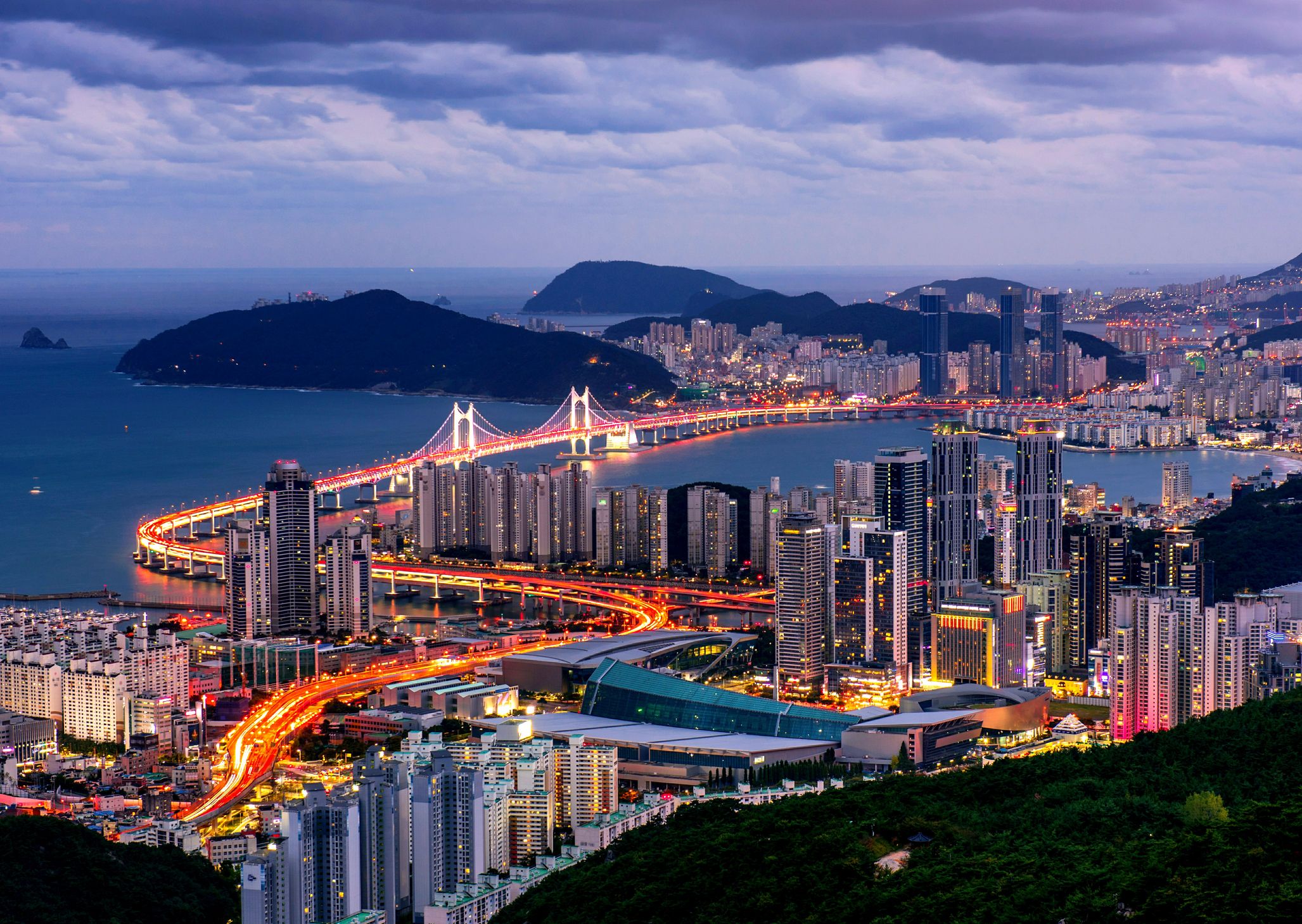
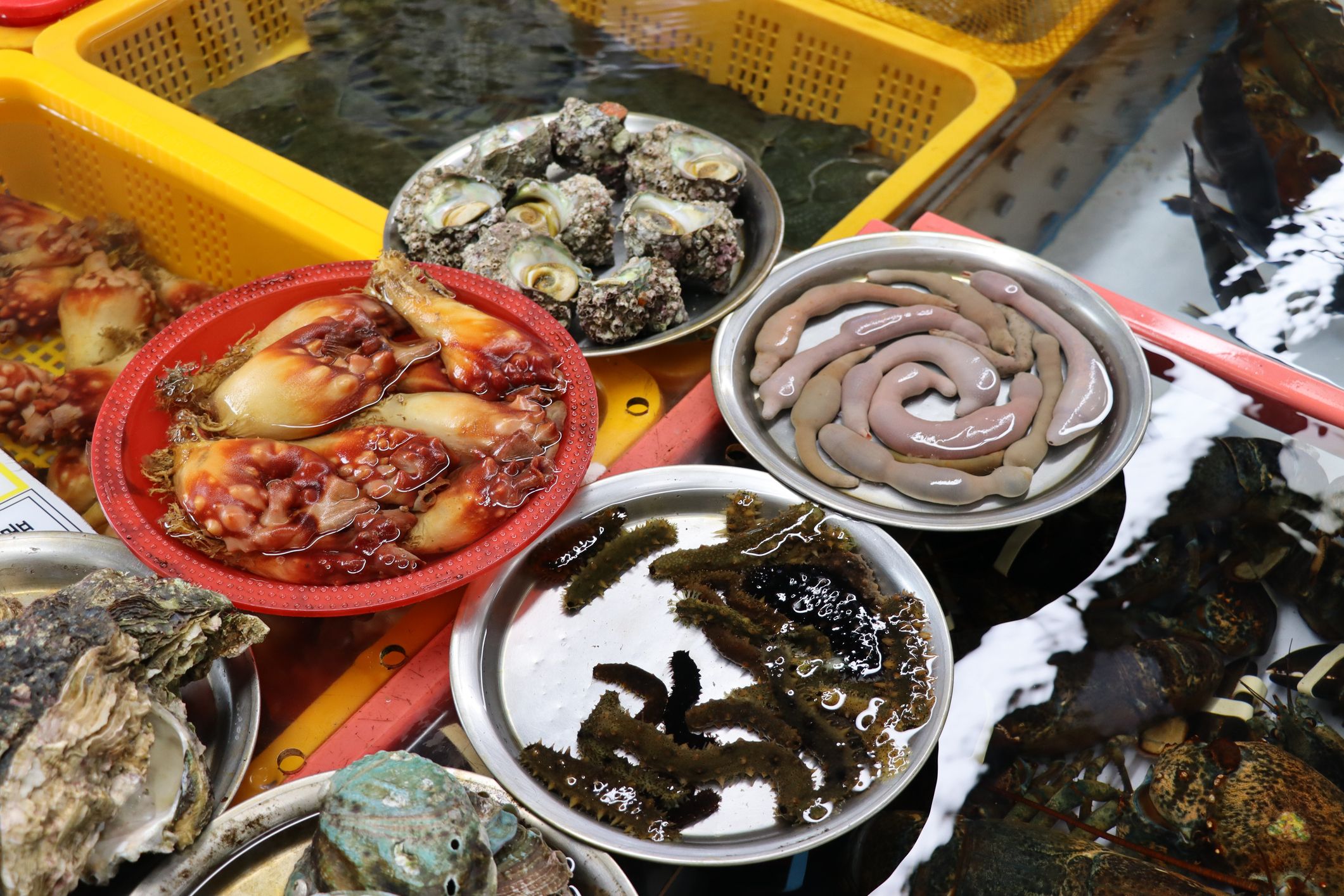
Busan is the easiest place in Korea to understand by appetite. Korea Tourism describes it, very fairly, as a port city for nature, gastronomy, experiences and urban adventures, which is a tidy way of saying Busan does a lot and does it with conviction. This is Korea’s largest port city, and it has the sort of sea-facing confidence that comes from having spent a long time being useful.
For a first-timer, the clearest way in is Jagalchi Market. VisitKorea describes it as one of the largest seafood markets in Korea, selling both live and dried fish, and notes that the market’s identity was shaped after the Korean War. It also points out one of the details that makes Jagalchi feel distinctly Busan: many of the vendors are women, the famous Jagalchi ajumeoni.
Busan is a city of marine appetite and hillside sprawl, of big bridges and practical pleasures. You can eat your way through the market, look at the tanks, decide that cuttlefish are either fascinating or unnerving, and then keep moving through the surrounding Nampo and BIFF area while the city shifts gear around you.
And if you want the experience that most quickly explains modern Korean wellness culture, add Spa Land Centum City. It uses natural thermal water from 1,000 metres underground and includes 22 baths and 13 themed dry saunas. That is not a spa. That is an entire belief system with locker keys. Busan, then, is for seafood, urban sea air and one properly Korean spa experience.
Yeosu: where the sea is not background but architecture
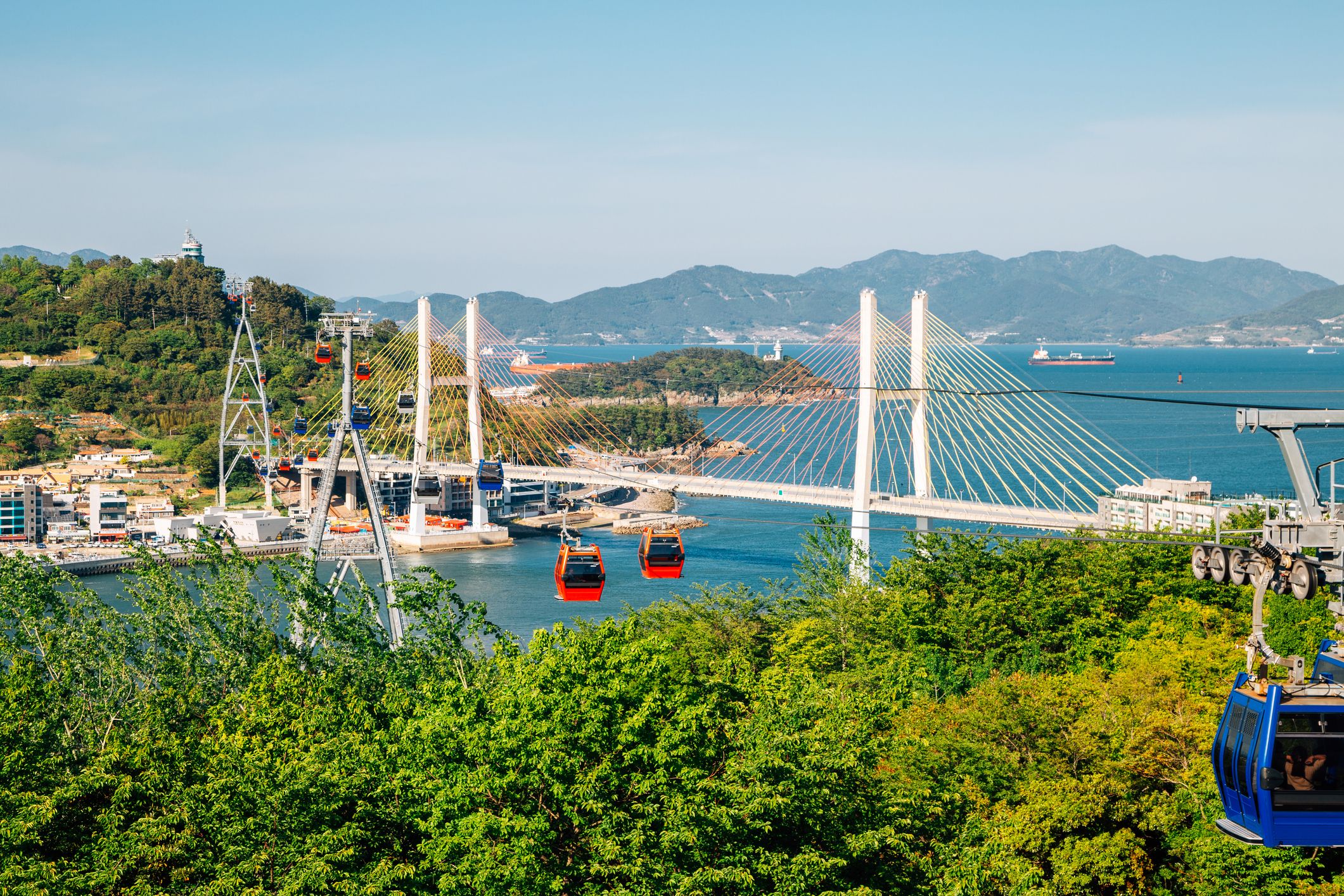
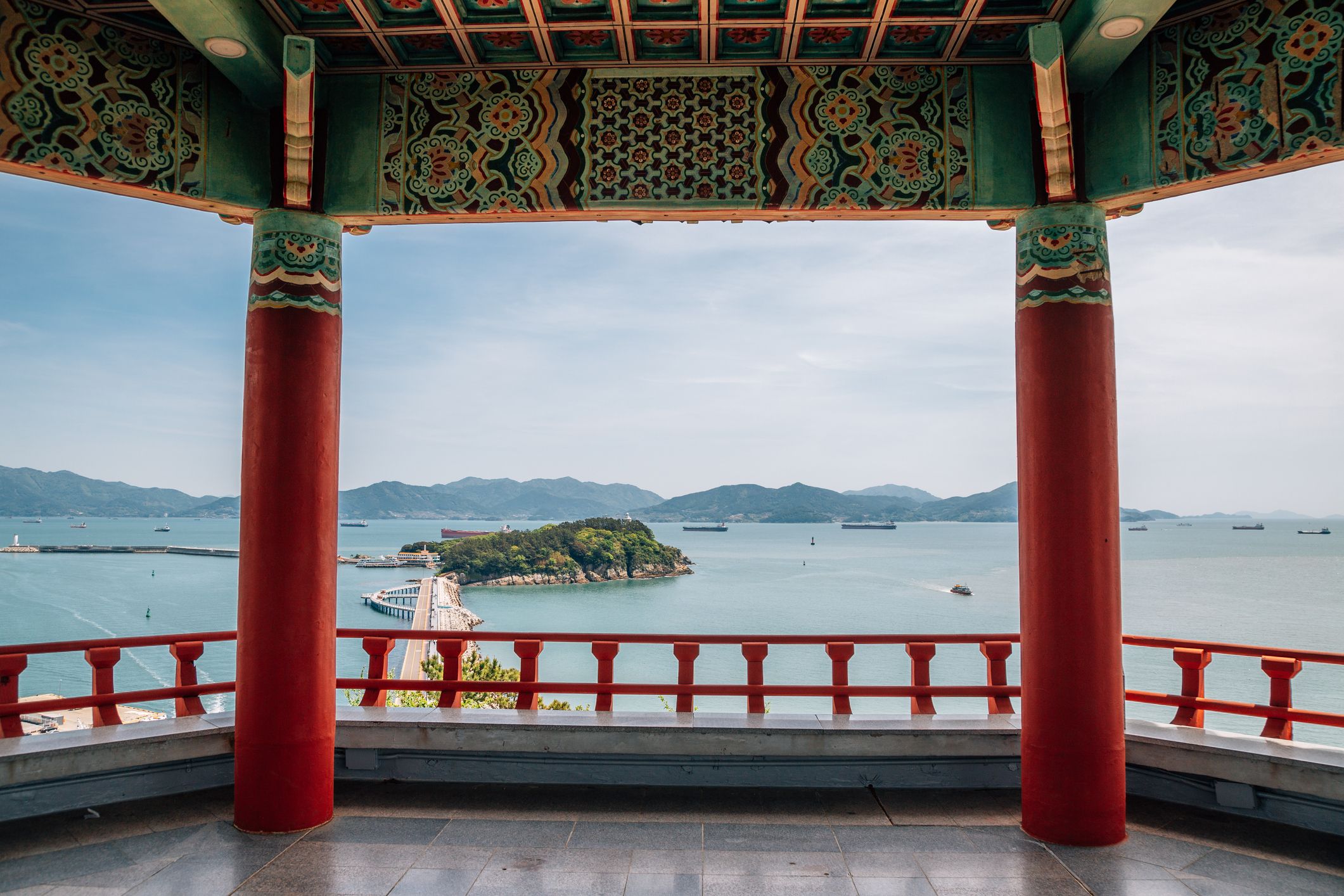
Yeosu is a maritime city with 365 islands and it's for this reason that this stop feels most naturally cruise-shaped. The headline attraction is the Yeosu Maritime Cable Car, which VisitKorea calls the first of its kind in Korea, linking the mainland and Dolsan Island over the sea. That alone makes it worth your time. A city that lets you cross the harbour in a cable car has understood something important about both tourism and showmanship.
The second thing Yeosu does very well is atmosphere after dark. VisitKorea’s coverage of the Romantic Cart Bars is almost disarmingly direct: seafood-based dishes, the night sea, the bridge lit up behind you, and nearby access to the cable car. It sounds like a line from a K-drama which I suspect is precisely the point.
If your call lands in spring, Yeosu also has a softer side. Odongdo Island is famous for camellias, and both Yeosu city and VisitKorea note that the blooms peak in spring, with walking trails, cliffs and lighthouse views built into the outing. It is the sort of place that makes you believe, briefly, that you are naturally the kind of person who enjoys coastal botany.
What Yeosu does best, then, is show you the Korean coast as something lyrical rather than merely practical. Busan is the seafood-and-steam city. Yeosu is the place where sea views start looking like oil paintings.
Jeju: go east, go volcanic
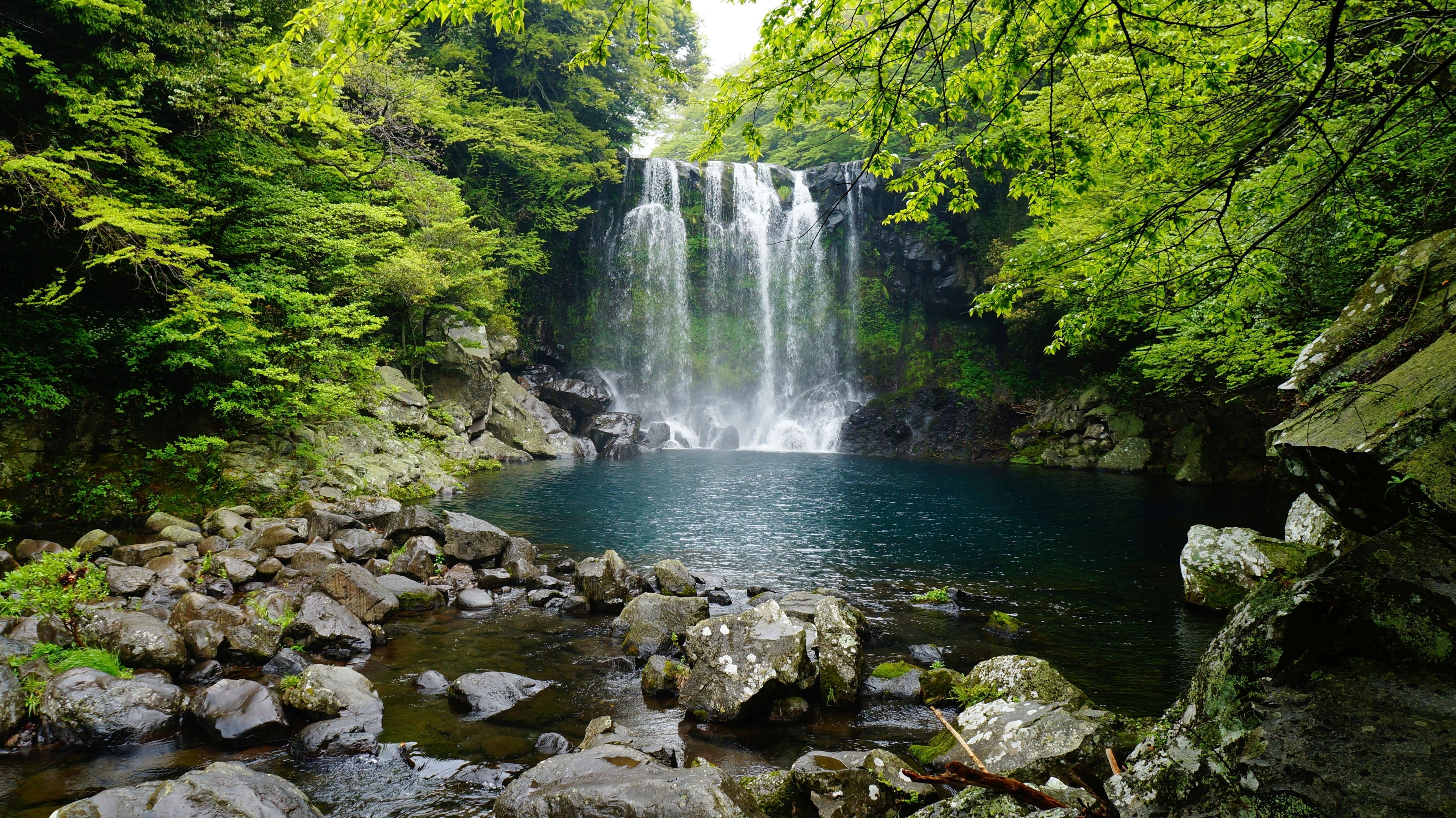
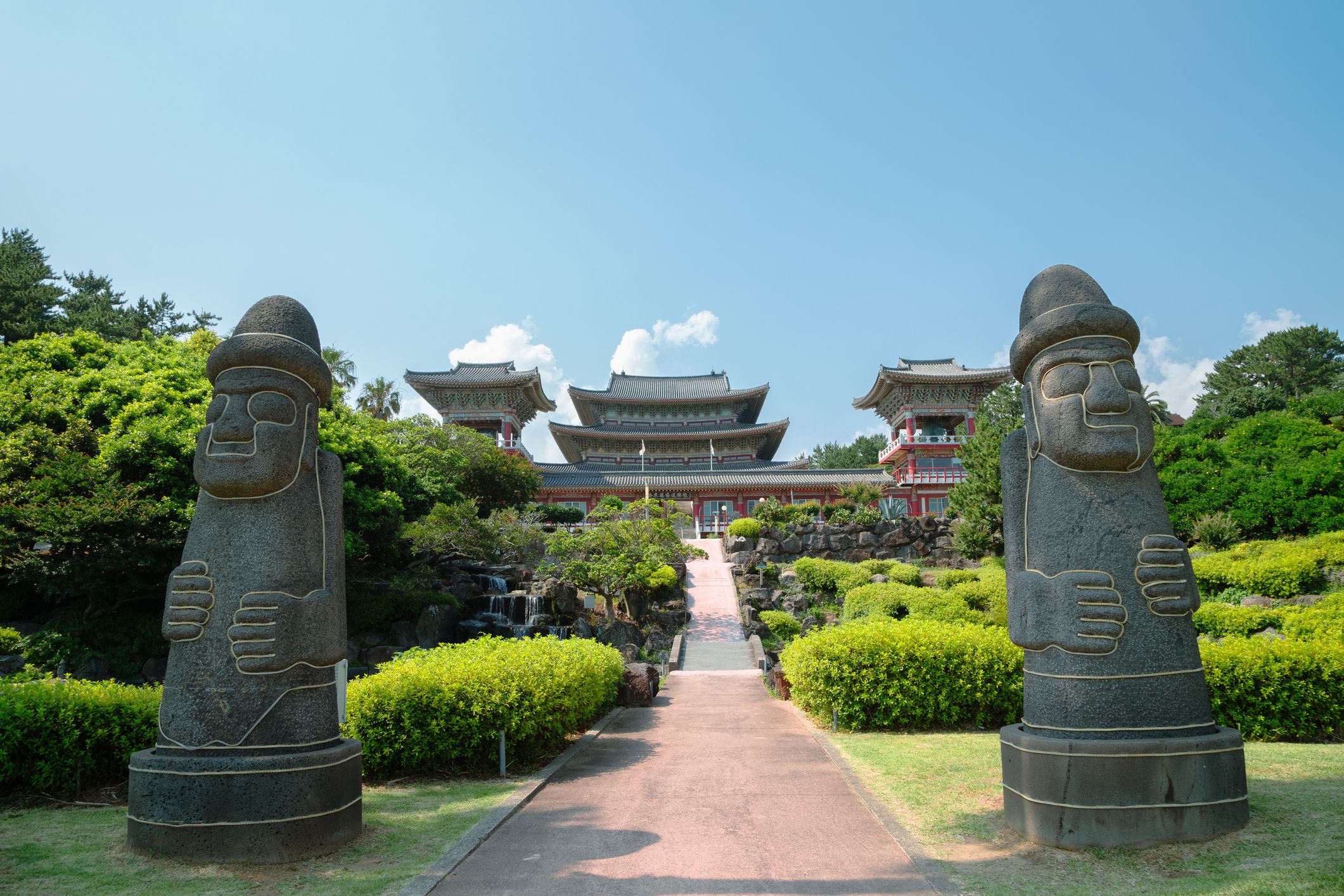
Jeju is where first-timers often come unstuck, because they hear “island” and imagine something compact and manageable. Jeju is not compact. It is South Korea’s largest island, and cruise ships can call at two ports, the main Jeju Cruise Port in the north and Seogwipo Gangjeong Cruise Port in the south. In other words, before you plan anything, find out where your ship is actually landing first.
For a first-timer, the defining Jeju experience is the east side, specifically Seongsan Ilchulbong. Visit Jeju calls it a volcanic tuff cone rising from the ocean, and UNESCO includes it within the Jeju Volcanic Island and Lava Tubes World Heritage listing, describing it as a world-class site for understanding this kind of eruption. This is one of those useful cases where the science and the scenery happen to be equally impressive.
But Jeju is not only geology. It is also one of the few places where a culture shaped by women divers still feels central to the island’s identity. UNESCO’s listing for the Culture of Jeju Haenyeo explains that these divers work by breath-hold diving, harvesting the sea for long hours and passing on skills through families, cooperatives and schools. You can still watch haenyeo work near Seongsan, then see the catch sold and served nearby.
This is why Jeju works so well as the island stop on a Korean coastal cruise. It gives you the big landscape moment, yes, but it also gives you an actual way into local identity. A volcanic cone and a community of sea women is, frankly, stronger material than another hour spent wondering whether a beach club is worth the money.
So what does each place actually do best?
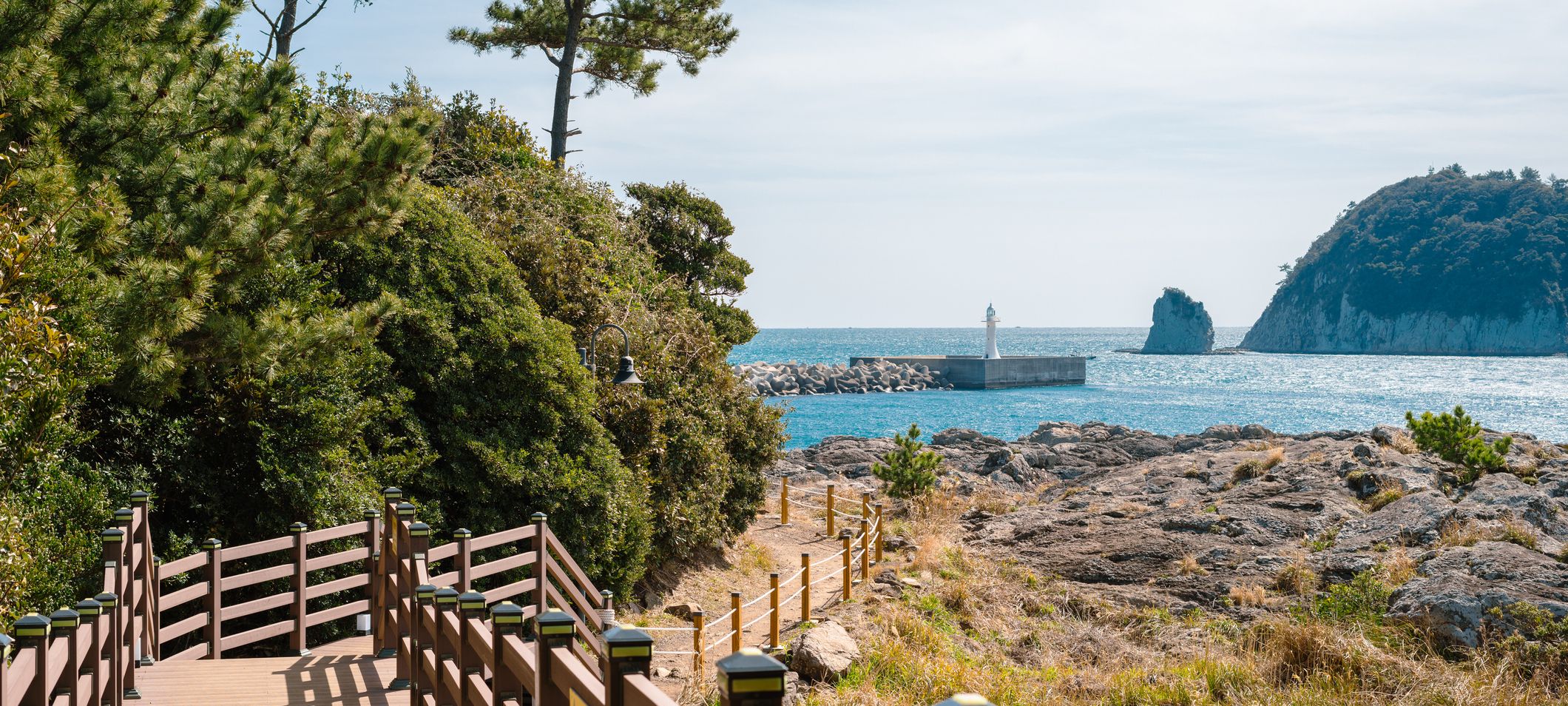
Busan does appetite and urban sea culture. Go there for Jagalchi, the surrounding market districts and, if you can bear to give up more time, an unapologetically full Korean spa session.
Yeosu does marine scenery and evening mood. Go there for the cable car, the island-fringed coastline and the fact that even its casual food scene comes with a bridge and a night sea attached.
Jeju does landscape and identity. Go there for Seongsan, for the volcanic coastline, and for the haenyeo culture that makes the island feel lived rather than merely admired.
Put together, the three make a particularly satisfying first Korean cruise because they do not overlap lazily. You are not getting “another harbour city,” then “another island,” then “another market.” You are getting three different versions of what the Korean coast can be: one energetic, one lyrical, one almost elemental.