There are worse ways to understand an island than to sail all the way around it. On a good itinerary, Sri Lanka stops being a dot in the Indian Ocean and turns into three very distinct days ashore: a buzzing capital, a walled fort town and a sleepy harbour where the sea feels almost Caribbean.
Here is how that triangle works in practice, and how to make the most of each port call.
First, know your seasons
Sri Lanka runs on two monsoons rather than four tidy European seasons. The south and west coasts get their wild weather from roughly May to September, while the north and east are hit from about October to January.
For you, that means most winter sun cruises out of Colombo and Galle happen between December and March, when skies are clearer and seas are calmer in the south. If your itinerary includes Trincomalee on the east coast, chances are it will be in our summer, when that side of the island is at its best and the water looks like it has been edited.
The upshot: whoever designed your cruise has probably already played monsoon chess so you do not have to. It is still worth checking which coast you are on when, especially if you are dreaming of beaches or whale watching.
Colombo: a capital that rewards a second coffee
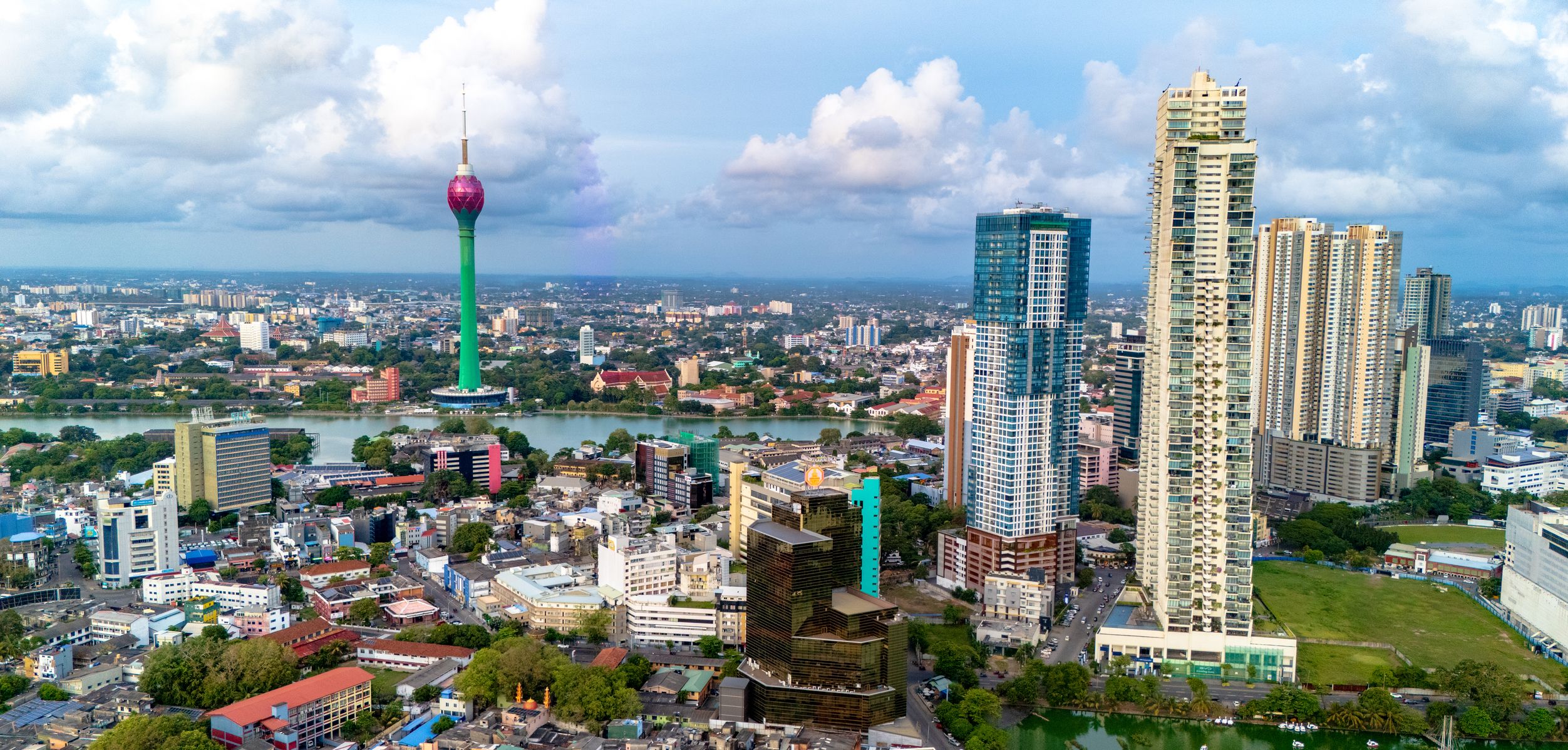
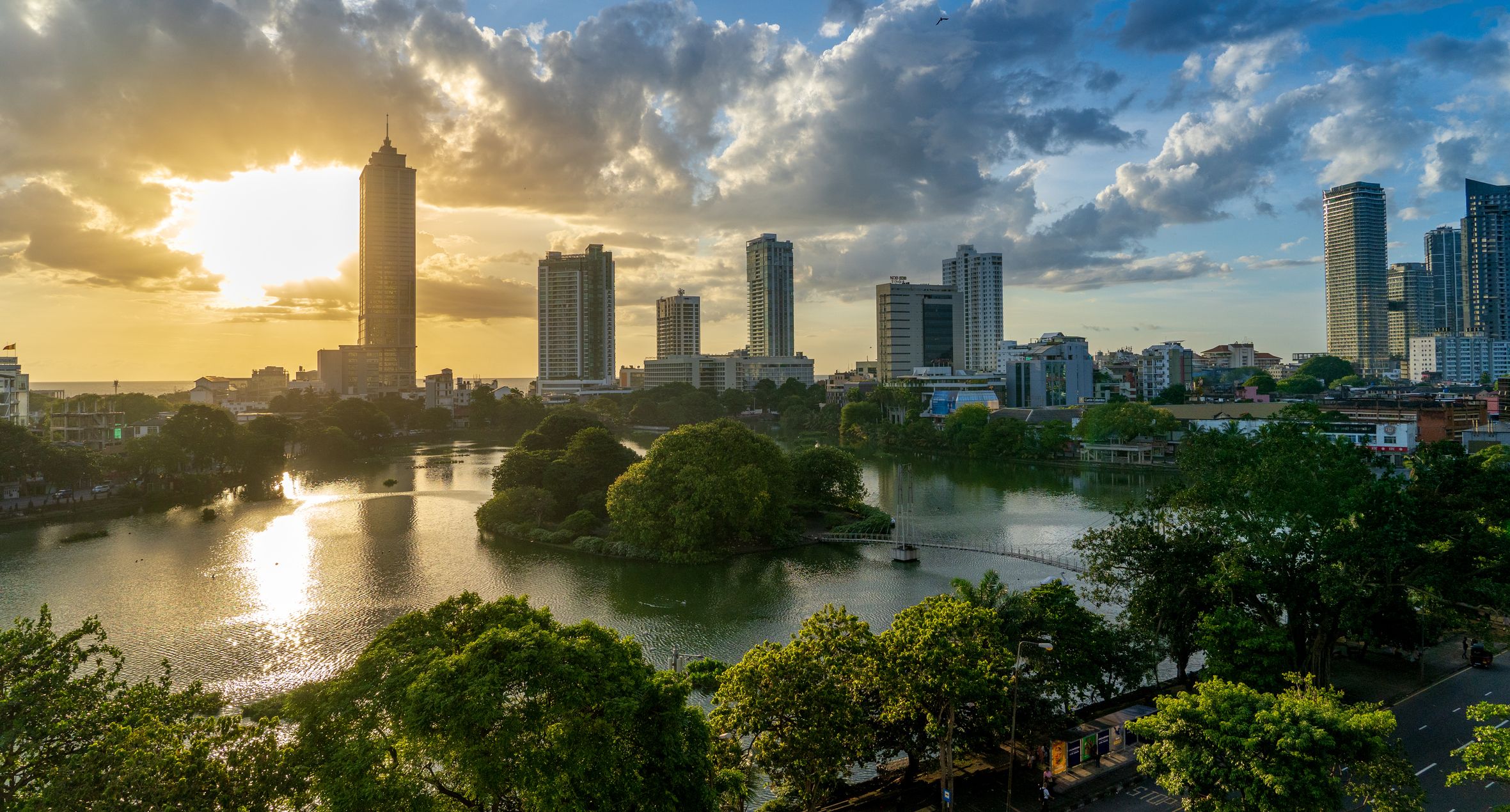
Colombo’s cruise terminal sits right next to the old heart of the city, which means you are only a short taxi or tuk tuk from the action. Recent years have seen a modern cruise facility open at the port and a flurry of new hotels, rooftop bars and glossy developments around the waterfront, but the best bits are still older and slightly frayed at the edges.
Start by heading for the historic Fort and Pettah districts. Fort is colonial Colombo in postcard form, with wide streets, grand banks and the restored Old Dutch Hospital complex, now full of cafes, boutiques and people pretending they do not have a ship to get back to. Pettah, next door, is a full sensory reboot: spice stalls, fabric shops, street snacks and traffic doing whatever it wants. You will not tick off every sight, but a gentle wander and a fresh lime juice will give you the measure of the place.
When you have had your fill of chaos, make for Galle Face Green, the long strip of lawn and promenade that runs along the sea. On a breezy afternoon it is where Colombo comes to walk, fly kites and eat isso wade (prawn fritters) from the street stalls. If you prefer your tea with air conditioning, duck into one of the old colonial hotels behind the Green and pretend, briefly, that this is your club.
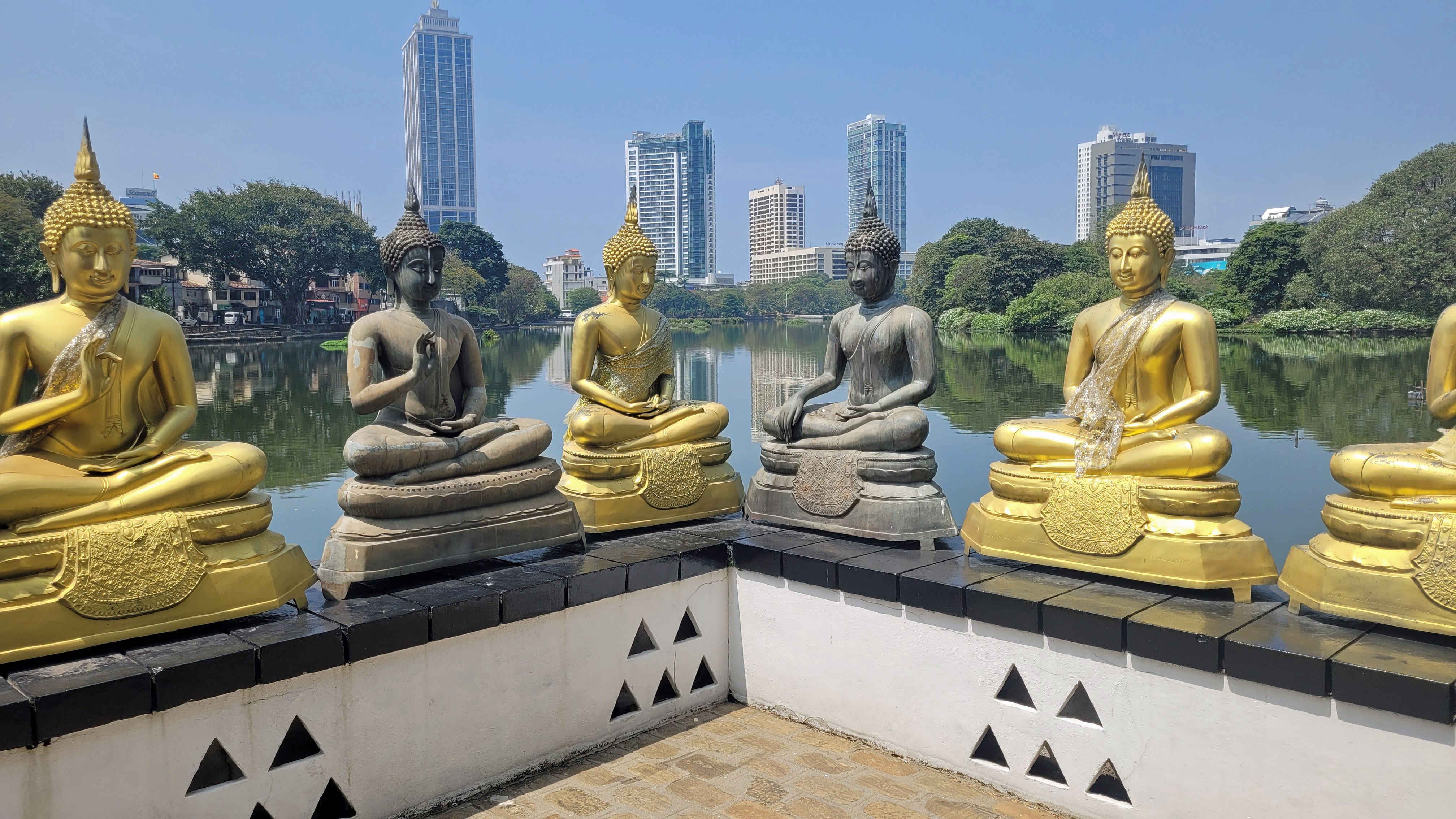
If you want a dose of calm and culture in one go, Gangaramaya Temple and the neighbouring Seema Malakaya shrine on Beira Lake are easily combined. Expect Buddha statues in every possible style, brass oil lamps and monks weaving between tourists and office workers on their lunch break.
With a single day, it is better to pick two or three of these pockets and do them properly rather than try to cross the whole city. The traffic will win.
Galle: fort walls, sea breeze and just enough shopping
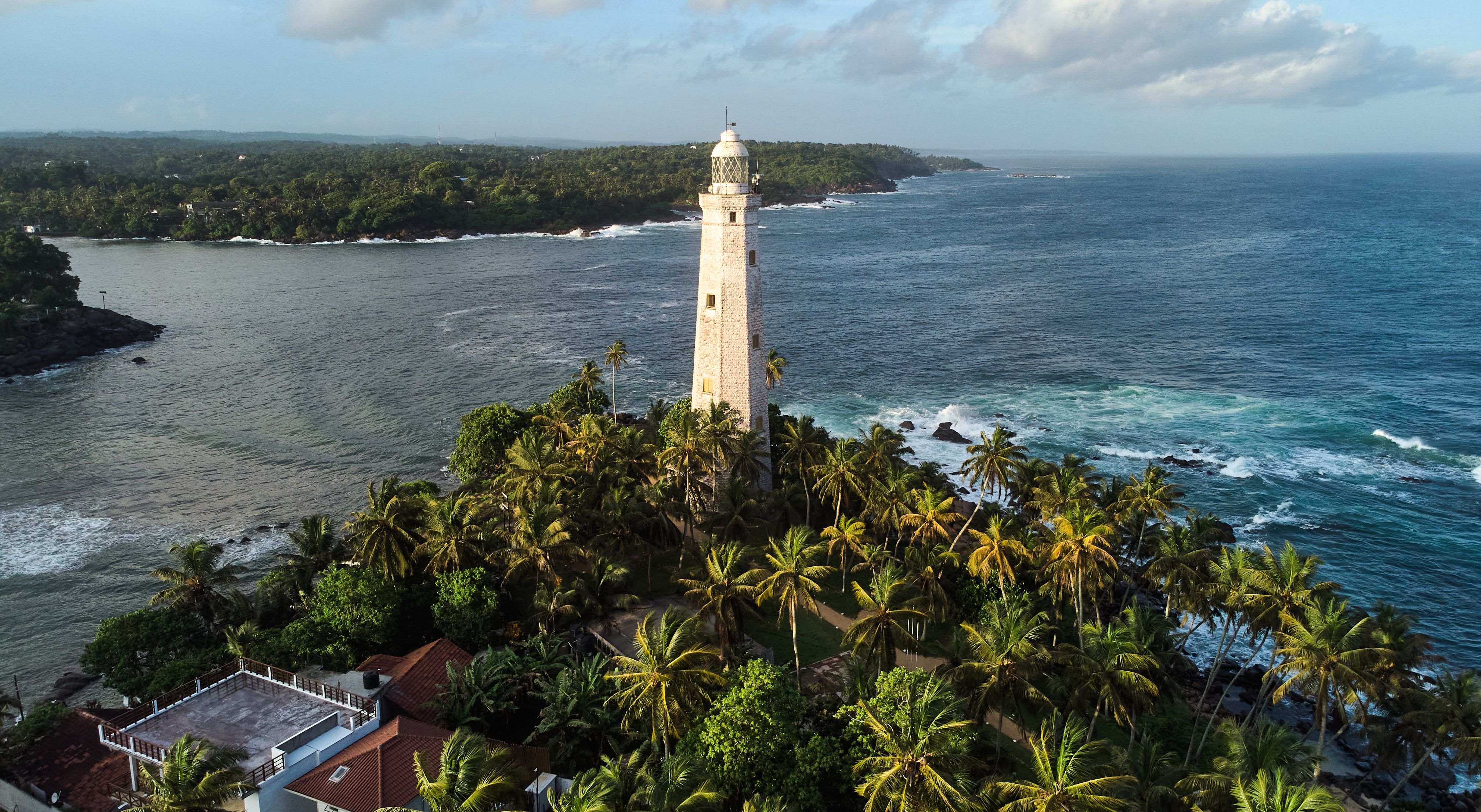
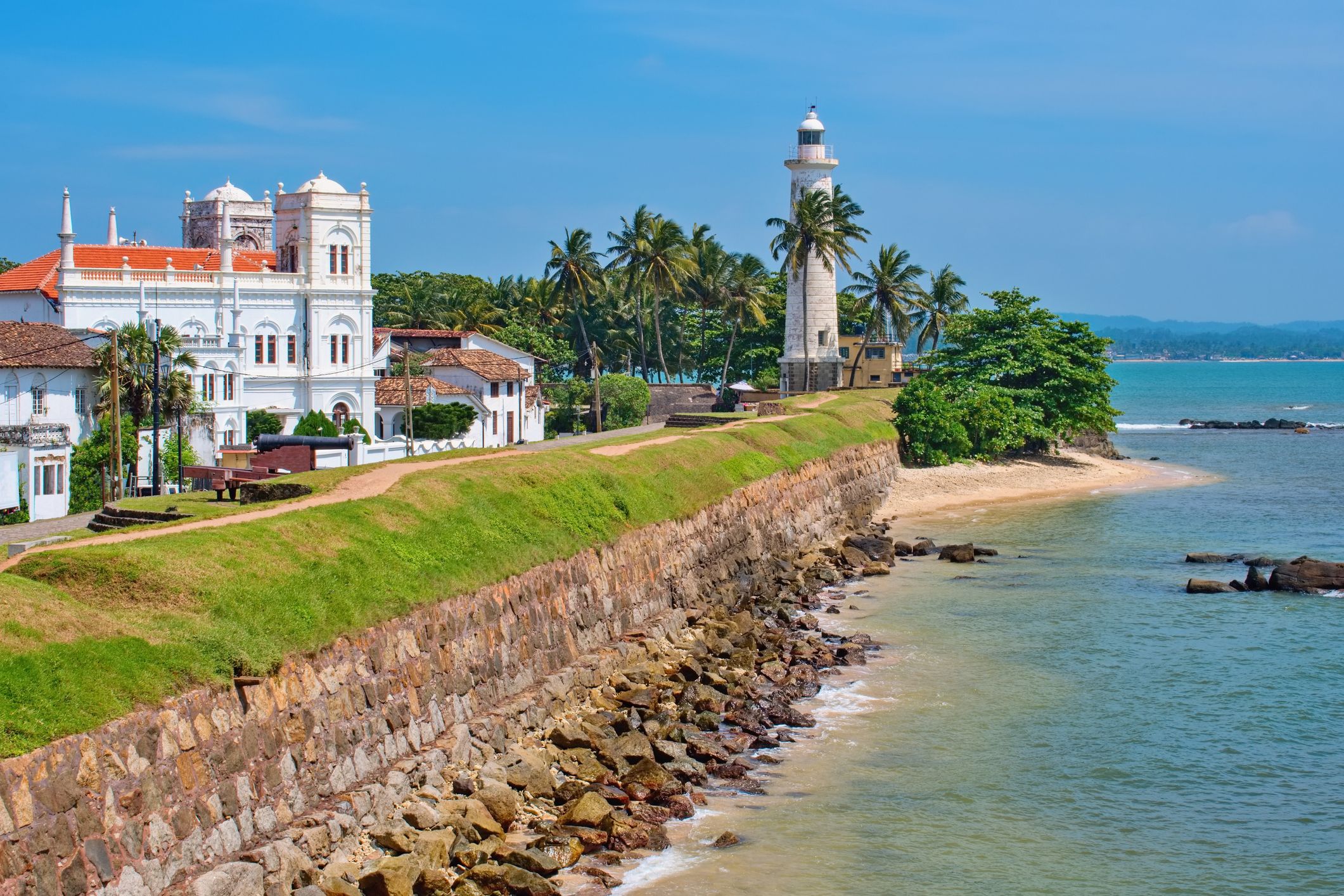
Galle is the easy crowd-pleaser of the three. The cruise dock sits a short ride from the UNESCO listed fort, a proper 17th century Dutch stronghold built out onto a rocky headland and still very much lived in.
Once you are through the gate, you can happily spend a day doing not very much at all. Walk a stretch of the ramparts first to get your bearings: lighthouse at one end, cricket ground and clocktower at the other, turquoise sea all the way round. From there, drop into the grid of streets inside the walls, full of old villas, galleries, independent shops and cafes. It feels more like a small Mediterranean town that has mislaid itself and washed up in the Indian Ocean.
Coffee and lunch are easy. You will find everything from simple rice and curry joints to smart little restaurants doing a modern take on Sri Lankan dishes. If you want a beach fix, there are good sandy bays within a short tuk tuk ride, but do not underestimate how fast a day inside the fort disappears once you start stopping for photographs and snacks.
More energetic excursions to tea estates or wildlife reserves such as Yala are sometimes offered from Galle, but they tend to mean long hours on the road and a nervous eye on the clock. Unless you are desperate to tick something specific off, Galle itself is enough.
Trincomalee: east coast harbours and warm, clear water
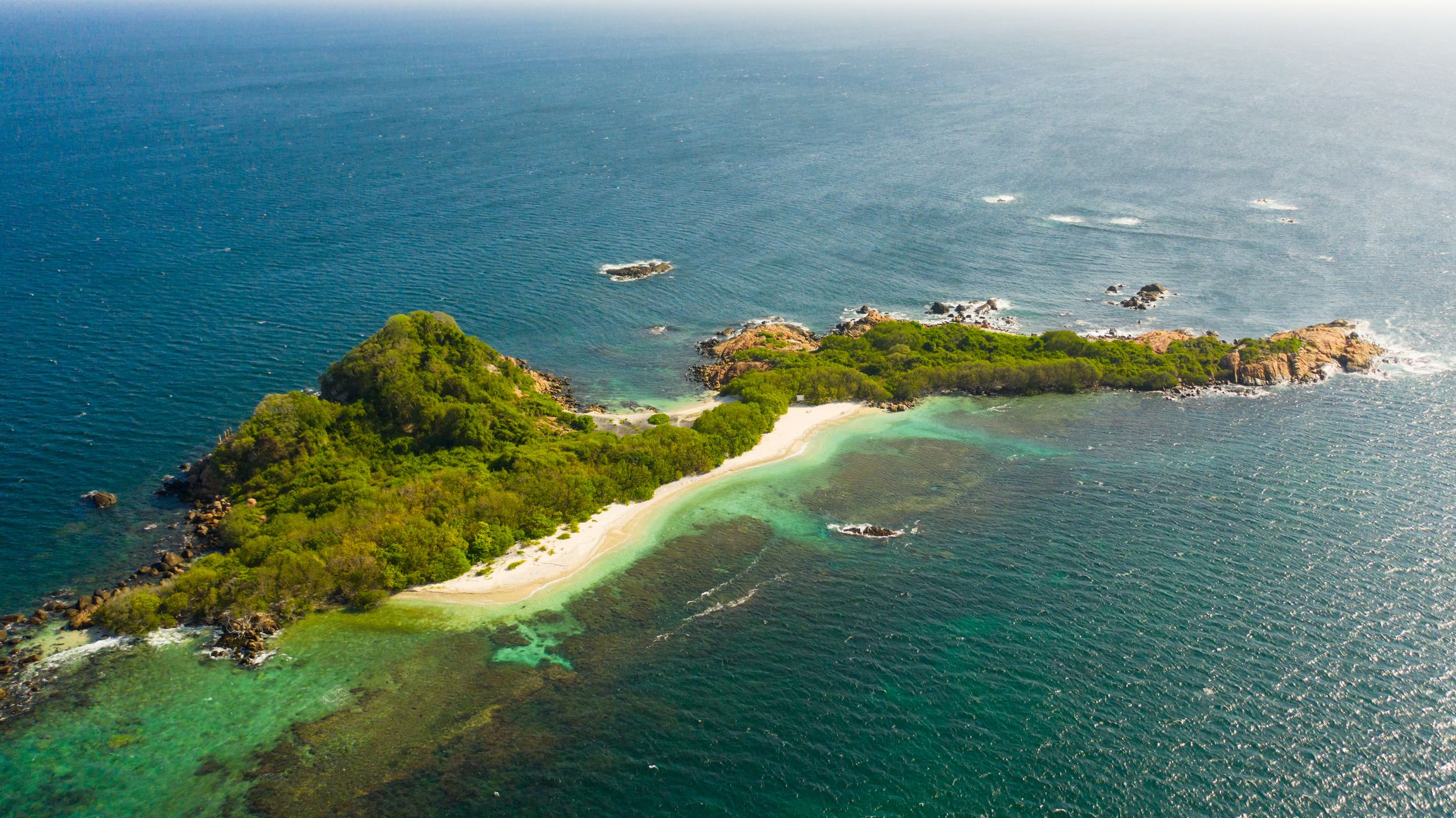
Trincomalee on the east coast feels completely different again. The harbour is one of the largest natural deep water anchorages in the world, which is why the British Navy spent so long arguing over it, and modern cruise ships now benefit from the same geography.
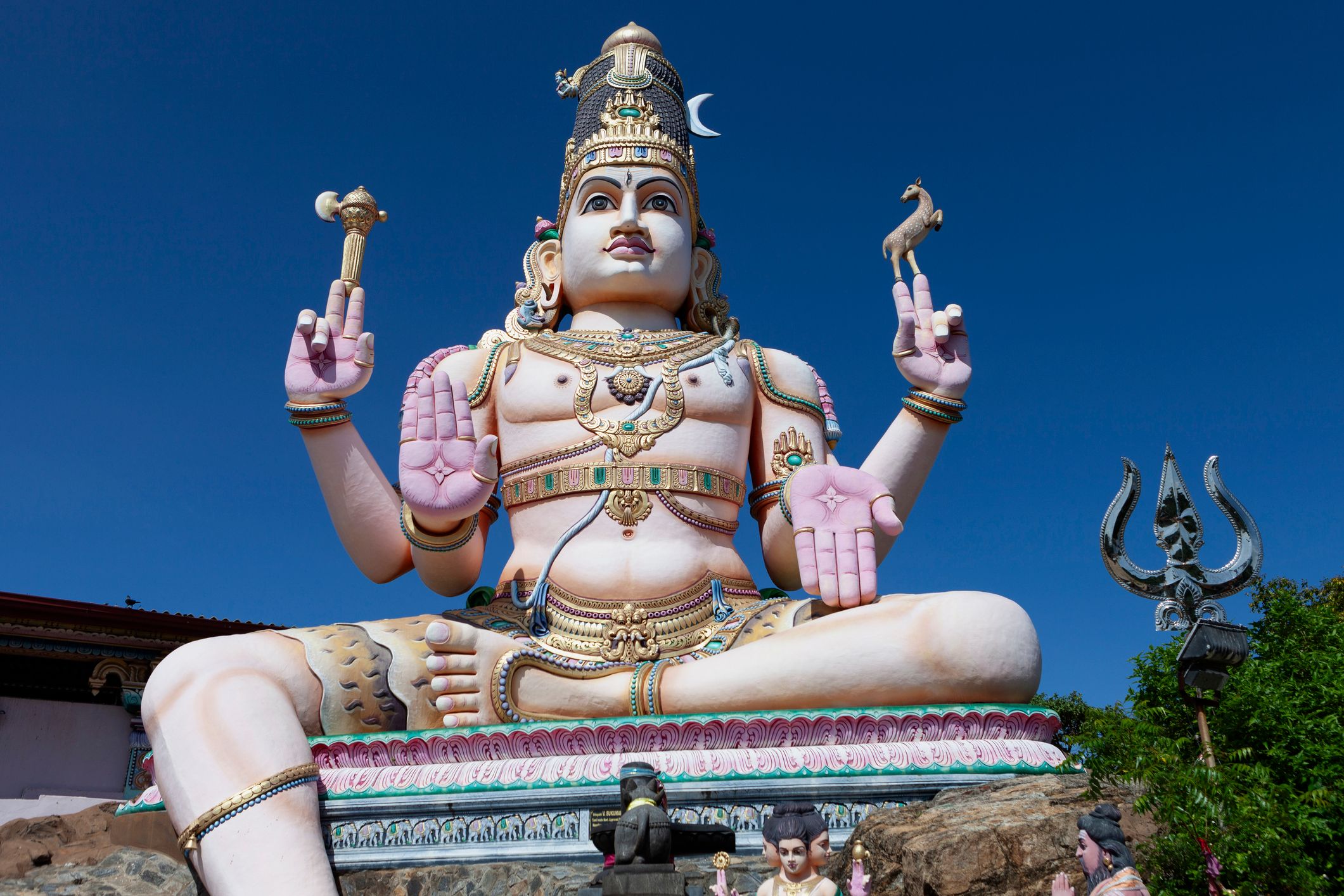
The town itself spreads around a series of bays and headlands. A classic first stop is Fort Frederick, the 17th century fort on a wooded promontory, still used by the Sri Lankan army. Inside the walls, deer wander about as if they own the place and the views across the harbour are superb. At the very tip sits Koneswaram Temple, perched on the cliffs with a tangle of shrines, bells and tridents overlooking the sea. You do not need to be particularly religious to appreciate the setting.
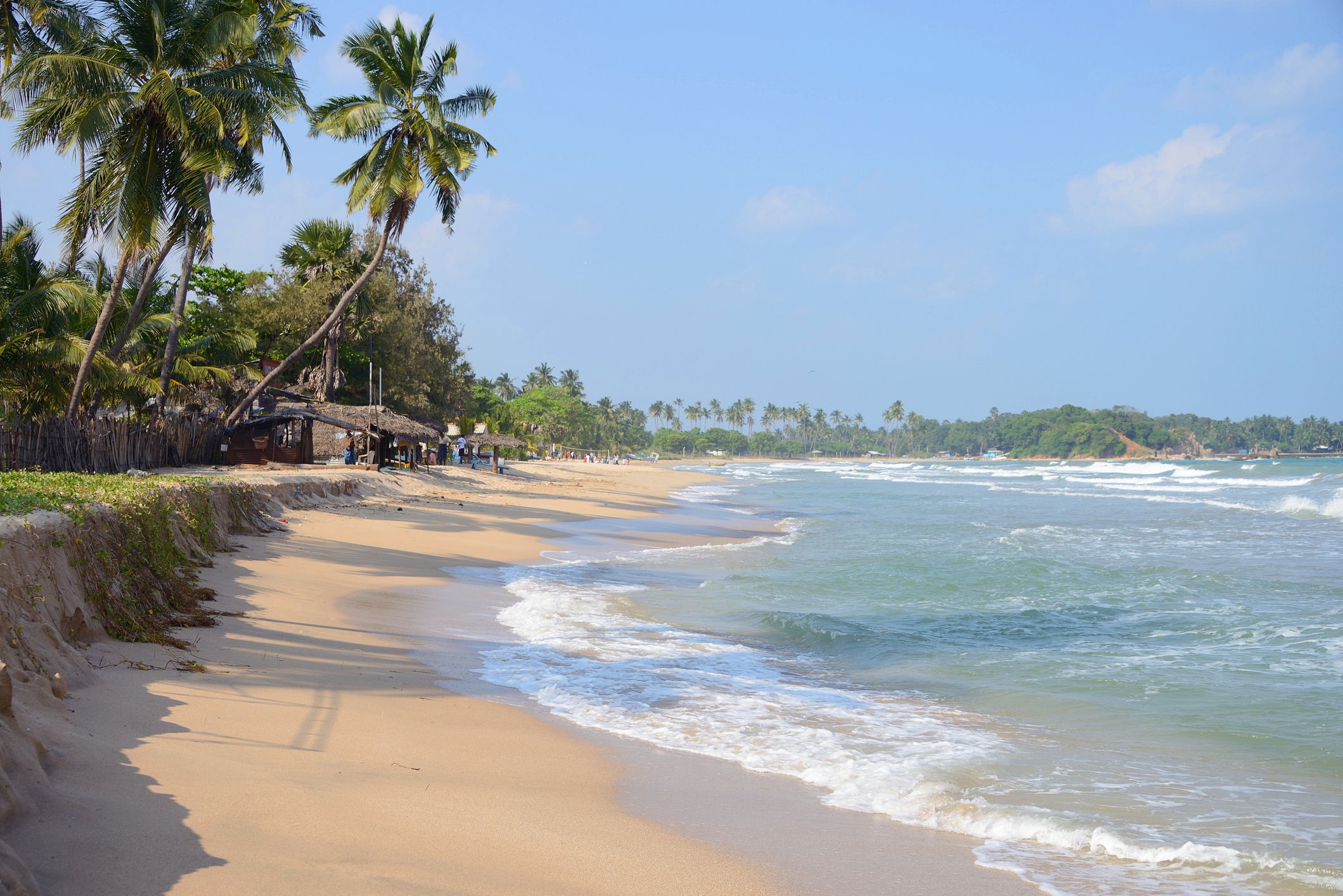
From there it is an easy hop to one of the local beaches. Dutch Bay is the nearest, with fishing boats and a very local feel. A little further north, Uppuveli and Nilaveli have softer sand and more of the barefoot resort atmosphere, with simple bars and cafes where you can eat fresh grilled fish and drink lime soda while pretending not to check the time.
Between about March and August, Trincomalee’s waters are also prime territory for boat trips to look for blue whales and dolphins, which are regularly spotted off the coast when the sea is calm and the krill buffet is open.
You will be on a small local vessel rather than a mini cruise ship, so expect things to be straightforward rather than luxurious, but the payoff of seeing a whale surface within sight of your own floating hotel is hard to beat.
Choosing the right way to circle the island

Most big-ship itineraries treat Sri Lanka as a one stop story, usually Colombo on an Indian Ocean or wider Asia route. More interesting for the island itself are the voyages that add one or both of Galle and Trincomalee, or even loop all the way around from Colombo, calling at three or more ports on the way.
If you like cities and the buzz of a working harbour, lean towards routes that start or end in Colombo so you can add a night or two on land. If you prefer history and lazy wandering, Galle is the jewel. If clear water, beaches and a slightly off the beaten track feel are your thing, look for Trincomalee on the list of calls, ideally in early or mid year when the east coast is at its best.
Whichever combination you end up with, the pleasure of doing Sri Lanka by sea is that you do not have to choose just one version of the island. You get three very different days, one unpacking, and a front row seat as the coastline slowly redraws itself between them.