
By sea, those scenes arrive with the rhythm of a well-paced novel: forts and spice markets, temples older than most nations, rock-cut religious sites that have stared at the surf for thirteen centuries, and (because this is India, after all) food that resets your idea of flavour every few hours. Cruising ties them together without airport sprints, lost bags or any lugging of your suitcase onto a packed night train. You unpack once and let the shoreline do the moving.
Below, a tour of the coast most ocean itineraries touch first, and why arriving on a ship changes the way each place feels...
Mumbai: a big-screen overture
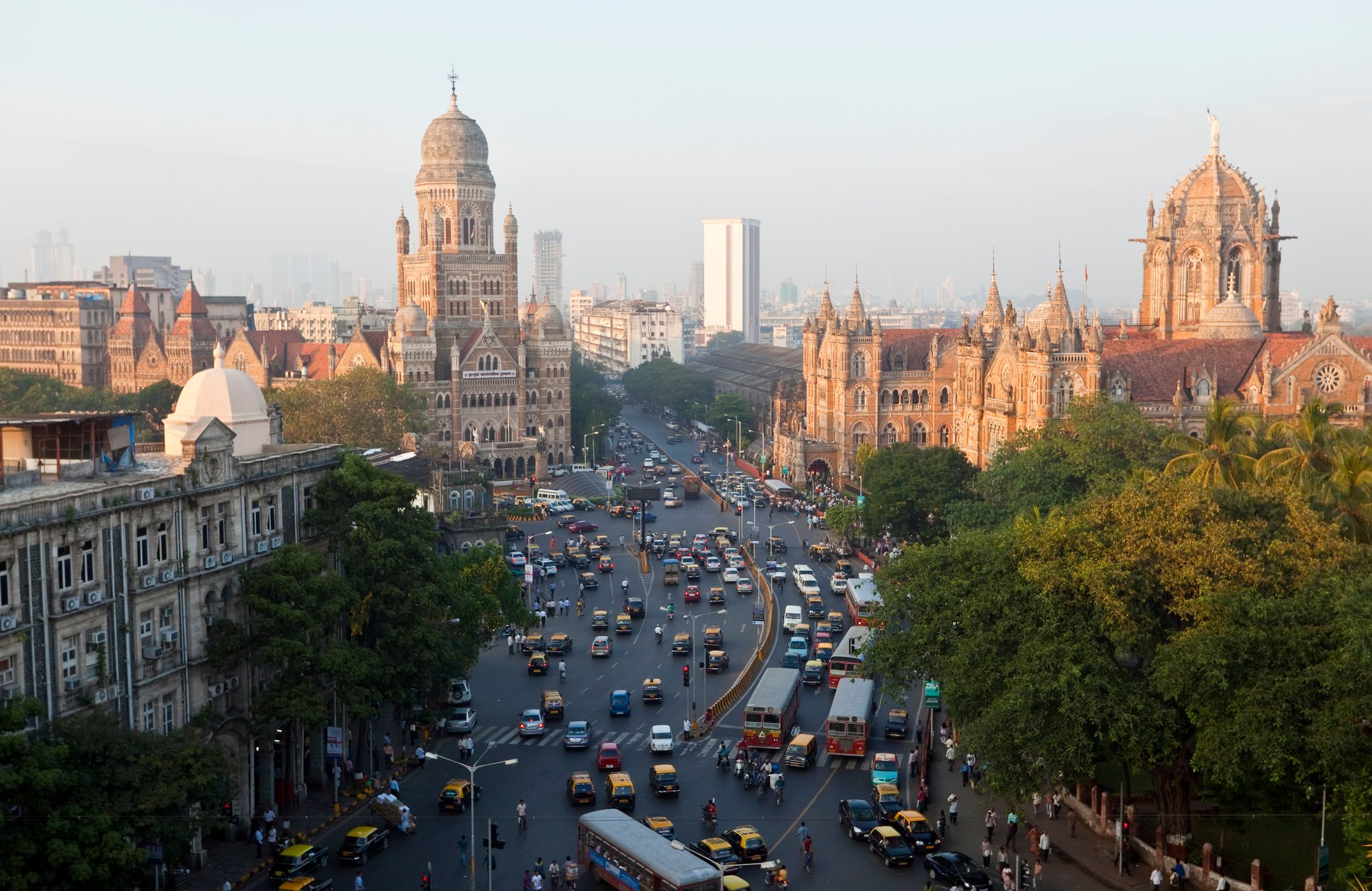
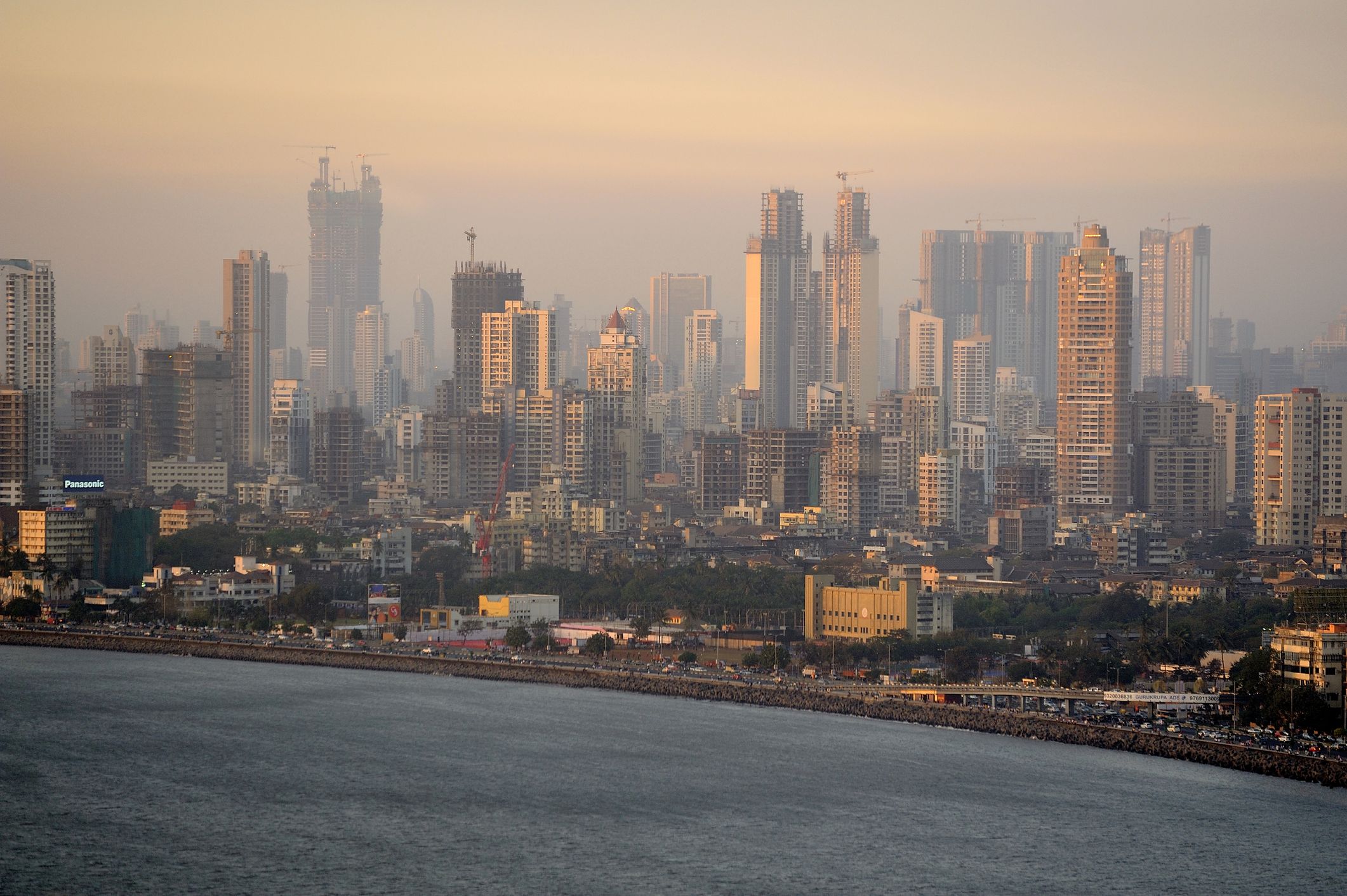
India’s most kinetic city makes for a terrific curtain-raiser. Ships now berth at the new Mumbai International Cruise Terminal on the eastern waterfront, a purpose-built gateway that finally matches the city’s scale and makes embarkation smoother than it used to be.
What it feels like from a ship: You sail past working docks into a skyline you’ve seen in films, then step ashore minutes from the Gothic-Victorian fantasia of the old Fort district and the arch of the Gateway of India. Shore days here are about contrasts: Irani cafés and contemporary galleries; Chor Bazaar’s glorious jumble and Kala Ghoda’s crisp design stores. It’s the coastal hinge that sets up everything to come.
Goa (Mormugao): Portuguese echoes and beach-blue days
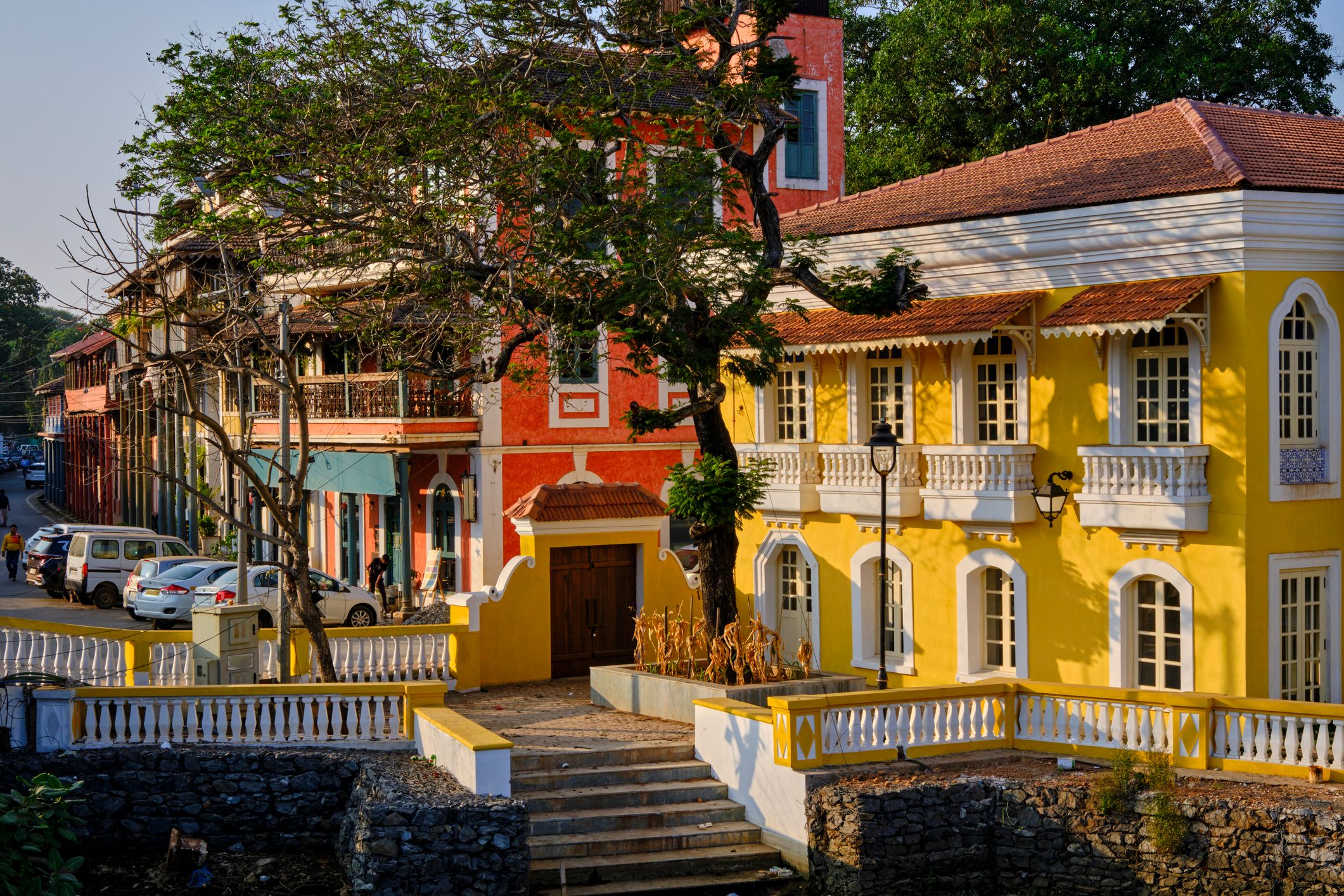
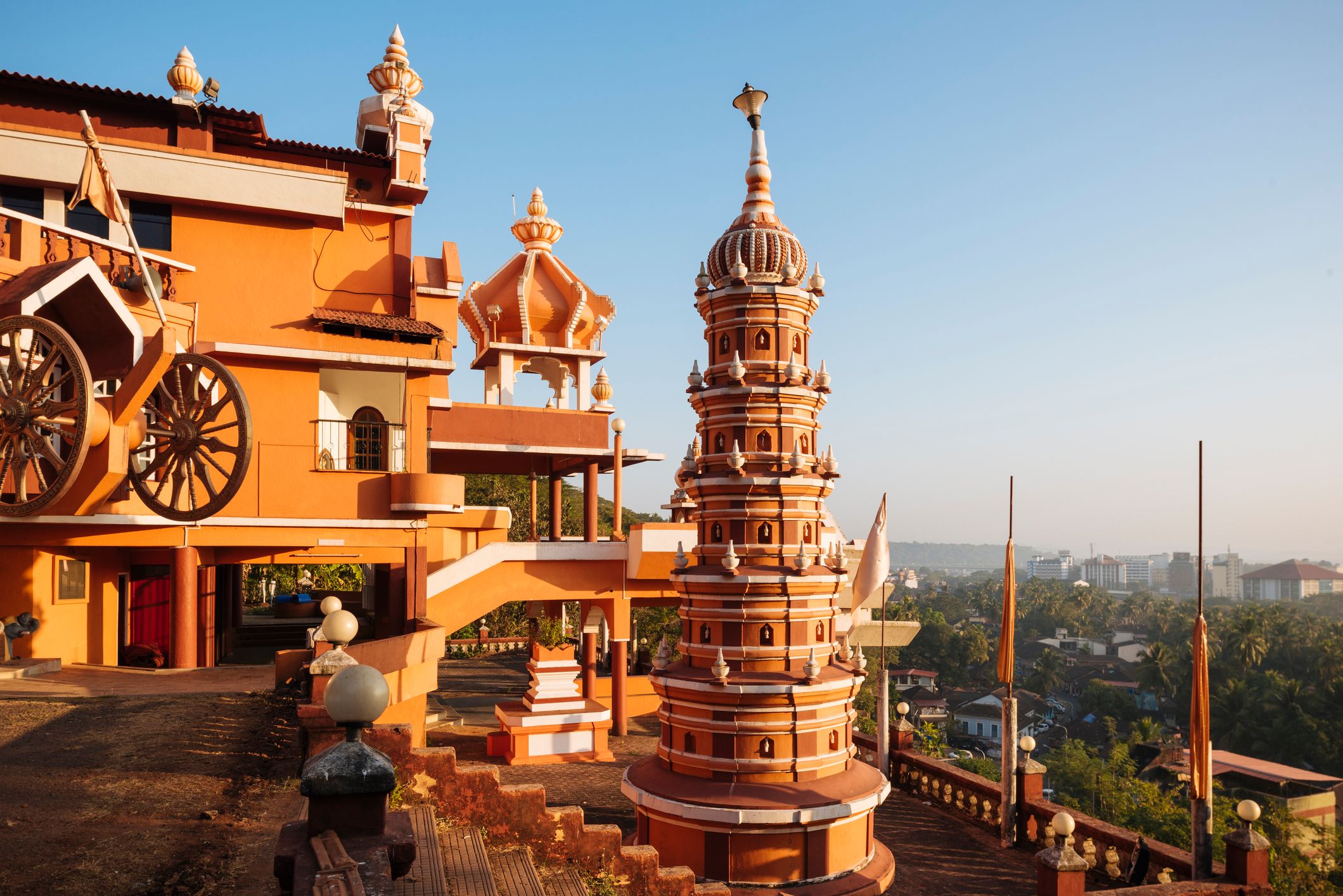
The port is an hour or so from Goa’s heartlands, but the payoff is a compact history lesson wrapped in palm trees. Old Goa’s Churches and Convents—including the Basilica of Bom Jesus, with the tomb of St Francis Xavier—are part of a UNESCO World Heritage ensemble that exported Iberian art and architecture across Asia.
Why cruise works here: You can split a day cleanly: morning among baroque façades and spice plantations inland; afternoon on a beach where the soundtrack is chapatti pans and surf. Then you go back to your floating hotel, not to a taxi queue on Calangute at sunset.
Kochi (Cochin): backwaters, merchants and monsoon light
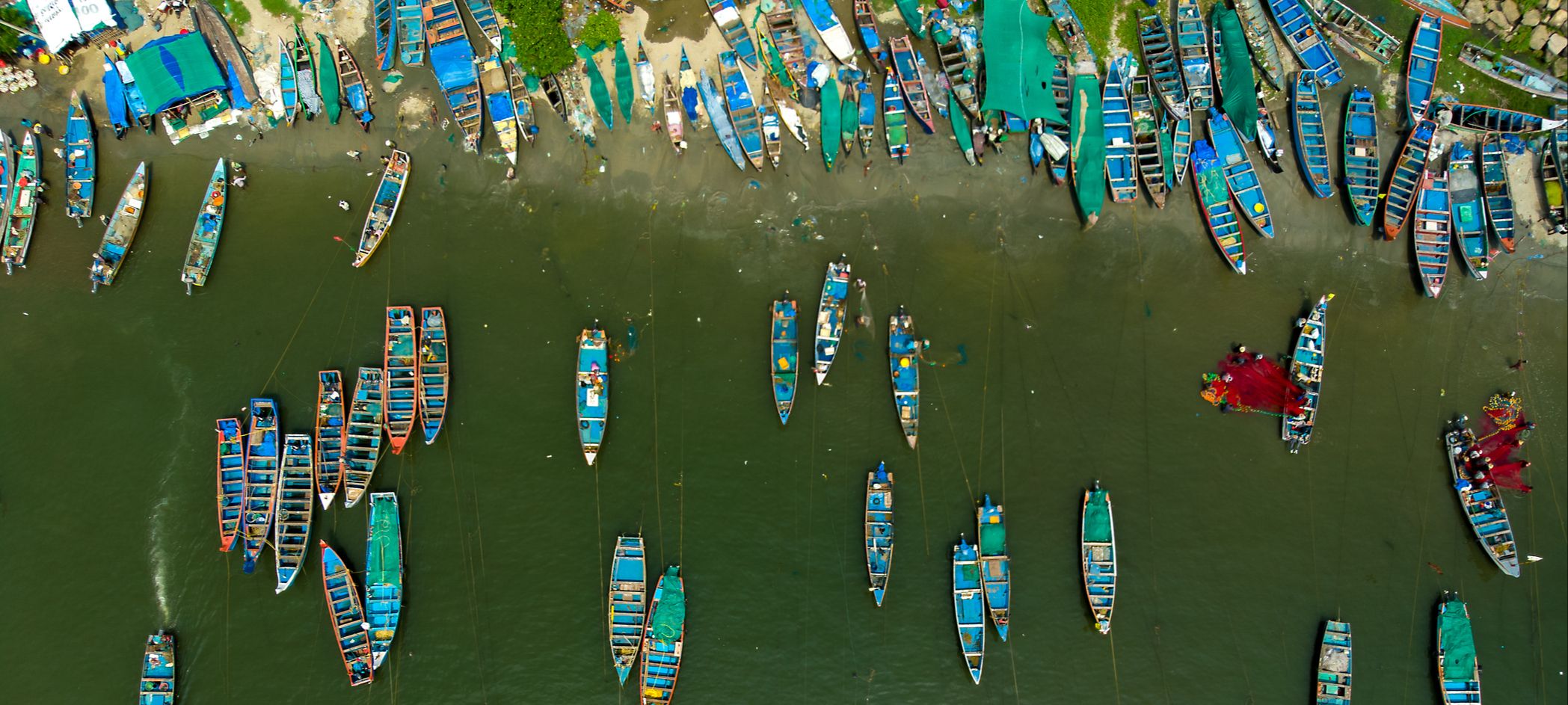
Kochi is India’s sea diary in miniature: Chinese fishing nets on the strand, a Portuguese-Dutch fort town, and Jew Town’s lanes running to the Paradesi Synagogue; the oldest active synagogue in the Commonwealth, rebuilt by the Dutch in the 17th century and still a working place of worship.
Many cruisers pair Fort Kochi with a foray to Kerala’s backwaters, waterways braided with palms and village life, on day boats or houseboats. The state tourism board literally maps an Alappuzha-to-Kochi backwater cruise; even a shortened version turns a shore day into a moving landscape painting of paddy fields, birdlife and coconut groves.
Why cruise works here: You step off into history, then retreat to the ship before the traffic reasserts itself. And you’ll eat absurdly well (pepper crab for lunch, appam and stew by tea) without fretting about hotel-hopping logistics.
Mangaluru (New Mangalore): temples, frescoes and coastal spice
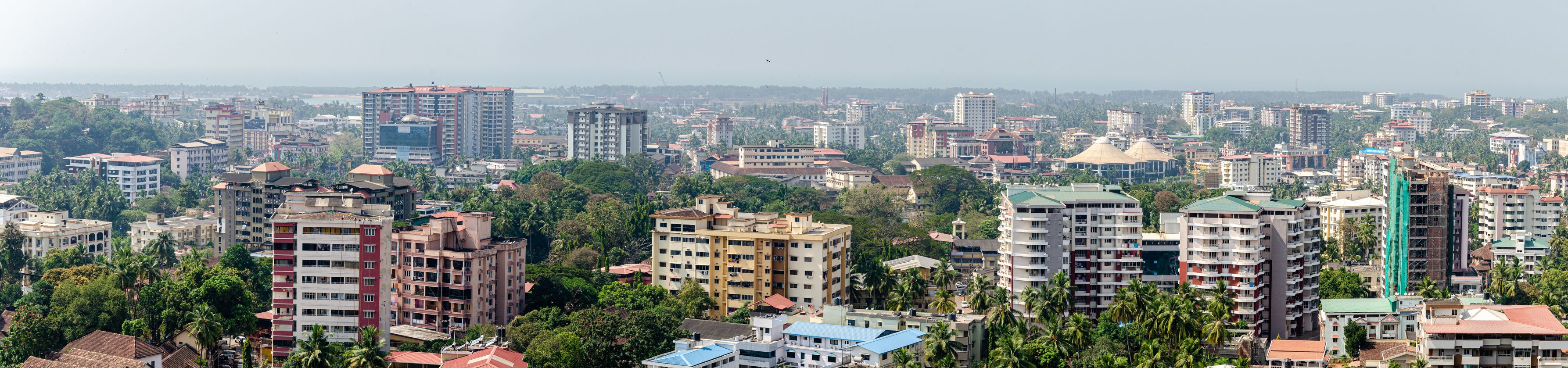
Karnataka’s port of call delivers a triumph: the Kadri Manjunatha temple’s courtyards, a thrum of markets, and St Aloysius Chapel—often nicknamed the “Sistine Chapel of Mangalore” for frescoes that throw colour at every surface. A day here feels local and lived-in, a counterpoint to Goa’s holiday gloss.
Why cruise works here: It’s a tidy sampler plate—temple, chapel, beach—without having to base yourself in a city with limited boutique beds. You come for the sambar; you leave evangelising about Mangalore buns.
Chennai and the Coromandel: stone that learned to move
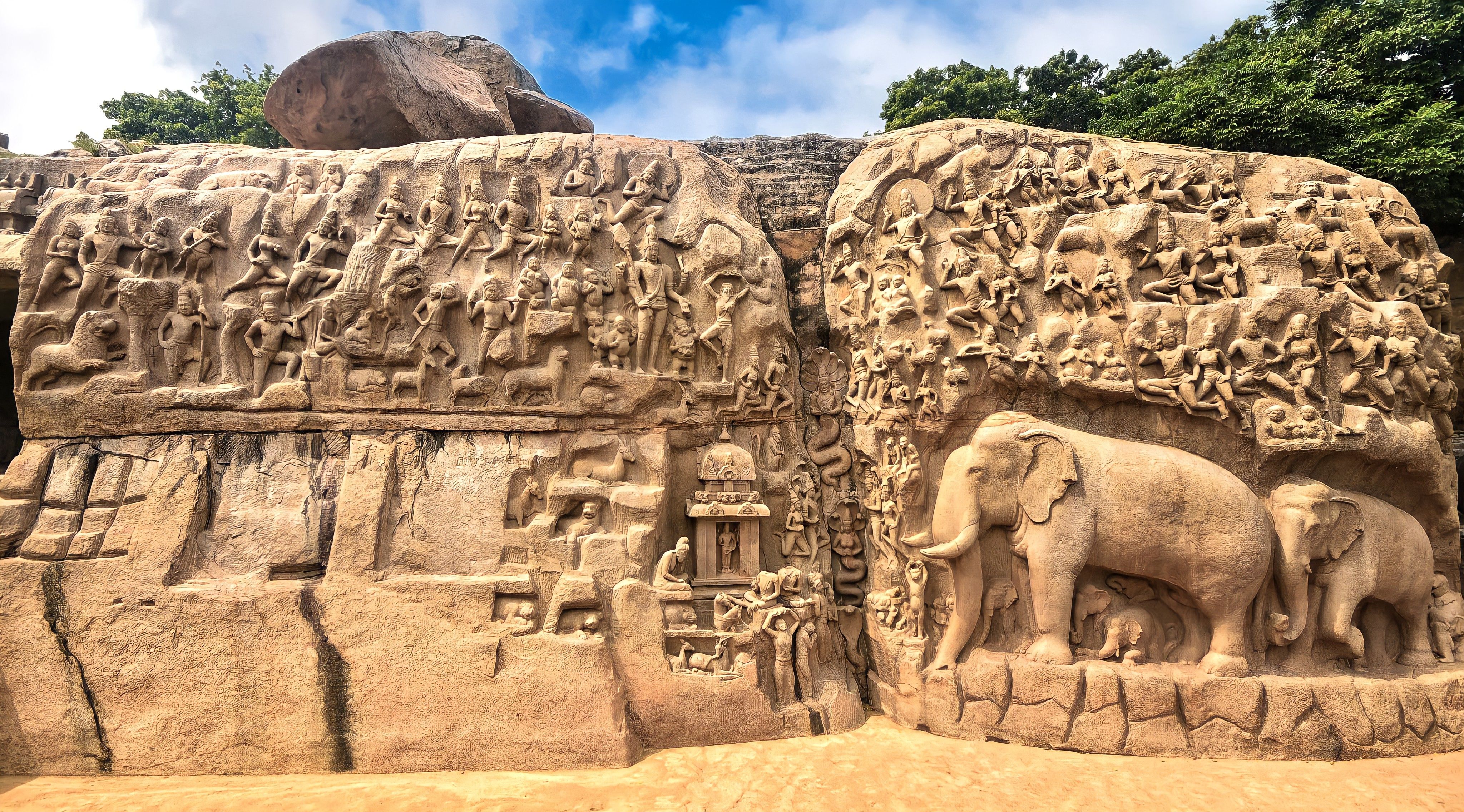
Across the peninsula, Chennai is your springboard to Mahabalipuram (Mamallapuram), about 60km south along the coast. Its Group of Monuments; seventh- and eighth-century marvels of rathas (chariot-temples), cave shrines and the surf-side Shore Temple, sit on UNESCO’s list for good reason.
Why cruise works here: The city can be a sprawl; the ship isn’t. You take a highway straight to sculpture and back again for sail-away over the Bay of Bengal.
Island detours: Andaman or Lakshadweep
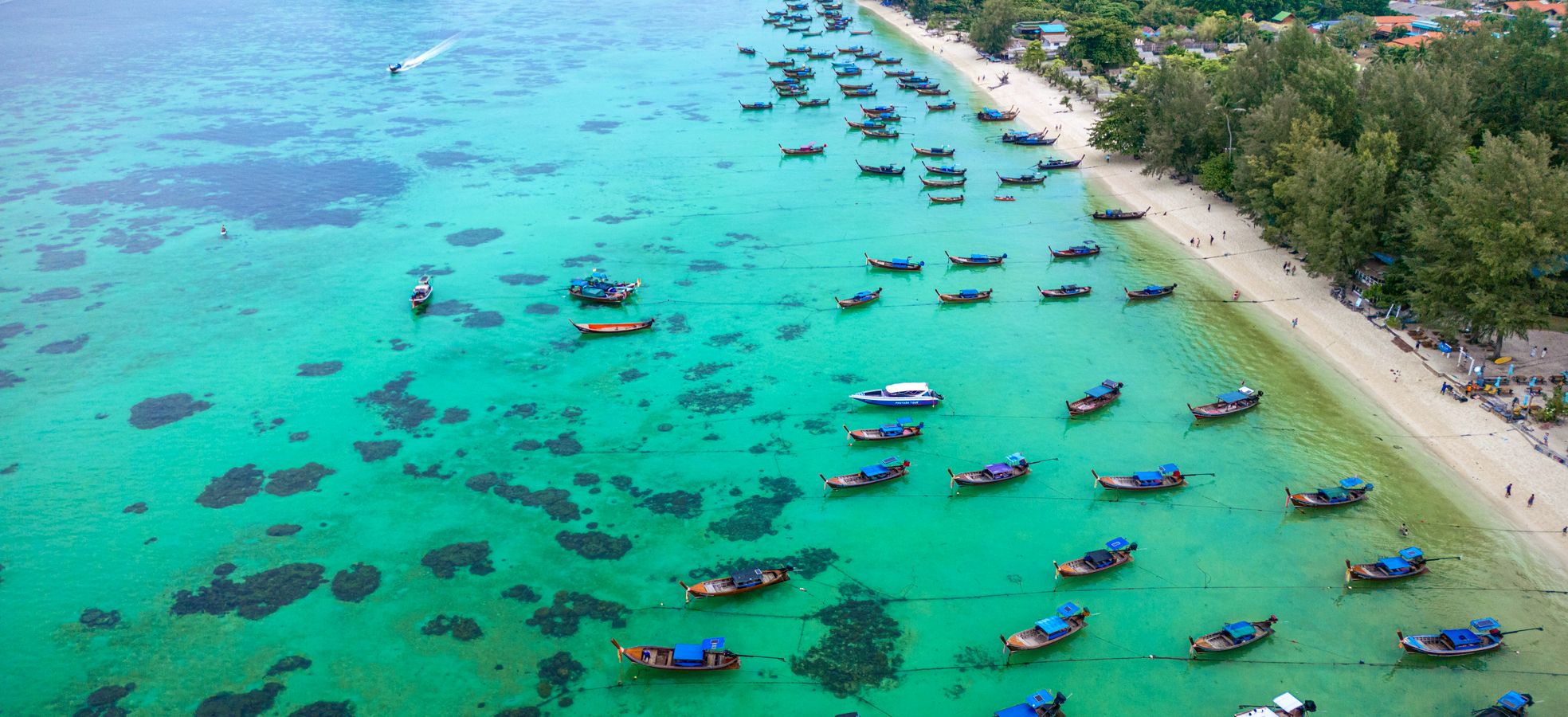
Two archipelagos hover like punctuation in India’s maritime sentence. The Andaman Islands offer lagoons, reefs and colonial relics from a base in Port Blair (ferries run to Ross Island for ruins and a popular sound-and-light show). Lakshadweep is the turquoise daydream off Kerala: dazzling atolls and sand-banks where the sea does all the talking. Note that Lakshadweep entry is permit-controlled, with rules administered by the UT’s authorities—one more reason a cruise call can simplify what is otherwise intricate paperwork.
Why cruise works here: Fragile environments come with admin. A ship call concentrates the magic into a single, low-friction day and lets you see places that are otherwise tricky to arrange independently.
East-coast news to watch
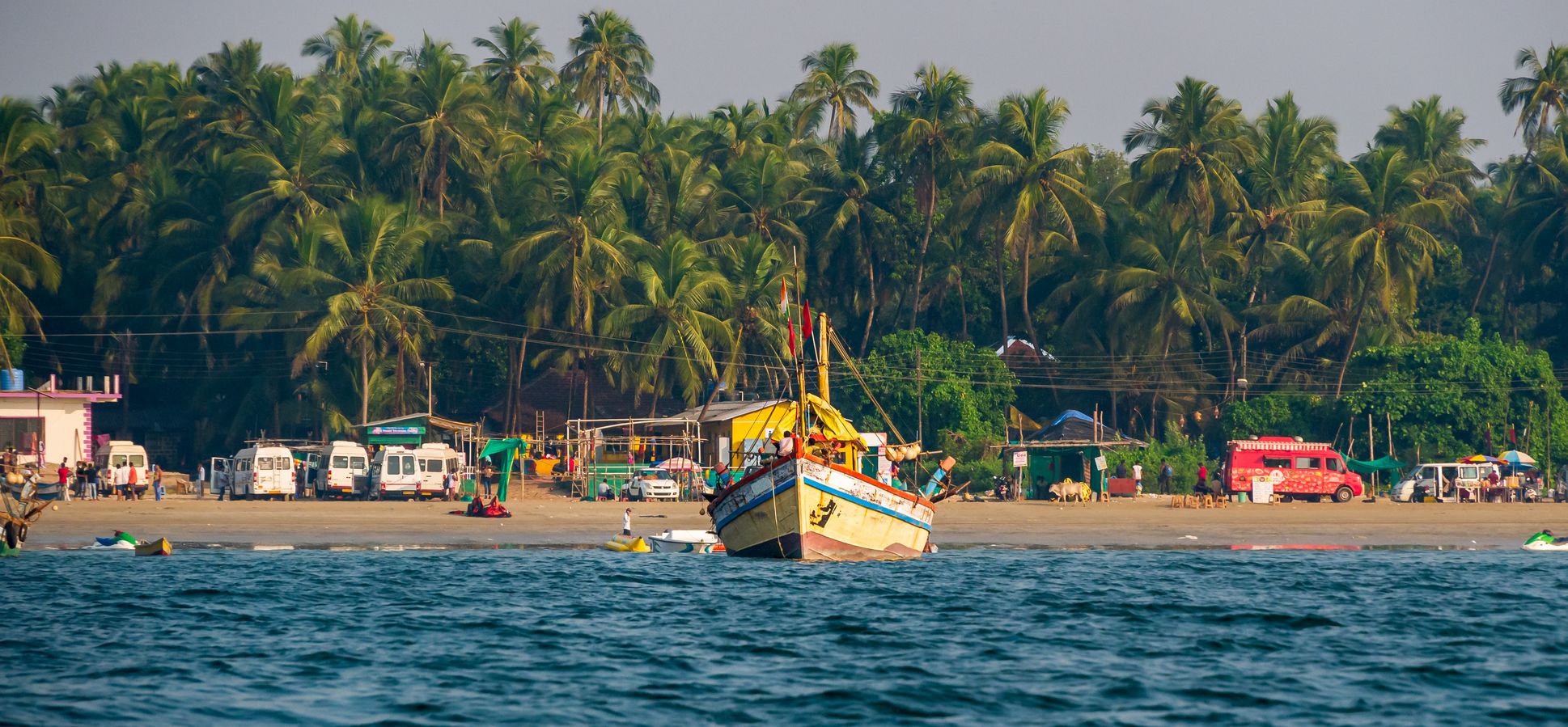
Beyond Chennai, India’s east is quietly building cruise muscle. Visakhapatnam has opened a new international cruise terminal and is courting coastal itineraries linking Chennai and Puducherry; useful for future Bay of Bengal circuits.
What cruising adds that land travel can’t
- A moving basecamp: Indian cities are exhilarating; they are also large. A ship keeps you in the postcard while your bed follows you down the map.
- Range without flights: In a week or two you can taste Portuguese Goa, Jewish-Dutch Kochi, Pallava-era Tamil Nadu and modern Mumbai—four civilisations, one suitcase.
- Permission and proximity: Some islands require permits; some sights sit a long way from quick rail. Cruise logistics shrink the friction so your shore time is about place, not paperwork.
- The long view: Arriving by water restores India to its original story: ports as front doors. You see the coastline that built the spice trade before you meet the streets.
The smart planner’s guide
You’ve seen how India unfolds from the water; now let’s make it work in a calendar, on a ticket, and, crucially, on a shore day. Here’s the practical half of the story: when to sail, how itineraries differ coast to coast, which lines actually call, and the paperwork that keeps you smiling at the gangway rather than queueing at a consulate.
When to sail (and when to sit it out)

- Best overall window: November to March brings the dry, cooler season across much of India. It’s kinder for city days in Mumbai and temple hopping in Tamil Nadu, and it’s prime time for Kerala’s backwaters. Shoulder months October and April can work too if you like warmth.
- Monsoon reality check: The southwest monsoon dominates June to September, especially along the west coast (Goa, Kochi, Mumbai). Tamil Nadu on the east gets a later “northeast” monsoon in Oct–Dec, so December in Chennai can still see showers. Plan accordingly.
- Festival-led travel: If you love culture with your coastline, time a call for Ganesh Chaturthi in Mumbai (late Aug–early Sept), or the Kochi-Muziris Biennale (Dec–Mar) on some seasons. Goa’s Carnival generally runs late Feb or early March. Expect crowds and magic in equal measure. West vs east: how itineraries feel different
- West coast classics (Mumbai, Goa via Mormugao, Mangaluru, Kochi): colonial quarters, modern India in full stride, and the easiest jump to Kerala’s backwaters. Sea days tend to be smoother outside monsoon, and port transfers are straightforward.
- East coast flavours (Chennai for Mahabalipuram, occasionally Visakhapatnam): big-ticket Dravidian temples and UNESCO rock-cut showstoppers right on the shore. Fewer calls overall, but the architectural payoff is huge.
- Islands as add-ons: Lakshadweep offers reef-bright water and snorkelling but requires an entry permit; Andaman & Nicobar feel castaway-remote and also operate permit controls. Cruise lines handle most of this, but it’s good to know what underpins the logistics.
Who sails here, and who each suits
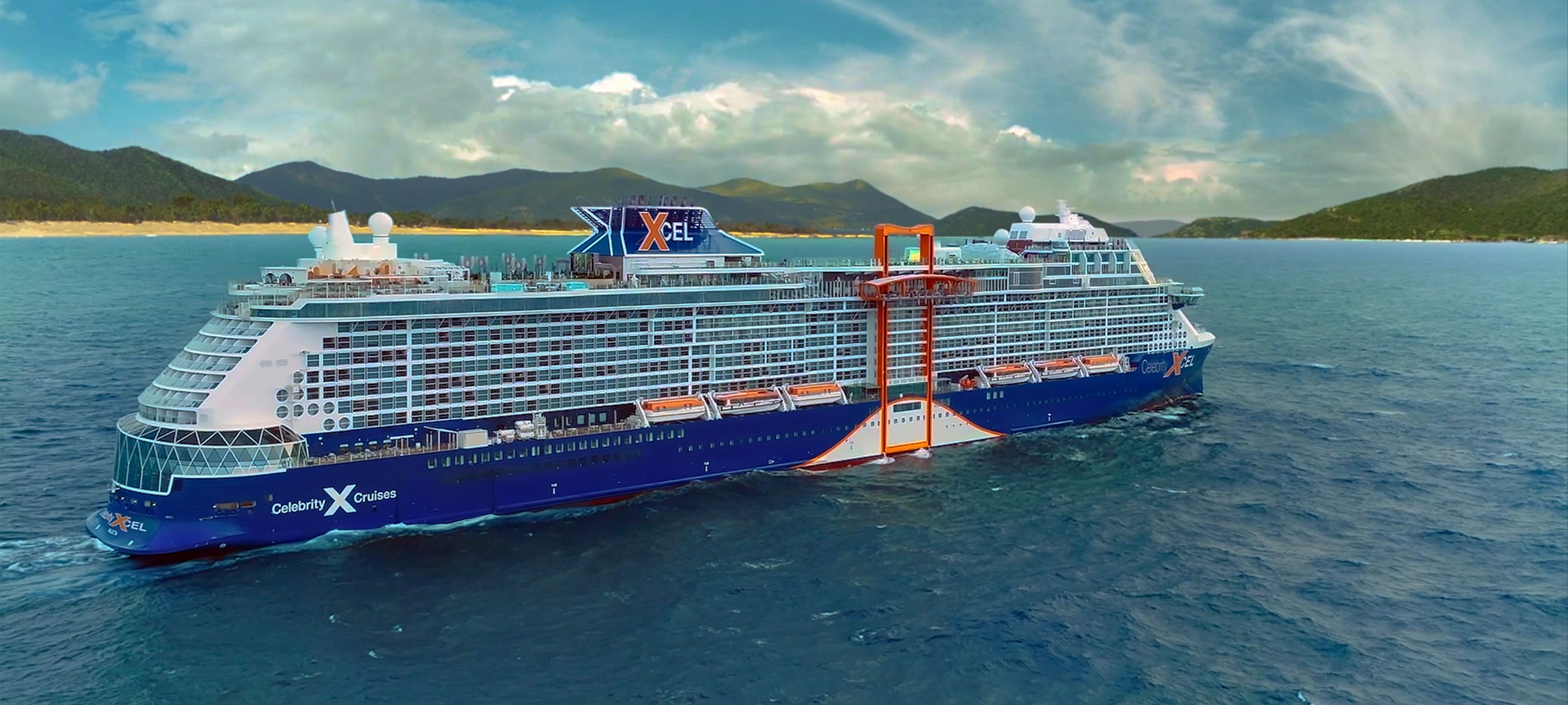
India isn’t a weekly turn-round market yet; most calls are world-voyage segments or longer repositionings, plus a growing domestic scene. A few current signals:
- Celebrity leans into longer days and overnights. Their 2026 programme includes Cochin and Mumbai on Asia–Indian Ocean routes, useful if you like slow evenings ashore.
- Cunard features India within its Asia and World Voyages and lists dedicated port pages for Mumbai and Goa, a hint that the big reds still swing by. Classic ship, formal edge, very photogenic sail-ins.
- Seabourn regularly programmes Arabia–India–Africa arcs including Mumbai; small-ship polish and strong excursion curation.
- Silversea touches India on world-cruise sectors; think butlers and big wine lists for long-haul collectors.
- Domestic option: Cordelia Cruises runs short breaks linking Mumbai, Goa and Lakshadweep; a lively, value-first way to sample India by sea.
Tip: Specific sailings change year to year; treat the above as the “who does India” shortlist, then search per season.
Visas, permits and painless paperwork
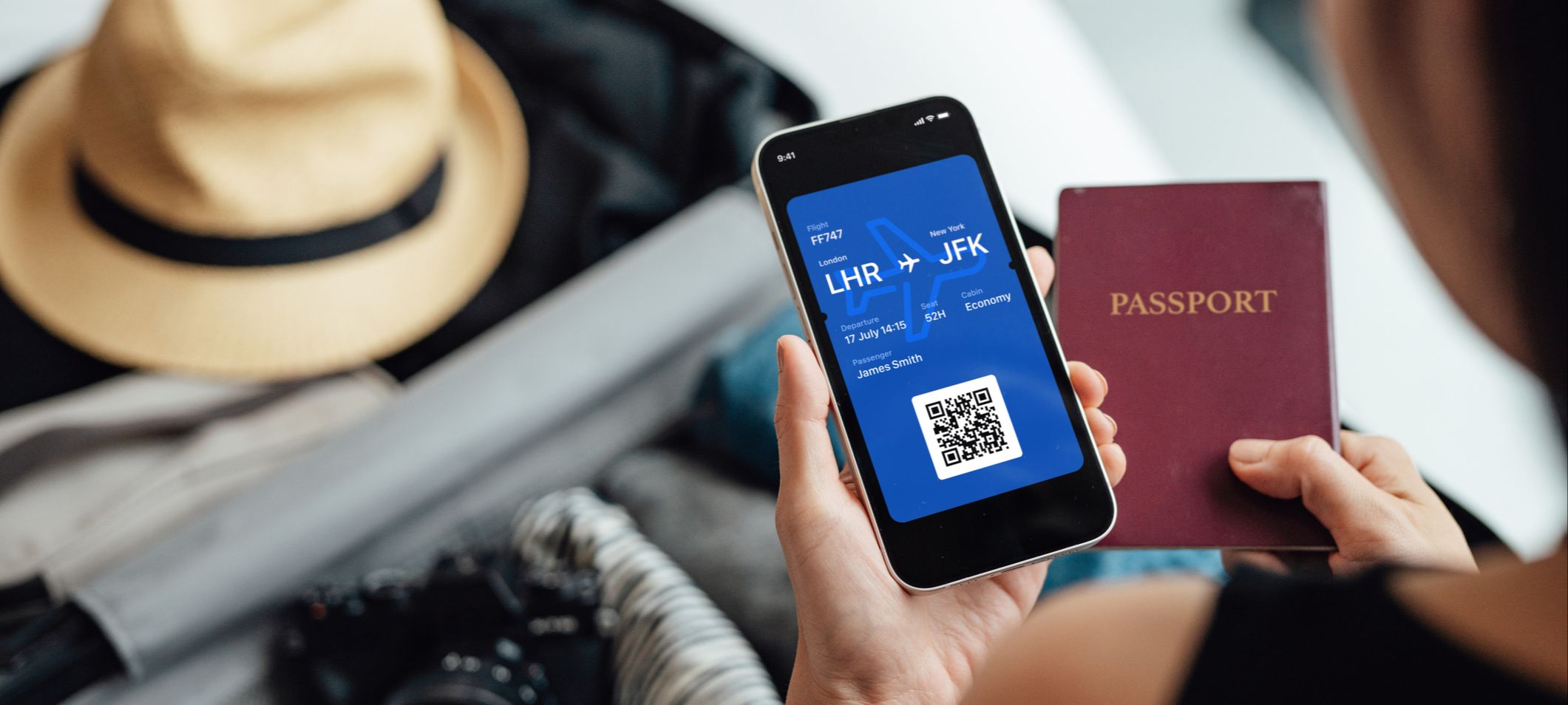
- E-visa works for cruise calls at five designated seaports: Mumbai, Cochin, Mormugao (Goa), Chennai and New Mangalore. Apply online; requirements evolve, so always check the official portal you’ll use.
- Lakshadweep & Andaman permits: separate entry permits apply; lines usually process them, but independent travellers should read the rules.
- Good news for arrivals: Mumbai’s new International Cruise Terminal at Ballard Pier is open, built to handle the big volumes with proper facilities. Translation: quicker off and on.
Shore-day tactics
- Backwaters without the faff: Out of Kochi, book a half-day houseboat or canoe trip that stays close to the city to avoid long coach hauls. Your line or a reputable local operator will know the tide and traffic pattern. (Kerala’s winter season is best for this.)
- Temples with time to breathe: From Chennai, head to Mahabalipuram’s Shore Temple and the Five Rathas. It’s a compact circuit with world-class archaeology and ocean views. Shoulders covered, shoes off at shrines, camera on.
- Festival days need buffers: During Ganesh immersions in Mumbai, roads clog beautifully. Plan ship-sponsored transfers or build a fat time cushion.
- DIY vs tour? If timed tickets are required or distances are long, let the line sweat the logistics. If you’ve got a walkable loop (Old Goa, Fort Kochi), go free-range.
How to choose your “India by sea” trip
- First-timers: Pick a west-coast sampler with Mumbai, Goa and Kochi in Nov–Feb. Add a backwaters morning and a plate of appam and stew and you’ll “get” southern India in three ports.
- Culture hounds: Aim for an east-coast call that includes Mahabalipuram, or a sailing that coincides with the Kochi-Muziris Biennale.
- Island chasers: Look for Lakshadweep or Andaman calls in dry season and confirm permit handling in your cruise documents.
Why cruising India clicks
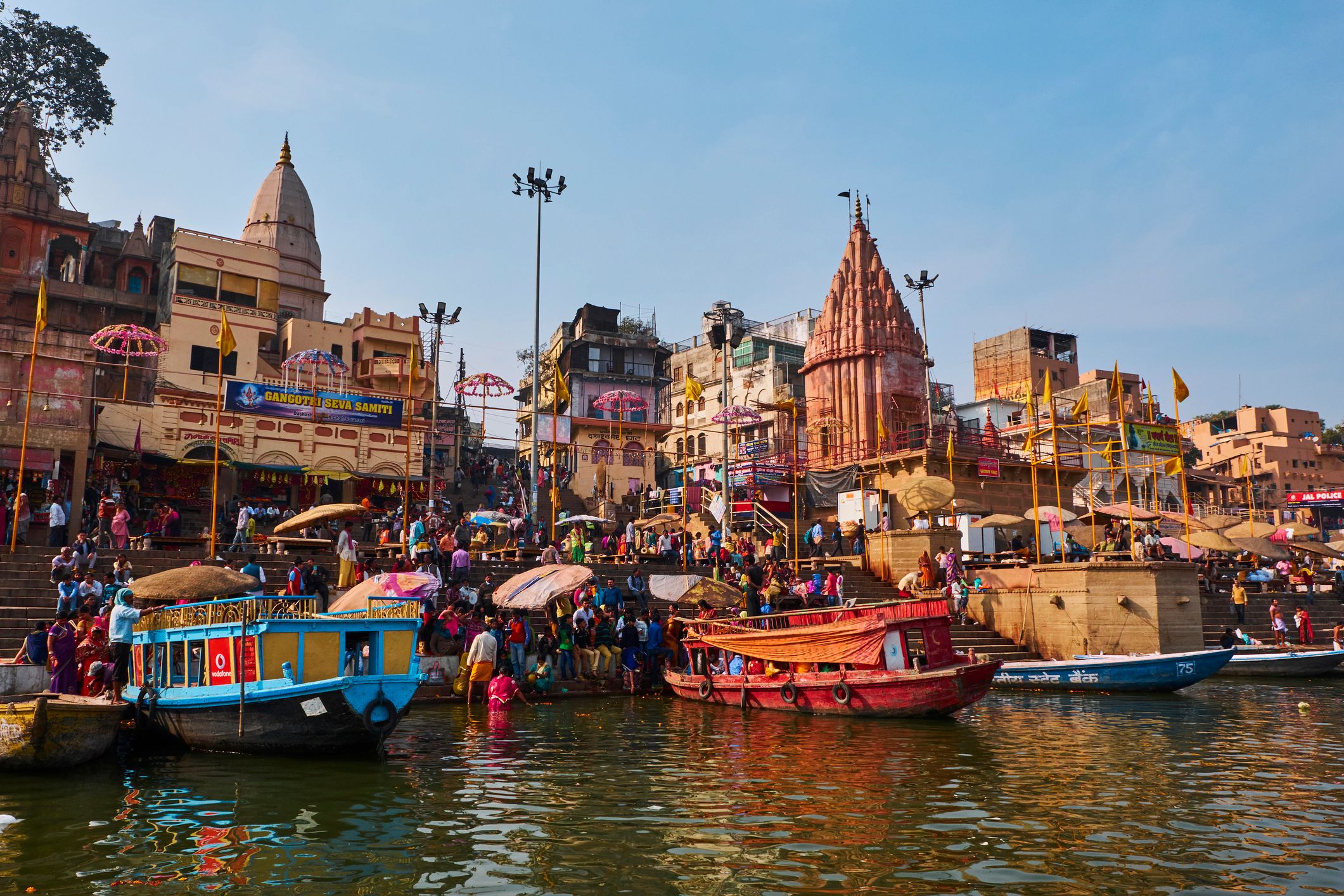
India is a continent in one country. The coastline lets you sample its languages, faiths and flavours like a flight-free tasting menu: a chai in Fort Kochi, poi bread in Goa, filter coffee in Chennai, then the skyline shock of Mumbai. A ship does the night moves while you sleep, and you wake somewhere entirely different but somehow connected. Book the season that suits you, pick the style of ship that matches your travel temperament, and let the ports do the talking.