A cruise itinerary that just says “Sardinia” is really only giving you a fraction of the story. Cagliari gives you a proper city and Sardinia’s most important archaeological site. Olbia is the gateway to Porto Cervo and the Costa Smeralda. Alghero has Catalan streets and sea caves. Arbatax, on less common itineraries, puts you on one of the island’s wildest stretches of coast. Join us as we take a look at each...
Cagliari: best for food, history and exploring on foot
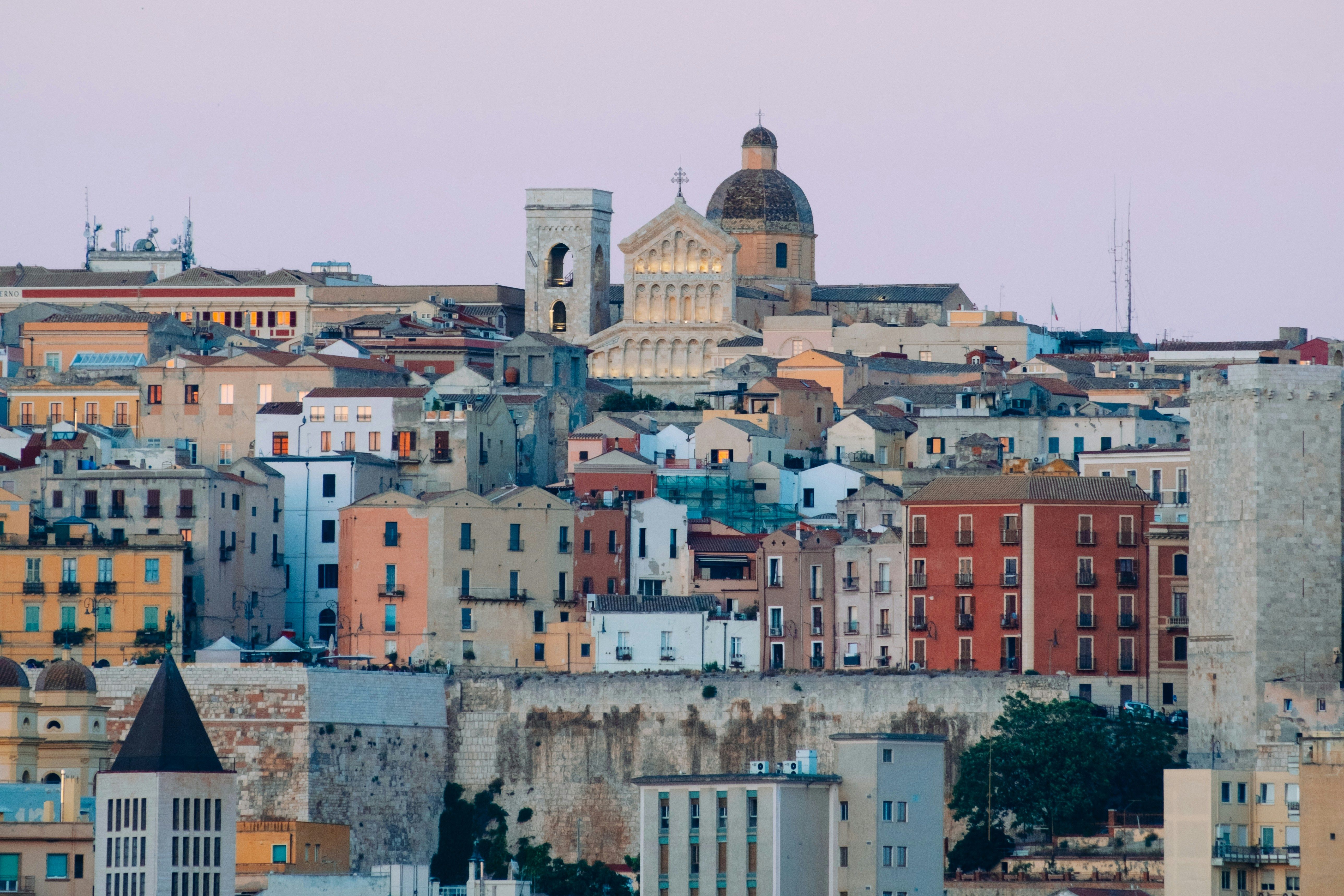
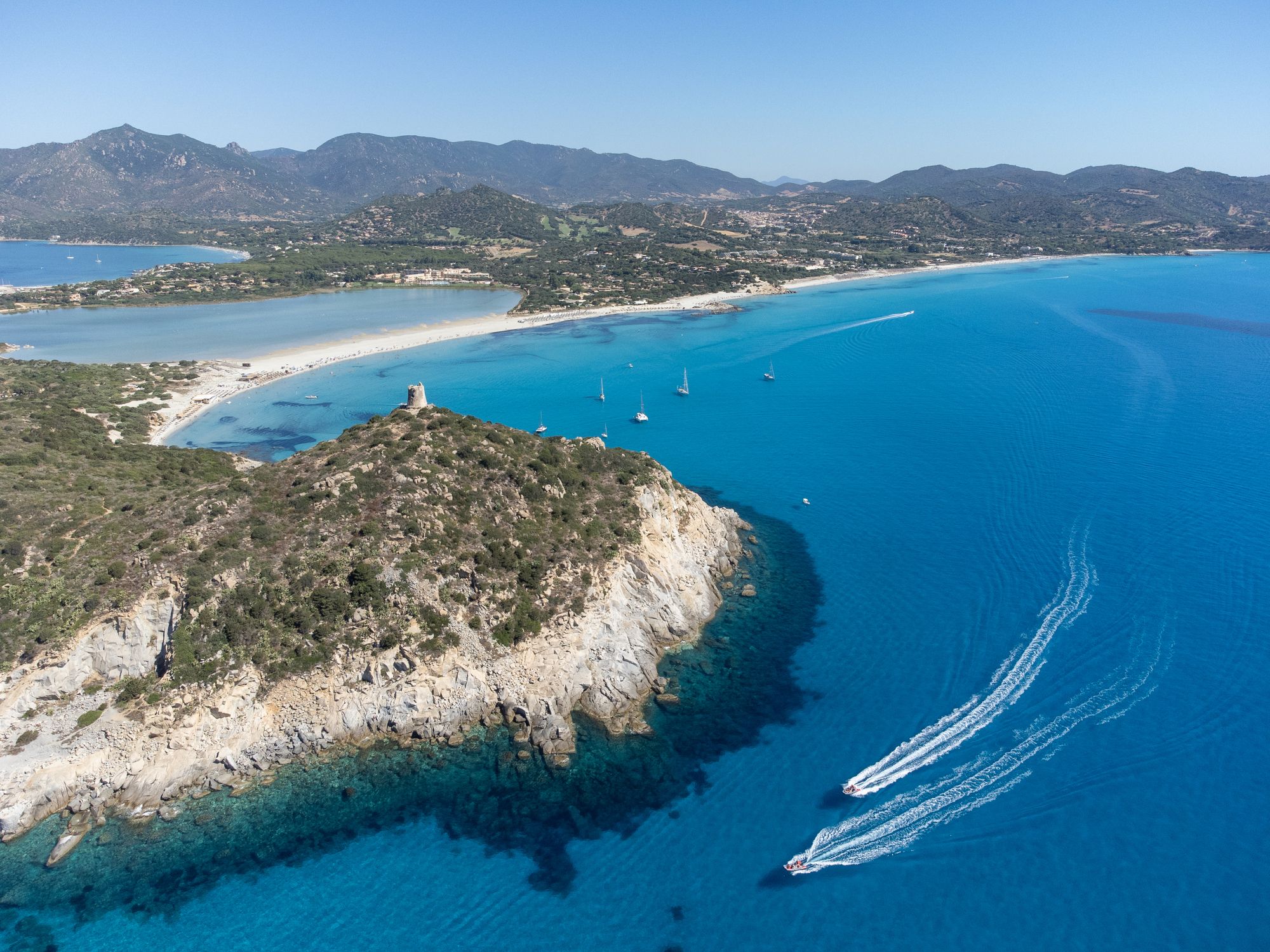
Cagliari is the easiest Sardinian port if you want to step off the ship and immediately start doing things. The passenger terminal is around 400 metres from the Via Roma area, with the historic Castello district rising behind it. Up there you'll find narrow streets, bastions, the cathedral and Palazzo Regio, plus excellent views back towards the harbour.
It also gives you a good reason to organise the day around lunch. Cagliari specialities include fregula with clams, spaghetti with bottarga and artichokes, and burrida, traditionally made with catshark and walnuts.
If archaeology matters more, use Cagliari as the jumping-off point for Su Nuraxi at Barumini. The UNESCO-listed Bronze Age settlement is Sardinia’s definitive nuragic site, centred on a stone tower that originally stood more than 18 metres high. Nuraghi are unique to Sardinia, which gives Barumini rather more distinction than another agreeable Mediterranean old town.
Trying to combine Barumini, Cagliari and a proper beach day is possible only if your preferred style of travel is mild panic. For a first Sardinian call, Cagliari is probably the most rounded.
Olbia: best for Porto Cervo, beaches and prehistoric Gallura
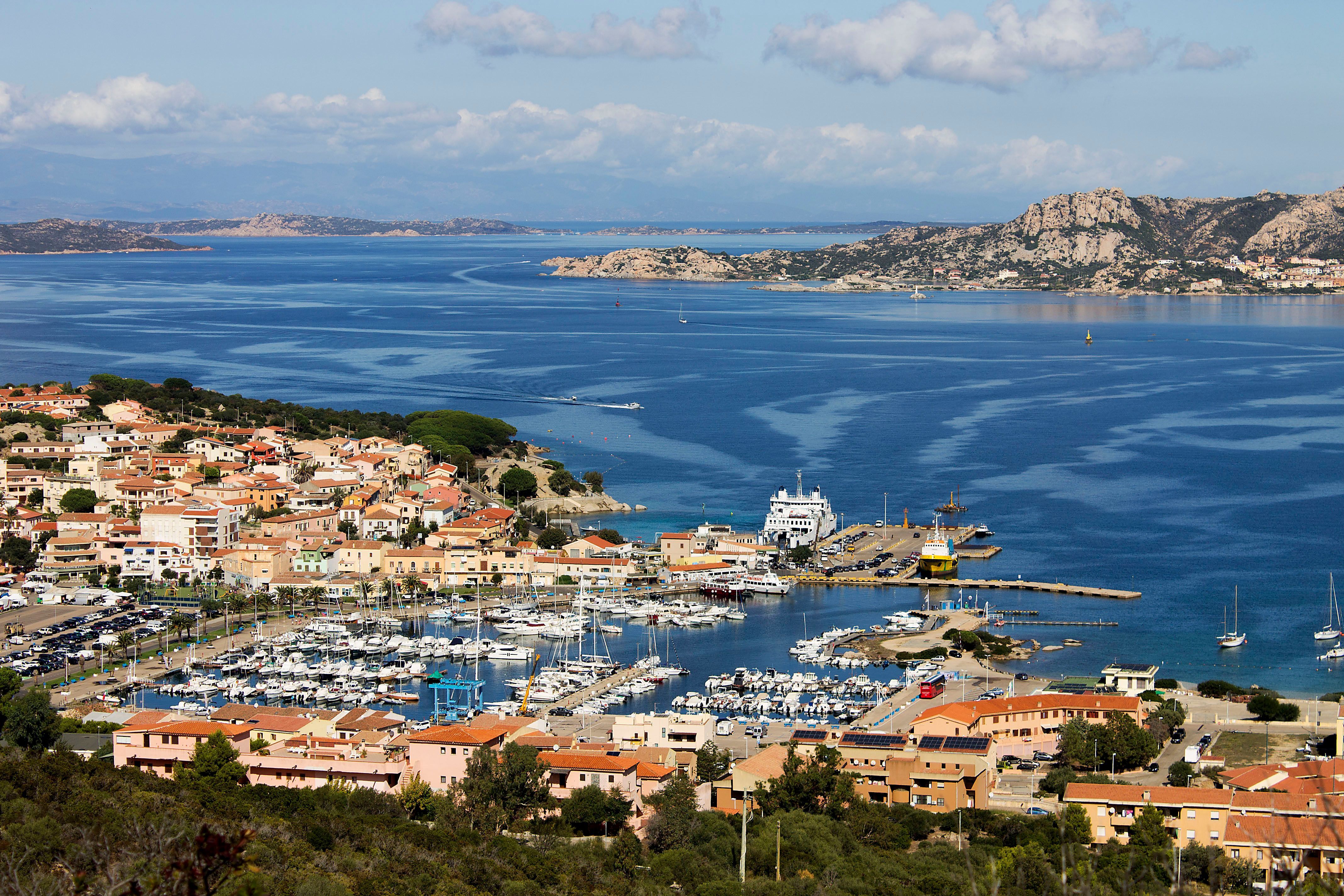
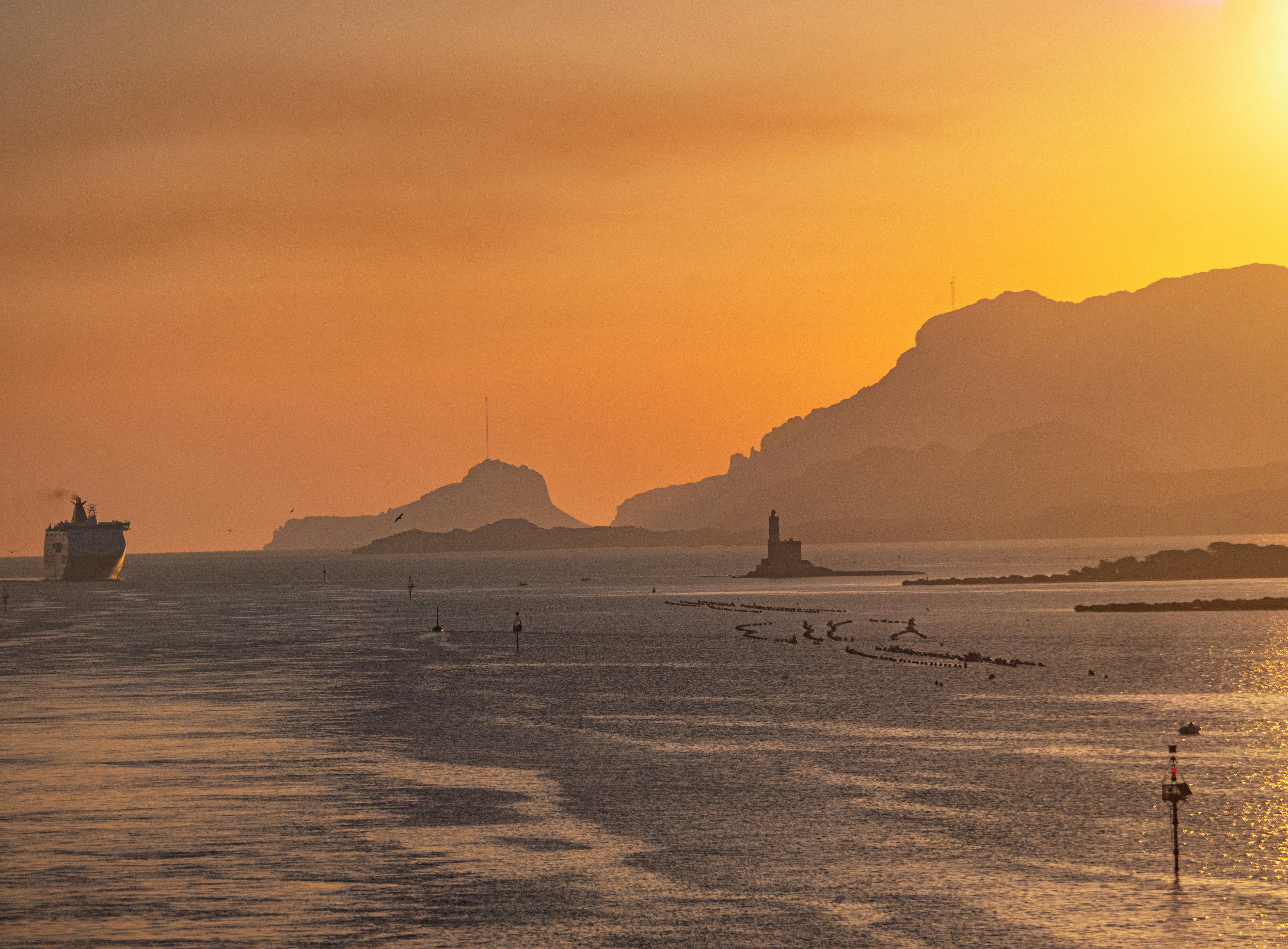
Olbia is the port for the Sardinia you've seen in photographs. Cruise ships use Isola Bianca, the main maritime gateway to the Costa Smeralda. Olbia itself has history and an archaeological museum, but the obvious pull lies north towards Porto Cervo and the beaches around Arzachena.
Porto Cervo was developed from the 1960s under Aga Khan IV and remains the spiritual capital of extremely expensive summer behaviour. Its marina, boutiques and curving pastel architecture are filled in high season with yachts whose support vessels may themselves exceed your housing budget.
The annoying part is that the surrounding coastline really is magnificent. If you want a beach day, this is the port I'd choose. But north-eastern Sardinia also makes it unusually easy to combine turquoise water with something several thousand years older.
La Prisgiona, near Arzachena, is a large Nuragic settlement built between roughly the 14th and eighth centuries BC. Just 700 metres away, the Giants’ Tomb of Coddu Vecchiu dates in part to the Early Bronze Age and has a four-metre stone stele.
You can therefore spend the morning contemplating prehistoric civilisation and the afternoon contemplating a yacht with its own helicopter. A reasonably complete account of humanity.
Alghero: best for an old town you don't need to escape
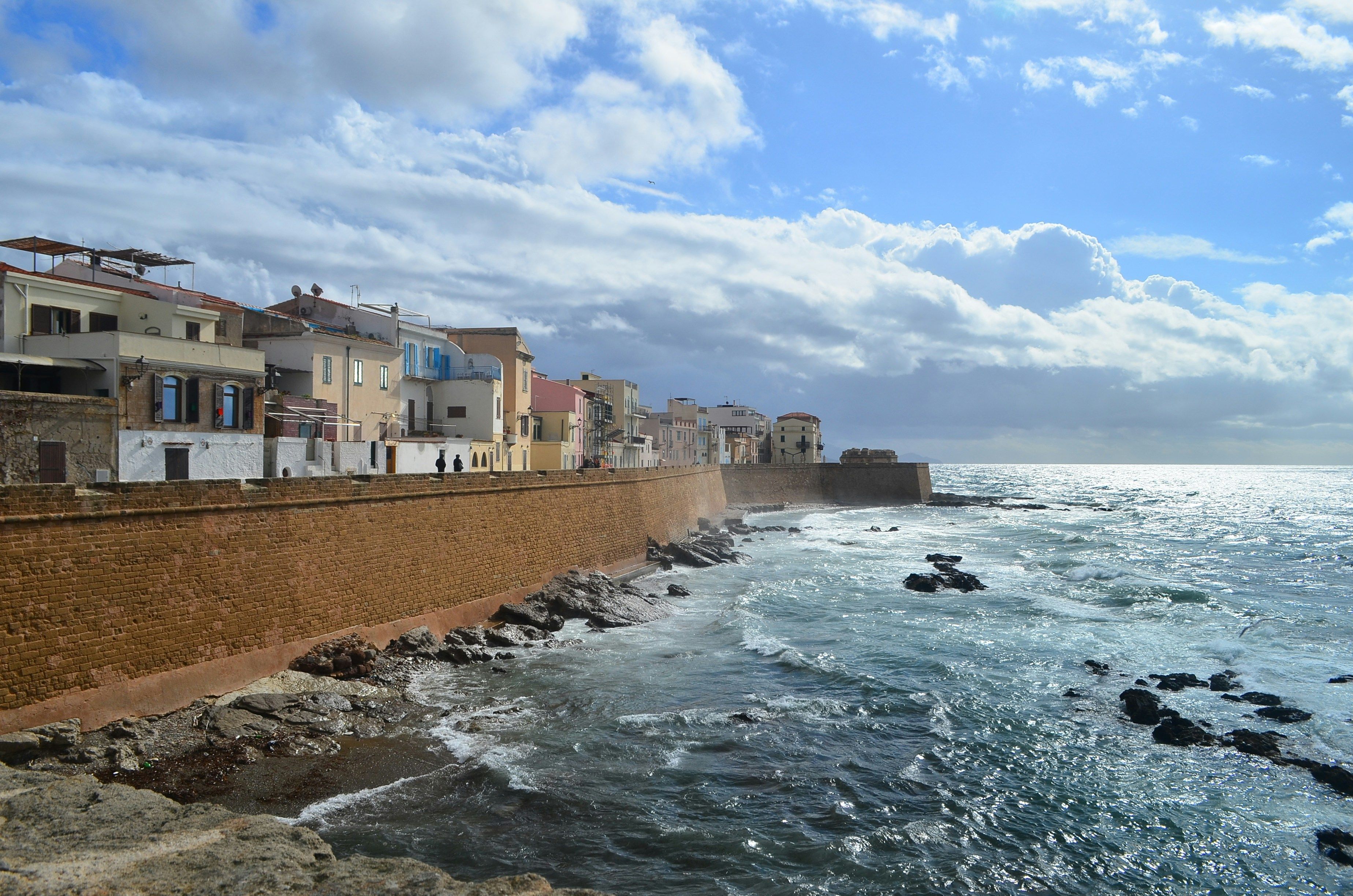
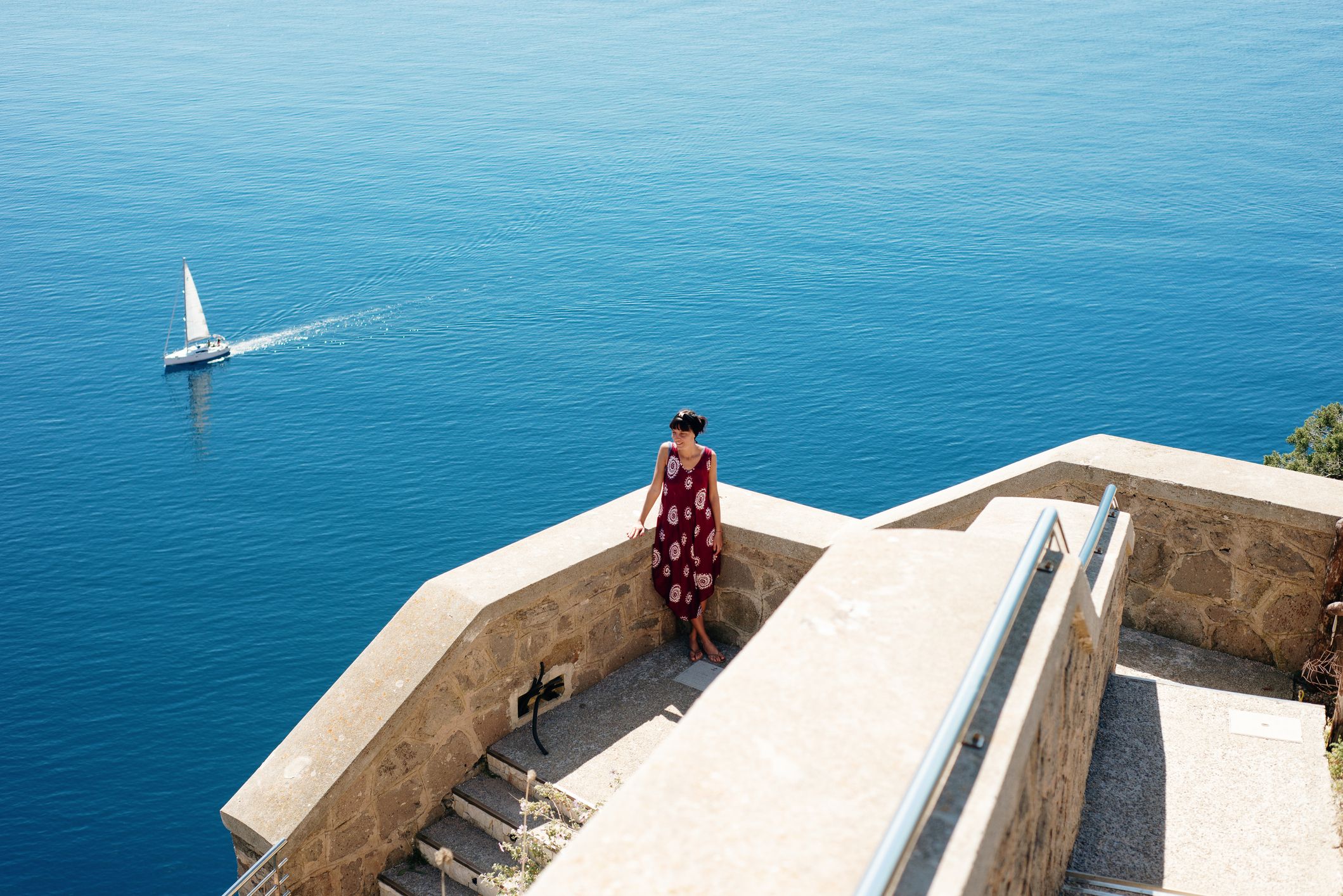
Alghero is the strongest choice if you'd rather not immediately get into a vehicle. Its walled centre sits directly on the north-western coast, with bastions overlooking the sea and a distinct Catalan inheritance. Centuries of Aragonese and Catalan rule survive in the architecture, food and local language, and Sardinia's tourism authority still describes the city as Barceloneta.
The obvious plan is therefore reassuringly simple: walk the bastions, explore the old streets and have lunch. If you want one excursion, make it Neptune's Grotto at Capo Caccia. The cave lies around 24 kilometres from Alghero and contains stalactites, stalagmites and an underground lake. It can be reached by boat or by descending the Escala del Cabirol. That staircase has 654 steps. Useful information to receive before rather than during.
There's also Nuraghe Palmavera, only around 1.5 kilometres inland from the sea. Its two-tower complex was once surrounded by a village estimated to contain between 150 and 200 huts. Alghero's advantage, though, is that none of this feels compulsory. You can have an excellent port day without leaving town. Cruise calls don't always need converting into logistics exercises.
Arbatax: best for the Gulf of Orosei
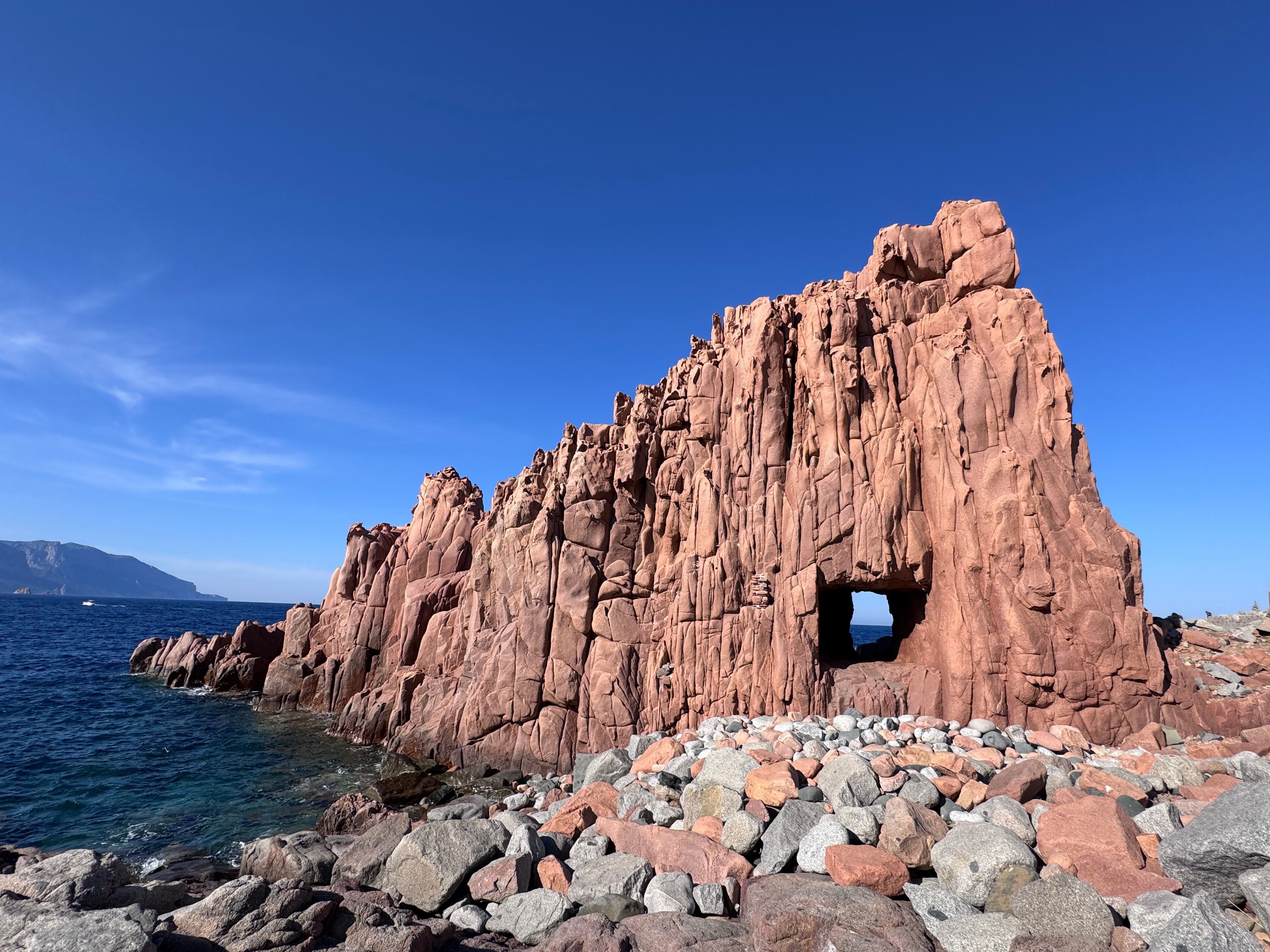
Arbatax appears less often than the other three, but it's arguably the most interesting port if scenery is the priority. The town sits on Sardinia's central-eastern coast in Ogliastra. Its first attraction requires almost no effort at all: the Rocce Rosse, striking red porphyry formations beside the harbour.
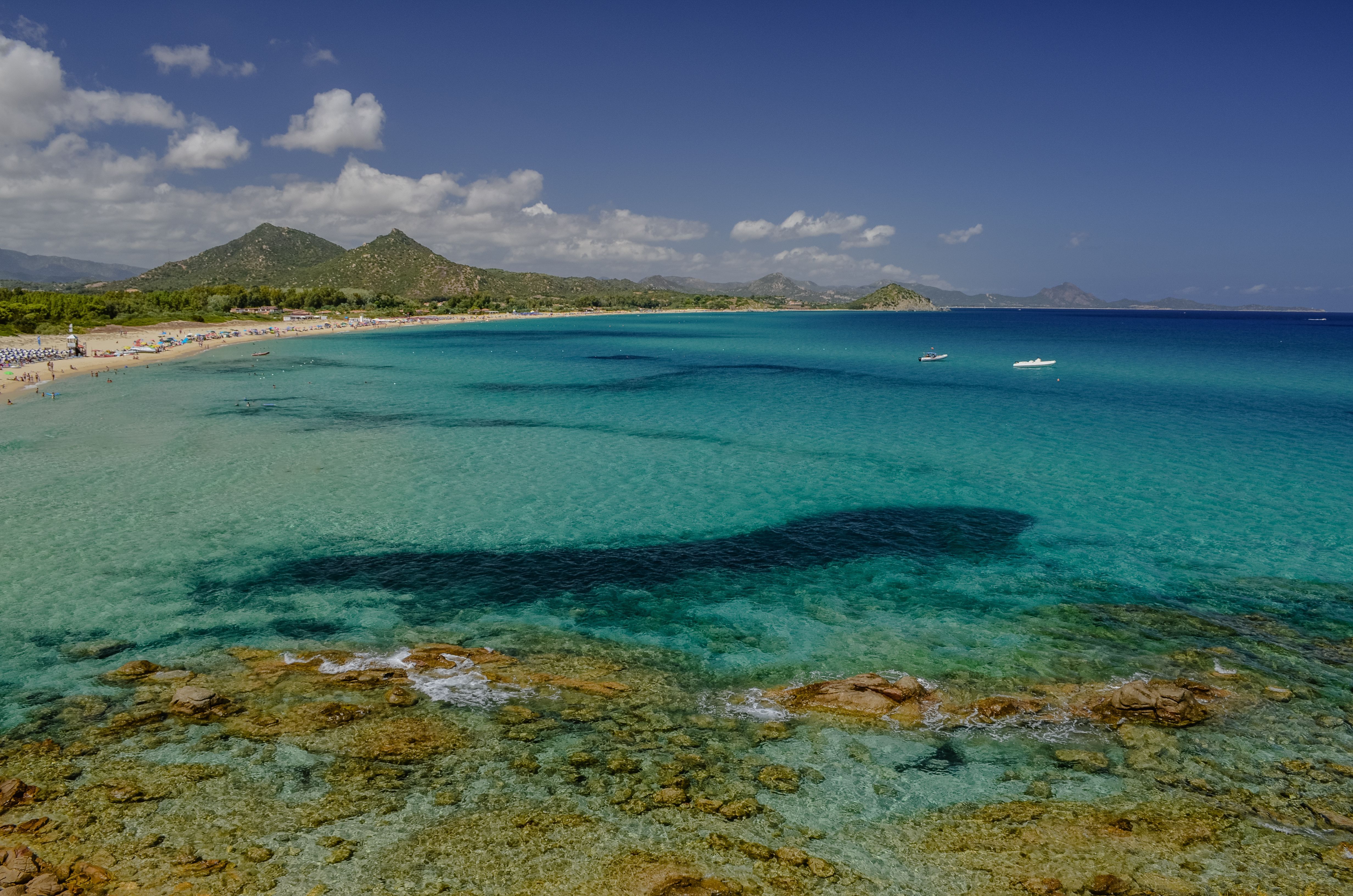
The bigger reason to come here is the Gulf of Orosei. Boats from Arbatax explore the coast towards Cala Goloritzé, Cala Mariolu, Cala Sisine and Cala Luna, where limestone cliffs drop into startlingly clear water and many coves are far easier to reach from the sea than by road. The island's tourism authority specifically identifies Arbatax as a departure point for exploring this coast.
Cala Goloritzé is perhaps the headline act, surrounded by cliffs reaching around 500 metres and water fed by underwater karst springs. Motorboats aren't permitted within 300 metres of the shore, which has helped preserve some of the wildness that made the place famous in the first place.
The practical caveat is timing. Gulf excursions can consume most of a day, so this is one place where I'd be particularly cautious about independently booking something that returns 11 minutes before all-aboard. If the schedule works, though, Arbatax is where I'd temporarily stop insisting there is more to Sardinia than beaches. Some beaches have earned the attention.
So which Sardinia cruise port should you choose?
For city life and food, choose Cagliari. For glamorous coastline and straightforward beach access, Olbia. For atmosphere and an easy day on foot, Alghero. For dramatic scenery and boat trips, Arbatax. The more interesting difference lies inland.
Sardinia is scattered with the remains of a civilisation found nowhere else, from Barumini's huge nuraghe to the settlements around Arzachena and Alghero. UNESCO describes more than 12,000 pieces of Nuragic and related monumental evidence across the island.
You could ignore all of that and spend eight hours swimming in extraordinarily blue water. There are worse errors of judgement. But Sardinia gives you considerably more to work with.