Valletta arrives all bastions and limestone swagger. Palermo follows with glorious civic chaos and a history made from conquest, trade and people pinching the best bits from each other’s civilisations. Then Tunisia shifts the whole register again, with La Goulette as the gateway to Tunis, the medina and the old North African habit of making a lane, a doorway or a cup of mint tea feel richer than half the luxury developments in the Mediterranean. Valletta is a UNESCO-listed fortified city on a peninsula between two of the finest natural harbours in the Med, Palermo’s Arab-Norman monuments are UNESCO-listed for their fusion of Byzantine, Islamic and Western traditions, and the Medina of Tunis is UNESCO-listed as one of the first Arabo-Muslim towns of the Maghreb. That’s quite a lot of history for one sailing.
Valletta, where the harbour does most of the heavy lifting
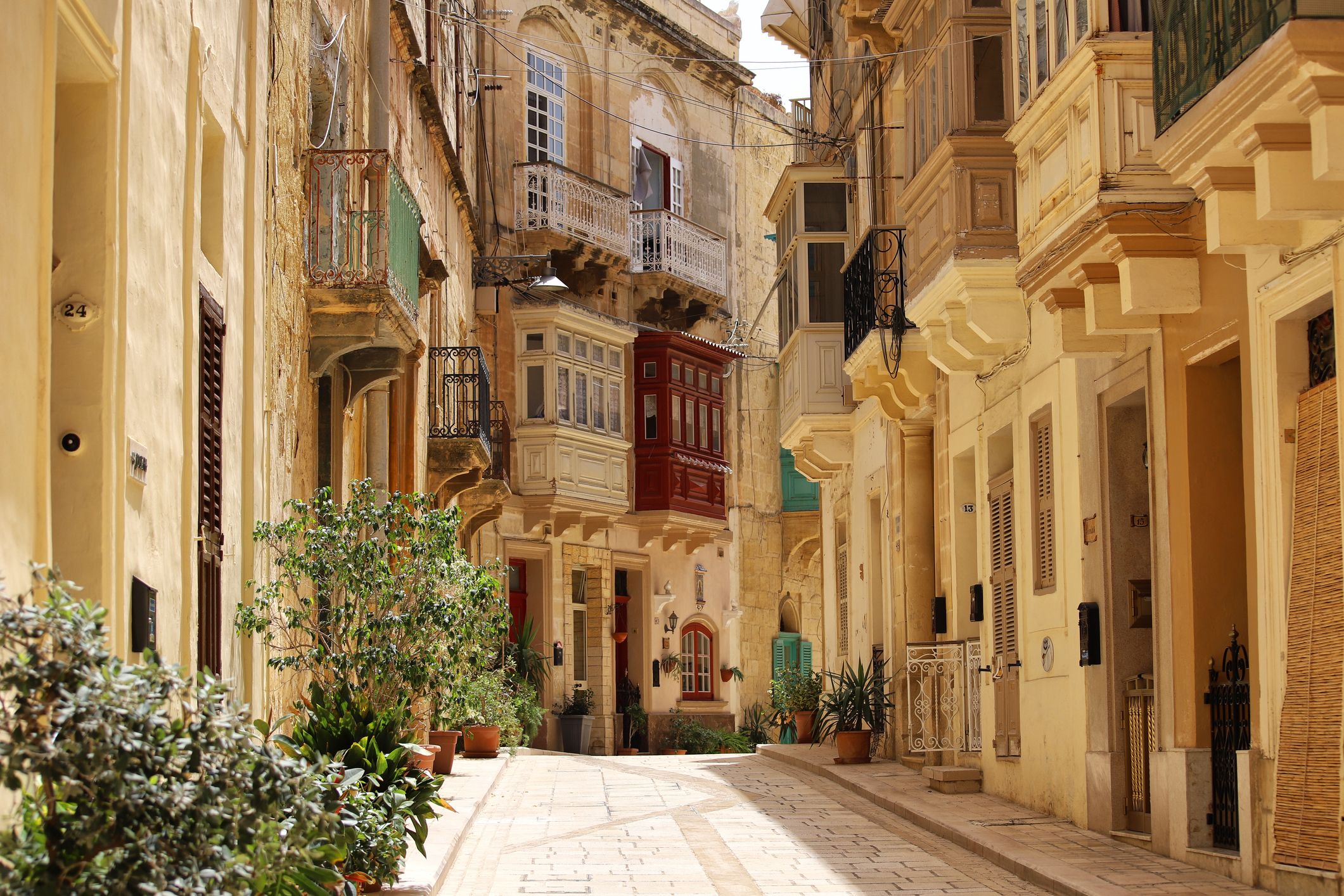
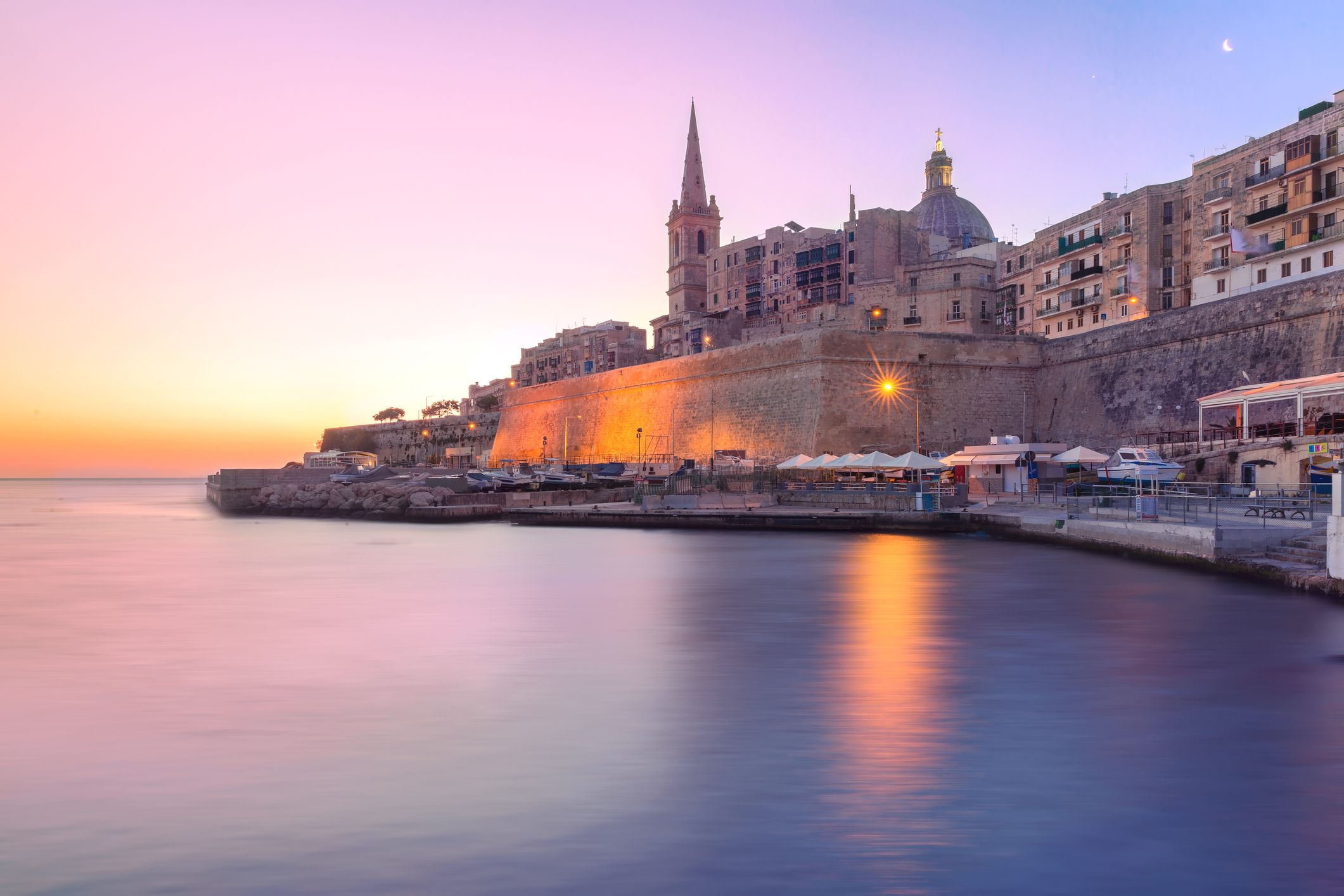
If your route starts in Malta, it begins with a city that understands the value of an entrance. Valletta doesn’t so much sit by the water as loom over it, arranged on its peninsula like a very elegant act of military paranoia. UNESCO dates the city’s foundation to 1566, after the Great Siege of Malta, and its setting between Grand Harbour and Marsamxett Harbour still explains half its personality. Everything here feels shaped by the fact that someone, at some point, expected trouble from the sea.
That makes it superb from a ship. You pull in under walls that look as though they were built by men who had never once said “that’ll do”, then head up into a city that is stately, compact and just steep enough to remind you that cruise calories are, in fact, not mythical. The Barrakka Lift links the Grand Harbour waterfront to the city above, near the cruise terminal, and the Valletta ferry network also connects the capital with the Three Cities across the water. That means you can get your grand-harbour drama from several angles without spending your whole port stop negotiating a hill like a disappointed pack mule.
Once you’re up there, Valletta is best taken as a sequence of visual one-two punches. First the street grid, all warm stone and sudden flashes of blue sea at the end of a lane. Then St John’s Co-Cathedral, which keeps one of Caravaggio’s greatest works, The Beheading of St John the Baptist. It is not a painting that improves your mood exactly, but it does make most other cultural attractions look a touch underpowered. If your time is short, this is the Malta stop distilled: fortress harbour, baroque interior, one masterpiece, and the quiet suspicion that the whole island has been showing off for centuries because it knows it can.
Palermo, where history gets noisy
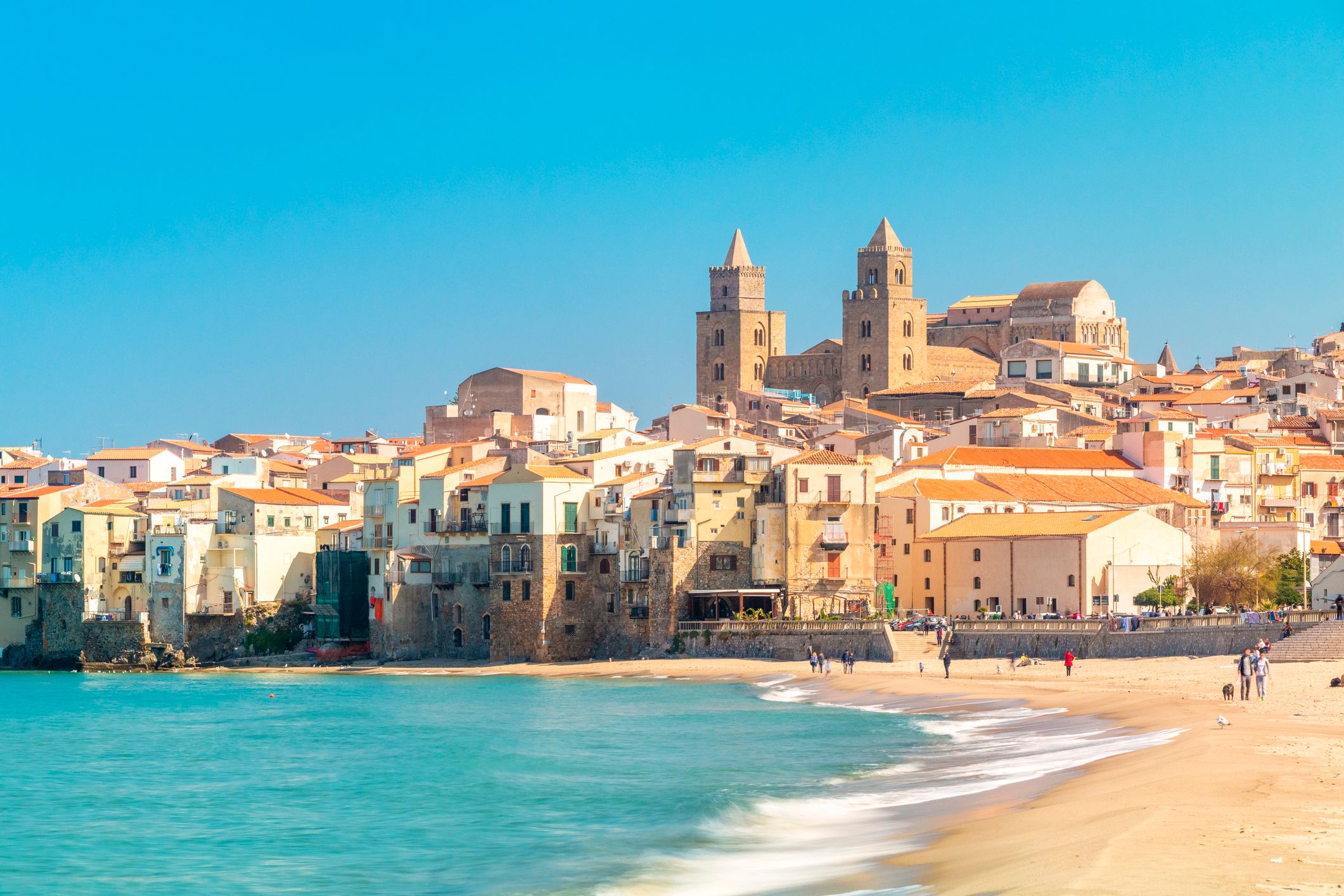
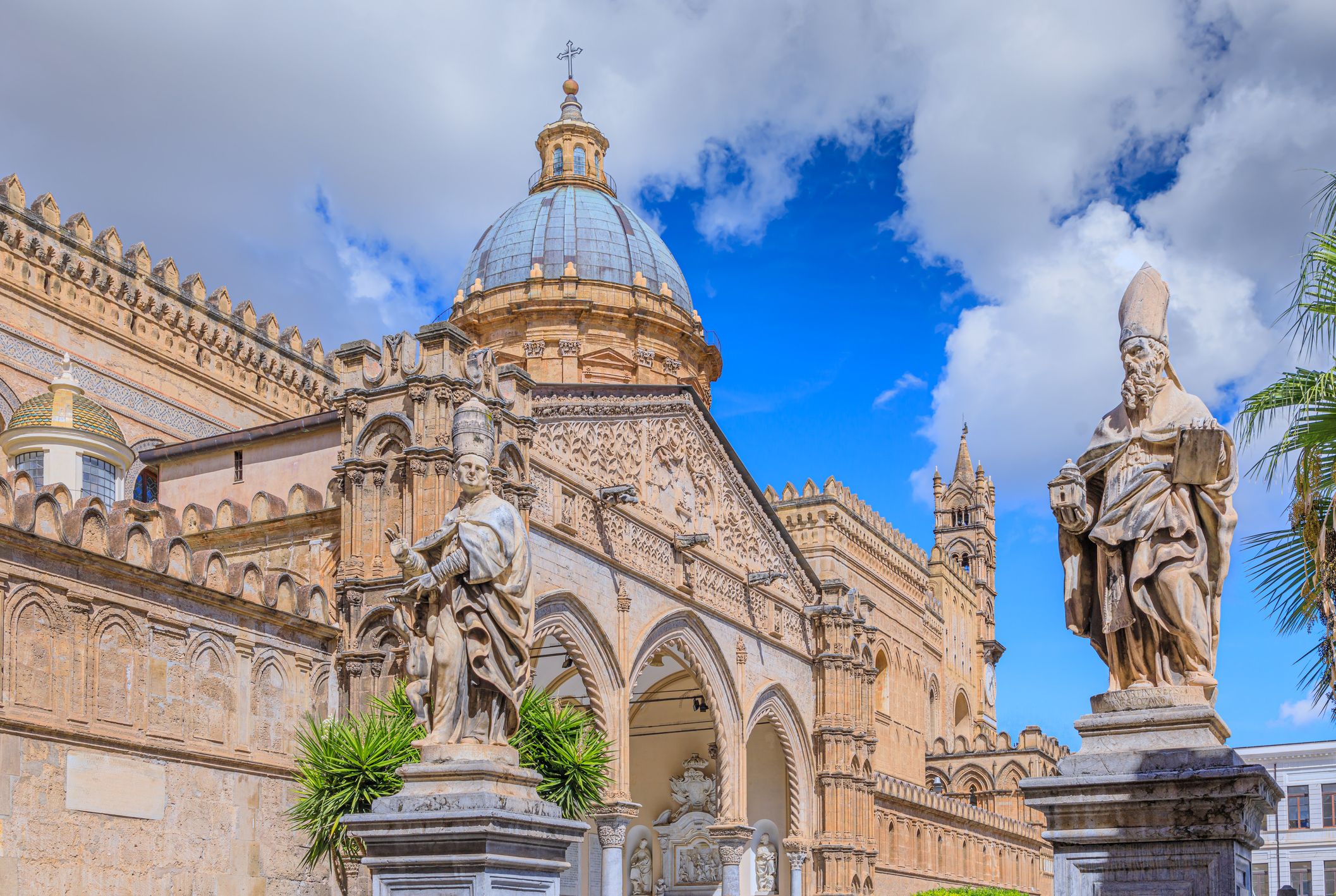
Then comes Palermo, which feels like Valletta’s unruly cousin. If Valletta is disciplined and self-possessed, Palermo is the city equivalent of somebody turning up late, impossibly charming, with a paper bag full of fried things and a family history too tangled to explain before lunch.
This is where the “two continents” idea starts to get interesting, because Sicily has long been one of the Mediterranean’s great mixing chambers. UNESCO’s Arab-Norman Palermo inscription is explicit about that, celebrating a group of 12th-century civic and religious buildings shaped by Byzantine, Islamic and Western traditions. The Palatine Chapel, in particular, is the sort of place that makes you question why the modern world ever settled for beige. Visit Sicily highlights its Byzantine mosaics and its carved wooden muqarnas ceiling, which is exactly the kind of sentence that explains Palermo in miniature: Christian chapel, Islamic decoration, Norman court, Sicily being Sicily.
And yet Palermo never lets history sit politely behind glass. It spills into the markets, the street food, the port and the noise. Visit Sicily describes the street food tour of markets such as Ballarò, Capo and Vucciria as a must, which is putting it mildly. Palermo has a way of making lunch feel like urban fieldwork. Panelle, arancine, something fried that you didn’t fully identify before eating, and a market soundtrack delivered at volume by traders who seem to regard indoor voices as a regrettable northern European fad.
This is also where the route’s ferry-port energy comes into focus. Palermo is not simply a pretty Sicilian set piece with a few churches and a flattering light. It is a working Mediterranean hub with active ferry links to Tunis, which gives the place a different pulse from the more museum-like ports elsewhere in the region. Even if you’re arriving by cruise ship rather than ferry, you can feel that Palermo still belongs to a network of movement, not just a collection of postcard views. That gives the city a slight edge, which is only fair. Sicily has never really been in the business of being bland.
La Goulette and Tunis, where the route changes register
Then you cross into North Africa and the whole journey sharpens.
La Goulette is Tunisia’s main cruise gateway, with MedCruise noting its position about 10km from Tunis and Global Ports Holding describing a port designed around passenger and cruise traffic. You arrive not in some remote industrial shrug of a harbour but at a place that still feels connected to the city beyond it, which matters when the whole point of this itinerary is contrast rather than confinement.
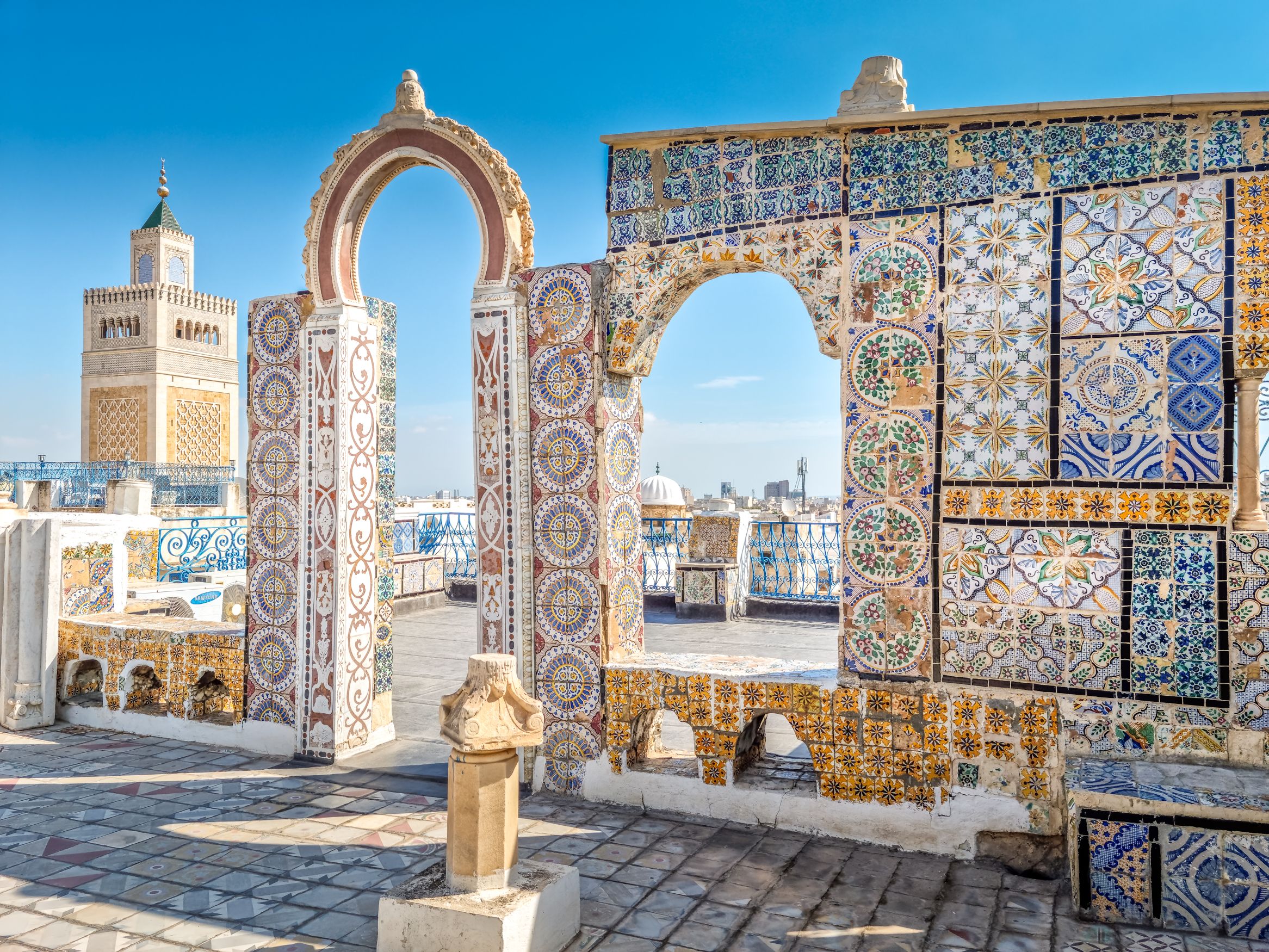
Tunis itself gives you several possible versions of the day, but the medina is the one that justifies the stop. UNESCO calls it one of the first Arabo-Muslim towns of the Maghreb and notes around 700 monuments, from palaces and mosques to madrasas and fountains. The official Tunis tourism material says the medina’s old buildings now open their doors as museums, cultural spaces, restaurants and tea rooms. Which is a neat way of saying that this is not some embalmed historical quarter with a gift shop tacked on at the end. It’s still urban, still layered, still in use. You don’t so much “do” the medina as submit to it for a few hours and accept that your sense of direction is now ornamental.
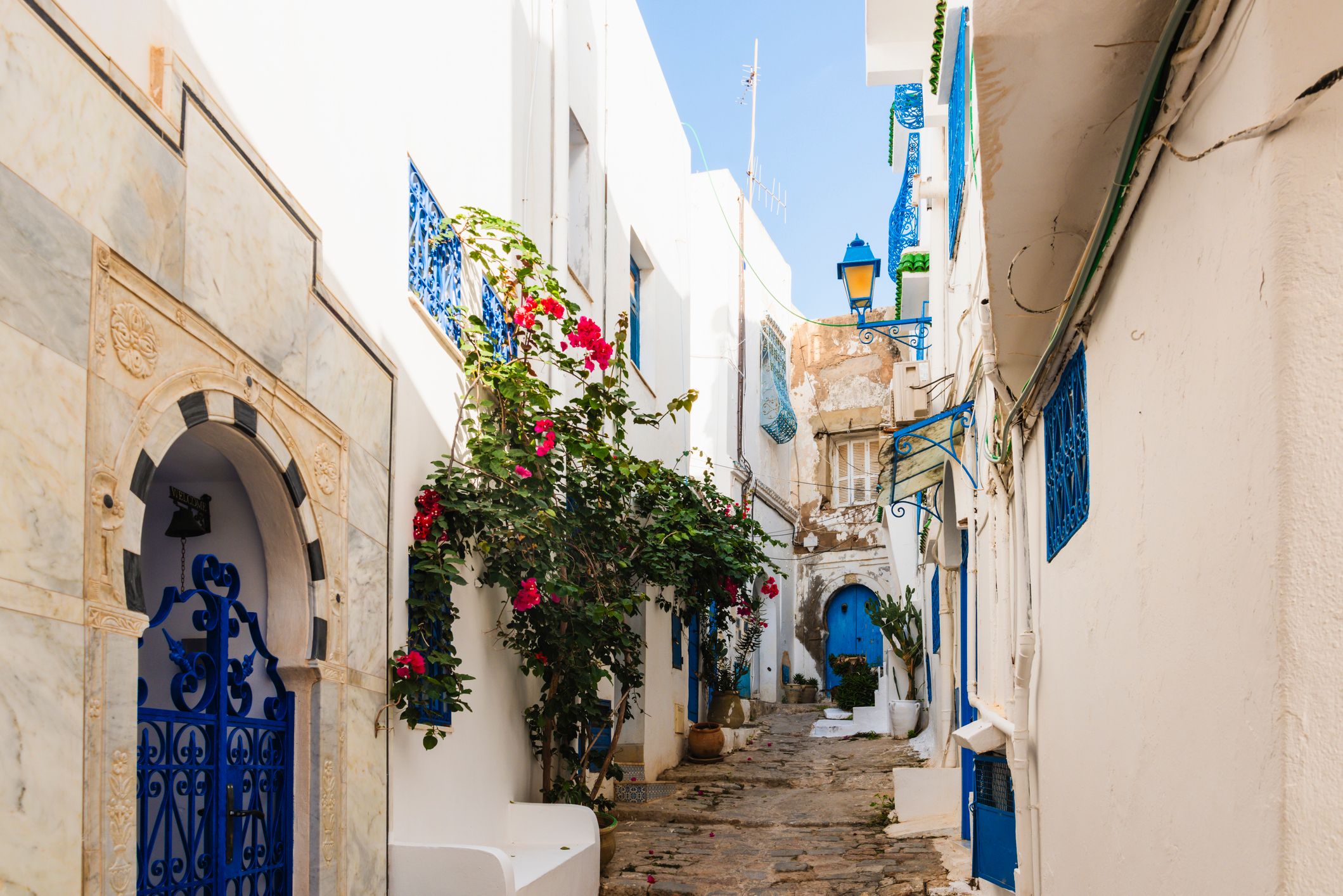
The pleasure here is in the details. The shift from Malta’s strict fortifications and Palermo’s operatic scruffiness to the medina’s alleyways, courtyards, carved doors and shopfronts full of brass, textiles and ceramics. The way light behaves differently. The way lunch behaves differently. The way Europe suddenly feels both very close and not especially relevant. If you’ve got time beyond Tunis proper, the official Tunisia tourism material also points towards Sidi Bou Said, with its white-and-blue houses high above the Gulf of Tunis. It is beautiful, yes, but luckily not in the sterile “content creator at breakfast” sense. More in the old Mediterranean way, where sea, stone and paint do most of the work.
Why this route works so well
What makes this central Med run such a satisfying cruise is that each stop comments on the others. Valletta’s fortifications tell you how contested these waters were. Palermo shows what happened when cultures collided and, every so often, collaborated brilliantly. Tunis reminds you that the Mediterranean is not a decorative southern fringe of Europe but a shared sea with North Africa fully in the story. You can trace the movement of faiths, empires, ingredients, architectural ideas and plain old commercial ambition from one port to the next without once feeling like you’re stuck in a floating lecture.
It’s also just a very enjoyable way to spend a week. One day you’re riding up into a fortress city built after a siege. The next you’re standing under golden mosaics in Palermo before drifting towards a market that smells of citrus and hot oil. Then you’re in Tunis, trying to look as though you know exactly where you’re going in the medina when in fact you are following a cat and hoping for the best. That is, broadly speaking, what good cruising is for. Not to flatten places into a neat sequence of “highlights”, but to let one shore sharpen your view of the next.
One practical note, because North Africa is not somewhere to treat as an abstract aesthetic. If your itinerary includes Tunisia, check the latest FCDO advice before travelling, since official safety guidance can change and currently includes regional warnings for parts of the country. Cruise lines manage shore operations carefully, but it’s still worth knowing the current picture for yourself.