Italian cruise itineraries have a habit of presenting you with an unhelpful choice: would you like your coastline in glossy, vertical perfection, or would you prefer it wilder, smokier, and with occasionally unpredictable weather?
In one corner, the Amalfi Coast package, usually via Naples and/or Salerno, where the scenery looks like it’s been arranged by someone with a strong sense of the romantic. In the other, the Sicily set, often Taormina (via Giardini Naxos) and Palermo, where the island serves up volcano drama, Arab-Norman splendour, and lunch that tastes like it's been designed to make you linger as long as possible.
Both are brilliant, so this is our guide to helping you choose. Amalfi is a narrow strip of spectacular beauty with logistics that can feel like a competitive sport, while Sicily is a full island of contrasts where the best day is often the one you don’t over-plan.
Amalfi by cruise: high glamour, high effort, high reward
The Amalfi Coast doesn’t need much marketing. UNESCO has already done it, listing the Costiera Amalfitana for its dramatic cultural landscape and villages clinging to the mountains between the Gulf of Naples and the Gulf of Salerno.
Cruise itineraries tend to serve Amalfi in two main ways: the Naples day and the Salerno day. The experience is very different.
Naples: the great, chaotic gateway
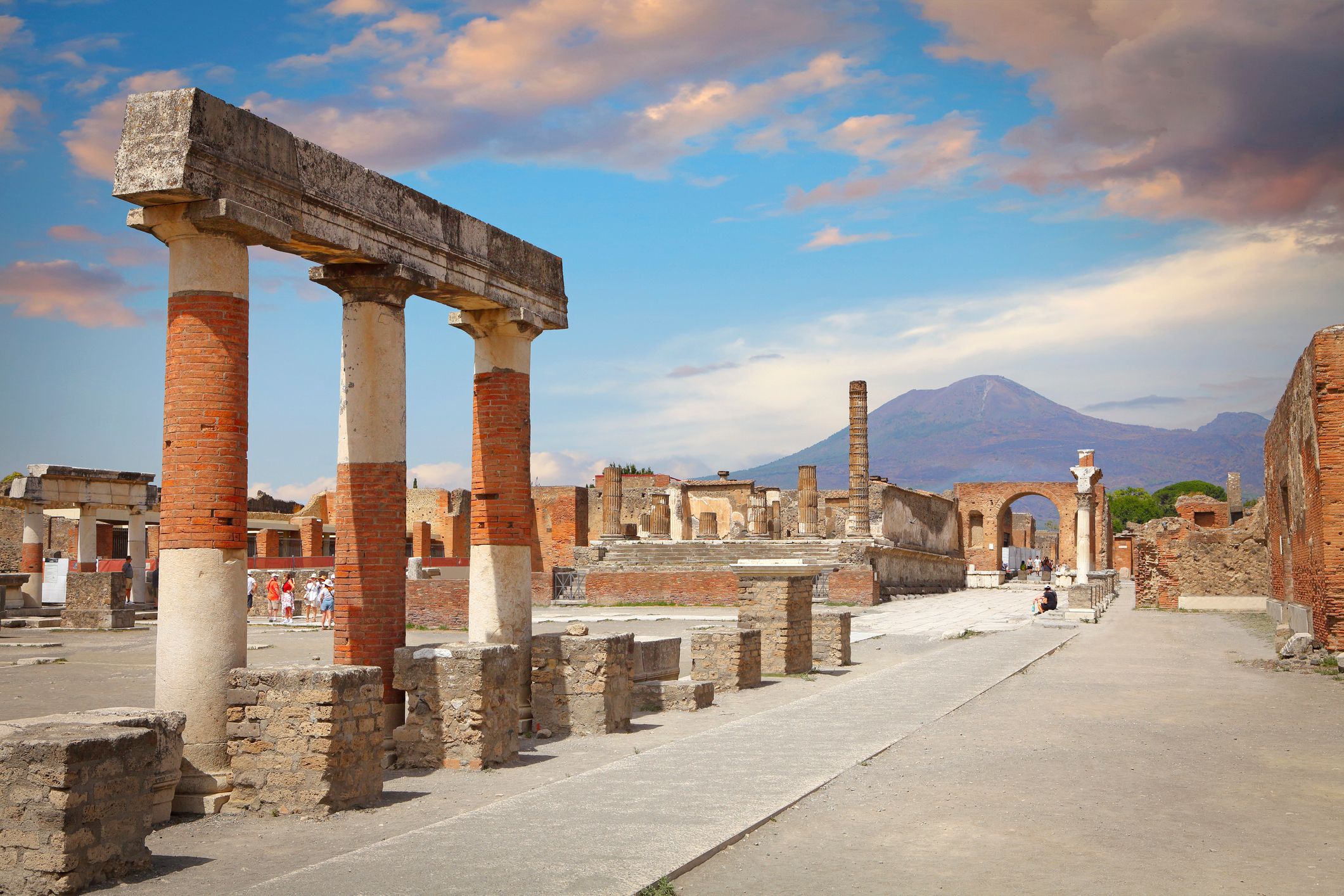
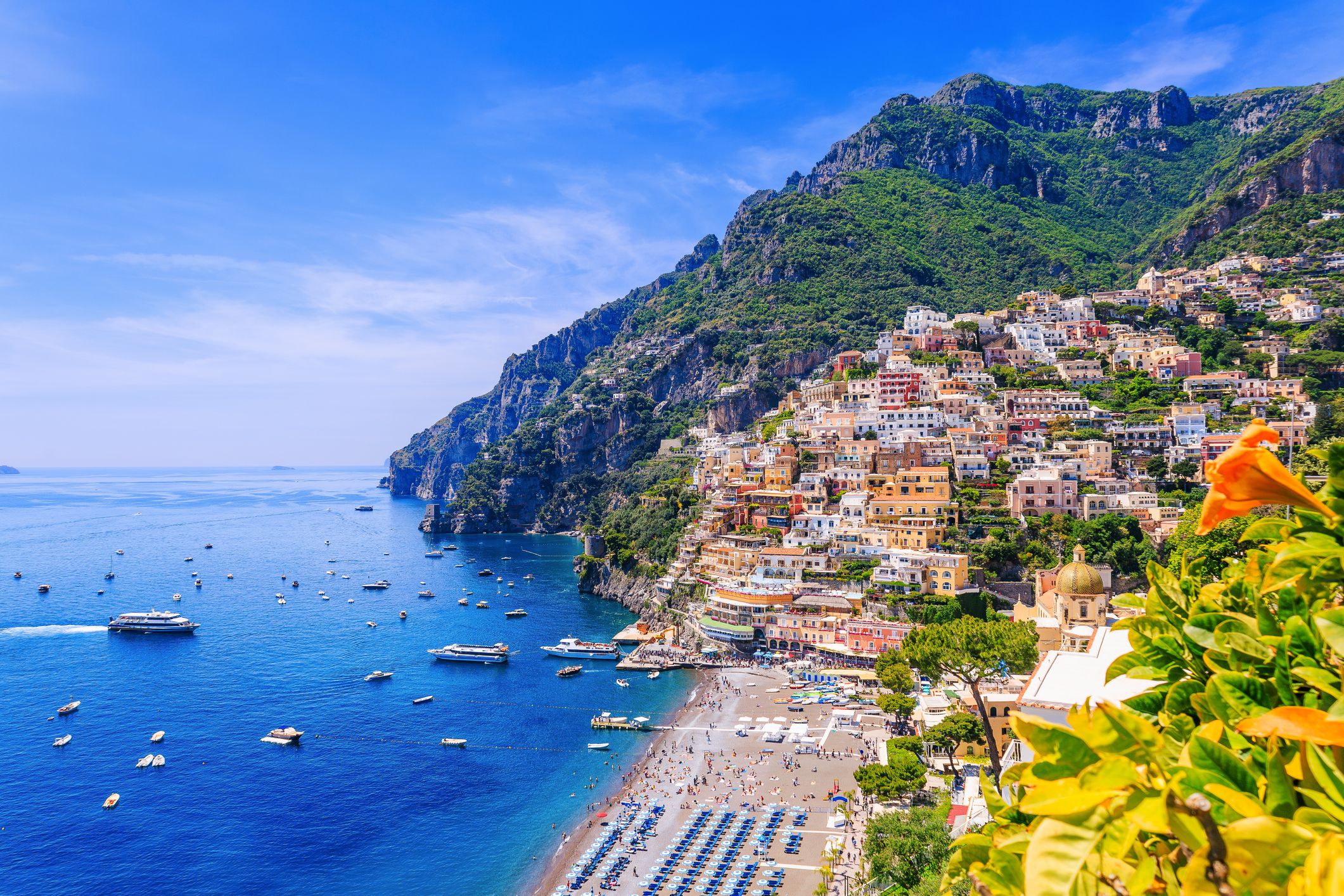
Naples cruise calls are seductive because Naples is a hub. Your ship docks at Naples’ cruise terminal, Stazione Marittima, and from there the menu of day trips is almost aggressively tempting. This is where people split into tribes.
There are the Pompeii people, who want the world’s most famous day trip and will not be stopped. If that’s you, it helps to know the practical truth that makes Pompeii do-able: the Pompei Scavi – Villa dei Misteri station sits right by the archaeological area, and the Circumvesuviana line is built for this exact kind of movement.
Then there are the Capri and Sorrento people, who clock the ferries at Molo Beverello and make a beeline for the water. Naples is set up for that too, with ferries and hydrofoils running to places like Capri and Ischia.
Naples suits the traveller who likes options, doesn’t mind a bit of friction, and secretly enjoys feeling like they’ve “done a lot” before lunch.
Salerno: the calmer, smarter Amalfi move
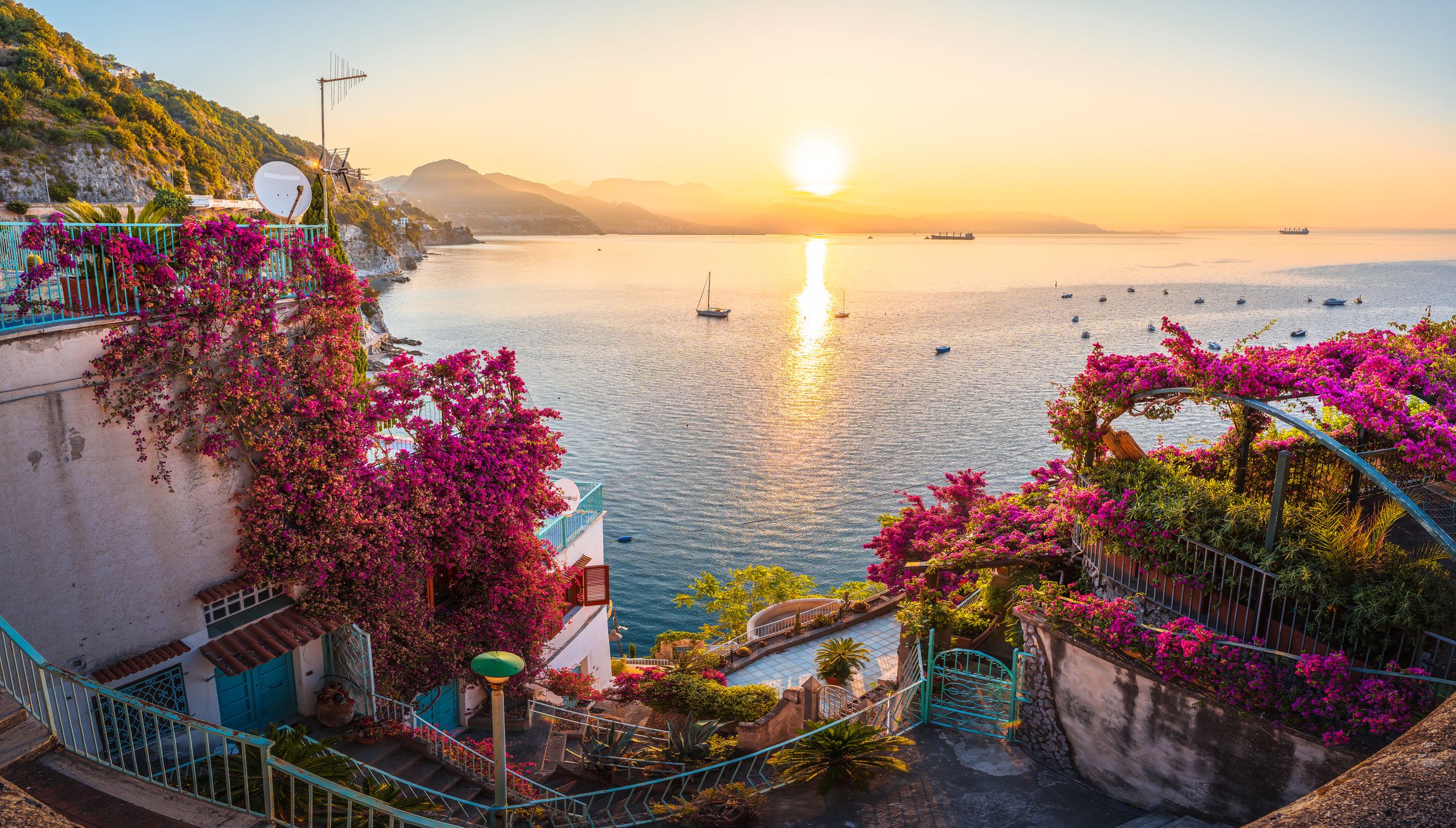
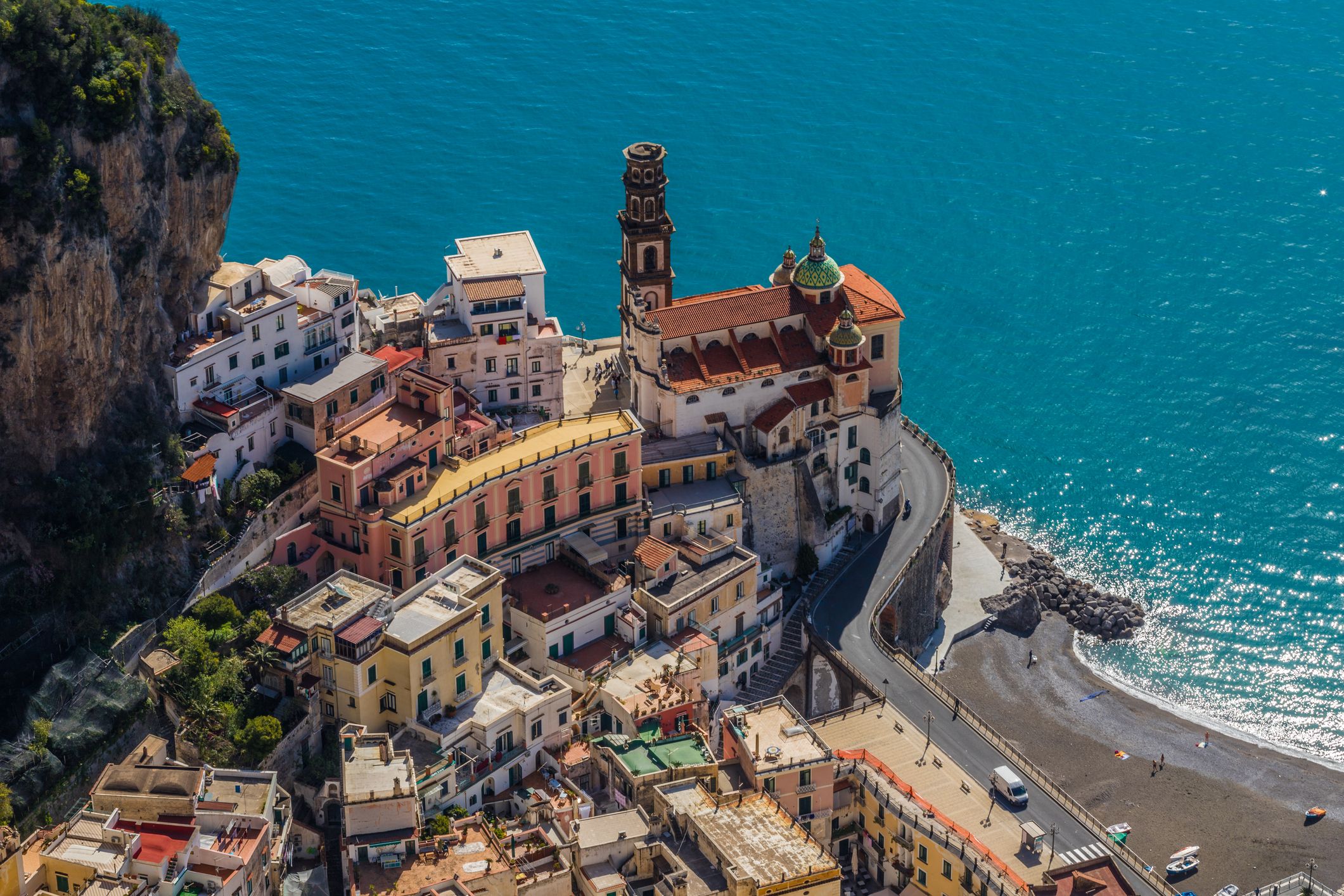
If Naples is a busy interchange, Salerno is the elegant side door. Salerno’s cruise terminal at Molo Manfredi is purpose-built for cruise passengers, and it’s very much positioned as a gateway to the Amalfi Coast.
The crucial advantage of Salerno is that it makes Amalfi Coast logistics easier to manage by sea. Ferries from Piazza della Concordia connect you to Amalfi Coast towns, and Travelmar sells the idea plainly: travel by sea to avoid traffic and parking stress.
On paper, Salerno-to-Amalfi is beautifully cruise-friendly. Travelmar’s timetable even spells out a 35-minute Salerno–Amalfi crossing.
So if you want the Amalfi Coast itself, rather than a Naples day that spirals into “too many choices,” Salerno is usually the smoother port call.
What an Amalfi day feels like
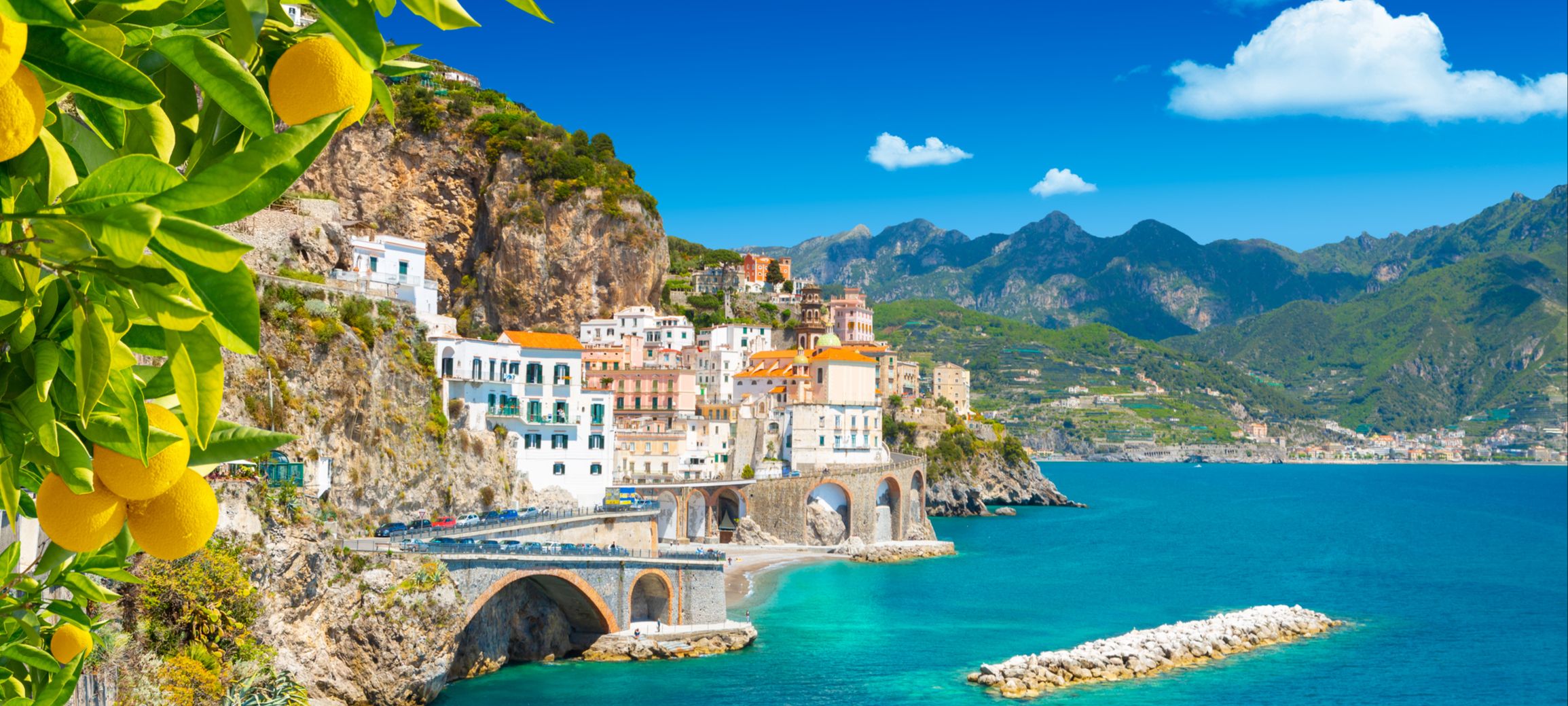
Amalfi days are built around views. The coast rises steeply, the roads curve, the villages stack, and you spend a pleasing amount of time muttering “this can’t be real” at cliffs.
The main drawback is that Amalfi is popular in the way that makes other people part of your itinerary. In peak season, you’ll queue for boats, buses, photos, and sometimes your own patience. This is why the Amalfi Coast works best for travellers who don’t mind crowds if the reward is stunning enough.
Amalfi also rewards decisiveness. Pick one town and do it properly. Amalfi itself, Positano, Ravello. You can technically do more, but you’ll feel your day shrink every time you try.
Sicily by cruise: bigger, looser, and better for variety
Sicily is not a “pop in, pop out” destination. It’s an island that keeps changing tone. One day it feels like Greece, the next it feels like North Africa, the next it feels like Italy with extra volume and better snacks.
Cruise itineraries tend to deliver Sicily in two particularly satisfying stops: Taormina and Palermo.
Taormina: beauty up high, reality down at sea level
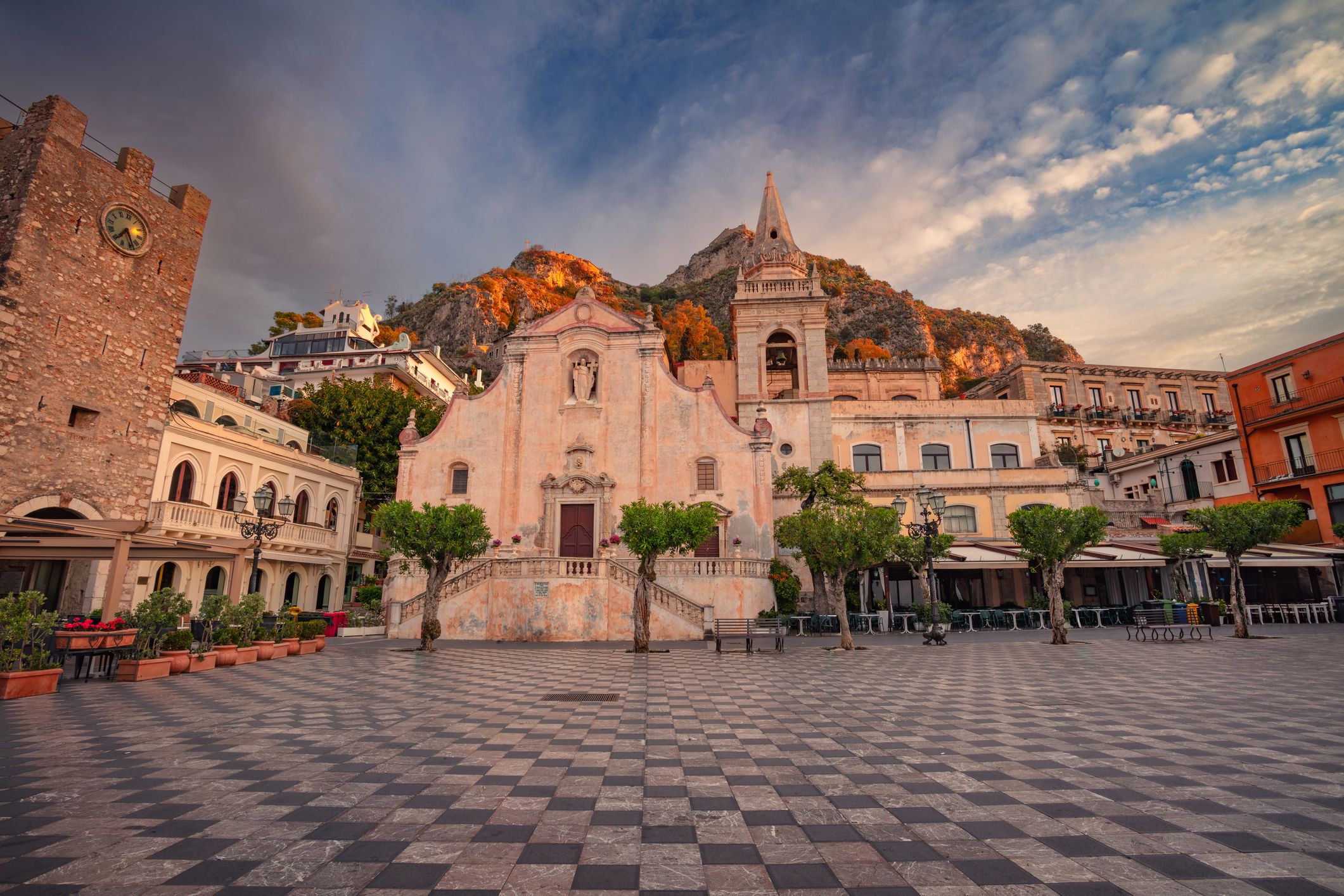
Taormina is the glamorous name on the itinerary, but the practical reality is often Giardini Naxos. Many ships anchor in the bay and tender passengers ashore, because Taormina itself sits up on the hill. This matters because it changes the vibe. Taormina is not a “wander off the ship and see what happens” port. It’s a “tender, transfer, then wander” port.
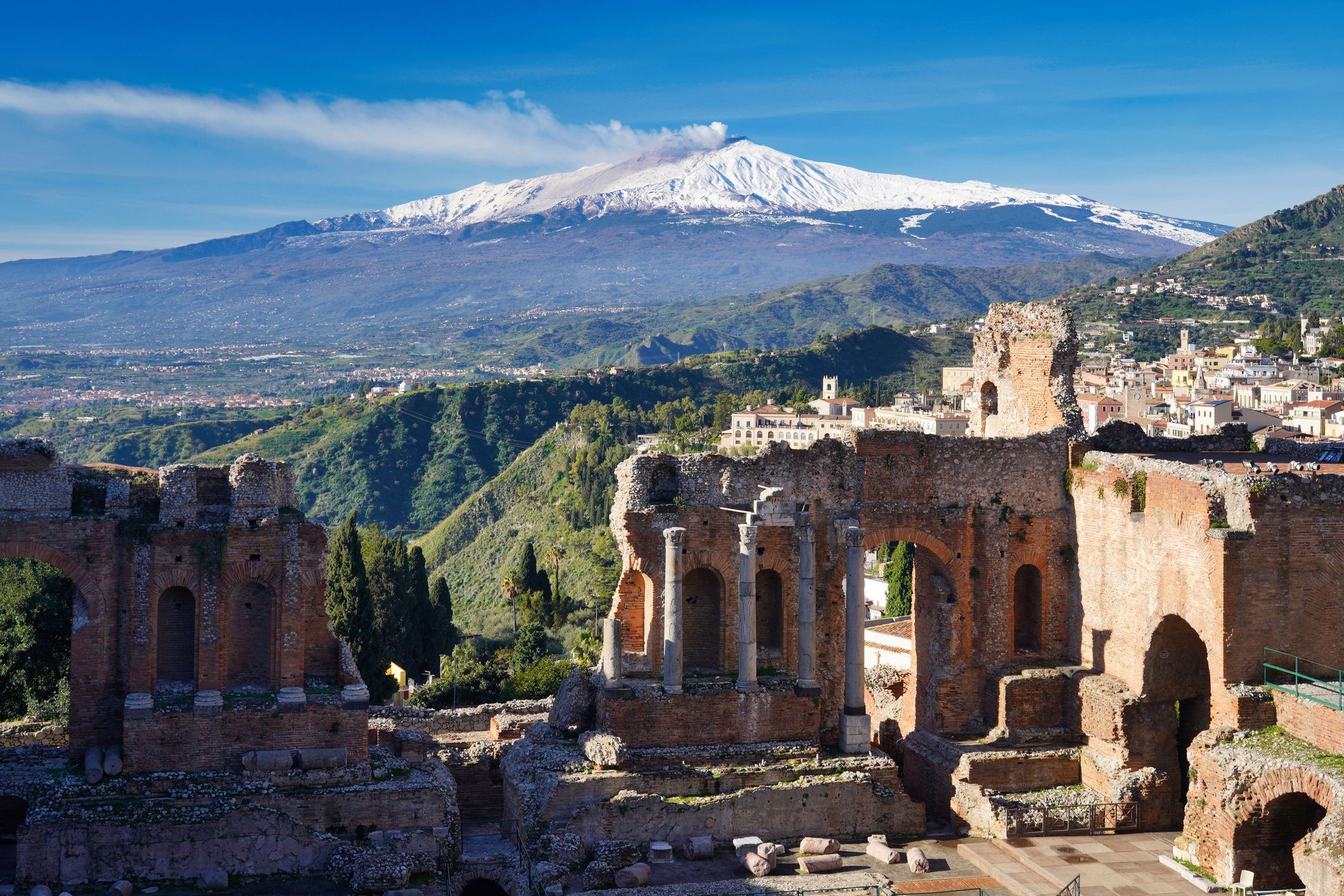
Once you’re up there, it delivers. The ancient theatre is the big cultural anchor, originally built in the third century BC, and it’s one of those places where the view tries to upstage the history.
Taormina suits travellers who like their days to feel cinematic, don’t mind a bit of port procedure, and want one high-impact sight with time for a slow stroll and an overpriced granita that you will still enjoy. It also suits people who want to pair their Taormina day with a dose of volcano. Mount Etna is right there in the background, and it’s not just for postcards. Mount Etna is a UNESCO World Heritage Site, listed for its exceptional ongoing volcanic activity and its long record of documented eruptions.
Palermo: the city that does the work for you
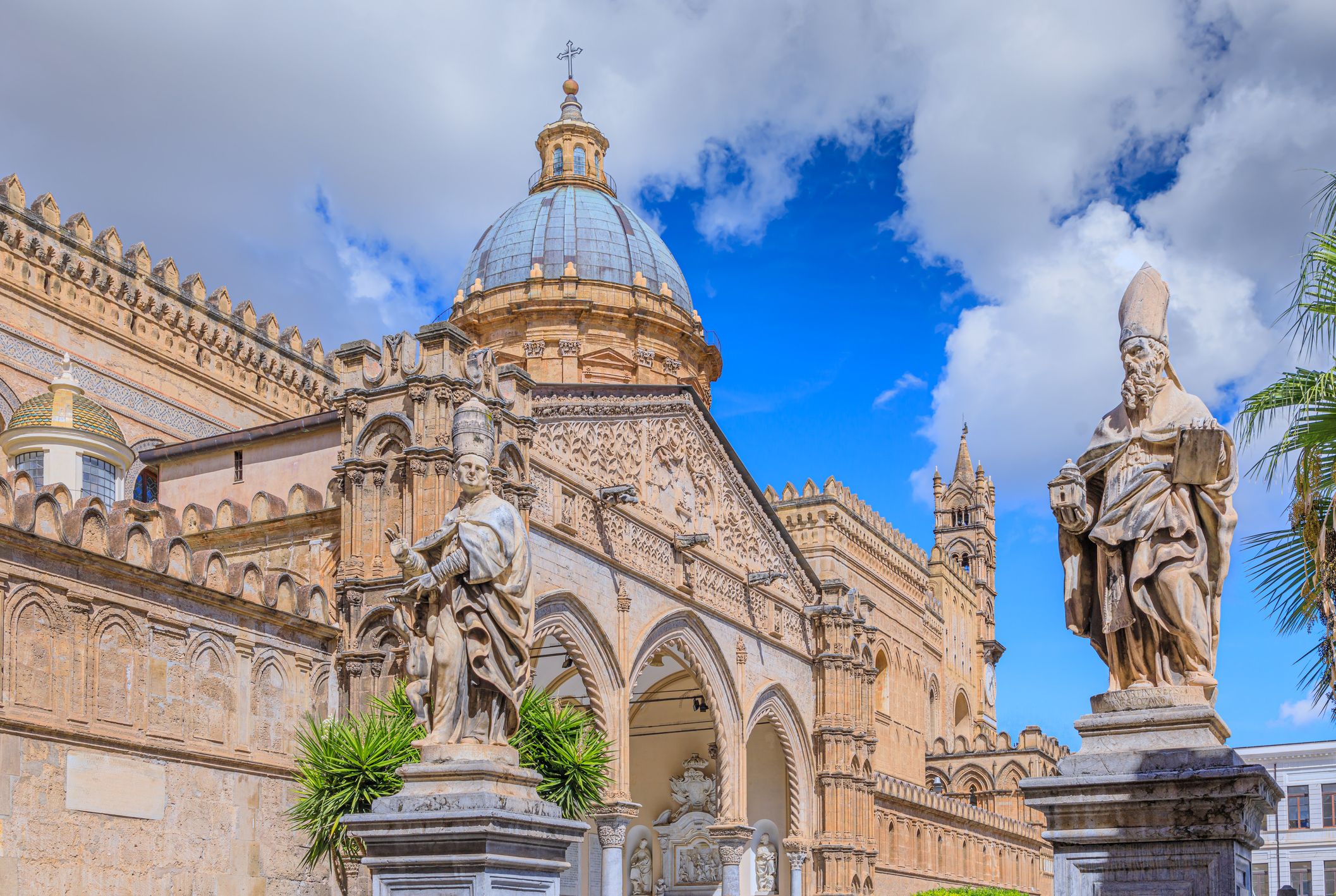
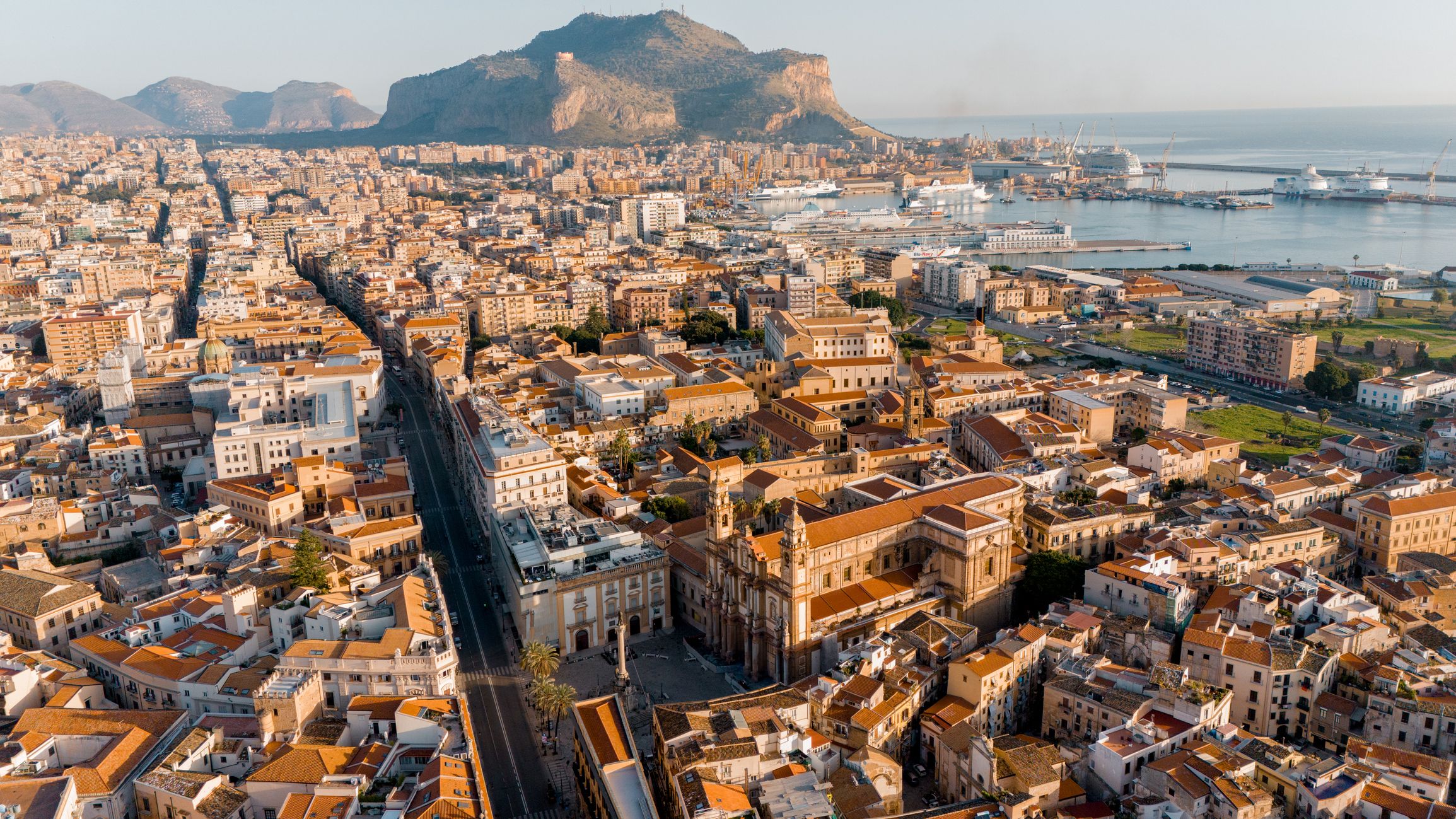
Palermo is the Sicily port call that suits cruise time perfectly because the city is ready to meet you halfway.
Its UNESCO hook is serious. Arab-Norman Palermo and the Cathedral Churches of Cefalù and Monreale is a UNESCO World Heritage listing that covers a whole set of buildings demonstrating a multicultural blend of Western, Islamic, and Byzantine influences in the Norman kingdom of Sicily.
And unlike some “historic city” calls that require an hour of transport before you’ve seen a single stone, Palermo is more direct. Cruise terminals are at the Stazione Marittima area, and cruise line port info places it on Via Francesco Crispi.
Palermo suits travellers who want a day that feels full without being rushed: churches, street life, markets, and the kind of lunch that you’ll describe to friends later with a seriousness that makes them slightly uncomfortable.
What a Sicily day feels like
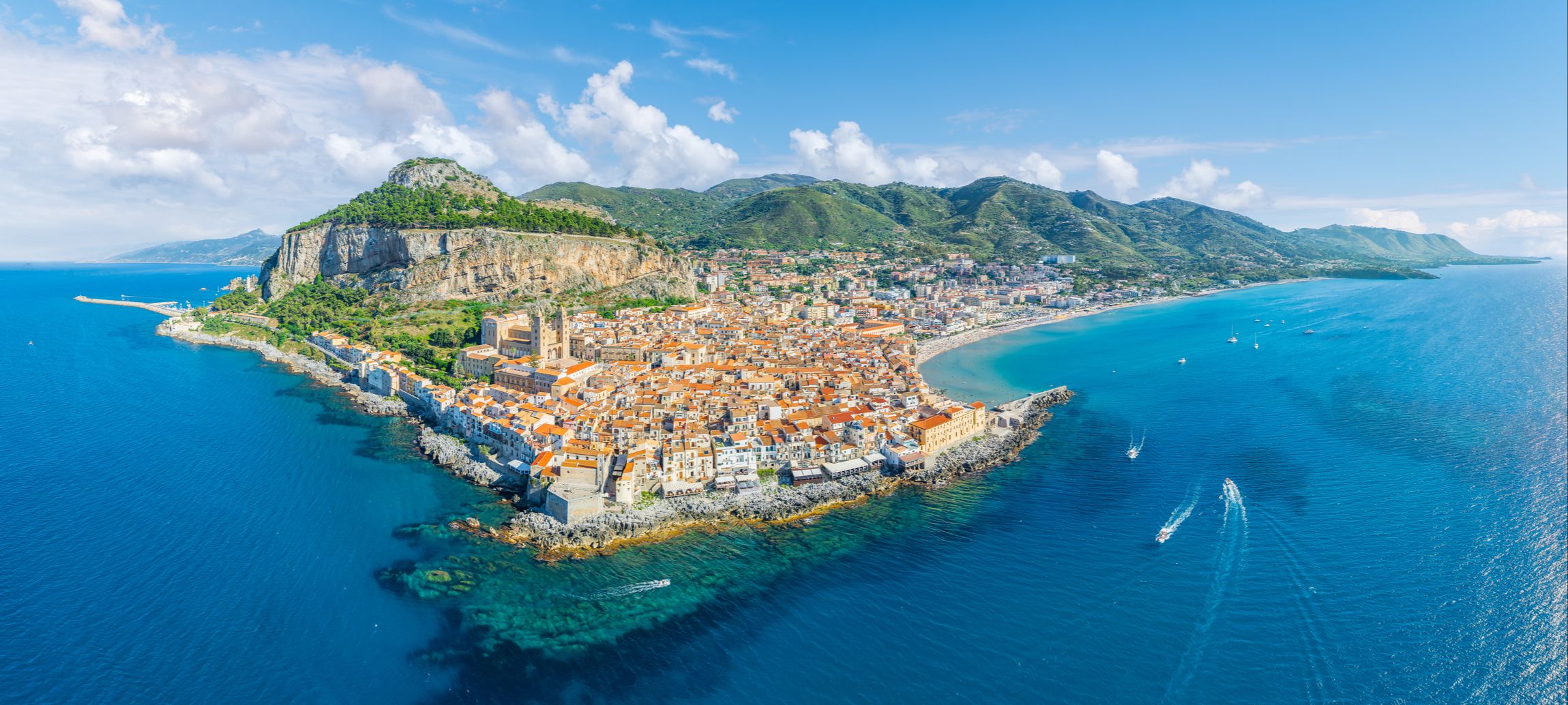
Sicily is less about one perfect view and more about texture. You’re moving between layers: ancient, Norman, Baroque, modern, loud, calm, seaside, inland.
The logistics are usually easier on your brain than Amalfi because Sicily is larger and less funnelled. Crowds exist, obviously, but you’re not confined to a single coastal road with 600 people trying to have the same nice day.
The itinerary matchmaker bit
If you’re trying to decide between “Amalfi week” and “Sicily week,” it helps to be honest about what kind of traveller you are, and what kind of day makes you happiest.
Amalfi is for you if you want maximum beauty per minute
Amalfi is for travellers who want their photos to look expensive, who like dramatic landscapes, and who don’t mind a bit of logistical hustle if the reward is a view you’ll remember for years. It’s also excellent if you’re the sort of person who enjoys having a “plan,” then executing it with mild intensity and a strong espresso.
Salerno-based Amalfi days in particular suit people who want the coast itself, and would rather take the ferry than sit in road traffic.
Naples-based Amalfi days suit people who want choice, and are happy to trade calm for range.
Sicily is for you if you want variety and slightly deeper culture
Sicily suits travellers who want their cruise to feel like it contains multitudes: a theatre built in the third century BC one day, Arab-Norman architecture the next, a volcano looming over breakfast like a moody friend.
It’s also better if you’re travelling with a group that can’t agree on one thing, because Sicily gives you options without making you feel you’re missing the whole point if you pick the “wrong” one.
The practical advice you’ll wish you’d followed
If your itinerary is Amalfi-heavy, build in buffer time and accept that the coast runs on its own clock. If your itinerary is Sicily-heavy, don’t try to cram it into a single “best of” day. Pick one strong anchor per port and let the rest be wandering and eating.
And if you get both in one cruise, congratulations. You’ve booked Italy’s best argument with itself: one side doing polished cliffside perfection, the other doing grand, chaotic abundance.
Either way, you’ll step back on board with salty hair, a camera roll full of evidence, and a renewed belief that Italy is not a country so much as a series of competing lifestyles, all of which want you to stay for dinner.