Bali has done a remarkable job of convincing the world that Indonesia begins and ends somewhere between a rice terrace and an infinity pool. Meanwhile, immediately to its west, Java has been getting on with the business of being one of the world's most populous islands, with ancient Buddhist temples, extraordinary food and several cities that don't seem particularly concerned with impressing tourists.
It's also surprisingly well suited to cruising. Rather than flying into Jakarta and attempting to make sense of an enormous island by road, you can follow its northern coastline, calling at three cities with very different personalities.
Oceania Cruises is doing exactly that in January 2027, with consecutive stops in Jakarta, Semarang and Surabaya before continuing to Bali and Lombok. It's an itinerary that makes an unusually convincing case for spending more time with the Indonesia that lies beyond its most famous holiday island.
Jakarta: Indonesia's capital of contradictions
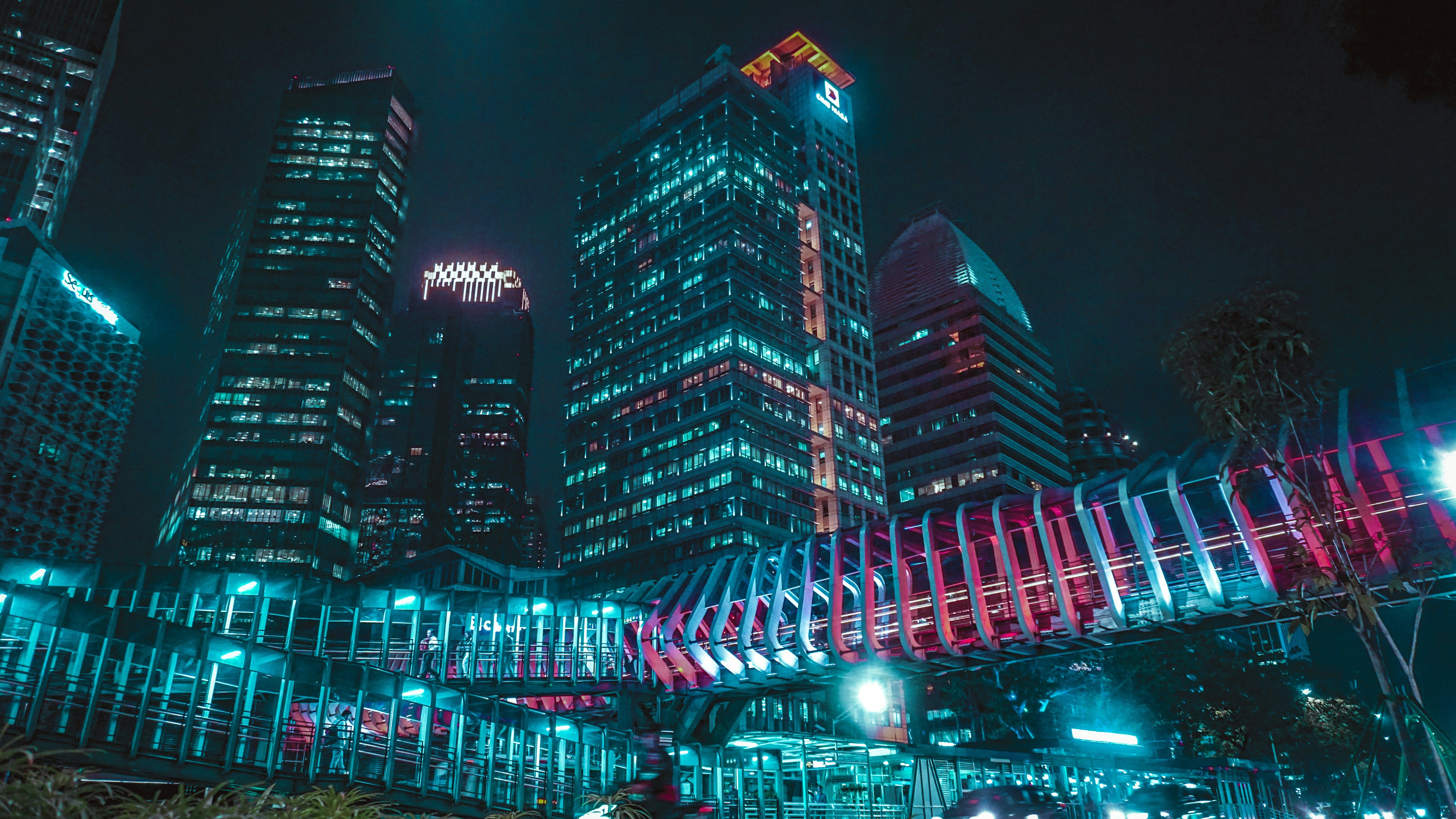
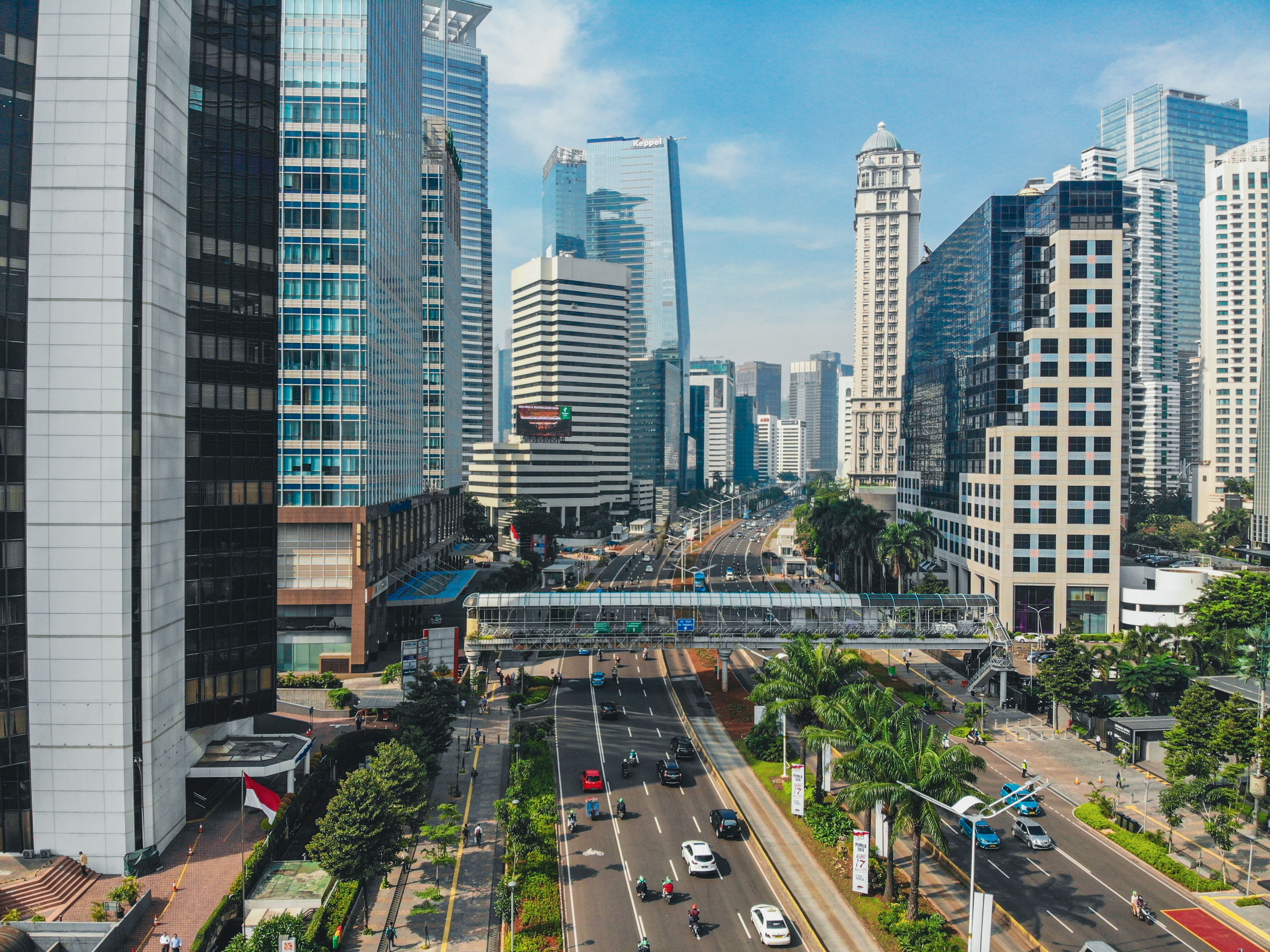
Jakarta isn't a city that eases you in gently. Its traffic has a fearsome reputation, its skyline is a forest of towers and its population has places to be, none of which appear to be nearby.
But beneath the modern capital is an older port city that tells much of Indonesia's story. Kota Tua, the historic heart of Dutch-era Batavia, is where colonial buildings surround Fatahillah Square, while nearby Sunda Kelapa harbour recalls the trading networks that brought merchants, spices and competing empires to Java's shores.
It's a fascinating place to explore Indonesia's complicated colonial history, particularly through the Jakarta History Museum and the streets surrounding the old square.
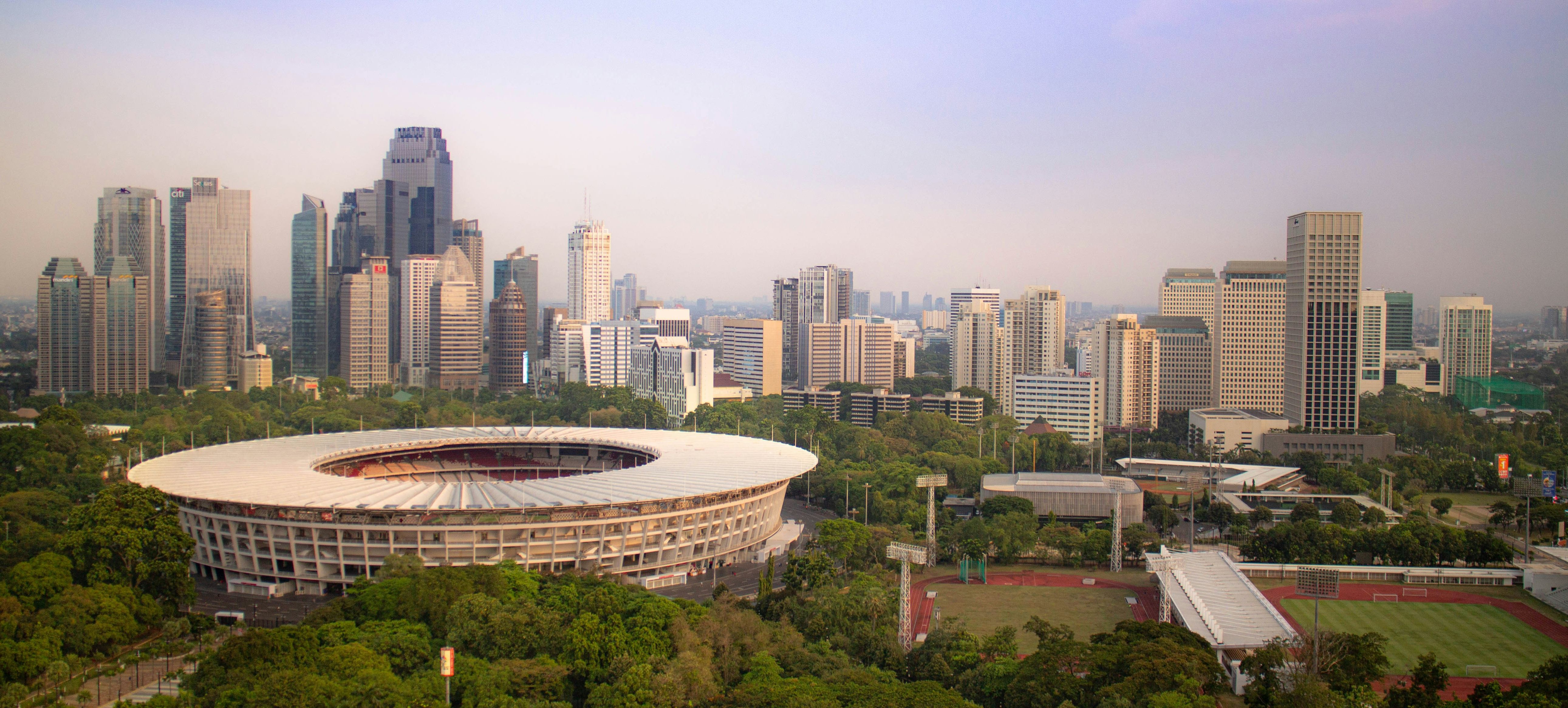
Cruise ships generally use Tanjung Priok, some distance from the historic centre, so a transfer is necessary. Jakarta's traffic also makes an ambitious sightseeing itinerary something of a hostage to fortune.
For a single port day, concentrate on Kota Tua and Sunda Kelapa rather than attempting to conquer the entire capital. You'll leave with a much better sense of the city, if not necessarily any desire to drive across it again.
Semarang: ancient temples or a city worth staying for?
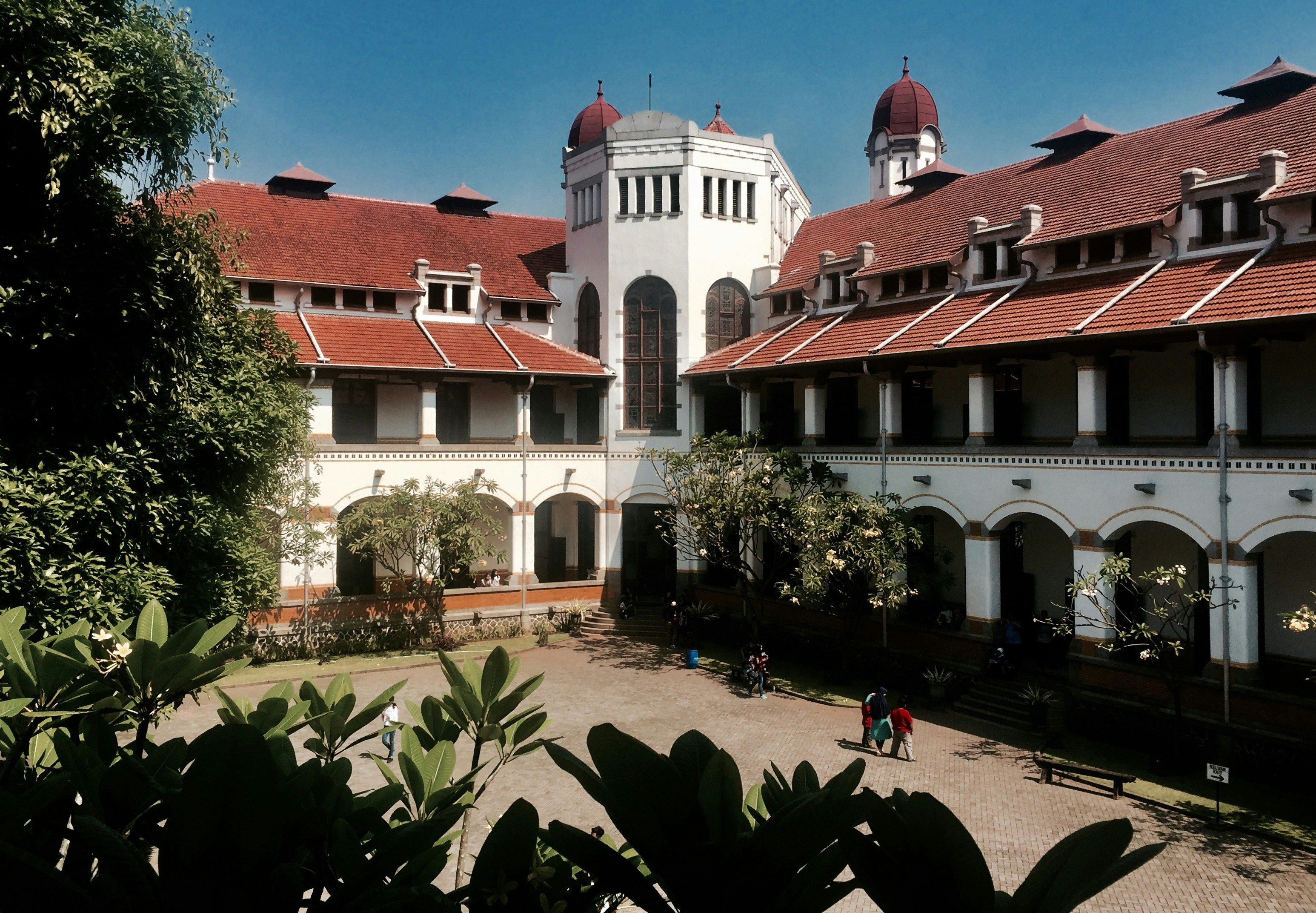
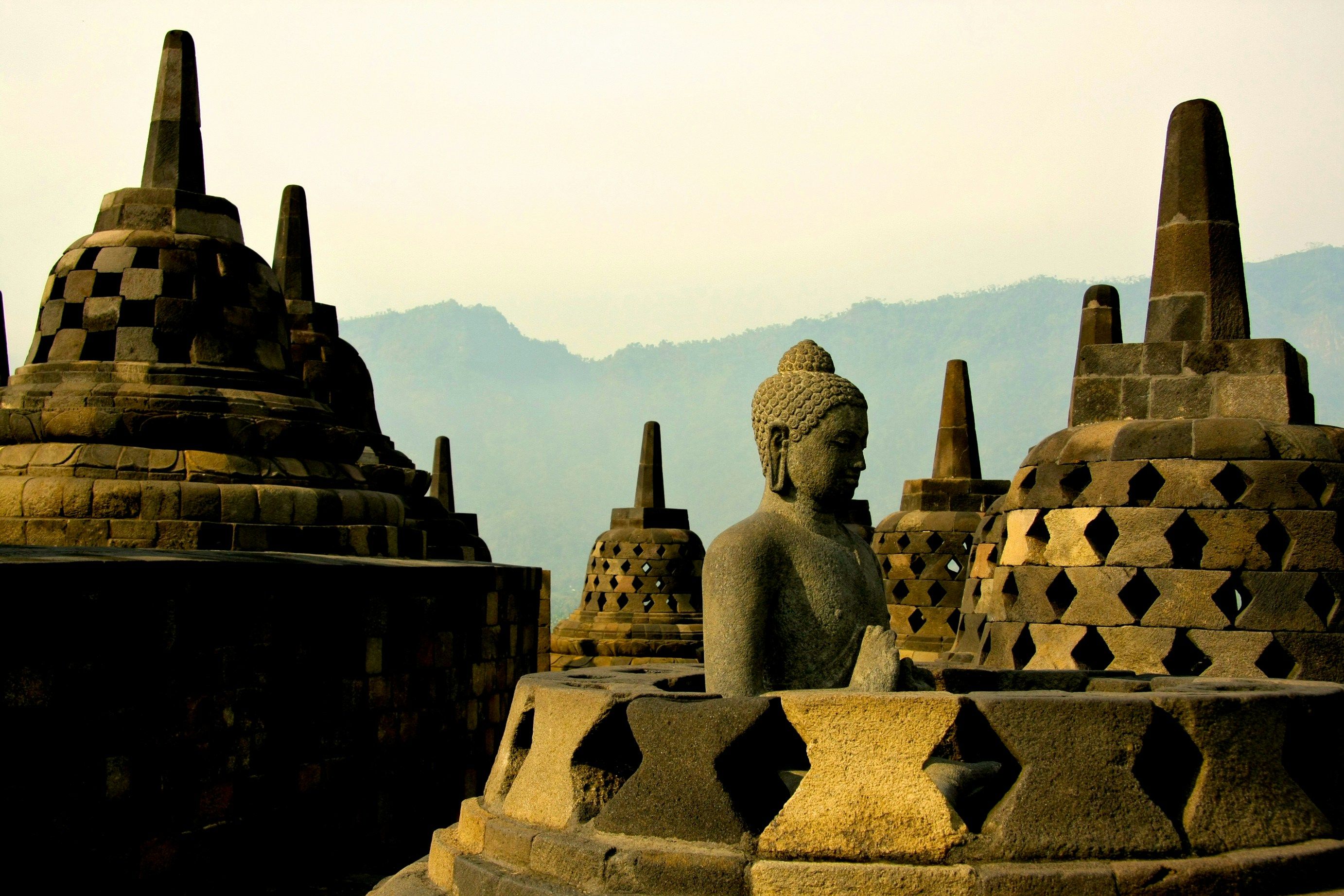
Semarang presents the most interesting decision of the three stops.
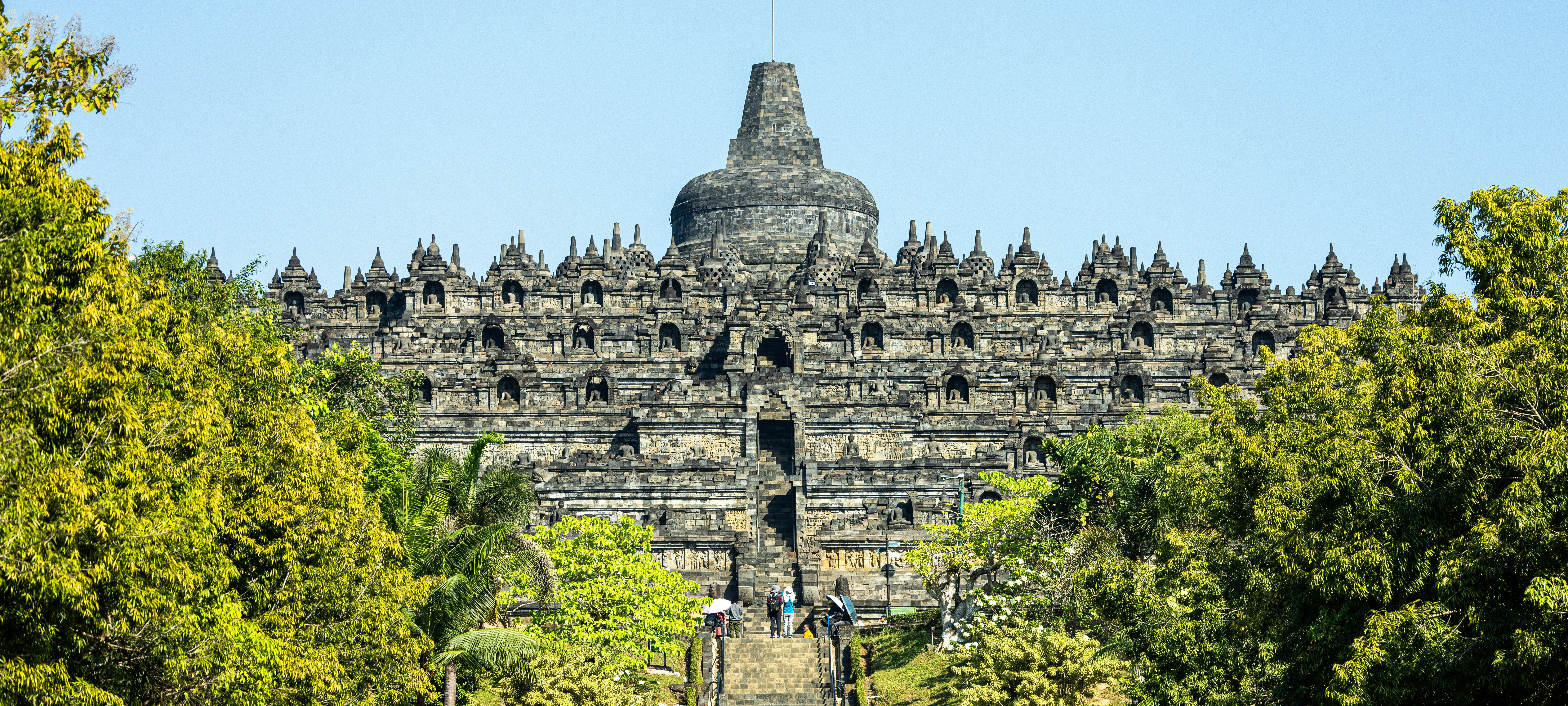
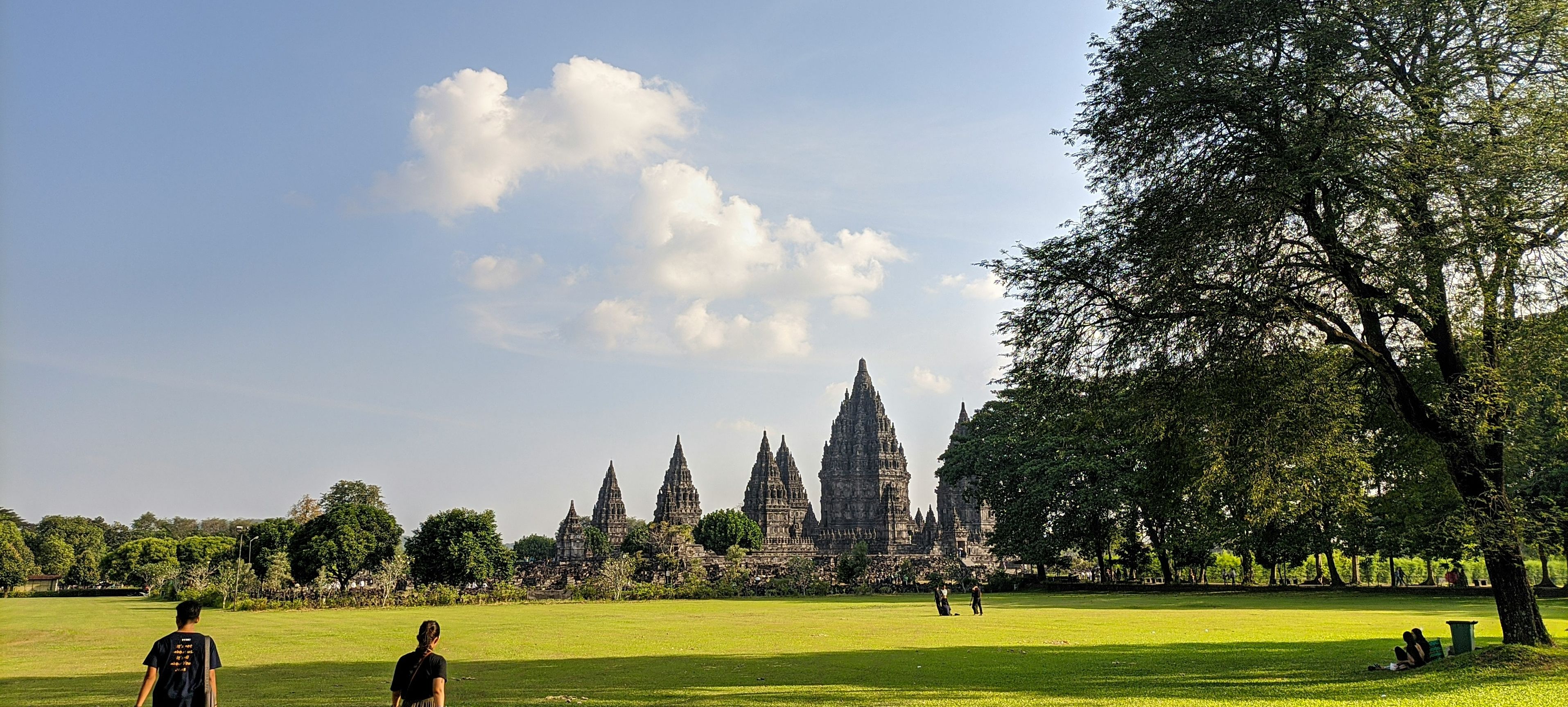
Its great headline attraction is Borobudur, the magnificent ninth-century Buddhist monument that rises from the countryside of Central Java. A UNESCO World Heritage Site, it's decorated with intricate stone reliefs and crowned by 72 perforated stupas surrounding Buddha statues. It's one of Southeast Asia's greatest archaeological treasures, and entirely deserving of the attention.
The complication is that Borobudur isn't in Semarang. It's approximately 100km from Tanjung Emas port, and the journey can take several hours each way depending on traffic. Indonesia's official cruise-port guidance specifically warns that visitors may have limited time at the monument and advises checking excursion feasibility.
This matters particularly on Oceania's January 2027 sailing, which doesn't arrive in Semarang until noon and departs at 8pm. With only eight hours in port, Borobudur would be an exceptionally tight proposition. Unless your cruise line offers a confirmed excursion with a workable schedule, I'd save the temple for a longer visit to Java.
Fortunately, Semarang itself is worth your time. Its atmospheric Kota Lama district contains handsome Dutch colonial buildings, while Lawang Sewu, a former railway headquarters whose name translates as 'A Thousand Doors', is an architectural curiosity with a generous collection of local ghost stories.
Elsewhere, the city's Chinese and Javanese influences are particularly evident in its food. Try lumpia Semarang, the local spring rolls filled with bamboo shoots and other ingredients, before wandering the old streets. You might reasonably conclude that spending five hours in a vehicle to see somewhere else would have been a shame.
Surabaya: the city that helped shape modern Indonesia
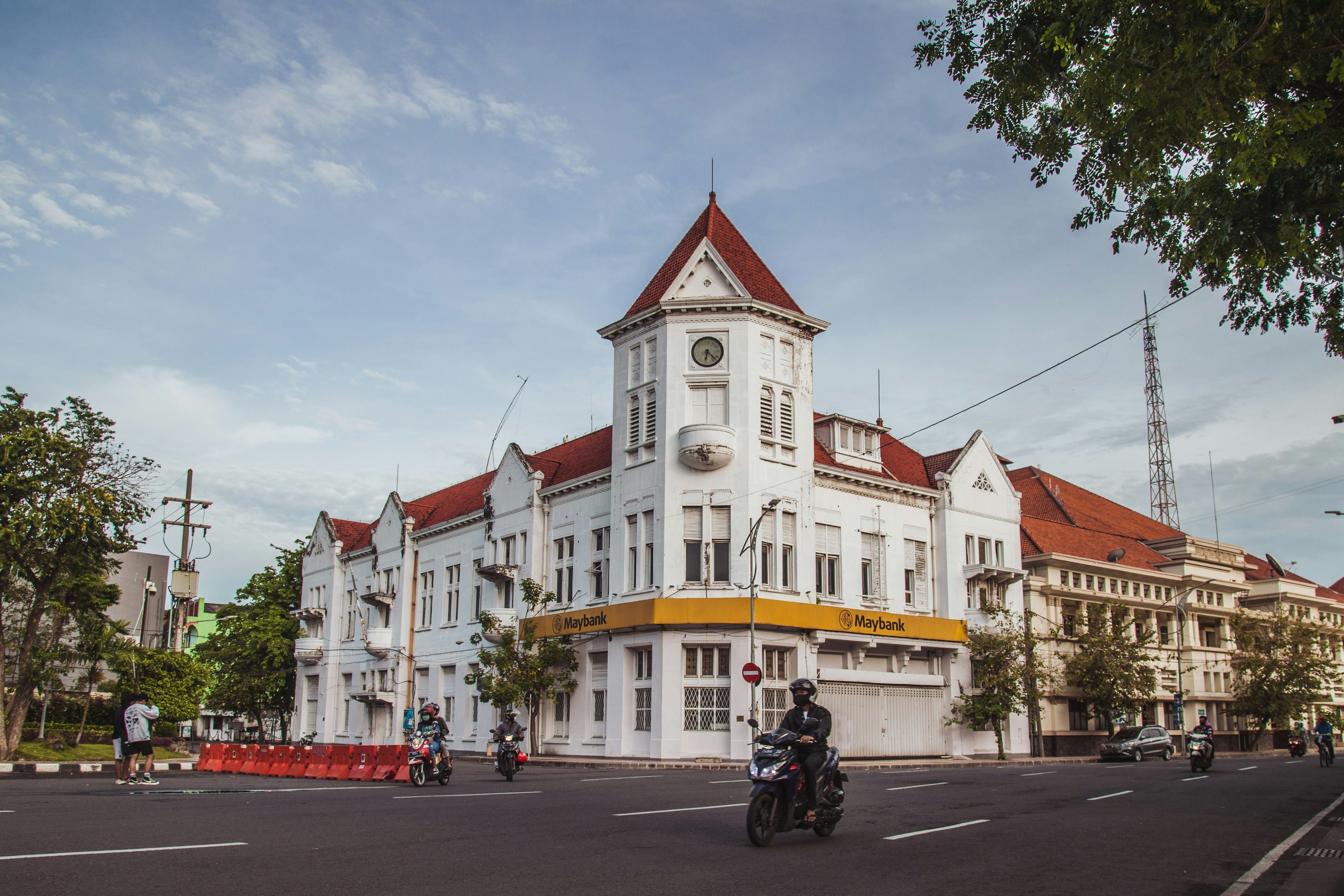
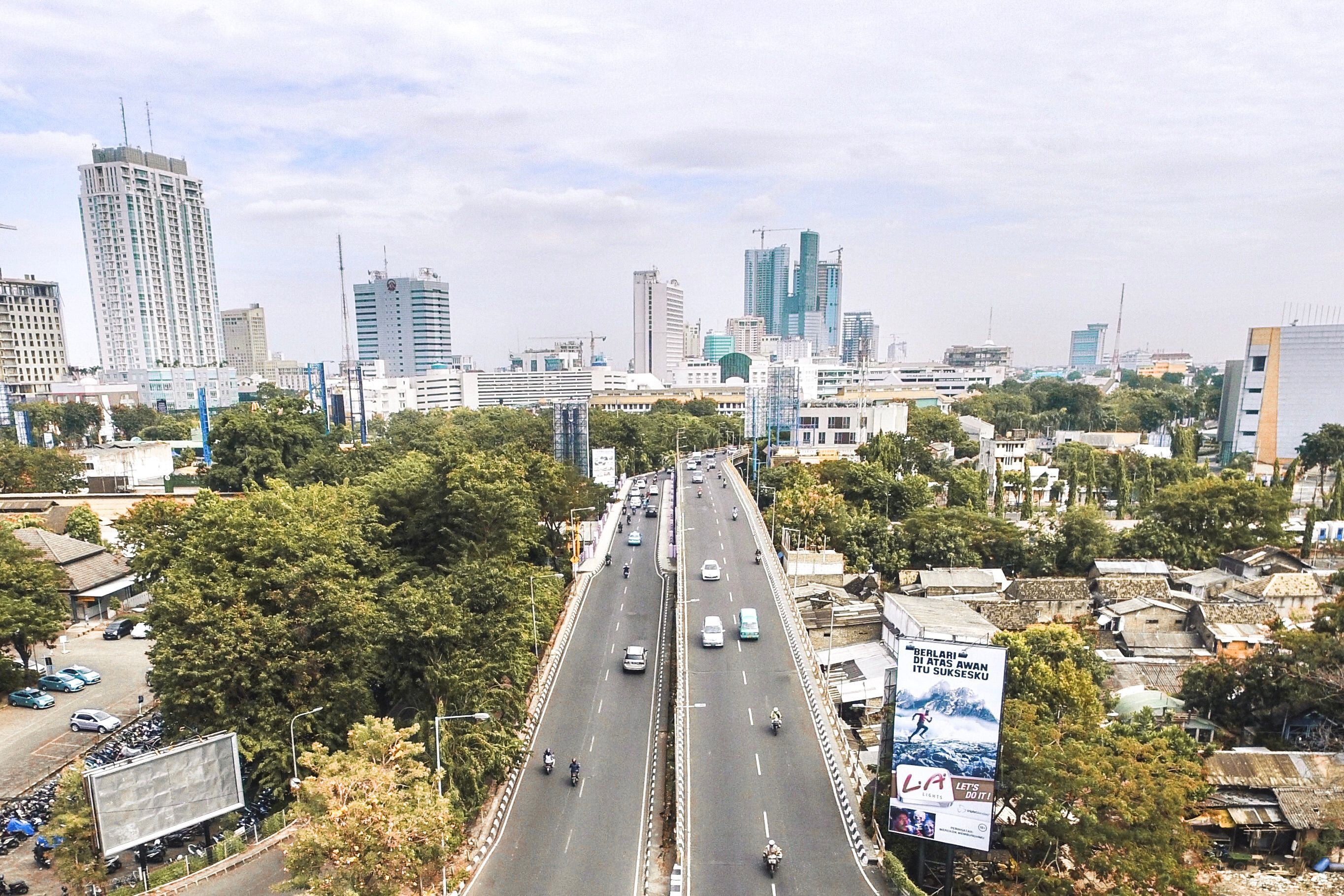
By the time you reach Surabaya, Java has changed character again.
Indonesia's second-largest city is a sprawling commercial powerhouse, but it's also known as the City of Heroes, owing to its central role in the country's struggle for independence. The Battle of Surabaya in November 1945 became a defining episode in Indonesia's resistance to returning colonial rule.
At Tugu Pahlawan, the Heroes Monument, an accompanying museum recounts this history. It's a compelling introduction to a city whose national significance is considerably greater than its international tourist profile.
Surabaya also rewards a wander through its older neighbourhoods. Around Jembatan Merah, or Red Bridge, colonial architecture meets historic Chinese trading streets and the Arab quarter around Ampel. The city has been restoring parts of its old town, bringing renewed attention to the communities that shaped this important port.
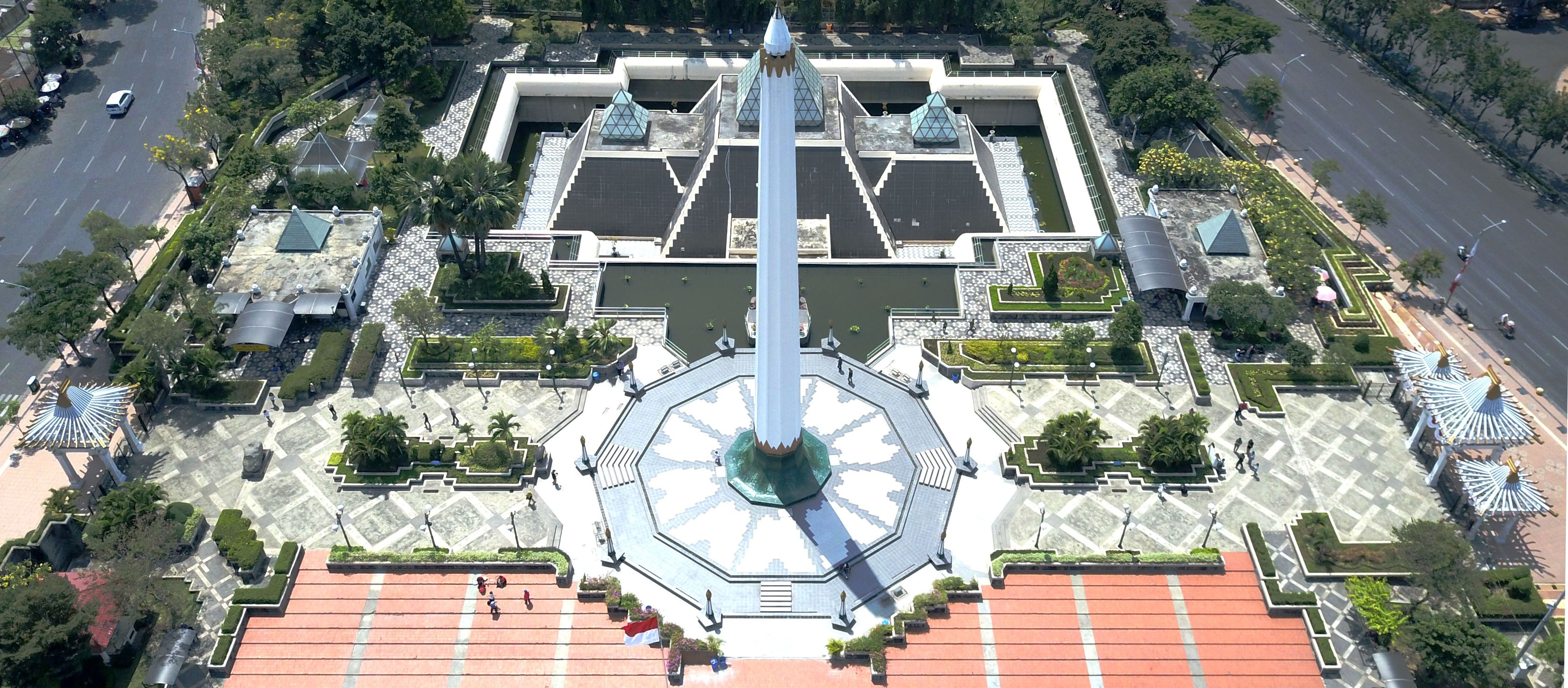
If Semarang invites you to escape into Java's ancient past, Surabaya offers a more complicated and arguably more revealing encounter with its recent history.
And there's food. Surabaya's cooking is wonderfully distinctive, from richly spiced rawon, a dark beef soup flavoured with keluak nuts, to rujak cingur, a local salad whose traditional ingredients include cow's snout. The latter is perhaps one to order before consulting a translation.
Cruise ships dock at Tanjung Perak, roughly 6–8km from the city, making a focused visit to the historic centre considerably more manageable than a grand expedition across East Java.
Can you really cruise all three cities?
Yes, although the details of the itinerary make a substantial difference.
Oceania Nautica's 12-night Malay & Indonesian Shores voyage departs Singapore on 5 January 2027, visiting Jakarta on 12 January, Semarang on 13 January and Surabaya on 14 January. It then calls at northern Bali and Lombok before finishing at Benoa, Bali, on 17 January.
The important detail is the timing. Jakarta gets nine scheduled hours, Semarang eight and Surabaya eight. That's enough for a worthwhile introduction to each city, provided you resist the temptation to treat the entire island as a shore excursion.
Oceania also has a 14-night voyage departing Bali on 17 January that visits the same three Java ports in reverse order later that month. Its earlier arrival in Semarang makes Borobudur a more plausible excursion, although the distance still calls for careful planning.
January falls within Java's wetter season, so expect heat, humidity and the possibility of heavy rain. Comfortable shoes, lightweight clothing and a willingness to change plans are worth considerably more than a meticulously colour-coded itinerary.
Java won't give you the beach-club version of Indonesia, and that's rather the appeal. In three consecutive port days, you can encounter a former colonial capital, one of Asia's great historic trading cities and a place central to the creation of modern Indonesia, with the occasional spring roll providing continuity.
Bali will still be there when you arrive.