If you have spent the last fortnight watching impeccably toned people hurtle down mountains while commentators whisper reverently about “margins of error", you might be experiencing a mild case of snow fatigue. The good news is that the Winter Olympics are not compulsory, even when they are happening just up the tracks in Milano Cortina. (They run from 6 to 22 February 2026).
Down on the Ligurian coast however, Genoa is doing what it has always done. Being handsome, slightly grumpy, and excellent at feeding you the best Italy has to offer. Winter suits it. The light is crisp, the crowds thin, and the city feels less like a museum and more like a working port that just happens to have a UNESCO pedigree and an alarming number of perfect espresso bars.
This is a cool-weather shore call for people who would rather eat focaccia than chase medals.
From the pier, follow your nose to the old port
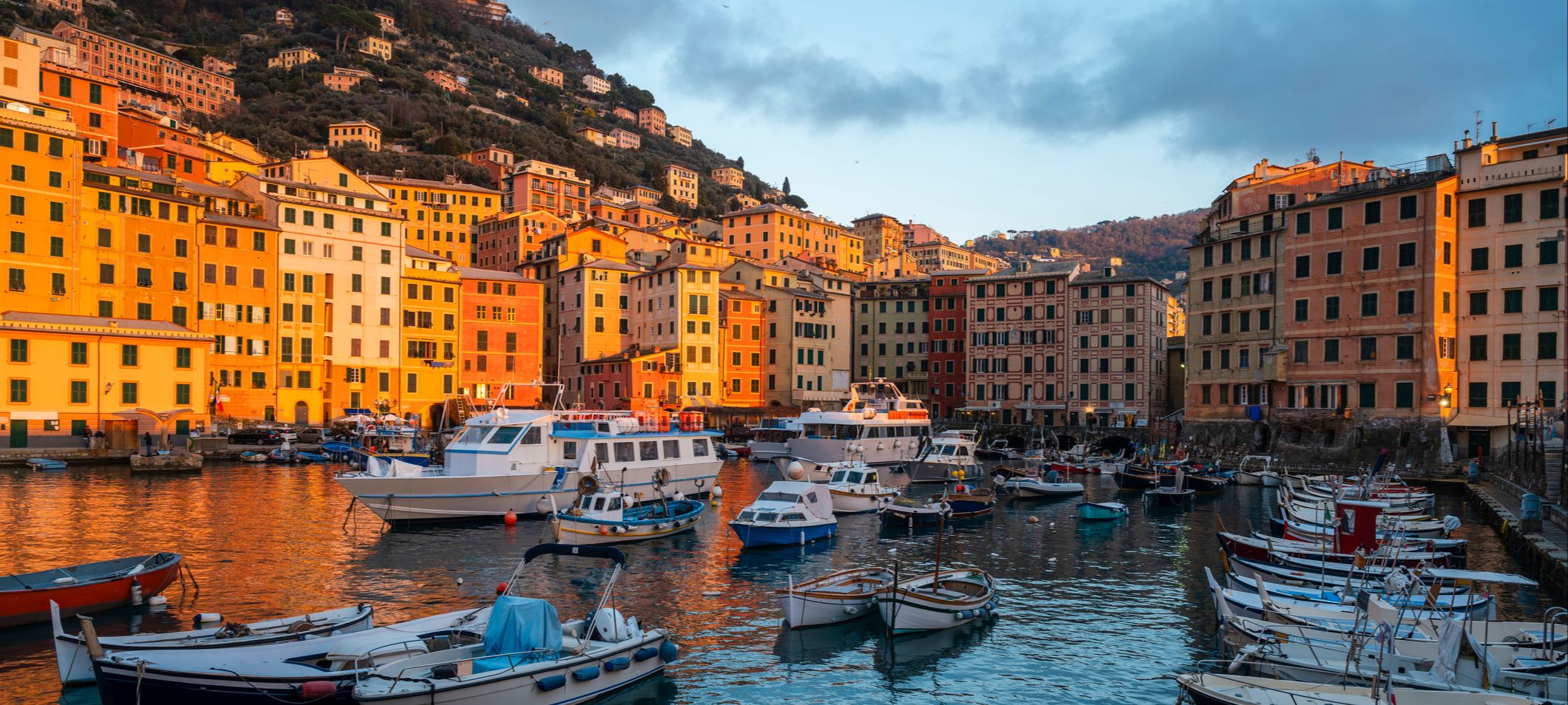
If you are arriving by cruise ship, you are already positioned for an easy escape. Genoa’s cruise terminal, the Stazione Marittima at Ponte dei Mille, is built for the grand entrances of the maritime age, which means you step off the ship into a building with serious architectural self-esteem.
From here, the city’s winter-friendly secret is proximity. Genoa’s waterfront and historic centre knit together, and the old harbour area has been deliberately reconnected to the city. The modern Porto Antico you walk into was shaped by a major redevelopment led by Renzo Piano around the 1992 Columbus celebrations, turning what had been closed-off port space into something you can actually use without needing a hard hat.
Even if your call is short, you can get a real sense of Genoa by doing less and doing it properly. In winter, that mostly means staying upright, staying warm, and not committing to anything with a queue longer than your remaining time ashore.
The caruggi, where Genoa keeps its personality
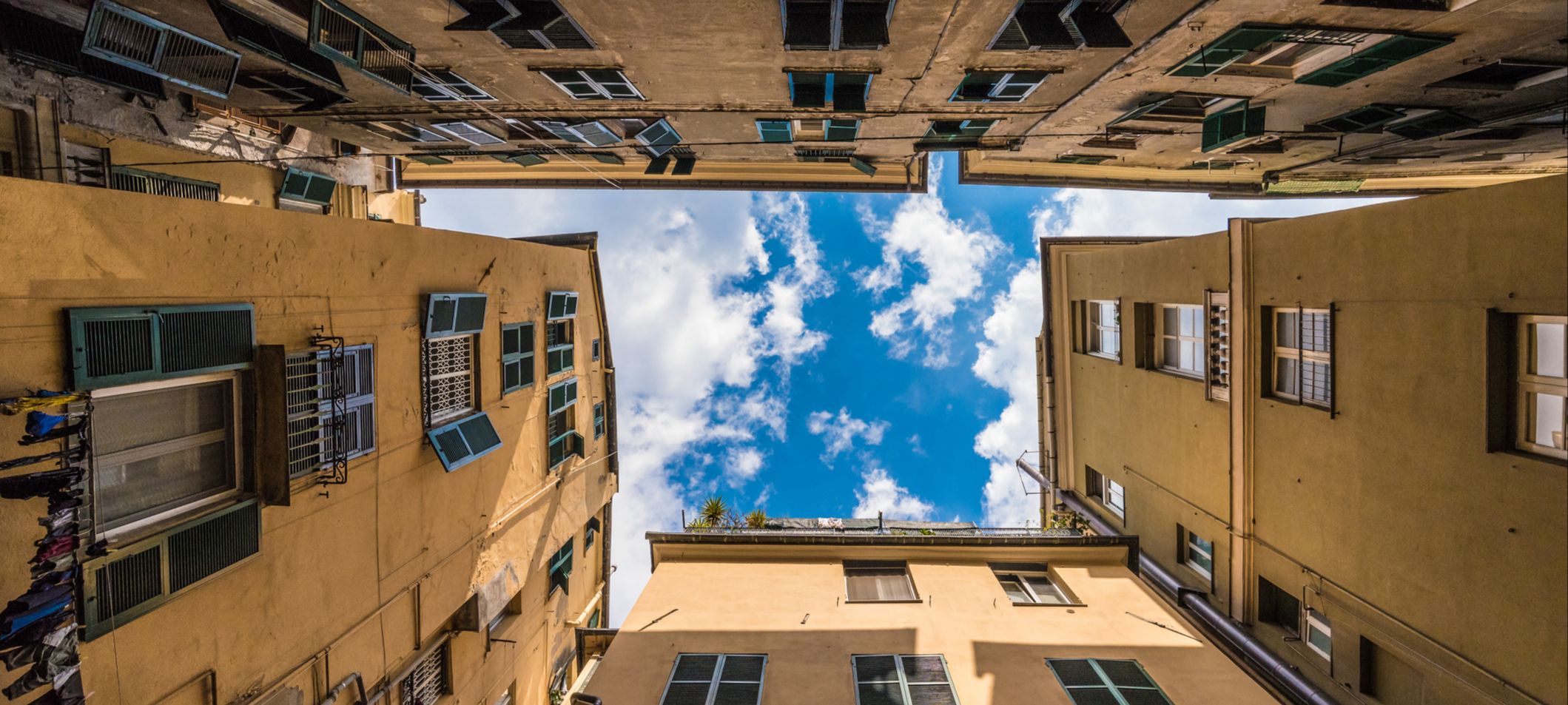
Genoa’s historic centre is a maze of alleys called caruggi, and it is one of those places where your phone’s map gives up and you're more or less forced to develop a sense of direction.
This is exactly what you want. The caruggi are not a single street you “do”. They are a living tangle of lanes that open suddenly into pocket squares, with churches and noble façades appearing like stage sets when the city decides you have earned them.
In winter, the lanes feel especially theatrical. The light drops in steep slices between tall buildings. A doorway glows. A bakery window fogs. Somewhere, a man is moving at speed with a tray of something hot, and you immediately trust him more than any official signage.
A café stop that demands your attention
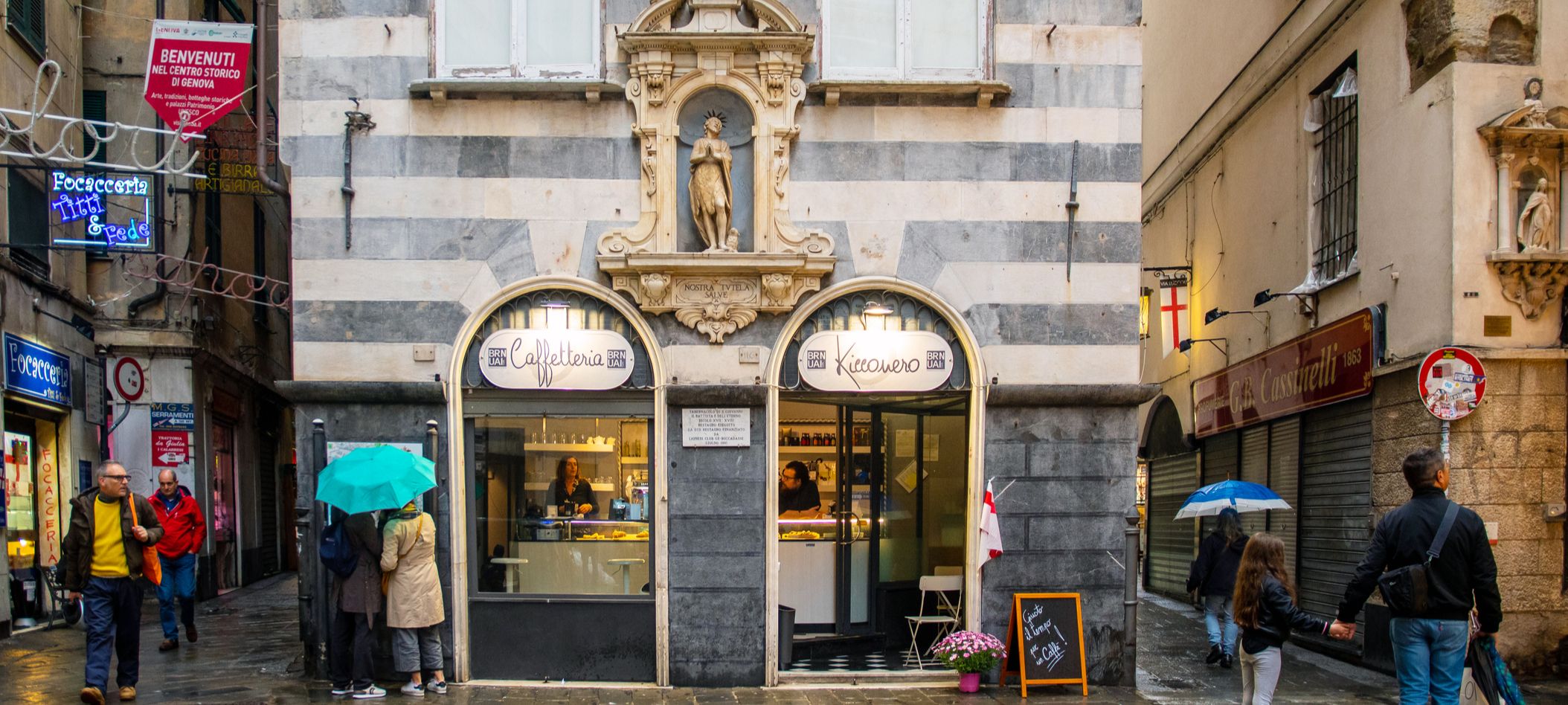
The trick with a winter city is pacing. You want a rhythm of outside, inside, outside, so you never get that particular damp chill that makes you start googling “thermal base layers” and questioning every life choice you made since 2009.
Genoa makes this easy because it has historic cafés that are basically indoor coats. If you want one with proper credentials, aim for the old-town area around Piazza Soziglia, where Bar Pasticceria Klainguti has been part of Genoa’s story since the 19th century. It is listed among the city’s historic shops, which is Genoa’s polite way of saying, “We were doing this before your country was invented.”
Order a coffee, linger, and watch the city’s elegant impatience flow past the windows. Genoa does not dawdle, exactly. It glides with purpose.
One viewpoint, because you only need one
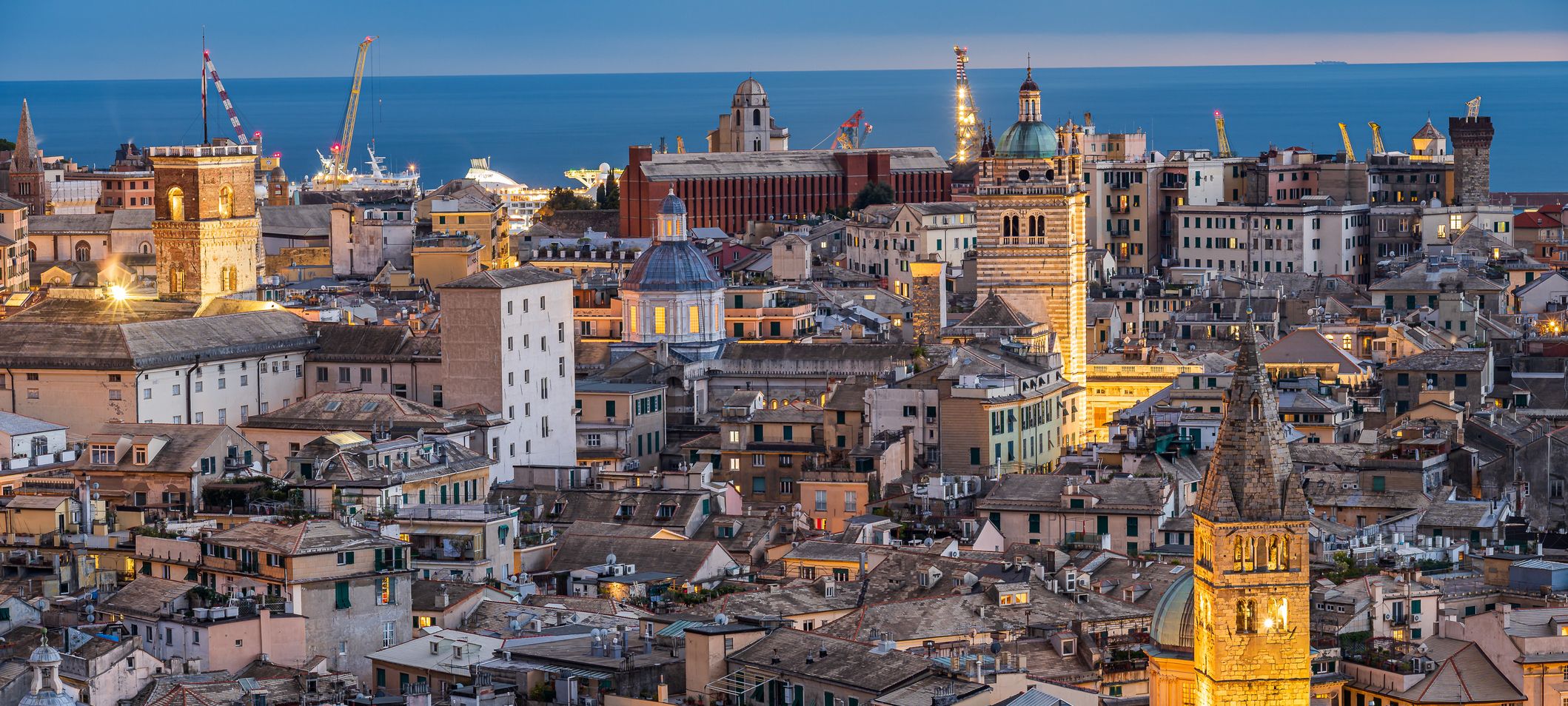
Pick a single lookout and commit. Genoa is a vertical city, and winter is when you appreciate views without also roasting.
The best choice for a short call is Spianata Castelletto, described by the city’s official tourism site as a “balcony” over the historic centre, with a 360-degree view over the city and port. The ascent is part of the joy: you ride up in an Art Nouveau lift, which is both charming and mildly surreal, like taking a tiny time machine to the sky.
Up top, Genoa finally explains itself. You see the harbour, the rooftops packed tight, the hills behind, and the whole city’s slightly defiant relationship with gravity. It is not showy in the way some Italian views are showy. It is more like Genoa clearing its throat and saying, “Yes, obviously.”
Stay long enough to let the wind straighten out your thoughts, then go back down. The view has done its work. You do not need to chase another one.
Focaccia, is both a snack and a civic identity
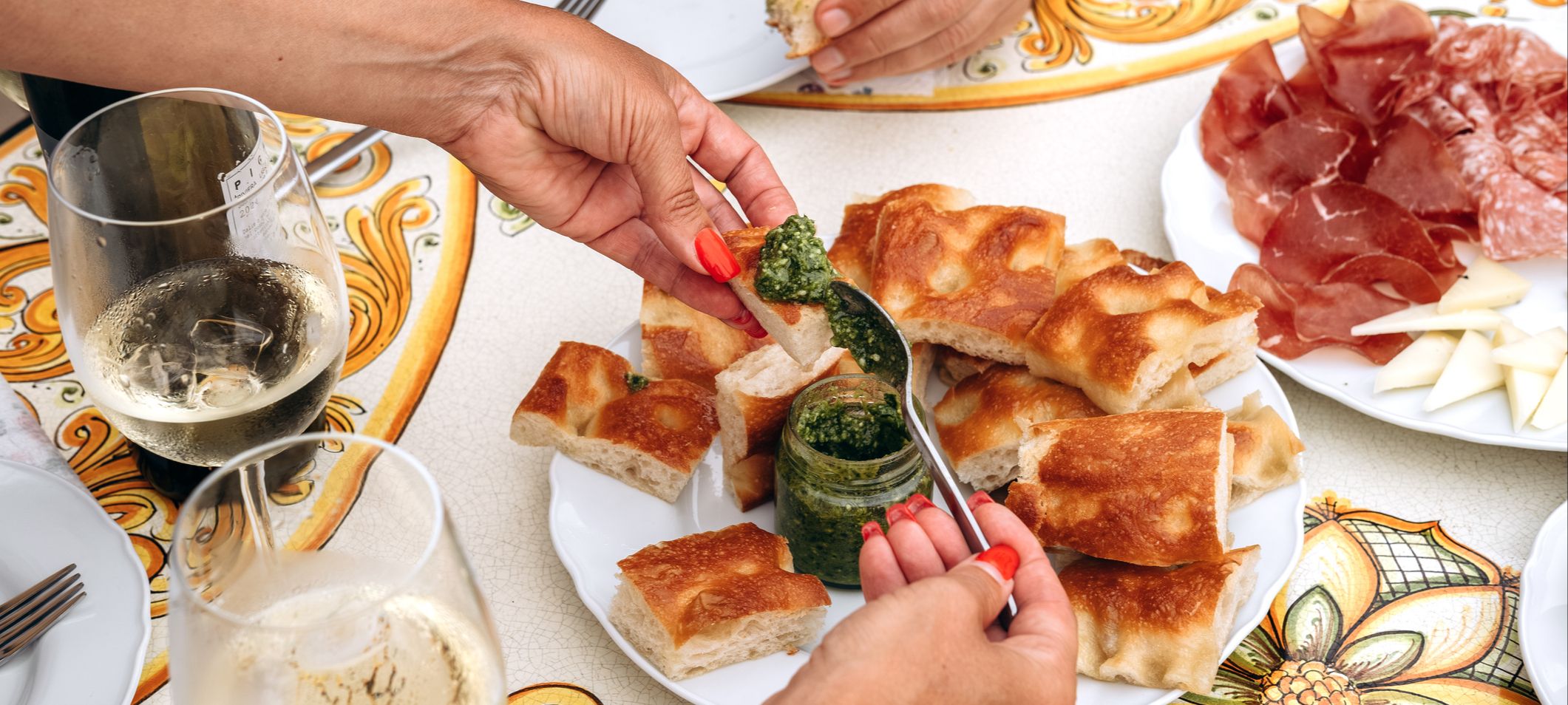
Now you eat.
Genoese focaccia is not a side character. It is a local institution with deep roots, and the city talks about it with the devotion other places reserve for patron saints. Visit Genoa’s official guide calls it a symbol of the city’s gastronomic tradition, with origins that likely reach back to the period of the Republic of Genoa.
Slow Food’s write-up goes further, describing “fugassa” as the original street food, which is a neat reminder that “grab-and-go” did not begin with sad desk salads and apps that guilt you into tipping.
A proper focaccia moment in winter is simple: find it warm, glossy with olive oil, and eaten without ceremony. You can make a tiny tasting out of it by trying the classic first, then a variation if you spot one that looks particularly smug, perhaps topped with onions or something seasonal. The important thing is not to overthink it. Genoa certainly does not.
Eat it standing up if you can. This is not martyrdom. It is respect.
A quick brush with Genoa’s grandeur on the way back
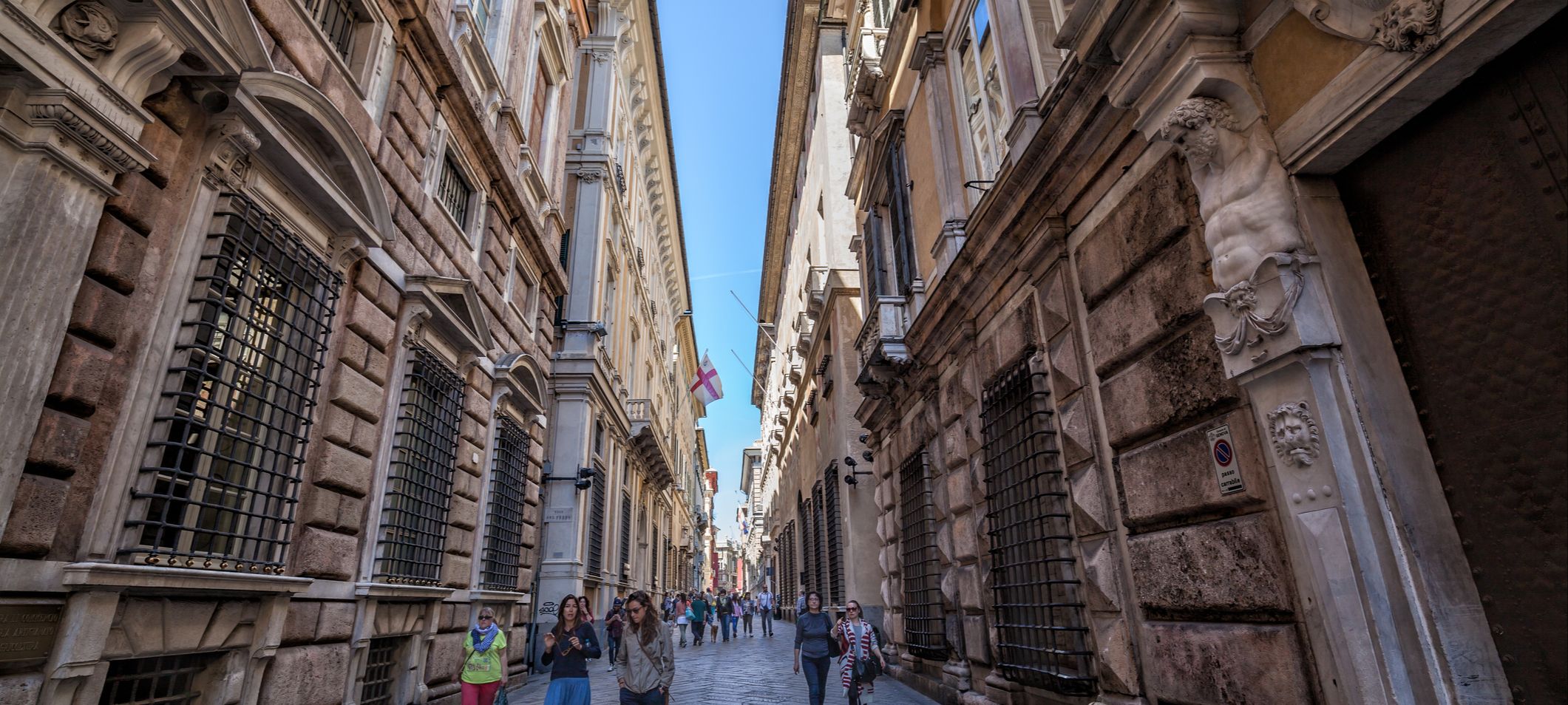
If you want one more Genoa hit before you return to the ship, make it architectural rather than ambitious. In winter, grand interiors and stone streets are your friends.
A short walk through Via Garibaldi is an easy way to see why Genoa was added to UNESCO’s World Heritage list for Le Strade Nuove and the Palazzi dei Rolli, the system of aristocratic palaces tied to a historic “public lodging” network for visiting dignitaries.
If timing and opening hours align, the Strada Nuova Museums sit right there as a concentrated dose of art and opulence, the kind that makes you straighten your posture involuntarily.
Then you drift back toward the water, re-entering the port air like someone returning to the present after a short, pleasant time travel incident.
The perfect Olympic alternative
Milano Cortina has the drama, the speed, the breathless coverage, and the heroic slow-motion shots. Genoa, in winter, offers the counter-programming: lanes that make you look up, cafés that make you sit down, a single, clean view of the whole city, and focaccia that solves most problems without needing a medal ceremony.
Leave the ski goggles to the athletes. You have olive oil on your fingers and a horizon full of ships. That feels like winning too.