On Baltic cruise itineraries, Gdynia has traditionally suffered the indignity of appearing in brackets.
The schedule says “Gdynia (Gdańsk)”, passengers board a coach and the port city is left behind to get on with the undramatic business of handling ships. That now deserves reconsideration.
In July 2026, UNESCO added Gdynia’s Modernist City Centre to the World Heritage List, recognising one of Europe’s most ambitious examples of interwar town planning. Built rapidly beside the Baltic after Poland regained independence, its pale façades, curved balconies and porthole windows belong to a city designed around the sea and the future.
Gdynia is also celebrating the centenary of becoming a city in 1926. Its newly listed centre is compact, walkable once you reach it from the cruise berth and strikingly different from the medieval cities that dominate Baltic itineraries.
Why Gdynia became a UNESCO World Heritage Site
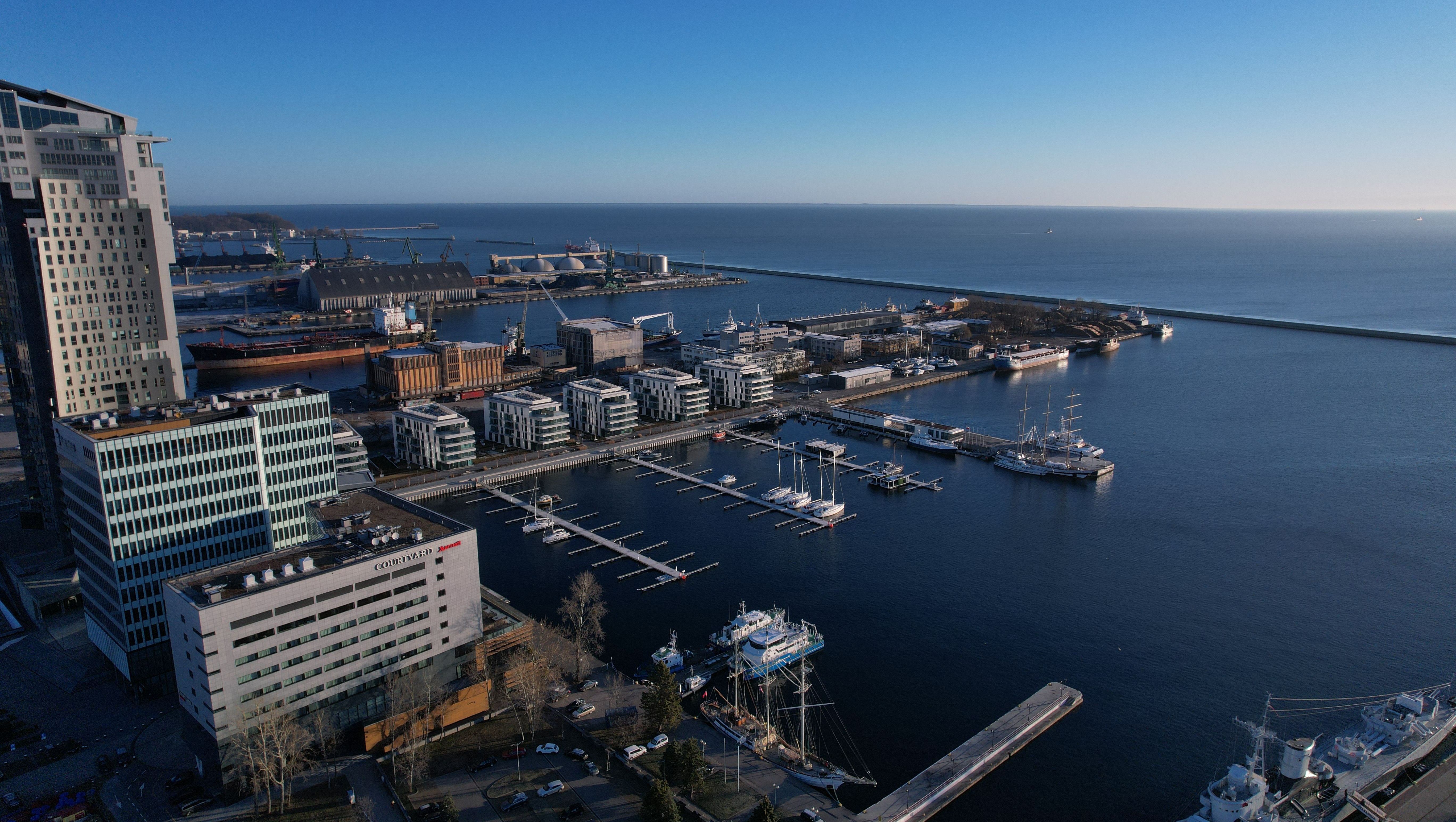
The UNESCO site covers almost 88 hectares of central Gdynia, organised around two principal streets. 10 Lutego runs from the railway station towards the waterfront, while Świętojańska crosses the centre from north to south.
Together, they contain interwar apartment blocks, public offices, banks, market halls, shops and villas built as Gdynia expanded during the 1920s and 1930s.
Its significance lies in the scale of the project. Modernism wasn’t confined to one museum or municipal building. It shaped an entire new city centre, designed around light, air, movement and practical everyday life.
Gdynia developed at extraordinary speed. What had been a small Kashubian fishing and farming settlement was selected as the site of a new Polish port after the country regained independence. Port construction began in the early 1920s, city rights followed in 1926 and the population grew from roughly 1,200 to about 125,000 by 1939.
The port connected Poland with international trade, while the city around it became a symbol of national modernisation. Architects had little time for nostalgia. Reinforced concrete, steel, broad windows and flat roofs were more useful than decorative towers.
What Gdynia’s modernist architecture looks like
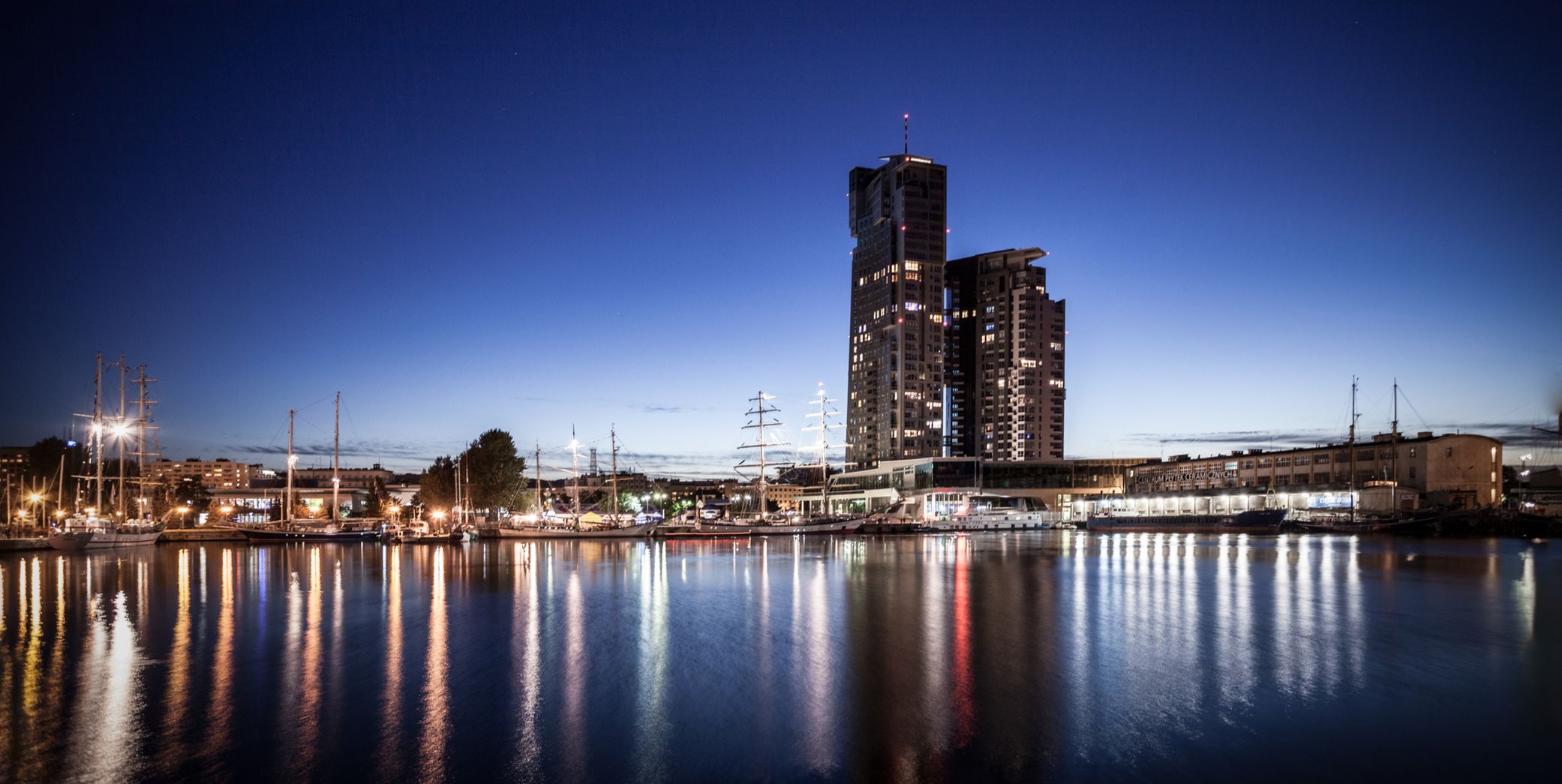
Many of Gdynia’s best buildings borrow from ships.
Rounded corners suggest hulls. Circular windows resemble portholes. Balconies wrap around façades like decks, while rooftop structures rise like bridges above the street.
The maritime references are often playful rather than literal. Spend an hour walking through the centre and apartment blocks begin to look increasingly ready to leave harbour.
Pale render, limestone, sandstone, terrazzo and polished metal give the buildings a clean, restrained appearance. Many interiors retain curved handrails, generous staircases, tiled entrances and original lifts, although most remain private homes and offices. Architectural enthusiasm still doesn’t constitute permission to follow a resident through their front door.
The centre survived the Second World War more intact than the port, despite Gdynia being occupied, renamed Gotenhafen and stripped of much of its Polish population. Later buildings continued several of the forms established before the war, helping the modernist plan remain legible today.
Getting from Gdynia cruise port to the city centre
Most large cruise ships use Francuskie Quay in the working port, close to the former Marine Station and today’s Emigration Museum.
The UNESCO centre reaches the waterfront, but the cruise berth itself is separated from it by active port infrastructure. Depending on the ship and access arrangements, passengers may use a shuttle or local transport into central Gdynia.
Once dropped near Gdynia Główna station, 10 Lutego Street or Kościuszko Square, the main sights can be explored comfortably on foot.
Don’t attempt to improvise a walking route through freight traffic because somebody described the city as walkable. Modernism rewards curiosity. Container logistics reward following the signs.
A modernist walk through central Gdynia
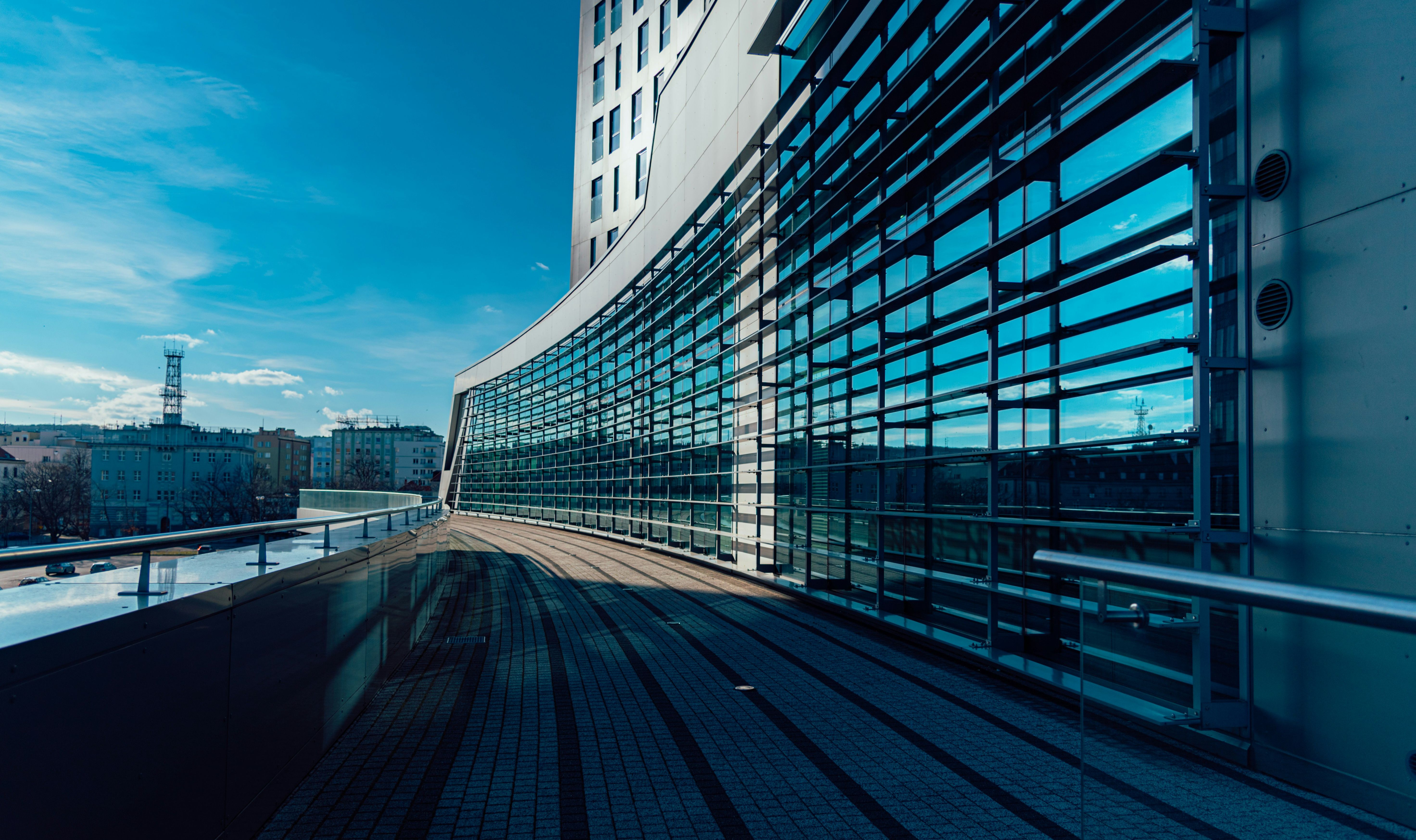
A useful route begins at Gdynia Główna railway station and follows 10 Lutego Street towards the sea. This traces one of the two main axes recognised by UNESCO and reveals the city in the order it was conceived: railway, centre, harbour.
Near the station, the curved District Court dates from 1936 and retains original floors, balustrades, benches, lighting and joinery. It still operates as a court, so it’s best admired without behaving like somebody who may shortly require its services.
Nearby, Gdynia’s Market Halls were completed between 1936 and 1938. The main hall is supported by nine steel frames and illuminated through roof glazing, while separate meat and fish halls reflect the city’s careful planning of even its most practical spaces.
Back on 10 Lutego, the former Social Insurance Institution building is one of Gdynia’s clearest examples of nautical modernism. Its curved corner and contrasting blocks gave it the appearance of a ship made from brick and concrete. It was later used by Polish Ocean Lines and remains known locally as the PLO building.
The Post and Telegraph Office was another symbol of the new city, equipped with modern communications technology and an automatic letter-sorting system. Nearby, the National Development Bank helped finance the port, streets, public buildings and workers’ housing. Its restrained stone façade is effectively part architecture, part proof of payment.
Kościuszko Square and Gdynia’s waterfront
At the end of 10 Lutego Street, the city opens into Kościuszko Square and the South Pier.
This is where Gdynia’s urban plan meets the Baltic. Apartment buildings around the square use curved balconies, strong horizontal lines and maritime details, while the former Polish Sailor’s House farther along the pier resembles a ship’s bridge.
Two real vessels are moored nearby. ORP Błyskawica is a Polish destroyer and Second World War veteran, while the tall ship Dar Pomorza offers a different chapter of the country’s maritime history. Both open to visitors seasonally.
At the end of the pier, Gdynia Aquarium covers marine and freshwater ecosystems including the Baltic, coral reefs and tropical rivers. It’s a useful family stop and an excellent refuge when the Baltic weather has selected its preferred colour palette of wet concrete.
The nearby city beach and seaside boulevard make the waterfront easy to explore without entering an attraction. Gdynia was designed as a port, but it also left room for people who simply wanted to look at the water.
Świętojańska Street and Bankowiec
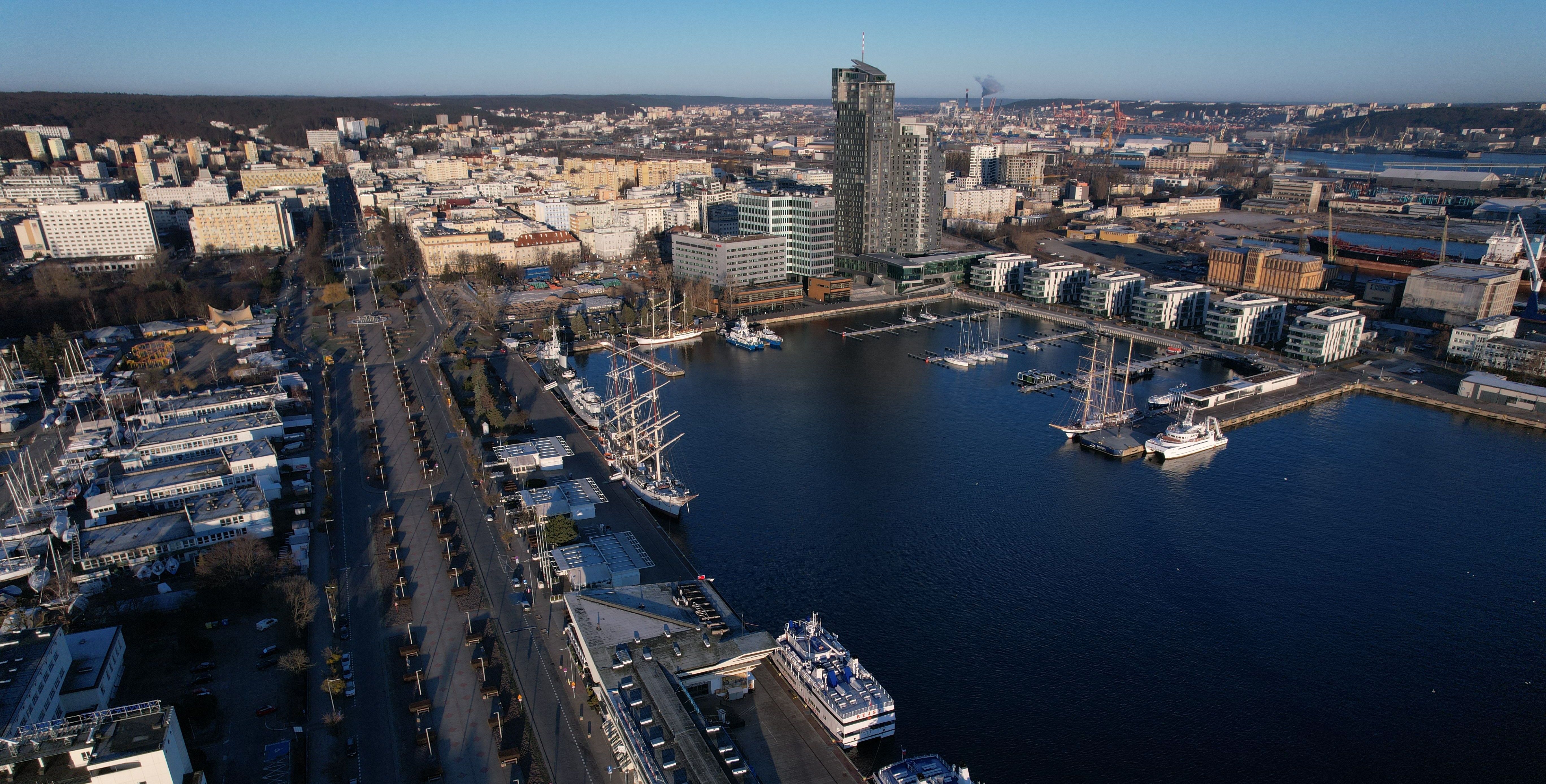
Return through the city along Świętojańska Street, the second major axis within the UNESCO site.
Here, shops and cafés occupy interwar apartment blocks built for the professionals, entrepreneurs and officials drawn to the new city. Curved balconies turn street corners into stationary ocean liners, particularly around buildings such as the Orłowski apartment house.
A worthwhile diversion leads to Bankowiec on 3 Maja Street. Built for employees of the National Development Bank, it was the largest and most luxurious residential complex in pre-war Gdynia.
The development contained 100 flats, eight staircases and an underground garage for 18 cars, an amenity unlikely to have been discussed modestly in 1930s Poland. Its long façade ends in a semicircular tower resembling a captain’s bridge.
Kamienna Góra and Gdynia City Museum
The wooded hill of Kamienna Góra rises beside the centre, with interwar villas above the main commercial streets.
At its foot, Gdynia City Museum explains how the port and city were built, placing the architecture within the wider stories of migration, national ambition, war and political change.
The nearby Naval Museum adds further maritime history, while the hill and surrounding paths provide views across the centre and waterfront.
This compact meeting of port, city and sea is what makes Gdynia more rewarding than a simple checklist of buildings. Its modernism was never intended as a museum style. It was the framework for ordinary urban life.
The Emigration Museum beside the cruise quay
The Emigration Museum occupies the former Marine Station beside Francuskie Quay, making it particularly convenient for cruise passengers.
The station once processed Polish emigrants leaving for the Americas. Today, the museum explores several centuries of migration, covering the political pressures, economic ambitions and personal decisions that sent millions of people abroad.
It deserves more than a rushed visit before the final shuttle. The building also provides a direct connection between Gdynia’s early role as Poland’s gateway to the world and its current life as a cruise port.
Should cruise passengers choose Gdynia or Gdańsk?
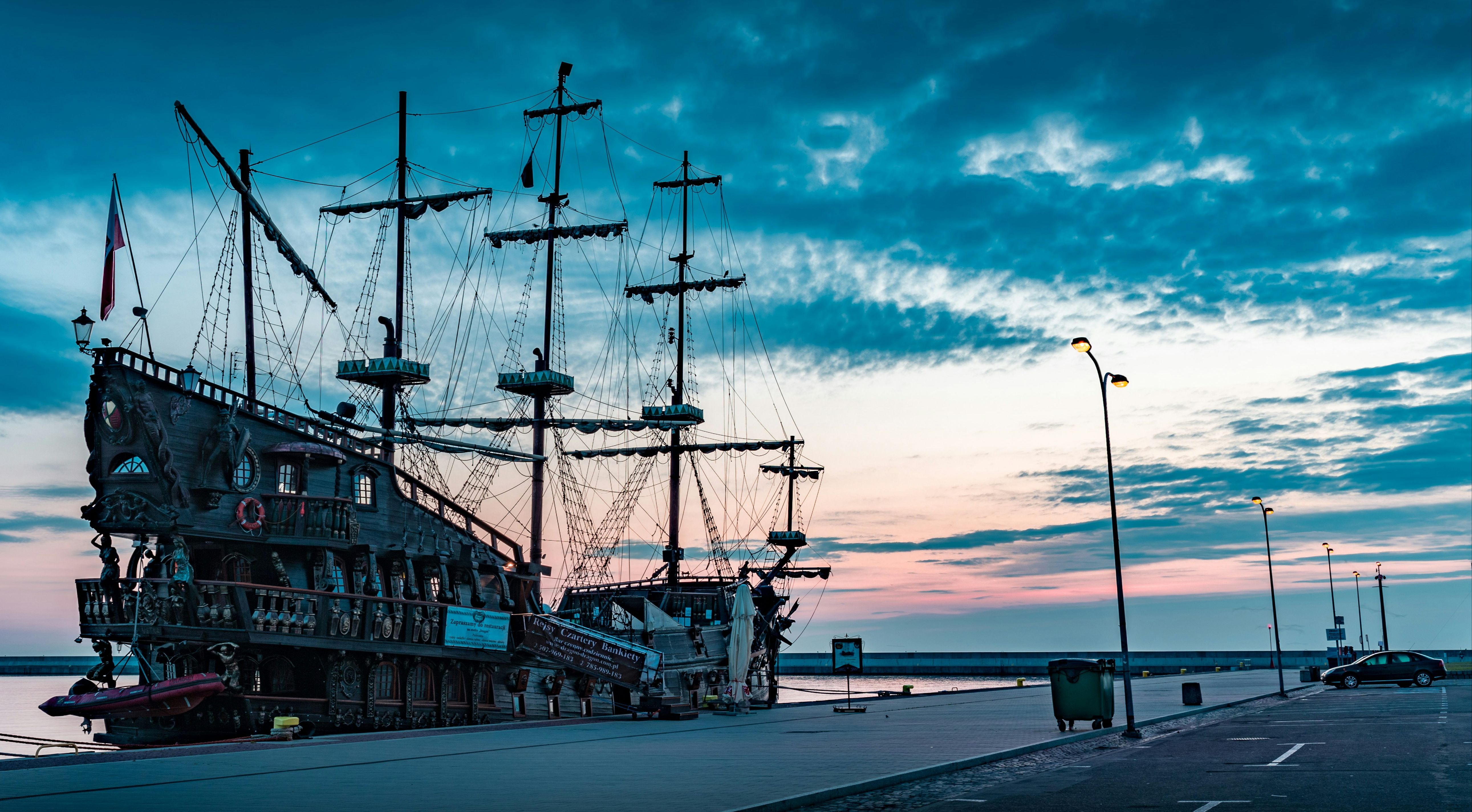
Gdańsk remains one of the Baltic’s great cities. Its historic centre, maritime past and Solidarity story fully justify the journey, particularly for first-time visitors.
But Gdynia should no longer be treated as the inconvenient place where the ship happens to dock.
Choose Gdańsk for medieval streets, grand reconstruction and layered Hanseatic history. Choose Gdynia for interwar architecture, maritime museums, a compact waterfront and the pleasure of exploring somewhere most passengers have abandoned before breakfast.
The train between Gdynia and Gdańsk takes around 30 minutes, before allowing for transfers between the ship and station. A shorter call may therefore favour Gdynia, where the principal streets, museums and waterfront can be linked without spending much of the day looking through coach glass.
Gdynia’s interest isn’t concentrated in one famous landmark. It lies in the coherence of the city itself, built in little more than a decade as a practical expression of a newly independent country.
Start beside the port that caused Gdynia to exist, follow its modernist streets towards the sea and look for apartment blocks dressed as ocean liners.
Gdańsk may continue to get top billing on the itinerary. Gdynia has finally escaped the brackets.