Cruise ships and volcanoes get on rather well.
Partly this is geography. Many of the world’s great cruise regions were built by volcanic activity, from the Canaries and Cyclades to Sicily, Iceland and Hawaii. Partly it’s convenience. A surprising number of genuinely spectacular volcanoes sit close enough to major cruise ports that you can eat breakfast on the ship, spend lunchtime staring into a crater and still be back aboard before somebody starts saying your name over the tannoy.
The important word is “close enough”. A volcano appearing on the horizon doesn’t automatically make it a sensible shore excursion, and volcanic landscapes come with the additional complication that they have occasionally failed to consult the excursion timetable.
So these are the volcanic experiences that really can work within a cruise day, plus one famous exception where it pays to be more cautious.
Mount Etna from Catania: the easiest big volcano day
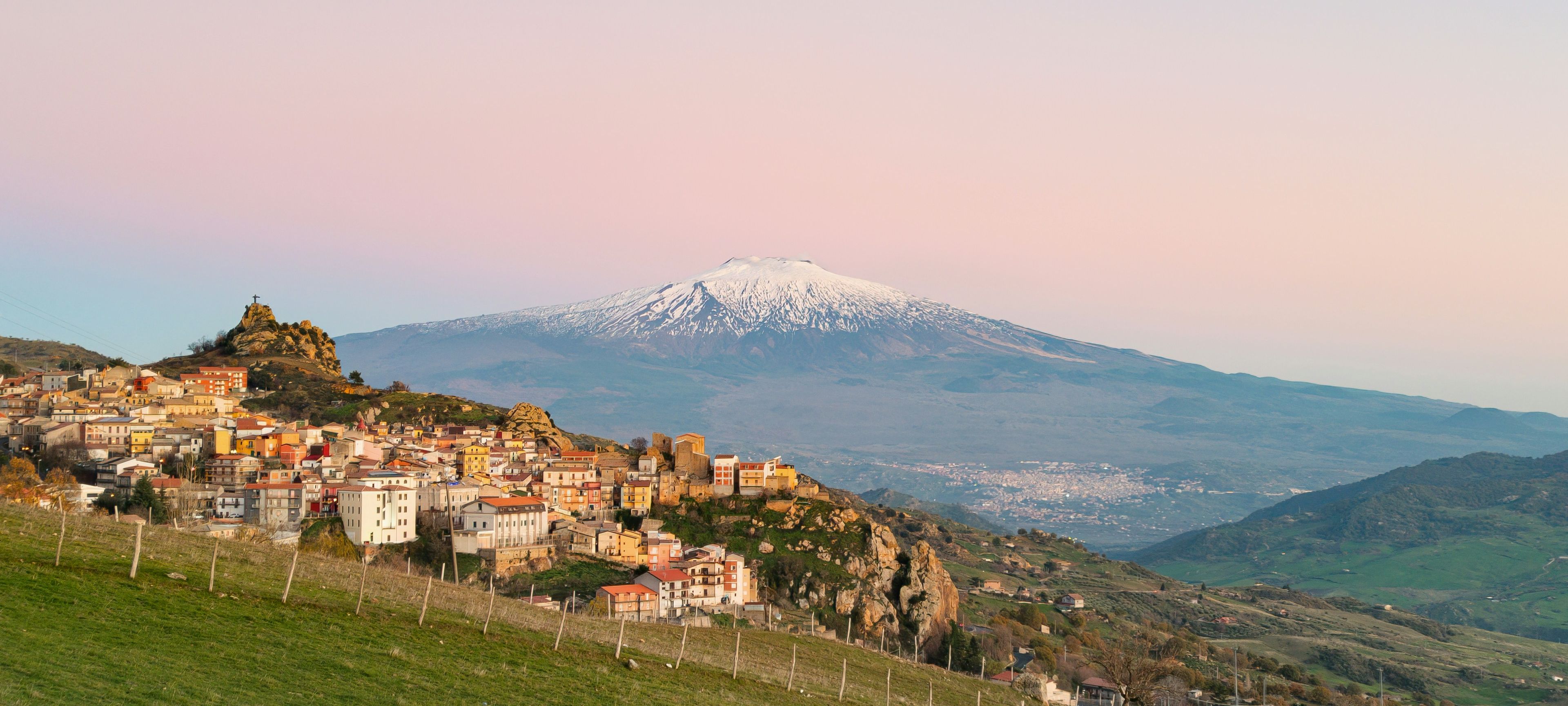
If you want maximum volcano for minimum logistical drama, Catania is difficult to beat.
Etna rises directly behind Sicily’s east coast and remains one of the world’s most active volcanoes. From Catania, the main southern access point at Rifugio Sapienza is around 35 minutes away by road according to the city’s tourism office. It sits at roughly 1,900 metres, surrounded by old lava flows and the Silvestri craters, so you’re already emphatically on a volcano before anybody suggests a cable car.
From Rifugio Sapienza, the cableway climbs to around 2,500 metres, with off-road vehicles and authorised guides taking visitors higher when conditions allow. Catania Tourism puts the full cable car and 4x4 excursion at around two and a half hours. Access changes according to weather and volcanic activity, which is an important distinction from attractions where the principal risk is discovering the gift shop has closed.
For a reasonably long Catania call, Etna is therefore very achievable. Messina can also be used as a gateway, but the longer road journey makes Catania the better itinerary if the volcano is the main event.
Mount Vesuvius from Naples: easy to reach, harder to ignore Pompeii
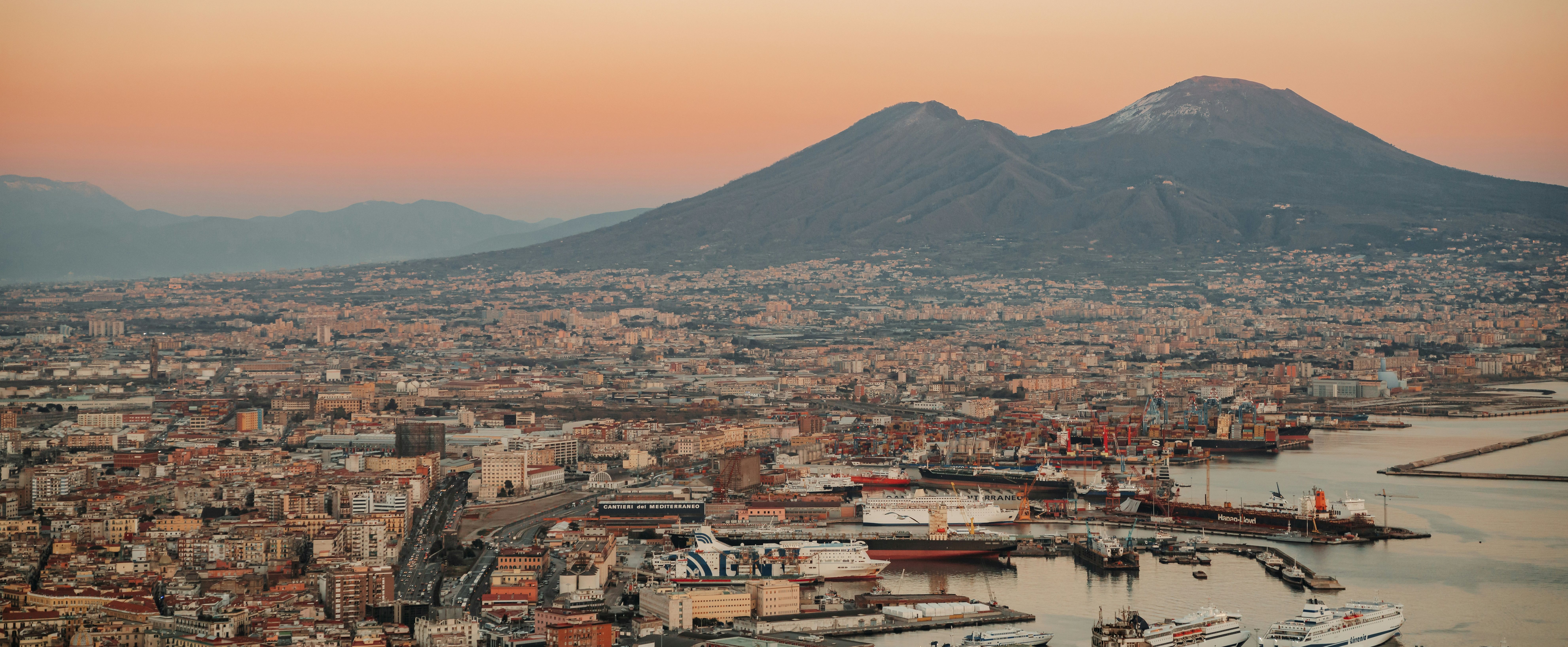
Vesuvius has the considerable advantage of sitting roughly 10 kilometres from Naples and the considerable disadvantage of sharing the neighbourhood with one of the most famous archaeological sites on Earth.
From a cruise ship in Naples, you can reach the Vesuvius area independently using the Circumvesuviana railway and onward transport from Ercolano or Pompeii, although for a port day a transfer or organised excursion removes several opportunities to become stranded beside a railway timetable. The National Park says the shortest visit to the Gran Cono crater trail takes up to two hours return, with access through the entrance at around 1,000 metres. Tickets must be bought online in advance, and the crater closes automatically when sufficiently serious weather alerts are issued.
The obvious temptation is to combine Vesuvius with Pompeii. You can, and cruise excursions routinely do, but it produces a fairly full day. If your actual interest is volcanoes, give Vesuvius proper time rather than treating it as the hill visible behind the Roman ruins.
It has already been upstaged by Pompeii once.
Santorini’s Nea Kameni: the volcano sitting underneath your cruise ship
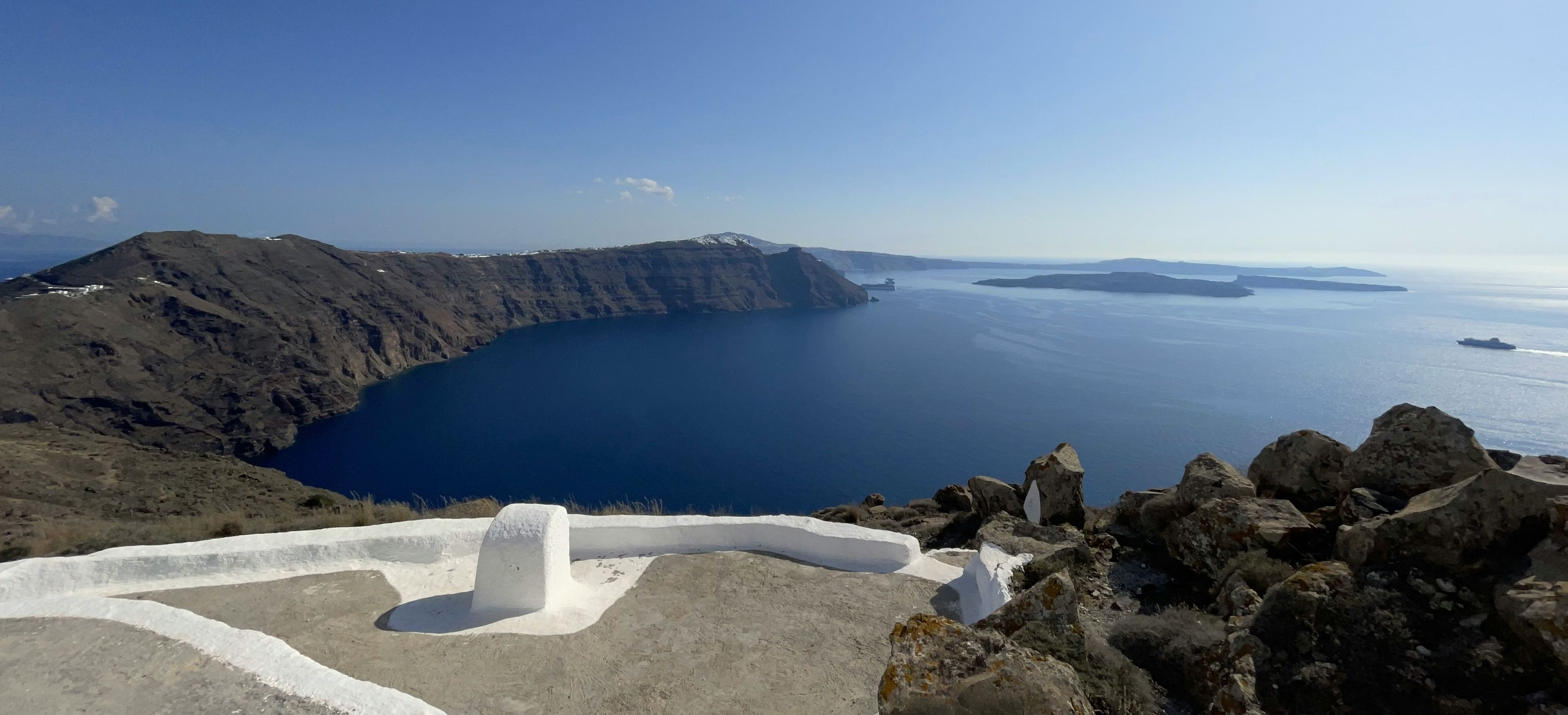
Santorini is the odd one because, by the time your tender reaches shore, you have already sailed into the volcano.
The famous crescent of Santorini forms part of a vast volcanic caldera created by successive eruptions and collapses. At its centre sit the volcanic islets of Nea Kameni and Palea Kameni, making this one of the rare cruise calls where the geological attraction is quite literally surrounded by the itinerary.
Boats leave from the bay below Fira and other points around Santorini for Nea Kameni. Once ashore, you can walk across the dark volcanic landscape towards the Georgios crater and active fumaroles, before many tours continue to the thermal waters around Palea Kameni. Greece’s official tourism body specifically recommends the trip and notes that boats operate from Fira Bay as well as Athinios, Ammoudi and Vlychada.
For cruise passengers, this is one of the neatest volcano days available anywhere. The main thing to watch is tender timing, particularly when several ships are anchored in the caldera. Santorini has enough visitors without you discovering at 4.47pm that you are on the wrong boat.
Mount Teide from Santa Cruz de Tenerife: possible, but make it the whole day
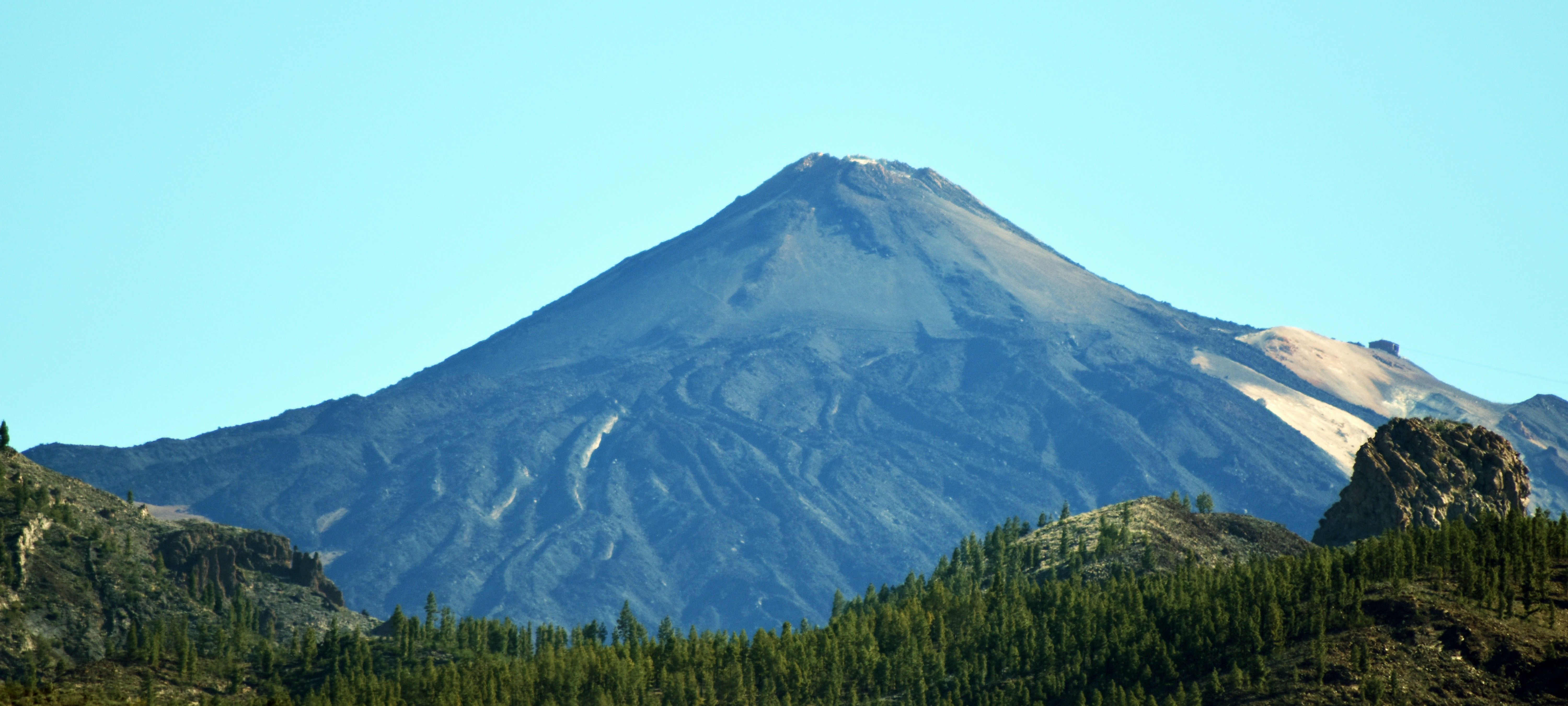
Teide requires commitment.
At 3,715 metres, it dominates Tenerife and sits within a national park of lava fields, craters and rock formations that looks considerably less like the Canary Islands of swimming pools and breakfast buffets than you might expect.
From Santa Cruz, reaching Teide and returning within a cruise call is entirely realistic. The official cable-car operator runs guided trips from the Santa Cruz metropolitan area that last approximately seven hours and include transport through the national park and the cable car.
The distinction worth understanding is that riding the cable car doesn’t automatically mean standing on the summit. Access to the final Telesforo Bravo trail up to Pico del Teide requires a separate permit, which is controlled through Tenerife ON.
On a cruise day, I wouldn’t become emotionally invested in reaching the exact highest centimetre of Spain. Weather can shut the cable car, permits are limited and the national park itself is spectacular enough.
Teide is a very good excursion from Santa Cruz. It is not a good excursion to squeeze between brunch and a quick look at Zara.
Timanfaya from Arrecife: Lanzarote’s landscape is the volcano
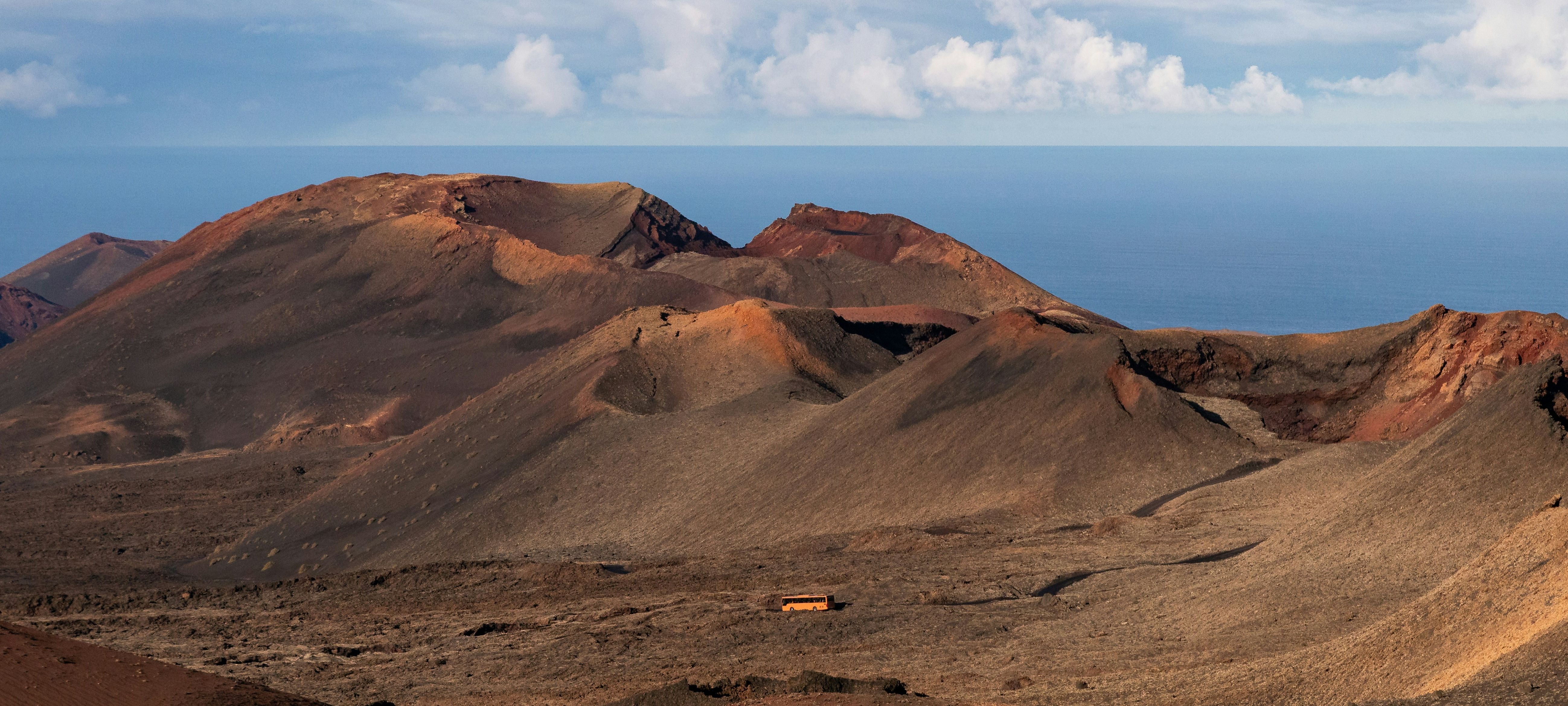
Timanfaya is less about climbing a single cone and more about entering a landscape that looks as though somebody stopped building the planet halfway through.
The national park occupies part of western Lanzarote, where eruptions between 1730 and 1736 created huge lava fields, craters and the Montañas del Fuego. From the main visitor area at Islote de Hilario, the official Route of the Volcanoes covers around 14 kilometres through this landscape. Crucially, you don’t drive it yourself. Visitors travel through the protected area on the park’s buses, with the route included in the admission price.
That makes Timanfaya unusually cruise-friendly. You can arrive from Arrecife, see a great deal without a serious hike and return with your knees in approximately the condition they were in when you left.
The Montañas del Fuego visitor operation currently runs from 9am to 5pm and the main route itself takes around 45 minutes.
If Etna is a mountain you climb, Timanfaya is somewhere you enter. Lanzarote simply carries on looking volcanic for most of the drive home.
Fagradalsfjall from Reykjavík: very possible, but check what the earth is doing first
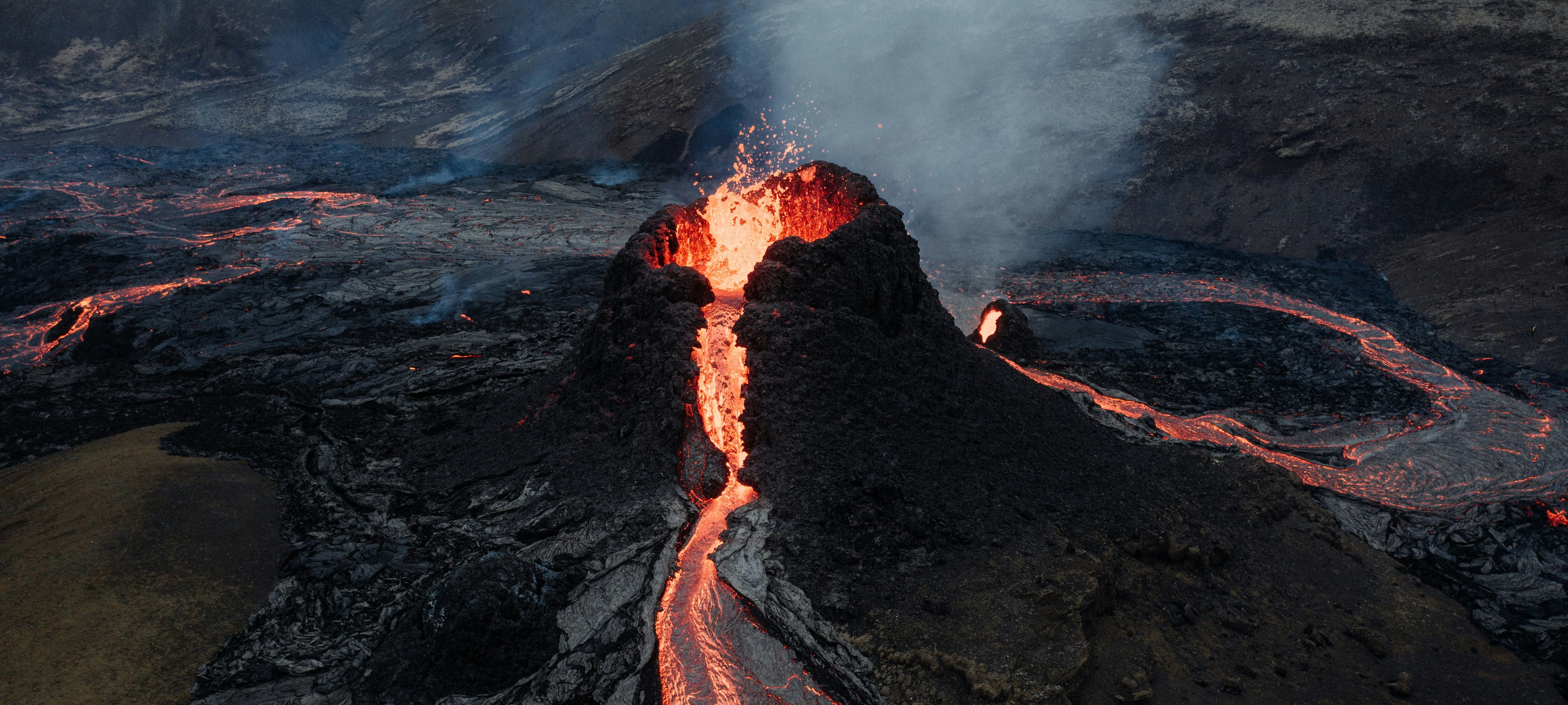
Iceland requires slightly different expectations, because “visit a volcano” has recently become a sentence with an inconvenient amount of live information attached.
The Reykjanes Peninsula, around 35 kilometres from Reykjavík, entered a new period of volcanic activity in 2021. Fagradalsfjall erupted in 2021, 2022 and 2023, while further eruptions followed around the Sundhnúkur crater row near Grindavík.
As of October 2026, there is no ongoing eruption on Reykjanes, although the Icelandic Meteorological Office continues to record magma accumulation beneath Svartsengi and says another intrusion and possible eruption remains the most likely scenario.
You can still visit recent volcanic landscapes. The Fagradalsfjall sites remain accessible, but this is a proper hike rather than a viewpoint beside a coach park. One route to views of the 2021–23 eruption sites is around four kilometres each way, while longer routes can take five or six hours in total. Conditions include loose gravel, lava, steep ground, wind and weather that can change extremely quickly.
For a long Reykjavík call, a guided Reykjanes volcano excursion is feasible and fascinating. For a six-hour visit, I'd choose a shorter geological tour rather than attempting to prove something to a lava field.
And whatever TikTok has suggested, don't walk on fresh lava. Iceland's official guidance has had to say this surprisingly explicitly.
Kīlauea from Hilo: possibly the best cruise-port volcano in the world
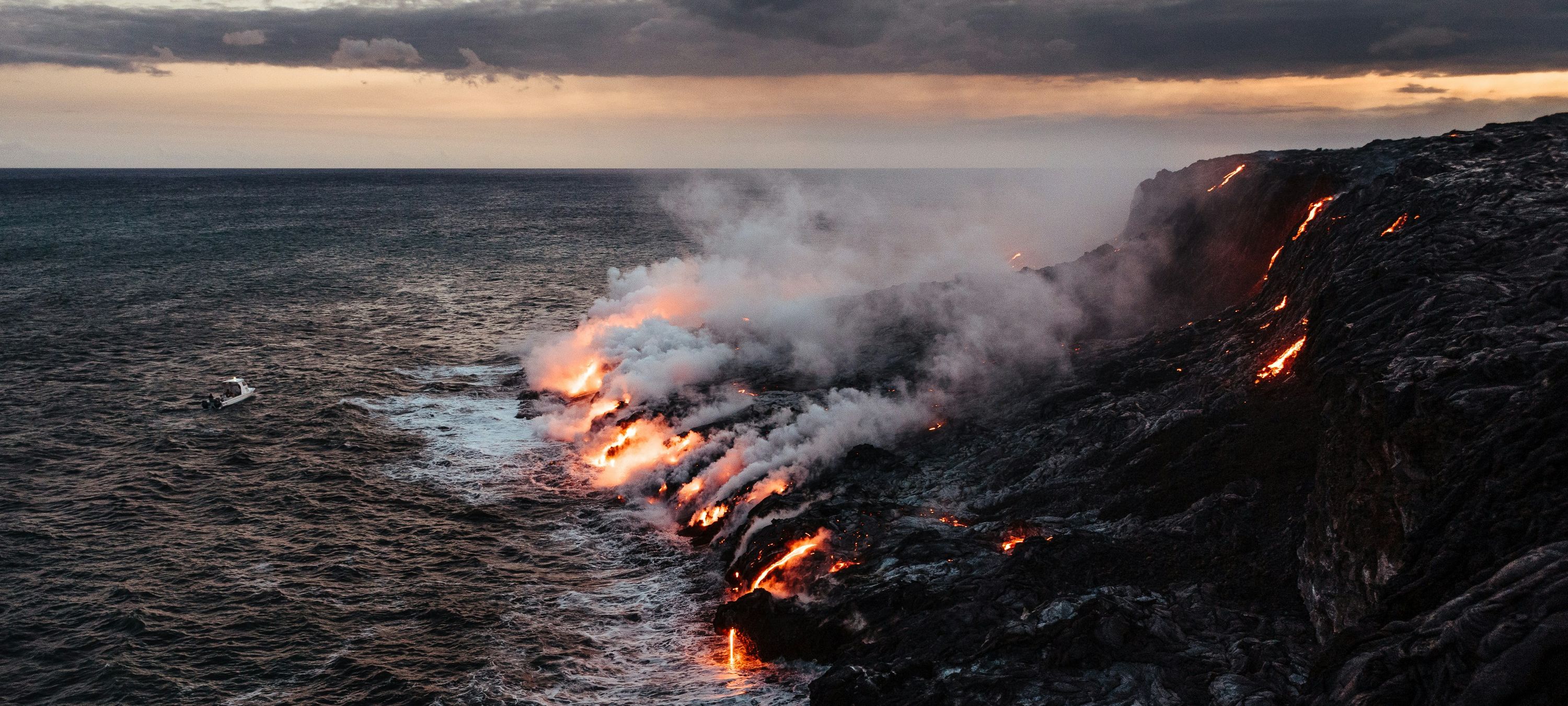
Hilo has a fairly convincing claim to be the ultimate port for people who enjoy an active volcano.
Hawaiʻi Volcanoes National Park is only 30 miles from Hilo, around a 45-minute drive, and protects both Kīlauea and Mauna Loa. From Kona, by contrast, the journey takes roughly two to three hours each way, making Hilo vastly better suited to a volcanic port day.
Kīlauea has been erupting intermittently within its summit caldera since December 2024. As of 6 October 2026, the US Geological Survey has the volcano at WATCH level, with activity confined to Halemaʻumaʻu crater and further episodes of lava fountaining considered possible.
That does not mean you can stroll up to the lava. Eruptive areas are closed when hazardous, although the National Park Service says there are safe viewpoints around the caldera rim from which activity may be visible. Volcanic gas, ash and changing conditions can also result in temporary closures.
Even between spectacular eruptive episodes, there is plenty to see: crater landscapes, steam vents, sulphur banks, old lava flows and the Kīlauea Iki area. The strange luxury here is that an active volcano isn't the ambitious excursion from Hilo. It's one of the obvious ones.
Stromboli: the volcano I wouldn’t build a normal port day around
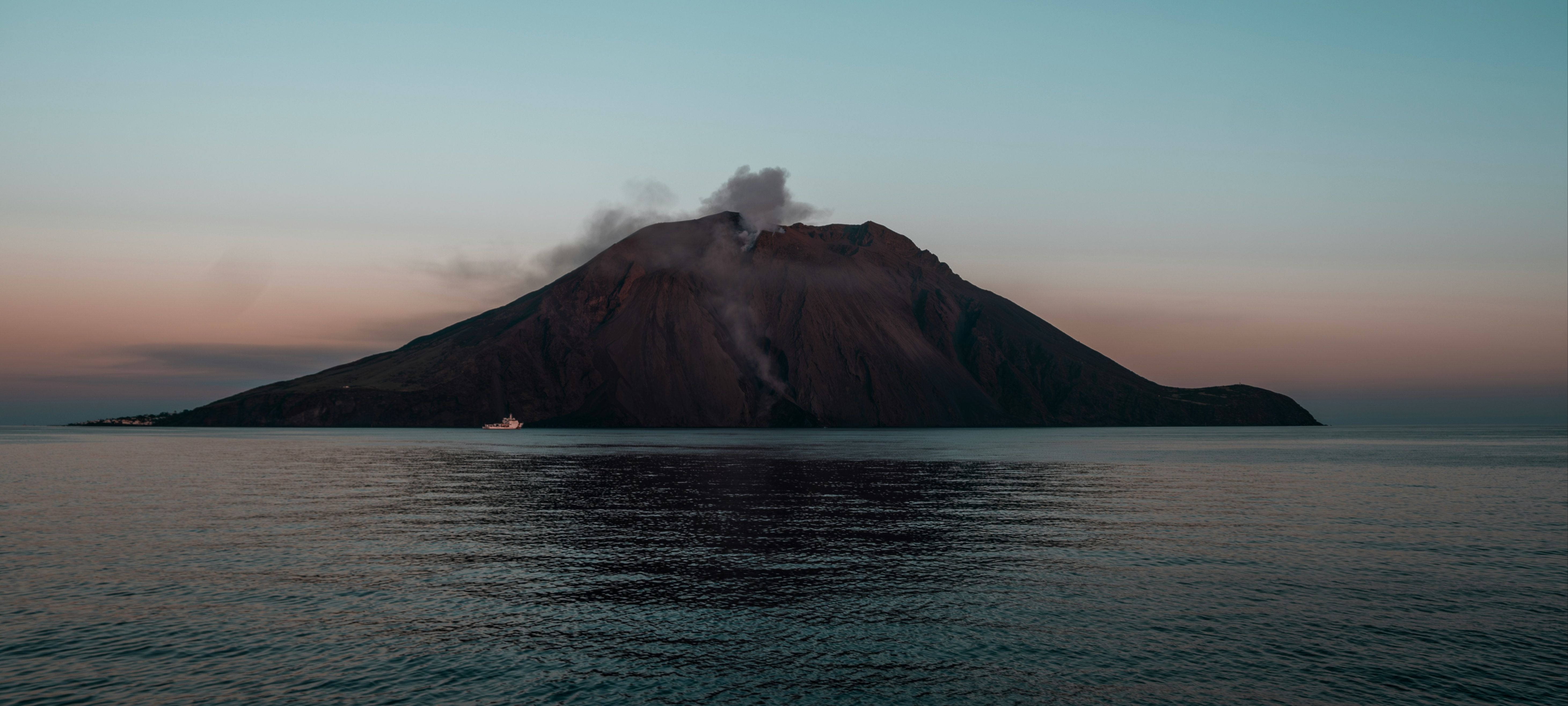
Then there is Stromboli.
Few volcanoes are more enticing. The Sicilian tourism board describes the island's regular explosive activity and recommends seeing the Sciara del Fuoco from the sea, particularly after dark, when glowing volcanic material becomes visible against the slope.
But Stromboli is exactly why “near a cruise itinerary” and “good independent cruise excursion” shouldn't be confused.
It sits out in the Aeolian Islands and is reached by ferry or hydrofoil from places including Milazzo and Lipari. Timetables exist, but they are subject to change, and building multiple sea crossings into a fixed cruise call introduces a level of excitement I prefer to obtain from the volcano itself.
More importantly, access changes with volcanic conditions. Italy's Civil Protection Department currently states that climbing above 290 metres is prohibited, with trail access governed by local ordinances according to the volcano's activity.
If your cruise specifically calls in the Aeolian Islands or offers a Stromboli boat excursion, wonderful. If you're looking at it on a map from Messina and thinking, “That doesn't look far”, I would resist.
Maps have ruined many otherwise pleasant port days.
Which cruise volcano should you choose?
For pure convenience, Etna, Vesuvius, Nea Kameni and Timanfaya are exceptionally good cruise excursions. They combine serious geological spectacle with distances that don't require you to spend most of the day watching a motorway barrier.
Teide deserves the whole port call but is entirely practical from Santa Cruz. Iceland is more weather-dependent and physically demanding, while Kīlauea from Hilo is in another league if active volcanism is the main reason you're travelling.
The appealing thing about cruising for volcanoes is that no two feel remotely alike. One day you can walk across Santorini's young black lava, another you can stare into Vesuvius above Naples, and somewhere in Hawaii the National Park Service may be calmly updating a webpage because the ground has started throwing molten rock into the air again.
It makes a change from another cathedral.