
A cruise ship is very good at feeding you. It’s less reliable at providing an exact bowl of ragù, plate of shellfish or heroic quantity of fried cheese that you’re likely to remember five years later.
For this list, we looked beyond the usual “top ten restaurants near me” roulette, cross-checking current menus and booking information with recent Tripadvisor reviews, local forums and city message boards. Online recommendations are imperfect, of course. One person’s life-changing seafood dinner is another person’s 1,200-word account of a particularly unpleasant episode of food poisoning.
The restaurants below range from centuries-old institutions to small dining rooms that require a little bit of forward planning. All are in European cities frequently visited on cruises, although they’re best attempted on a late or overnight call. Of course, no dinner is worth experiencing while repeatedly refreshing the ship’s departure time beneath the table.
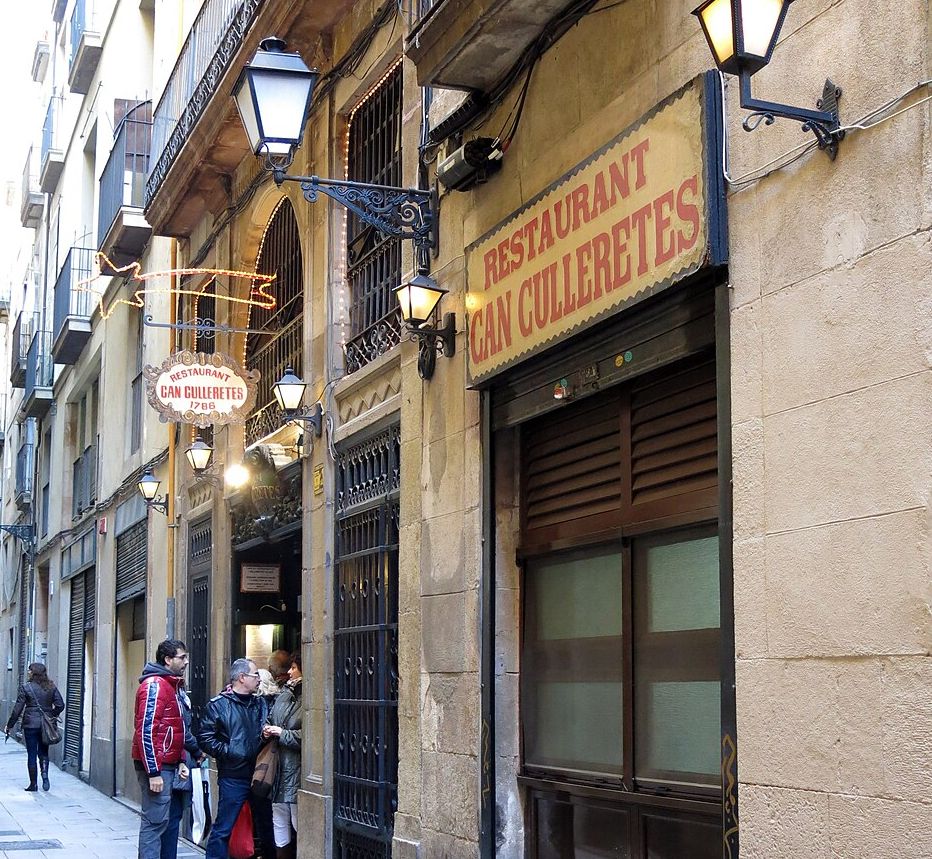
Barcelona has plenty of restaurants where dinner arrives with tweezers, smoke and a short explanation of the chef’s emotional relationship with a courgette. Can Culleretes offers a different proposition.
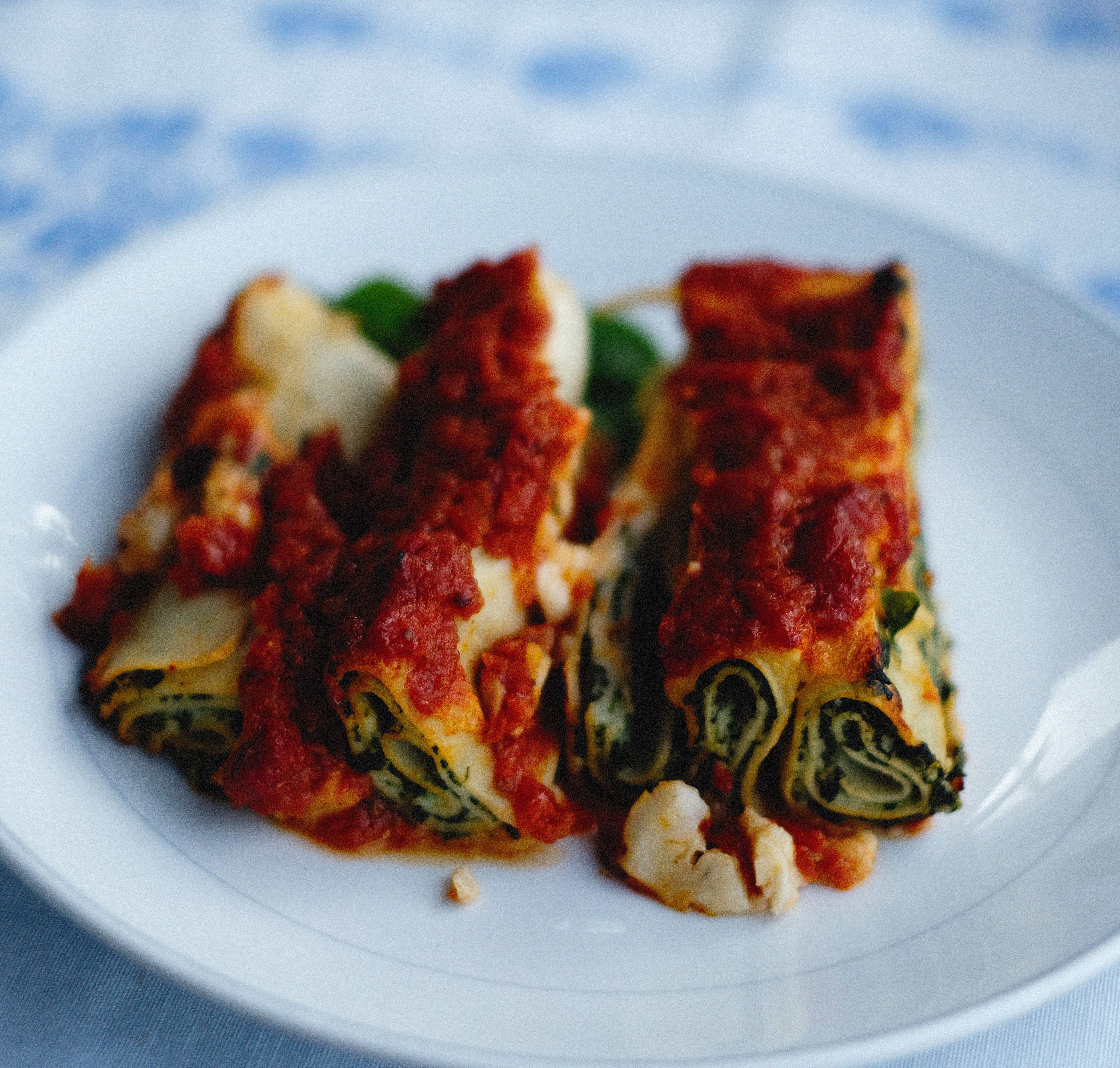
Founded in 1786 and described by the restaurant as Barcelona’s oldest, it serves traditional Catalan cooking in a series of old dining rooms near La Rambla. The food is reassuringly recognisable: cannelloni, roasted duck with prunes, wild boar stew, pork sausage with white beans and crema catalana. Its suppliers include businesses that have worked with the restaurant since 1958, which is a respectable commitment in an industry where some concepts last about six weeks.
The cannelloni are the obvious order. Can Culleretes calls them one of its signature dishes and says it serves around 20,000 portions a year, suggesting either considerable public affection or one exceptionally determined regular. Recent Tripadvisor reviews continue to praise the historic setting, traditional food and sensible value, though booking is wise because the dining rooms fill quickly.
Dinner is currently served only on Thursday, Friday and Saturday evenings. On other days, lunch is your opportunity to escape the ship and spend an hour eating food that hasn’t been arranged beneath a heat lamp.
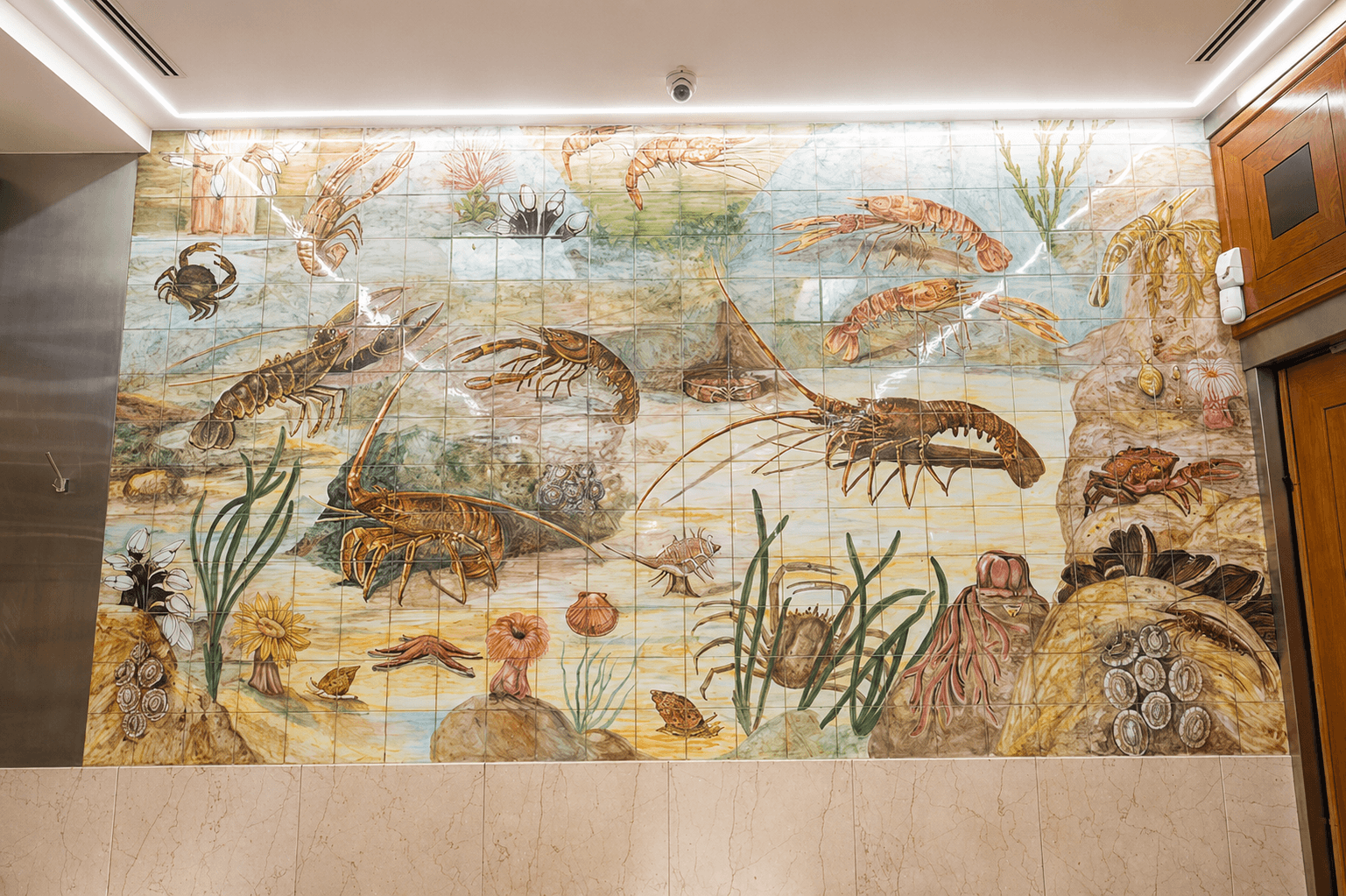
Cervejaria Ramiro has appeared on television, in guidebooks and in so many Lisbon itineraries that calling it a hidden gem would constitute fraud. Yet it still remains worth visiting.
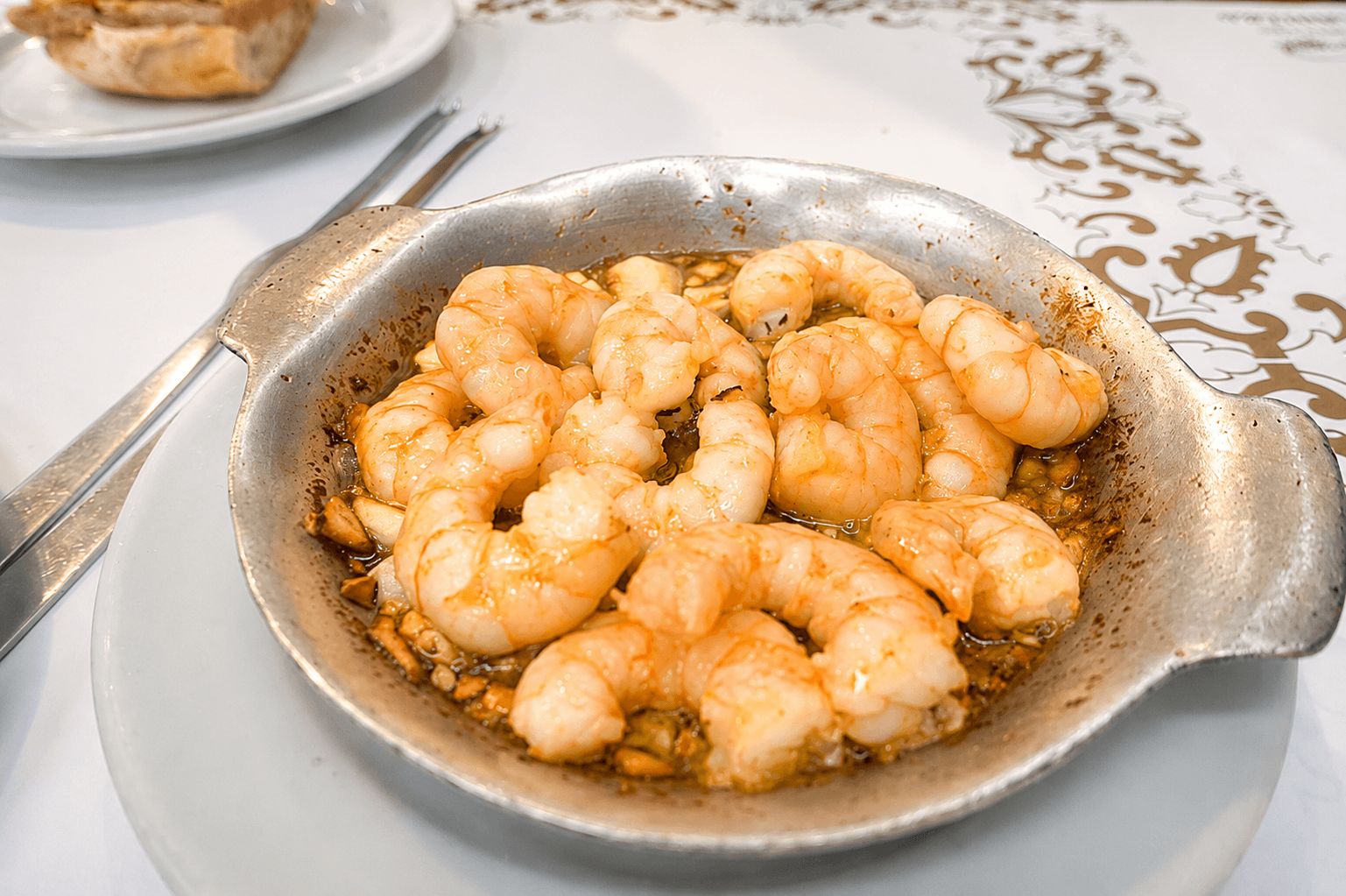
This is a bright, busy seafood hall where the table gradually disappears beneath clams, prawns, crab, lobster and small metal implements whose purpose becomes clear only once something heavily armoured arrives. Tripadvisor’s thousands of reviews repeatedly single out the garlic prawns, crab and goose barnacles, while Lisbon forum regulars note that Ramiro remains popular with locals as well as visitors, albeit locals prepared to spend serious money on shellfish.
Supposedly, the best approach is to finish with a prego, a garlicky steak sandwich traditionally eaten after the seafood. It sounds like ordering another dinner after dinner, because that is broadly what has happened.
Ramiro takes online reservations but keeps some tables for walk-ins and currently serves continuously from noon until 11pm, except on Mondays. Arrive without a booking and you may wait, although the queue at least gives you time to decide how intimidated you are by percebes.
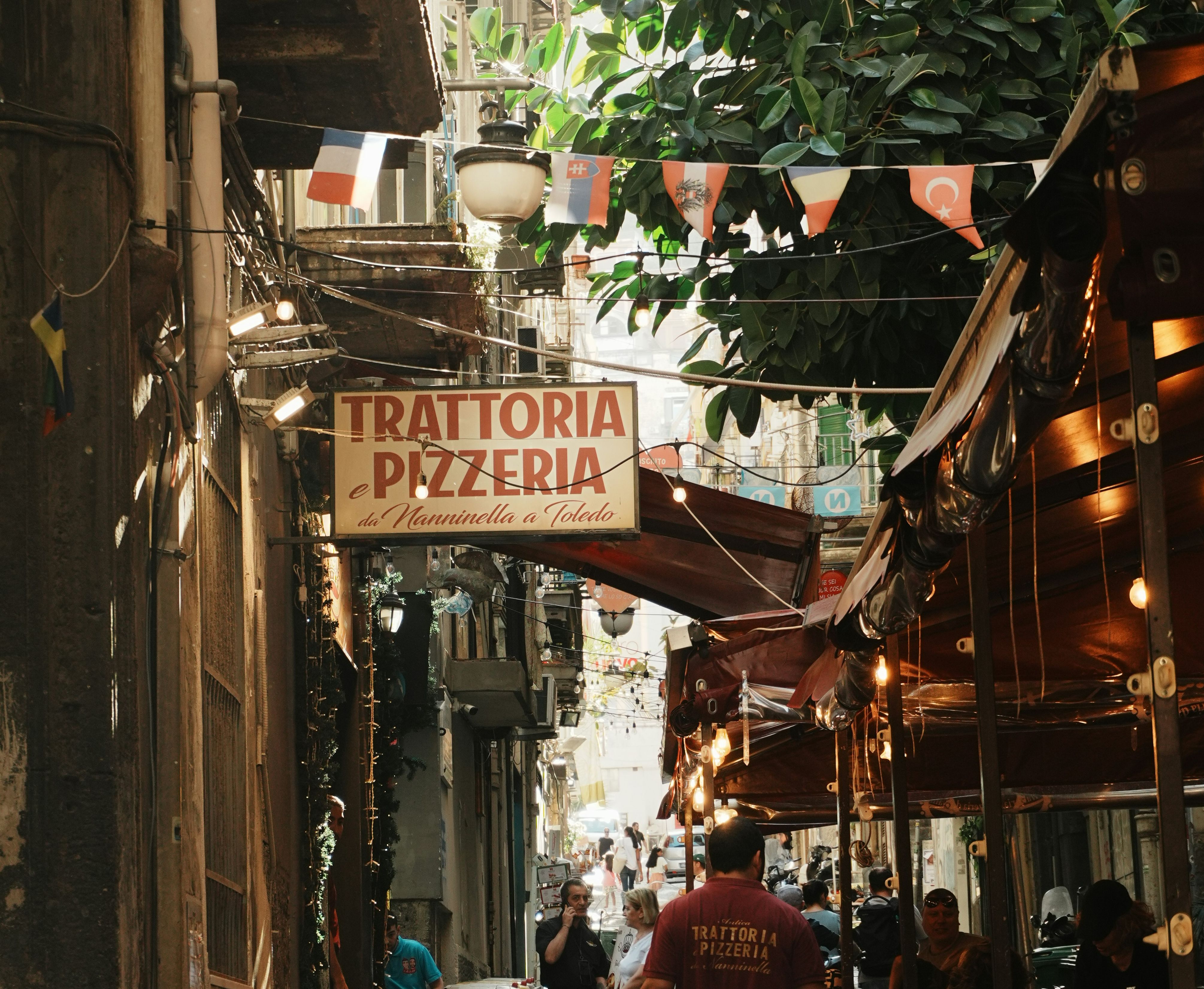
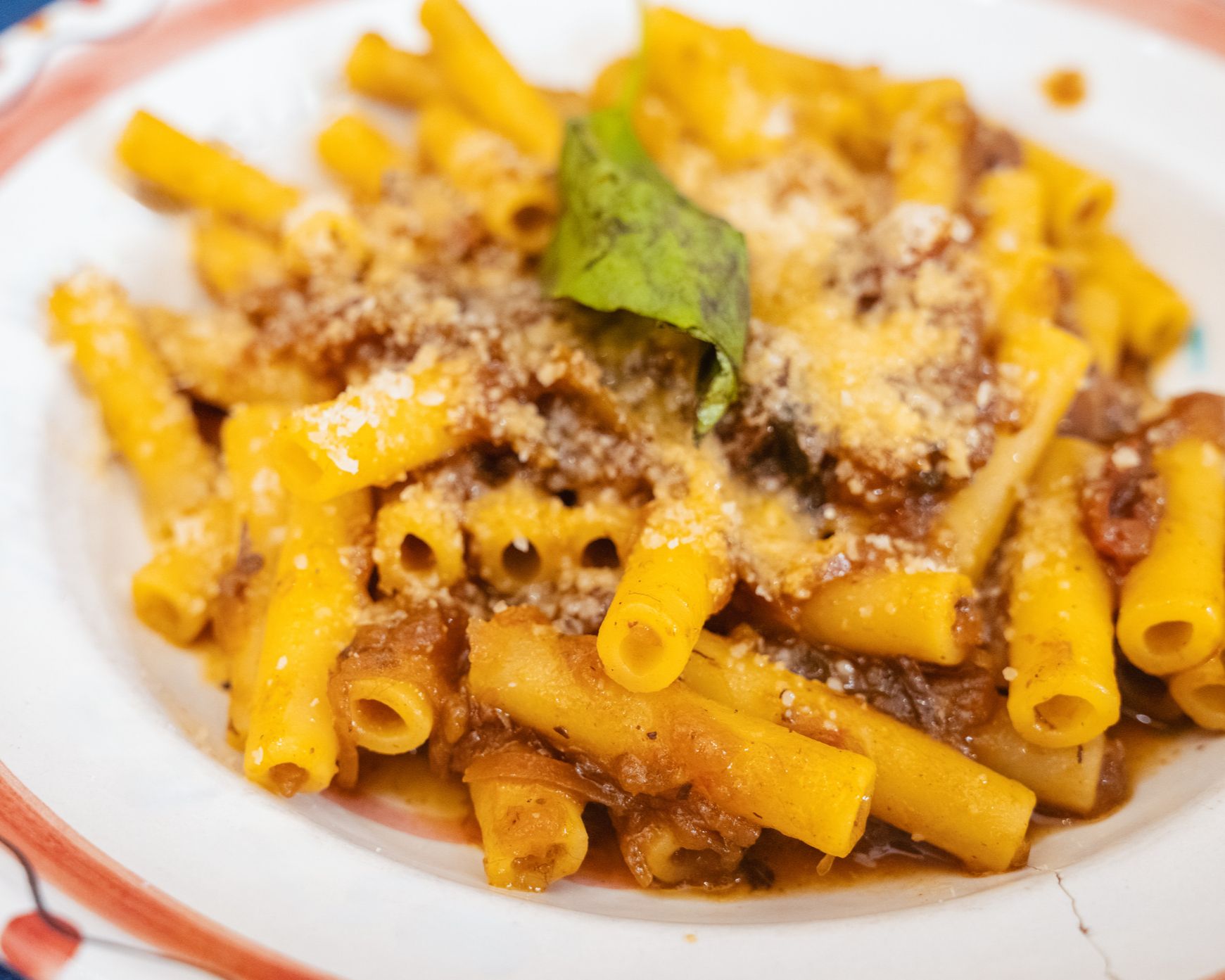
Naples doesn’t suffer from a shortage of famous food. The difficulty is choosing somewhere between a restaurant with a queue organised by social media and a dining room where a laminated menu is translated into English, German and Dutch.
Osteria della Mattonella sits in the Chiaia district of the city and specialises in the sort of Neapolitan cooking that requires time rather than reinvention. Its menu revolves around dishes including pasta alla Genovese, ragù, puttanesca, octopus alla Luciana and friarielli. The Genovese alone, a deeply savoury sauce of onions and slow-cooked meat, is a persuasive reason to miss the evening trivia session back on board.
The restaurant regularly appears in recommendations from Naples residents and repeat visitors. A 2026 Culinary Backstreets profile described it as a historic, family-run trattoria, while actor Filippo Scotti named it among his own favourite places for a proper sit-down meal in the city. Recent Tripadvisor reviewers advise reserving because Neapolitans are also trying to eat there, a constituency with a fairly informed opinion on the matter.
Order the Genovese if it’s available, then accept that the sauce will almost certainly land on the one item of clothing you’d hoped to wear again.
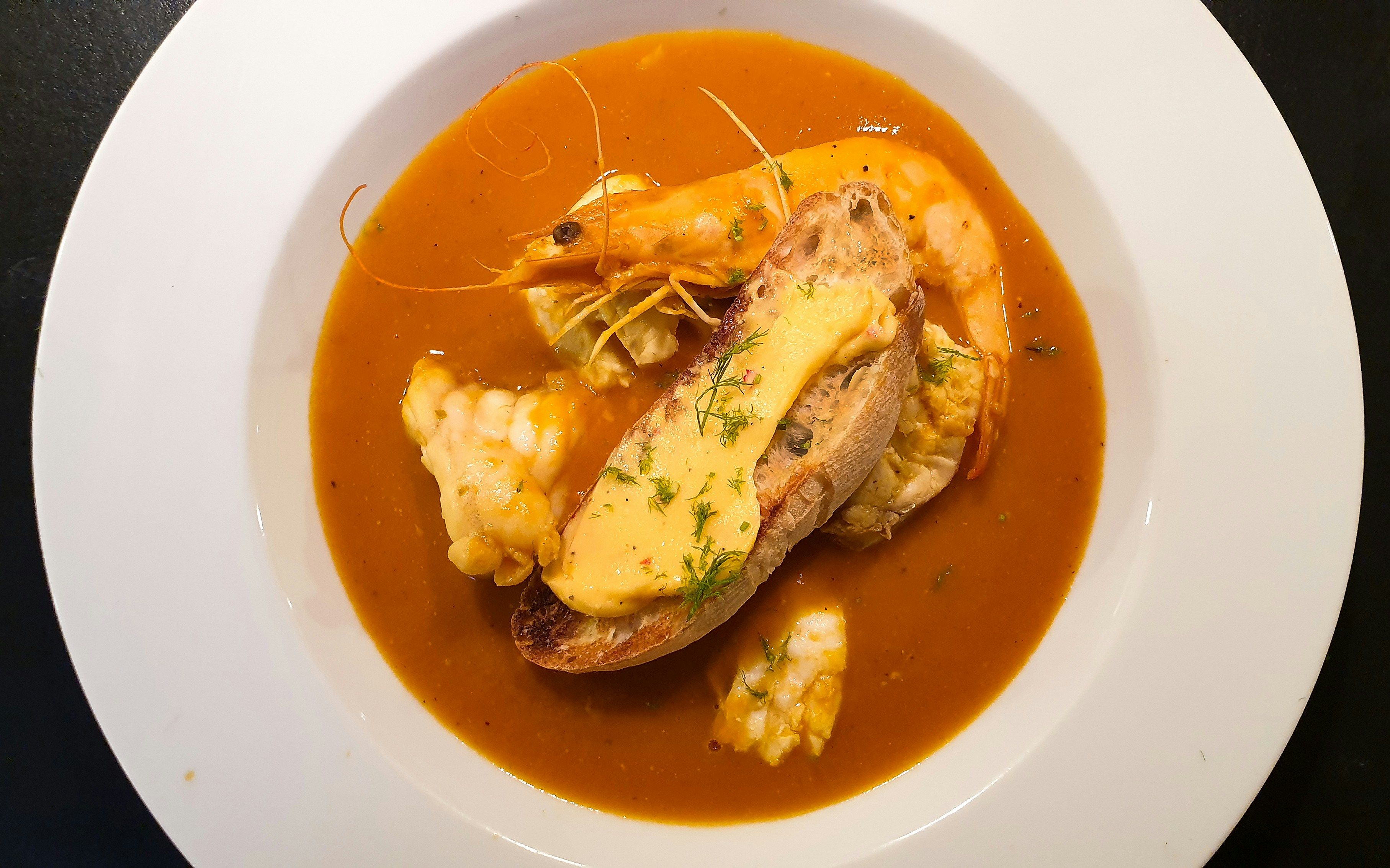
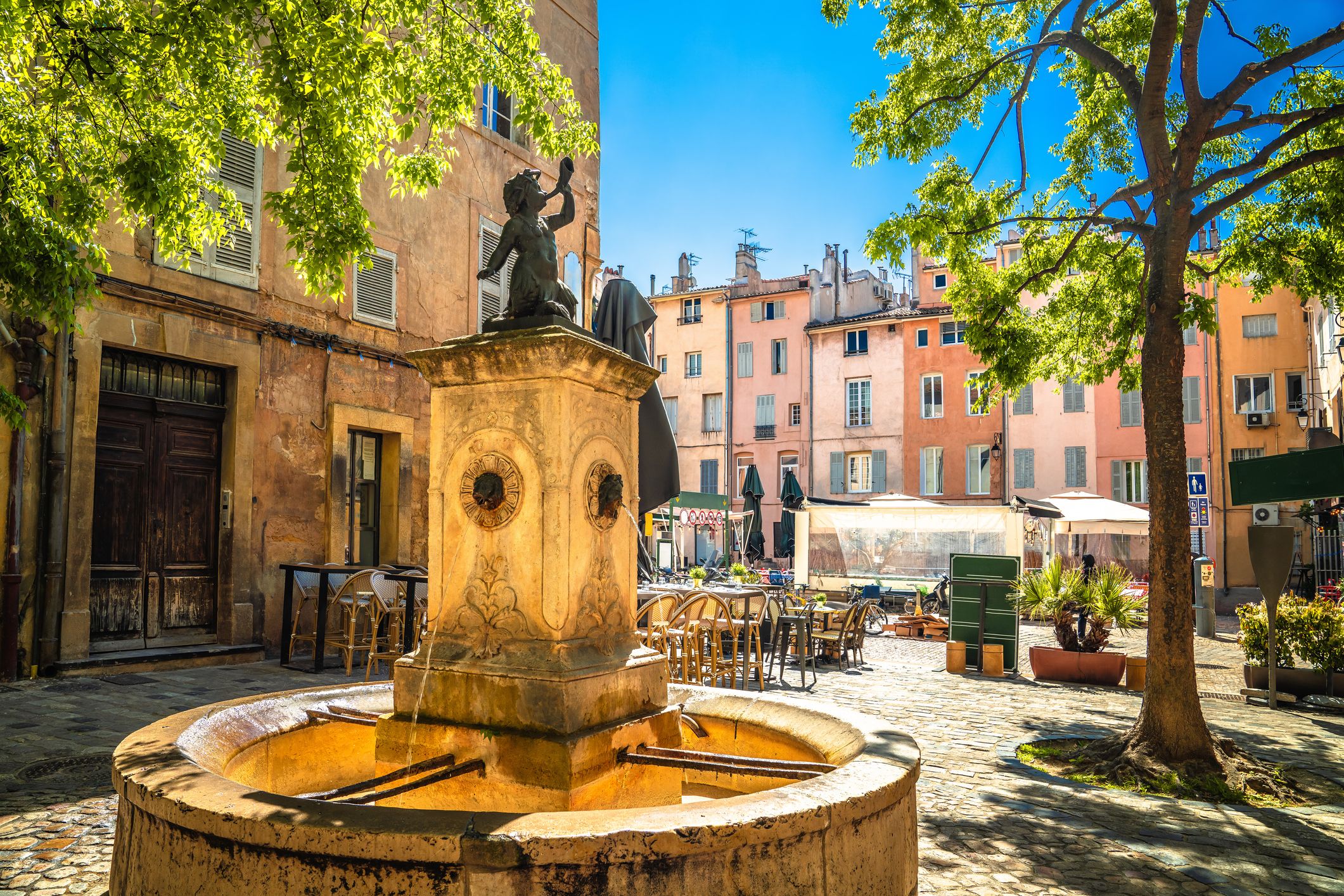
Asking Marseille residents where to eat bouillabaisse is a pretty reliable way to begin an argument.
Chez Fonfon, Le Rhul, Miramar, Péron and Chez Michel all attract fierce supporters, along with people who regard every rival version as an offence against fish. Local discussions repeatedly recommend Chez Michel, and the Michelin Guide says the restaurant takes bouillabaisse very seriously and produces a phenomenal version. That seems a reasonable point at which to stop consulting strangers.
Chez Michel has operated opposite Plage des Catalans since 1946 and is now run by the third generation of the Visciano family. The menu concentrates on fresh fish, bourride and traditional Marseille bouillabaisse rather than attempting to satisfy somebody in the group who has suddenly decided they fancy a burger.
Proper bouillabaisse is served in stages, with the fish, broth, bread, rouille and garlic presented separately. It is expensive, substantial and difficult to eat while pretending you’re only having something light ashore.
Reservations are by telephone only, and the restaurant is closed on Tuesdays. Book well ahead and allow enough time for the meal. Bouillabaisse doesn’t respond well to being consumed with one eye on the gangway.
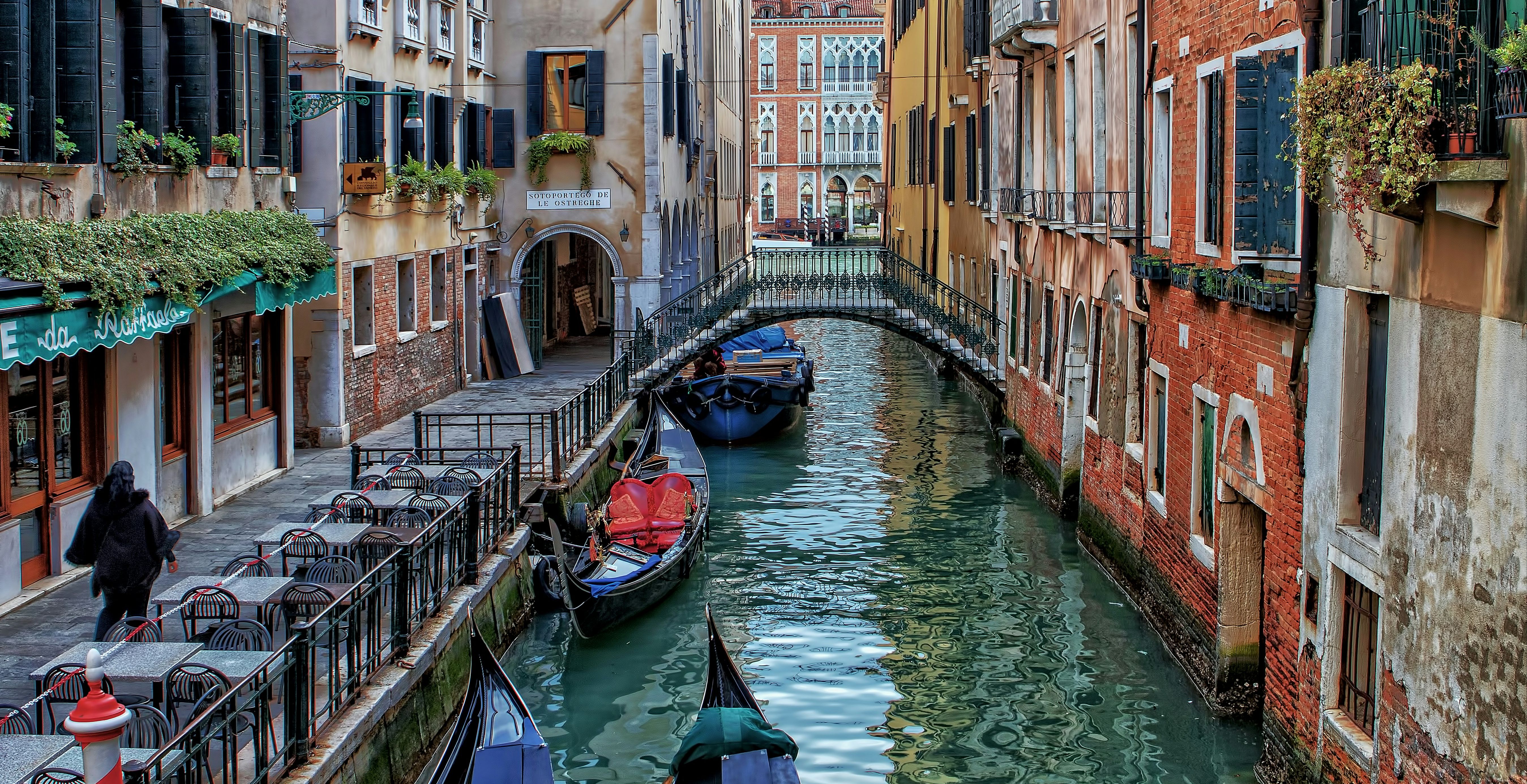
Venice specialises in restaurants that appear charming until the bill arrives and reveals you have paid handsomely for your proximity to a canal.
Osteria alle Testiere earns its reputation through the food rather than the view. The tiny Castello restaurant began as a Venetian bacaro and now serves a menu that changes according to what is available at the market. Michelin highlights its fresh seafood and market-led approach, while recent diners repeatedly praise its fish, shellfish, pasta and intimate atmosphere.
The room has only a small number of tables, which creates warmth, character and a reservation problem. The restaurant currently accepts bookings online only, and regular visitors often reserve months ahead. Turning up hopefully is unlikely to trigger a hidden table descending from the ceiling.
Don’t arrive with one fixed dish in mind. The pleasure lies in seeing what came from the market that day, then allowing the kitchen to create something elegant with it without placing it beneath a silver cloche.
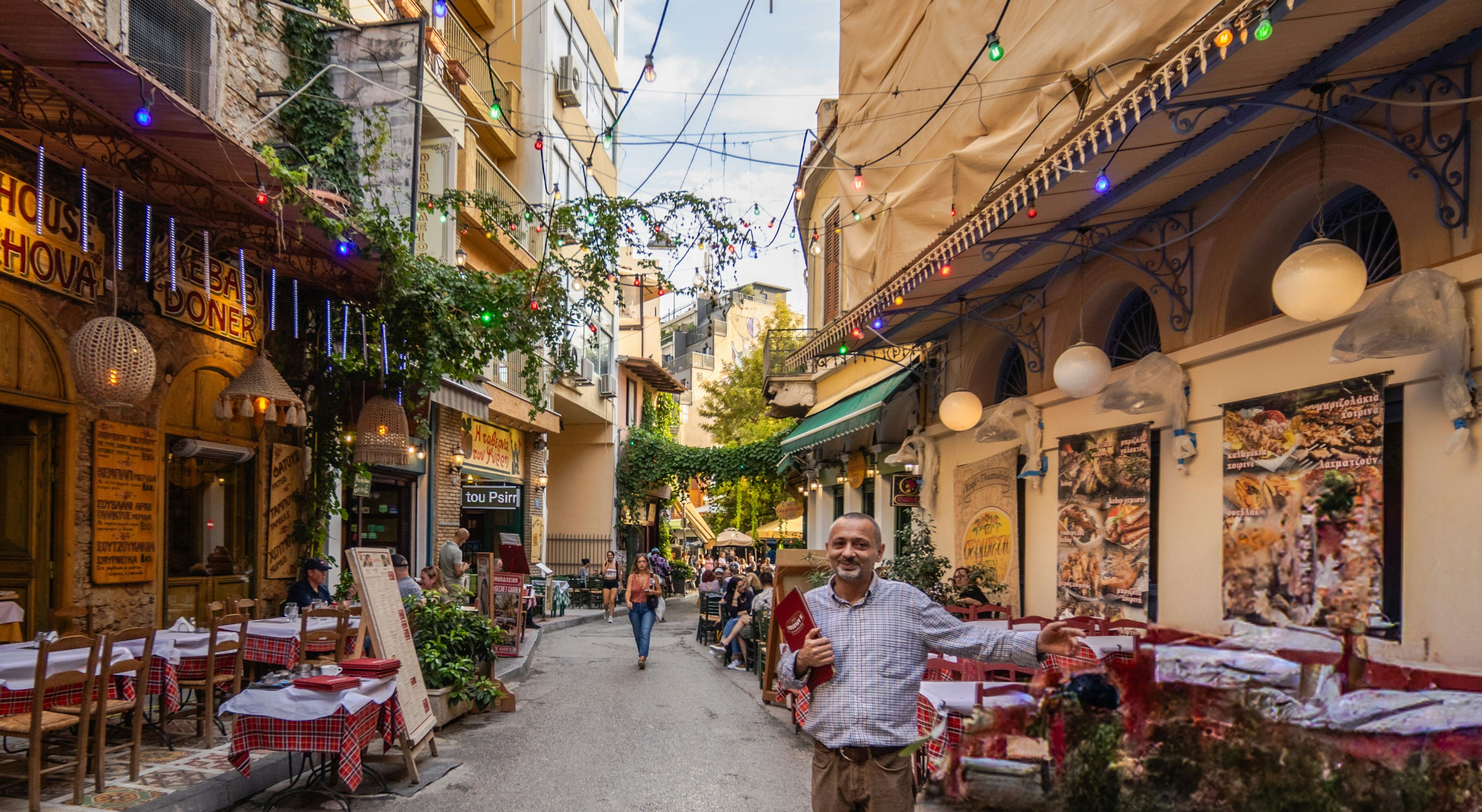
Athens has many restaurants selling the idea of a Greek taverna. Klimataria does it rather more convincingly than many.
Near the central market, the vine-covered dining room serves hearty Greek dishes alongside live rebetiko music. Recent visitors consistently praise the lamb, generous portions and warm atmosphere, while local travel forums recommend it for traditional food and one of the city’s better-known live music experiences.
This isn’t the place for a hushed anniversary dinner conducted almost entirely through meaningful eye contact. When the music begins, the room becomes crowded and lively, conversation grows more ambitious and somebody may eventually start dancing with the confidence of a person who has consumed barrel wine.
Recent reviews indicate that live music usually begins in the evening, except on Mondays, and that a small music supplement may be added. Check the current programme and book ahead, particularly at weekends. Go for the slow-cooked lamb or whatever the staff recommends that day, then resign yourself to returning to the ship considerably later and fuller than intended.
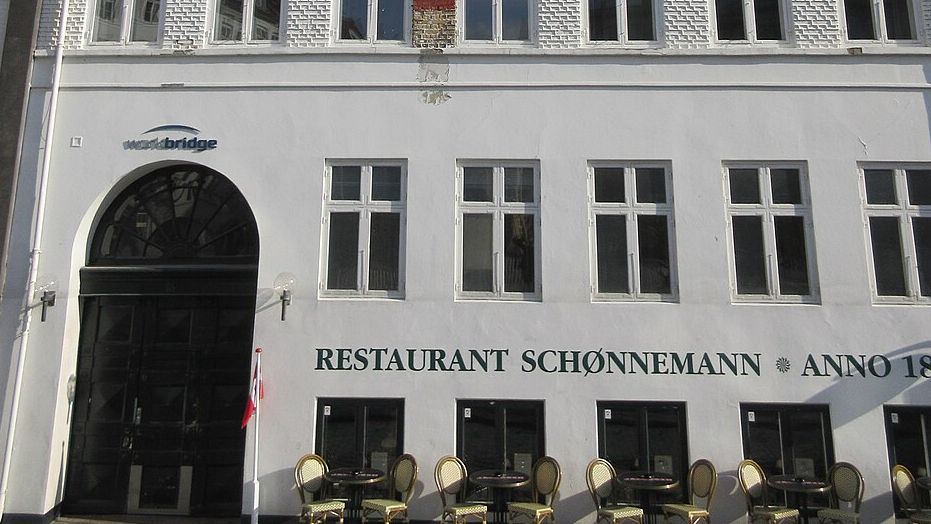
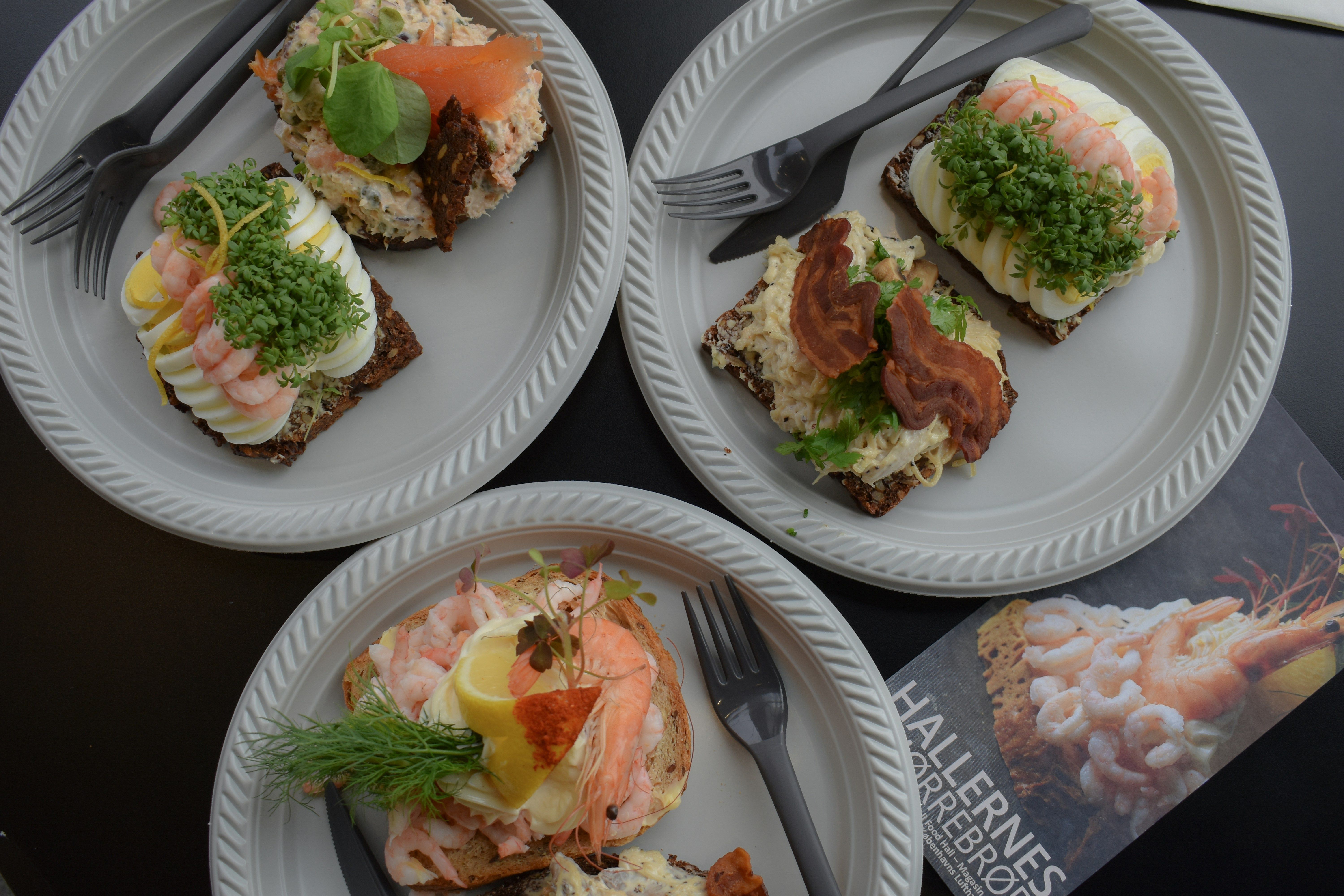
Restaurant Schønnemann is included with one important warning: it serves lunch rather than dinner. That shouldn’t deter you. Copenhagen’s open sandwiches are capable of putting the ship’s lunchtime sandwich selection to shame.
Schønnemann is one of Copenhagen’s oldest surviving restaurants and specialises in traditional smørrebrød prepared to order. The menu moves through pickled herring, fried plaice, smoked fish, prawns, potatoes, pork, beef tartare and warm dishes, usually accompanied by beer and snaps. The restaurant advises two pieces for a decent start, three to feel full and four to “finish with a smile”, although other facial expressions remain possible after several aquavits.
Copenhagen residents regularly place Schønnemann among the city’s best traditional smørrebrød restaurants, and current Tripadvisor reviews praise both the food and the staff’s ability to pair it with snaps. Booking is strongly recommended.
Its current hours run from late morning until 5pm, making it ideal for a long daytime call. Three elaborate sandwiches at lunch may also resolve the question of whether you need dinner, afternoon tea or movement of any kind.
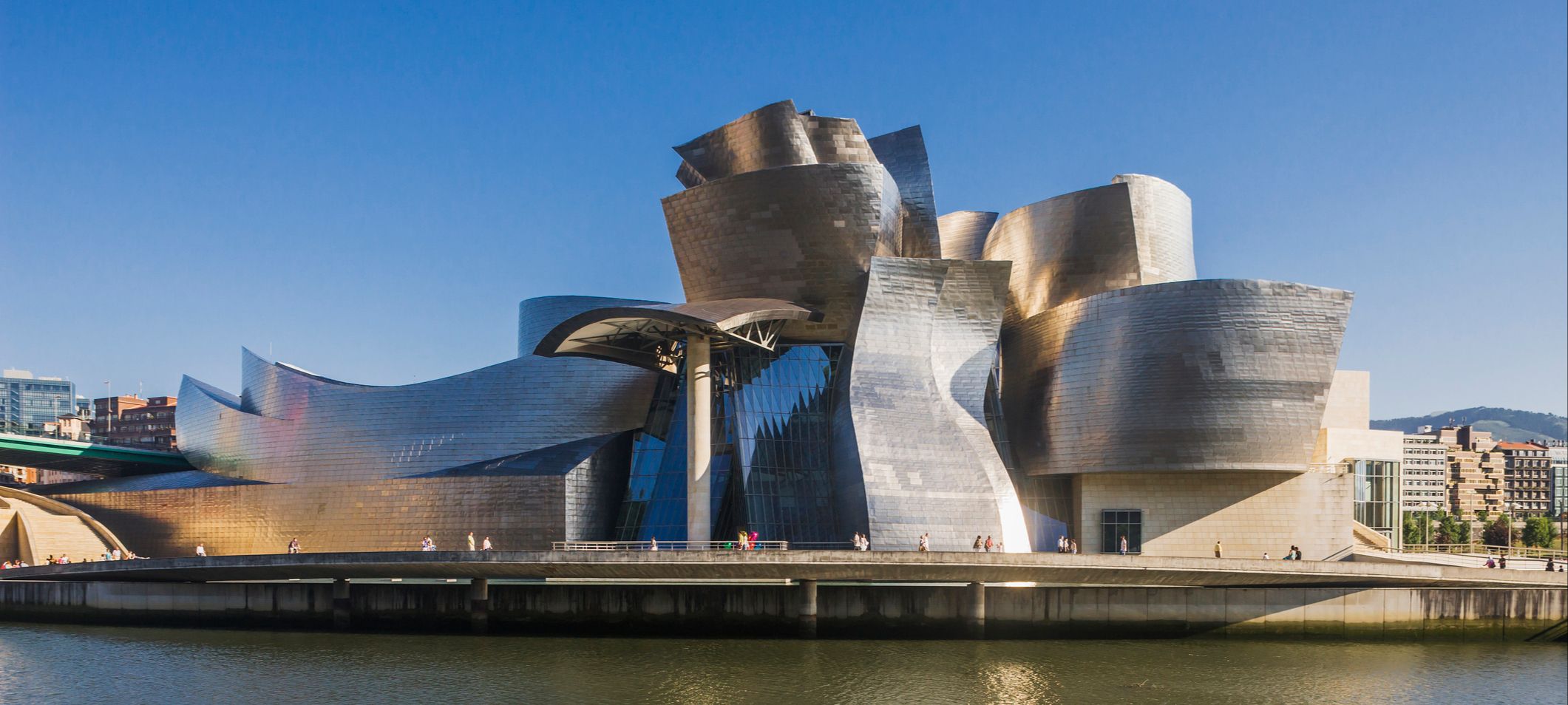
Bilbao makes eating well almost inconveniently easy. You can wander through the old town ordering pintxos one at a time, which feels wonderfully spontaneous until nobody can remember who actually paid at the fourth bar.
La Viña del Ensanche offers a more settled version of the experience. Open since 1927, it combines a lively pintxos bar with a proper restaurant in the centre of Bilbao. The menu includes its own reserve ham, croquettes, anchovies, seasonal dishes and tasting menus, making it suitable for both a quick stop and an evening that involves remaining seated.
It appears repeatedly in recommendations from Bilbao residents and food-focused travellers, particularly for its jamón, pintxos and atmosphere. Recent visitors advise booking the restaurant rather than assuming the neighbouring bar will somehow produce a spare dining table through Basque hospitality alone.
Bilbao’s cruise terminal is outside the city centre, so this is one for a long call, an overnight stay or anyone prepared to treat the return journey with the seriousness it deserves. Order the ham, accept the staff’s wine advice and leave sufficient time to get back.
How to plan a restaurant visit during a cruise
First, check the ship’s departure time rather than the time printed beside the port name on an unofficial itinerary page you found in February. Allow for transport, security and the possibility that a city has decided to place roadworks between you and the terminal.
Reserve directly with the restaurant where possible and mention any strict departure constraints. Don’t expect the kitchen to accelerate a traditional meal because your ship is leaving. Bouillabaisse, slow-cooked ragù and three courses of Venetian seafood have resisted efficiency drives for centuries.
It’s also worth checking whether your cruise returns to the same destination, begins there or stays overnight. A pre-cruise evening in Barcelona or Athens gives you far more freedom than a port call ending at 6pm, and it’s difficult to enjoy dinner while mentally calculating taxi timings.
The ship will feed you very well when you return. The point of eating ashore is to try something it can’t reproduce: a restaurant’s history, a city’s rhythm and a dish that makes complete sense only in the place where it was cooked.