It used to be that cruise food had to mean bottomless buffets and the occasional Baked Alaska Parade, but (to the relief of some) those days are now mostly long gone. Now, it’s all sushi counters curated by Michelin-starred chefs, plant-based tasting menus, and dry-aged steaks served with a somm-recommended wine flight. And with the world’s biggest cruise lines upping their game in the galley, we thought it was time someone sorted the soufflés from the soggy chips.
So we did the hard bit (eating). You get the easy bit (reading). Here's how the main players stack up if you're sailing with your appetite firmly in charge.
Celebrity Cruises: for modern luxury with a side of burrata
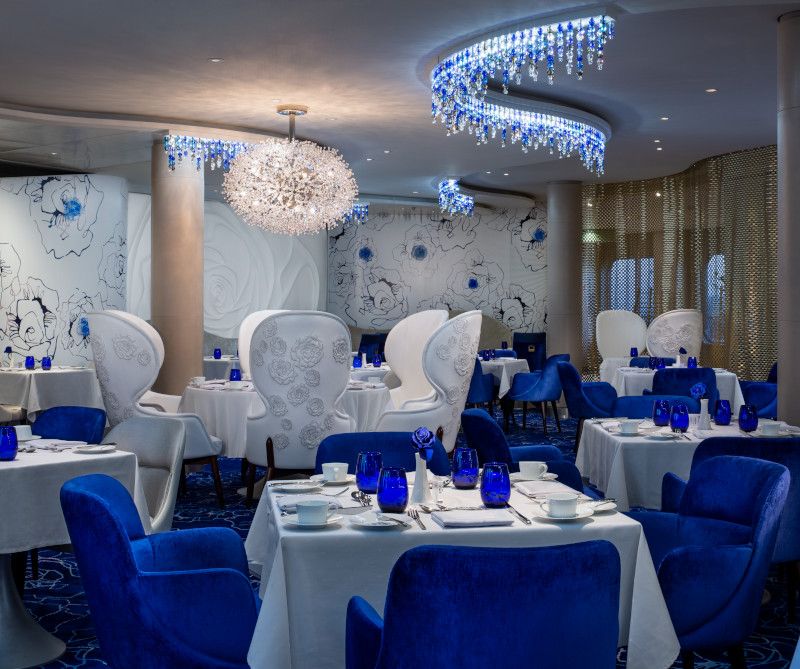
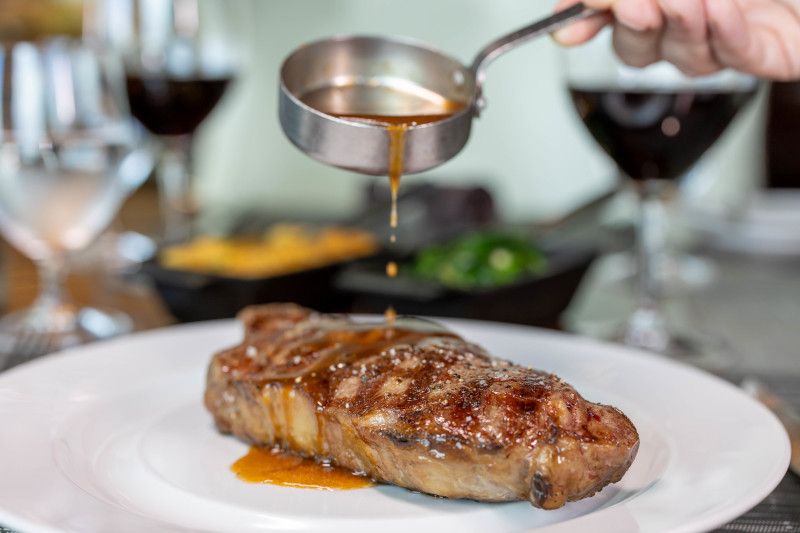
Dining on Celebrity Cruises feels like it’s been designed for people who actually read the wine list. Menus shift with the seasons, ingredients are high quality without being showy, and there’s an impressive balance of formality and flexibility, you can do white-tablecloth fine dining one night and handmade pasta with Amalfi lemons the next.
Edge-class ships raise the bar even further, with highlights like Fine Cut Steakhouse and the design-forward Eden restaurant, which blends performance with seriously good plates. And the Retreat’s private dining? Quietly excellent. Ideal for travellers who want something more elegant than extravagant.
Virgin Voyages: for stylish small plates and zero buffet guilt
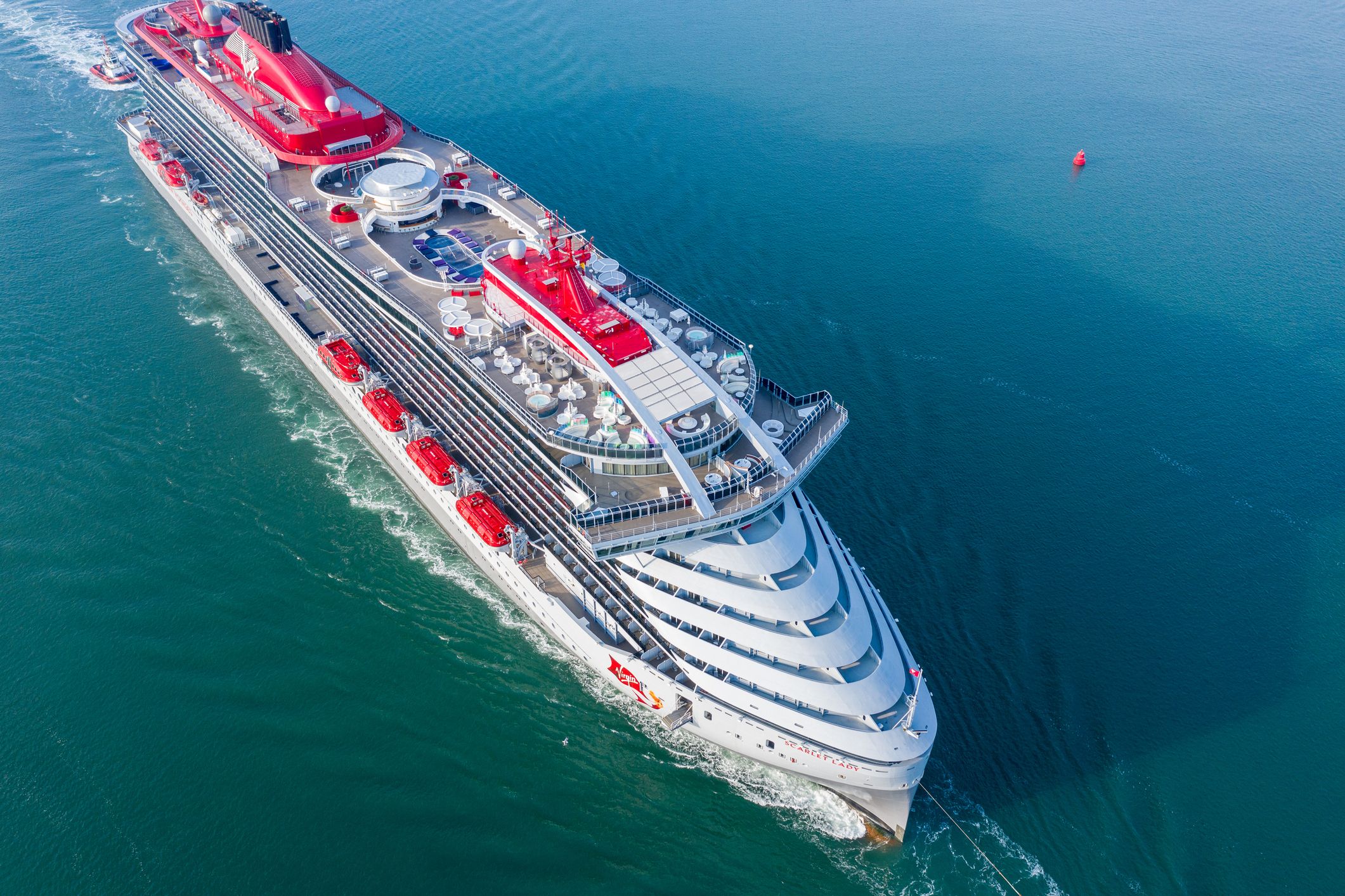
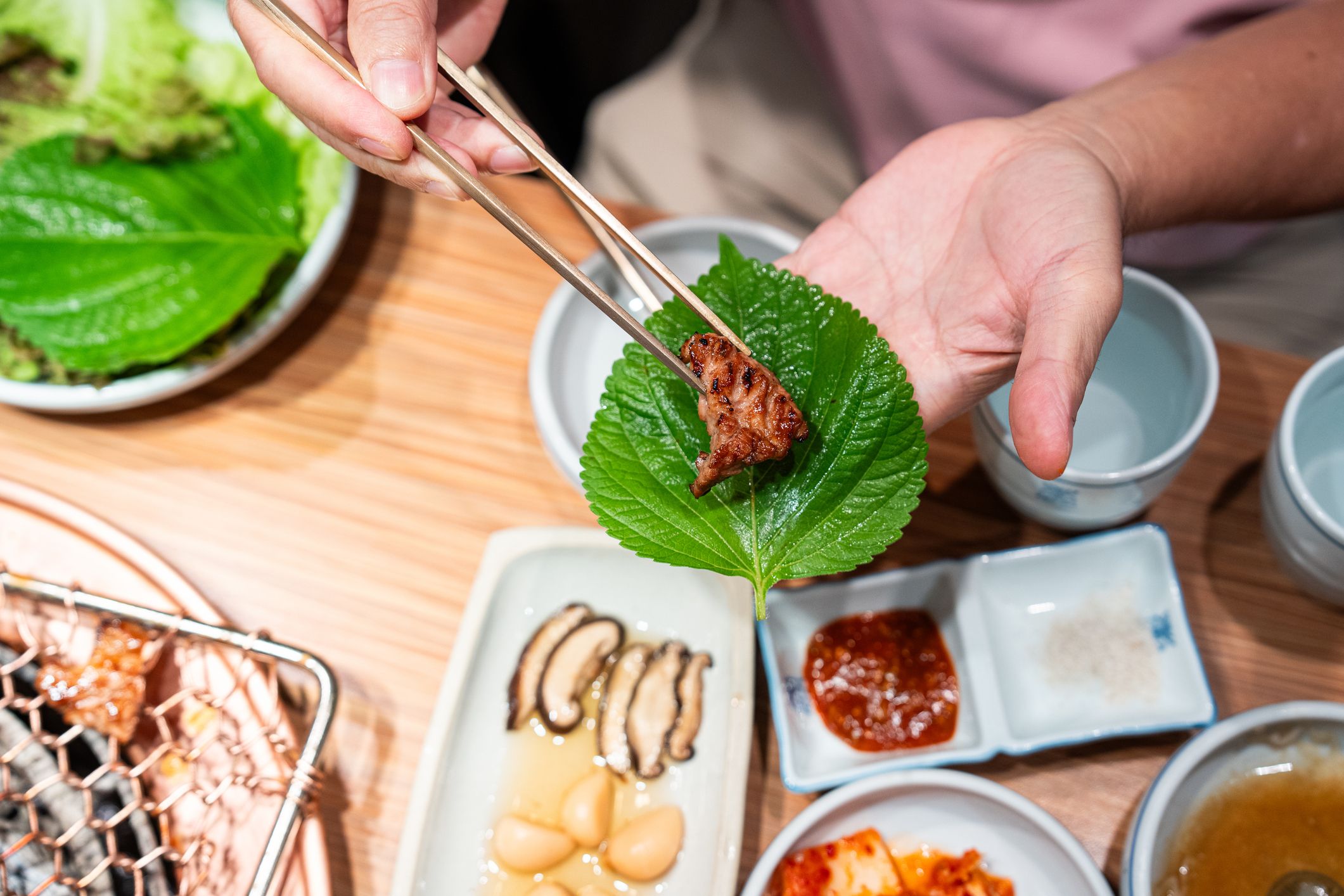
If you think cruising isn’t for you, Virgin Voyages will try to change your mind, and that starts with the food. There’s no buffet, no formal dining times, and no surcharges for speciality restaurants. Instead, think of it as a floating Shoreditch food hall, where you can bounce between inventive Korean BBQ, experimental Mexican, a genuinely good vegan spot, and a top-end test kitchen that’s all courses and chemistry.
It's slick, it’s well branded, and — crucially — it tastes better than it needs to. Great for travellers who want style, sustainability and a wine list with skin contact whites.
Royal Caribbean: for big, bold flavours and no shortage of options
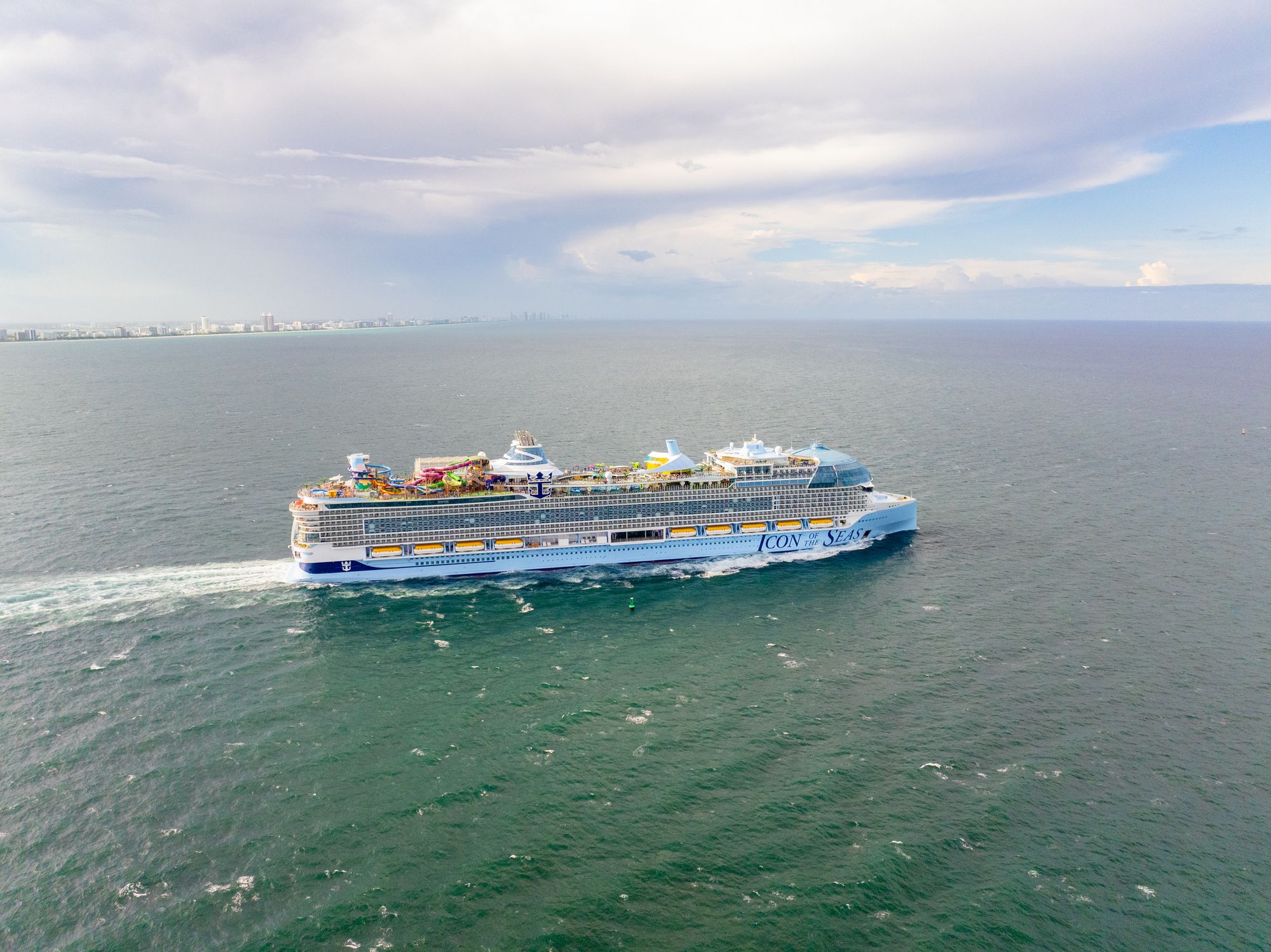
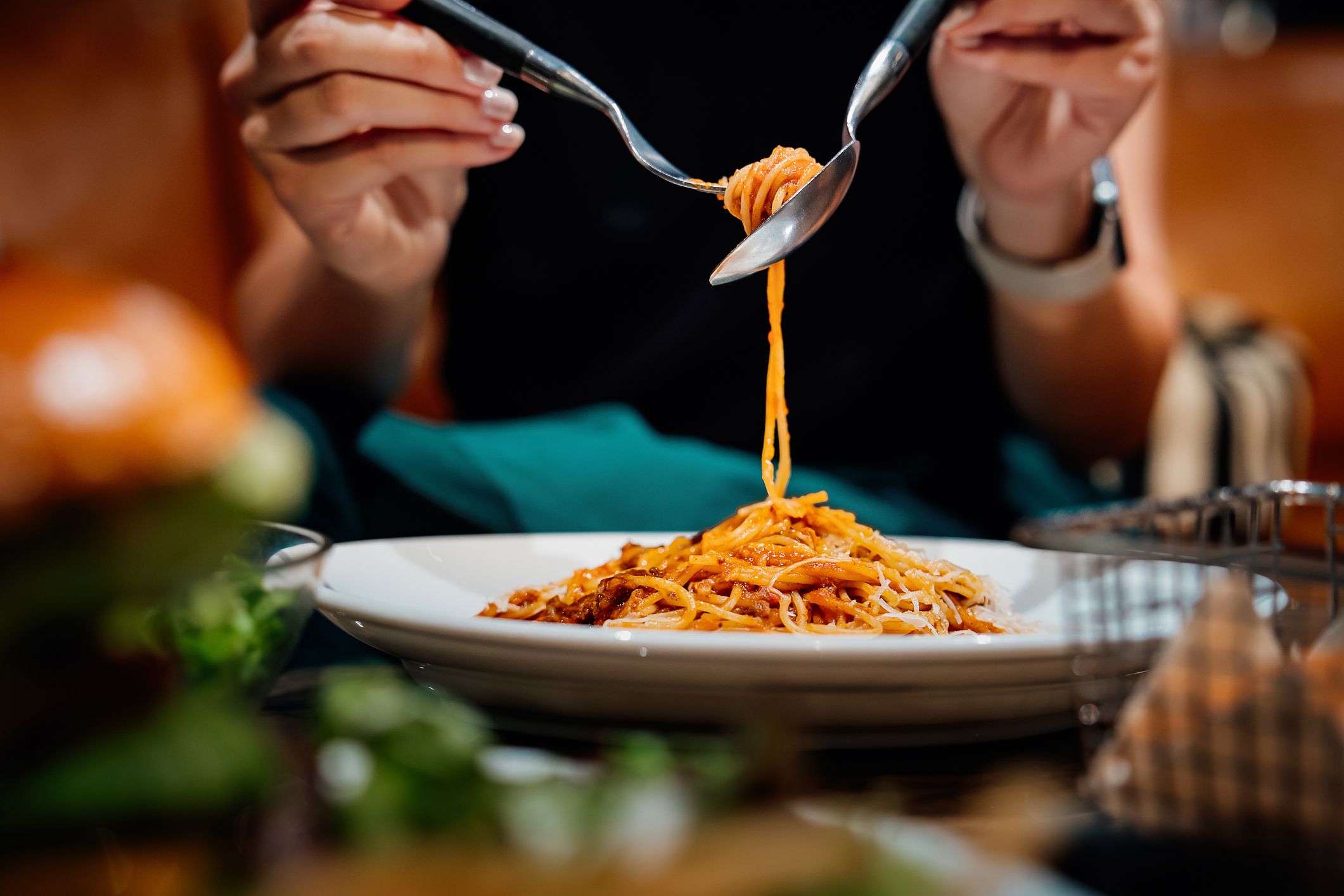
Royal Caribbean is the cruise world’s king of scale, and its dining scene reflects that, quantity with surprising bursts of quality. With over 20 dining venues on some ships, you’ll find everything from New England-style seafood to immersive, Instagram-ready molecular gastronomy (Wonderland, for the curious).
The brand’s Jamie’s Italian outpost remains reliably good, and Giovanni’s Kitchen has seen a recent upgrade, too. Is it haute cuisine? No. But it’s lively, crowd-pleasing and occasionally ambitious, and sometimes that’s exactly what you want after a day wiping out on the surf simulator.
Holland America Line: for global flavours and culinary cred
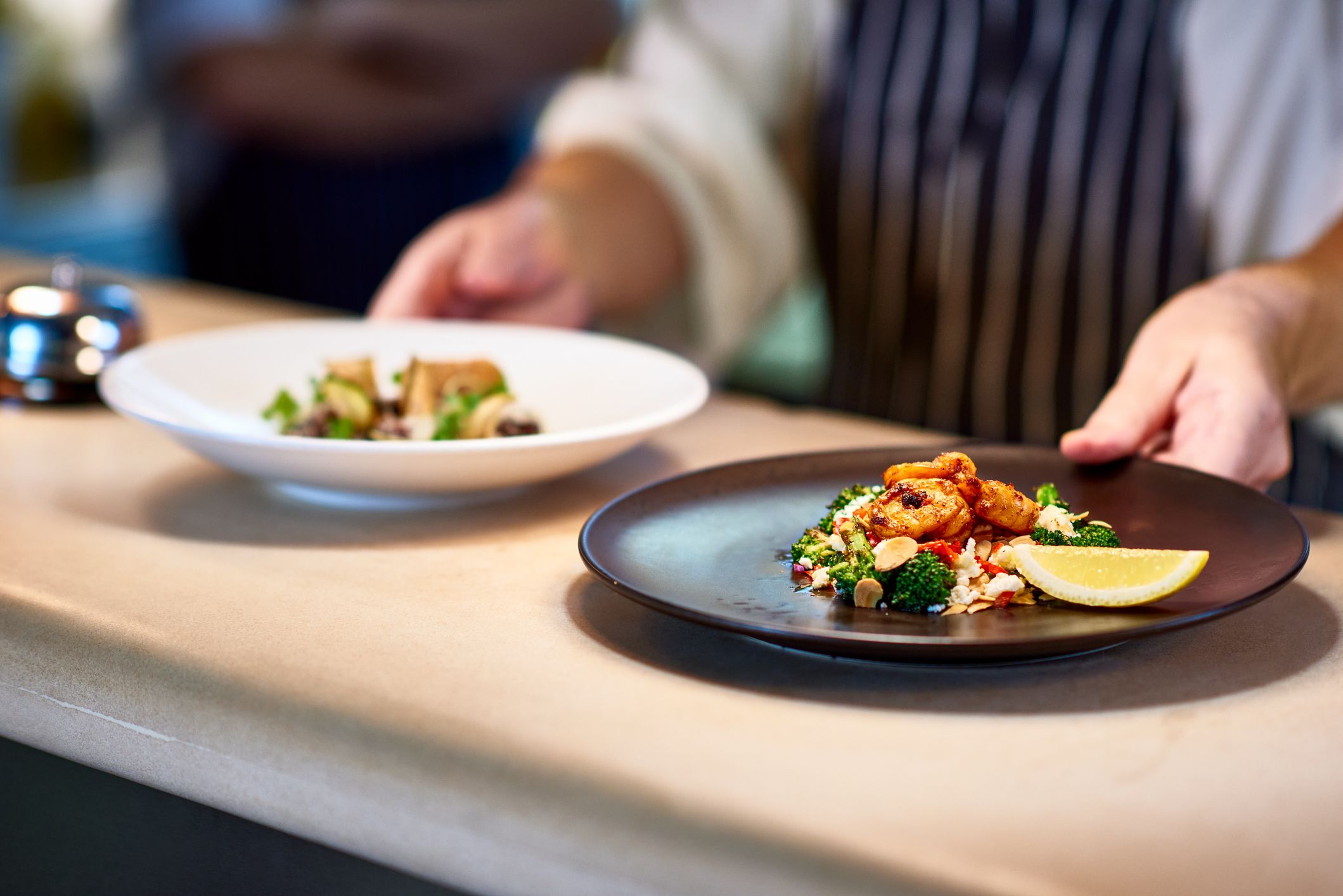
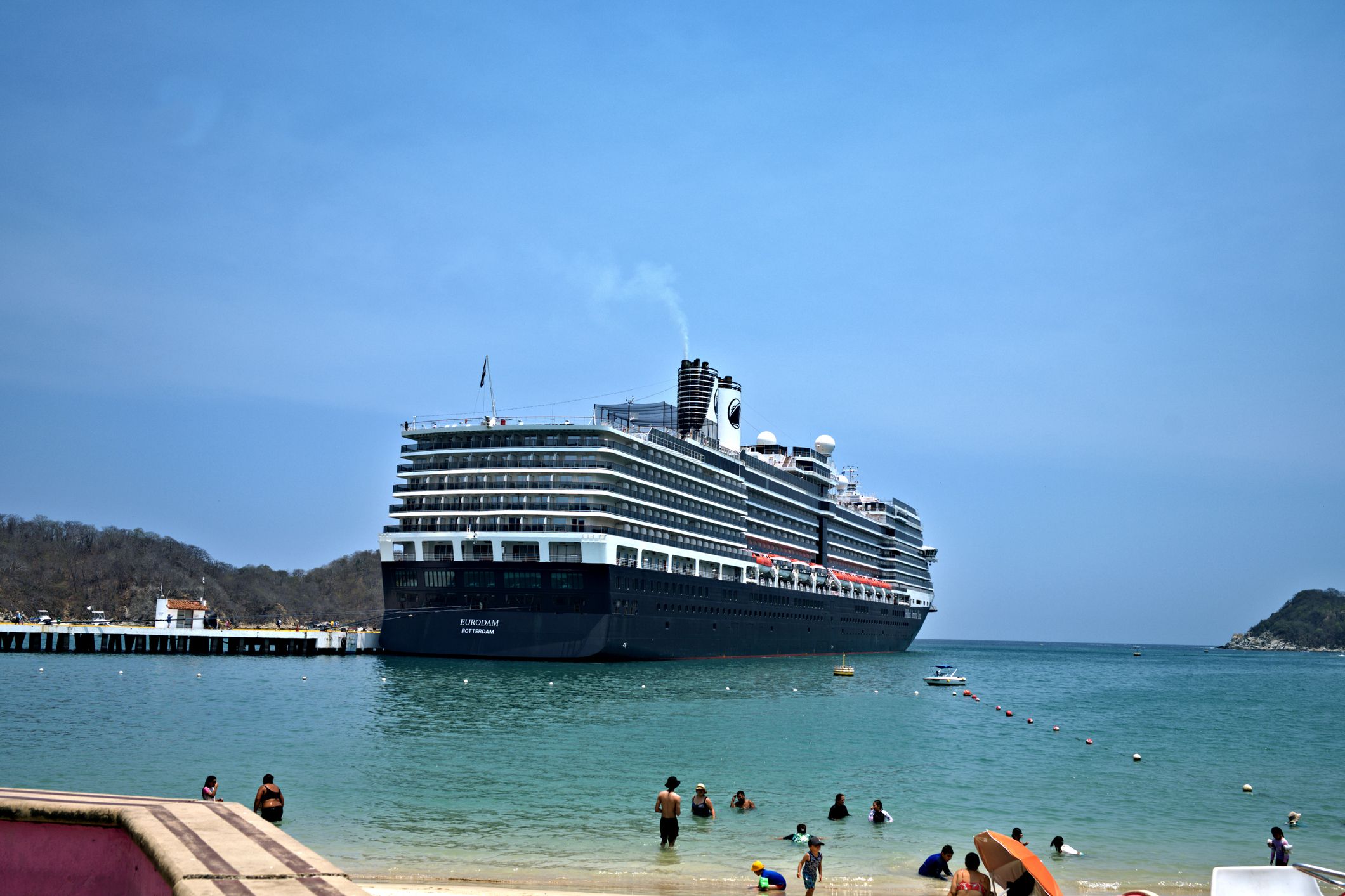
HAL flies a bit under the radar, but their Culinary Council (yes, really) includes the likes of David Burke and Masaharu Morimoto, which should tell you something about their approach to food. Their Rudi’s Sel de Mer is a low-lit, high-calibre seafood bistro, while the Tamarind pan-Asian restaurant does a reliably good satay and sushi combo.
There’s a surprising amount of food-related programming too (live demos, wine pairings, cooking classes) making this a good pick for foodies who like to learn between courses.
MSC Cruises: for pizza, pasta and panettone on tap
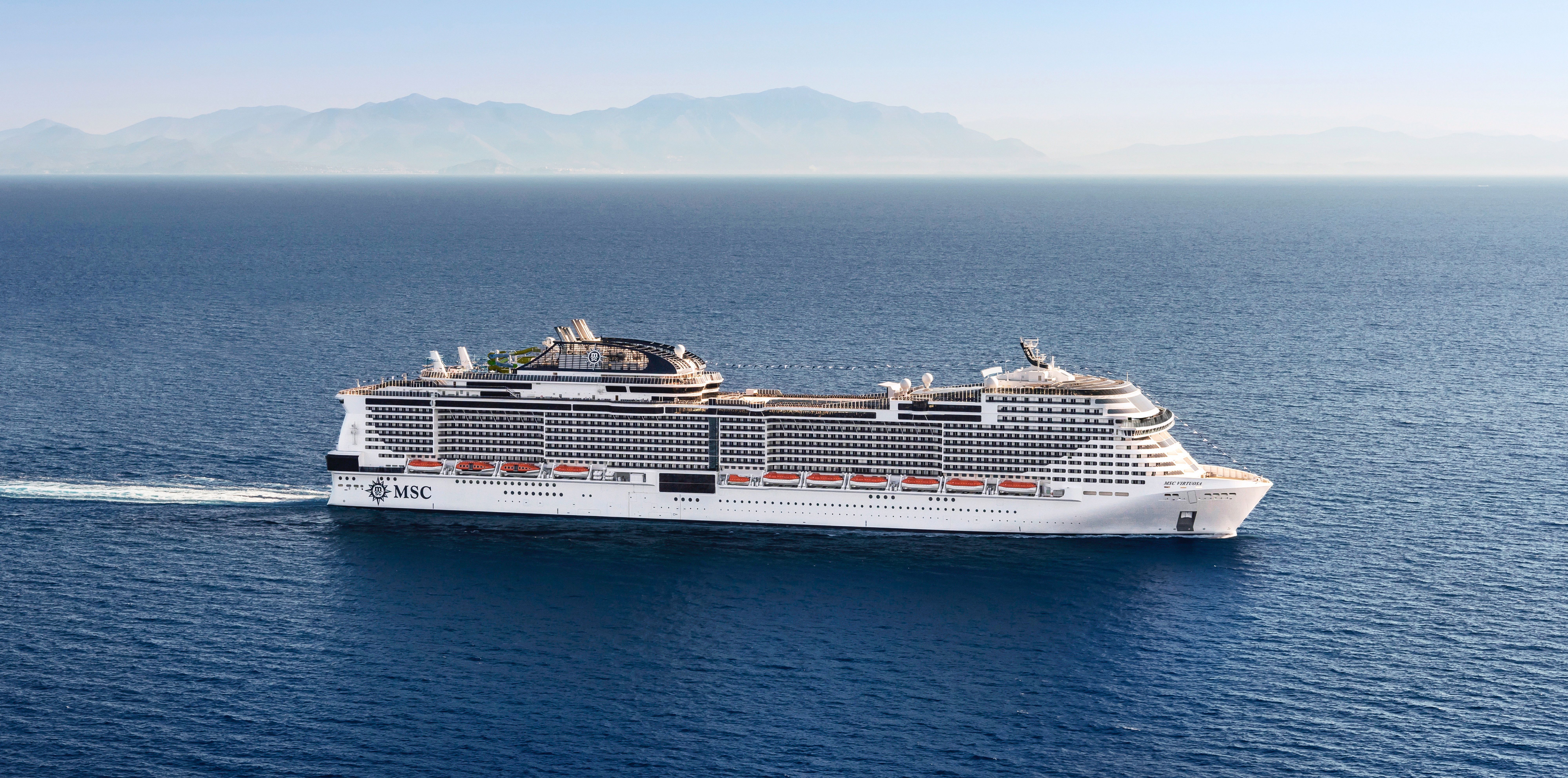
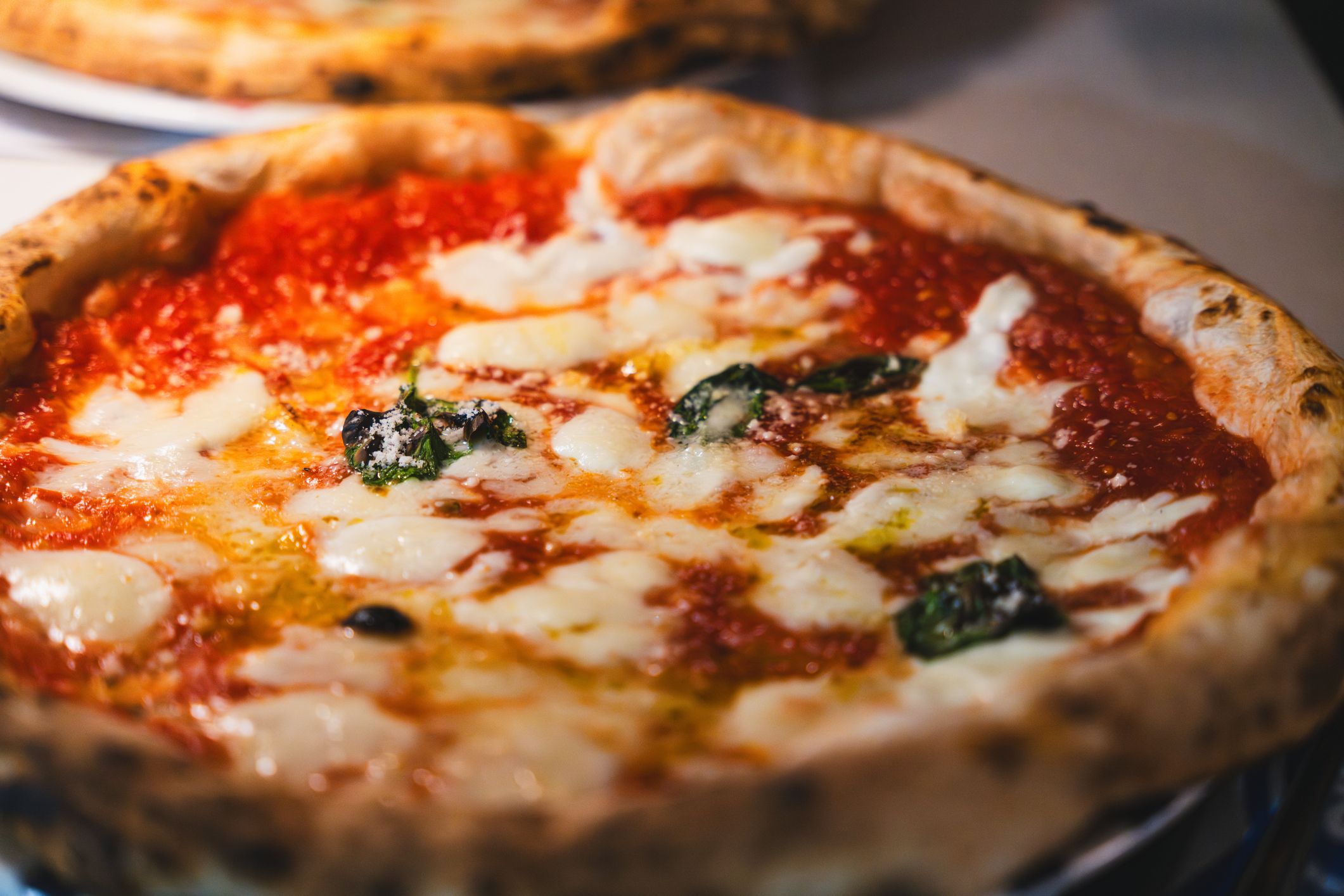
If your idea of good food is three proper courses of Italian comfort every night (and maybe a small gelato after breakfast), MSC delivers in spades. Dining here is more classic than cutting edge, with menus that nod to the Med: seafood linguine, beef carpaccio, an entirely respectable tiramisu.
Fine dining purists might find it a little inconsistent, but there are gems to be found — particularly in the Yacht Club, where dishes are more refined and service gets a polish.
Marella Cruises: for fun, informal dining with a few surprises
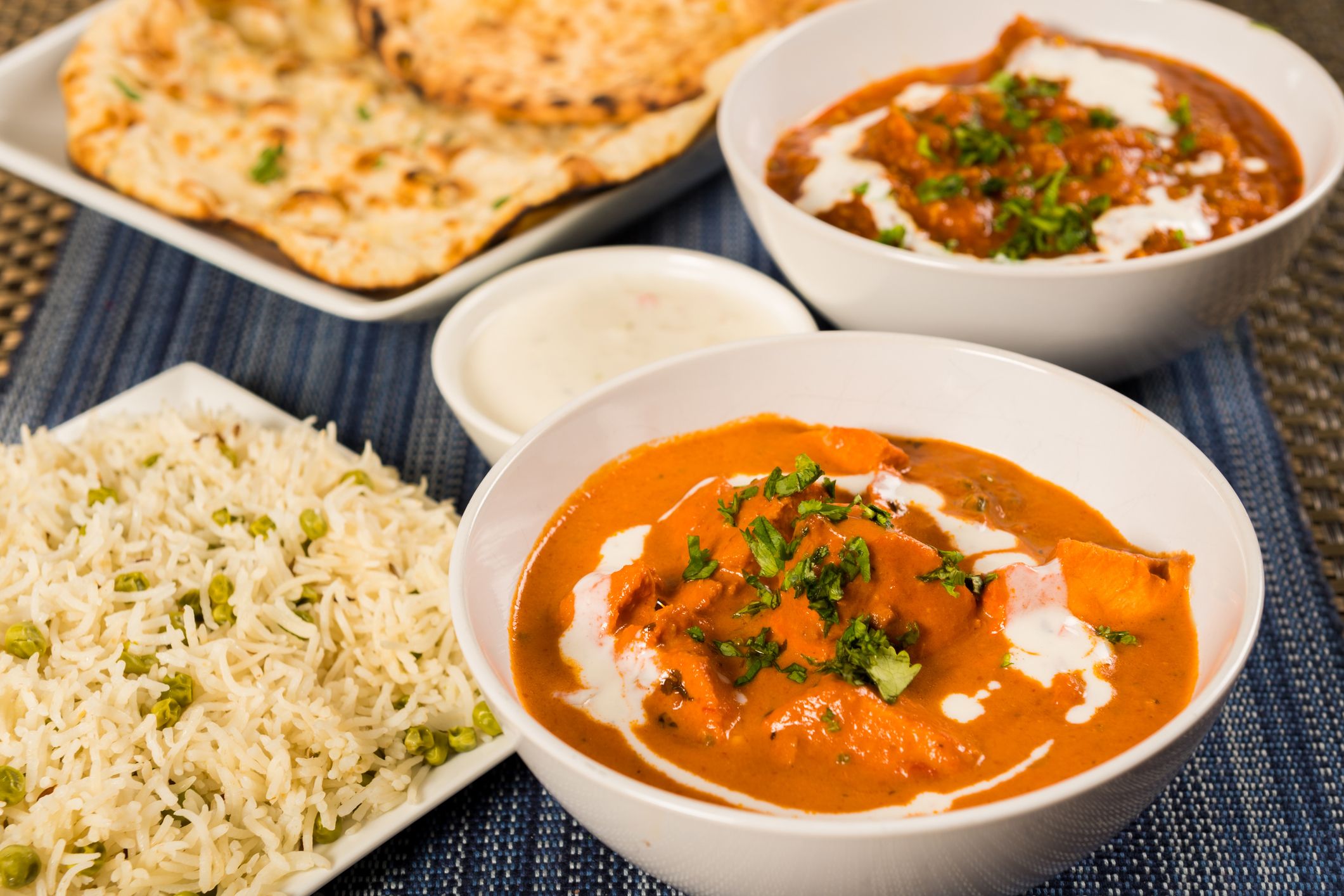
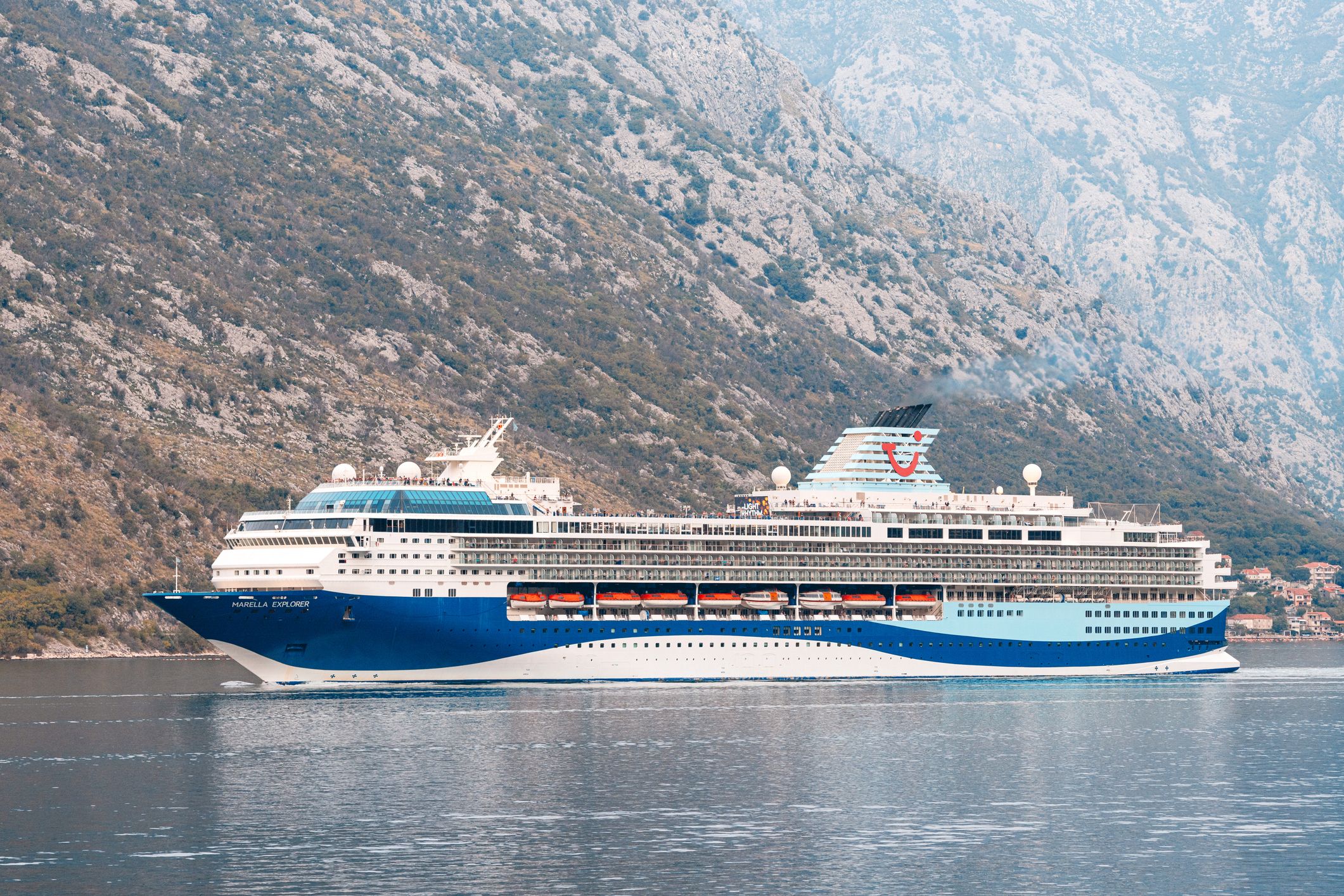
Marella’s food offering has come a long way, with its newer ships offering everything from proper curry stations to sushi, steak and even tapas. It’s not trying to compete with the fine-dining crowd (and nor should it need to) but it’s very good at delivering relaxed, satisfying food for a wide audience.
The Dining Club on Marella Explorer 2 is a particular standout, with a more upmarket menu and a grown-up feel. Plus, most dining is included in the fare, which always makes the dessert taste sweeter.
Fred. Olsen Cruise Lines: for traditional British charm and thoughtful touches

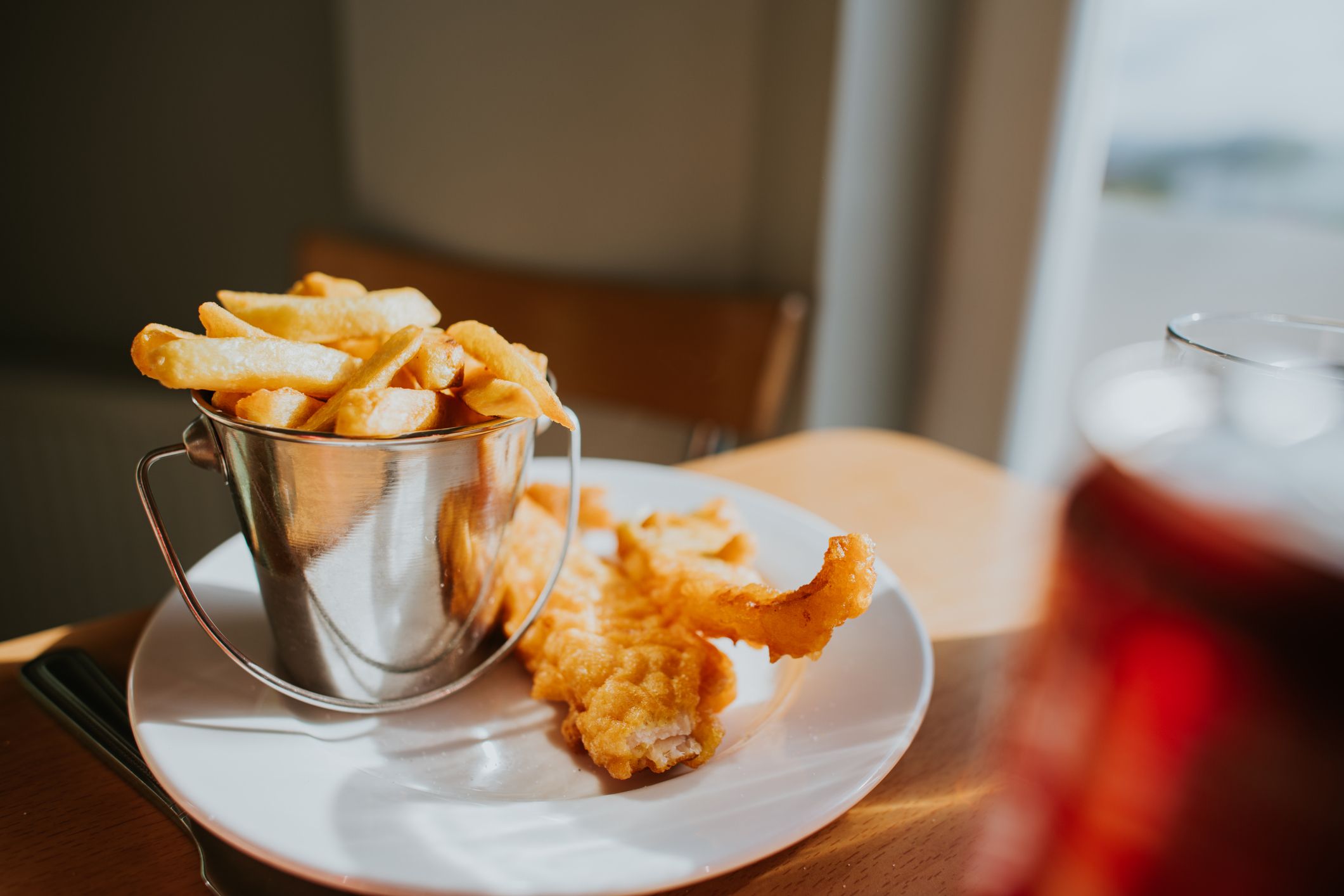
Fred. Olsen isn’t trying to reinvent the culinary wheel — but what it does, it does well. Expect warming soups, classic roast dinners, and beautifully presented dishes with a quietly confident sense of hospitality. On themed itineraries, menus are tailored to reflect local flavours (the Norwegian cruises, in particular, are a highlight).
There’s a lovely attention to detail: pastries at afternoon tea, themed gala nights, and waitstaff who’ll remember how you take your tea. For travellers who prefer heritage over hype, Fred. Olsen delivers comfort food with care.
P&O Cruises: for crowd-pleasers and British classics (with a twist)
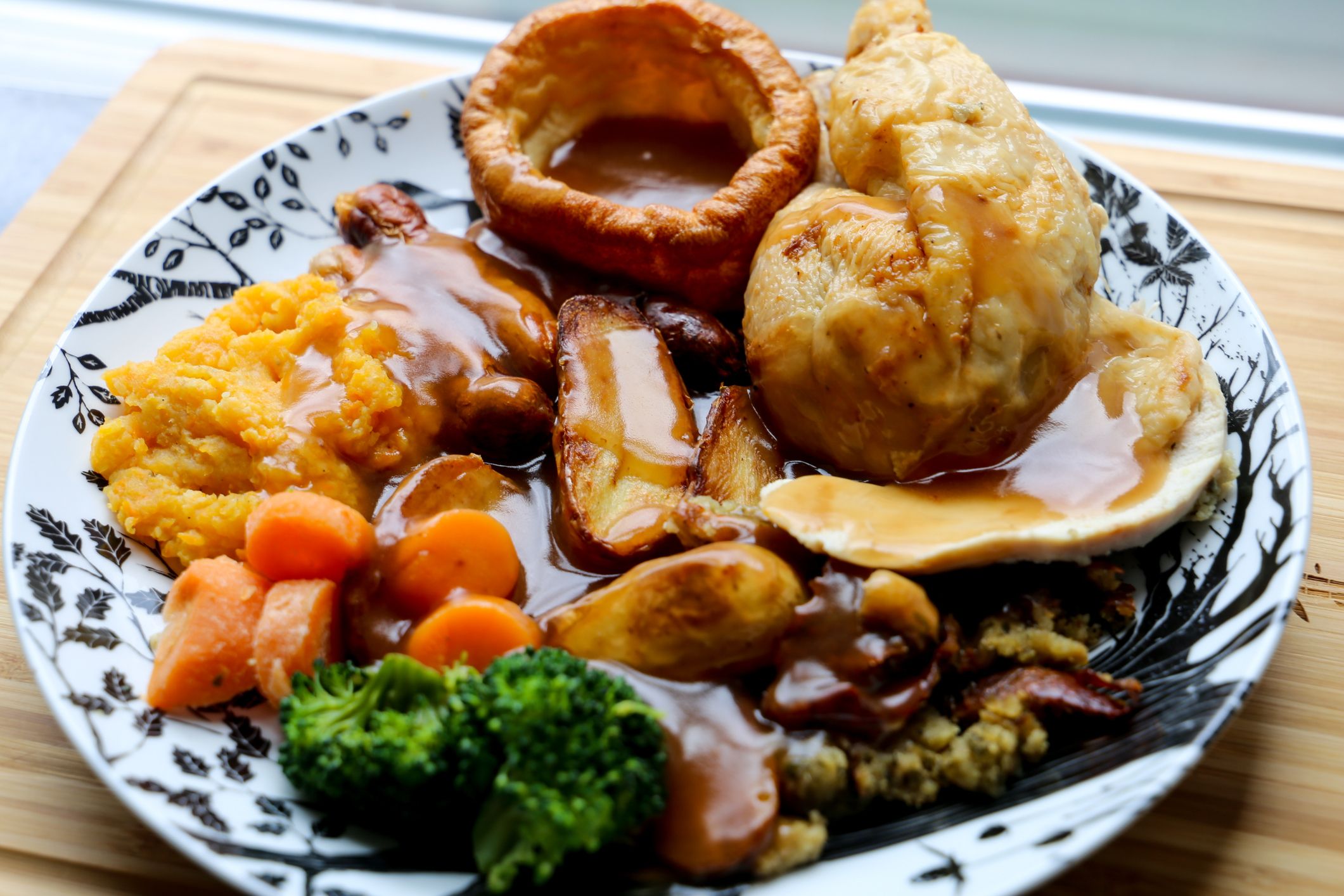
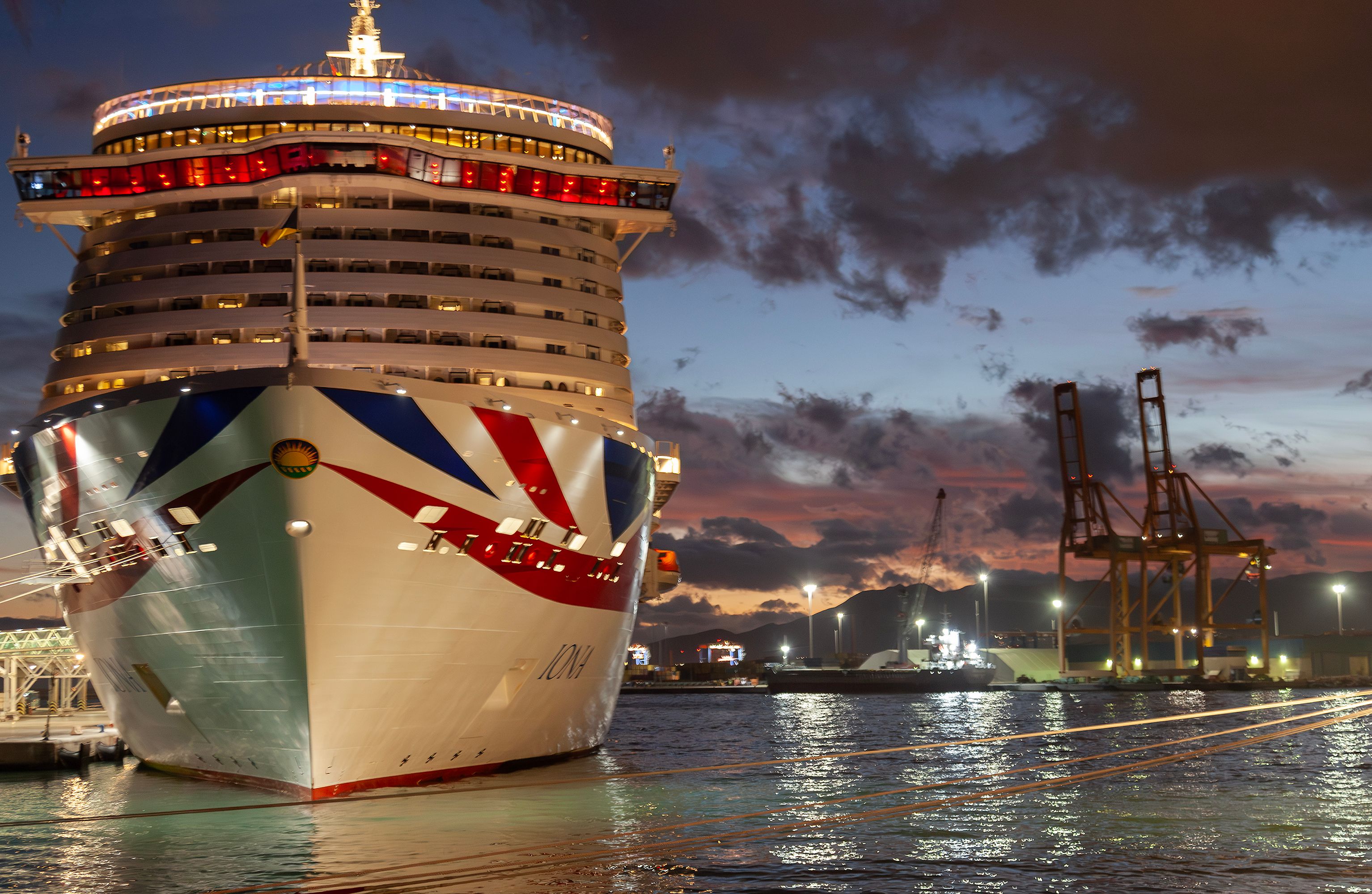
P&O has made huge strides in recent years, especially with food. There are the headline names — like Marco Pierre White and José Pizarro — but also solid buffet options, decent steaks and a smart take on gastropub fare (The Keel & Cow is better than the name suggests).
It’s not trying to be fine dining, but if you’re after Sunday roasts done well, modern Indian via Sindhu, and desserts that go heavy on the custard, P&O makes a strong case for traditional-with-a-twist.
So, who’s best?
Honestly? It depends what you’re hungry for. If you want boundary-pushing plates, Virgin and Celebrity are out front. For scale and variety, Royal Caribbean does the job. Holland America and Fred. Olsen both offer substance with subtlety. And if it's relaxed, family-friendly comfort you're after, Marella and P&O are very much in the running.
Just one thing’s certain: food is no afterthought at sea. And your next best meal might just be bobbing somewhere off the Amalfi Coast.