Normandy’s D-Day beaches joined the UNESCO World Heritage List in July 2026, recognising six areas across roughly 80 kilometres of coast: Utah, Omaha, Gold, Juno and Sword beaches, plus Pointe du Hoc. The designation also covers surviving defences, battlefield remains, the Mulberry harbour at Arromanches and commemorative landscapes including the Normandy American Cemetery.
For cruise passengers, that 80 kilometres is the important bit. The landing beaches form one World Heritage Site, but they aren’t one attraction. From Le Havre, some of the best-known locations are approaching two hours away.
Trying to see everything in a single port call therefore makes little sense. Decide which part of D-Day you most want to understand, then give it enough time.
What has UNESCO actually listed?
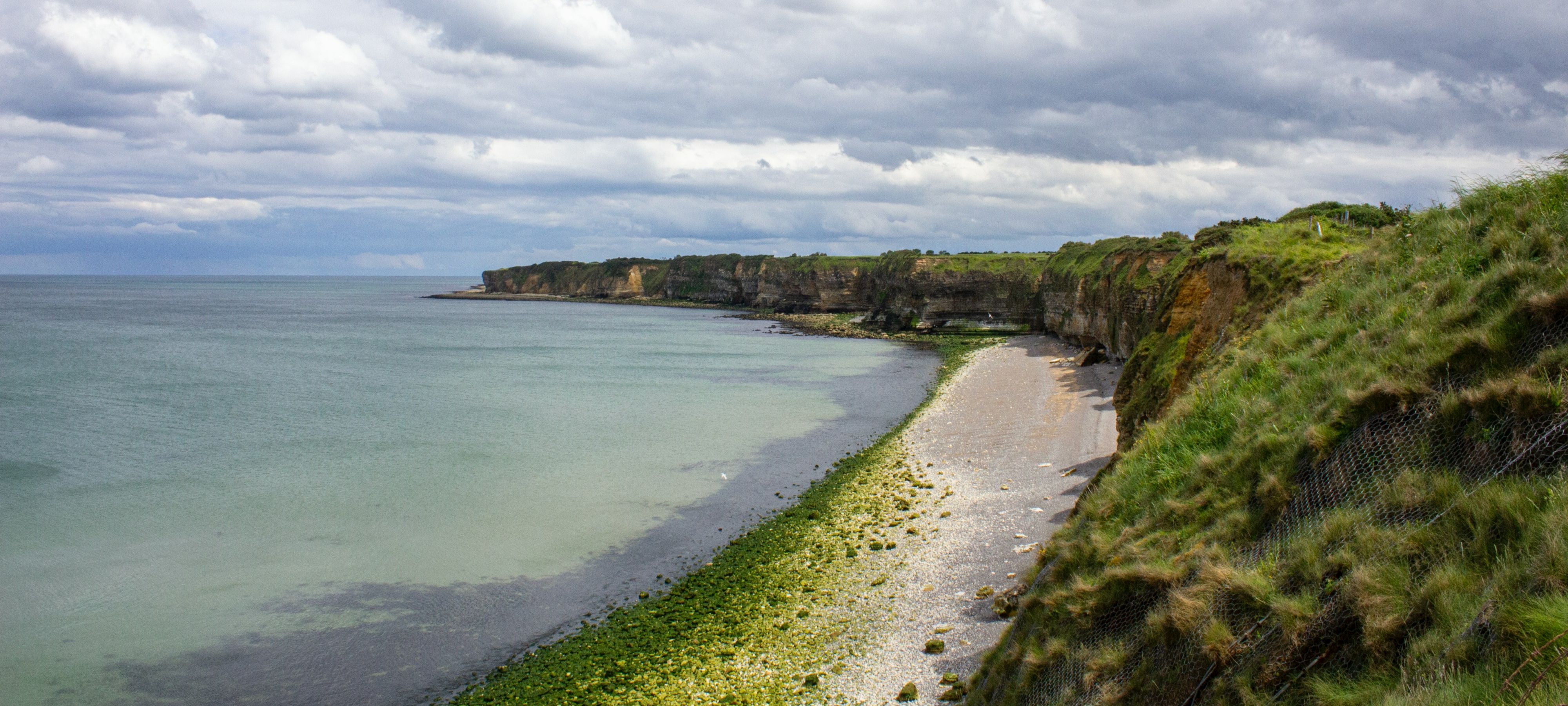
The five landing beaches stretch from Utah in the west to Sword in the east, with Pointe du Hoc between Utah and Omaha. Together they formed the principal coastal assault sites of Operation Neptune on 6 June 1944, the opening phase of Operation Overlord.
UNESCO’s designation goes beyond the sand itself. It encompasses fortifications, battlefield traces, memorials and surviving infrastructure, including the remains of the Mulberry B artificial harbour off Arromanches.
That makes the landscape as important as the museums. On a cruise call, seeing one or two sectors properly is considerably more rewarding than spending the day collecting beach names through a coach window.
Visiting the D-Day beaches from Le Havre
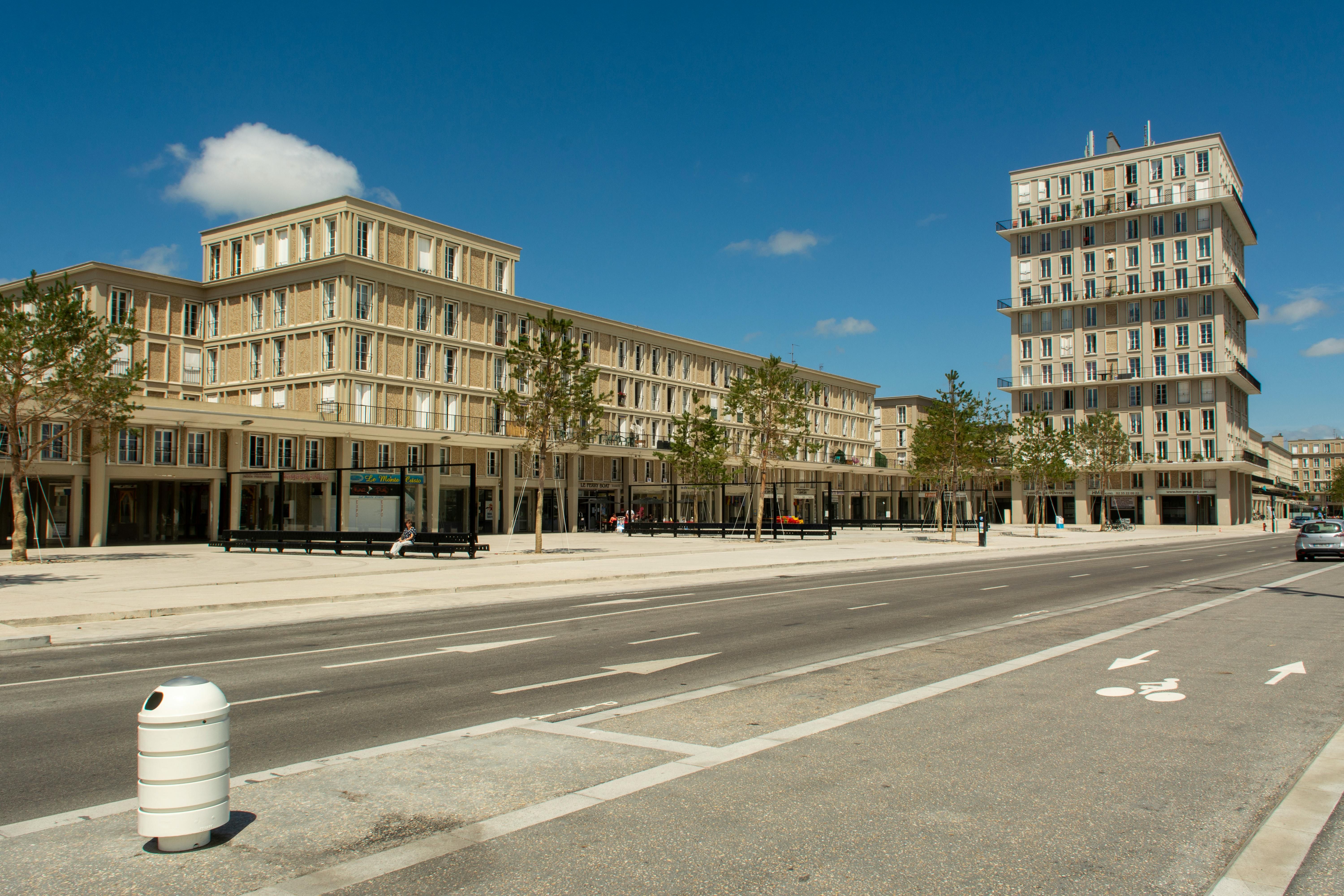
Le Havre is a common cruise port but a fairly inconvenient starting point for D-Day sightseeing.
The Juno Beach Centre is around 90 minutes away by road in normal conditions, while Omaha is roughly one hour 40 minutes. Once traffic, port access and a safe margin for returning to the ship are factored in, an Omaha visit can involve close to four hours simply getting there and back.
This is where an organised excursion earns its keep.
For the American story, concentrate on Omaha Beach, the Normandy American Cemetery and, if timings allow, Pointe du Hoc. For British and Canadian history, Gold and Juno make a more sensible pairing.
Public transport is possible in parts of Normandy, but it’s awkward when your hotel has the inconvenient habit of sailing away without you. From Le Havre, I wouldn’t rely on it for a serious D-Day itinerary.
Visiting the D-Day beaches from Cherbourg
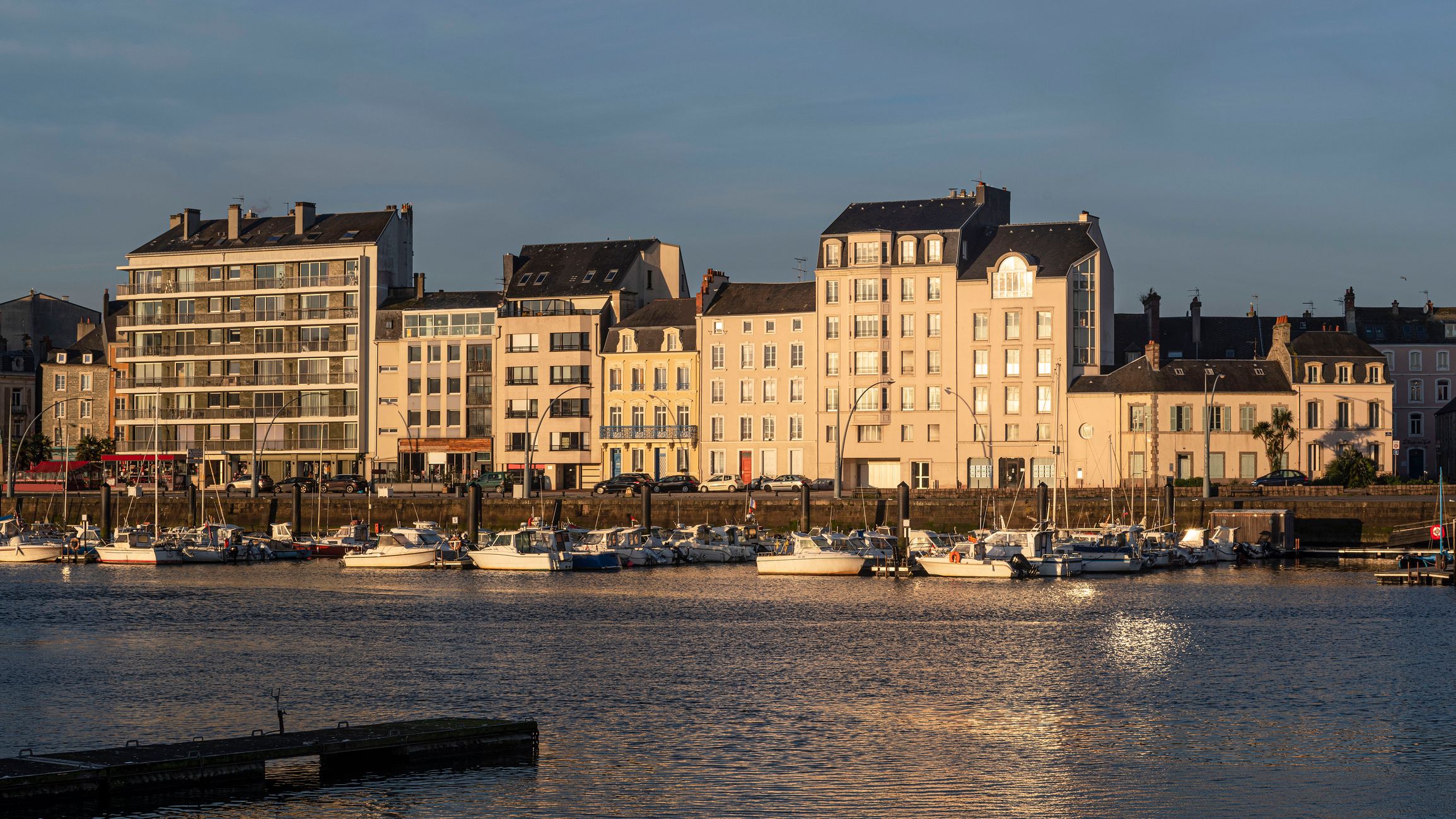
Cherbourg is much better positioned for the western end of the landing area.
Utah Beach is around 40 to 45 minutes away by road, making it the obvious focus of a Cherbourg port call. Omaha is farther east, at roughly an hour away.
A particularly good day combines Utah Beach with Sainte-Mère-Église, where the Airborne Museum tells the story of the American paratroopers dropped across the Cotentin Peninsula before the landings.
With a long call and private transport, Pointe du Hoc could be added. There’s little need to keep pushing east simply because Omaha is the name you recognise first.
Visiting from Caen and Ouistreham
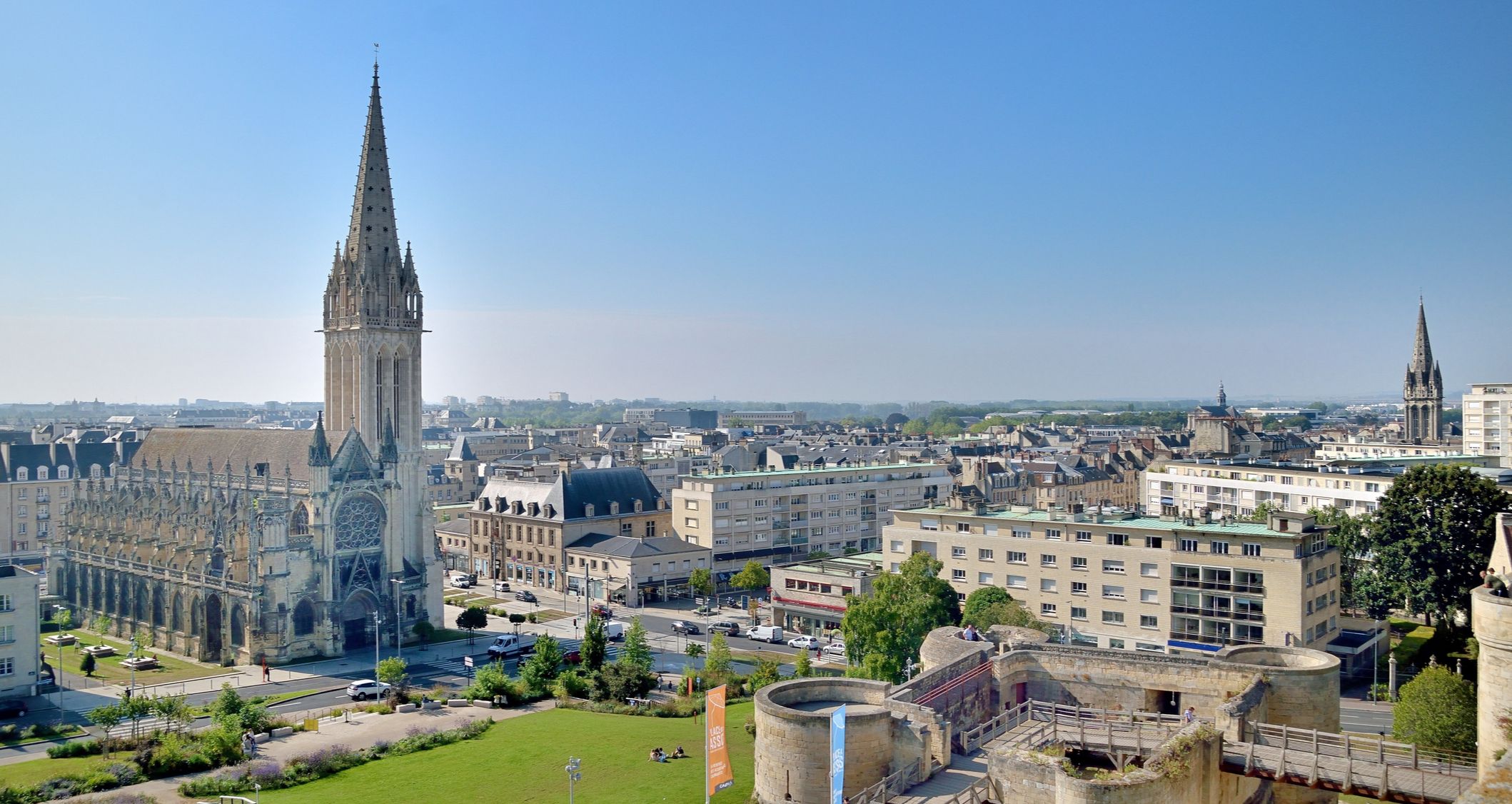
Small ships calling at Caen-Ouistreham have a considerable geographical advantage.
Caen lies close to Sword and Juno, while Pegasus Bridge is also within relatively easy reach. Regional buses connect Caen with Ouistreham and Courseulles-sur-Mer, home of the Juno Beach Centre, making this one of the few cruise calls where independent public-transport sightseeing can work reasonably well.
Sword Beach, Pegasus Bridge and Juno fit naturally together here. Utah does not.
Utah Beach: best from Cherbourg
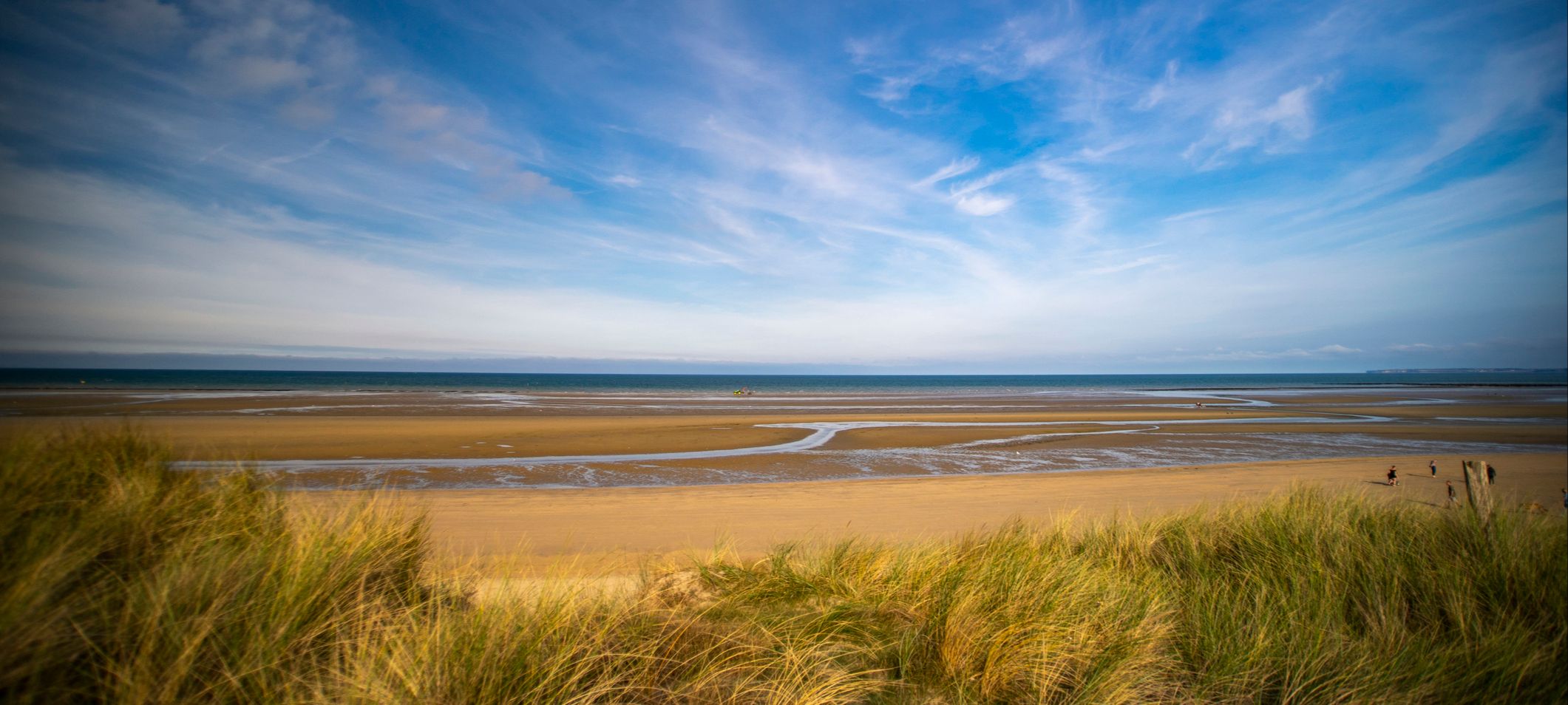
Utah is the westernmost landing beach and the easiest major D-Day site to reach from Cherbourg.
The Utah Beach Landing Museum stands directly beside the landing area and follows events from German defences and Allied planning through to the fighting ashore. Its collection includes an original B-26 Marauder.
The location is its great strength. You can leave the museum and walk directly onto the beach rather than requiring another transfer to connect the history with the landscape.
Sainte-Mère-Église is the obvious companion stop, particularly if you’re interested in the airborne operations that preceded the landings.
Pointe du Hoc: where the landscape does the explaining
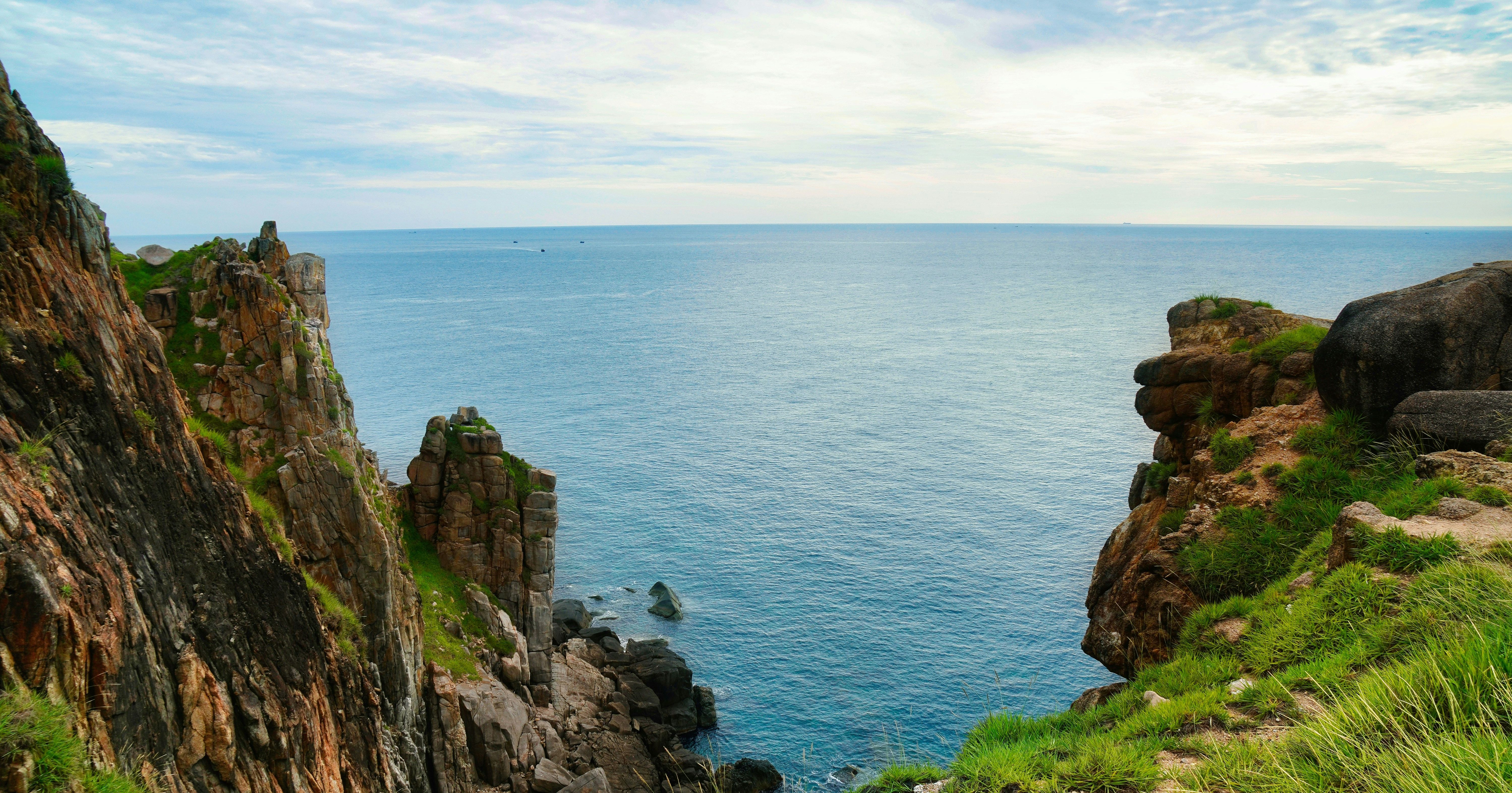
At Pointe du Hoc, US Army Rangers scaled the cliffs on D-Day to attack German artillery positions.
Bunkers and bomb craters remain across the headland, and relatively little imagination is required to understand why the position mattered. It’s one of the places where being outside is more instructive than another hour in front of a display case.
There is one current complication. Restoration work on the Ranger Monument is due to continue into 2027, so check access before travelling.
Pointe du Hoc works particularly well with Omaha. Add too many other sites and the historical tour rapidly becomes a survey of Normandy’s car parks.
Omaha Beach and the Normandy American Cemetery
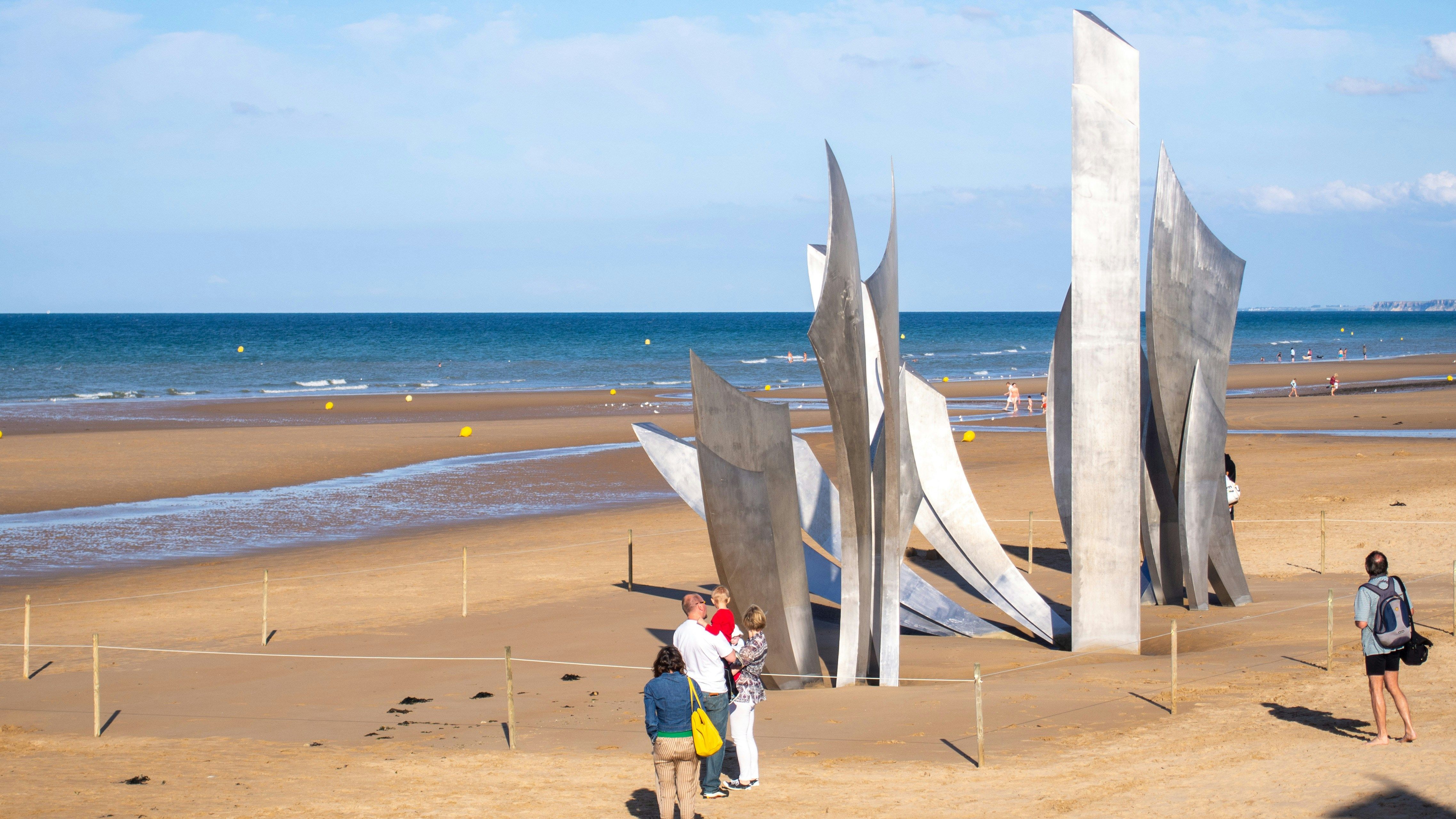
Omaha is the best-known of the five beaches and, for many visitors, the most emotionally demanding.
Above the beach at Colleville-sur-Mer, the Normandy American Cemetery contains 9,389 graves, while the Walls of the Missing record the names of 1,557 missing service personnel. The cemetery and visitor centre are free to enter.
Don’t rush it. The headstones are instantly familiar from photographs, but their scale only becomes apparent once you’re among them.
It’s also worth knowing that the path that once linked the cemetery directly with Omaha Beach has been closed since 2016. The cemetery and beach therefore require separate road access.
Nearby, the Overlord Museum is particularly strong on military vehicles, equipment and the wider campaign.
Gold Beach and Arromanches
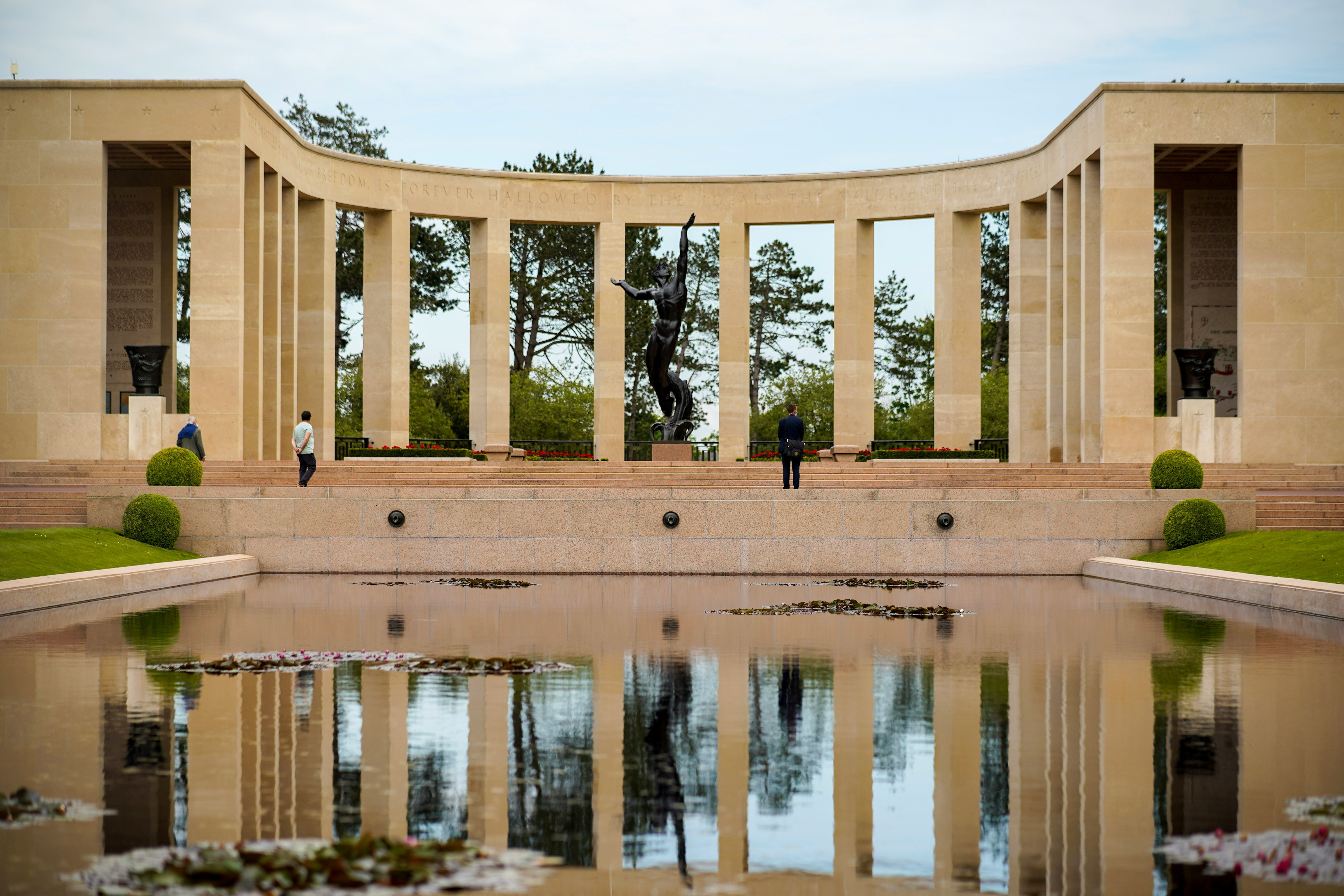
Gold Beach offers a different perspective, particularly at Arromanches.
Offshore, parts of the Mulberry B artificial harbour remain visible. Built to allow Allied supplies and equipment to come ashore before a major port had been captured, its surviving structures are specifically recognised within the UNESCO site.
The Musée du Débarquement on the seafront explains how the harbour was designed, assembled and operated. The museum was completely rebuilt and reopened in 2023.
Arromanches is also compact enough to allow something many full-day battlefield tours neglect entirely: lunch.
Juno Beach for the Canadian story
Canadian forces came ashore at Juno around Courseulles-sur-Mer.
The Juno Beach Centre covers both the landings and Canada’s wider experience of the Second World War. Guided visits of Juno Park also take in surviving German defensive positions, allowing the museum and battlefield landscape to be seen together.
Allow around two hours. From Le Havre, the drive is approximately 90 minutes each way, so Juno is best treated as the centre of the day rather than a stop en route to somewhere else.
Sword Beach and Pegasus Bridge
Sword was the easternmost landing beach and is particularly convenient from Caen-Ouistreham.
For British visitors, Pegasus Bridge provides useful additional context. British airborne troops captured crossings over the Caen Canal and River Orne during the opening hours of D-Day, and the nearby Pegasus Memorial tells the story through artefacts, vehicles and the original historic bridge.
Sword and Pegasus make a far more logical excursion from Caen than dutifully driving west to Omaha simply because it’s more famous.
Which D-Day museum should you choose?
There are enough museums in Normandy to occupy considerably more time than any cruise line is likely to give you.
Choose according to the area you’re visiting. Utah Beach Landing Museum gives a strong overview of the American landings; the Overlord Museum near Omaha is strongest on equipment and vehicles; Arromanches concentrates on the Mulberry harbour; Juno Beach Centre provides the Canadian perspective; and Pegasus Memorial covers British airborne operations.
The Caen Memorial offers much broader context, but Normandy Tourism suggests allowing around four hours. That makes it better suited to a dedicated visit than a day in which you also want to see several beaches.
Which Normandy war cemetery should you visit?
The Normandy American Cemetery is the natural choice alongside Omaha.
For the British and Commonwealth story, Bayeux War Cemetery contains more than 4,100 Commonwealth burials, while the neighbouring Bayeux Memorial records more than 1,800 personnel with no known grave.
La Cambe, near Omaha, is Normandy’s largest German military cemetery, containing 21,245 graves.
One cemetery visited slowly is enough. These aren’t places where completing the set adds much.
Should you book a cruise-line excursion?
From Le Havre or Honfleur, probably.
The distances are significant, the major sites are scattered and public transport doesn’t sit particularly comfortably with a fixed sailing time. A ship excursion removes much of that risk.
A specialist private guide can be a better choice if you have a particular interest, perhaps a relative’s regiment, the Canadian landings or one specific airborne unit. You can tailor the day instead of accepting whichever six stops happen to fit neatly into a coach itinerary.
From Cherbourg, hiring a car or private driver for Utah and Sainte-Mère-Église is quite practical. From Caen-Ouistreham, independent visits to Sword, Pegasus Bridge or Juno are also realistic, provided you check transport times carefully.
Visiting the D-Day beaches respectfully
These are working coastal communities as well as historic sites. People walk dogs on the beaches, families swim and cafés face places once covered by defences.
Allow time outside the museums. Walk along the sand. Look back towards the bluffs at Omaha, out towards the Mulberry harbour from Arromanches or across the cratered ground at Pointe du Hoc.
UNESCO status hasn’t suddenly made these places more important. It has formally recognised what a rushed shore excursion can easily overlook: the landscape itself is part of the history.
From a cruise ship, you can’t understand all of it in a day.
Choose the part that matters to you, and give it the time it deserves.