
There is a version of Japan that involves sprinting between shrines, mastering three subway maps at once and pretending you have always known how to eat natto. The Seto Inland Sea is not that version. Here, ships slide rather than sprint, islands drift past like punctuation marks and the main logistical question is whether you have time for another bowl of noodles before sailaway.
As Western Japan edges higher up cruise planners’ wishlists, more small ships are threading their way through this inland sea between Honshu, Shikoku and Kyushu, sometimes grandly described as “Japan’s Mediterranean.” With more than seven hundred islands, a mild climate and long stretches of calm water, it is not a ridiculous comparison.
What makes the region interesting, though, is not the scenery alone. It is the way art museums, noodle shops, architectural experiments and little working ports all share the same water.
Naoshima: where the ferry timetable is part of the exhibition

If you have ever seen a photo of a yellow polka-dot pumpkin against a hazy blue horizon, you have already met Naoshima. Once a fairly ordinary island in Kagawa Prefecture, it has been remade over three decades as the Benesse Art Site, a tangle of museums, outdoor works and quietly theatrical architecture.
The headline acts sit in buildings by Tadao Ando, who seems to collect commissions here the way some people collect fridge magnets. Chichu Art Museum is dug into a hillside so the building barely shows above ground, yet inside you get Monet waterlilies, James Turrell light pieces and a concrete geometry that makes you suspicious that the walls are judging your outfit.
Benesse House is half museum, half hotel, with installations in corridors and on terraces overlooking the sea. A newer Naoshima New Museum of Art has joined the family, this time focusing on contemporary Asian work and edging closer to the island’s main village with dark plaster walls that echo local houses.
Cruise ships cannot pile into Naoshima the way they do into, say, Santorini. Access is usually via a short hop on the local ferries from ports such as Uno or Takamatsu, or occasionally on organised tenders from small expedition ships. On a typical call you might have time for one major museum, a wander through the village and a few outdoor works, which is where the region rewards restraint. You pick one or two things, see them properly and save the rest as an excuse to come back.
Teshima and the art islands: architecture, rice terraces and a slow boat back
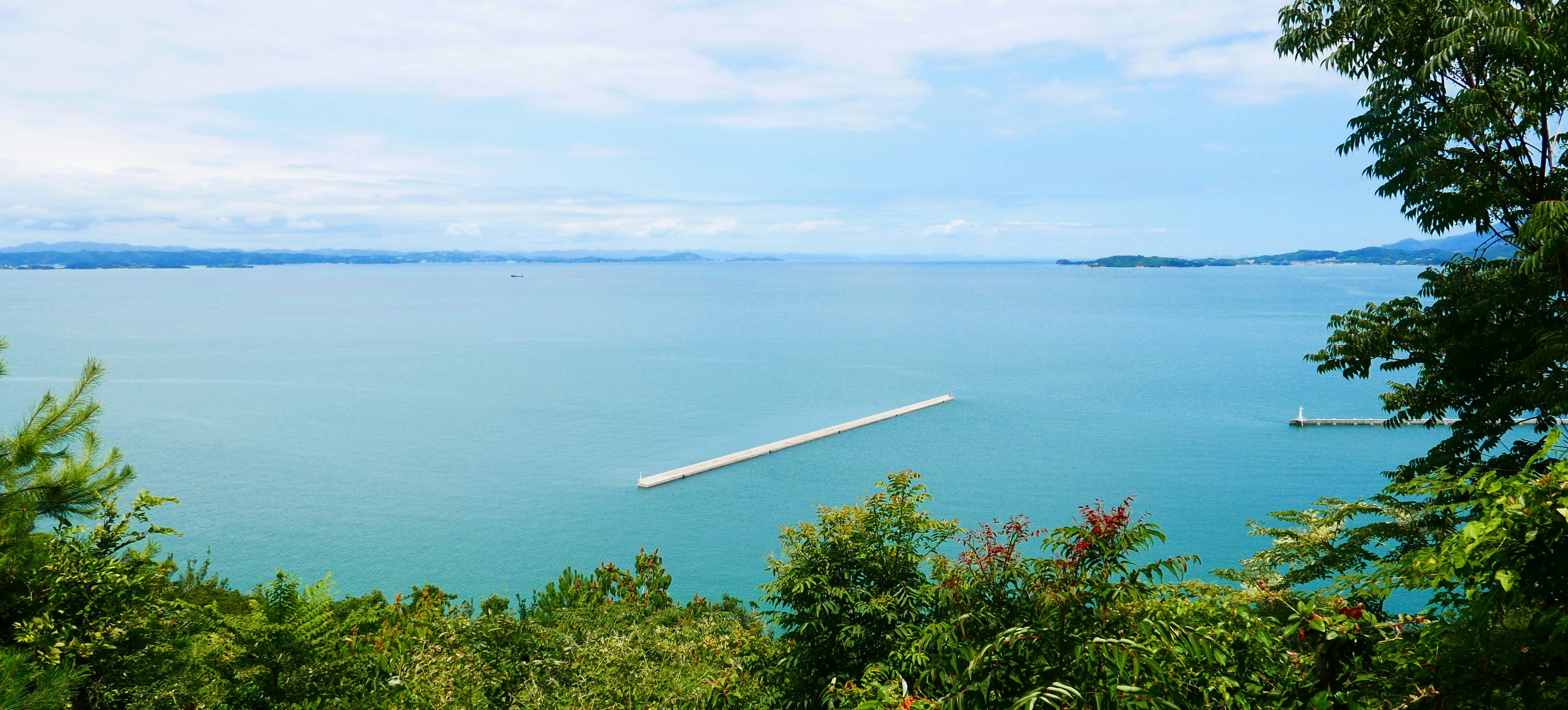
Naoshima is not the only island that has swapped cargo for culture. Teshima, a short sail away, has its own quietly astonishing Teshima Art Museum, a droplet-shaped concrete shell by architect Ryue Nishizawa with a single artwork inside by Rei Naito. The whole building behaves like a controlled weather system, with water beads moving across the floor while you sit there trying not to whisper “wow” too loudly.
On neighbouring islets you find more pieces from the same Benesse constellation and, increasingly, small community projects in old houses and schools. None of it is designed for a tick-box cruise excursion. Ferries have their own rhythms, opening hours can be eccentric and quite a lot of the experience involves just walking between things, listening to the cicadas and wondering how many shades of blue one sea can manage.
For art fans, this is the appeal. You are not being marched through a single blockbuster gallery. You are spending a day in a landscape that happens to contain museums.
Takamatsu: udon, gardens and a port that does not terrify first-timers
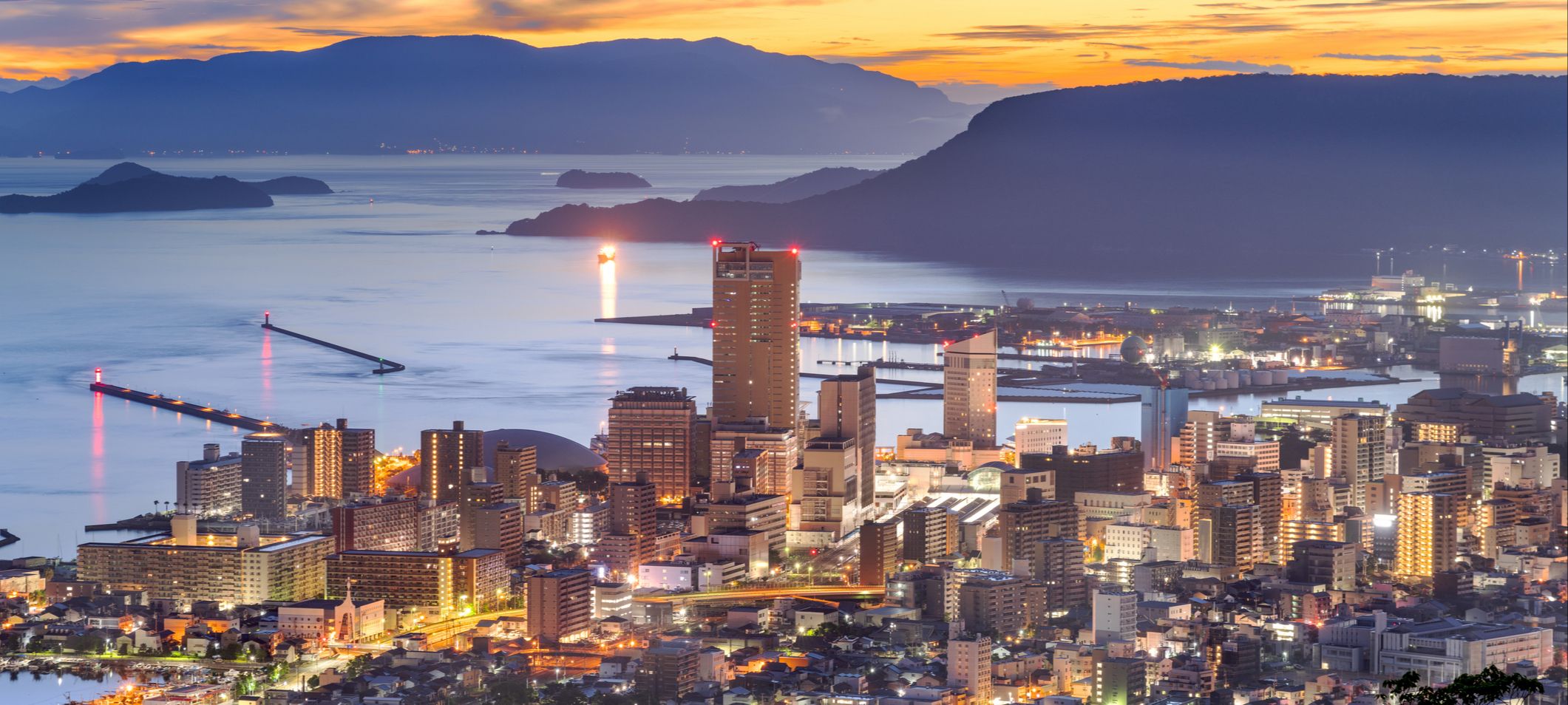
On many itineraries, Takamatsu is the practical gateway to all this. The city sits on Shikoku’s north coast, looking across to the main island of Honshu, and serves as both a cruise port and the ferry hub for Naoshima, Teshima and friends.
Kagawa Prefecture calls itself Japan’s “udon prefecture”, which is a level of civic confidence most places can only dream of. Takamatsu backs that up with a remarkable density of noodle shops where locals slurp thick Sanuki udon for breakfast and office workers treat a quick bowl as a legitimate lunch break, not a guilty snack.
If you want one easy win on a short call, head for Ritsurin Garden, a vast strolling garden complete with ponds, footbridges and the occasional boat slowly punting past manicured pines. You can then reward yourself with a self-consciously “research-led” udon stop back in town. Takamatsu is small enough that all of this is doable on your own from the ship, which is why so many reviewers point out how relaxed it feels compared with tackling Tokyo on a tight deadline.
Small harbours, big personality
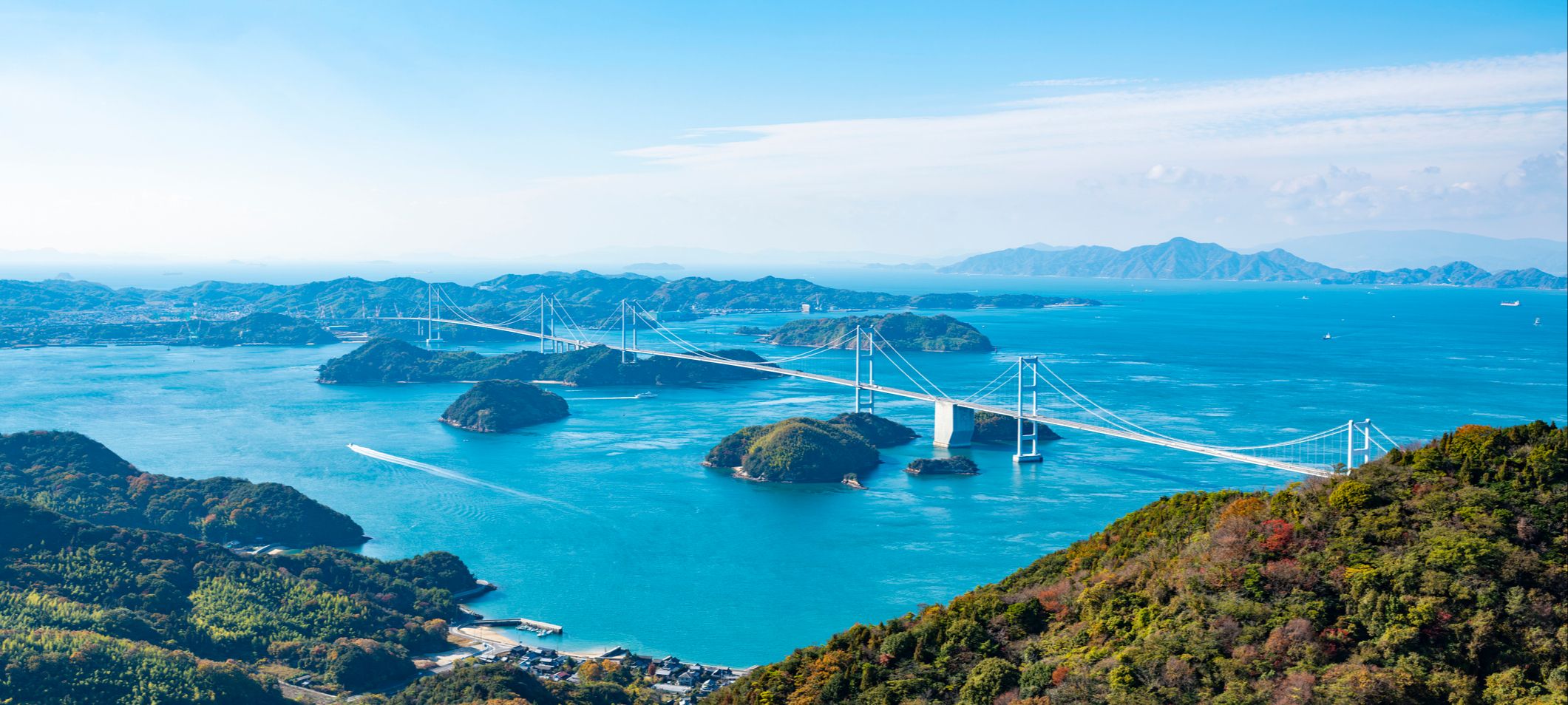
Once you start looking at Seto Inland Sea itineraries, a certain pattern appears. The big international names add one or two calls between the more familiar ports. Ponant’s expedition ships, for instance, have been running eight-day itineraries through the sea between Osaka and Fukuoka, calling at smaller ports and marketing it as a way into the “oldest sea route in Japan.”
Windstar has trailed a Destination Discovery day here from 2027, including a visit to Tomonoura, a fishing town whose harbour edges look suspiciously like a ready-made film set. Seabourn sells “scenic cruising” days in the Inland Sea itself as a highlight, treating the slow passage between islands as an experience rather than a gap between stops.
Alongside those, there is a parallel universe of much smaller Japanese ships and charters. Guntû, frequently described as a floating ryokan, carries just nineteen suites and spends three or four days pottering between anchorages, with kaiseki dinners and cypress baths instead of theatre shows. In Takamatsu you can charter little cruiser boats for bespoke Seto island circuits if you want to play your own captain, minus the stress of the actual navigation.
On paper, some of these ports look almost comically low-key. In reality that is the point. You are swapping a single “iconic sight” for a string of small impressions: a bakery that sells citrus tarts using local fruit, a Shinto shrine barely introduced in English, a hillside dotted with ordinary houses and the occasional showpiece building by a star architect.
Why this region belongs to art and food people
If you travel mainly to conquer capital cities and add major museums to a mental leaderboard, the Seto Inland Sea may feel like an odd detour. It has no Tokyo, no Kyoto, no single must-see temple towering above the rest.
What it does have is repetition with variation. Ferry jetties. Little tiled-roof villages. Occasional industrial stretches that remind you Japan still makes things. Then, tucked into that everyday background, a Chichu or a Teshima Art Museum, a Tadao Ando angle, a udon counter where the person next to you is clearly on their lunch break rather than their dream trip.
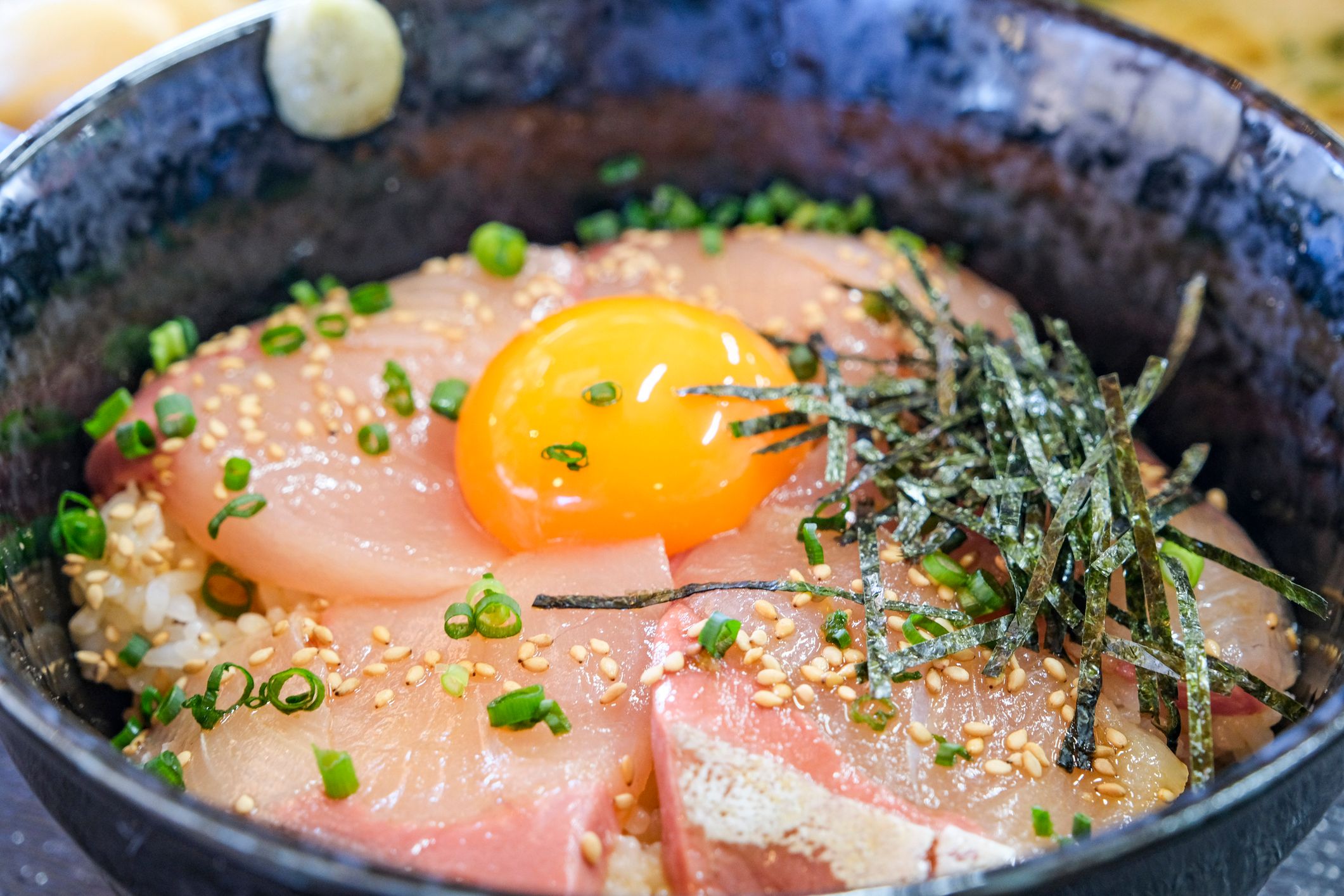
For art lovers, there is the appeal of seeing work in situ, shaped by landscape rather than by white cubes. For food-minded travellers, there are the small regional details: Kagawa’s noodles, Setouchi citrus, sea bream pulled from waters you can actually see from the ship, rather than a generic “international menu.”
Checklist sightseers will still find things to tick. They will just discover, possibly to their unease, that some of the best moments are the in-between bits.
Who is actually sailing the Seto Inland Sea
The practical question is how you get yourself onto the water in the first place. Internationally, this is still small-ship territory. Luxury and expedition lines such as Ponant and others have been the early adopters, building Inland Sea loops into broader Japan programmes.
A handful of larger lines include Inland Sea passages or calls at Takamatsu and neighbouring ports within wider Japan or Asia itineraries, often marketing them as the “scenic” bit between better-known cities. At the more local end of the spectrum, there are Japanese domestic cruises and charters that never make it onto glossy UK brochures at all, which is where a good specialist agent earns their keep.
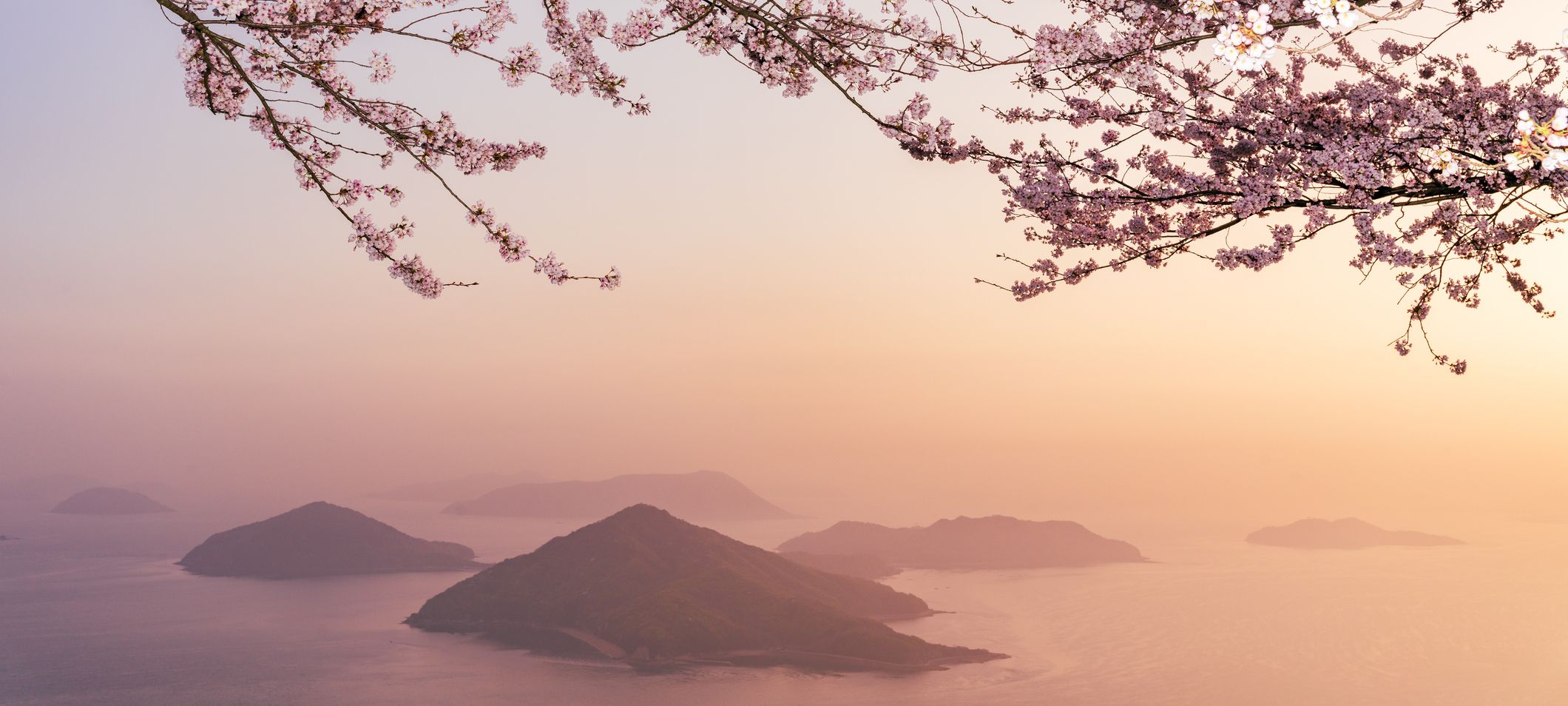
However you arrive, the rhythm is the same. Mornings where the horizon is a rolling line of islands. Afternoons spent choosing between another museum or another bowl of noodles. Evenings where you remember, slightly smugly, that the sea can be calm and interesting at the same time.
If Japan’s big cities are the headline act, the Seto Inland Sea is the late-night side project where musicians can take their time, try new things and see who turns up. For art fans and food people, that is exactly where you want to be.