A river cruise has one fairly obvious requirement: water. Unfortunately, it can be surprisingly particular about how much.
Too little, and the ship risks running aground. Too much, and it might no longer fit beneath the bridges. Either can bring a carefully planned journey along the Rhine or Danube to an abrupt halt, leaving passengers facing an unexpected coach transfer, a change of vessel or, occasionally, a cancelled holiday.
And after an exceptionally dry autumn across parts of Europe in 2026, it's a problem some river cruise passengers have encountered rather more intimately than they'd hoped.
Why can high water levels stop river cruises?
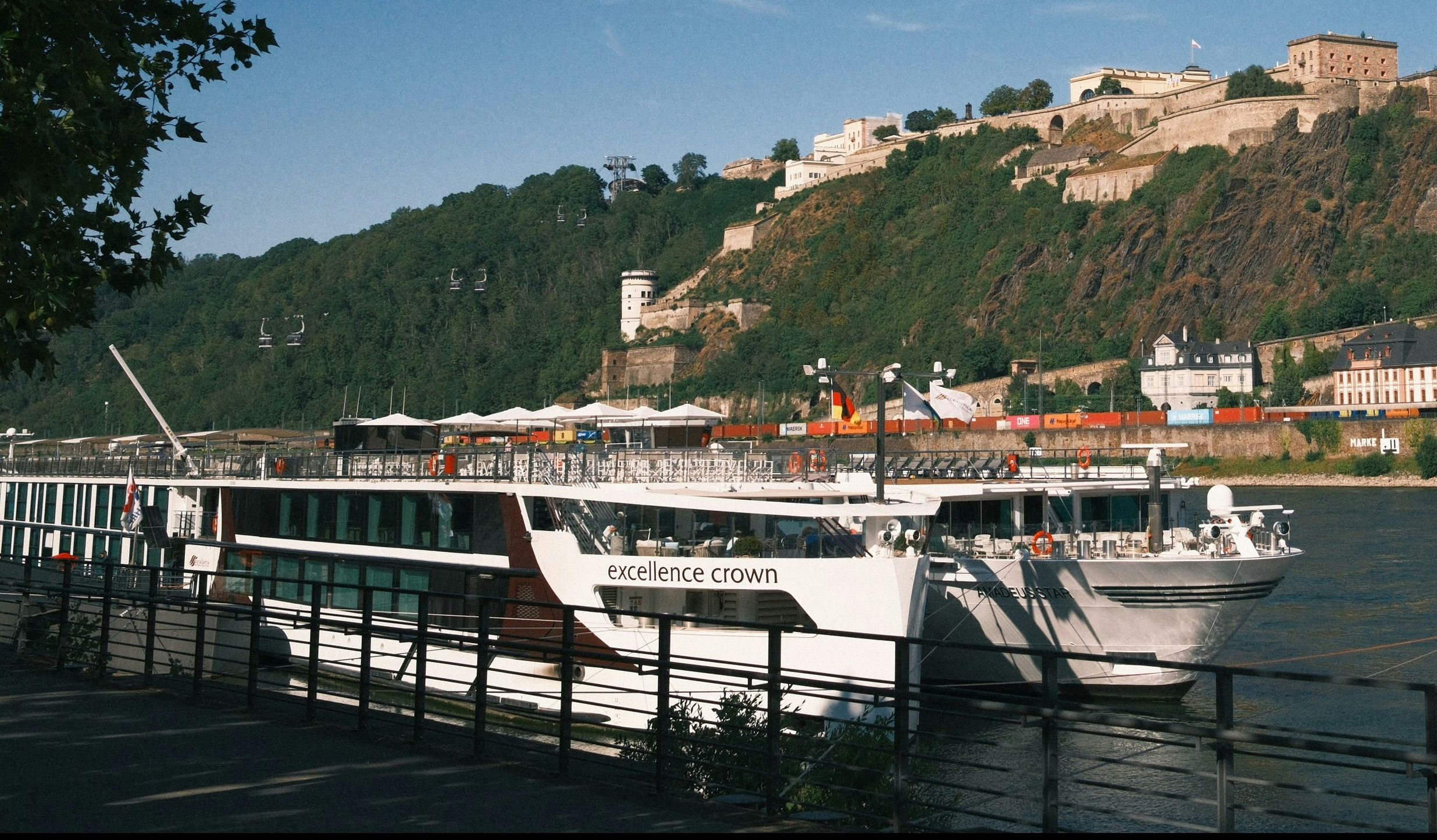
You might reasonably assume that more water would be good news for a boat. Unfortunately, Europe's rivers are full of bridges.
River cruise ships are designed to squeeze beneath them, often with retractable wheelhouses, collapsible railings and sun-deck furniture that can be lowered. But when heavy rain or melting snow causes a river to rise, the clearance beneath those bridges shrinks. Eventually, even the most accommodating ship simply won't fit.
Fast-flowing water brings other problems. Strong currents can make manoeuvring dangerous, floodwater can submerge landing stages, and authorities may suspend navigation altogether.
On the Rhine, for example, river traffic must stop once the water reaches specified high-water thresholds, according to the Central Commission for the Navigation of the Rhine (CCNR).
In June 2024, severe flooding on the Danube forced the evacuation of more than 140 passengers from TUI River Cruises' TUI Isla near Deggendorf in Germany. The operator subsequently cancelled the ship's next sailing.
It's an unfortunate turn of events when the vessel you've booked to transport you across Europe becomes the thing you need transporting away from.
How do low water levels affect river cruises?
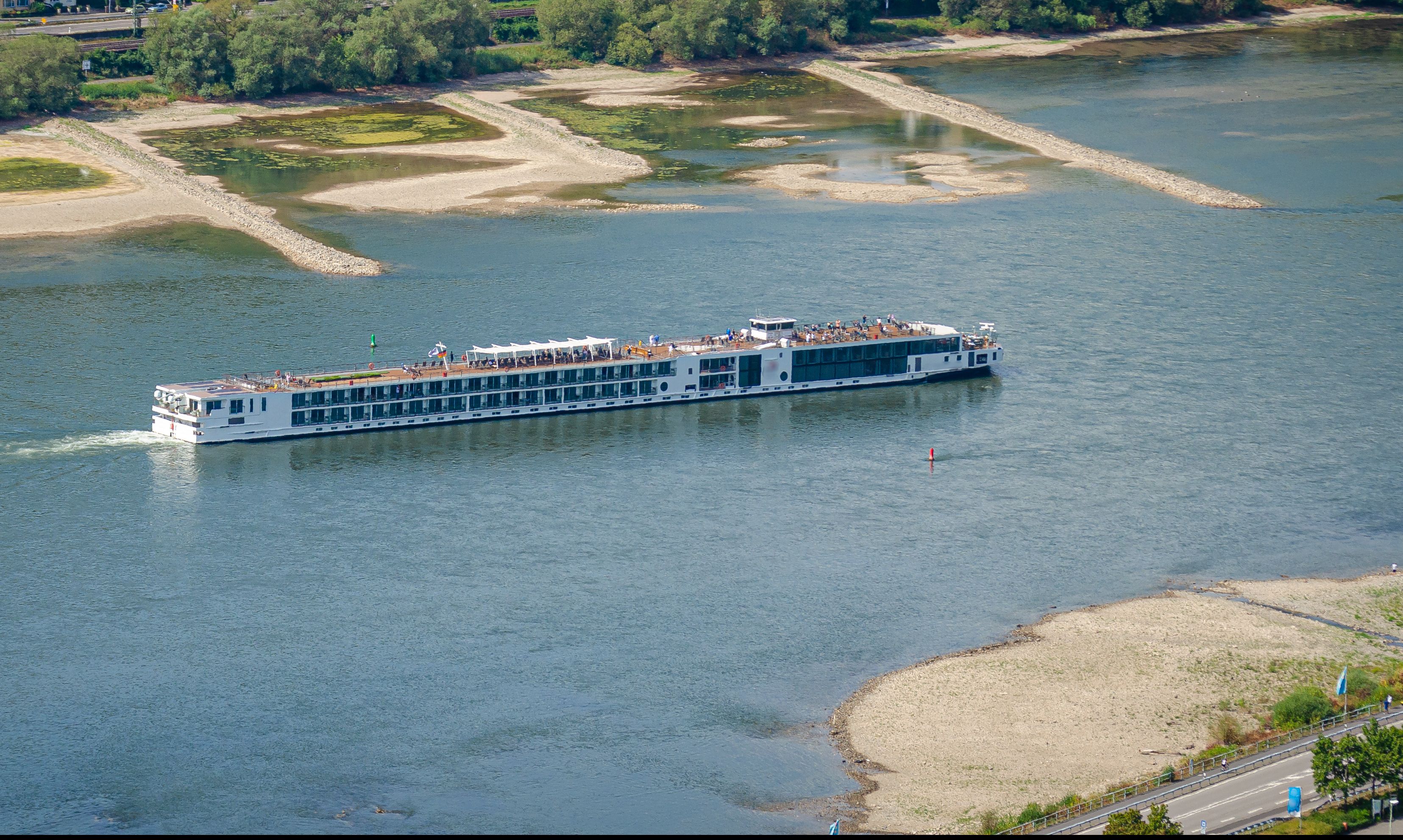
Drought presents precisely the opposite problem.
Every ship has a draught, the distance between its waterline and the bottom of its hull. If a river becomes too shallow, the vessel can no longer navigate safely.
Certain stretches are particularly vulnerable. The Rhine around Kaub in Germany is a notorious bottleneck, while sections of the Danube and Elbe can also become difficult to navigate during prolonged dry spells.
Interestingly, the CCNR says there's no universal low-water threshold at which navigation on the Rhine is prohibited. Instead, captains must decide whether their particular vessel can safely pass.
That explains why two cruise ships following similar itineraries might have completely different experiences.
The problem has been particularly pronounced in autumn 2026. On 20 October, Scenic and Emerald Cruises reported that unusually low water levels were affecting stretches of the Rhine, Main and Danube, including the Danube between Vienna and Budapest.
Passengers on potentially affected departures through 25 November were warned to expect possible itinerary changes and alternative arrangements.
Riviera Travel also cancelled two Danube departures scheduled for 14 and 16 October, demonstrating that outright cancellation, while comparatively unusual, is a genuine possibility.
What happens if your river cruise can't sail?
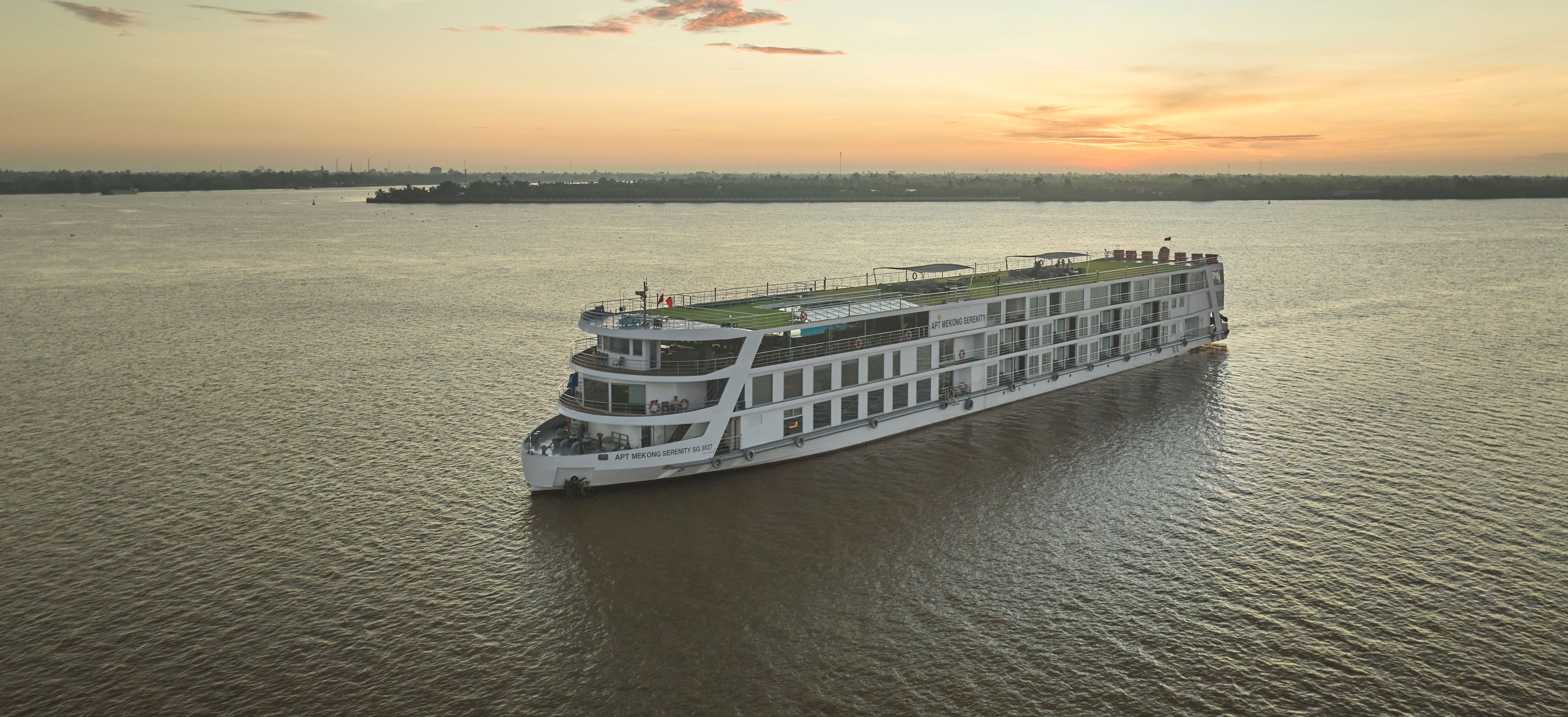
Cruise companies generally try to preserve as much of the holiday as possible.
Sometimes this means remaining moored in one town while passengers visit their intended destinations by coach. It might involve changing the order of excursions, missing a port or spending a night in a hotel.
Other operators have a cleverer solution: the ship swap.
Companies such as Viking position identical vessels travelling in opposite directions along the same river. If a shallow stretch becomes impassable, passengers can travel around it by coach and board the sister ship on the other side.
In some cases, they can even move into exactly the same cabin number, with their luggage transferred for them.
It's an impressive logistical operation, although perhaps a slightly less relaxing interpretation of a seamless river cruise than the brochure suggested.
If alternatives aren't practical, the operator may cancel the voyage or arrange for passengers to return home.
Can you get a refund if river levels disrupt your cruise?

For UK travellers, the answer depends on the circumstances and whether the booking qualifies as a package holiday.
Under the Package Travel and Linked Travel Arrangements Regulations 2018, if an organiser cancels your package before departure, you're generally entitled to a full refund.
If the operator proposes significant changes before departure, you can normally accept the revised arrangements or cancel without paying a termination fee.
Once your holiday has started, the position is more complicated. The organiser must provide suitable alternatives where possible if significant elements of the agreed package can't be delivered. You may also be entitled to an appropriate price reduction if the replacement arrangements are inferior.
Naturally, there's a difference between an occasional coach transfer and discovering that your seven-night river cruise has become a seven-night coach holiday.
Bad weather can affect whether additional compensation is payable, but it doesn't automatically remove your rights to refunds, alternative arrangements or appropriate price reductions.
It's worth asking the operator to explain your options in writing before accepting a substantially altered itinerary.
When is the best time to avoid river cruise disruptions?
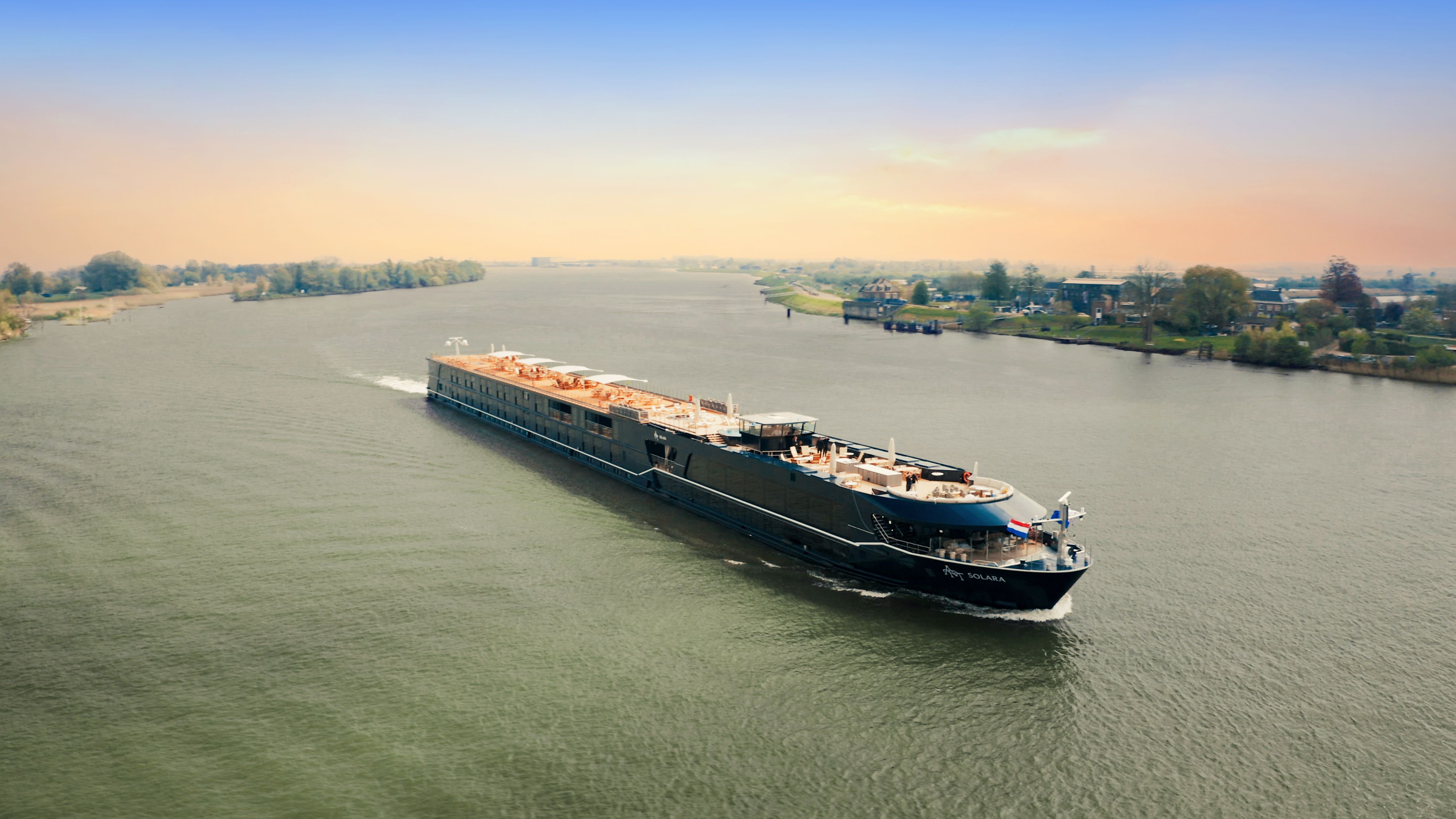
There's no completely reliable answer, unfortunately.
Spring snowmelt and heavy rainfall can cause flooding, while prolonged dry weather increases the risk of low water during summer and autumn. But serious disruption can happen outside those periods, and conditions can change remarkably quickly.
The risk also varies by river, itinerary and ship design.
Before booking, it's worth checking how your operator manages changes in water levels, whether it has alternative ships available and what its cancellation terms actually say.
As your departure approaches, keep an eye on the company's travel updates. If water levels are causing problems, ask whether your specific sailing is affected rather than assuming the entire river is closed.
Most river cruises proceed without major disruption, and operators are well practised at dealing with the occasional uncooperative waterway.
Still, it's worth appreciating the peculiar bargain you're making. You can choose your cabin, your excursions and the wine to accompany dinner. The river, unfortunately, has made no such commitments.