Ocean and river cruises are usually compared using the obvious stuff. One involves oceans, the other rivers. Ocean ships are bigger. River ships are smaller. There will be a photograph of Budapest.
The more interesting differences reveal themselves once you’re actually travelling. On a river cruise, your ship may partially dismantle itself to fit beneath a bridge, leave port while you’re halfway through an excursion or spend the night parked so close to another vessel that your balcony has effectively become a shared office.
None of this makes river cruising better or worse than ocean cruising. It does make switching between the two rather more interesting than exchanging one size of ship for another.
1. River cruise ships can park several ships deep
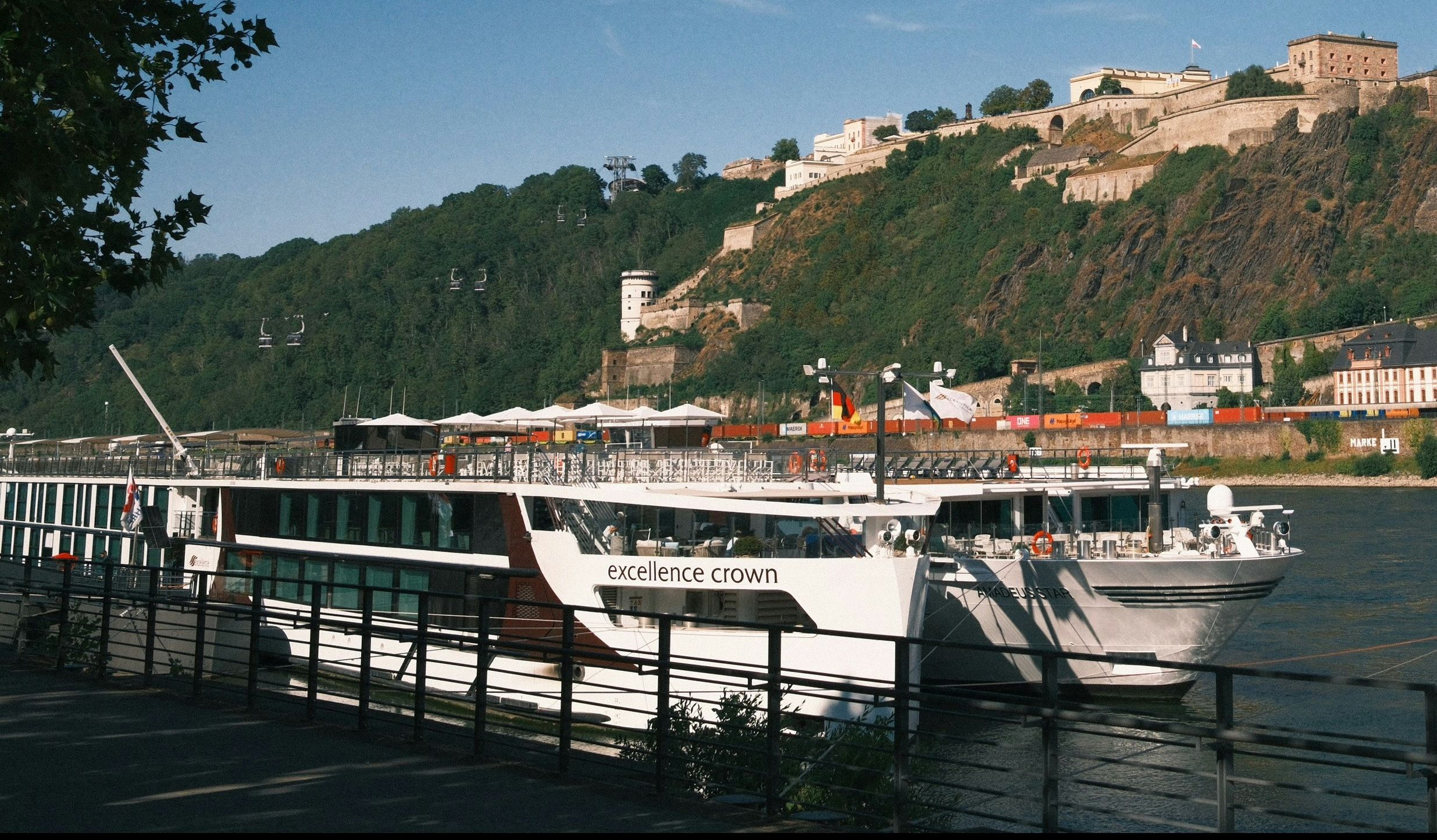
An ocean ship usually gives you a fairly clear idea of where the vessel ends and the port begins. On busy European rivers, the distinction can become more collaborative.
Berths are limited, so river ships regularly “double dock” or raft alongside one another. TUI warns passengers that they may need to walk across the top deck or through the public areas of another ship simply to reach shore. Emerald says the same thing can happen overnight, and advises drawing your curtains if another vessel has pulled up beside you.
This produces one of river cruising’s more memorable first-timer moments. You open the curtains expecting the Rhine and instead discover a German couple six feet away doing exactly the same thing.
It also means there’s little point becoming emotionally attached to the idea of a “better” side of the ship. Today you may have vineyards outside the window. Tomorrow you may have Emerald Destiny.
2. The top of the ship sometimes has to disappear
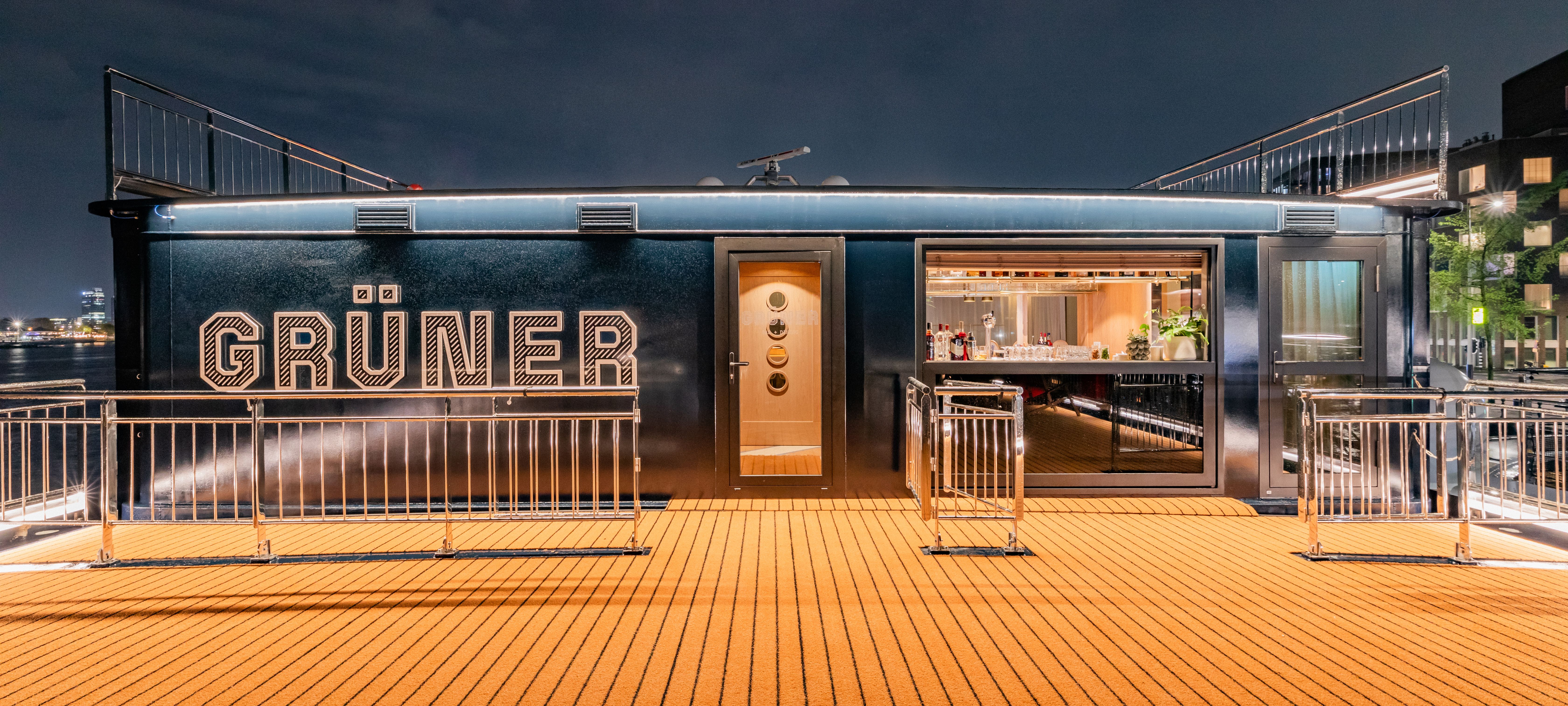
A large ocean ship is designed with the reasonable expectation that the sky will remain above it.
River ships have bridges to contend with.
To get beneath particularly low ones, parts of the upper deck may be folded away, railings lowered and even the wheelhouse mechanically dropped into the ship. TUI tells passengers its top decks can be collapsed for low bridges, while Avalon specifically designed the forward section of its Sky Deck lower so more of it can remain accessible beneath bridges.
Sometimes passengers are simply banned from the Sun Deck until the obstacle has passed. APT says closures can amount to an average of four to six days on some 15-day cruises, depending on the route and conditions.
There’s something reassuringly practical about watching the captain’s workplace descend into the roof because medieval bridge builders failed to anticipate your holiday.
3. Bad river conditions can result in you changing ships
Ocean cruisers tend to think about weather in terms of swell, storms and whether a particular patch of Atlantic is about to rearrange the contents of the bathroom.
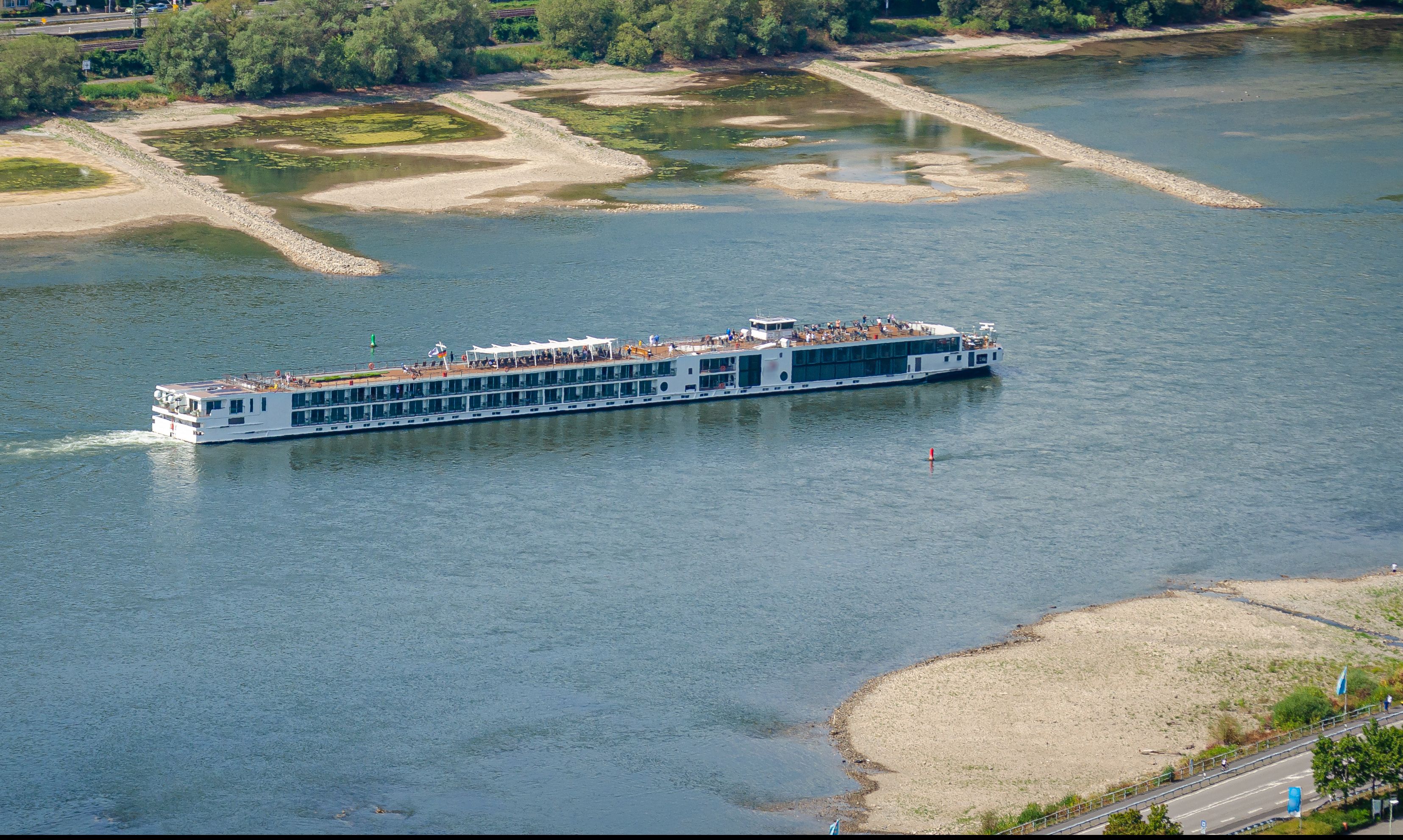
On rivers, the crucial question may simply be: how much water is there?
Too little and the ship may not have enough clearance beneath the hull. Too much and it can become impossible to pass safely under bridges or through parts of the waterway. This isn’t theoretical. As of late September 2026, Viking was warning that unusually low levels on sections of the Danube, Elbe and Rhine could require itinerary changes.
The particularly river-cruise solution is a “ship swap”. Viking operates identical sister ships travelling in opposite directions, so when a stretch becomes unnavigable, guests can sometimes leave one vessel, travel around the affected section by land and board its near-identical sibling on the other side, often into the same cabin number.
You go out for the day on one ship and return to another ship which has been arranged to look exactly like the first.
Try explaining that after two glasses of wine.
4. The river decides what shape your ship is
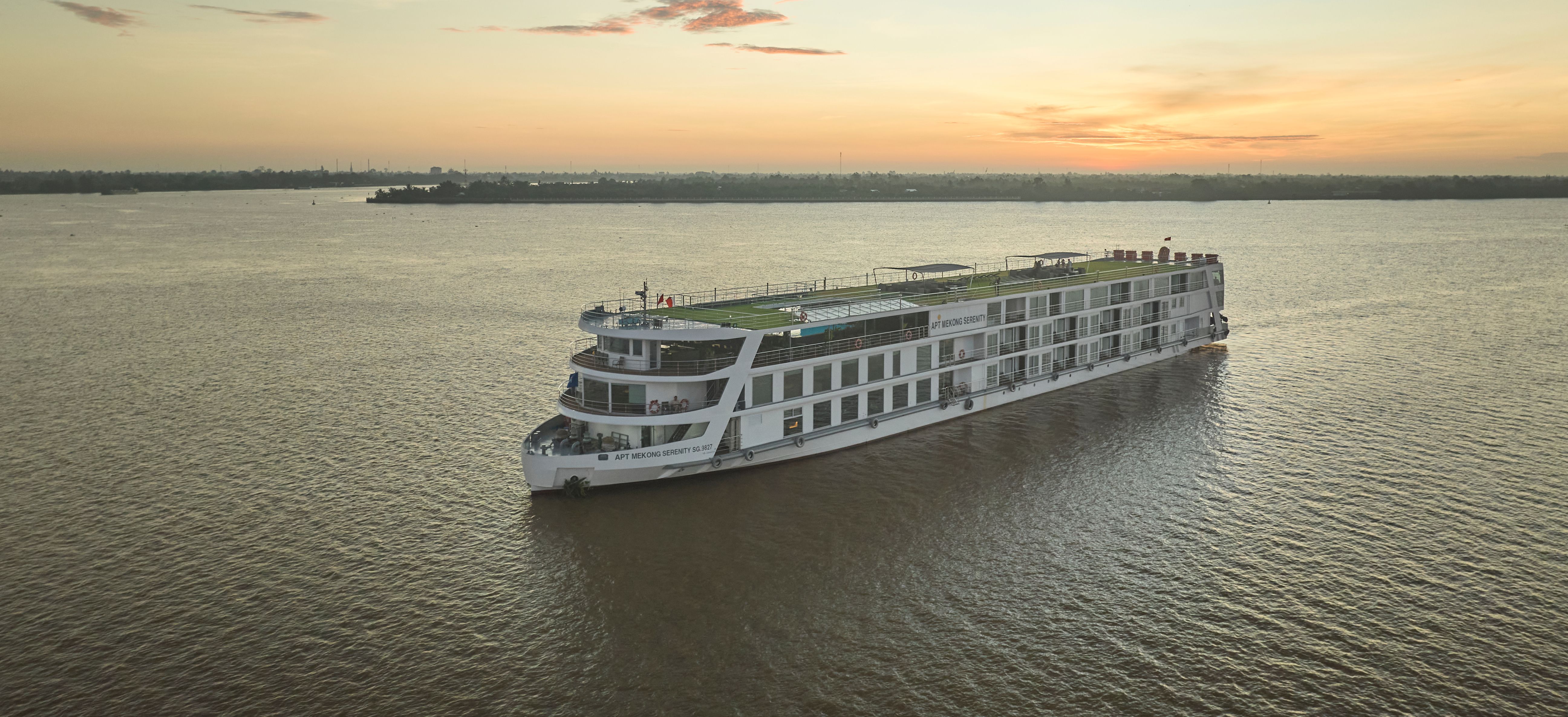
Ocean cruise designers have a fairly large canvas. Hence climbing walls, waterparks, multi-storey atriums and, increasingly, things dangling off the side of ships for reasons nobody in 1998 could have predicted.
European river ships are much more constrained. They have to fit through locks, beneath bridges and along waterways that were not designed around the possibility that somebody might eventually want four speciality restaurants.
That’s why so many European river vessels share the same long, low proportions. AmaWaterways’ standard ships are roughly 11 metres wide, while its unusual AmaMagna is 22 metres wide, twice the norm, and can operate on the Danube because that river’s locks can accommodate it.
Cabin design follows the same logic. French balconies, essentially floor-to-ceiling doors that open to a railing rather than a projecting balcony, are common because they provide fresh air and views without sacrificing precious width. AmaWaterways’ AmaLyra, for instance, uses them throughout most of its upper-deck accommodation.
On an ocean ship, architecture determines the experience.
On a river ship, a lock built several decades ago occasionally gets final approval.
5. Your ship can leave while you’re on an excursion, deliberately
Missing an ocean ship because it sailed without you is generally considered a poor end to a port day.
On a river cruise, it can be the itinerary.
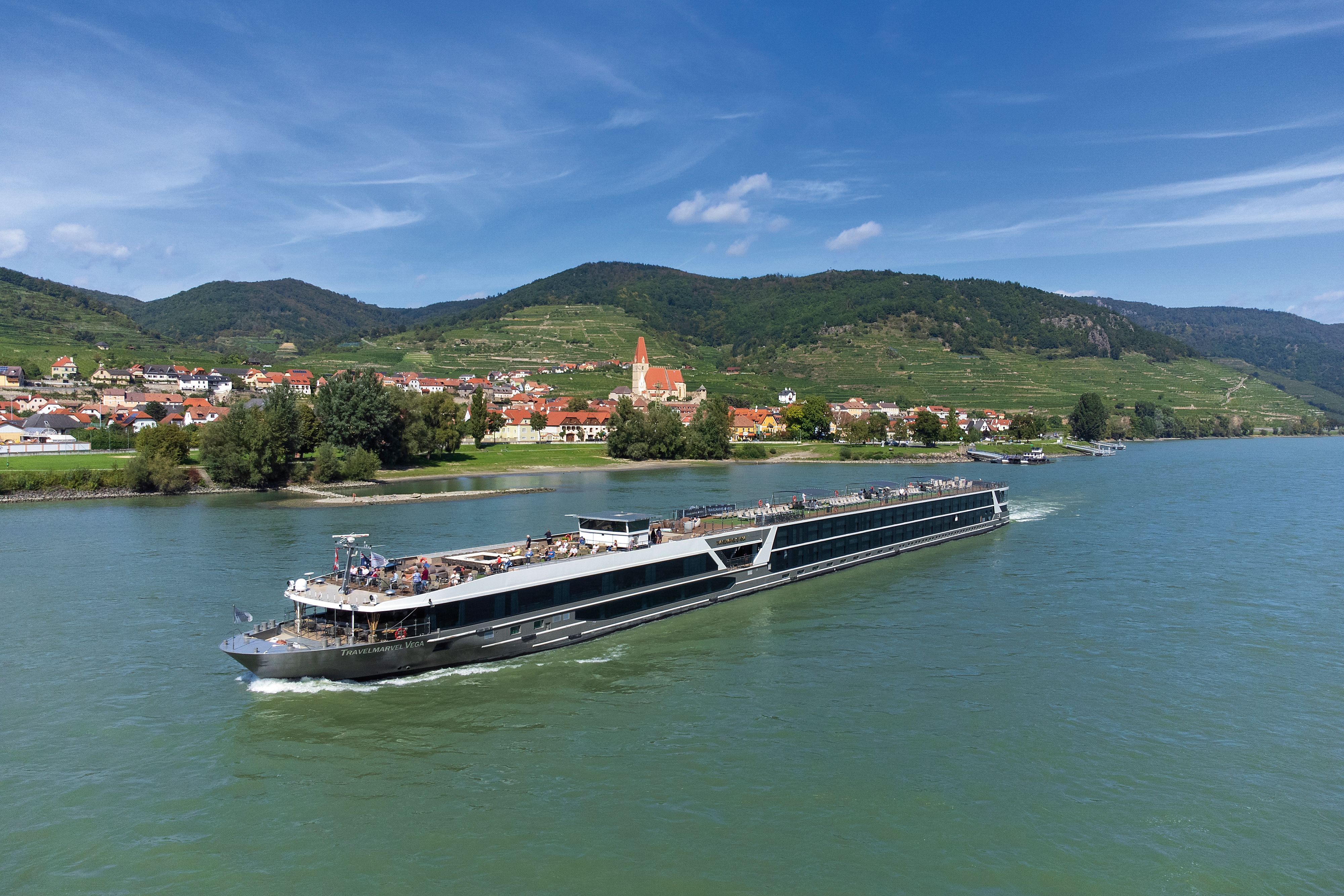
Because ship and excursion often travel broadly in the same direction, passengers may disembark in one place, spend several hours touring inland and rejoin the vessel farther downstream. On Viking’s Romantic Danube itinerary, for example, guests can tour Budapest before rejoining the ship at Visegrád for lunch. AmaWaterways does similar things on the Douro, with excursions leaving from one riverside stop and meeting the ship later at another.
It creates a very different relationship with the vessel. You’re not always returning to the same piece of quay where you started the morning. Your floating hotel has been getting on with its own day while you’ve been examining a monastery.
It also means “meet back at the ship” occasionally contains more geographical information than you might expect.
6. You may do much less obvious ‘cruising’
This sounds contradictory, but a river cruise can involve surprisingly little time sitting onboard thinking, “we are cruising now”.
Many ships sail overnight or between excursions, maximising the amount of daylight spent in towns and cities. Viking explicitly says its vessels often travel at night for this reason, while itineraries such as AmaWaterways’ seven-night Rhine cruises move through a new destination virtually every day.
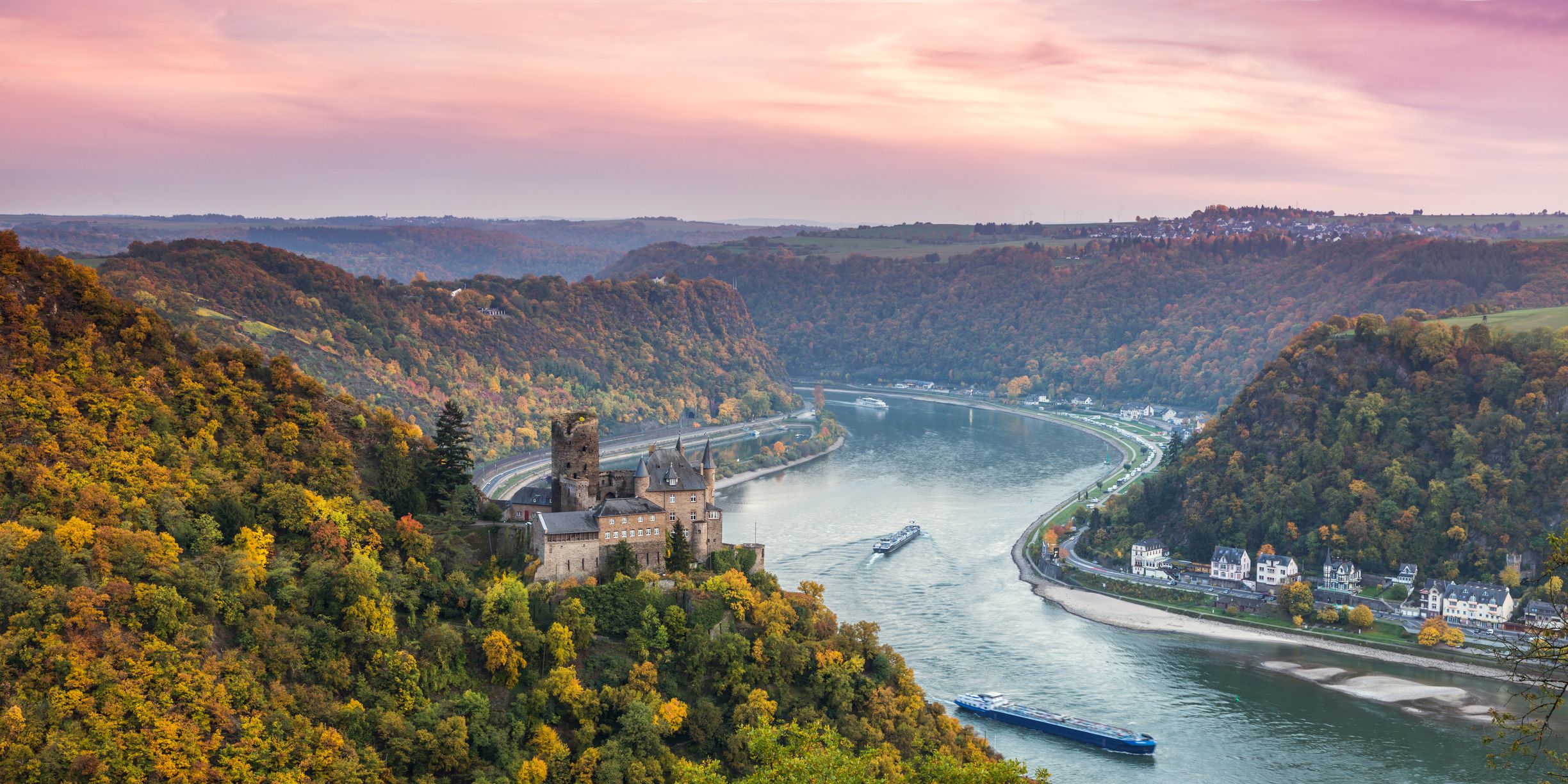
When you are sailing during daylight, the scenery is also much closer. You’re not looking at a coastline several miles away. You’re passing vineyards, villages, castle walls, cyclists and occasionally somebody mowing their lawn while 150 holidaymakers observe from a floating hotel.
Docking can feel different too. River ships can sometimes get remarkably close to the centre. Viking’s Seine ships have a berth within walking distance of the Eiffel Tower, while its Douro vessels dock in central Porto.
That convenience isn’t universal, but it changes the rhythm considerably when it happens. There’s no shuttle from a vast container terminal and no 40-minute conversation about where exactly the city begins. Sometimes you simply walk down the gangway and you’re in it.
7. The evening entertainment may have come aboard at the last lock
A large ocean ship can support resident casts, multiple music venues, comedians, casinos and production shows requiring enough lighting equipment to power a medium-sized town.
River ships work at a much more intimate scale, and that can make the entertainment unexpectedly local.
Viking brings regional musicians, choirs, craftspeople and performers onboard during its river voyages, including Portuguese fado and Viennese opera. AmaWaterways similarly advertises evenings with local classical quartets and regional musicians on vessels such as AmaStella.
The interesting difference is that the destination doesn’t necessarily stop at the gangway. The musician playing after dinner may have boarded in the town you visited that afternoon and leave again later that evening.
There is generally less choice than on a large ocean ship, but considerably less chance that your post-dinner plans require studying a timetable resembling the Edinburgh Fringe programme.
So does river cruising feel completely different from ocean cruising?
More than the ships’ respective sizes suggest.
Ocean cruising tends to create a clearer division between ship days and port days. River cruising blurs them. Cities slide past the dining-room windows, bridges determine whether you’re allowed upstairs and an excursion can begin in one town while your ship quietly carries on towards another.
It’s also worth remembering that “river cruise” covers everything from the Rhine and Danube to the Nile, Mekong and Mississippi, and lines differ significantly in what they include and how their ships operate. Likewise, a 900-passenger ocean ship is a very different proposition from one carrying 6,000.
But if you’re moving from ocean to river for the first time, the biggest adjustment probably won’t be the smaller cabin or absence of a theatre.
It’ll be opening the curtains in Budapest and discovering you now have neighbours.