
Most big ships berth at Skandiahamnen or Älvsborg, about 9km from the centre, with cruise shuttles or a 15–20-minute bus run into town. Translation: you’ll be people-watching on Avenyn before your coffee goes cold.
Morning: cinnamon, markets and a waterfront wander
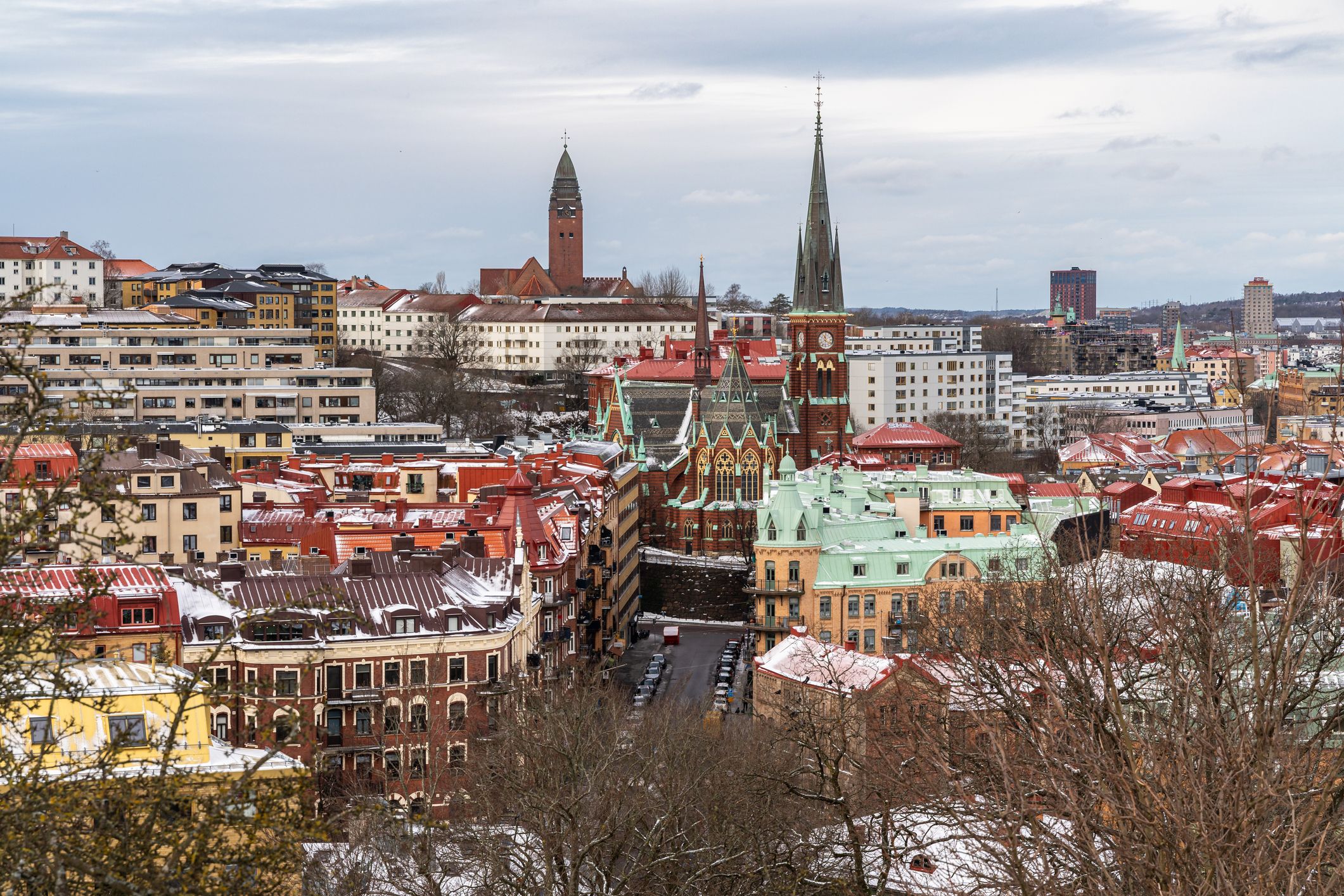
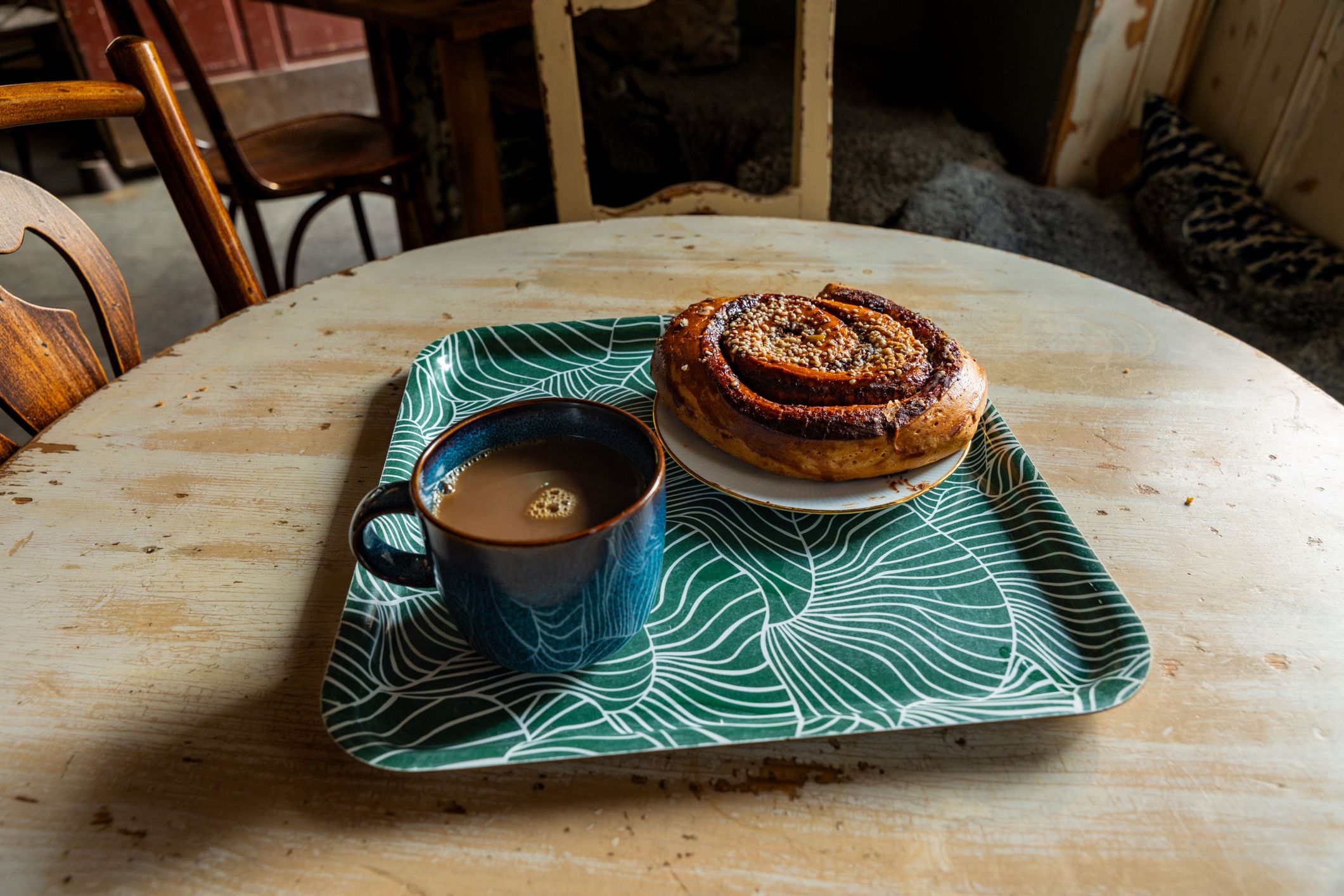
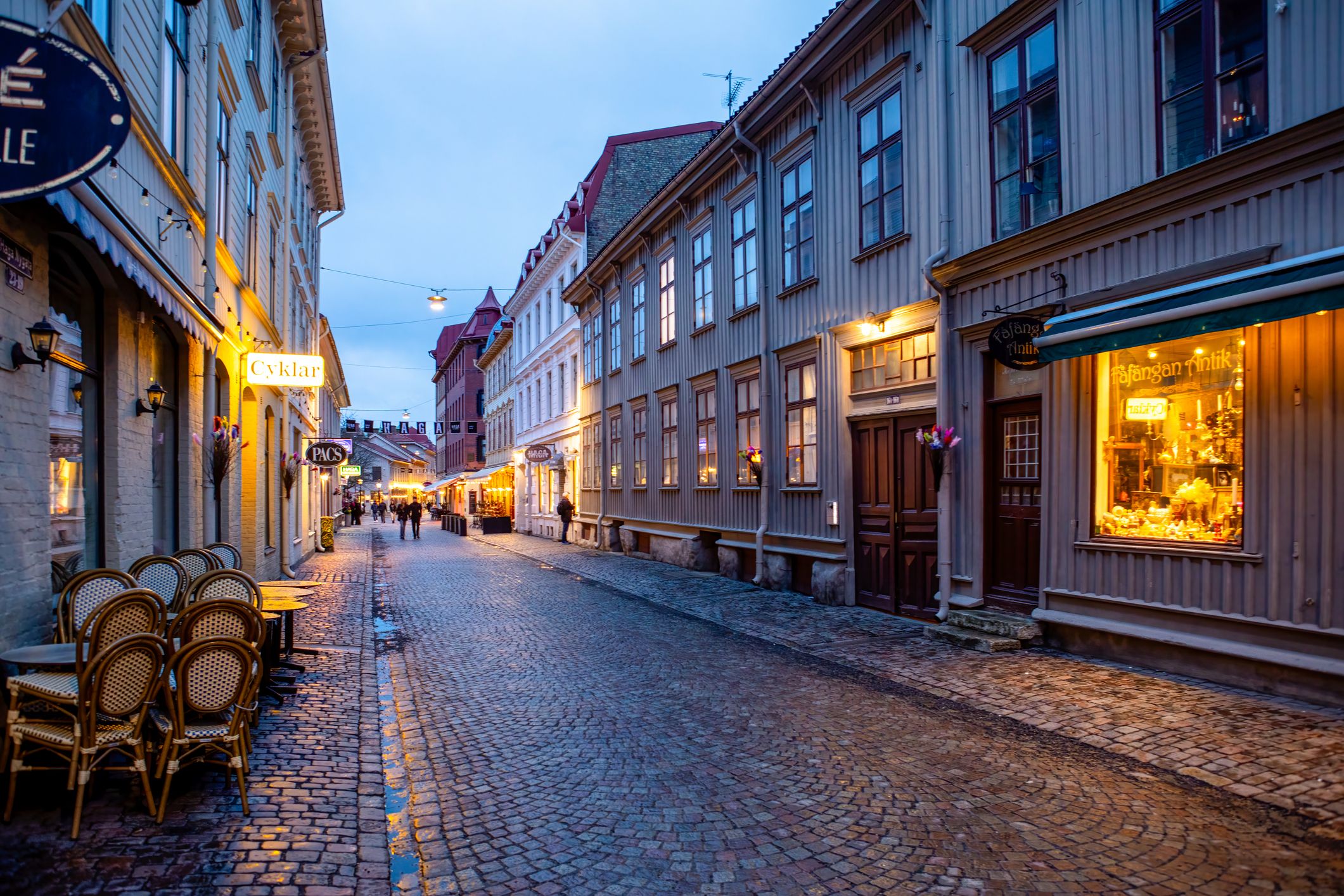
Start with fika, obviously. Head to Haga, the prettiest quarter of car-free cobbles and wooden houses, where Café Husaren serves the folkloric Hagabullen; a cinnamon bun roughly the size of a ship’s wheel (share, or don’t; this is a judgement-free itinerary).
Five minutes east puts you on Magasinsgatan, home turf of roastery da Matteo and design stores if you like your caffeine with interior envy. Then drift to Stora Saluhallen at Kungstorget, the handsome 19th-century food hall. Snack your way through cheeses (källarlagrad), herring, shrimp sandwiches and chocolate pralines; typical hours run Mon–Fri 09.00–18.00, Sat 09.00–16.00 (closed Sun), but check the hall’s site before you set out.
If seafood is your love language, angle north to the freshly restored Feskekôrka (“Fish Church”), Gothenburg’s iconic fish hall reborn with a 28-metre counter and several restaurants. It reopened after a multiyear renovation and looks glorious again.
Route note: From the cruise shuttle drop (often near the central station or Lilla Bommen), Haga is a flat 15–20-minute walk via the canals. Save your legs with a Västtrafik single or day ticket—valid across trams, buses and boats.
Late morning: a dash of culture (choose your flavour)
- Pictures + tech: Universeum mixes rainforest, aquaria and a space floor under one roof; the Wisdome 360 dome adds wow without needing another espresso. Usual hours 10:00–18:00.
- Car lore: The old Arendal Volvo Museum has closed, but the new central World of Volvo exhibition now tells the story—easier for cruise timings and very slickly done.
- Art + graffiti: Röda Sten Konsthall, under the Älvsborg Bridge, blends contemporary art with a legal graffiti wall and a café with river views (check opening hours; closed Mondays).
Lunch: west-coast on a plate
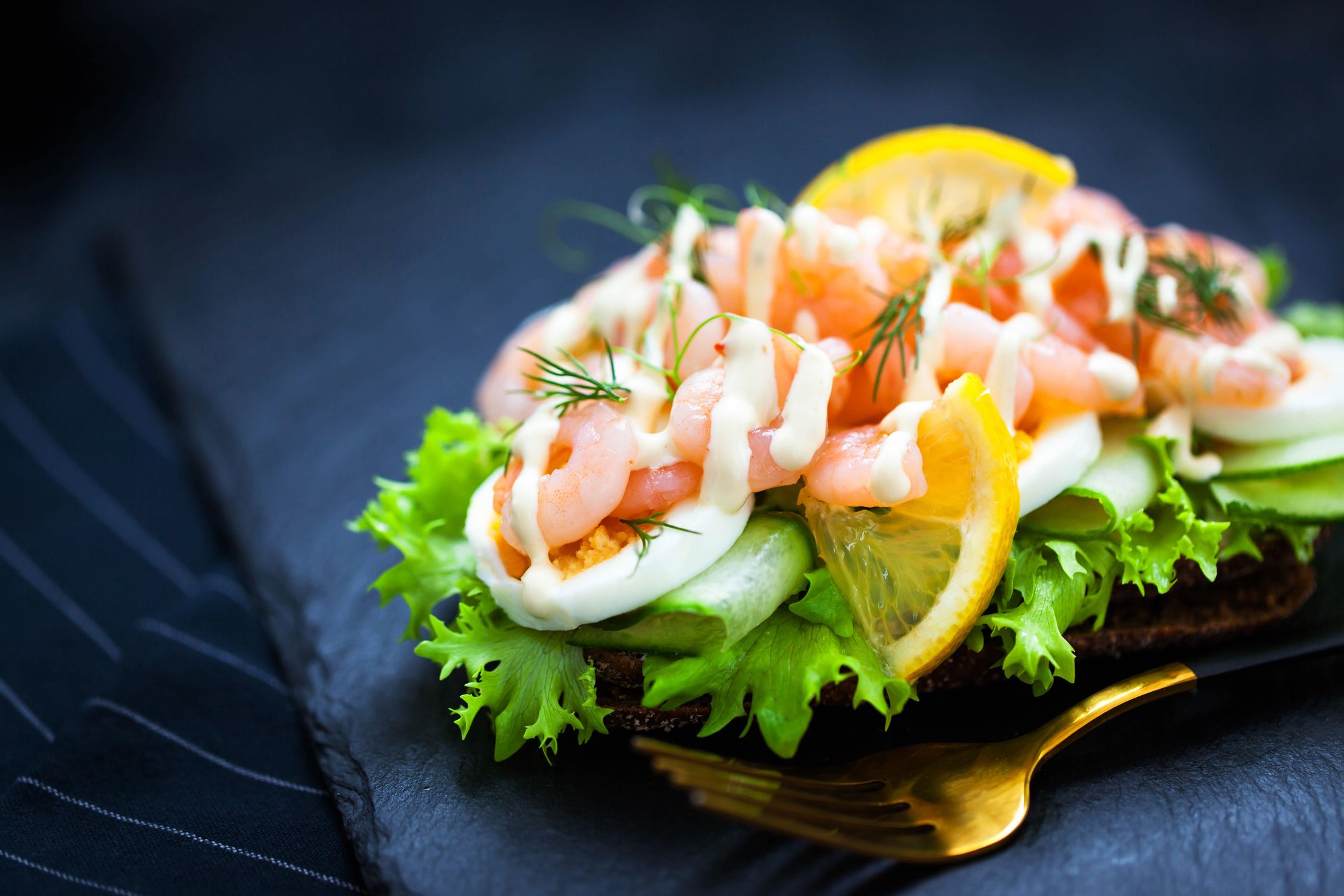
If you didn’t surrender to the fish hall already, circle back for räkmacka (open shrimp sandwich) and a cold beer, or book a waterside table for pan-Nordic plates. Gothenburg’s dining scene punches above its weight (from Michelin temples to relaxed, seafood-first kitchens) so even a quick lunch feels like a tiny tasting menu of the west coast. (Your smartwatch will forgive you later on the promenade.)
Afternoon: parks, towers and that postcard skyline
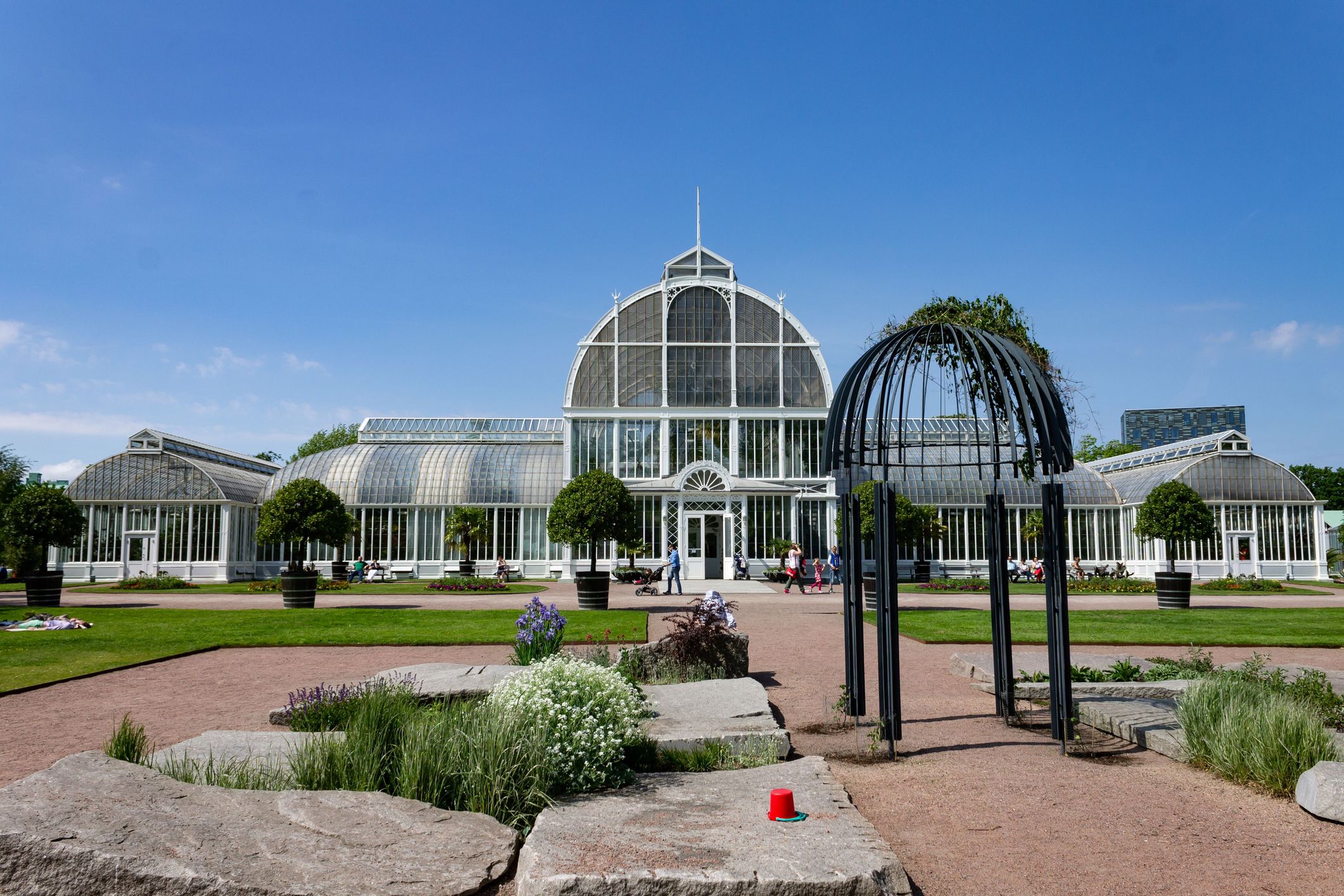
Stroll the waterfront to the White-and-red “Lipstick” tower at Lilla Bommen for harbour views, then thread parks and canals to the Garden Society (Trädgårdsföreningen). The Victorian Palm House is closed for renovation until around December 2025, but the rose gardens and lawns are still an elegant green lung in the middle of town.
If you prefer a panorama with a short incline, climb to Skansen Kronan above Haga for a sweep of rooftops and river. On fair days you can see the cranes at the shipyards like steel giraffes supervising the city.
Got extra time and a weather window? Take tram 11 or bus 114 to Saltholmen and hop a public ferry for a quick look at the southern archipelago—islands with no cars and plenty of sea air. Even a short out-and-back gives you salt on your lips and bragging rights at dinner. Build in margins for the return; boats run often, but the captain won’t hold sail-away.
Late afternoon: museums or amusements
Families (and the secretly young) can blitz an hour or two at Liseberg, Gothenburg’s beloved amusement park, which opens seasonally for summer, Halloween and Christmas; check the calendar if your call coincides. Otherwise, linger in Haga for a last browse and—fine—one more fika.
A realistic day from the gangway (8–10 hours)
- 0:00–0:30 Shuttle or taxi into the centre; short stroll to Haga for fika.
- 0:30–1:30 Haga + Magasinsgatan coffee and browsing.
- 1:30–2:15 Saluhallen grazing (or Feskekôrka if you’re seafood-forward).
- 2:15–4:00 Culture pick: Universeum / World of Volvo / Röda Sten (match to weather and taste).
- 4:00–5:00 Parks and canals to the Garden Society; quick sit-down among the roses.
- 5:00–6:00 Waterfront wander back via Lilla Bommen for ship-adjacent photos, then shuttle return.
Practicalities (the small print that saves big sighs)
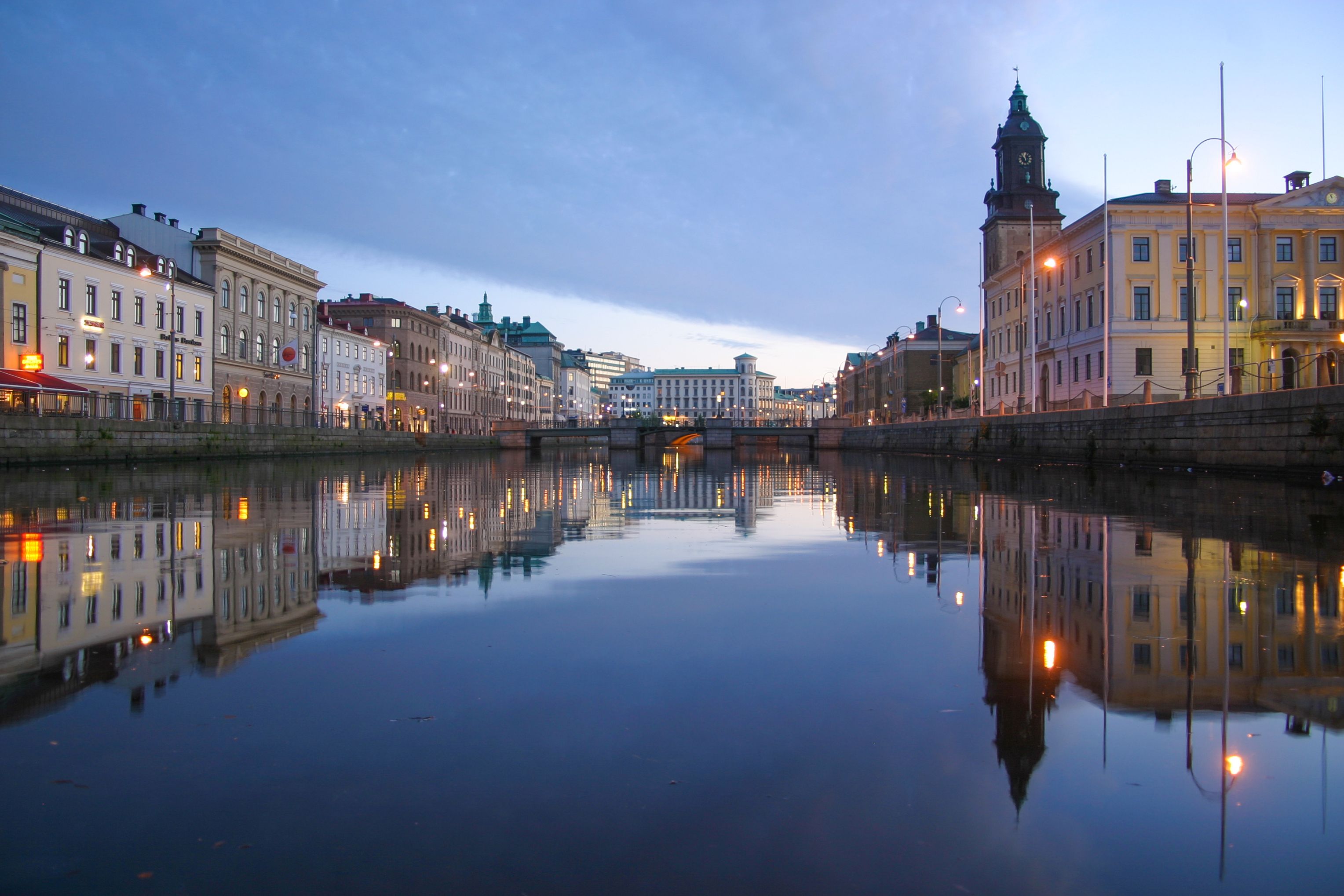
Most ocean ships use Skandiahamnen or Älvsborg; expect a shuttle or ~20-minute road transfer to the centre. Public transport is unified under Västtrafik—buy a single or day ticket in the app or at machines. The archipelago needs a tad more time but is absolutely doable with a prudent buffer. The Garden Society park is open, but Palmhuset remains closed until its planned December 2025 reopening. Feskekôrka has reopened after restoration and is once again seafood HQ.
Why Gothenburg works for a day: compact centre, walkable waterfront, markets worth lingering in, and a personality that reads as quietly confident rather than shouty. You’ll leave with cinnamon on your breath, sea salt in your hair and the feeling that “second city” is about numbers, not charm.