There is a Greece outside of the headline islands. It has harbours rather than postcard windmills, city markets rather than cliffside queue management, and layers of history stacked so thickly that even the paving stones seem to be keeping a diary. It sits on the mainland and the mainland-facing gulfs, in places like Nafplio, Volos and Thessaloniki, where a cruise call can involve Venetian fortresses, tsipouro, Byzantine mosaics, ancient healing sanctuaries, mountain villages and the faint smugness of having avoided another sunset crowd in Santorini.
The case for these ports is simple. They feel Greek without feeling over-touristy. They give you the sea, not just the beach, and most importantly these can provide just as good a shored day as the big-hitter islands you've probably already visited.
Mainland Greece cruises beyond the islands
The Greek mainland offers the sort of cruise days that aren’t built solely around views. Nafplio gives you the Peloponnese in a small, handsome, walkable package. Volos sits between the Pagasetic Gulf and Mount Pelion, with enough mythology and seafood to keep everyone’s inner classicist and inner greedy person equally entertained. Thessaloniki is a northern port city with Roman, Byzantine, Ottoman, Jewish and modern Greek histories layered over one another like a very cultured mille-feuille.
Nafplio cruise port: the Peloponnese in one elegant call
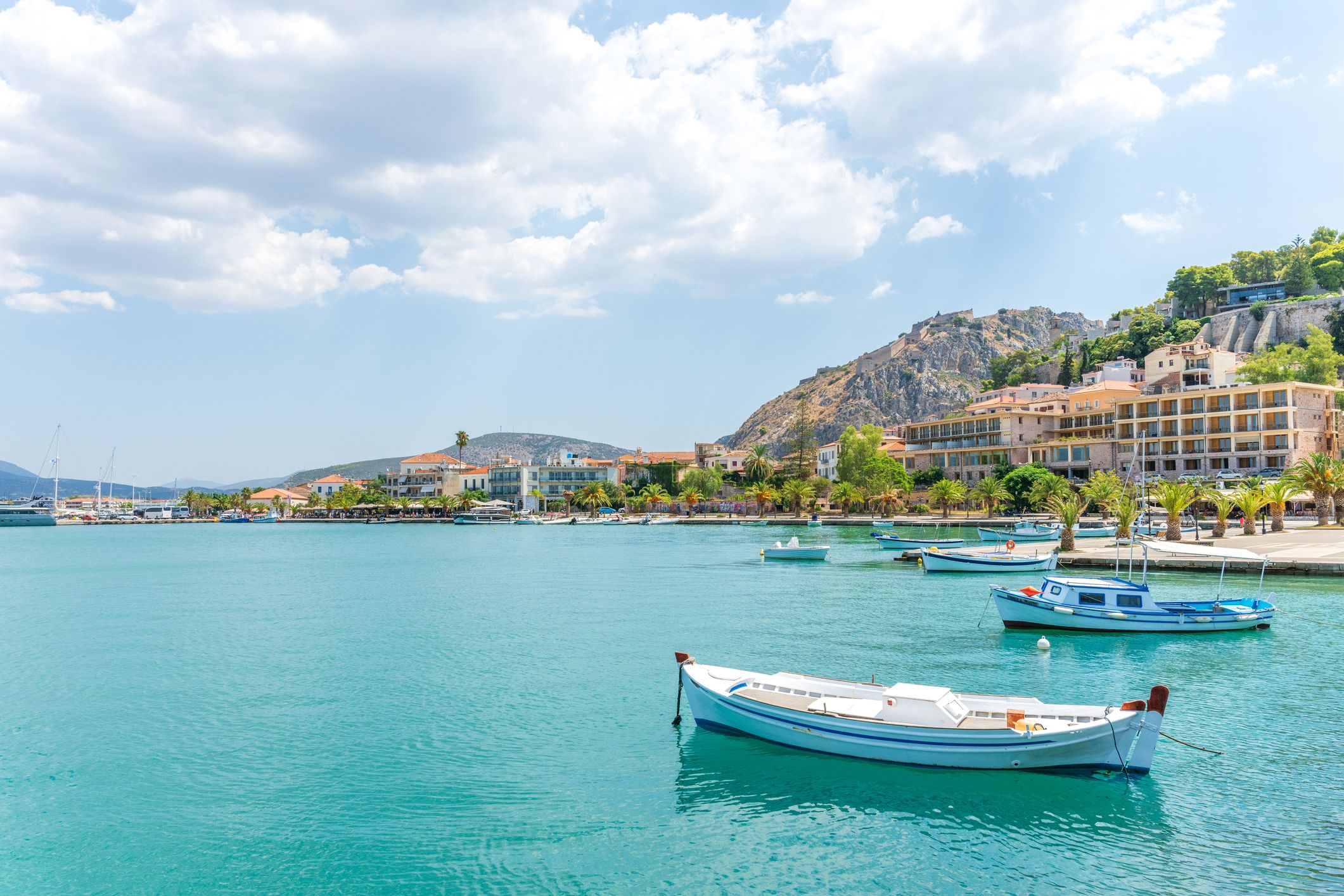
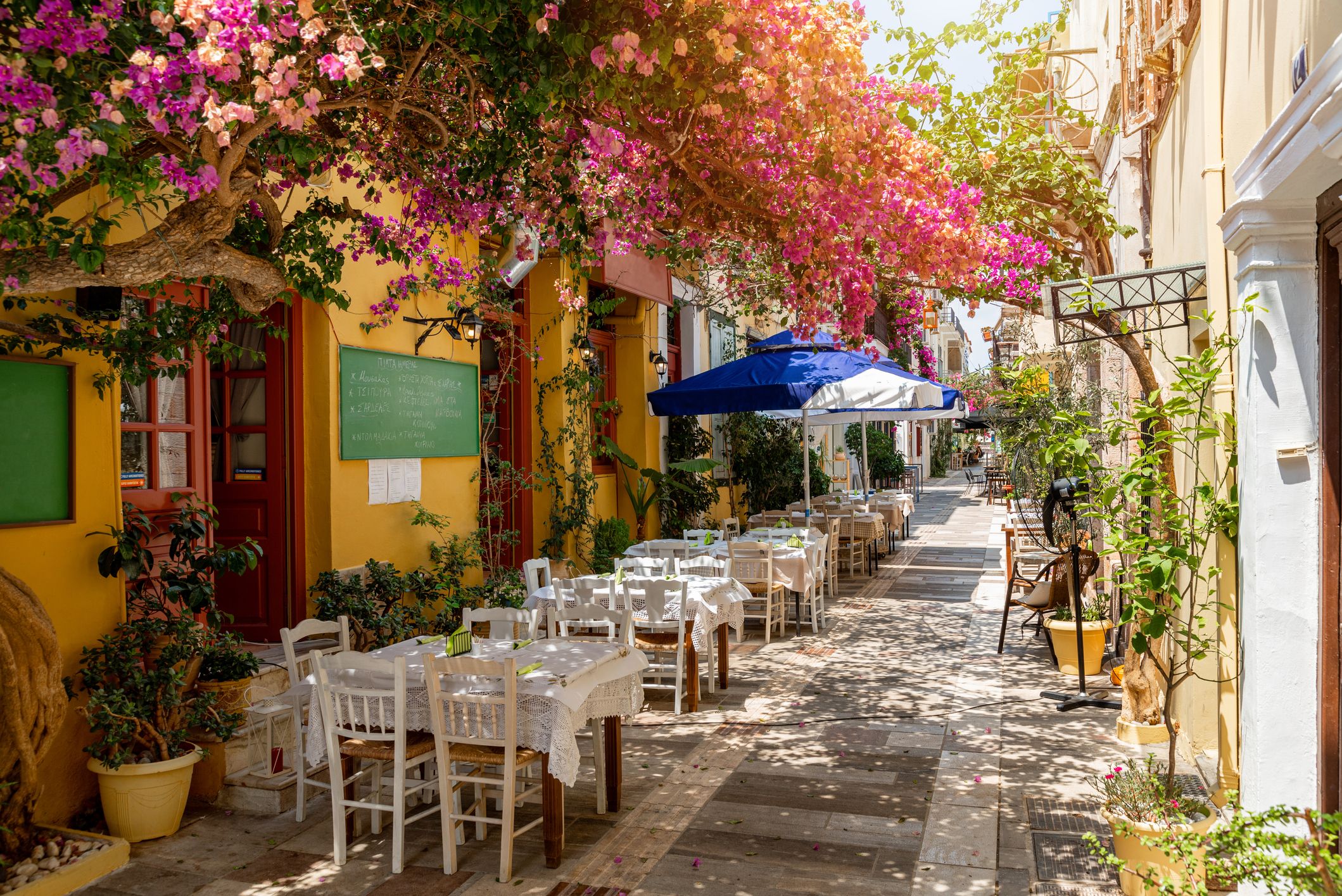
Nafplio is the kind of port that feels like a genuine hidden gem. Ships usually anchor offshore and tender passengers into a pier close to the Old Town, so the day begins with the agreeable drama of arriving by small boat, (far more romantic than being tipped out beside a coach park and told to memorise the number 47).
The town itself has a polished, almost theatrical beauty. This was the first capital of the newly born Greek state between 1823 and 1834 and its long history is visible in the mix of ancient walls, medieval castles, Ottoman fountains, Venetian buildings and neoclassical houses, which sounds like architectural chaos but looks rather lovely.
Start with the Old Town. A place consisting primarily of narrow lanes, bougainvillea, Syntagma Square and café tables practically begging you to sit down and enjoy a Baklava. Then there's Palamidi, the fortress on the hill, which stands 216 metres above sea level and is reached by 999 steps carved into the rock. This is exactly the sort of attraction that divides couples. One person sees a magnificent Venetian fortress with sweeping views over the Argolic Gulf. The other sees 999 individual reasons to stay at sea level with an iced coffee. Both are valid positions.
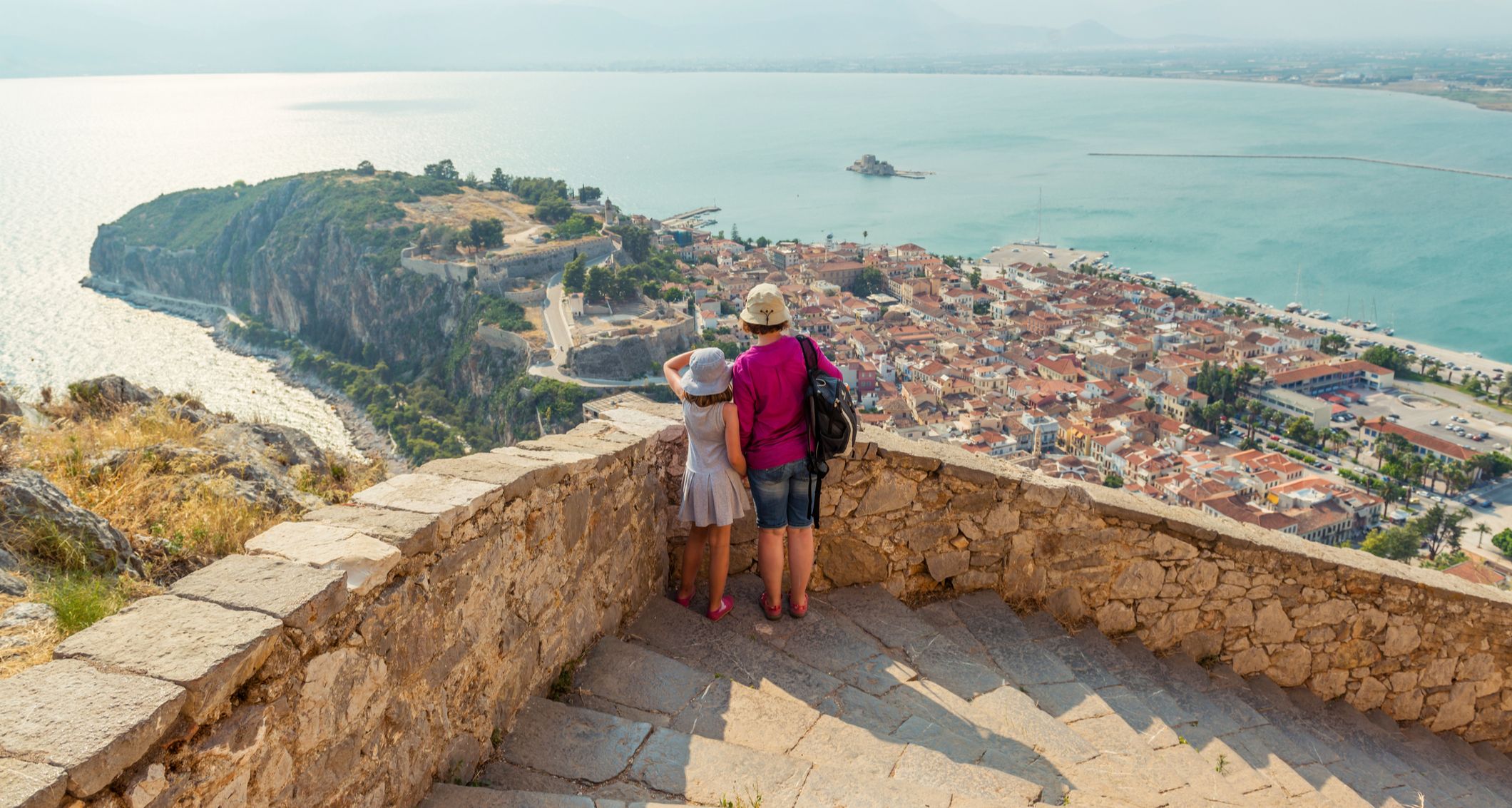
If you climb it, the reward is a proper grasp of Nafplio’s geography: the bay, the rooftops, the mountains behind and the small fortress of Bourtzi sitting out in the water like a chess piece placed there by someone with excellent taste. Bourtzi, built on the rocky islet of Agioi Theodoroi, once helped secure the port against attacks, and today mostly specialises in looking absurdly photogenic from every angle.
Nafplio shore excursions to Mycenae and Epidaurus
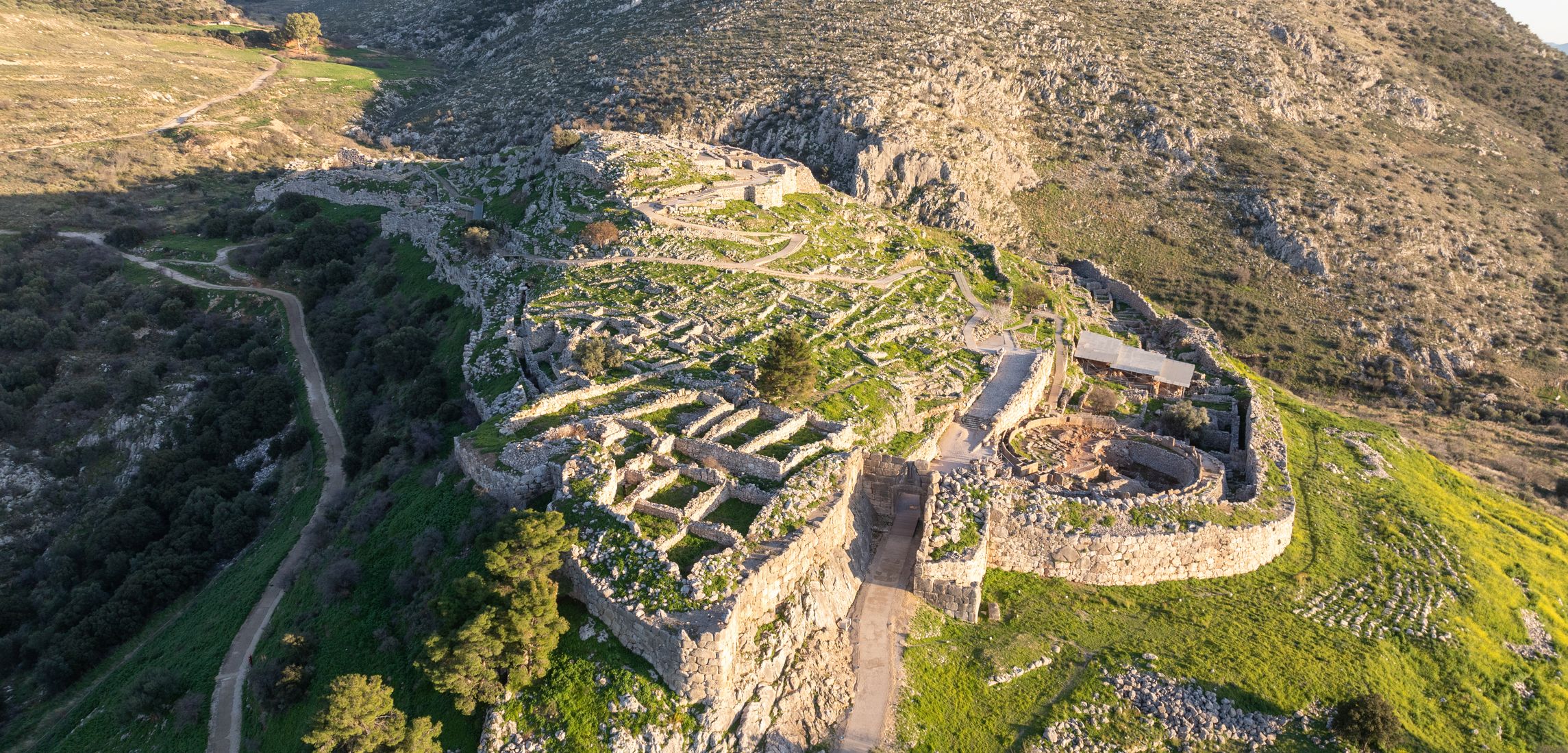
The problem with Nafplio is that the town itself is more than enough for one port day, but the surrounding region keeps rudely offering world-class antiquity. Nearby Tiryns and Mycenae are both part of the UNESCO-listed Archaeological Sites of Mycenae and Tiryns, which UNESCO describes as two of the greatest cities of Mycenaean civilisation, active between roughly 1600 and 1100 BC and influential in the development of classical Greek culture. Mycenae, associated with the mythical kingdom of Agamemnon, also brings the Lion Gate and the Treasury of Atreus into the conversation, which is a rather showy way for a shore excursion to behave.
Then there is Epidaurus, the ancient sanctuary of Asklepios. UNESCO describes it as a remarkable testament to ancient healing cults and the emergence of scientific medicine, with its famous theatre renowned for architectural proportions and acoustics. For a cruise passenger, this is the great Nafplio dilemma: stay local and have a beautiful, low-faff day, or head inland and come back talking about Bronze Age citadels with the unsettling energy of someone who has had too much history before lunch. There is no wrong answer, which is irritatingly unhelpful but true.
Volos cruise port: Pelion, tsipouro and the Argonauts
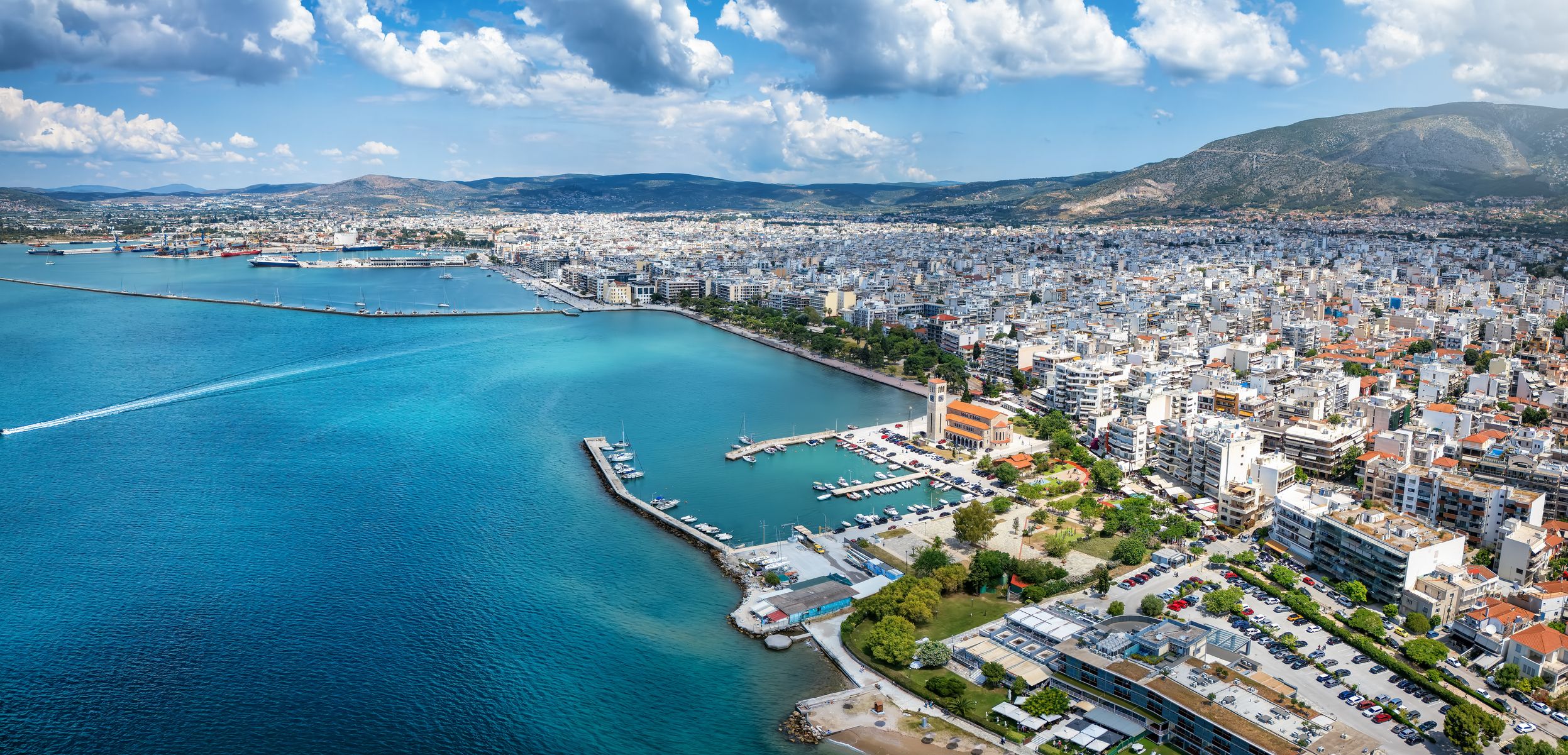
Volos has a different rhythm. It is less polished than Nafplio, more lived-in, with the feel of a port city that has actual jobs to do. This is the innermost point of the Pagasetic Gulf, at the foot of Mount Pelion, and links it to Jason and the Argonauts, (one of the better mythological excuses for having a waterfront).
The seafront is the obvious place to begin. Argonauts Avenue runs along the water, with cafés, restaurants and views across the gulf. The local landmark is the Argo sculpture, and there is also a modern-day Argo, built as a copy of the legendary ancient ship. This is a pleasingly literal approach to myth: if your city is associated with Jason’s ship, put a ship there.
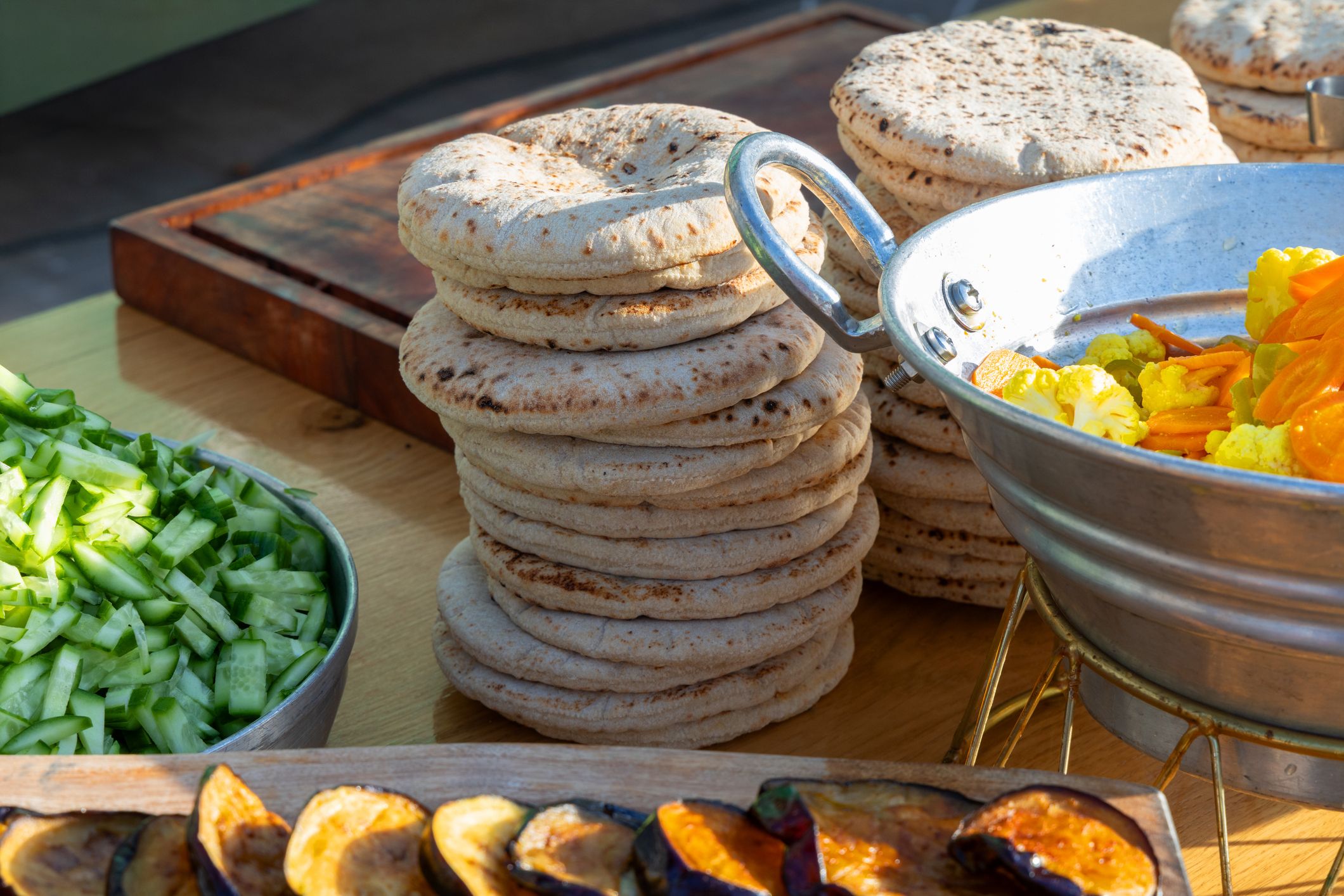
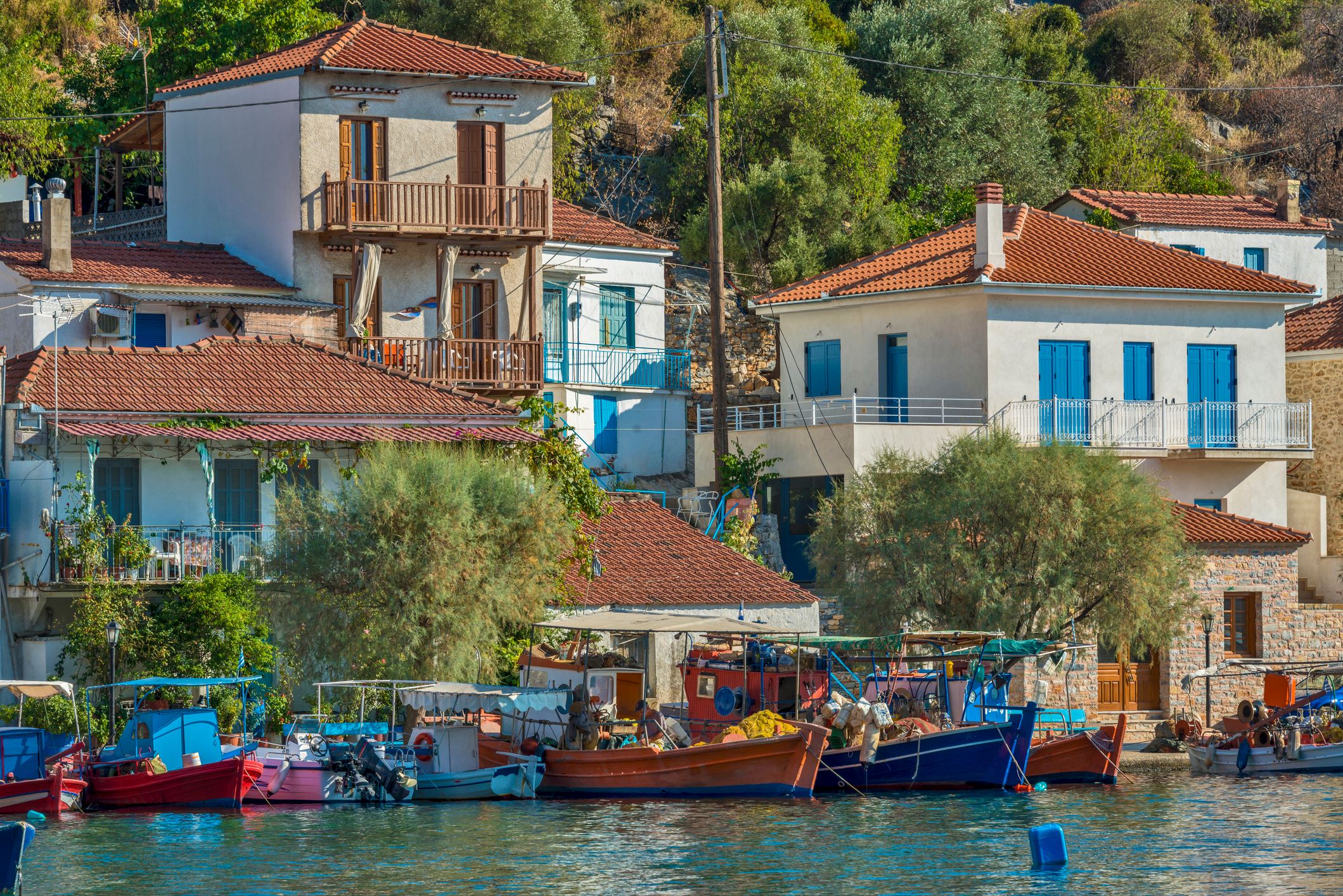
Volos is also a food port, which is to say it understands the civilised relationship between alcohol, seafood and time. Its famous tsipouradika are traditional eateries where tsipouro, a strong local spirit, is served with seafood and fish dishes, a system that sounds dangerously efficient if you have a strict boarding time.
The city has layers beyond the waterfront. Visit Greece points to early 20th-century industrial buildings, the Palia quarter, Roman Baths, castle ruins and the former Tsalapata factory, now the Rooftile and Brickworks Museum. This is useful if you like your ports with texture rather than pure prettiness. Volos doesn’t simper at you. It feeds you, shows you the gulf, mentions the Argonauts, then gets on with its day.
Volos shore excursions to Mount Pelion and Meteora
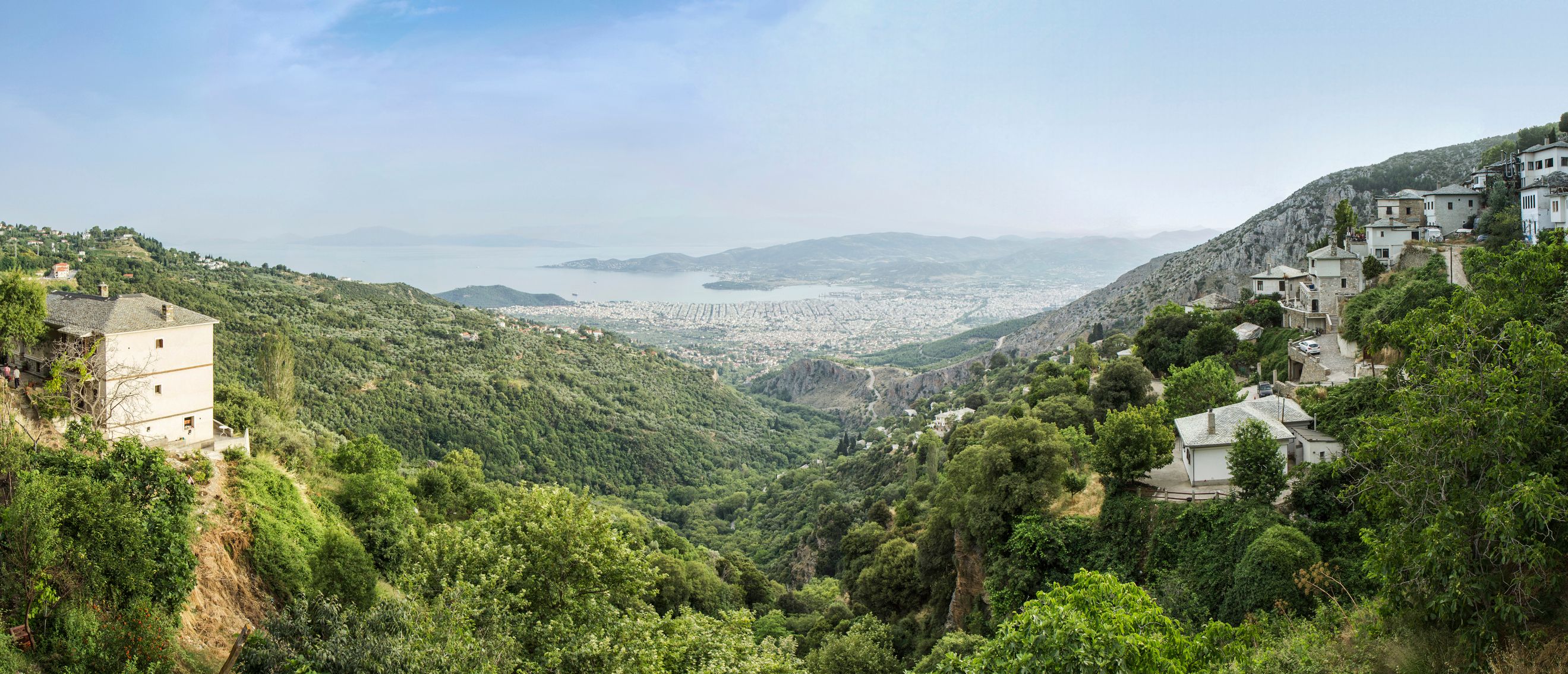
The wider region is where Volos becomes properly dangerous to anyone trying to keep a port day simple. Behind the city rises Mount Pelion, homeland of the mythical Centaurs, with mountain villages, forests and a cooler, greener character than you may expect from a Greek cruise itinerary. Even if you stay in town, Pelion is part of the atmosphere, hovering behind the harbour like Greece has decided to add a mountain backdrop because the sea view wasn’t quite enough.
For many cruise visitors, though, the big excursion is Meteora. It’s not next door, and it needs a proper organised trip, but the reward is astonishing. UNESCO describes Meteora as a collection of monasteries built on “heavenly columns” of sandstone, where monks settled from the 11th century onwards and where 24 monasteries were built despite the obvious inconvenience of putting buildings on top of near-inaccessible rocks.
Meteora is one of those places that looks mildly fictional even when you’re standing in front of it. Monasteries perch on rock pinnacles, cliffs rise out of the plain, and the whole scene gives the impression that someone in the medieval period was asked to design a spiritual retreat and took the word “retreat” very seriously indeed.
Thessaloniki cruise port: Greece’s great northern city
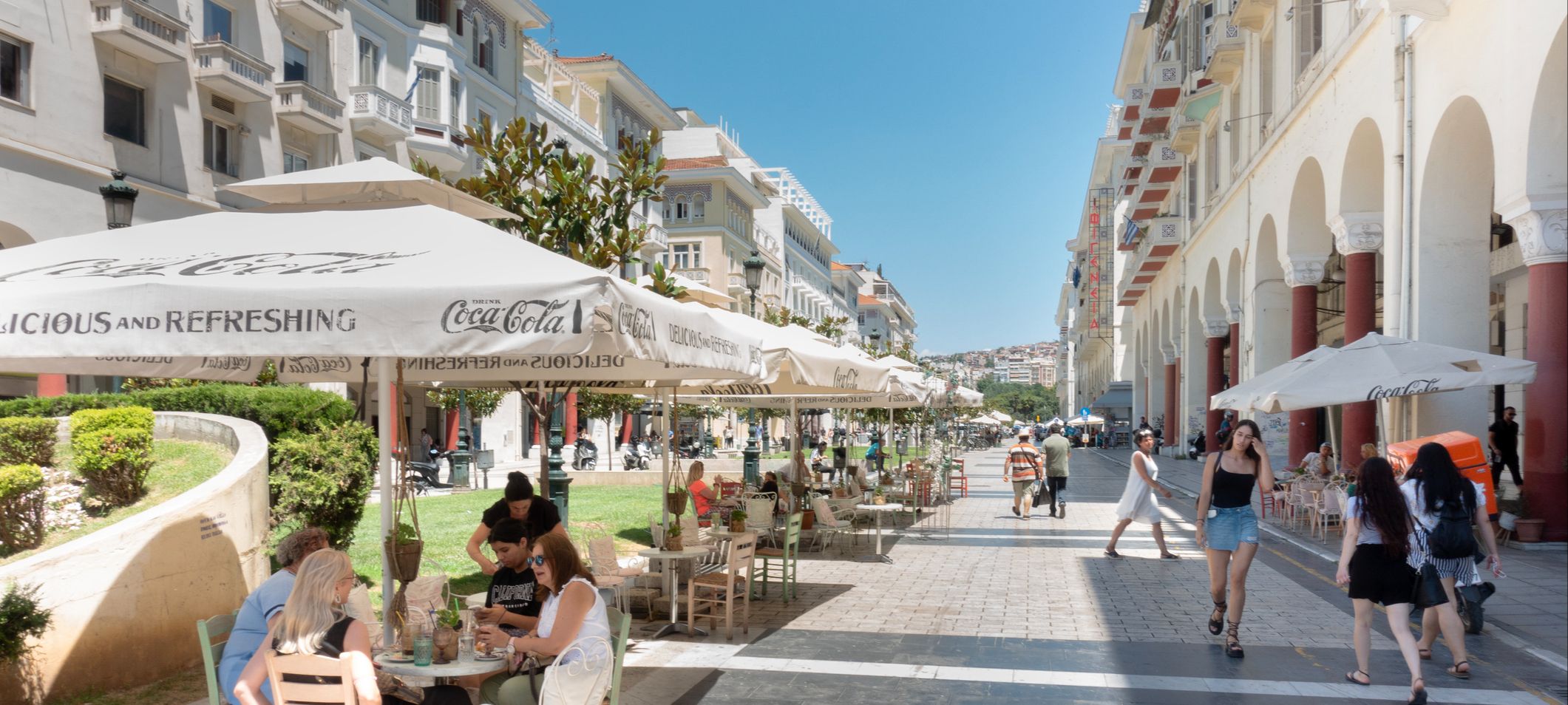
Thessaloniki is Greece’s second city, a working port, a university town, a food city, a waterfront city and a place with a great many historical layers. Archaeological sites, Byzantine churches and monuments are intertwined with its contemporary life, put simply, you could consider it the country’s gastronomic and cultural capital.
For cruise passengers, this matters because Thessaloniki works well on foot. The White Tower is the obvious first landmark. It is the city’s most famous building, a 15th-century round fort-tower on the waterfront, once used as a prison during Ottoman rule and later whitewashed after the city’s liberation. It is the sort of monument that appears on everything from postcards to fridge magnets, but it earns the exposure.
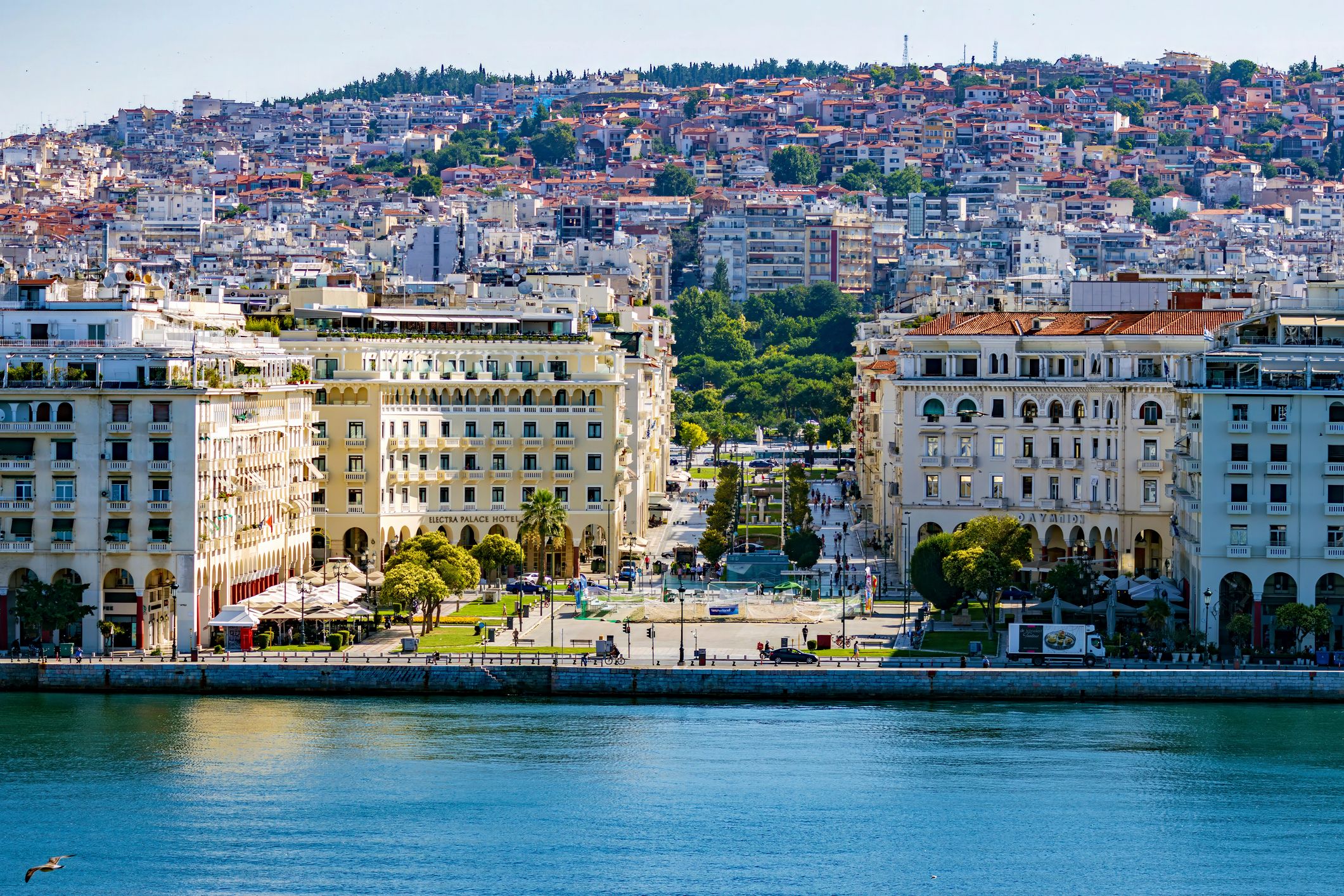
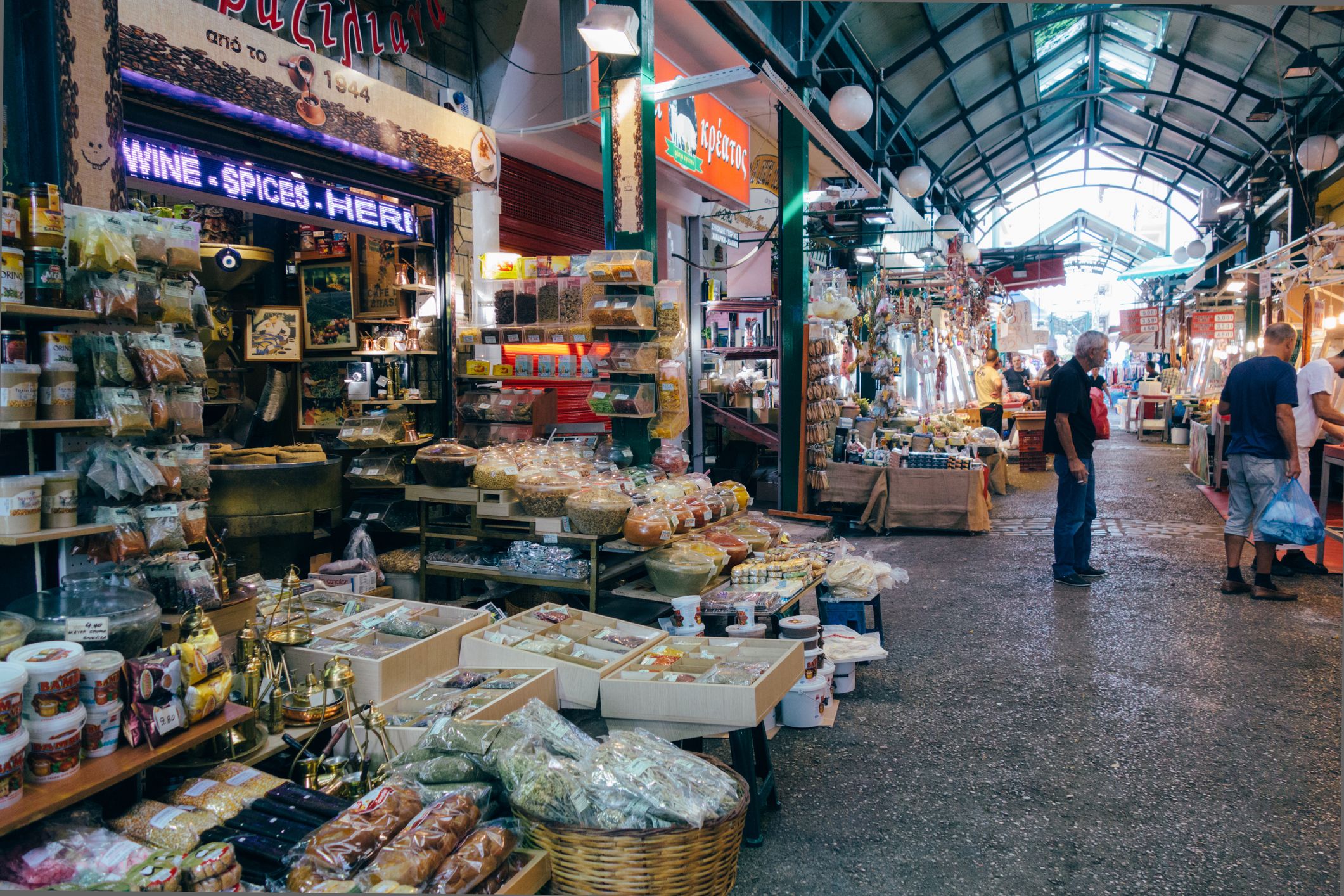
From there, Thessaloniki becomes a layered walk. The Rotunda, the Arch of Galerius, Byzantine churches, markets, waterfront cafés and upper town views all sit within the city’s dense central fabric. UNESCO’s listing for the Paleochristian and Byzantine Monuments of Thessalonika notes that the city was founded in 315 BC, became an important base for the spread of Christianity, and contains monuments from the 4th to the 15th centuries, including mosaics in the Rotunda, St Demetrius and St David that are counted among the great masterpieces of early Christian art.
Thessaloniki food markets and where to eat
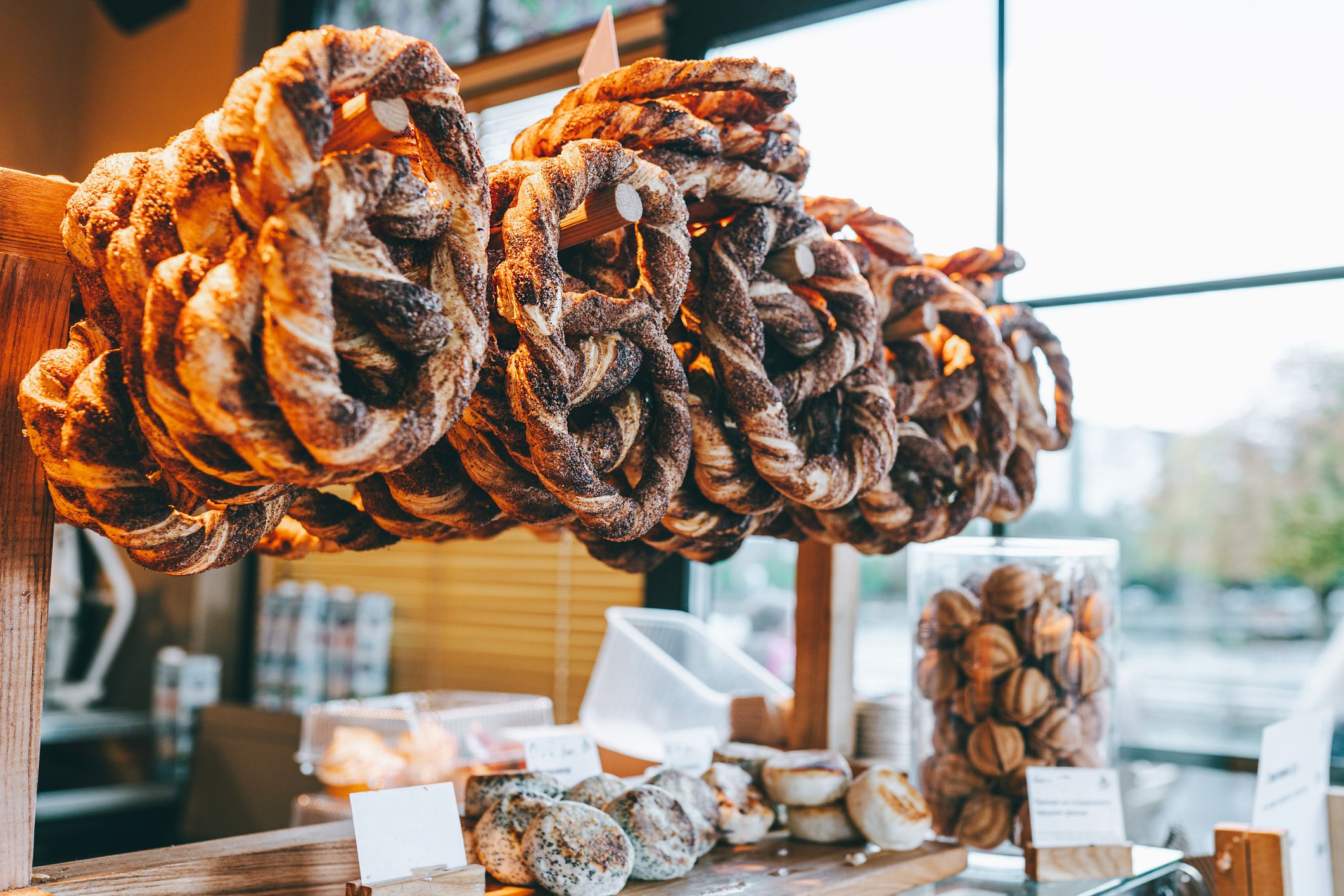
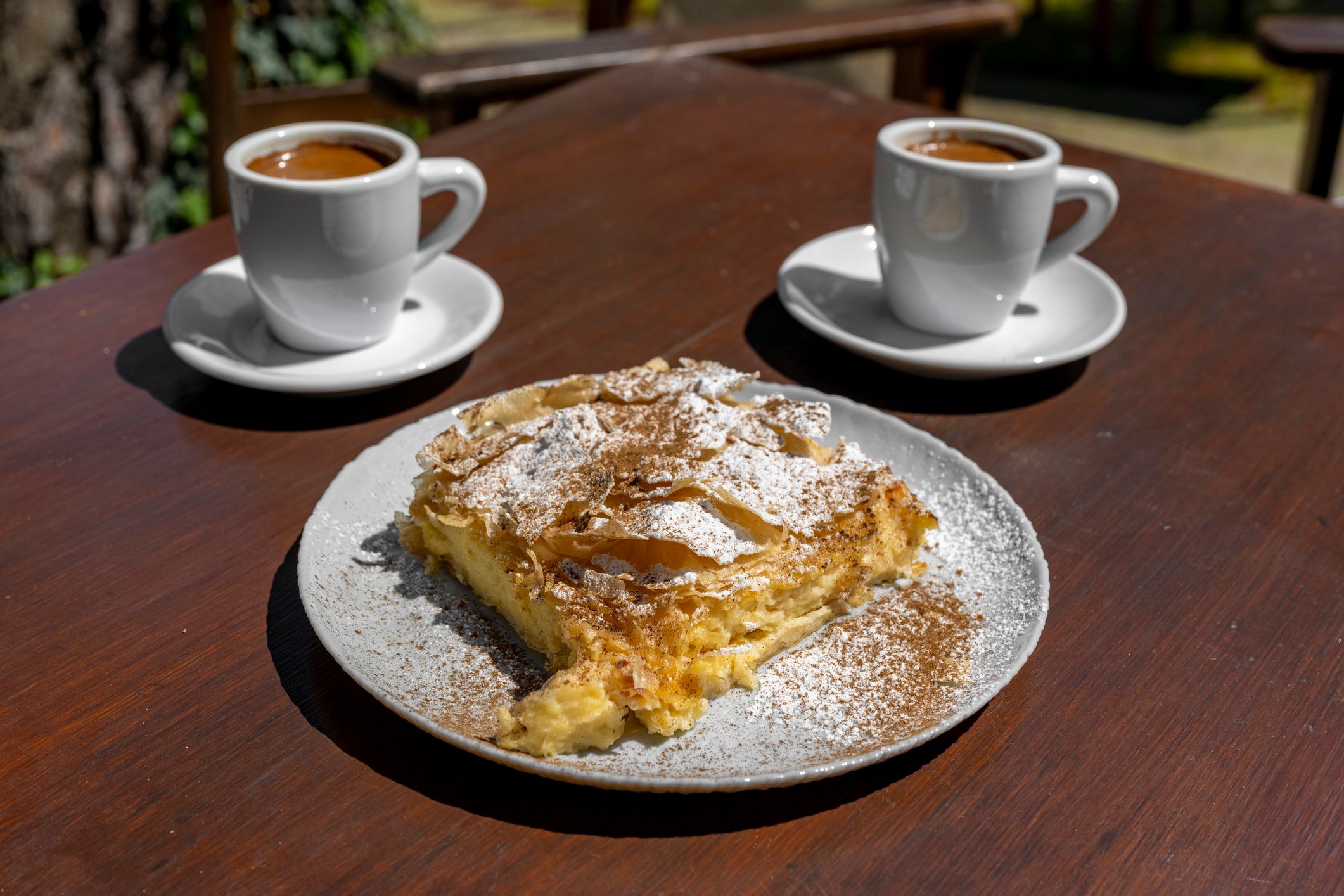
You don’t come to Thessaloniki and eat apologetically. That would be rude. This is a city that takes pastry, coffee, seafood, mezze and late meals seriously, without making too much ceremonial fuss about any of it.
Kapani Market is a good place to start. Thessaloniki Tourism describes it as the city’s oldest market place, set in the heart of the centre, with shops selling fish, meat, vegetables, fruit, drinks, olives, sweets, nuts, spices, flowers, clothes, shoes and restaurants. That is a lot for one market to be getting on with before lunch.
A good Thessaloniki cruise day should leave space for grazing. A market wander, a bougatsa stop if you’re in the mood for custard-filled pastry, something savoury afterwards to pretend balance has been restored, then a long waterfront pause to watch the Thermaic Gulf do its quiet, glittering thing.
How to choose a mainland Greece cruise itinerary
The right mainland Greece itinerary depends on what you want from the day ashore. Nafplio is best if you like beauty, fortresses, walkability and the option of major ancient sites without committing your whole holiday to archaeology. Volos is the one for harbour life, seafood, Pelion and the possibility of a big excursion to Meteora. Thessaloniki is for people who want a proper city, with history, markets, churches, waterfront strolling and the pleasing sense that one port call has given them far more than expected.
Together, they make a persuasive argument against treating Greece as an island checklist. The islands are wonderful, obviously. But after a while, another whitewashed lane, another tender queue and another sunset scrum can begin to feel like Greece has been reduced to its most marketable angles. The mainland puts the depth back in. It gives you places that are slightly harder to summarise and much more satisfying to spend time in. You arrive by sea, but the day doesn’t end at the waterline. It carries on inland, into fortresses, markets, monasteries, mountain roads, ancient theatres, tiled cafés and meals that make the afternoon softer around the edges.