If you've reached the point in your Greek-island-hopping life where another scattering of white cubes on a clifftop is beginning to look a bit like an expensive screensaver, the Ionian islands can come as a relief. A green oasis of turquoise waters with lush vegetation and a temperate climate these pretty Greek Islands offer a pleasant counterpoint to the Cyclades more familiar white-and-blue formula and barer landscapes. Both are lovely, but the Ionian island are arguably better for people who no longer need every lane the explore to contain a bougainvillea-and-donkey photo opportunity.
A sailing through Corfu, Kefalonia, Zakynthos and Lefkada is Greece with the volume turned slightly down and the greenery turned up. Corfu brings layered history and a more cosmopolitan edge. Kefalonia does peace, pine trees and cave-blue water. Zakynthos, for all its fame, still manages to feel more fertile and more softly theatrical than many of the Cycladic greatest hits. Lefkada adds the useful reminder that some of the Ionian’s best pleasures are still a little less over-exposed, particularly once you get beyond the obvious beach names and let the island’s greener, more low-key side take over.
Why the Ionian islands make a better second Greek island cruise
What works so well about the Ionian after the Cyclades is that it offers a very different side of Greece. Corfu, unlike the rest of the country, never fell under Ottoman rule, and centuries of Venetian, French and British influence gave it a more western than Levantine character. That also helps to explain why Corfu Town can feel almost indecently urbane by island standards, all Liston arcades, fortifications and old-town confidence. In other words, Corfu is the island for people who like their sea views with a side of geopolitical history.
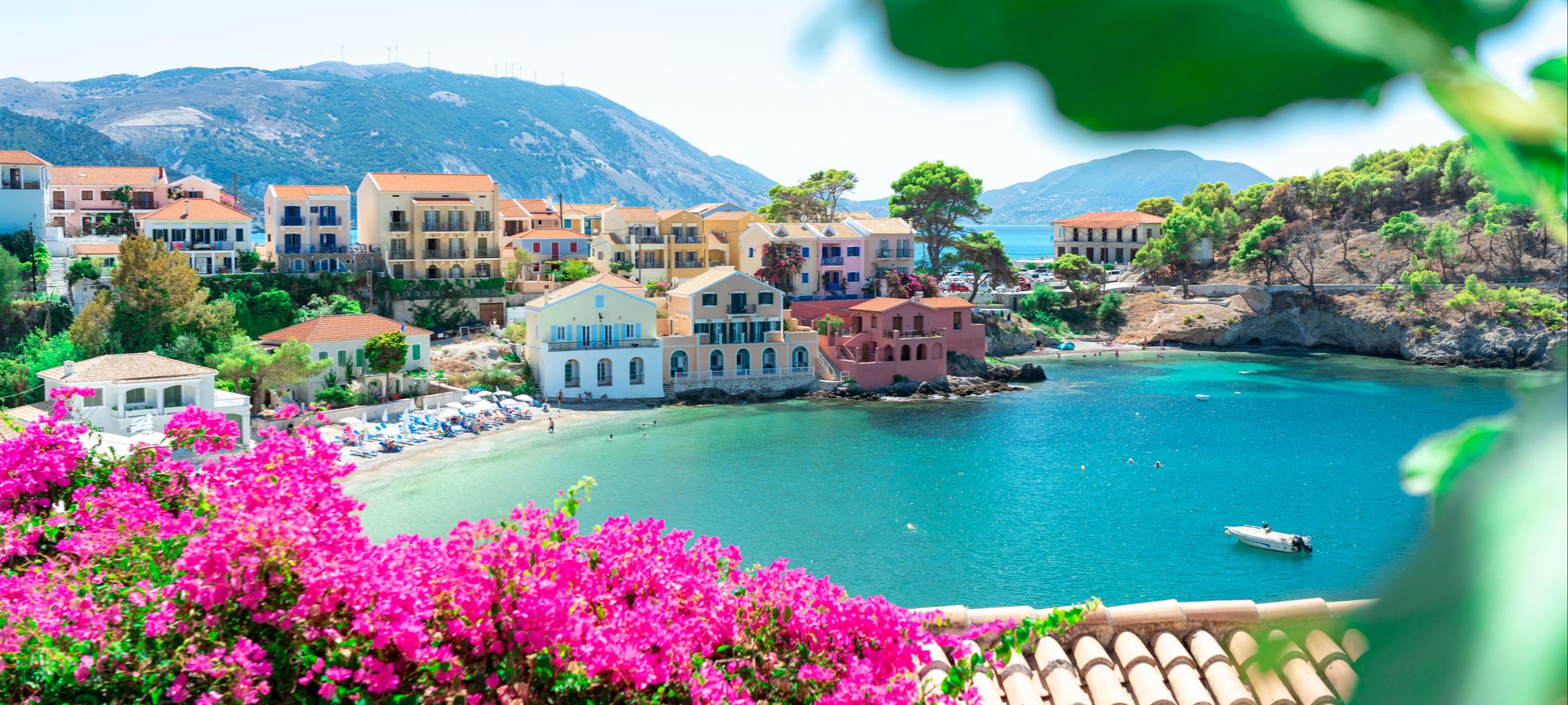
Kefalonia and Zakynthos then soften the route in different ways. You'll discover Kefalonia through Assos, Fiscardo, Melissani and Mount Ainos, with its pine trees, cypresses, surviving old harbour villages and the island’s one-Greek-island national park. While Zakynthos offers a verdant, fertile and flower-rich experience with beaches ranging from sandy bays in the southeast to rugged cliff-backed coast in the west. Put the three islands together and you get a week that feels greener, more spacious and markedly more relaxed.
Corfu cruise port: old town and olive groves
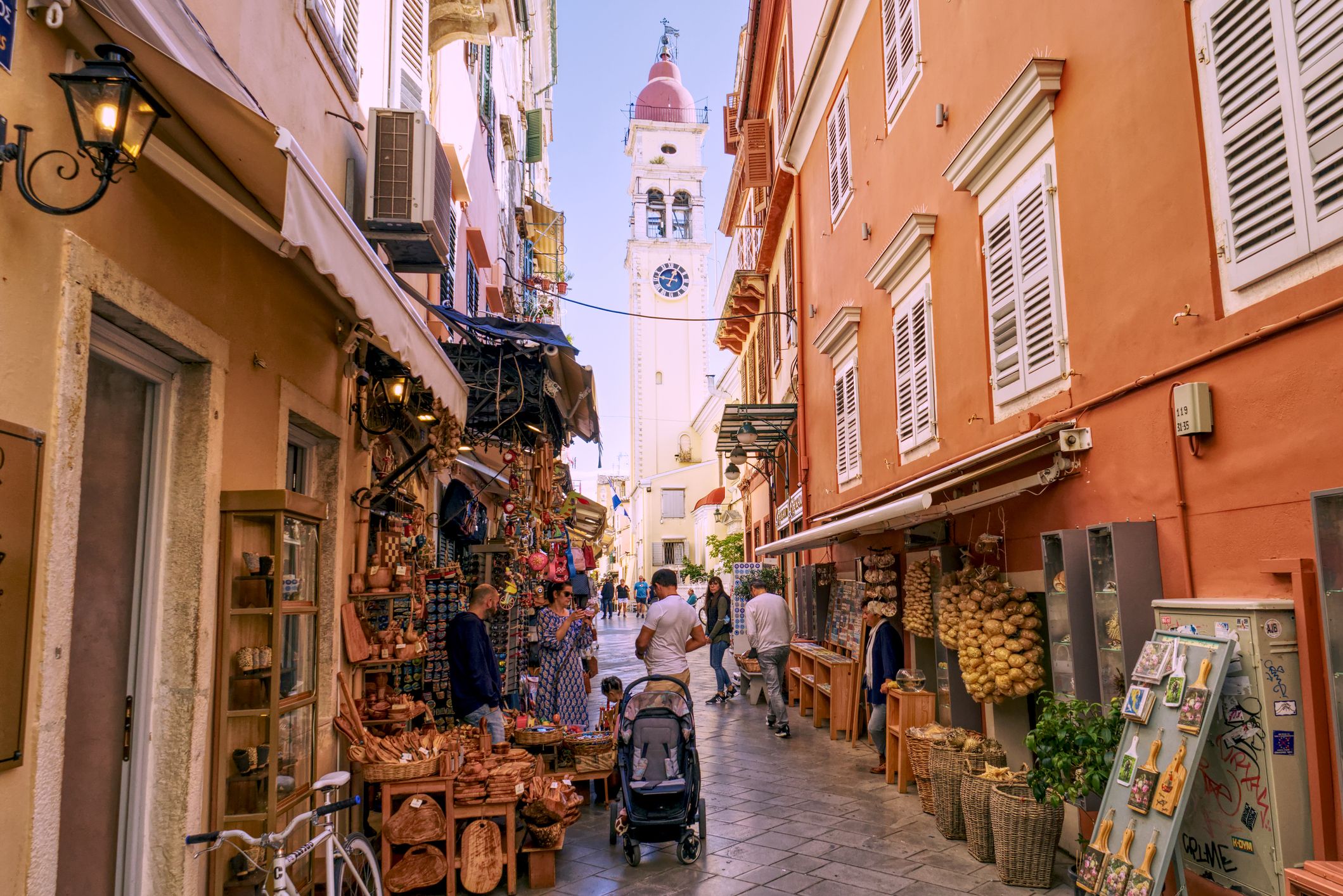
Corfu Old Town
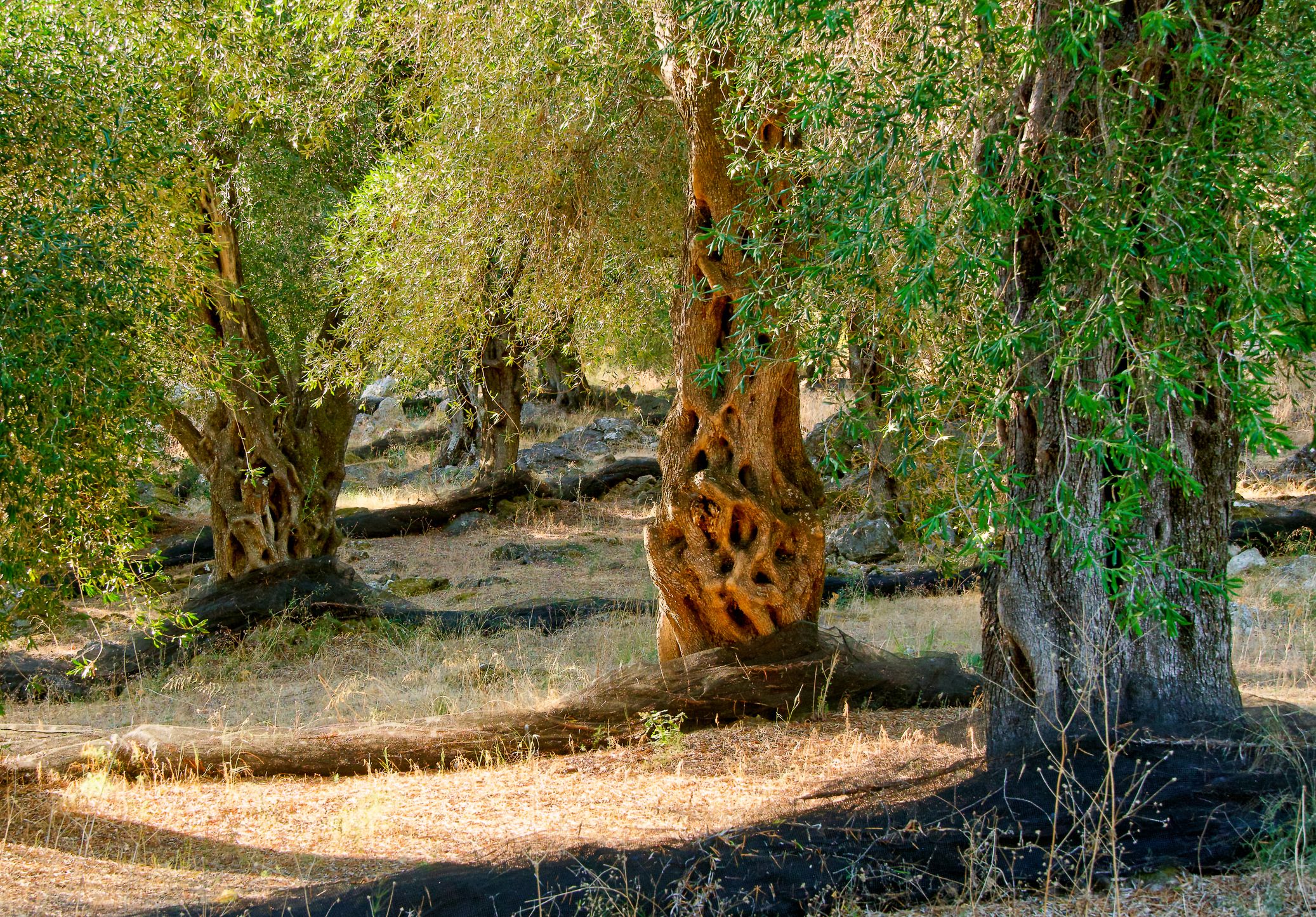
Corfu Olive Grove
Corfu is the kind of place that elicits a higher than usual chorus of “oh, I could actually live here”'s than your typical island stop. The old town is handsome in that old-money, multi-imperial way that few Greek islands can quite match, and its fortifications, neoclassical housing and strategic position at the mouth of the Adriatic give it a weight that goes beyond the usual port-day prettiness. Corfu’s cultural history packs a punch too, as the home of the first Greek university, the first philharmonic orchestra and the first school of fine arts, which is the sort of record that makes the place seem somewhat overqualified compared to its neighbours.
What I like about Corfu on a cruise is that it gives you two moods. You can stay close to town and have an elegant day of forts, lanes and cafés, which is never a bad thing, or you can explore the island’s fertility out in the wilder parts. Corfu’s microclimate, (heavy rainfall and humidity) are central to its fruitfulness, with ancient olive groves, vineyards, citrus and kumquat all part of the island’s identity.
Kefalonia cruise port: cave light and quiet harbours
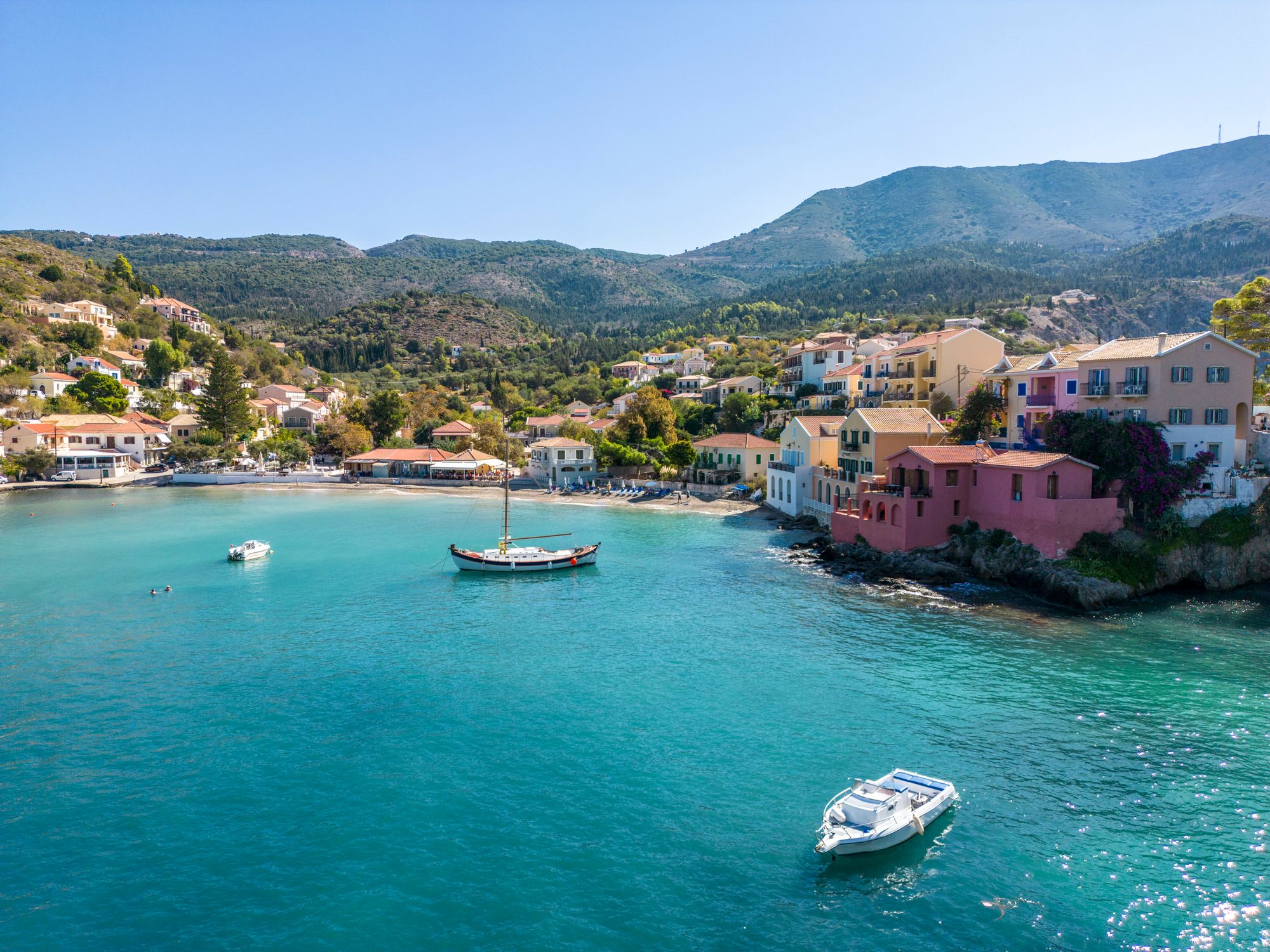
Assos, Kefalonia
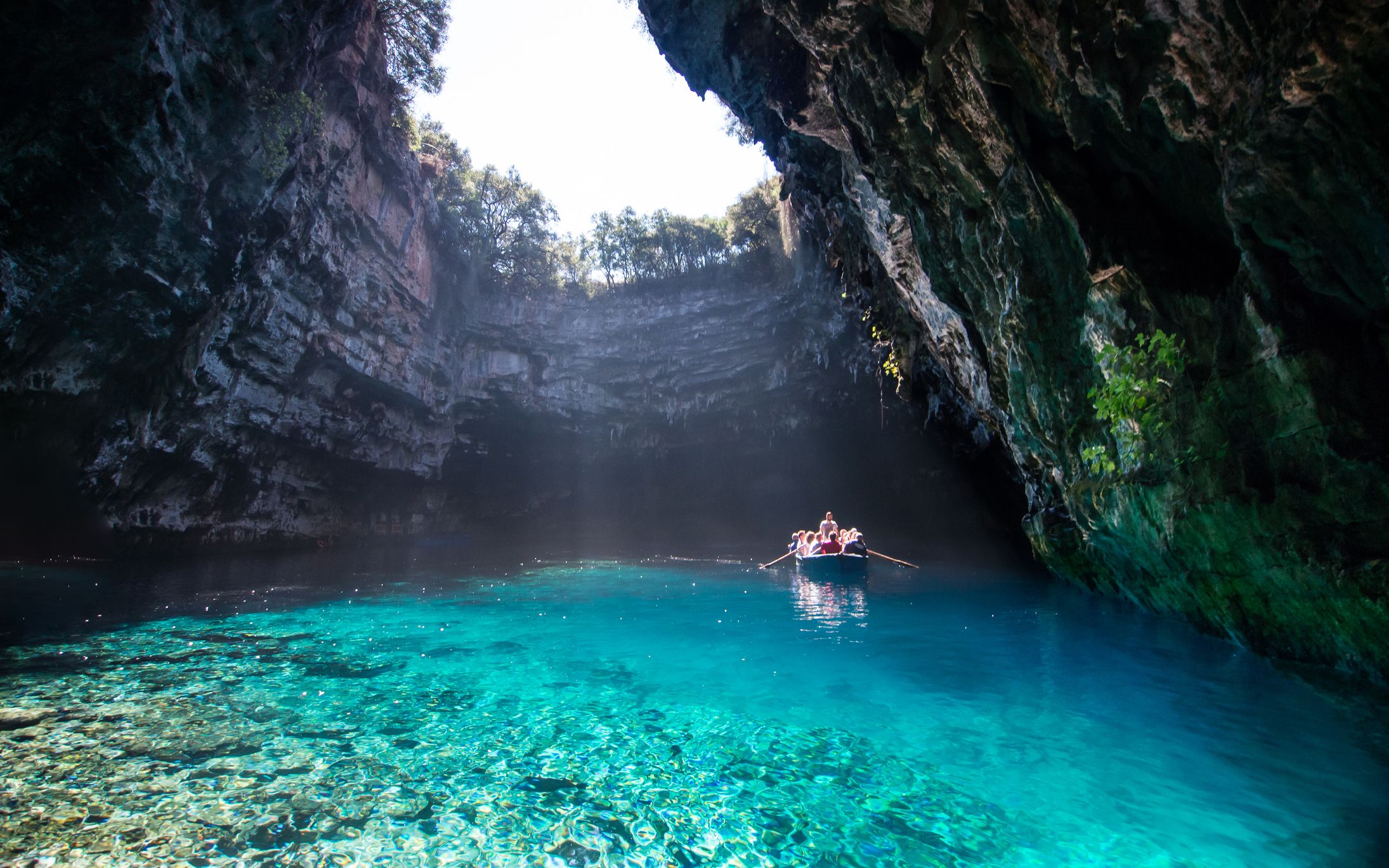
Melissani Cave
Kefalonia is, to my mind, the Ionian island most likely to make a Cyclades veteran relax a little. Assos is a village of cliffs, pine trees and cypresses with peace and simplicity to spare, while Fiscardo survived the 1953 earthquake and still preserving its traditional colour, tiled roofs and elegant old houses. That combination of calm and beauty is really the island’s whole USP: horseshoe harbours and pine-backed coves, essentially a place that's waiting to lower your blood pressure.
The great showstopper of course, is Melissani one of Kefalonia’s most impressive sights. A cave lake discovered in 1951 where the collapsed roof leaves the water lit from above. This is precisely the sort of attraction that sounds dangerously close to overhype until you visit and discover that, it is in fact very beautiful. The practical point, though, is not to try to do all of Kefalonia in one port day. A cruise stop here works best when you choose one way to do your day and commit to it: village and harbour, or cave and viewpoint, or beach and lunch. Trying to bolt Melissani, Myrtos, Assos and Fiscardo into one righteous burst of sightseeing is a good way to spend your holiday feeling less laid-back than this Island feels designed for.
Zakynthos cruise port: greener landscapes, sea turtles and one very obvious beach
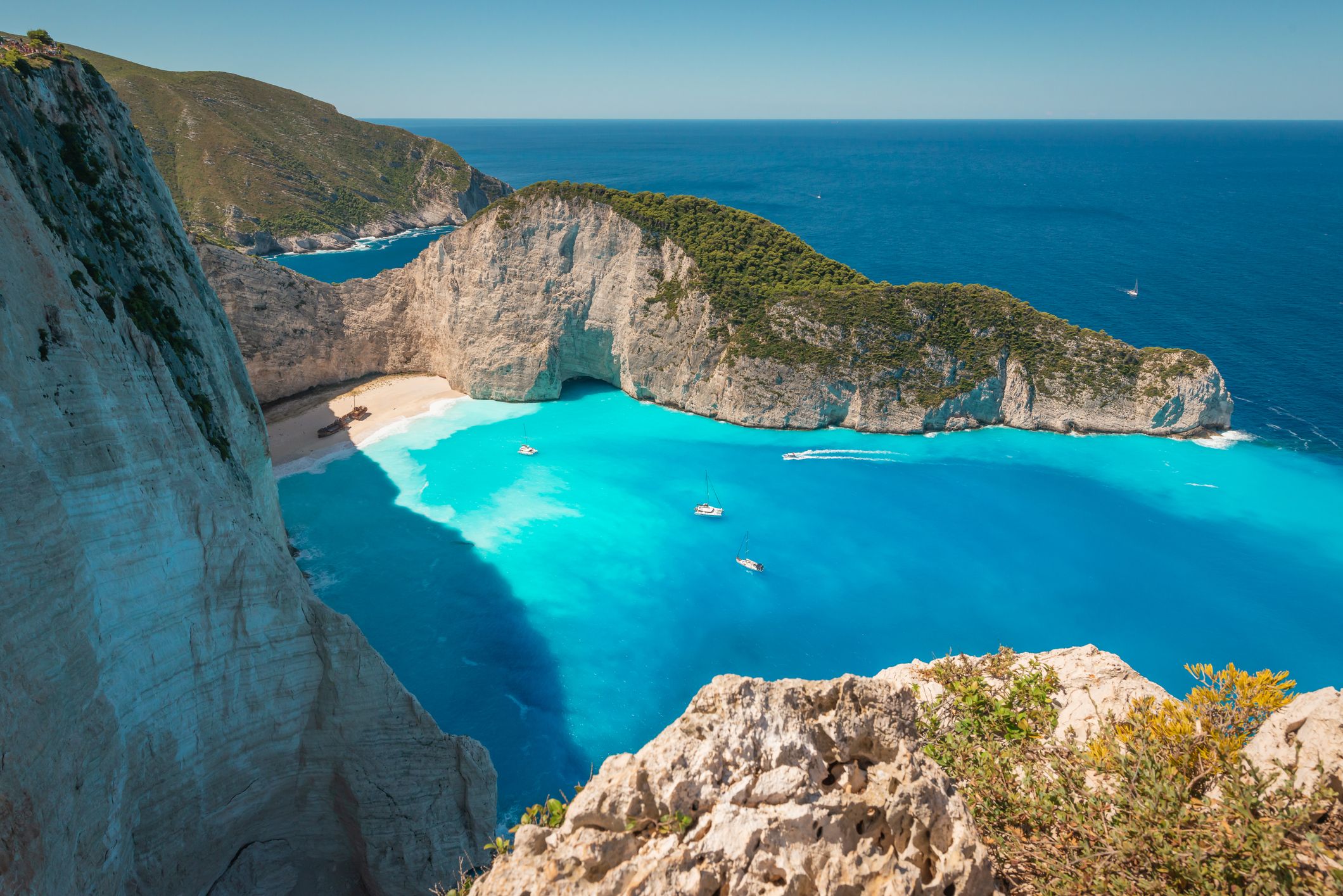
Navagio beach (shipwreck cove)
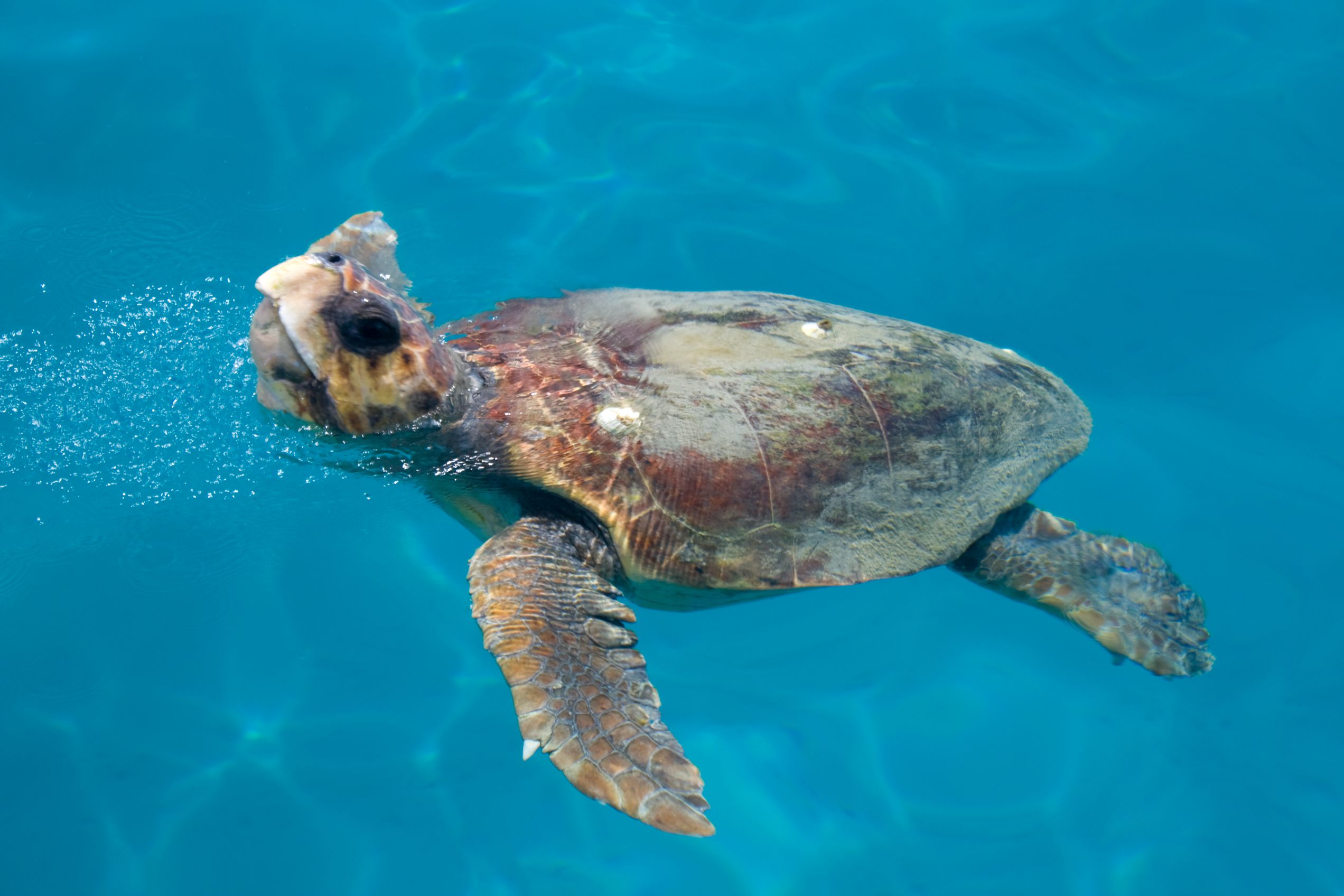
Loggerhead sea turtle, Zakynthos
Zakynthos has the hardest job on this itinerary because so many people think they already know it. Shipwreck Cove, a little turtle icon, perhaps a vague memory of package-holiday folklore, end of story. But the full picture is much richer than that. This verdant island is home to fertile valleys, over 7,000 species of flowers and sharply different coastal personalities depending on where you go. The Venetians called it the “Flower of the East”, which is admittedly a phrase that sounds like it ought to be embroidered onto a cushion, but it does also tell you something useful about the island’s softness and abundance.
Then there are the turtles. The Zakynthos National Marine Park says loggerhead turtles migrate to Laganas Bay in spring to mate and nest on the beaches from mid-May to late August. That gives the island an ecological seriousness beneath all the aquamarine glamour.
Lefkada cruise stop: Ionian beauty without performance
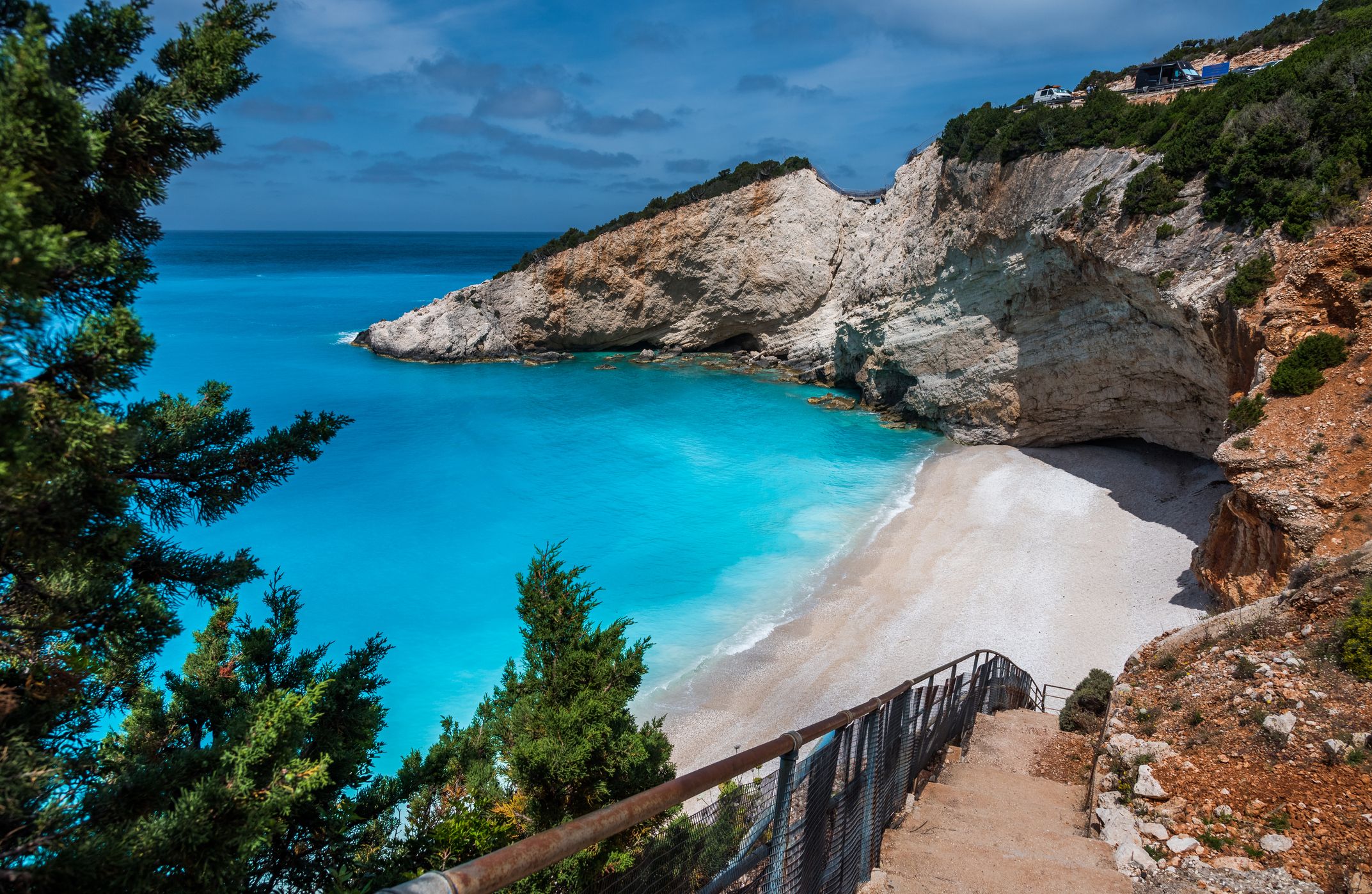
Porto Katsiki
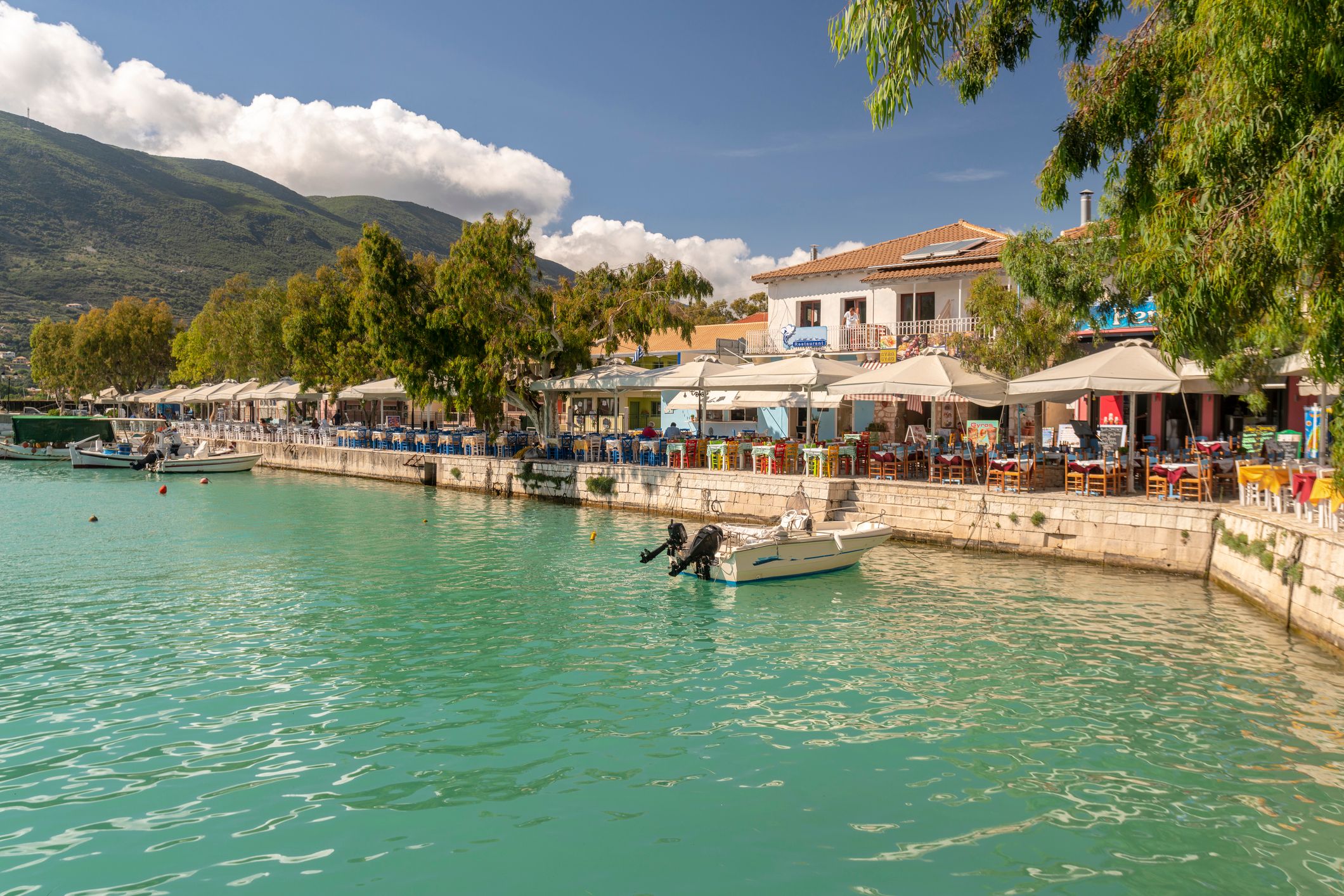
Tavern in Vassiliki, Lefkada
Lefkada is the island I would slip into this itinerary for readers who like the idea of Greece but not always the full theatre of Greek-island fame. A place of lush vegetation, transparent turquoise waters, picturesque villages and a capital town with a distinctive layout, small squares, traditional houses and paved pedestrian lanes. It is also, slightly wonderfully, an island that is connected to the mainland by a causeway, which gives it a practical oddness I rather enjoy.
What makes Lefkada especially recommendable after the Cyclades is that it still feels reasonably unspoiled. Yes, some people know Porto Katsiki, and yes, some of the west-coast beaches have become very famous for impossibly blue water. But the island is distinctly not known for its inland walks, villages, windmills, lagoons which give it a much more relaxed island texture.
Can you really do Corfu, Kefalonia, Zakynthos and Lefkada by cruise?
Only in the sense that you can meet them properly enough to know which you want to come back to.
That, really, is the appeal of the Ionian as a second Greek-island week. Corfu gives you history and polish. Kefalonia gives you quiet beauty and cave-blue theatrics. Zakynthos gives you fertility, turtles and a slightly more layered version of island glamour than its reputation suggests. Lefkada adds a greener, less overperformed sort of beauty. None of them has the Cyclades’ whitewashed certainty. All of them feel softer around the edges, greener in the eye and more forgiving of people who would like their holiday to involve one excellent swim, one good lunch and only a moderate amount of uphill regret.