Accessible cruising is often treated like a small footnote in the booking process. In reality, it can be the difference between a holiday that works beautifully and one that becomes admin with a sea view.
Cruising has obvious advantages for travellers with access needs. You unpack once. The ship moves with you. Food, entertainment and your cabin are all close by. Newer ships can be impressively well designed, with lifts, accessible public spaces, adapted cabins and staff used to supporting guests with different mobility, medical and sensory needs.
But there is a catch, because travel likes to have at least one.
Accessible cabins are limited. The best ones go early. And a cruise that looks suitable on paper can still involve awkward gangways, tender boats, inaccessible shuttle buses, cobbled ports, steep streets or shore excursions described with the sort of vague optimism that should make any wheelchair user immediately suspicious.
So yes, accessible cruising can be brilliant. But it rewards early planning, specific questions and a healthy distrust of phrases like “short walk”.
Why accessible cruise cabins sell out early
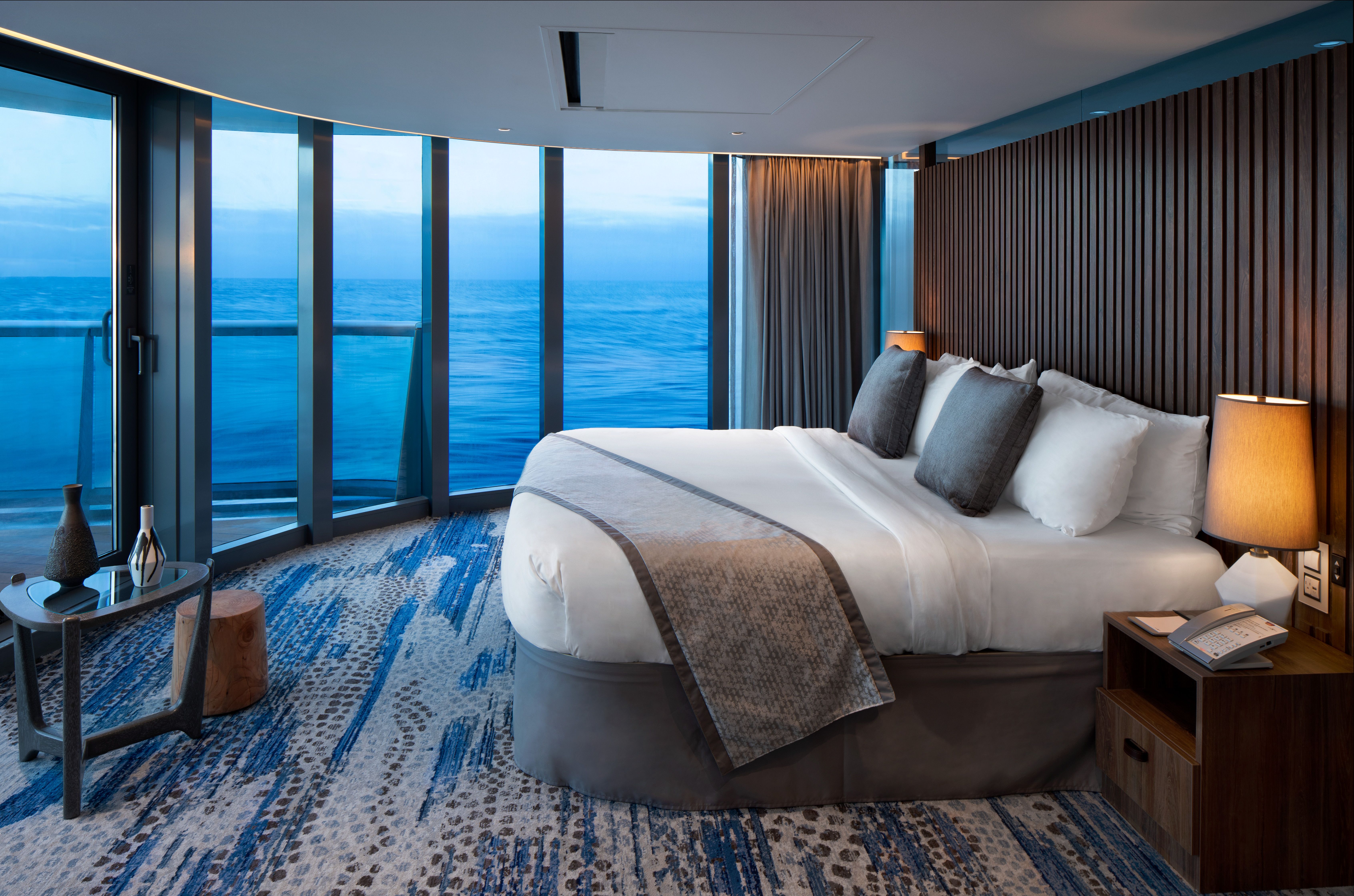
Accessible cabins are not simply standard cabins with a rail added and everyone hoping for the best. A proper accessible cabin needs more space, wider doorways, step-free access, a bathroom layout that works, room for turning and transferring, and somewhere safe to store mobility equipment.
That means there are fewer of them.
On popular sailings, the right accessible cabin can sell out long before the rest of the ship looks busy. This is especially true for no-fly cruises from the UK, school holiday sailings, peak Mediterranean routes, Norwegian fjords cruises, Alaska, Christmas markets and other bucket-list itineraries where demand is already high.
The key point is that general availability does not mean accessible availability. A ship might have plenty of cabins left, but if the cabin that suits your needs has gone, those remaining cabins are not useful. They are just very nicely decorated irrelevancies.
Cabin category also matters. If only an accessible suite remains, the access need may technically be solved but the price may not be. If only an inside accessible cabin remains, that may not suit someone who needs natural light, fresh air or a balcony for wellbeing.
The earlier you book, the more likely you are to get a cabin that works for you, rather than one that technically exists.
When to book an accessible cruise cabin
For specific access needs, start looking as soon as the sailing goes on sale. For many cruises, that means 12 to 18 months ahead. That may sound excessive until you realise you are not just choosing a holiday. You are securing the small amount of ship inventory that can actually support your trip.
Book especially early if you need a roll-in shower, space for a wheelchair or mobility scooter, a cabin close to a lift, a particular bed position, an accessible balcony, equipment hire, medical storage or a cabin that works for a companion or carer.
Last-minute accessible cruise deals can happen, but they are less reliable than standard late deals. The right cabin has to be available, the itinerary has to work and the ports have to be manageable. That is a lot to leave to chance, unless your idea of relaxation is refreshing availability pages while muttering darkly into a cup of tea.
Cruise lines may also require accessibility or medical forms before travel. Equipment hire, port assistance, oxygen, hoists, shower chairs and mobility scooter arrangements may need advance notice. The sooner you start, the less likely you are to discover an important detail after you have already paid.
What to check before booking an accessible cabin
Do not rely on the word “accessible” alone. It is too broad to be useful.
Ask what type of accessible cabin it is. Some are fully wheelchair accessible. Some are designed for guests who can walk short distances but need extra support. Some are adapted from standard cabins and may not work for full-time wheelchair users.
Ask for practical details: doorway width, bathroom layout, shower access, grab rails, shower seat, turning space, bed height, transfer space, balcony threshold, storage for mobility equipment and distance to the nearest lift.
If you use a scooter or powered wheelchair, check whether it fits through the cabin door and where it can be stored and charged. Many cruise lines do not allow mobility equipment to be left in corridors, which is sensible for safety but inconvenient if nobody mentioned it until embarkation.
Ask for photos or deck plans where possible. Better still, speak to the cruise line’s accessibility team or a travel agent who understands accessible cruising properly. A cabin that sounds fine in a call centre script may feel very different when you are trying to turn, transfer or reach the bathroom at 2am.
The right question is not “is it accessible?” It is “will this specific cabin work for my specific needs?”
How to judge accessible shore excursions
Accessible excursions vary wildly.
A genuinely useful excursion description should explain walking or wheeling distances, surfaces, steps, toilet access, vehicle access, whether the coach has a lift, whether wheelchairs can be secured, whether mobility scooters are accepted and whether there is time to rest.
Vague descriptions are a warning sign. “Moderate walking” is not a measurement. “Some uneven ground” can mean anything from a slightly annoying paving slab to a medieval endurance event. “Guests must be able to board the coach unaided” is not small print. It is the deciding factor.
Ship excursions can be reassuring because the cruise line controls the timing and knows you are on board. Independent accessible tour specialists can sometimes offer better detail, better vehicles and more realistic planning. Neither option is automatically better. The best choice is the one that answers your questions clearly before you book.
If the answers are vague, keep asking. If they stay vague, choose something else.
The easiest cruise itineraries for accessible travel
No itinerary works for everyone, but some are easier to plan.
No-fly cruises from UK ports can be a good option if airports are difficult or if you need to bring mobility or medical equipment. They simplify the start and end of the holiday, though you should still check terminal assistance, parking, boarding arrangements and cabin access.
Routes with mostly docked ports are usually easier than itineraries with several tender calls. City-based itineraries in Northern Europe, parts of the Baltic, Iberia, the western Mediterranean and selected Norwegian fjords sailings can work well, provided the ports themselves are manageable.
River cruises need careful checking. Gangways can be steep, ships may moor alongside each other, cabins and corridors can be smaller, and lifts may not serve every deck. Expedition cruises need even more caution because Zodiac landings, remote terrain and limited infrastructure may make some experiences inaccessible.
The best accessible itinerary is usually one with a suitable cabin, a ship with strong onboard access, mostly docked ports and shore options that have been properly described.
In other words, choose the cruise where the access works before you fall in love with the scenery. Annoying, but effective.
The questions to ask before you book
Start with the cabin. Does it have the space, bathroom layout, doorway width and equipment access you need? Can your wheelchair or scooter be stored and charged safely? Is the cabin close enough to lifts and key public areas?
Then move to the ship. Are restaurants, theatres, pools, lounges and open decks accessible? Are there pool lifts if needed? Are there accessible toilets in useful places? Are staff able to support your specific requirements?
Then check the itinerary. Which ports are docked and which are tendered? Are shuttles accessible? Are the main sights reachable? What are the surfaces like? Are there accessible taxis or tours? Can assistance be arranged at embarkation, disembarkation and ports?
Finally, get important answers in writing. Not because everyone is trying to mislead you, but because travel details have a habit of becoming foggy once money has changed hands.
Why accessible cruise planning matters
Accessible cruising works best when access is built into the holiday from the start.
That means booking early, choosing the right cabin, checking the ship, understanding the ports and being realistic about excursions. It also means cruise lines, ports and tour operators need to provide better information, not just reassuring language.
Travellers should not have to decode whether “accessible” means fully step-free, partly adapted, manageable with help or “someone once found a ramp”. Clear details make better holidays.
Cruising has huge potential for disabled travellers, older travellers, people with reduced mobility, people with medical needs and anyone who benefits from a more predictable travel setup. But potential only matters if the trip actually works in practice.
Get the details right and a cruise can be one of the easiest, most enjoyable ways to travel. Get them wrong and the whole thing becomes a very expensive reminder that “accessible” is only useful when it means what you need it to mean.