Certain cruise itineraries look less like a holiday and more like a test of your ability to endure several days without seeing dry land.
Seven nights, six ports. Exciting, obviously, if your idea of rest is setting an alarm every morning and getting extremely well acquainted with shuttle buses. Ten nights, five sea days. Blissful, perhaps, unless by day three you’ve started ranking the lift carpets for entertainment. A transatlantic crossing with no ports at all. Romantic, old-school, heroic, and also a real test of how much you enjoy your own company between lunch and the evening show.
Sea days are one of cruising’s great pleasures, but they're also one of its great misunderstood variables. Too few and the whole voyage can start to feel like a bit like a school trip, too many and you may discover, rather late, that you don’t actually like being trapped with 3,000 people and a daily programme that keeps inviting you to line-dancing.
So how many sea days is too many? Annoyingly, the answer depends less on the number and more on what you're actually cruising for...
What exactly is a sea day on a cruise?
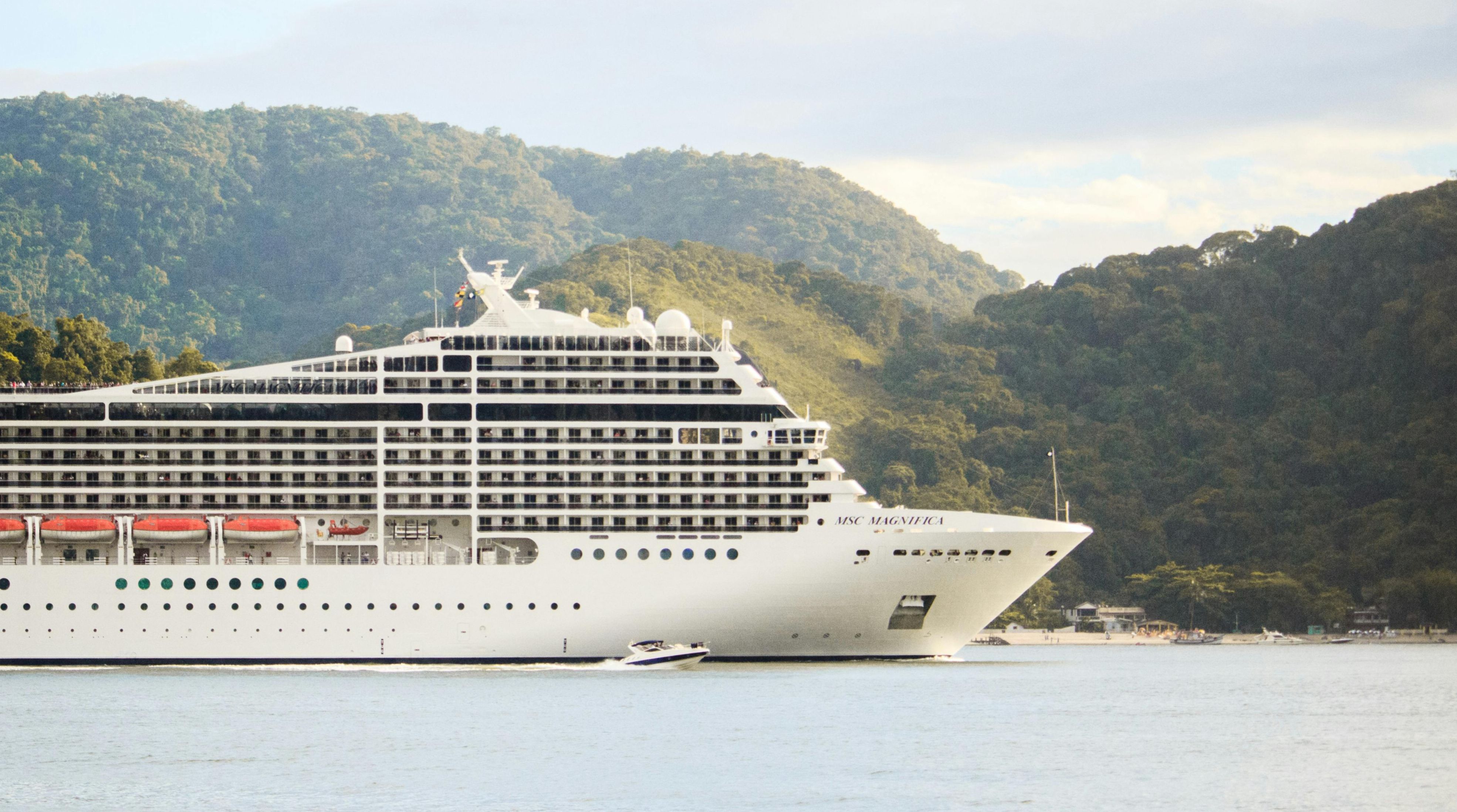
A sea day is any day when the ship doesn’t call at a port. The vessel is sailing from one place to another, or sometimes simply taking its time across a large stretch of water, while passengers remain on board slightly pleased that nobody's asked them to be on a coach by 8.15am.
Sea days come in different moods. A warm sea day in the Caribbean can mean pool decks, cocktails, sun loungers and the faint sound of a steel pan band. A cool sea day in the North Atlantic might mean lectures, reading, spa time, brisk deck walks and trying to look windswept look flattering. Scenic sailing through Alaska or Norway might appear on the itinerary as a day at sea, but this is quite different all together. Here you’re not just passing time, you’re watching cliffs, glaciers, forests or waterfalls move slowly past the ship while everyone on deck becomes briefly serious and awestruck.
A port-heavy itinerary sounds fantastic when you’re browsing from a sofa. Every day a new place. Every morning a different harbour. Every evening the satisfying feeling of having seen something. However, “new place every day” also means early starts, tenders, queues, excursions, walking, heat, rain, time zones, and the creeping sense that you’ve paid to be efficiently tired.
Sea days give your itinerary a bit of breathing room. They let you actually use the ship; give you time to sleep in, book the spa, try the restaurant you meant to try, read the book you brought or even just spend an hour on deck watching the wake.
They also reset the social temperature of a cruise. Port days are outward-facing. Sea days bring everyone back into the little world of the ship. That can be lovely. It can also mean the pool deck gets busy, the buffet becomes more chaotic and every quiz starts to take on renewed importance. If you don’t much like crowds, sea days on a very large ship can overwhelming, but it's important to remember that quiet spots do still exist, you might just have to seek them out.
The best sea day ratio for a first cruise
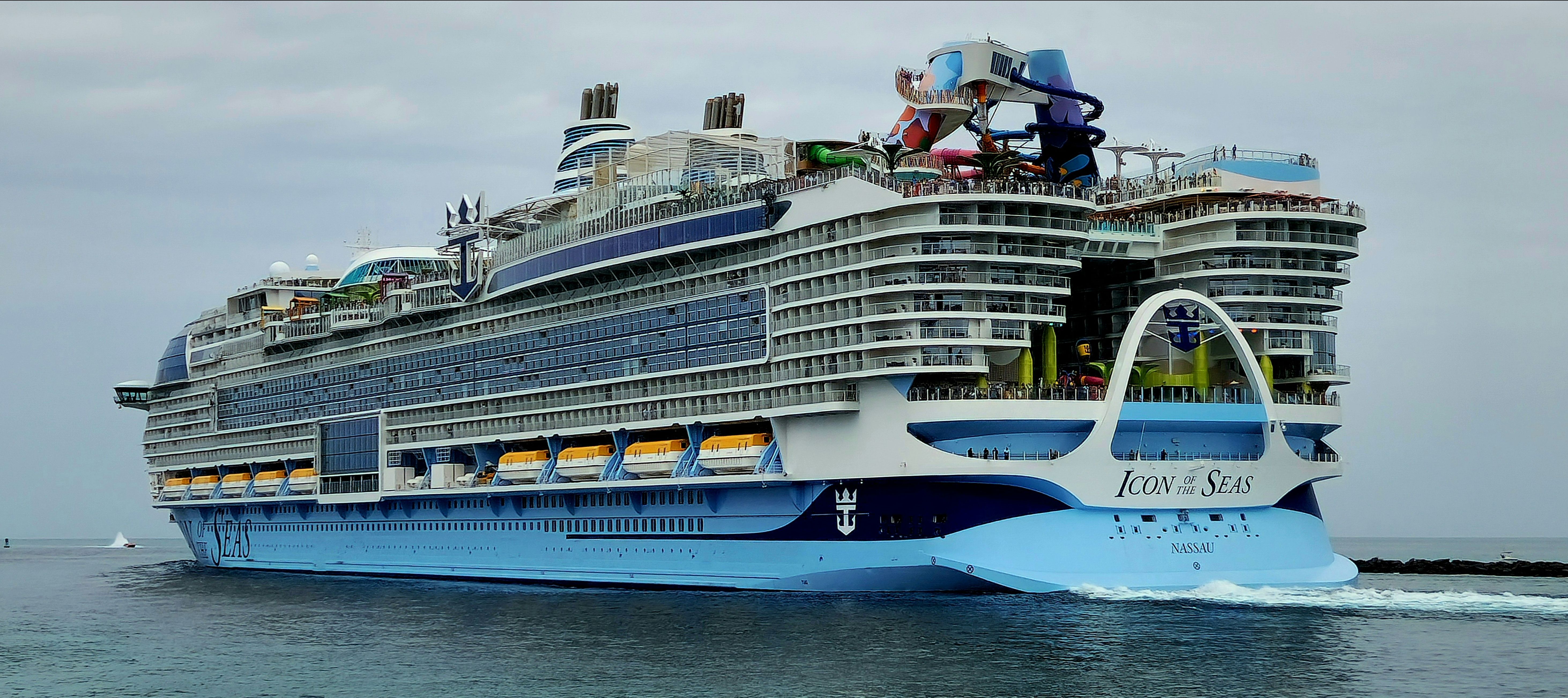
For a first cruise, the safest balance is usually one or two sea days in a week. That gives you time to experience the ship properly.
A seven-night itinerary with two sea days often works well. You'll get the excitement of arrival in different ports, but you also get time to recover, settle in and remember that holidays aren't a competitive sport. It lets you have a proper sea-day breakfast, wander the decks, find a favourite bar and enjoy the strange luxury of travelling while doing very little.
A seven-night cruise with no sea days can be brilliant if the ports are the point and the distances are short. Some Mediterranean routes are like this: old town, harbour, gelato, church, museum, dinner, repeat until your feet are tired. Wonderful, if that’s what you came for. Less wonderful if you wanted to come home rested rather than historically informed and slightly dehydrated.
For most first-timers, I’d be cautious about booking a cruise with three or more consecutive sea days unless the ship itself is a major draw. It may turn out to be your idea of heaven. It may also be the moment you discover you’re more destination-led than you thought, and that your tolerance for pickleball commentary has limits.
Port-heavy cruise itineraries: who they suit
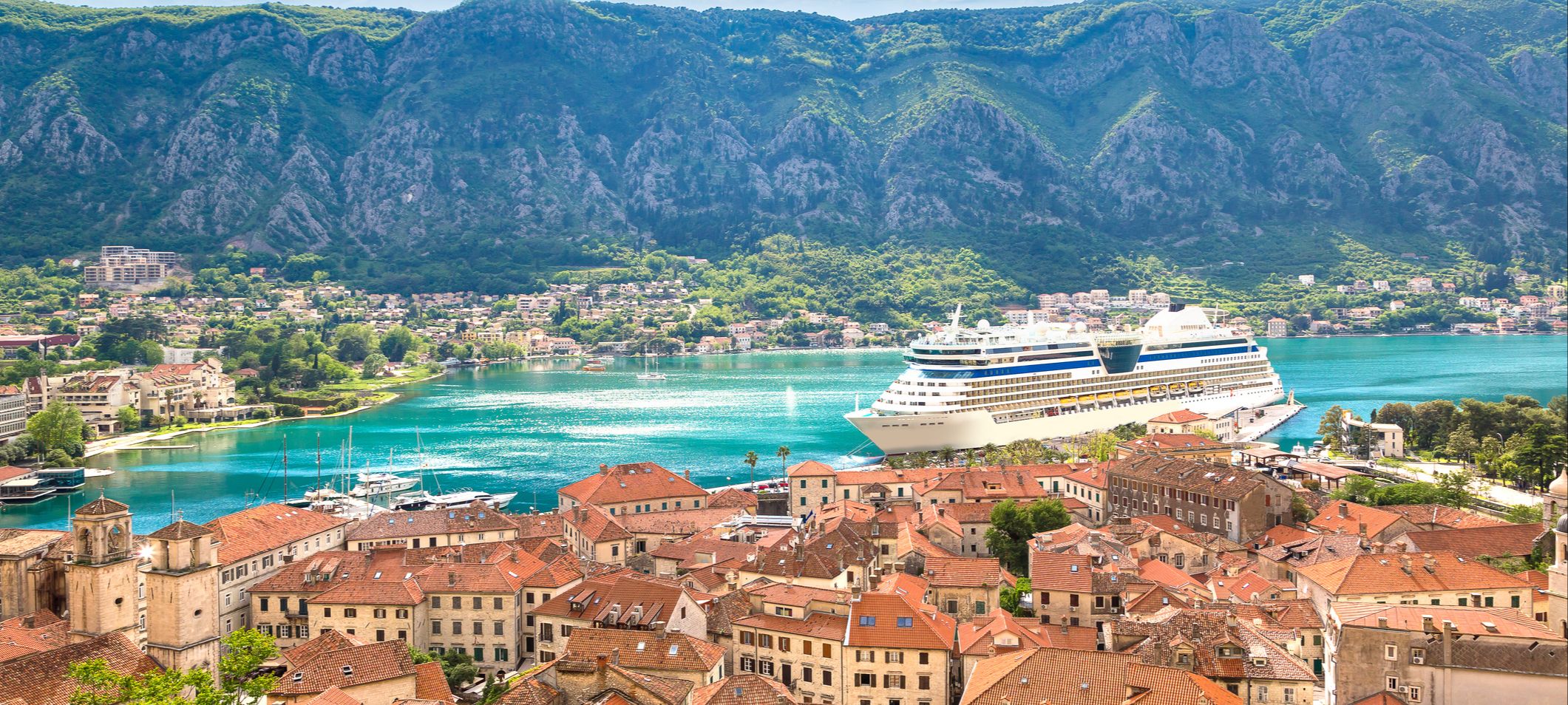
Port-heavy cruises suit travellers who are more interested in the route than the resort side of cruising. If you’re choosing the holiday because you want Athens, Dubrovnik, Naples, Barcelona or the Norwegian fjords, then a busy itinerary may feel exactly right. You are using the ship as a civilised way to string together several places without repacking your socks every 36 hours.
The danger is mistaking quantity for quality. Six ports in seven days can sound like good value, but port time varies wildly. A full day in Lisbon is not the same as five rushed hours somewhere that needs a 90-minute transfer each way. A late arrival can make the day feel oddly chopped up and an early departure can turn lunch into a tactical operation.
Look at the actual timings, not just the names. If the ship docks at 8am and leaves at 6pm, you’ve got a proper day. If it arrives at noon and leaves at 5pm, you’ve got a brief flirtation with the port and possibly a fridge magnet. There’s nothing wrong with that, but it’s better to know before you find yourself speed-walking through a historic centre with the expression of a person trying to catch the last train.
Scenic cruising days aren’t normal sea days

Some days at sea are quiet. Others are landscape theatre.
Alaska’s Inside Passage, Norway’s fjords, New Zealand’s Fiordland, Chilean fjords, Antarctica, Svalbard and other scenic routes can include stretches where the ship itself becomes the viewing platform. These days may not involve a port call, but they aren’t empty. You’re on board because the coastline, ice, water, mountains or wildlife are best seen from the ship.
That changes the planning. A scenic sailing day can be more memorable than a port day, especially if the weather behaves and the commentary is good. You may spend much of it outside, moving between decks, looking for wildlife, taking too many photographs and quietly accepting that waterproof trousers might not be glamorous but are absolutely useful.
The important thing is not to dismiss scenic cruising as “just another sea day”. It may be the reason the itinerary exists. If you’re weighing up routes, check whether the sea days are open-water crossings or scenic passages. One is about relaxation and distance. The other is about being outside with a hot drink, pretending you know which bird that was.
Long cruise crossings: when sea days are the point
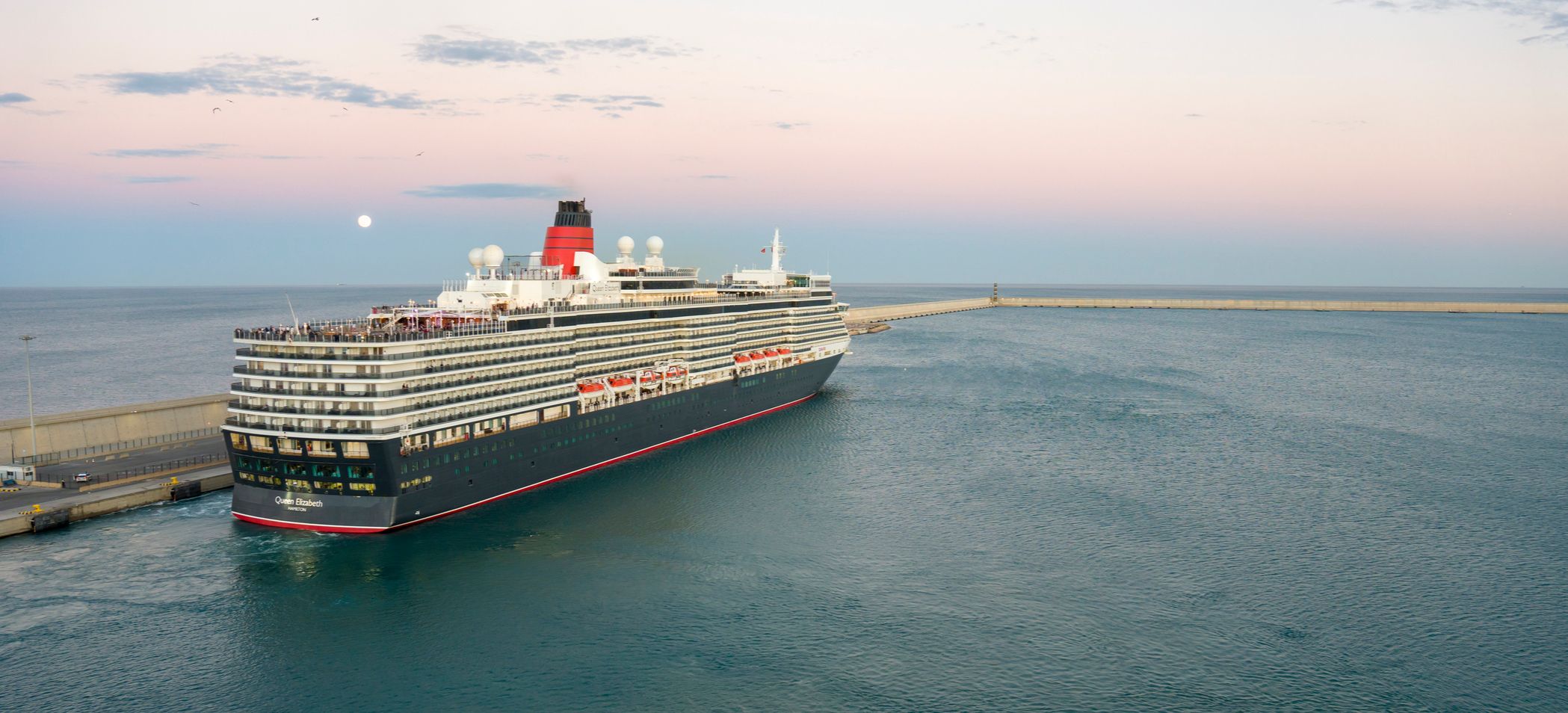
A classic transatlantic crossing, such as Cunard’s Queen Mary 2 between Southampton and New York, is built around consecutive days at sea. There're no daily port distractions, no quick detours ashore, the ship is the holiday.
This can be glorious. There's something deeply appealing about a crossing if you want time to slow down, dress for dinner, read, nap, attend talks, walk the deck and feel that you're participating in an bygone form of travel.
A crossing like this requires a particular appetite for routine and interior life however. You need to enjoy the ship’s rhythm. Meals matter more. Lectures matter more. The library, spa, theatre, bars and deck space matter more. Your cabin matters more too, especially if the weather turns and the balcony becomes less “private retreat” and more “wind tunnel with furniture”.
Long crossings are not too many sea days if you choose them for the right reason. But they are far too many if you choose them because they were a good deal and you haven’t thought through the fact that the Atlantic is actually quite large.
Expedition cruises and necessary sea days
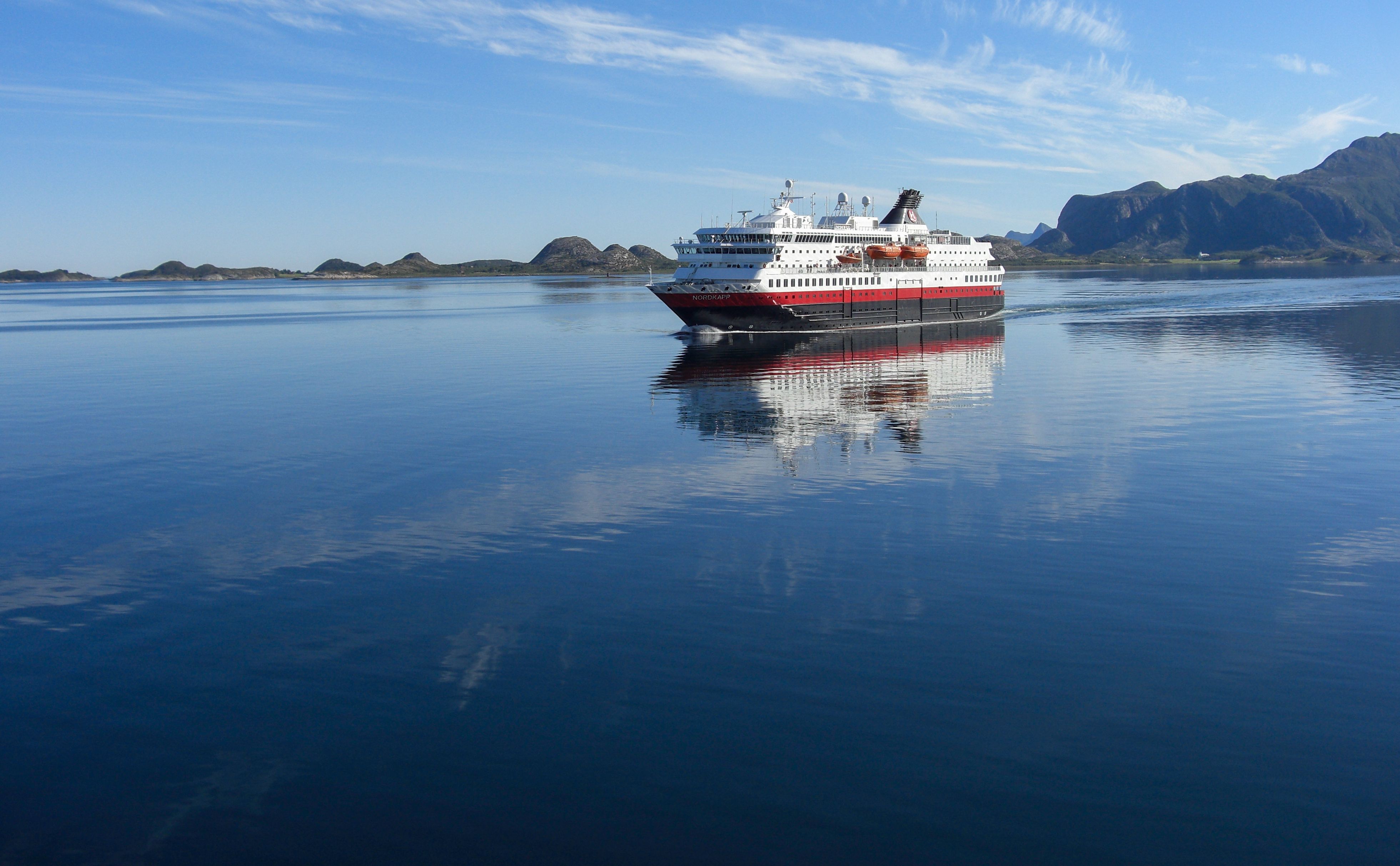
Expedition cruises often include sea days because geography insists on it. Antarctica is the obvious example. Many classic itineraries involve crossing the Drake Passage, which can take around two days each way, depending on conditions. That time is part of the expedition’s structure: briefings, lectures, wildlife watching, gear checks, getting used to the ship, and possibly discussing seasickness remedies.
The question here is not “Do I like sea days?” but “Do I accept that reaching this place takes time?” If the answer is yes, the crossing can build anticipation. If the answer is no, you may spend two days wondering whether penguins could have chosen somewhere closer.
Sea days and cruise costs
Sea days can be good value, but not always in the way people assume. You’re already paying for accommodation, meals, entertainment and transport, so a day on board can feel wonderfully contained. On the other hand, ships are very good at offering temptations in a weatherproof environment. Spa treatments, speciality restaurants, drinks packages, shops, bingo, casino time, wine tastings and paid classes all become more visible when nobody is ashore. A sea day can be cheap if you plan it to be. It can also turn into an expensive little indoor village of treats if you have no plan and a loose relationship your onboard account.
There is no shame in enjoying the extras. You're on holiday, not in a monastery. Just don’t assume more sea days automatically mean fewer costs. They mean fewer costs ashore, the ship may have other ideas.
So, how many sea days is too many?
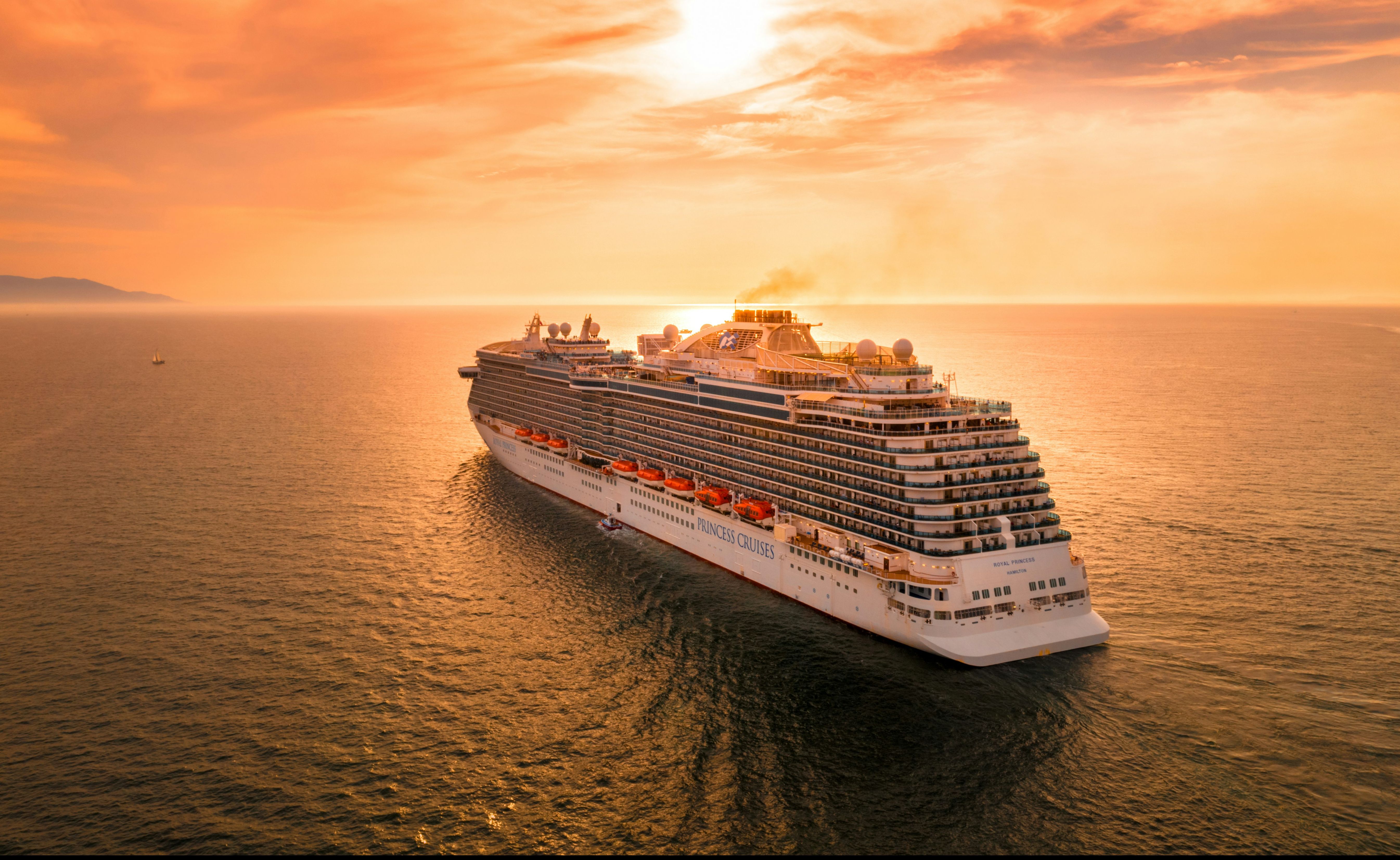
For most people, one or two sea days in a seven-night cruise is a safe, satisfying balance. Three can be lovely if the ship is good and the weather suits the route. Four or more starts to make the ship the holiday rather than the destinations. That may be exactly what you want. It just needs to be a conscious choice.
For longer cruises, think in rhythm rather than totals. A fourteen-night sailing with five sea days may feel beautifully paced if they’re spread throughout. The same number bunched together at the end may feel like a restful finale or like the holiday has started gently deflating, depending on your temperament and the quality of the library.
The best rule is simple: if you’re excited by the ship, the food, the view, the talks, the spa, the deck walks and the idea of time loosening a little, you can handle more sea days. If you’re mainly excited by the ports, keep the sea days as punctuation. If you are travelling with children, restless friends or anyone who regards relaxation as a personal attack, be cautious with long stretches at sea.
Too many sea days is not a fixed number. It is the point at which the ship stops feeling like freedom and starts feeling like a well-catered waiting room.
Choose well, and sea days become one of cruising’s great pleasures: slow mornings, open water, no packing, no transfers, nowhere to be except somewhere on board with a drink and a horizon. Choose badly, and you may find yourself attending a napkin-folding class out of necessity.
Which, to be fair, is still better than being at work.