
Ask anyone to name their dream European cruise and you're likely to hear the usual suspects: sun-drenched Greek islands, the glossy Amalfi Coast, or perhaps a grand meander down the Danube. Meanwhile, the Baltic is unlikely to get a look-in on most people's bucket lists, but here's a look at why it perhaps should be.
For all its quiet confidence and cooler climes, the Baltic is arguably Europe’s best-kept cruising secret. It’s a region that delivers everything, from world-class culture to cutting-edge cuisine, from medieval old towns to modernist marvels, and it does it all with much less fanfare (and fewer crowds) than its Mediterranean siblings.
Rather than a lazy beach read of a cruise consider the Baltic more of a page-turner. One full of UNESCO World Heritage sites, medieval towns, and modern Scandinavian capitals, with ample opportunities for sightseeing. Here’s why we think a Baltic cities cruise should be your next trip...
Find our full list of recommended Northern Europe cruises here...
1. You can wake up in a different world every day
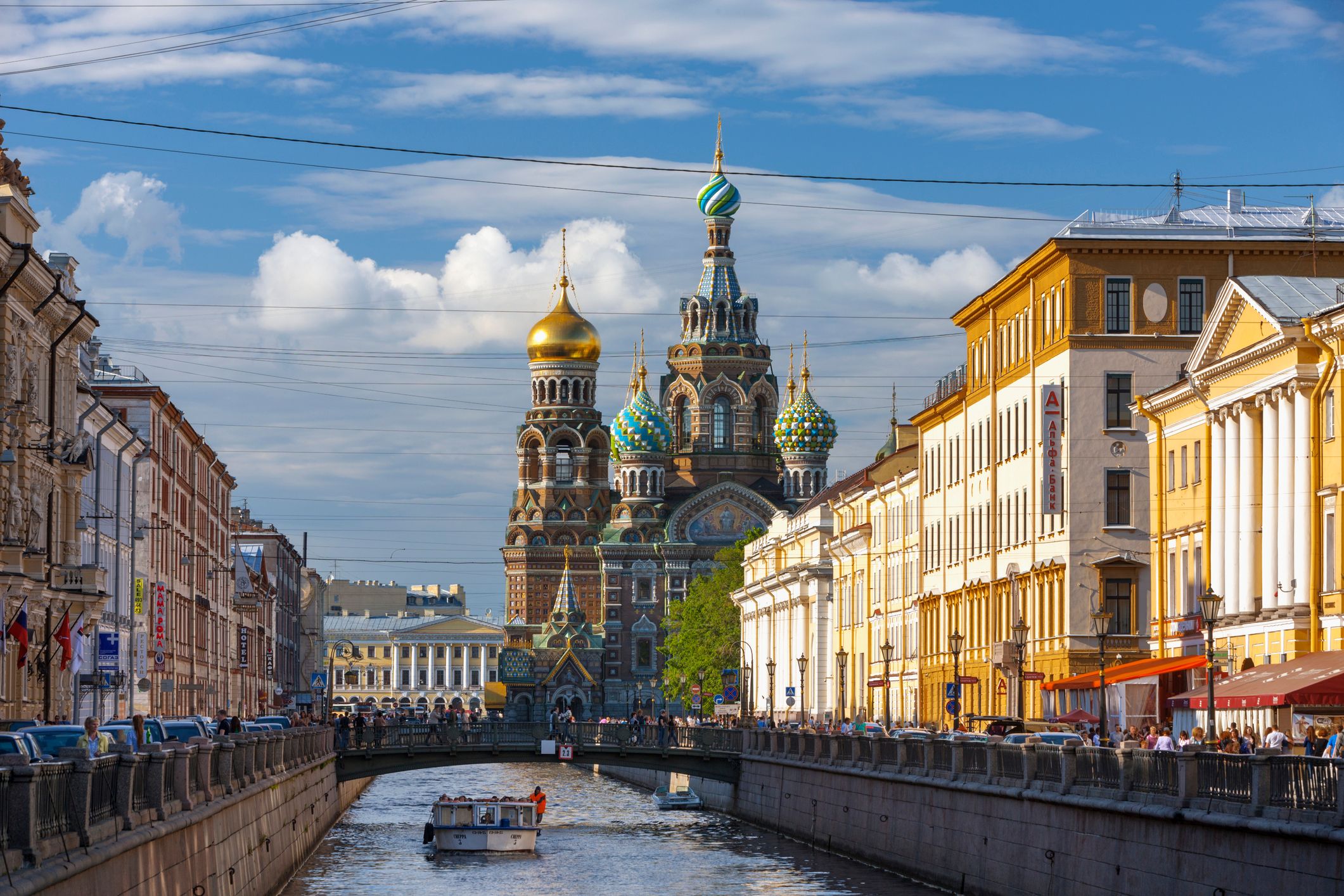
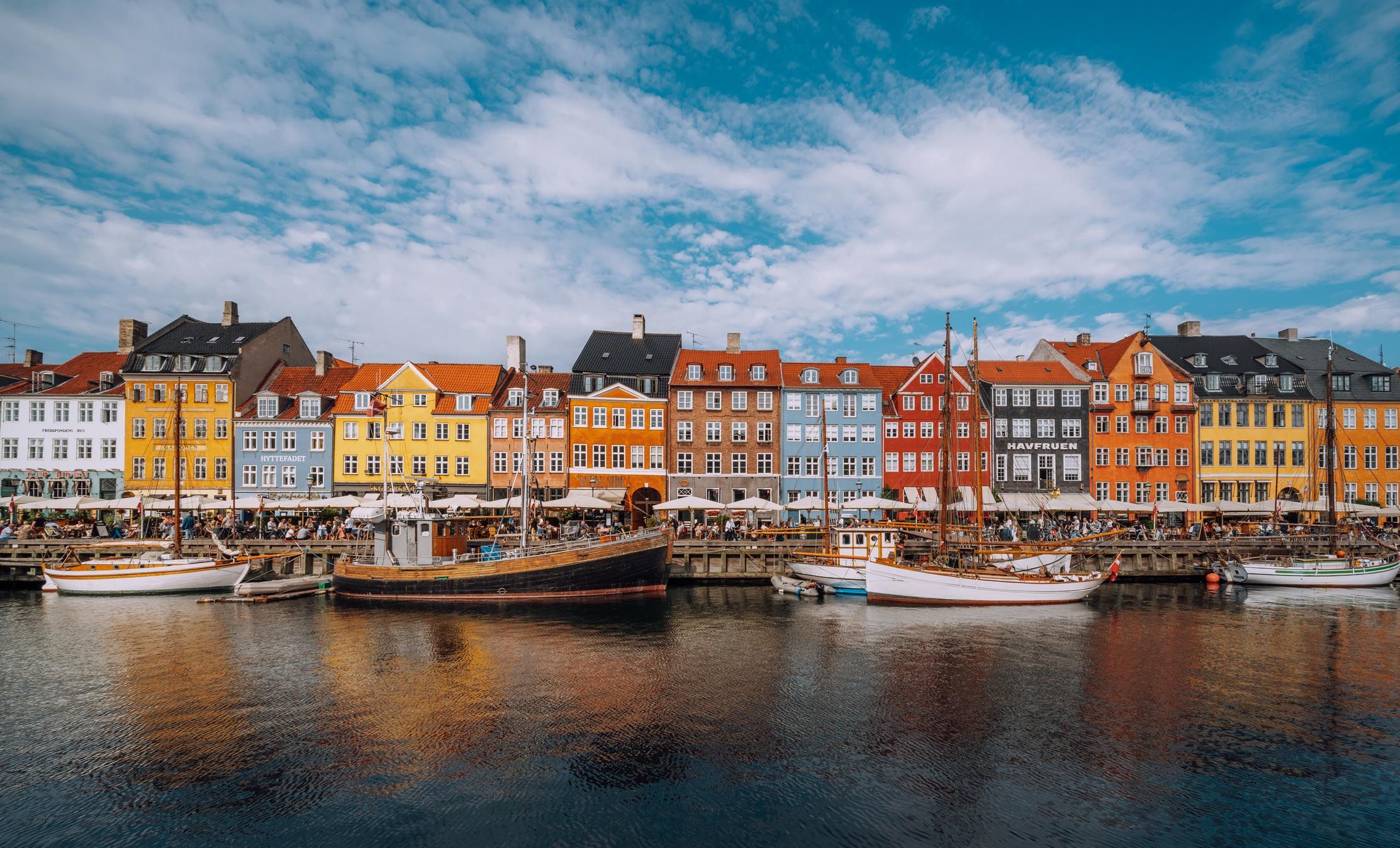
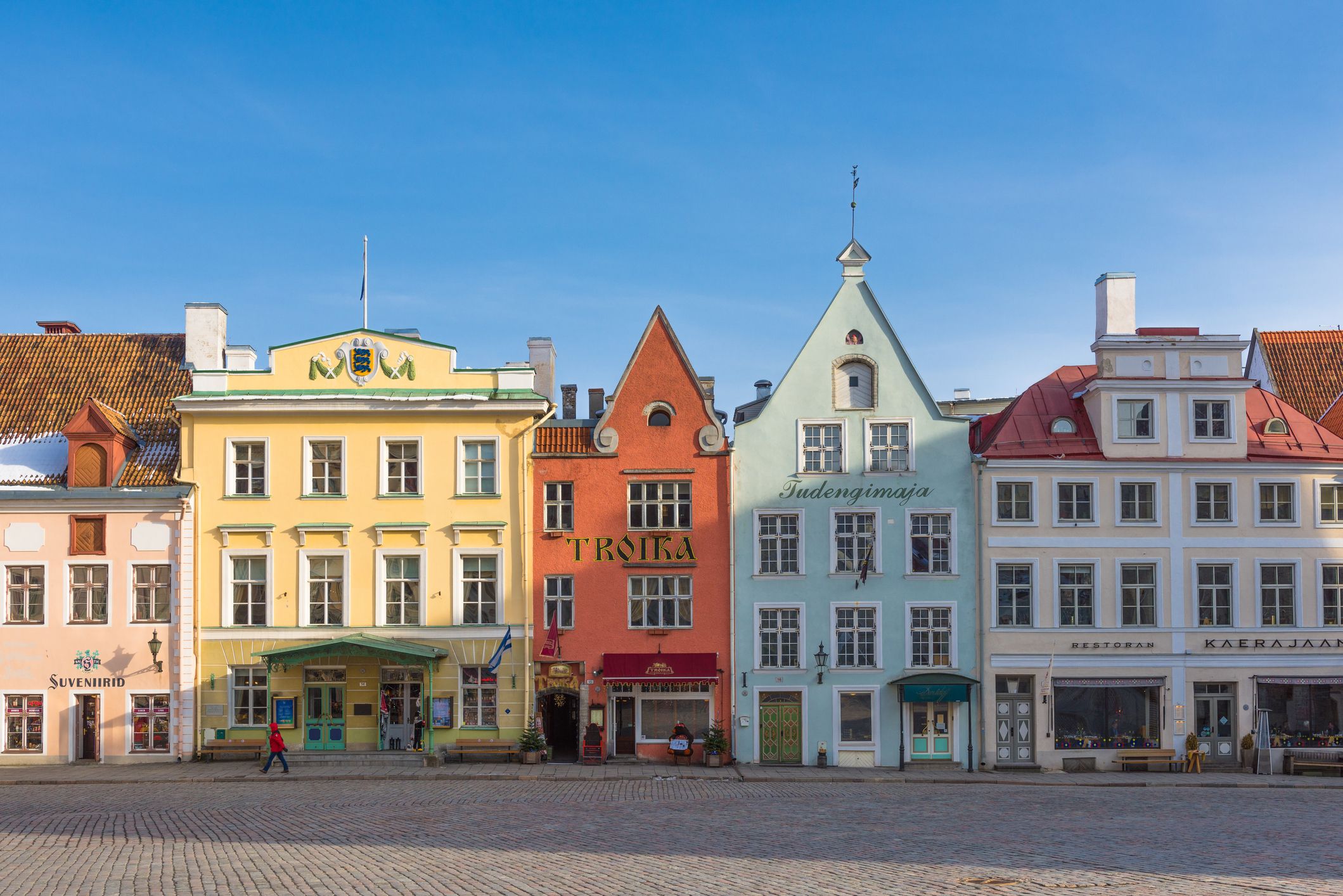
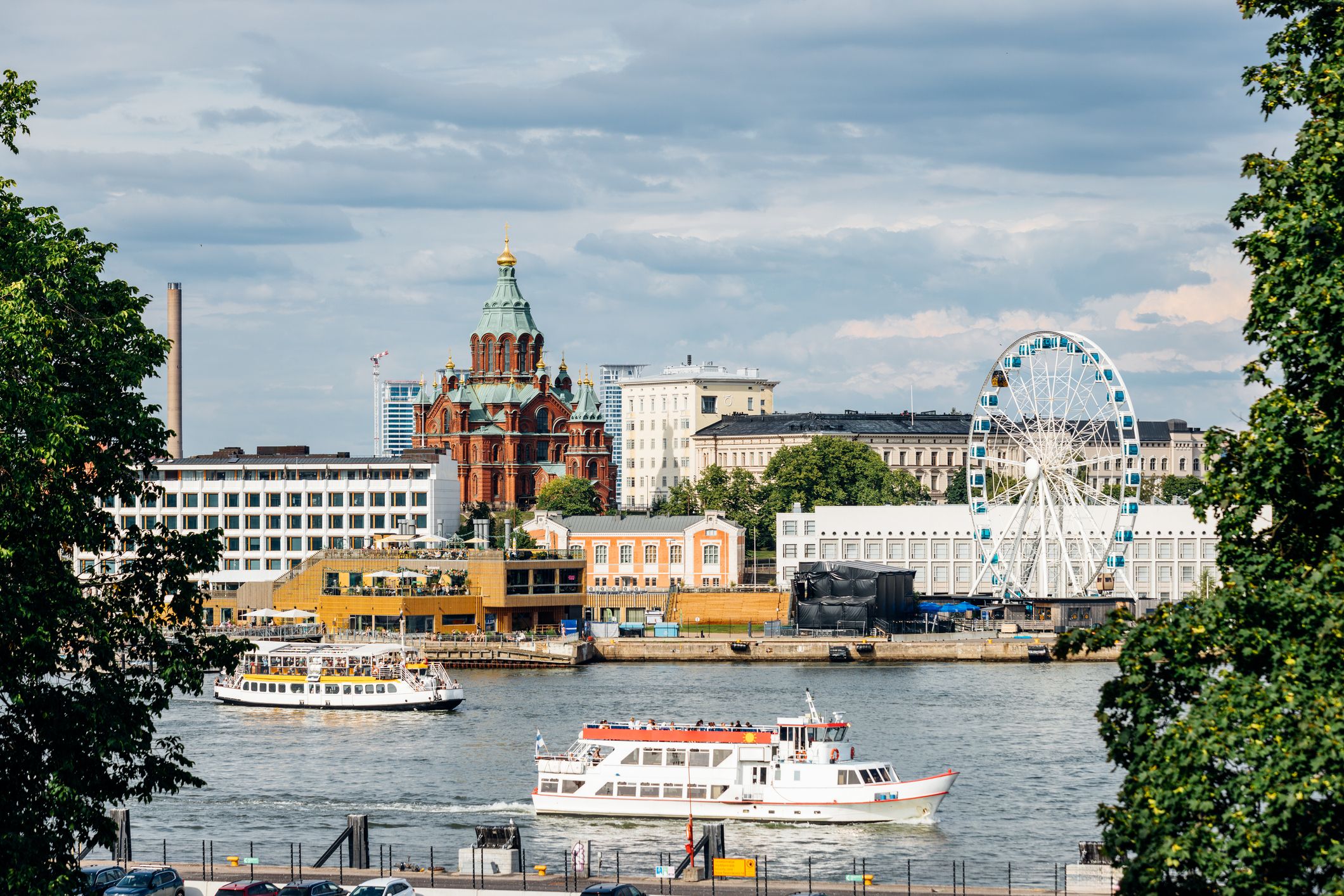
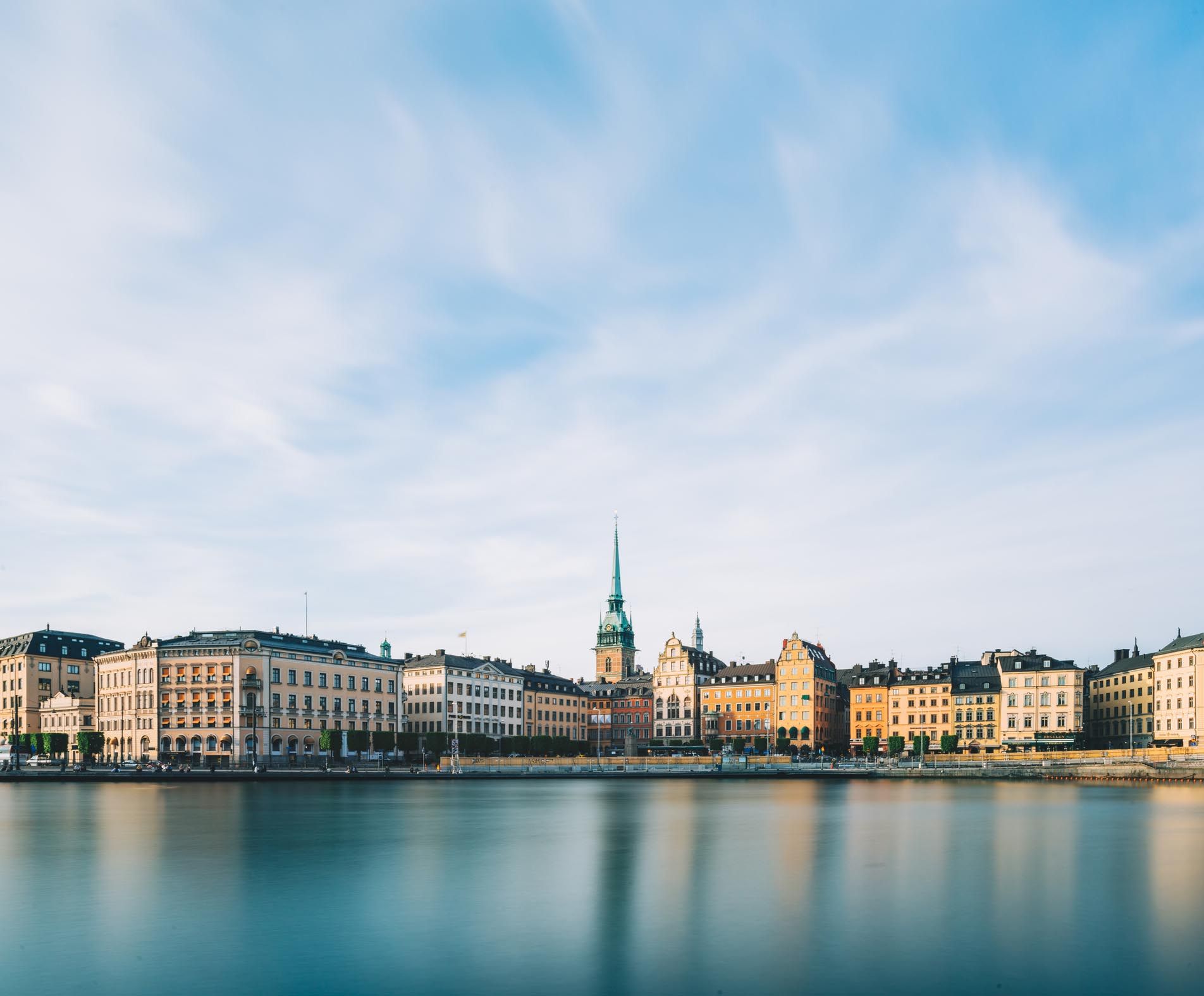
The geography alone is intoxicating. One morning you’re walking the imperial boulevards of St Petersburg (depending on current itineraries), the next you’re wandering the cobbled lanes of Tallinn, where medieval walls meet indie coffee shops and cutting-edge design stores. In between? Stockholm’s archipelago, Helsinki’s cool Scandi vibe and Copenhagen’s fairytale charm.
Baltic cruises are a masterclass in contrasts. East and West, old and new, gilt and grit. You get big-hitter capital cities alongside smaller ports like Klaipėda or Visby that feel like genuine hidden gems to those in the know.
2. It’s a culture lover’s dream
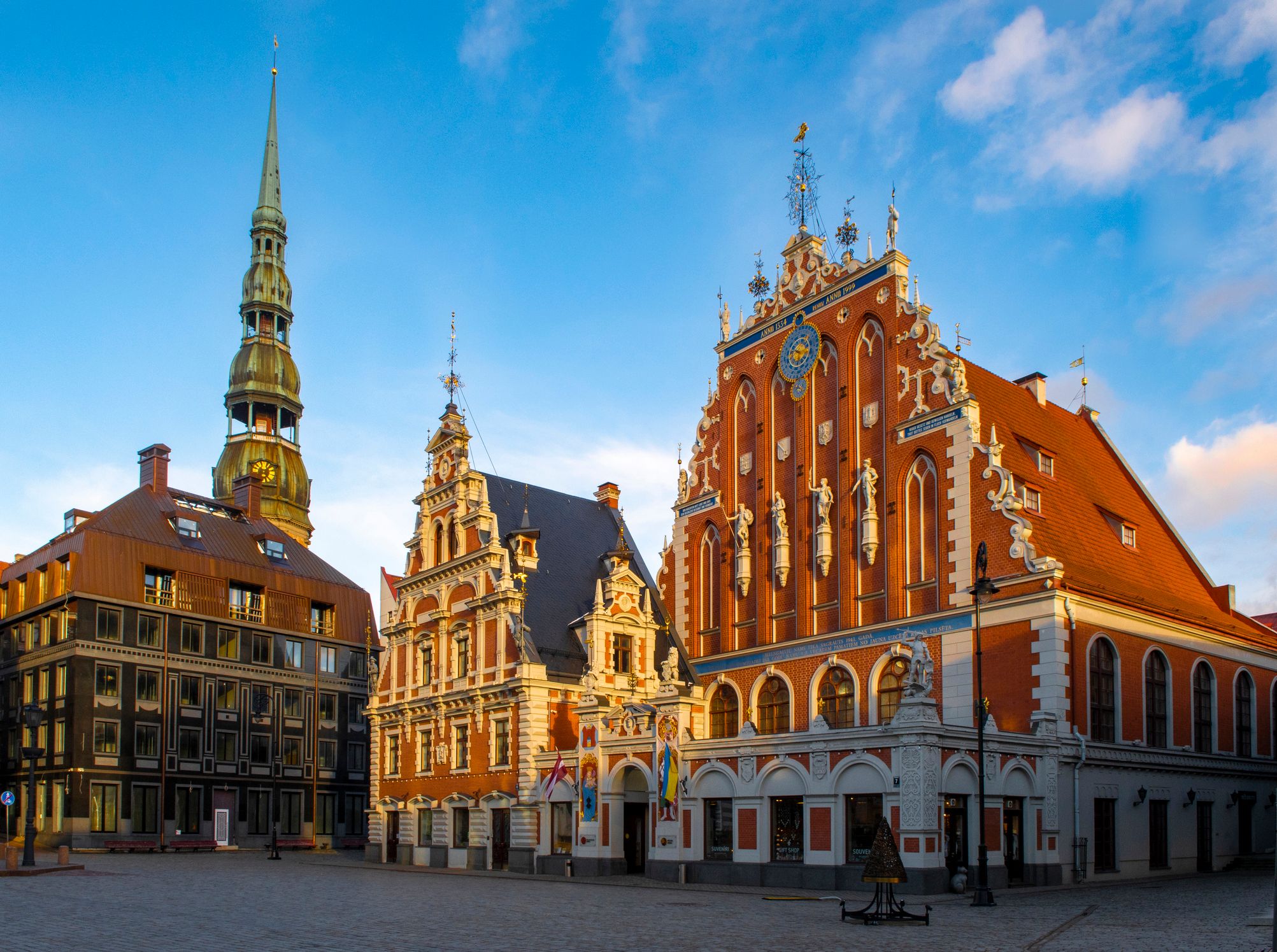
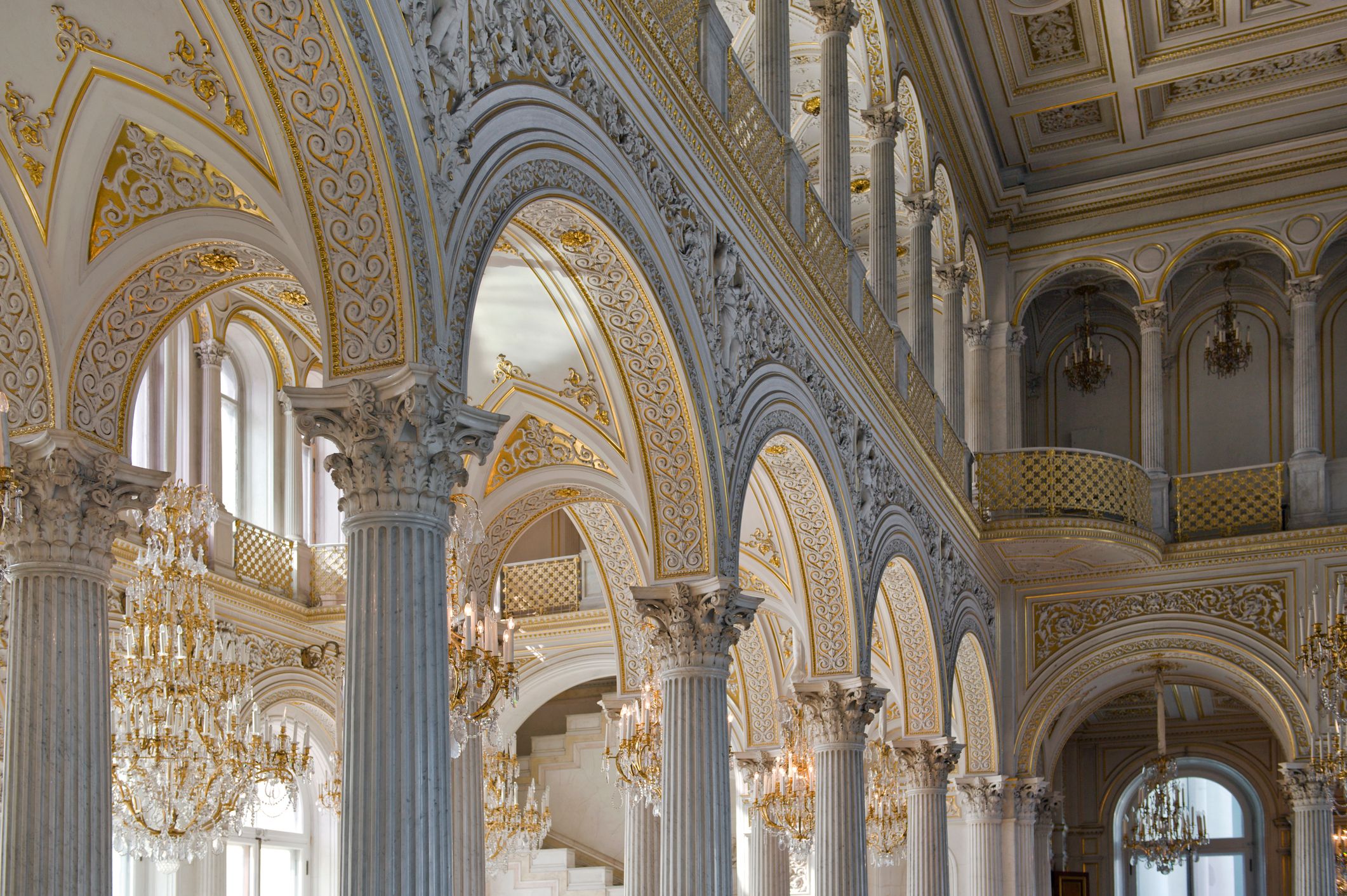
If you cruise for culture rather than cocktails, consider the Baltic a must-visit. There’s the Hermitage in St Petersburg, of course (a treasure trove that genuinely makes the Louvre look minimalist) but also modern art galleries in Helsinki, Baroque churches in Riga, and opera in Tallinn (most of which have tickets which cost less than a round of drinks in London).
And thanks to later port departures, you don’t have to dash back to the ship at 4pm. You can actually experience these cities in the evening, when the locals come out and the light gets golden.
3. The food will surprise you

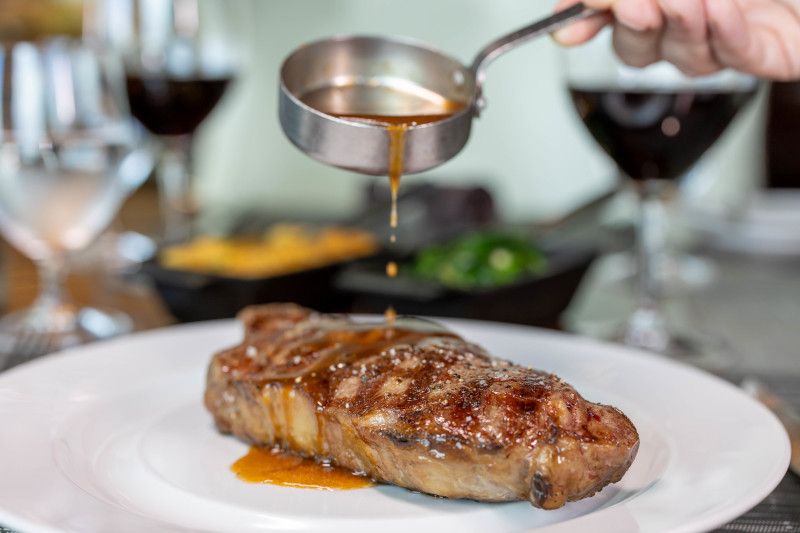
Forget everything you think you know about Baltic cuisine. Herring and rye bread are (of course) staples, but what might surprise you is Nordic tasting-menu wizardry, slow-fermented sourdough, forest-foraged mushrooms, and cloudberries that taste like nothing else you've tried.
Cities like Copenhagen, Stockholm and Tallinn are home to some of Europe’s most exciting kitchens, many of which are refreshingly casual. Grab a smørrebrød and a local beer, sit by the harbour, and enjoy the kind of meal that costs €10 but feels like five stars.
4. You’ll avoid the heat (and the hordes)

Cruising the Med in August is a well-worn rite of passage, sun is almost guaranteed but so are queues, crowds and occasionally unbearable heat. The Baltic offers a cooler, calmer alternative. Summer temperatures sit at a much more manageable 20–25°C, perfect for city exploring. And while the ports are popular, they rarely feel overwhelmed.
It’s also a joy for photographers. That soft northern light makes everything glow, especially in the evening when the streets begin to empty and the skies stretch long into twilight.
5. It’s a surprisingly smooth ride

Thanks to the sheltered nature of the Baltic Sea, sailings here are famously calm, good news for those who might struggle to find their sea legs. And because so many of the ports are close together, you get less time at sea and more time ashore.
Even better, many of the cities you visit have port access close to the centre, so you can stroll straight off the ship and into the heart of the action. No endless coach transfers, no early alarms, no stress.
6. You’ll feel like you’ve actually travelled
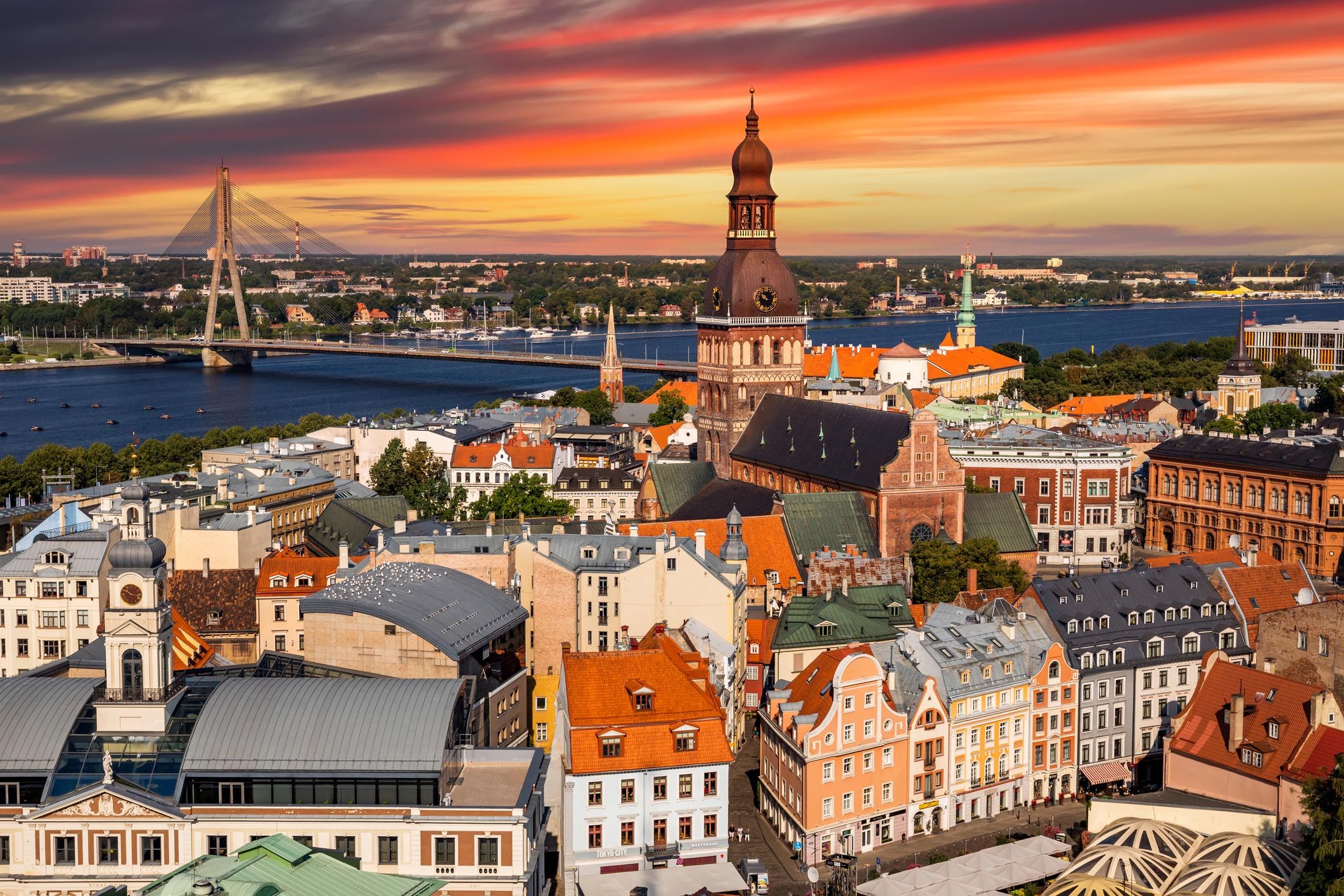
At the risk of sounding a bit smug, this is cruising that really feeds your curiosity. You don’t just bring home a tan and a souvenir fridge magnet. You'll return with stories. About the Swedish cafe culture, or the Latvian Art Nouveau district you’d never heard of, or the Estonian chef who taught you how to cure salmon.
Baltic cruises aren’t just about seeing new places. They’re about understanding them. About spotting the threads of shared history and seeing how Europe’s old north has reinvented itself.
7. Where to go: our recommended Baltic stops worth weighing anchor for
Copenhagen, Denmark
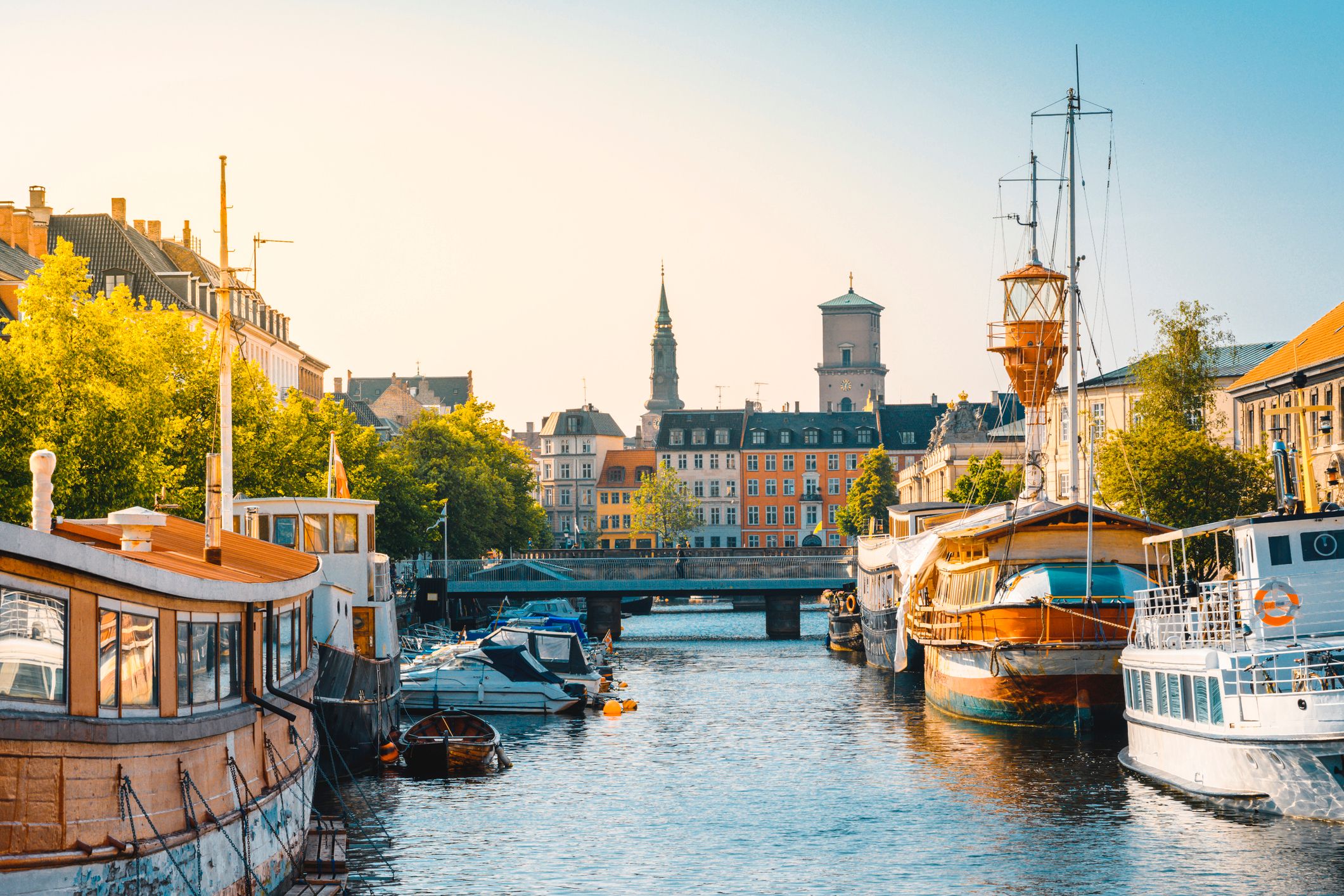
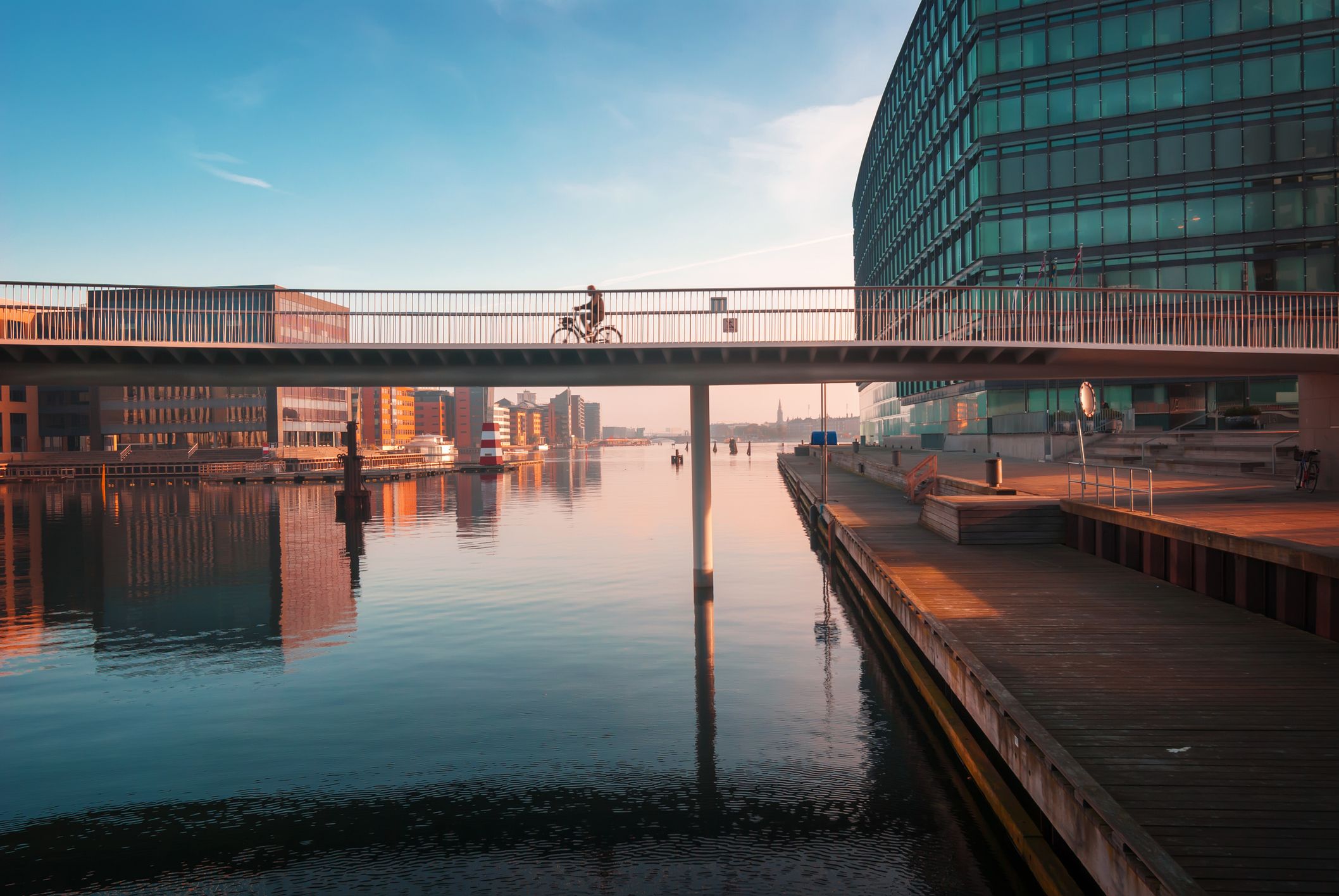
What you'll see: Colourful harbourside houses, sleek design boutiques, and bikes everywhere.
Why you should go: This is Scandinavia at its most stylish. Grab a pastry in Nyhavn, visit the Little Mermaid (she's small, but mighty), and soak up that effortlessly cool Danish vibe.
Tallinn, Estonia


What you'll see: A perfectly preserved medieval old town wrapped in city walls and laced with cobbled lanes.
Why you should go: Tallinn is like walking through a fairytale – only with better coffee and a great sense of humour. The mix of old-world charm and start-up energy is addictive.
Stockholm, Sweden
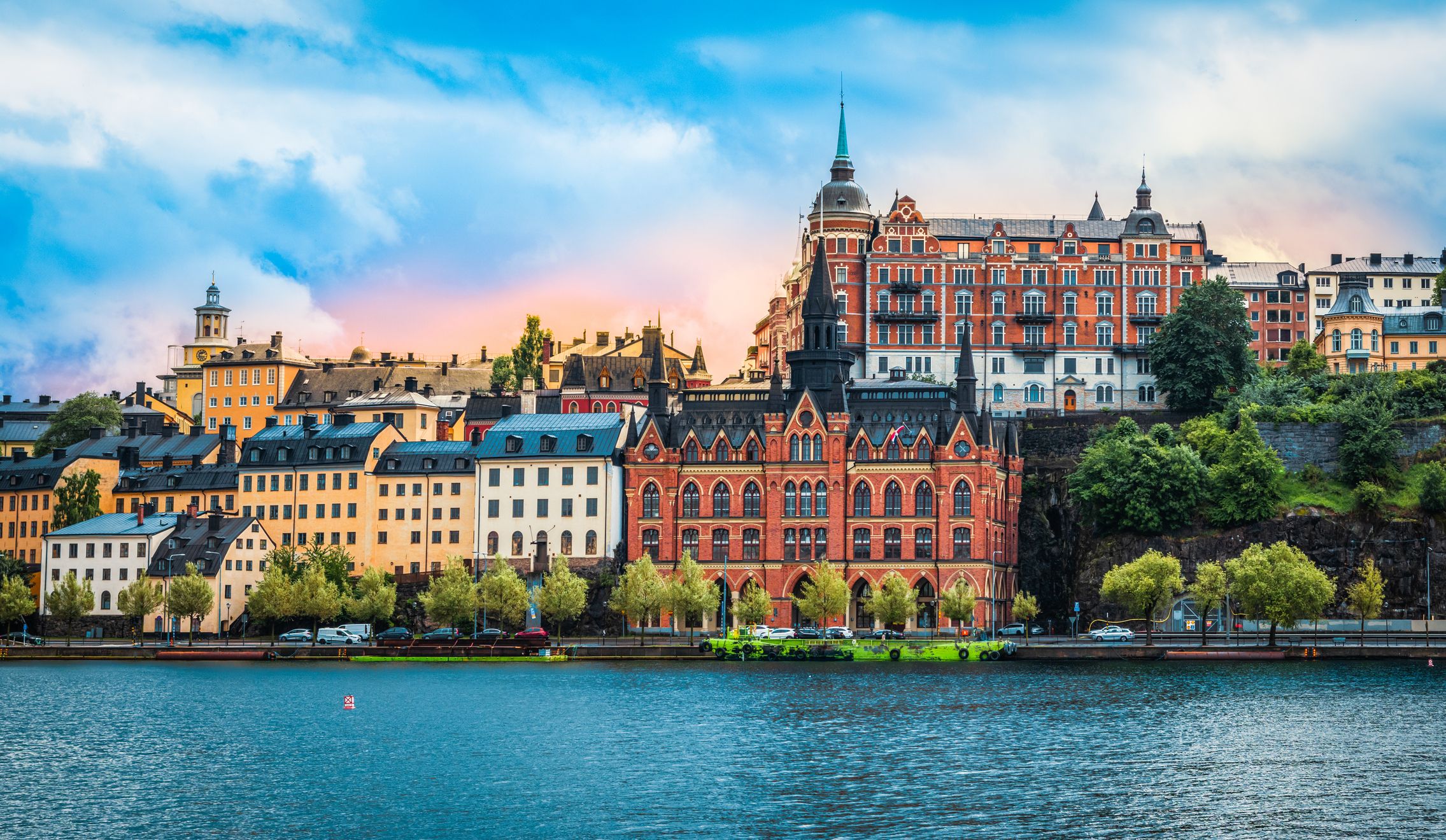
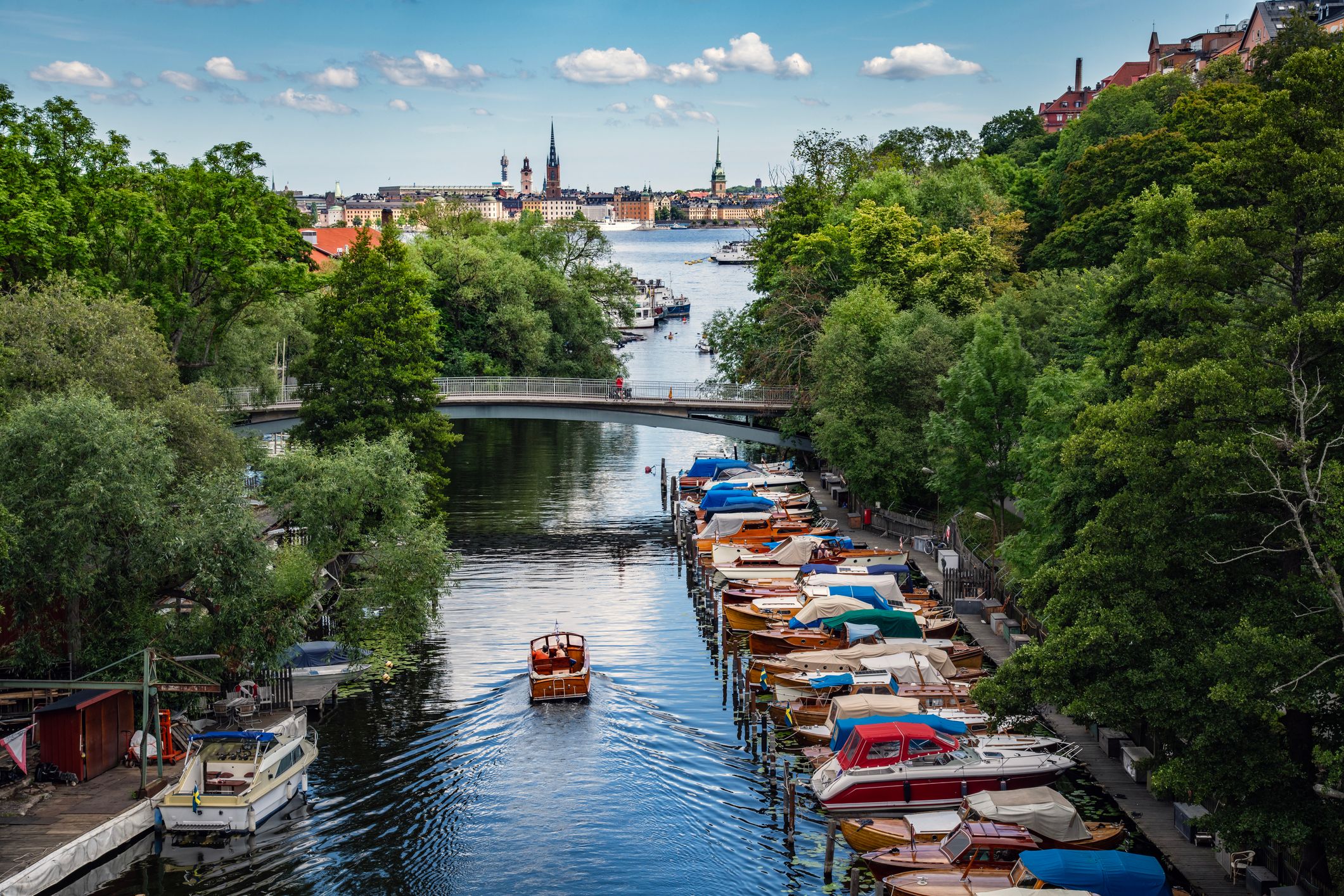
What you'll see: Grand royal palaces, island-hopping ferries, and more museums than you can shake a pickled herring at.
Why you should go: Spread across 14 islands, Stockholm is stunningly scenic and easy to explore. Don’t miss the Vasa Museum, a 17th-century shipwreck whose scale is truly something to behold.
Helsinki, Finland
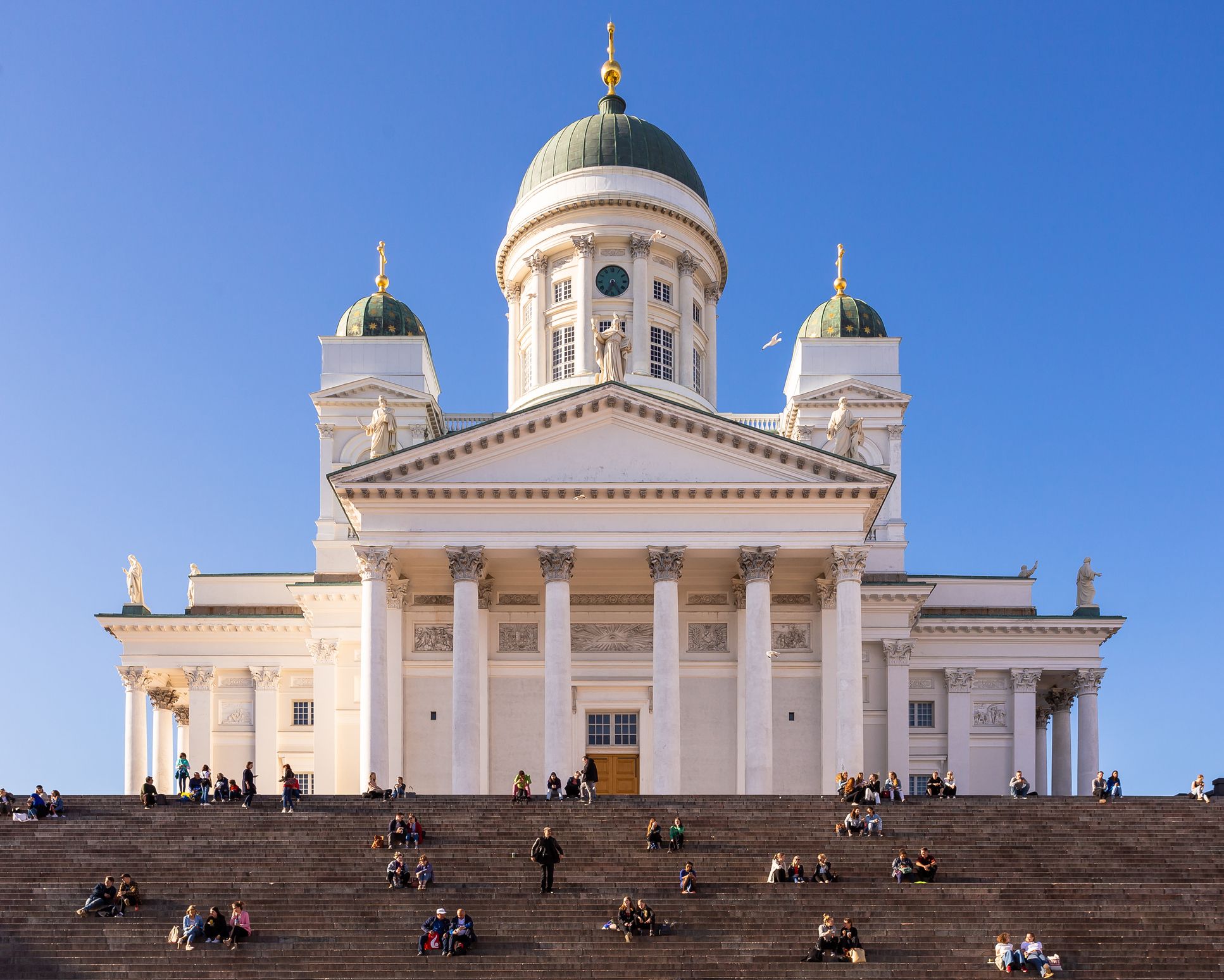
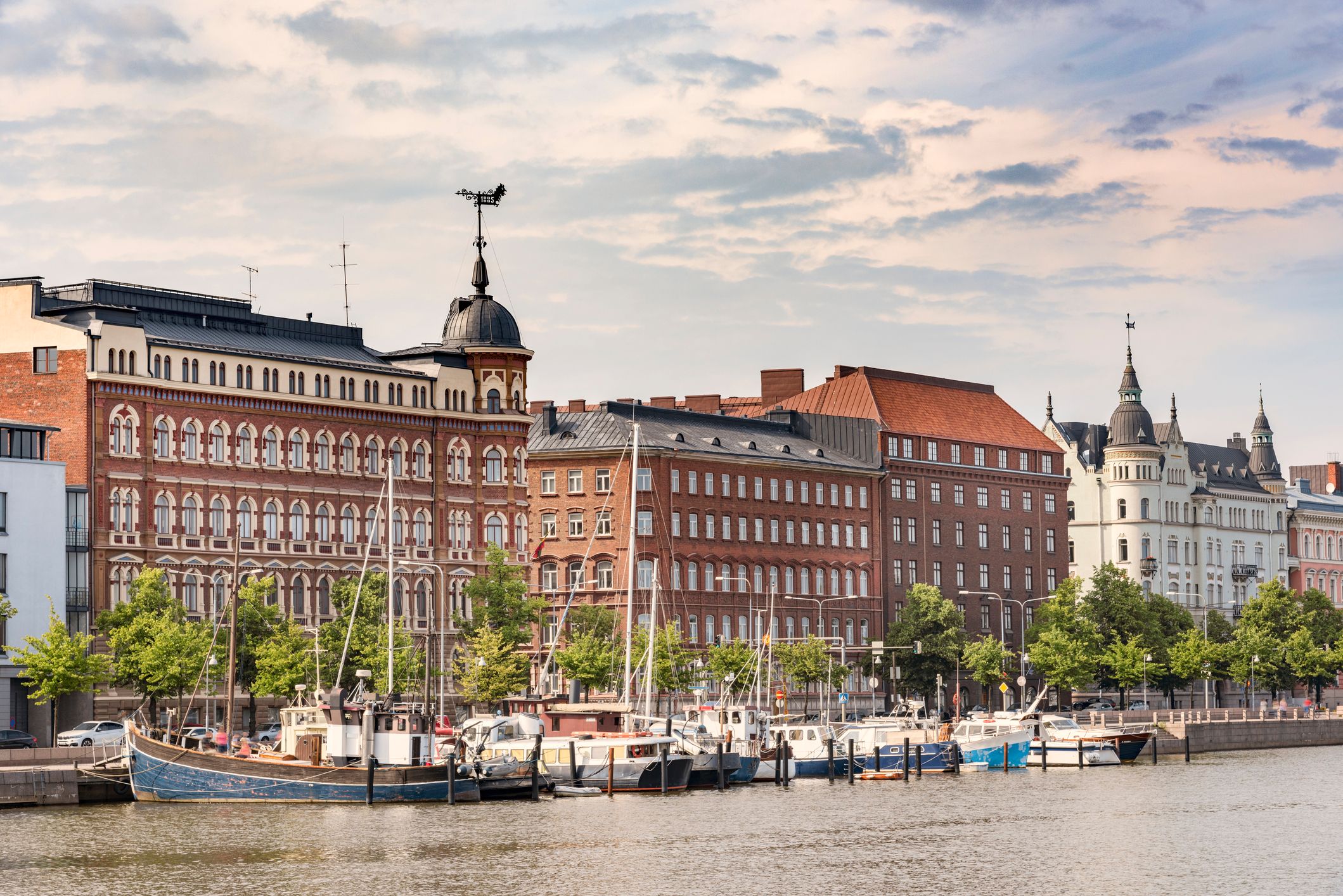
What you'll see: Bold modern architecture, seaside saunas, and design stores galore.
Why you should go: Finland’s capital is a masterclass in laid-back sophistication. It’s clean, calm, and creative – like its people. Try the local salmon soup and thank us later.
Riga, Latvia
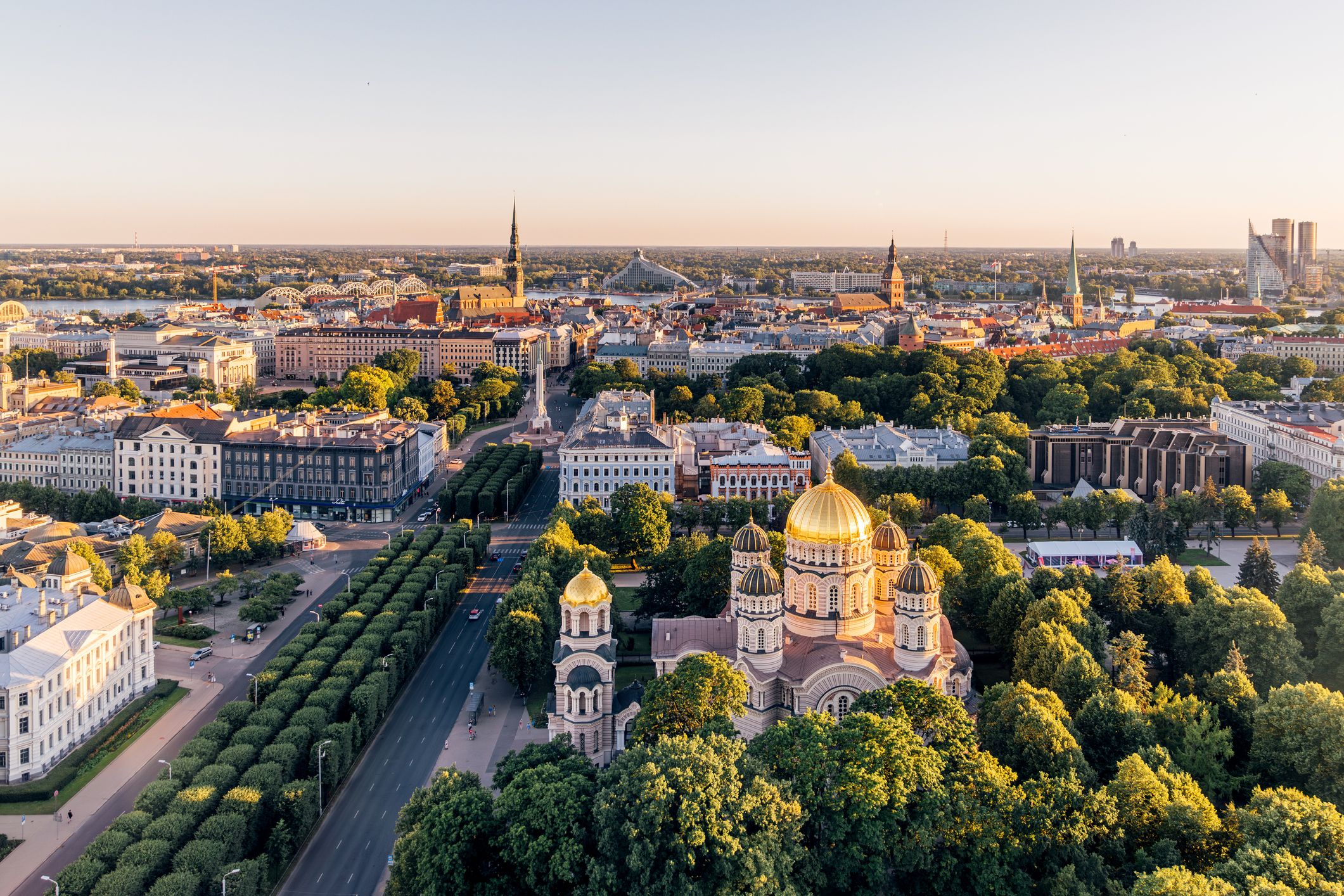
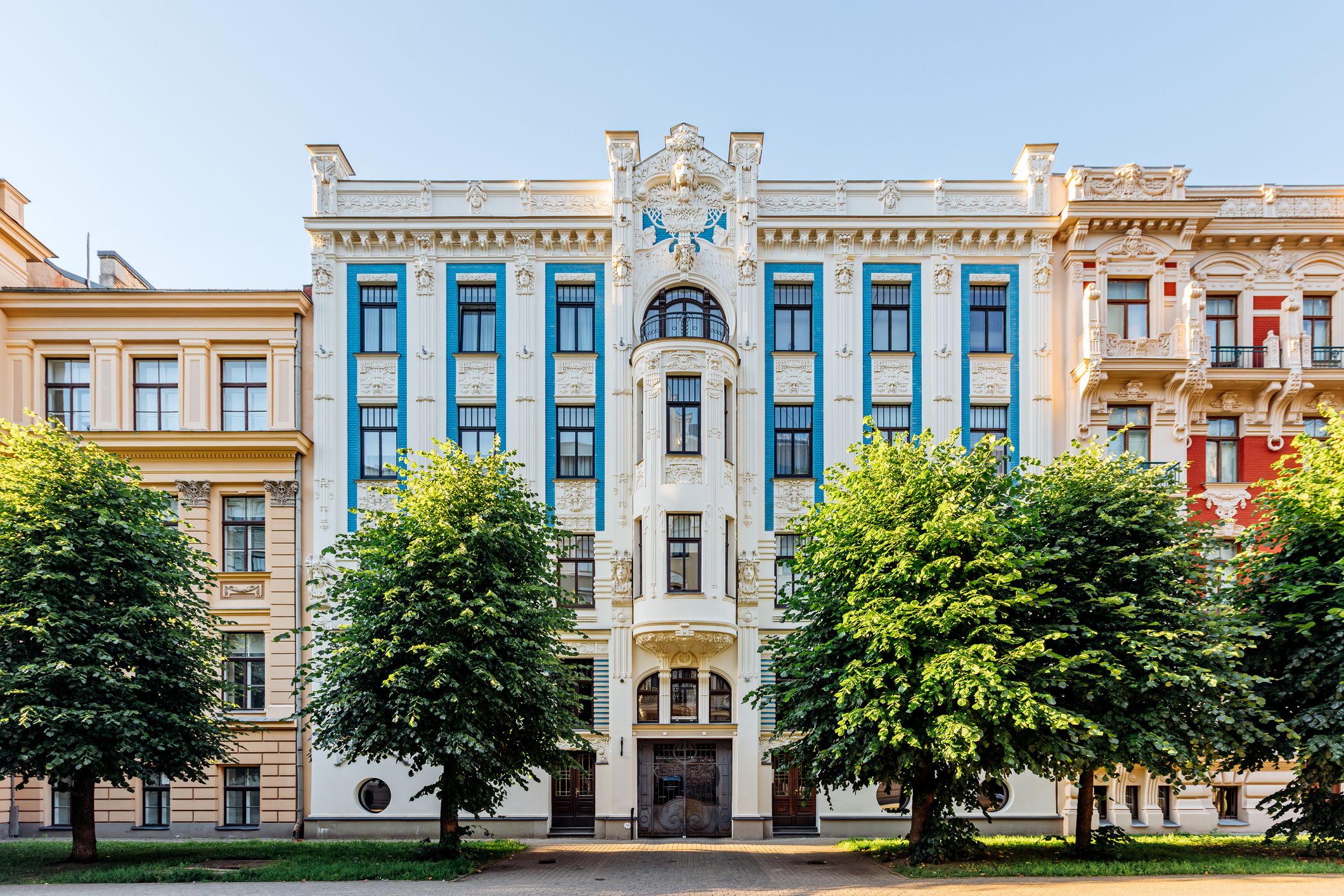
What you'll see: Art Nouveau buildings, leafy boulevards, and a thriving food scene.
Why you should go: Riga’s Old Town is beautiful, but it’s the buzz of the city that wins people over. Gothic spires in one direction, trendy beer halls the other.
Visby, Sweden
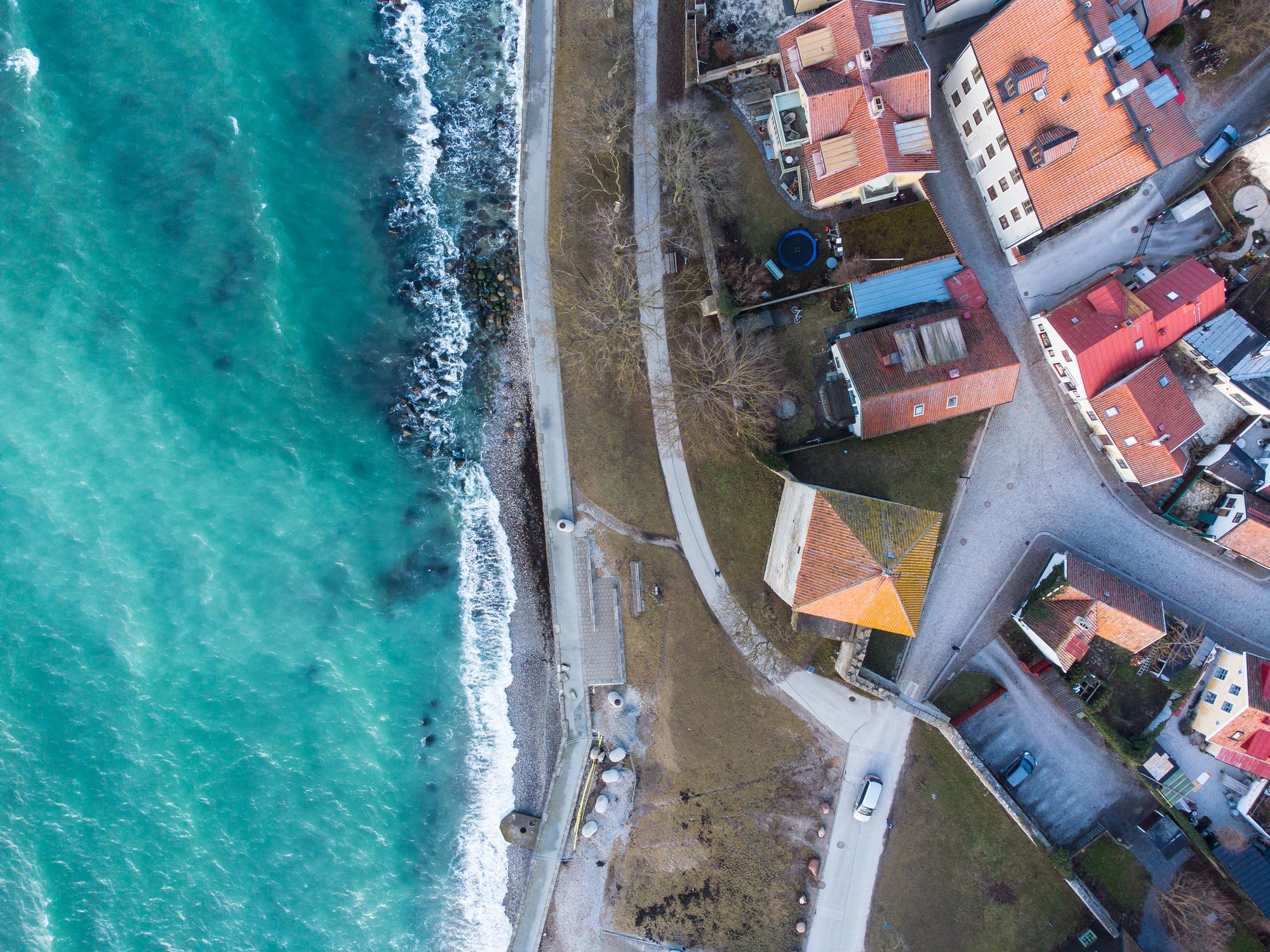
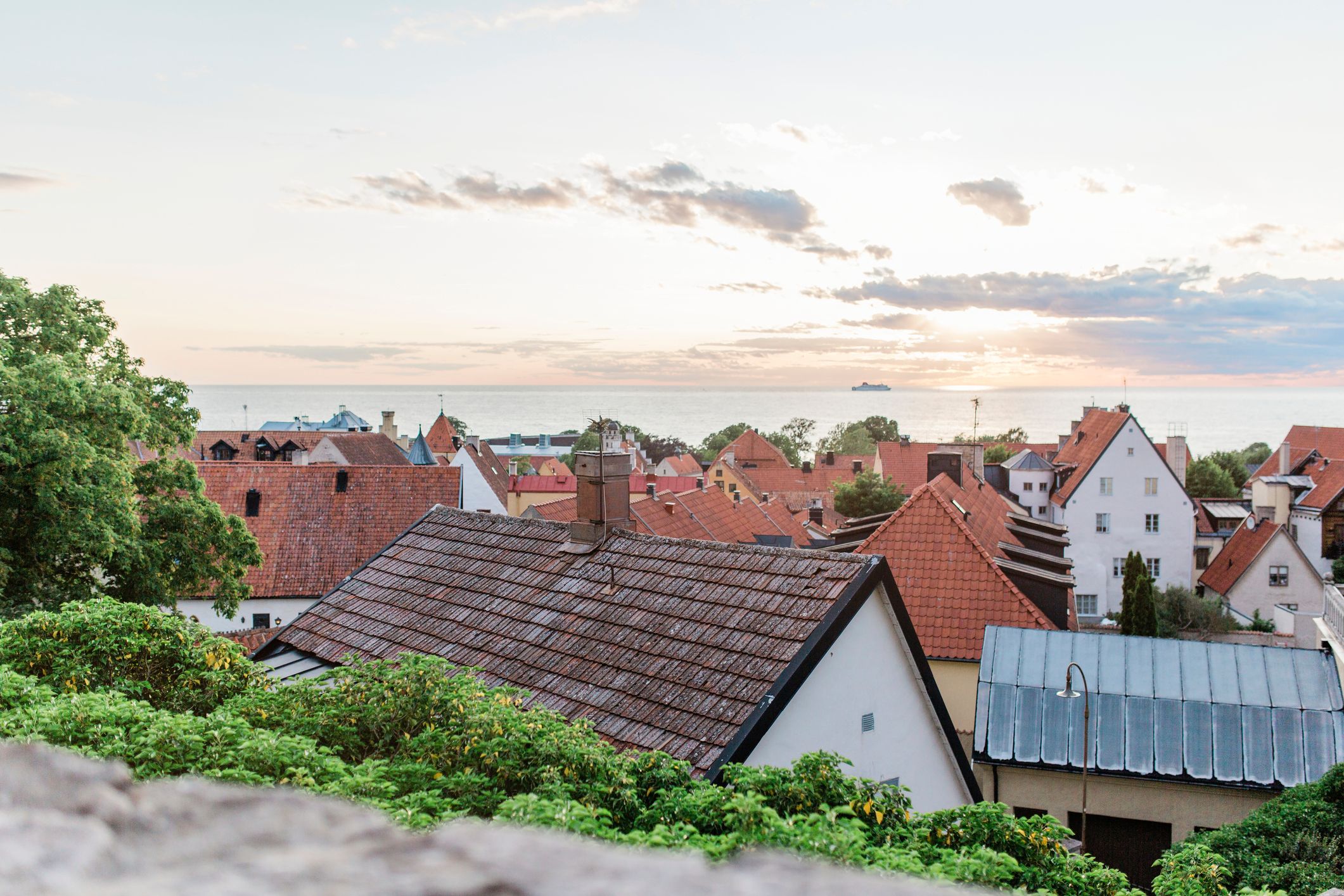
What you'll see: Medieval ruins, wildflower-strewn hills, and historic stone walls.
Why you should go: Located on the island of Gotland, Visby feels like a secret summer hideaway; serene, scenic and satisfyingly slow-paced.
Final thought
So no, a Baltic cruise might not be the most obvious choice. But sometimes the road less travelled happens to be at sea, and leads to places you’ll be talking about for years.
You unlikely to return home with sand in your shoes. But you may well come back with a new favourite city, a sudden interest in Nordic architecture, and a Google search history full of Baltic recipes. Which, in our book, sounds like a pretty brilliant trip.