There are few more dispiriting sights than watching your delayed flight finally arrive at the airport, knowing the cruise ship you're supposed to be boarding has already sailed.
Somewhere, your cabin is ready, the restaurants are open and the captain is probably making a very cheerful announcement about the voyage ahead. Unfortunately, you're still standing beside a baggage carousel, wondering whether your suitcase has been enjoying an entirely separate holiday.
Missing a cruise because of a flight delay can be extraordinarily expensive. But whether you'll have to pay to catch up with the ship, receive compensation or lose part of your holiday depends on one crucial detail: how you booked it.
What happens if your flight and cruise were booked together?
If you've booked a fly-cruise as a package, you're generally in a much stronger position than somebody who arranged their flights independently.
Under the UK's Package Travel and Linked Travel Arrangements Regulations 2018, the package organiser is responsible for the proper performance of the travel services included in your contract, even when those services are provided by another company.
That means if an included flight is delayed or cancelled, the organiser has responsibilities beyond simply wishing you luck with the airline.
Depending on the disruption, it may need to arrange alternative transport, help you join the ship at another port or offer another appropriate solution. Where a significant part of the package can't be provided, rights to alternative arrangements, a price reduction or a refund may arise.
That doesn't mean you're automatically entitled to a complete refund because you've missed the first two nights. The remedy depends on what's happened, what the organiser can provide instead and whether the package can still be delivered.
And although the regulations provide important protections, compensation for additional losses isn't always payable, particularly when the disruption results from unavoidable and extraordinary circumstances.
The important thing is to contact the package organiser immediately. It's responsible for helping you resolve the problem, even if the airline caused it.
What if you booked your flights separately?
This is where things become rather less reassuring. Imagine you've booked a seven-night Mediterranean cruise departing Barcelona, then found yourself a cheap flight arriving a few hours before embarkation.
It seemed like an excellent arrangement when you booked it. Then the airline announces a five-hour delay.
If your flights were arranged independently, the cruise operator generally isn't responsible for getting you to the ship. Its contractual obligation is to provide the cruise you've booked, rather than wait for passengers whose separate travel plans have gone wrong.
That could leave you paying for alternative flights, accommodation and transport to another port, assuming the operator agrees to let you join there.
You may also lose the cost of any unused cruise days, subject to the booking terms and any applicable rights or insurance cover.
P&O Cruises, for example, explicitly distinguishes between flights included in its fly-cruise packages and flights passengers arrange themselves. Separately booked flights don't form part of its package protection.
Even if you've purchased everything through the same travel agent, don't automatically assume you have a protected flight-inclusive package. Check the booking confirmation and the contractual arrangements.
Does the airline have to compensate you for missing your cruise?
Possibly, but airline compensation and reimbursement for a missed cruise are different things.
Under UK261 air passenger rights legislation, passengers on qualifying flights may be entitled to fixed compensation if they reach their destination at least three hours late and the airline was responsible for the delay.
Depending on the journey and the length of the delay, compensation can range from £220 to £520 per person.
Bad weather and certain other extraordinary circumstances may exempt airlines from paying that compensation. However, airlines covered by UK261 still have obligations to provide appropriate care during qualifying delays, including refreshments and, where necessary, overnight accommodation.
Those fixed compensation payments aren't calculated according to the value of your cruise. A £520 payment won't necessarily come close to recovering the cost of a missed fortnight in the Caribbean.
Additional claims for proven losses caused by flight delays may sometimes be possible under international air-carriage rules, but they depend on the circumstances, evidence and applicable limits. They're certainly not automatic.
It's also important to check whether UK or equivalent European passenger-rights rules apply to your flight, particularly if you're travelling between countries outside Europe.
Will travel insurance pay if you miss your cruise?
Travel insurance could make an enormous difference, but the precise wording matters.
Policies may distinguish between travel delay, missed departure, missed connection and cruise-specific missed port departure. These benefits can cover different events and pay for different losses.
For example, a travel delay benefit might pay a fixed amount after a qualifying delay, while missed-departure cover might reimburse reasonable additional transport and accommodation costs incurred to reach your destination.
The Financial Ombudsman Service explains that insurers assess these claims against the policy's specific insured events. Simply being delayed doesn't necessarily mean that every subsequent expense is covered.
Staysure's current Comprehensive insurance product information document, for example, lists missed-departure cover of up to £1,500. But that isn't a promise to reimburse the entire price of a missed cruise. Eligibility depends on the reason for the disruption and the detailed policy conditions.
Staysure also offers an optional Cruise Plus upgrade for eligible policies, including protection for certain missed port departures. That cover is subject to its own requirements, exclusions and limits.
A breakdown, qualifying public-transport disruption or unexpected motorway closure might fall within a policy's insured circumstances. Leaving too little time between your flight's scheduled arrival and the ship's departure is a different matter entirely.
This is why it's important to check whether your insurance covers the initial embarkation port, what happens if your incoming flight is delayed and whether onward travel to another port is included. Don't assume that because your policy says “cruise cover”, every way of missing the ship is insured.
Can you fly to the next port and join the cruise there?
Sometimes, yes. If your ship has sailed from Barcelona but is calling at Marseille the following day, it may be possible to travel there and board.
However, you'll need the cruise operator's permission before making arrangements.
The next port must allow embarkation, and immigration requirements, documentation, local port procedures and the ship's schedule can all complicate matters.
In some cases, the ship's next stop may be a day at sea or a remote destination that's considerably harder to reach than the original departure port.
The operator may be able to help arrange the journey, particularly if your flights formed part of its package. If you booked independently, you may be expected to organise and pay for the additional travel yourself.
So don't immediately book an expensive flight to the next destination. First establish whether you'll actually be permitted to board when you get there.
What should you do if your flight is delayed and you'll miss your cruise?
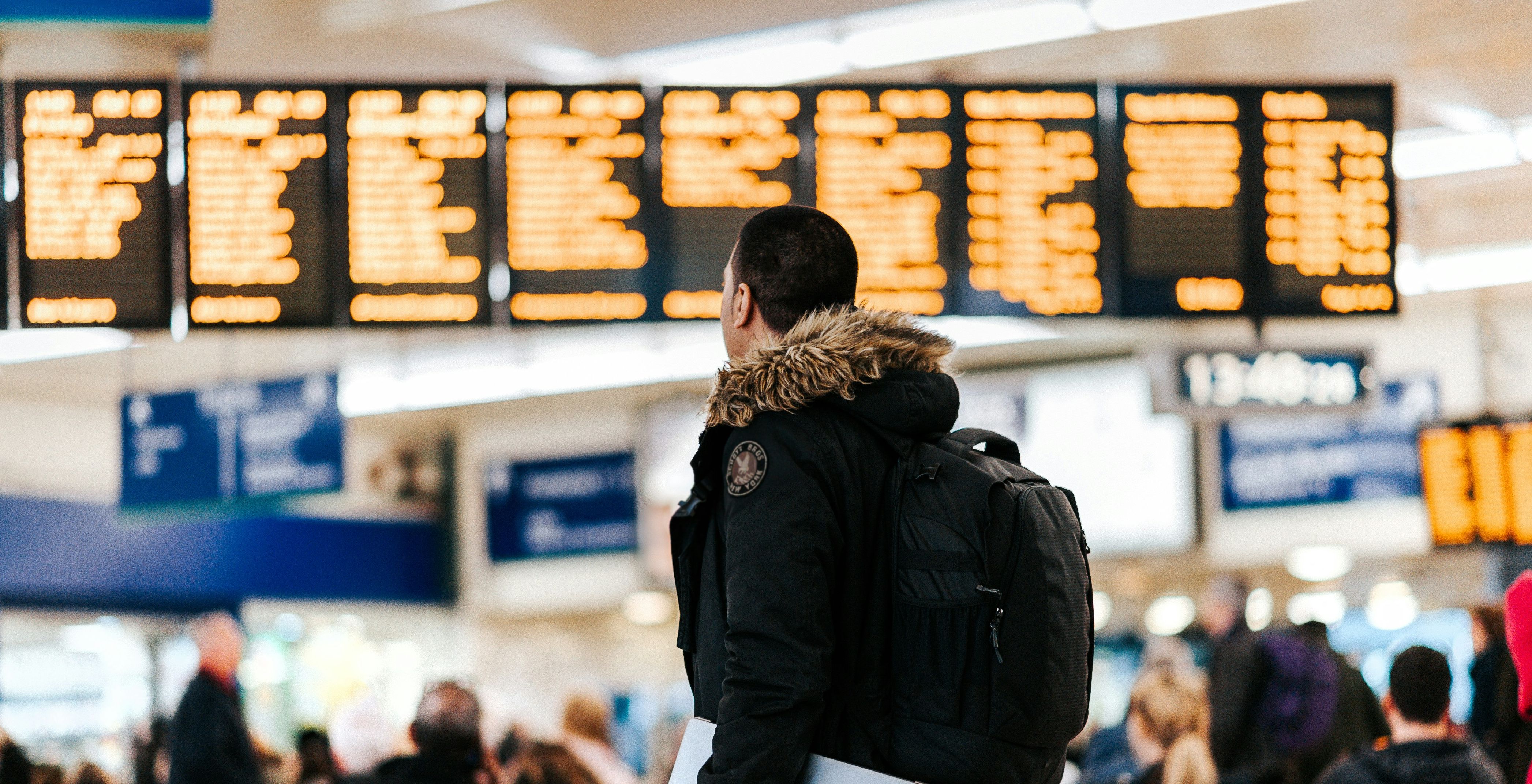
First, contact your cruise operator or package organiser as soon as you realise you may miss embarkation. Don't wait until the ship has departed.
Explain the situation, provide your flight details and ask what arrangements are possible. If you've booked a flight-inclusive package, make clear that you need the organiser's assistance with the disruption.
Contact the airline as well. Ask about alternative flights and your passenger rights, and obtain written confirmation of the delay and its cause.
Next, call your travel insurer's emergency assistance line, ideally before spending money on alternative transport or hotels. Insurers may need to approve arrangements, and they can explain which expenses might be recoverable.
Keep every receipt, booking confirmation and written communication. The Financial Ombudsman Service recommends pursuing refunds or compensation from travel providers where appropriate before claiming unrecovered costs from an insurer, since insurance generally isn't intended to pay twice for the same loss.
If the first person you speak to can't help, ask for the operator's emergency travel assistance team.
The important thing is to get somebody involved who can make a decision about the ship, rather than spending six hours explaining your predicament to an airline chatbot.
How can you avoid missing your cruise because of a delayed flight?
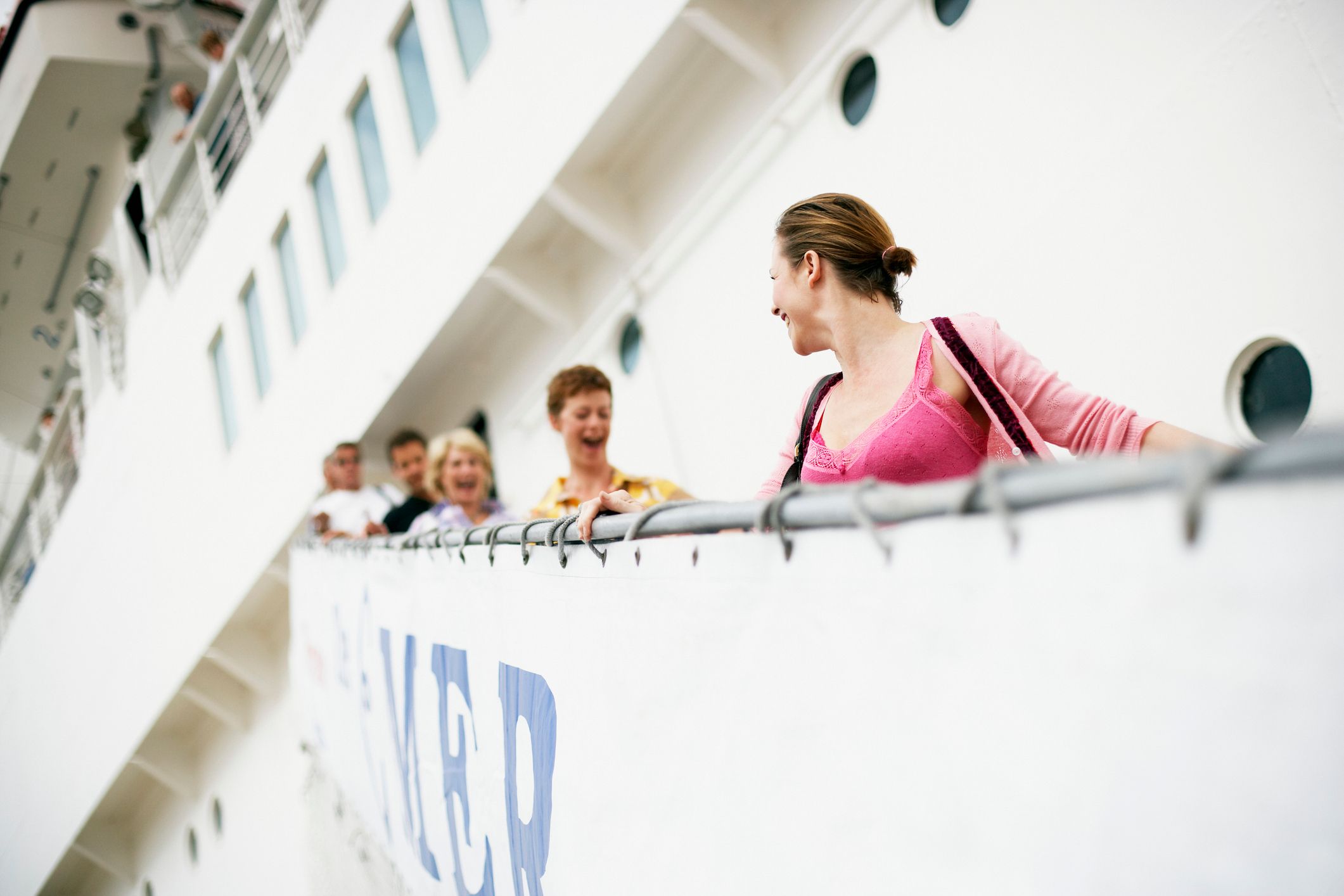
The simplest precaution is also one of the most effective: arrive at your departure destination the day before your ship sails.
An overnight stay gives you some protection against flight delays, cancellations and missed connections, although it won't eliminate every risk.
If you're booking a fly-cruise package, check exactly what flights, transfers and accommodation are included. If you're travelling independently, allow plenty of time and consider whether the savings on a cheaper flight justify the additional risk.
Arrange appropriate travel insurance when you book, particularly if you're paying a substantial amount in advance. Check that your cover includes all your destinations, any pre-existing medical conditions and the specific disruption benefits you might need.
And read the missed-departure wording before travelling. It's considerably easier to discover a policy exclusion at home than at an airport while your ship is sailing towards the horizon.
Ultimately, who pays for a missed cruise depends on your booking arrangements, the cause of the disruption and the cover you've purchased.
The ship probably won't wait for you. But with the right arrangements in place, at least your holiday might not disappear over the horizon with it.