Cruise loyalty schemes can sound faintly absurd if you are new to them. There are tiers with names that imply either nobility or a minor role in the navy, points systems that seem to have been built by committee, and a lot of talk about “privileges” when what you really want to know is whether anybody is going to pay for your Wi-Fi.
The good news is that cruise loyalty is usually simpler than airline loyalty. Most cruise lines let you join for free, and several automatically enrol you after your first sailing. Royal Caribbean, Norwegian and Princess all say you join once you complete your first cruise, while Carnival lets you join its VIFP Club even before you have sailed and says the benefits start immediately with member offers.
That doesn't mean you need to care deeply about it from day one. But it does mean there is very little downside to signing up, because cruise loyalty tends to reward repeat behaviour you were going to do anyway. Royal Caribbean gives one Cruise Point per night, with double points for suites and solo travellers paying for double occupancy. Norwegian works in a similar way, awarding one point per night, plus an extra point per night for suites or The Haven. Princess tracks both cruises and cruise days, and says full suites and solo travellers paying the single occupancy fare earn double cruise credits. Celebrity is the outlier here, because it awards points by nights sailed and cabin category, from two points per night in inside and ocean-view cabins up to much more in higher suite categories. MSC, meanwhile, uses a more complicated model based on the experience booked, cruise length and some pre-cruise spending.
How cruise loyalty schemes actually work


The easiest way to think about cruise loyalty is to separate it into three buckets. First, there are the instant or low-tier benefits, which are usually modest but occasionally useful. Carnival says VIFP members can get members-only promotions straight away, even before their first cruise, then move into things like cocktail receptions and priority boarding as they sail more. MSC’s Voyagers Club also starts with real booking discounts, including a 5 per cent club discount from Classic level and up, plus “Voyagers Selection” discounts that can go higher on selected departures. These are not life-changing. They are, however, exactly the kind of small but real savings that normal people should notice.
Second, there are the practical mid-tier perks, which matter much more than the programmes’ grander wording would suggest. Princess says Platinum and Elite Captain’s Circle members get 50 per cent off MedallionNet Wi-Fi, while Elite members also get complimentary laundry and professional cleaning. Celebrity’s Elite members get perks such as a daily continental breakfast, cocktail hour, one bag of laundry and a discount on Wi-Fi. These are the sorts of benefits that can materially improve a holiday, because they save you on the things people actually pay for and actually use.
Third, there are the top-tier flourishes, which are the bits loyalty programmes like to brag about even though most normal people will take years to reach them. Carnival’s Diamond members get unlimited wash-and-fold laundry, for example. MSC’s higher tiers bring onboard credit, bigger spa discounts and, at the very top, things like free internet and captain meet-and-greets. Useful, yes. But also not the bit you should build your whole travel life around unless you already cruise a lot.
Which cruise loyalty schemes are easiest to care about
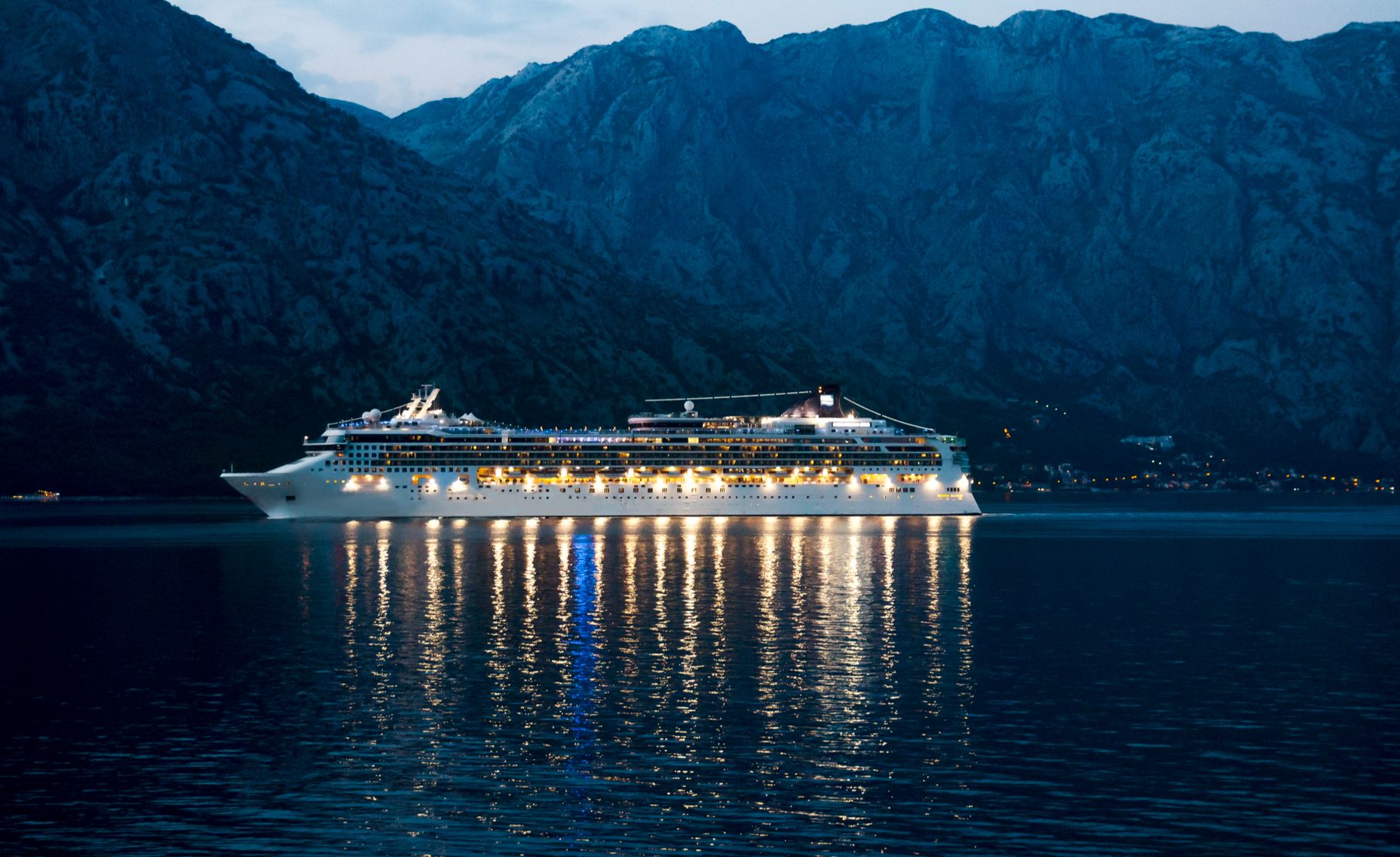
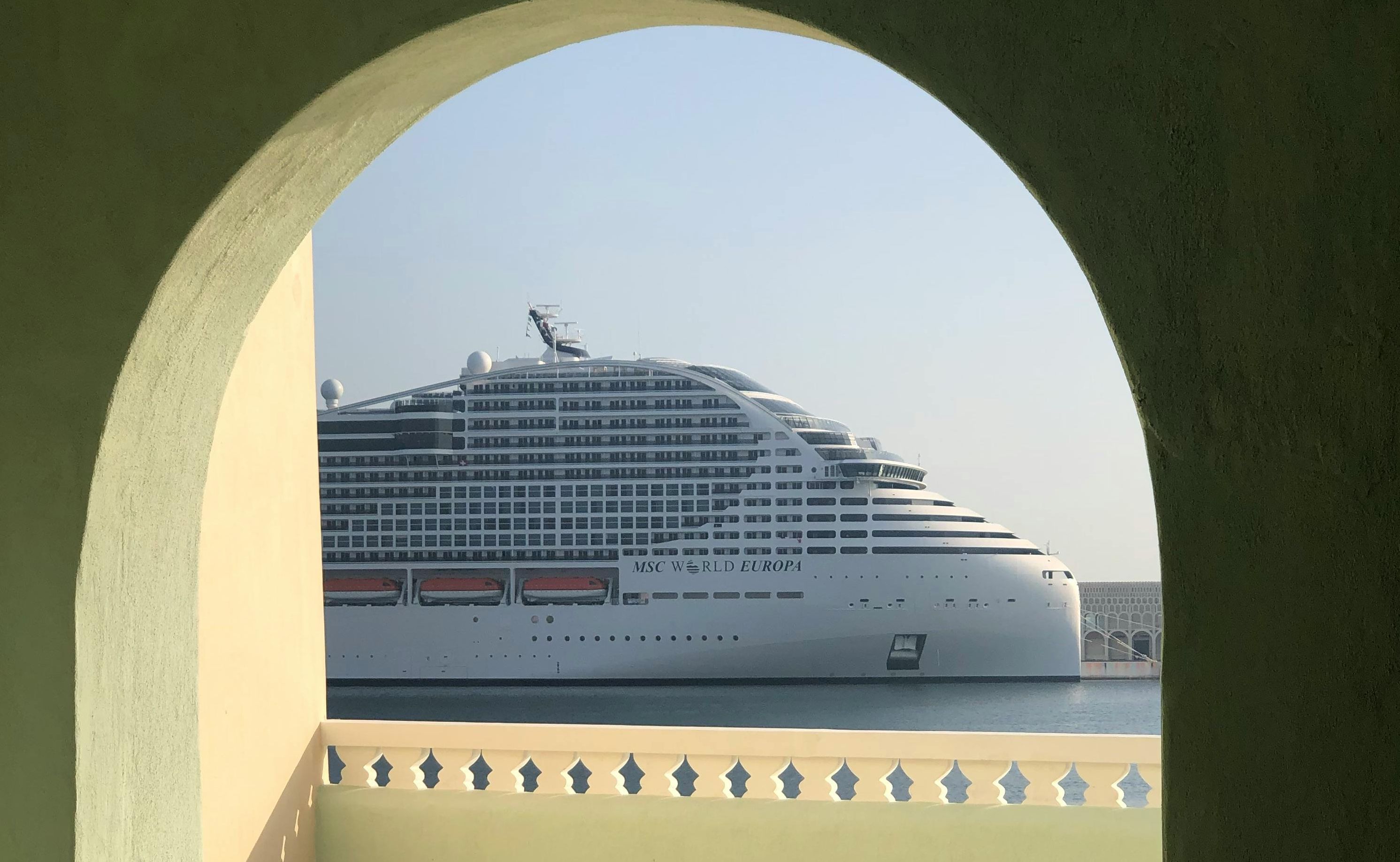
For most people, the easiest programmes to understand are Royal Caribbean, Norwegian and Princess, because they are all basically versions of “sail more nights or cruises, get more stuff.” Royal’s Crown & Anchor is especially simple if you are not booking around by cabin category too much: one point per night, more if you are in a suite or paying solo, and clear status thresholds after that. Norwegian’s Latitudes Rewards is similarly straightforward, and the current public programme page shows the tier ladder clearly from Bronze at 1 point up to Ambassador at 700 points. Princess is also relatively legible, though it tracks both cruises and days, which means longer voyages help. If you are the sort of cruiser who repeats one line because you like the product, these are perfectly manageable systems.
Celebrity is worth caring about if you tend to book nicer cabins, because its points system heavily rewards cabin category. An inside or ocean-view cabin earns two points per night, while veranda cabins earn three, Concierge Class and AquaClass earn five, and suites go much higher. That means some people climb Celebrity status much faster than they would on a line using a simple one-night, one-point model. It is also now part of Royal Caribbean Group’s broader “Points Choice” setup, which lets guests apply points earned on Royal Caribbean, Celebrity or Silversea sailings to the programme they prefer. That makes the ecosystem more flexible than it used to be, and it is exactly the sort of thing worth knowing if you bounce around within the same corporate family and do not fancy starting from scratch each time.
MSC is the odd one out, but in a potentially useful way. Its Voyagers Club rewards not only the cruise experience category and trip length, but also some pre-booked onboard services, and it openly offers a Status Match programme for people with loyalty elsewhere, including other cruise lines and some hotel or travel schemes. If you are new to MSC but already have status somewhere else, that can be a more interesting shortcut than patiently climbing another ladder from nothing. It is one of the few cruise loyalty wrinkles that actually feels designed for normal people rather than for somebody who keeps spreadsheets.
When cruise loyalty is genuinely worth caring about


It is worth caring about if you have already found a line, or at least a cruise-company family, that suits you well enough to repeat. That sounds obvious, but it is the whole trick. Loyalty is valuable when it amplifies choices you would happily make anyway. If you already know you like Princess, Royal Caribbean, Celebrity or Norwegian, then the accumulation of points, discounts and small comforts can absolutely start to matter after a couple of cruises. Member-only offers, faster check-in, a Wi-Fi discount, free laundry, a decent cocktail hour, all of that adds up. It is also worth caring about if you are a suite guest or a solo traveller, because several schemes explicitly accelerate the earning rate for those bookings.
It is also worth caring about if you are the kind of person who books on board or books early and often with one brand. MSC ties status to discounted member fares and onboard credit on selected bookings. Carnival says VIFP membership unlocks exclusive offers. Princess and Celebrity both lean heavily on shore-side and pre-cruise benefits once you move up the ladder. These are not glamorous points. They are, however, the difference between loyalty being a vanity badge and loyalty quietly saving or improving something.
When cruise loyalty is not worth caring about


It is not worth caring about if it makes you book the wrong cruise.
That is the whole article, really, but apparently I should elaborate. If the itinerary is worse, the dates are less convenient, the cabin is poorer, or the line itself is not your thing, then the promise of future perks should not bully you into an inferior holiday. Low-tier cruise loyalty benefits are often nice rather than transformative. A small discount, a newsletter, maybe a member event, fine. Useful, but not enough to justify spending real money on the wrong trip. This is especially true because cruise lines keep changing fares, inclusions and bundled packages anyway, so sometimes the better value comes from the deal in front of you rather than the status you are carrying in your back pocket. The loyalty mystique tends to work best when nobody says this aloud.
It is also not worth becoming evangelical about if you cruise only occasionally. If you take one cruise every few years on different lines, you should absolutely sign up for the free programmes, because you might as well. But you do not need to build a personality around them. Cruise loyalty is generally more forgiving than airlines because your first repeat sailing can already start to feel different, yet it still rewards frequency. If you are not frequent, keep your expectations proportionate and your booking priorities sensible.
The normal person’s verdict on cruise loyalty
The sensible approach is very boring, which is why it works. Join every line you sail with. Pay attention to member-only fares and obvious practical perks. Notice whether one family of brands gives you more flexibility than another. Let status match do the heavy lifting where it exists. Then, only if you find yourself returning to the same line because you actually like it, start treating the loyalty scheme as part of the value. That is when it becomes worth caring about. Not when the branding tells you that “Elite”, “Diamond” or “Pinnacle” is your destiny, but when the perks begin quietly making the holiday easier, cheaper or more pleasant. And for normal people, that is plenty.