New Zealand is a place that seems to be expressly designed with scenic-route enthusiasts in mind. Harbours, drowned valleys, volcanic cones, long green peninsulas, white towns on blue bays and big weather. It's a country that rewards exploration, and arriving by water gives you that reward in huge (fjord-sized) spades.
A New Zealand cruise also solves one of the country’s great traveller problems: scale. On a map, the country looks reasonbly manageable. In reality, you'll often find the next thing you want to see is several hours away by road, usually beyond a mountain range, a wine region or several flocks of sheep. By ship however, the itinerary becomes more manageable. You wake up somewhere new with the ship having done the commuting for you.
The best routes tend to trace the country like a slow reveal: the subtropical north, the Art Deco east coast, the capital tucked between harbour and hills, the South Island’s Scottish-Gothic moodiness, and then finally, the great glacial punctuation mark of Fiordland. It's a very civilised way to see a place that is never, ever visually modest.
Why cruise around New Zealand
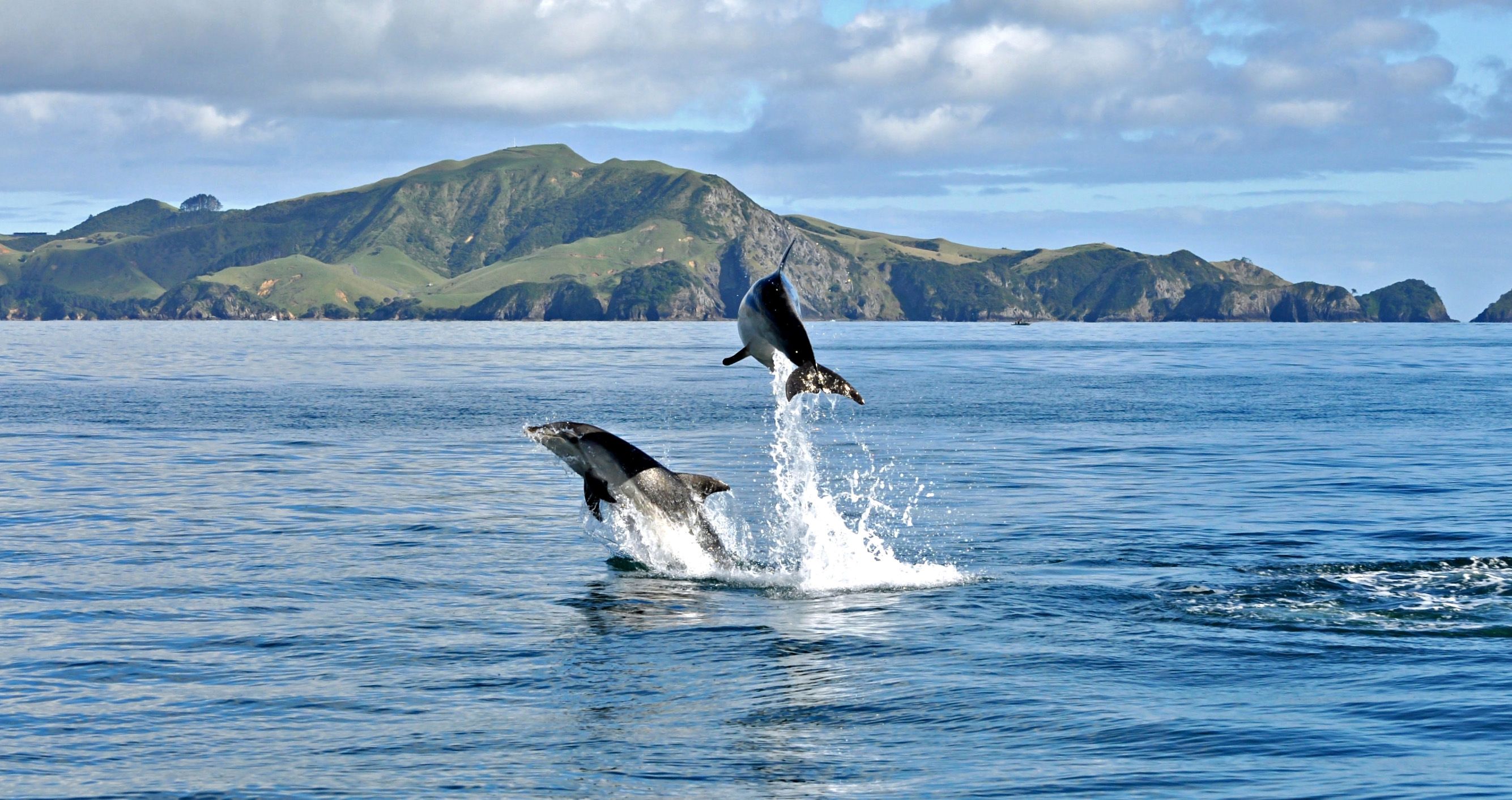
Much of New Zealand's history, settlement and character is coastal making it the perfect candidate for an expedition by ship. Auckland, for example, is surrounded by two harbours and around 50 islands, with volcanic cones, beaches and forest parks all within reach.
And that same logic continues right the way around the country. The Bay of Islands is a natural harbour of islands, inlets and little settlements. Napier’s cruise day begins at a working port and leads almost immediately into one of the world’s great 1930s architectural oddities. Dunedin sits at the head of Otago Harbour, with Port Chalmers as its maritime front door. Fiordland, meanwhile, is less a destination than a reminder that cliffs, rain and glaciers can collaborate magnificently when left alone for long enough.
A land trip can be wonderful, obviously. Nobody is suggesting you must only experience New Zealand while holding a breakfast pastry on deck. But a cruise lets the country’s coasts do the storytelling. You don’t just see New Zealand, you arrive at it repeatedly, each time through a different piece of coastline.
Bay of Islands cruise stop: Waitangi, Paihia and Russell
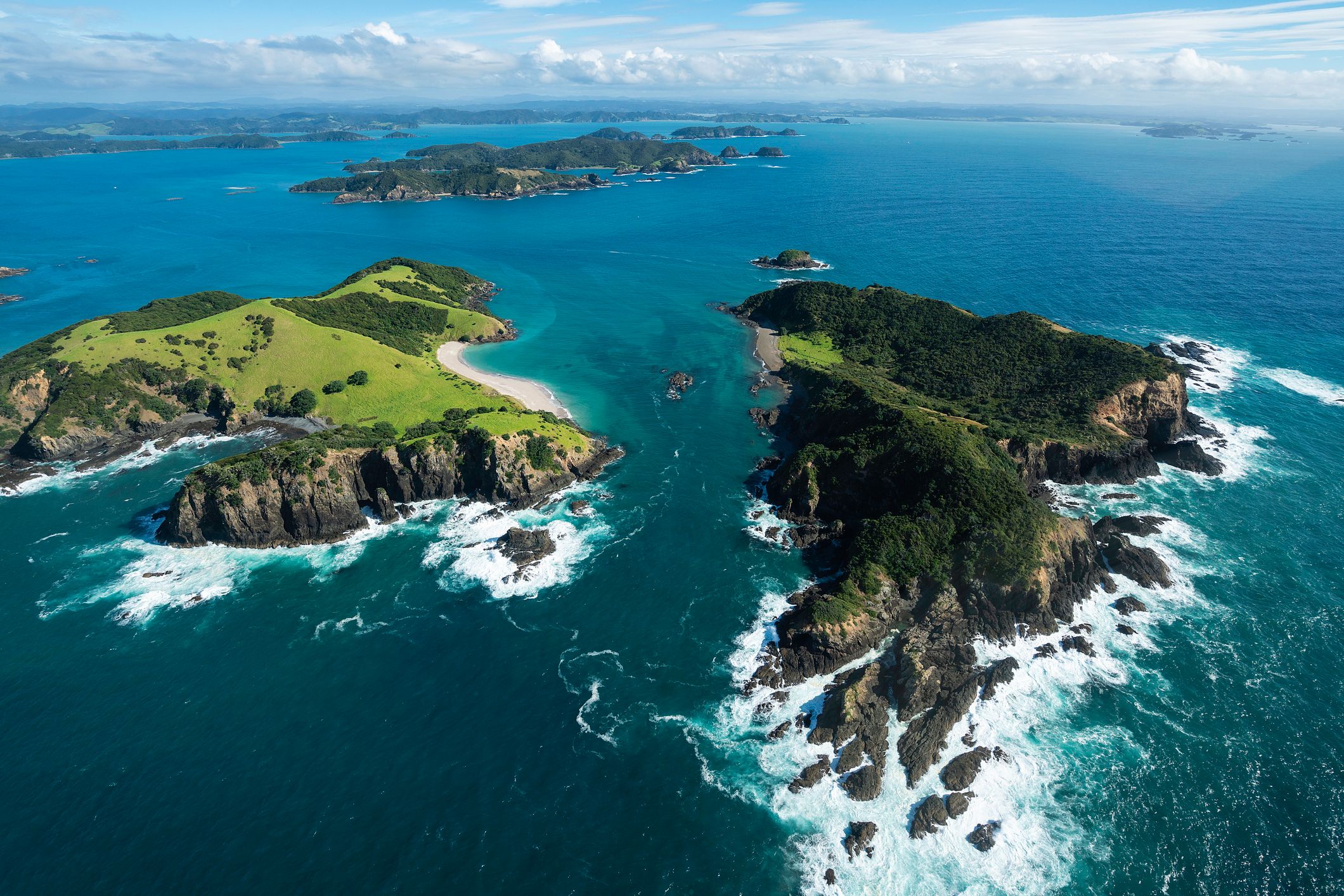
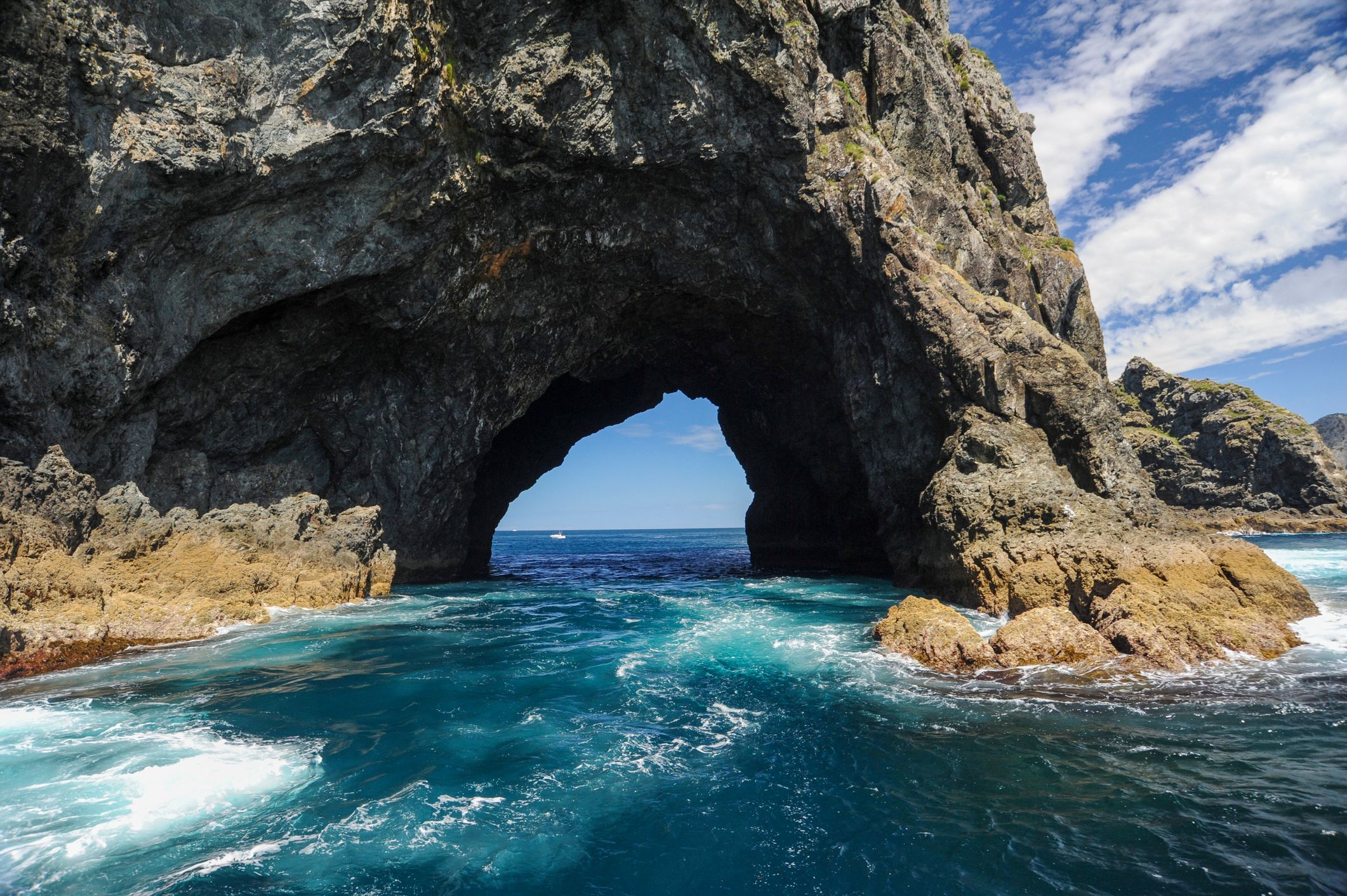
The Bay of Islands is a subtropical sweep of water, islands and historic settlements that gives a New Zealand itinerary a gentle, beautiful opening note. Encompassing 144 islands total between Cape Brett and the Purerua Peninsula, including Opua, Paihia, Russell and Kerikeri.
Cruise passengers usually experience it properly (by small boat) from the start, because it's a tender port. Ships typically tender to Waitangi Wharf, with shuttle buses making the short run into Paihia for independent travellers.
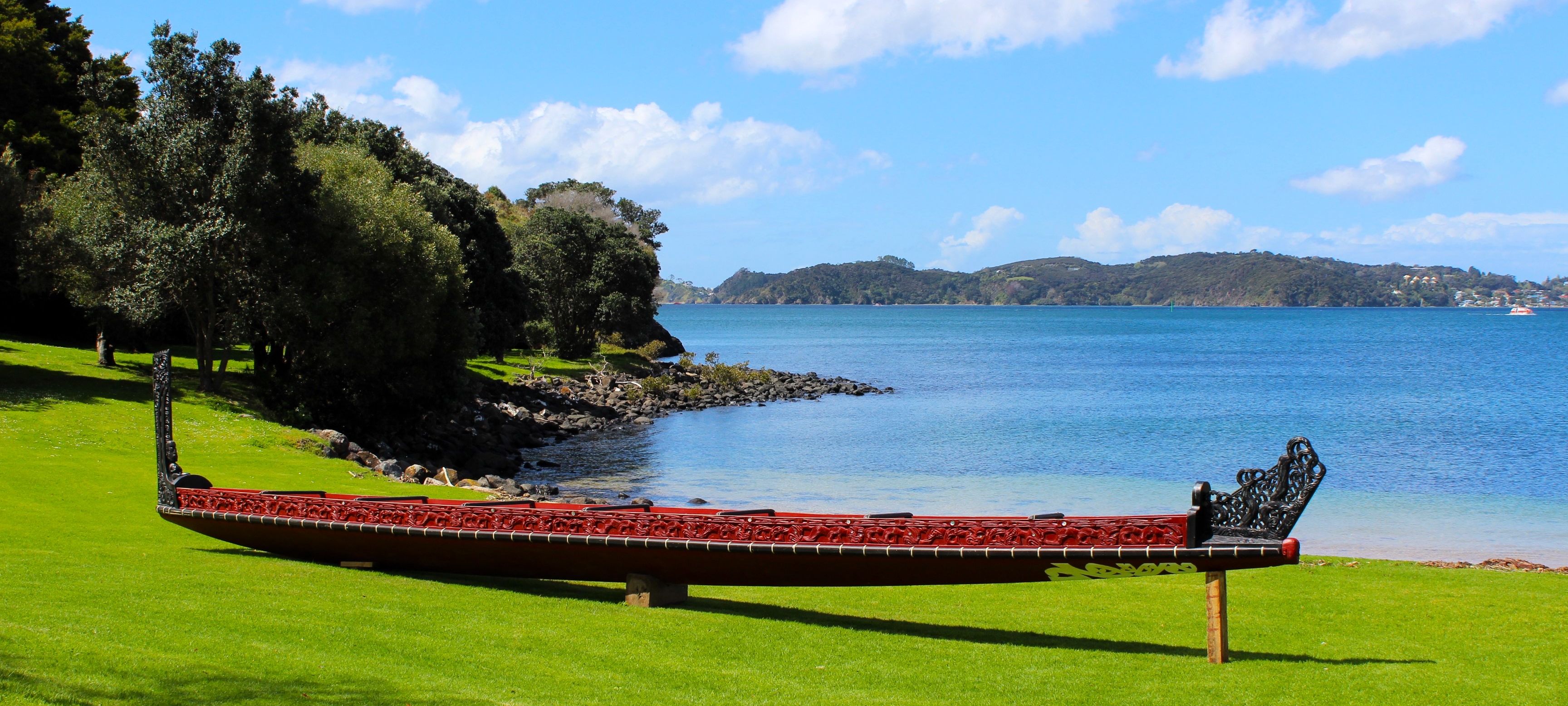
Waitangi is the obvious cultural anchor here. The Waitangi Treaty Grounds are arguably Aotearoa / New Zealand’s most important historic site and the nation’s birthplace; with museums, Treaty House, a carved meeting house and cultural experiences on site. For a cruise passenger, it gives the stop weight. You can be somewhere beautiful and still understand that the natural beauty is not the entire point of the visit. Then there's Russell, reached by ferry from Paihia; handsome, small and historic in a slightly colonial way. It was once a rowdy whaling and trading settlement, later briefly the site of the country’s first capital from 1840 to 1841.
Napier cruise stop: Art Deco, Hawke’s Bay and the neatest rebuild in New Zealand
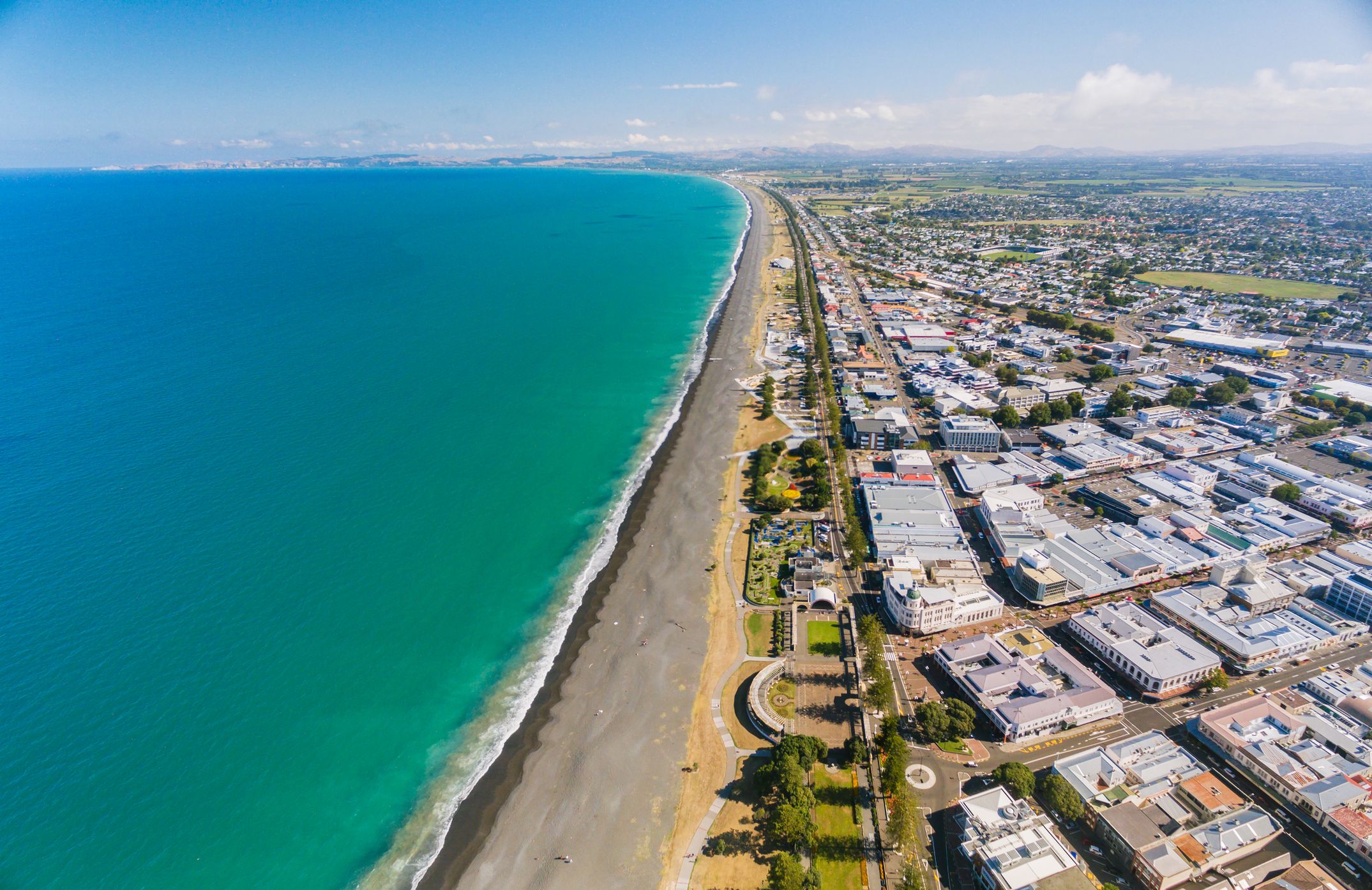
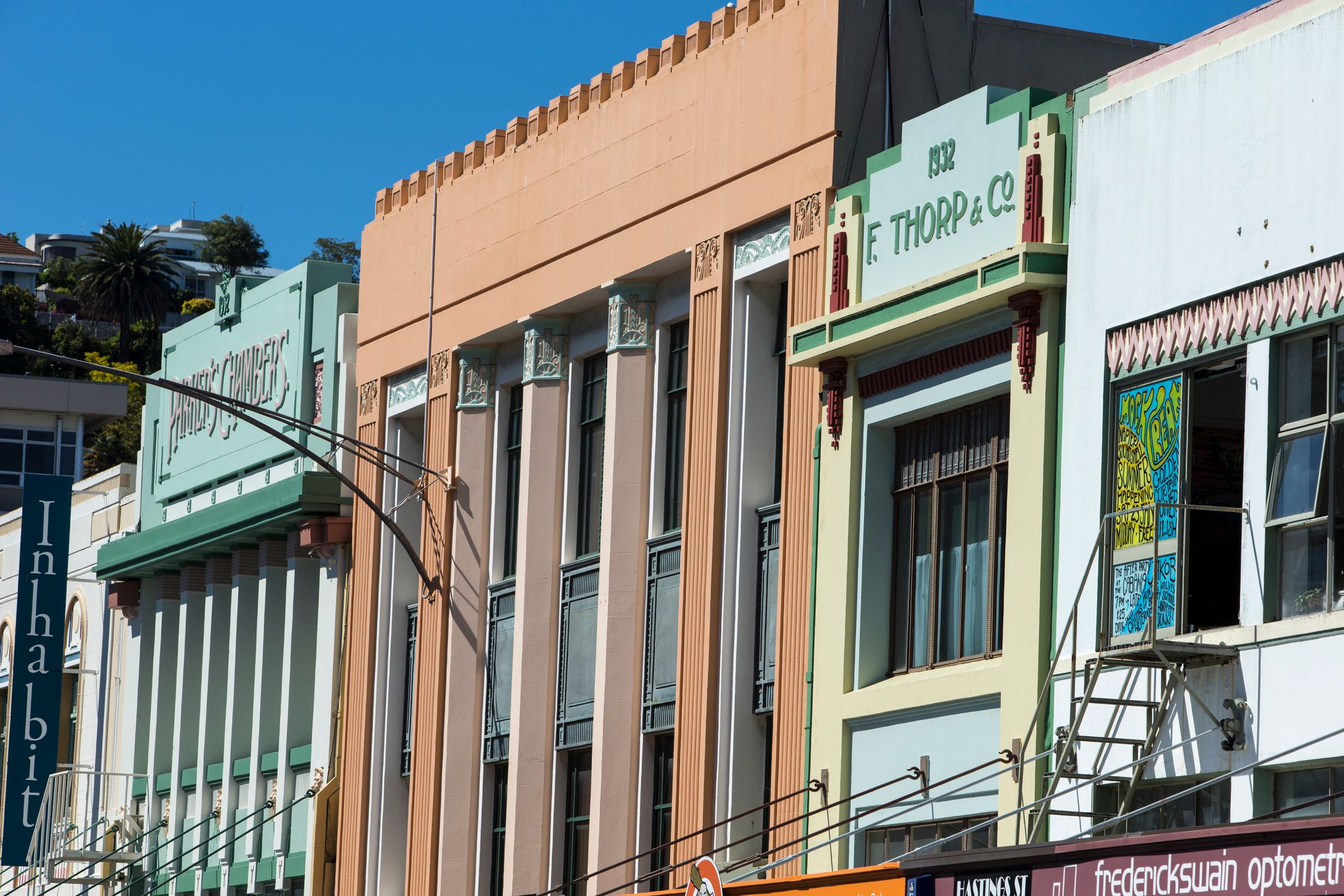
Napier is where New Zealand suddenly changes costume. After the natural softness of the north, you arrive at a city that looks as though someone rebuilt it with a ruler, a pastel palette and a strong sense of symmetry.
Cruise ships berth at the Port of Napier, a working port just north of the city centre. There's no pedestrian access from the port, so cruise passengers need to use the shuttle into town, usually dropping at the i-SITE Visitor Information Centre on Marine Parade. Not the most romantic sentence ever written about travel, but it is useful when you've only one day ashore and a fixed sailaway time.
The reward is immediate. Napier’s centre is one of the great architectural surprises of a New Zealand cruise, shaped by disaster and rebuilt with remarkable style. The Art Deco Trust points visitors to the story of the devastating 1931 earthquake and the city’s rebuild in the Art Deco style of the period, with daily guided walks and vintage car tours exploring the streetscape.
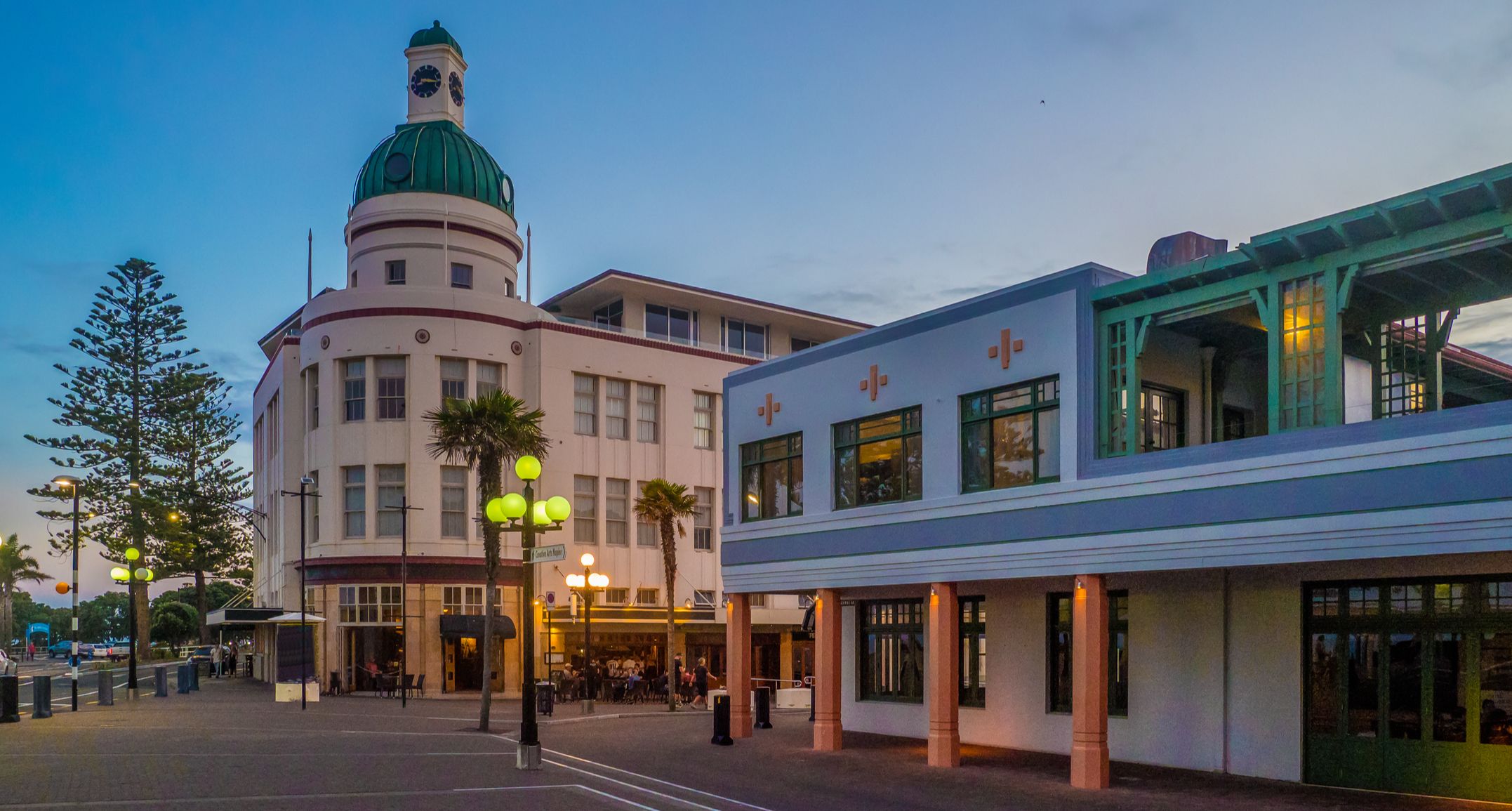
It could have become a sad municipal story about loss and reconstruction. Instead, Napier somehow turned into a sunlit architectural set piece, all zigzags, curves, stylised motifs and façades that make you want to put on a linen suit and start saying “darling” a lot. There are Māori, Egyptian and geometric influences in the detailing, plus enough vintage-car energy to make even the most sensible person briefly consider a hat or silk scarf.
Wellington cruise stop: harbour, hills and one very good museum
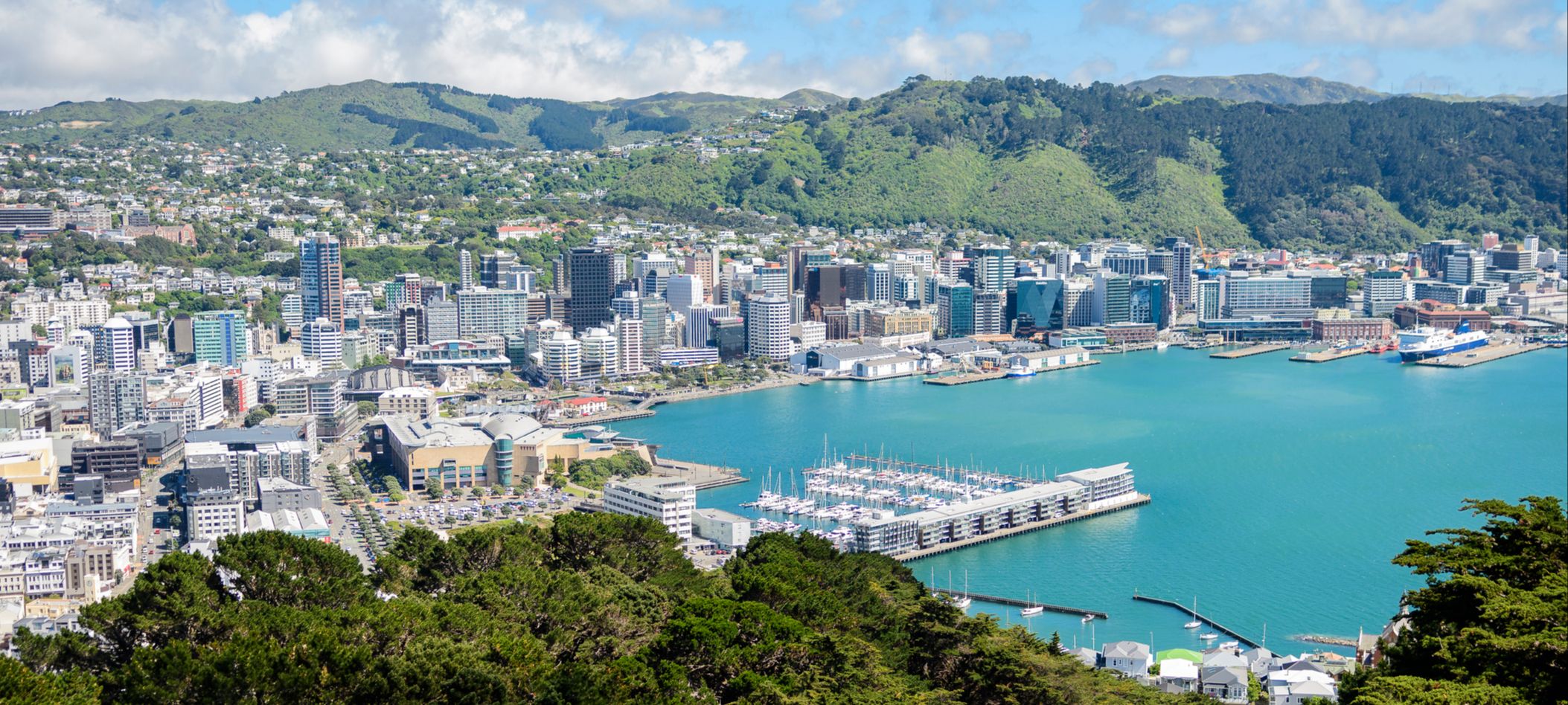
Wellington tends to arrive on an itinerary with a gust of personality. New Zealand’s capital is compact, hilly, breezy and with slightly over-caffeinated energy to boot.
Wellington sits between a picturesque harbour and forest-clad hills, with museums, galleries, shopping, cafés and restaurants, plus the Museum of New Zealand Te Papa Tongarewa as a favourite for visitors and locals. Importantly for cruise visitors the city is compact and walkable, which means you can do a lot in a single day.
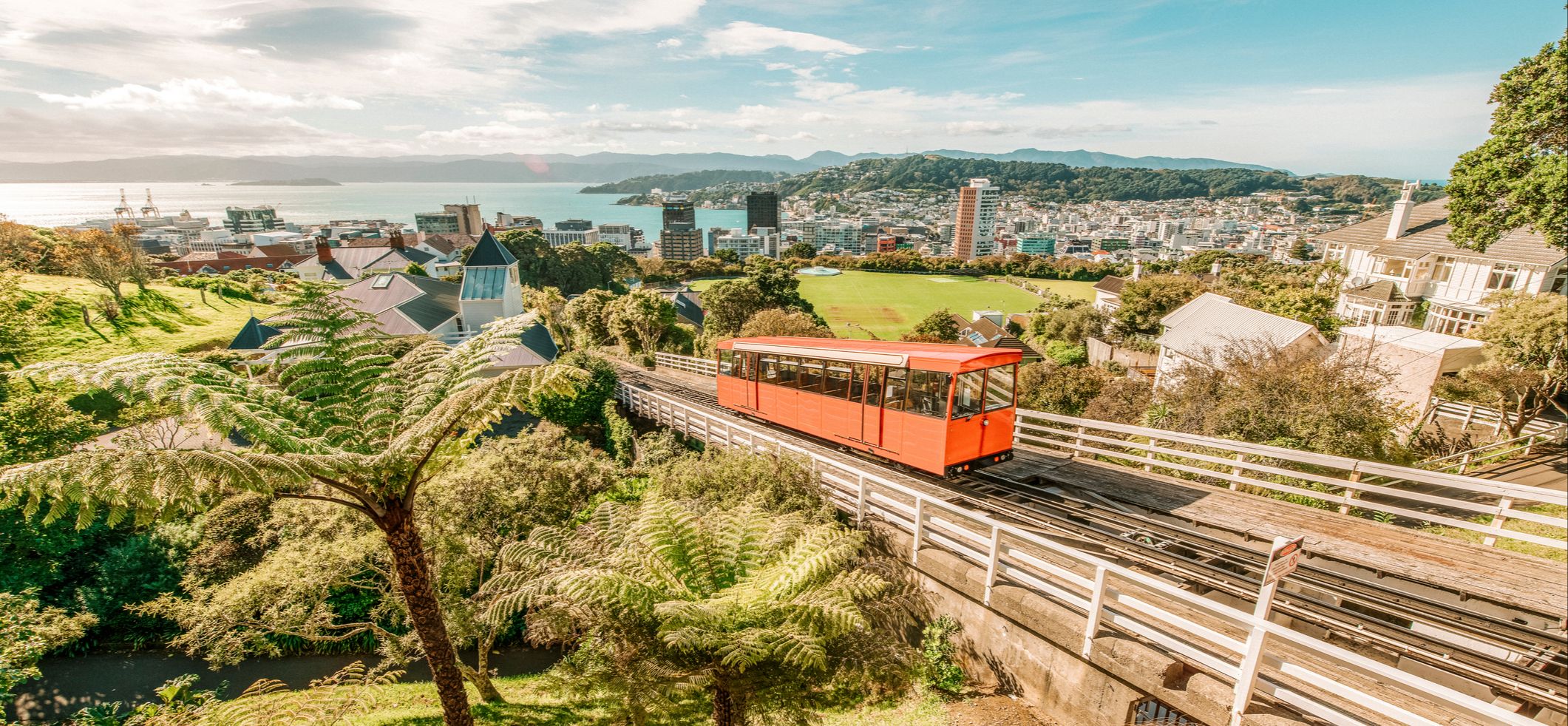
This is the place to go urban for a day. Walk the waterfront, visit Te Papa, ride the cable car if conditions and queues behave themselves, then reward your exertions with coffee and something baked.
Picton and the Marlborough Sounds: the scenic hinge of the route
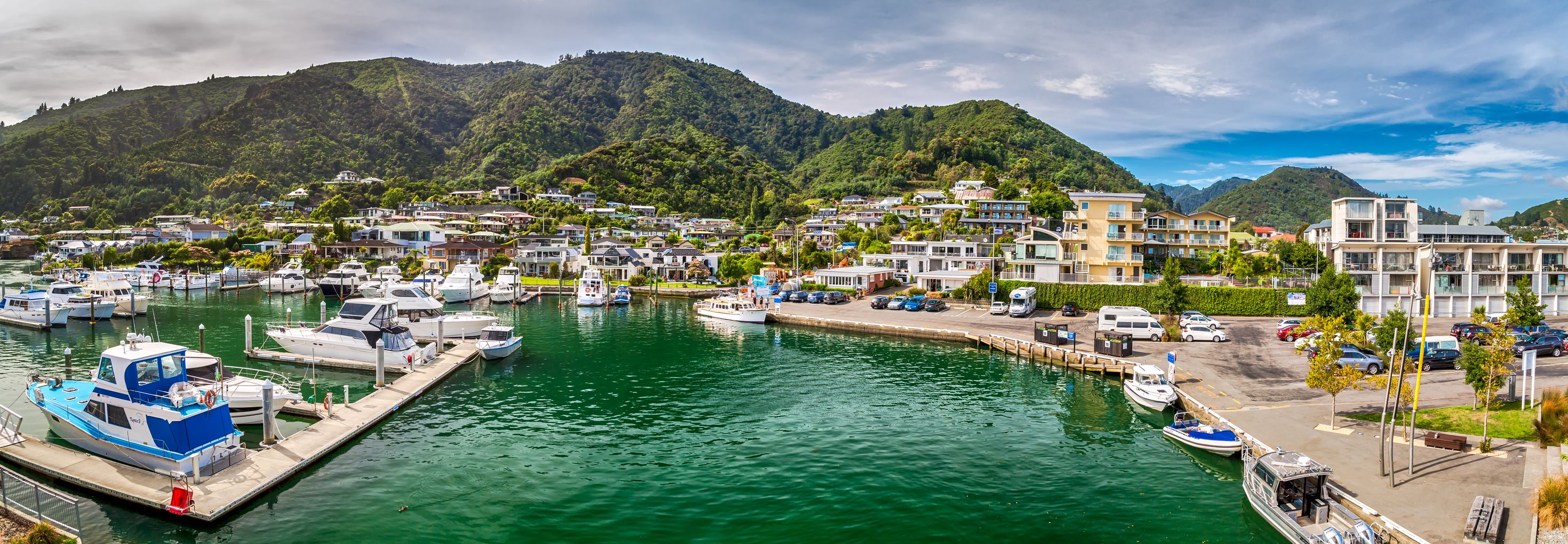
Not every New Zealand cruise calls at Picton, but when it does, the route gains one of its loveliest transitions. Picton is the gateway to the Marlborough Sounds, a maze of sea-drowned valleys at the top of the South Island where water folds itself between green ridges like someone has pleated the map.
Picton is a small port town known for museums, galleries and walking tracks, with the wineries of Blenheim a short drive away and Sauvignon Blanc the regional calling card. This gives passengers the classic dilemma: stay by the water and enjoy the Sounds, or go inland and let Marlborough's best vineyards pour things at you.
The answer depends on your tolerance for decision-making before lunch. A gentle Picton day can be perfectly satisfying: waterfront, short walk, local galleries, boat trip if the timings allow. A wine excursion offers a completely different pleasure, especially for anyone who likes their landscapes arranged in vineyard rows and their tasting notes delivered by people who can say “minerality” without laughing.
Dunedin cruise stop: Port Chalmers, Victorian architecture and albatrosses
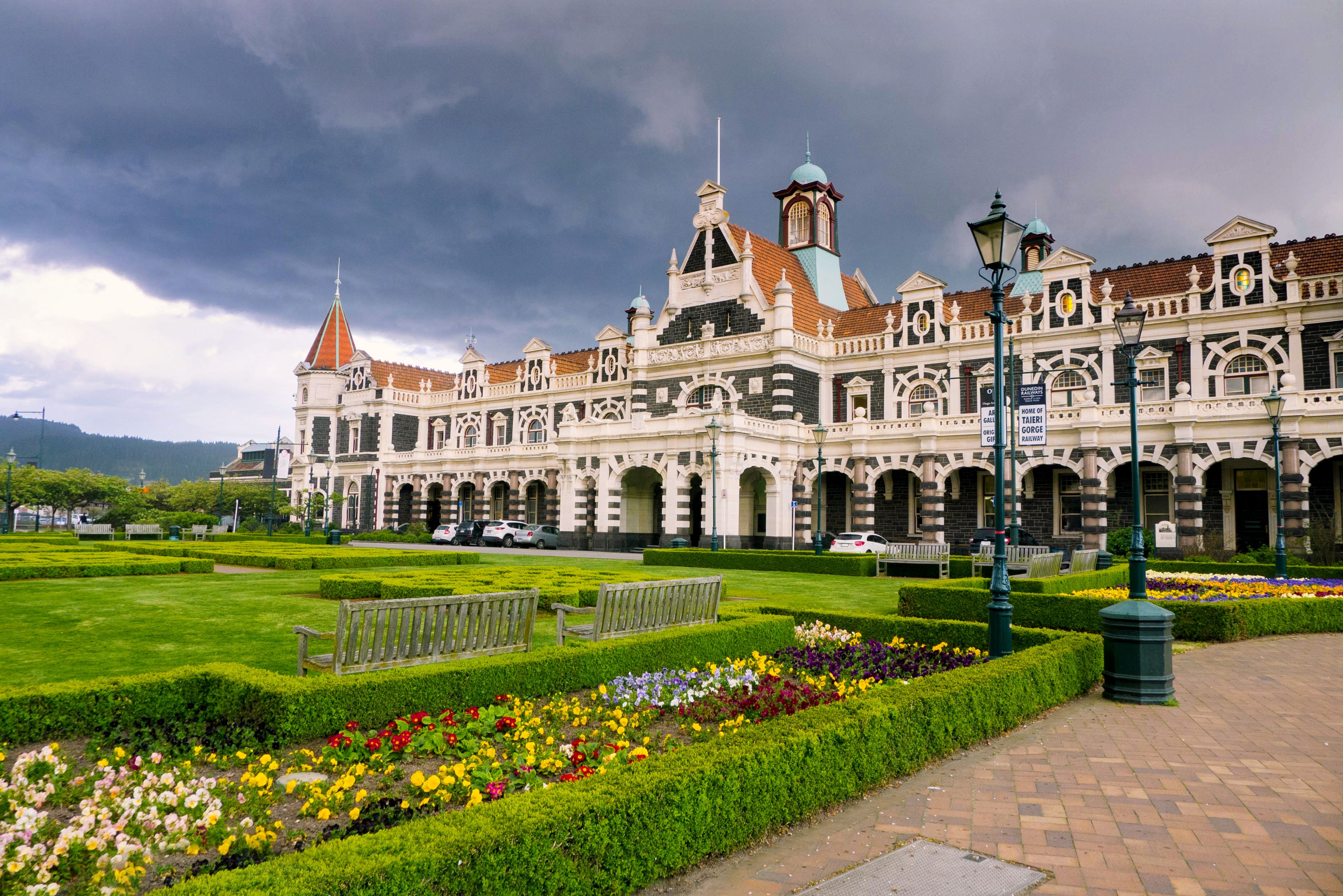
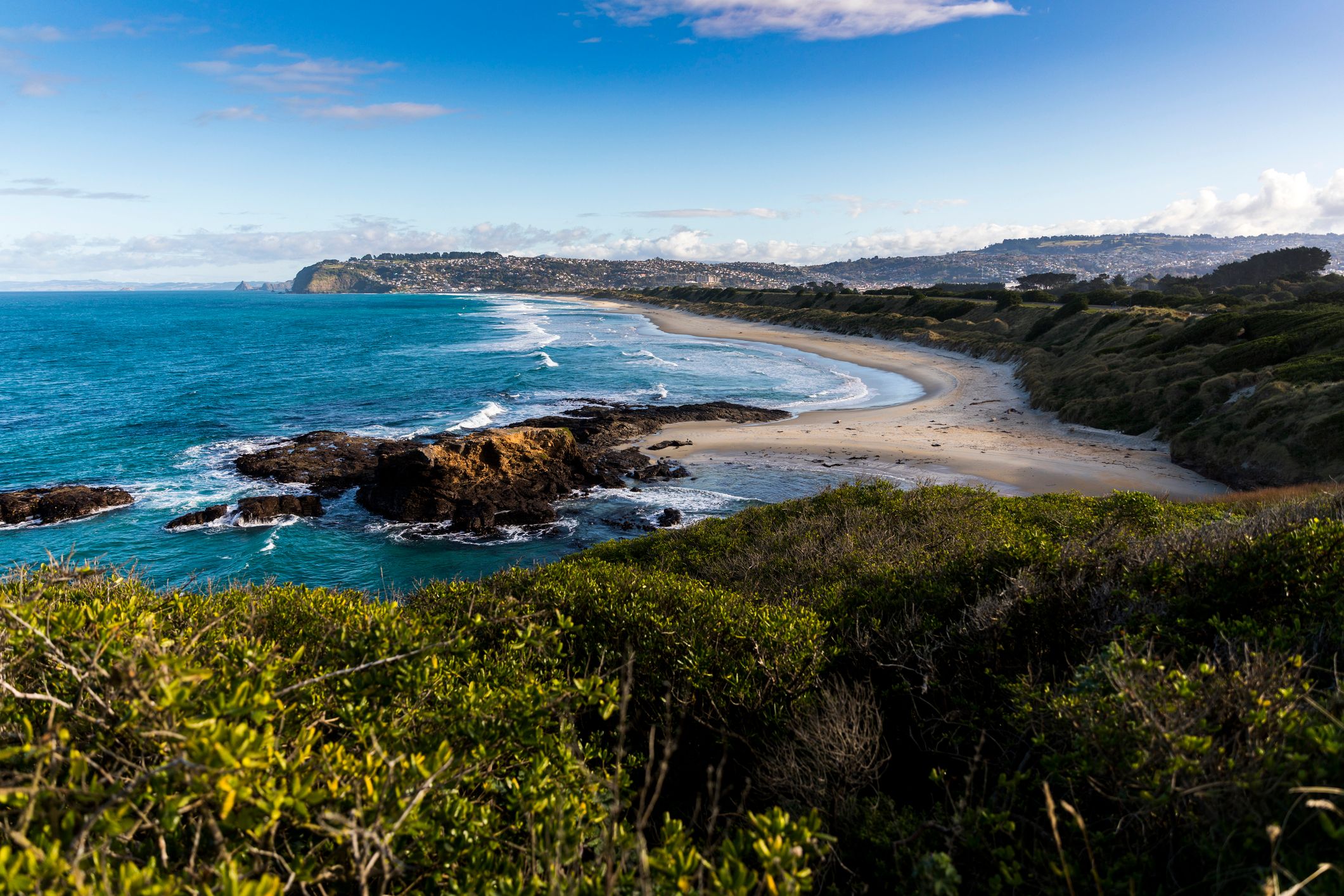
Dunedin is where this itinerary puts on a wool coat. Ships call at Port Chalmers, a historic harbour town a short drive from Dunedin, known for its heritage attractions, cafés and galleries.
Dunedin itself is a city of handsome severity and unexpected drama. Tourism New Zealand calls it New Zealand’s architectural heritage capital, shaped by the wealth of the 1860s gold rush, with Victorian and Edwardian buildings still visible throughout the city. It is also the country’s only UNESCO Creative City of Literature, which seems exactly right for a place where even the railway station itslef looks like it might be working on a novel.
The Octagon is the centre for an easy city day, with cafés, galleries, churches and the sort of grand civic architecture. Dunedin Railway Station is the obvious show-off, a building of such decorative confidence that catching a train from it feels a bit like leaving a cathedral with luggage.
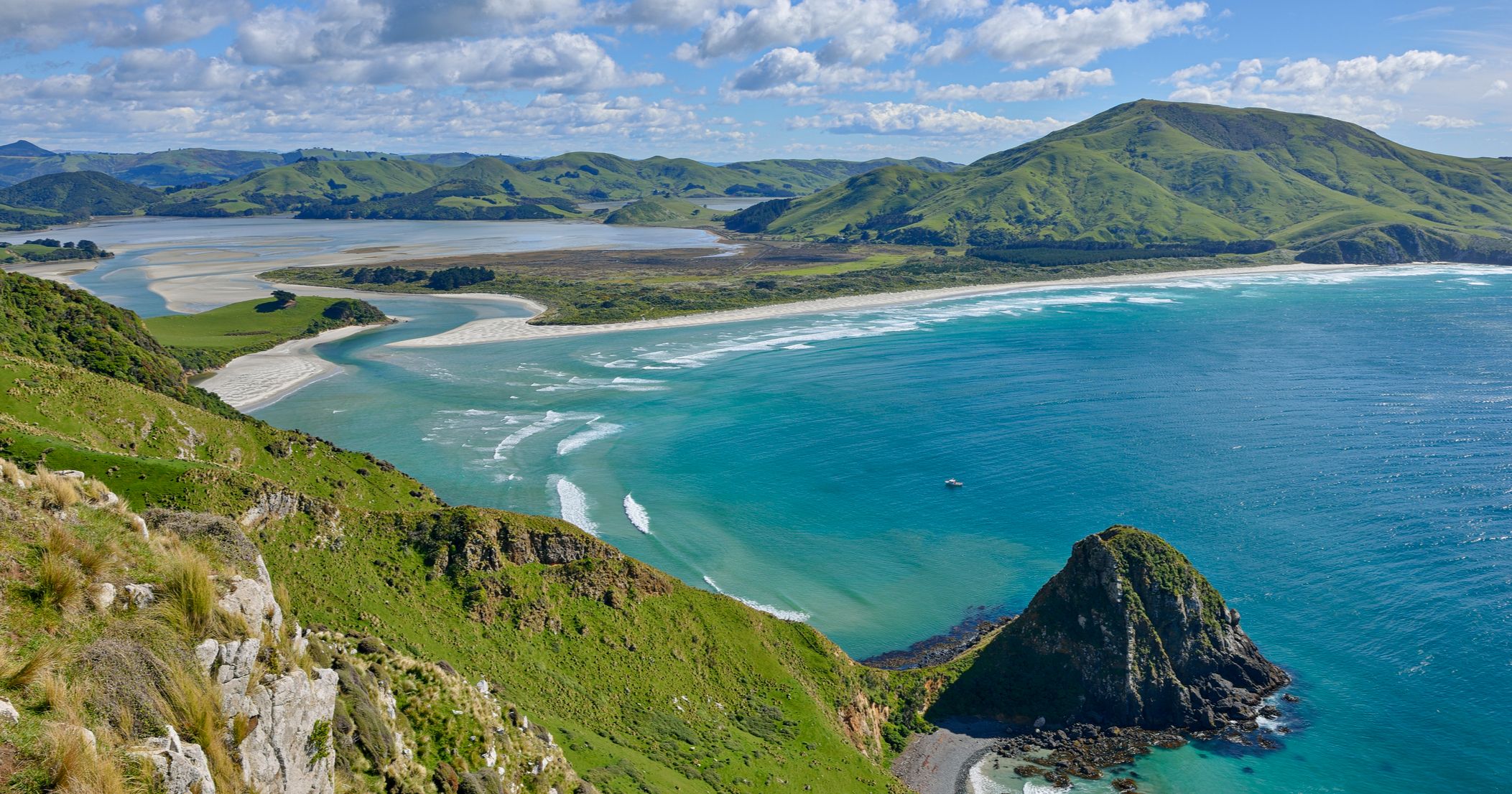
But Dunedin’s best cruise days often look beyond the city, out along the Otago Peninsula. The Department of Conservation describes Pukekura/Taiaroa Head as the only mainland colony of albatross in the Southern Hemisphere, while the Royal Albatross Centre calls it the only mainland breeding colony of northern royal albatross in the world.
Fiordland cruising: Milford Sound, Dusky Sound and the big finish
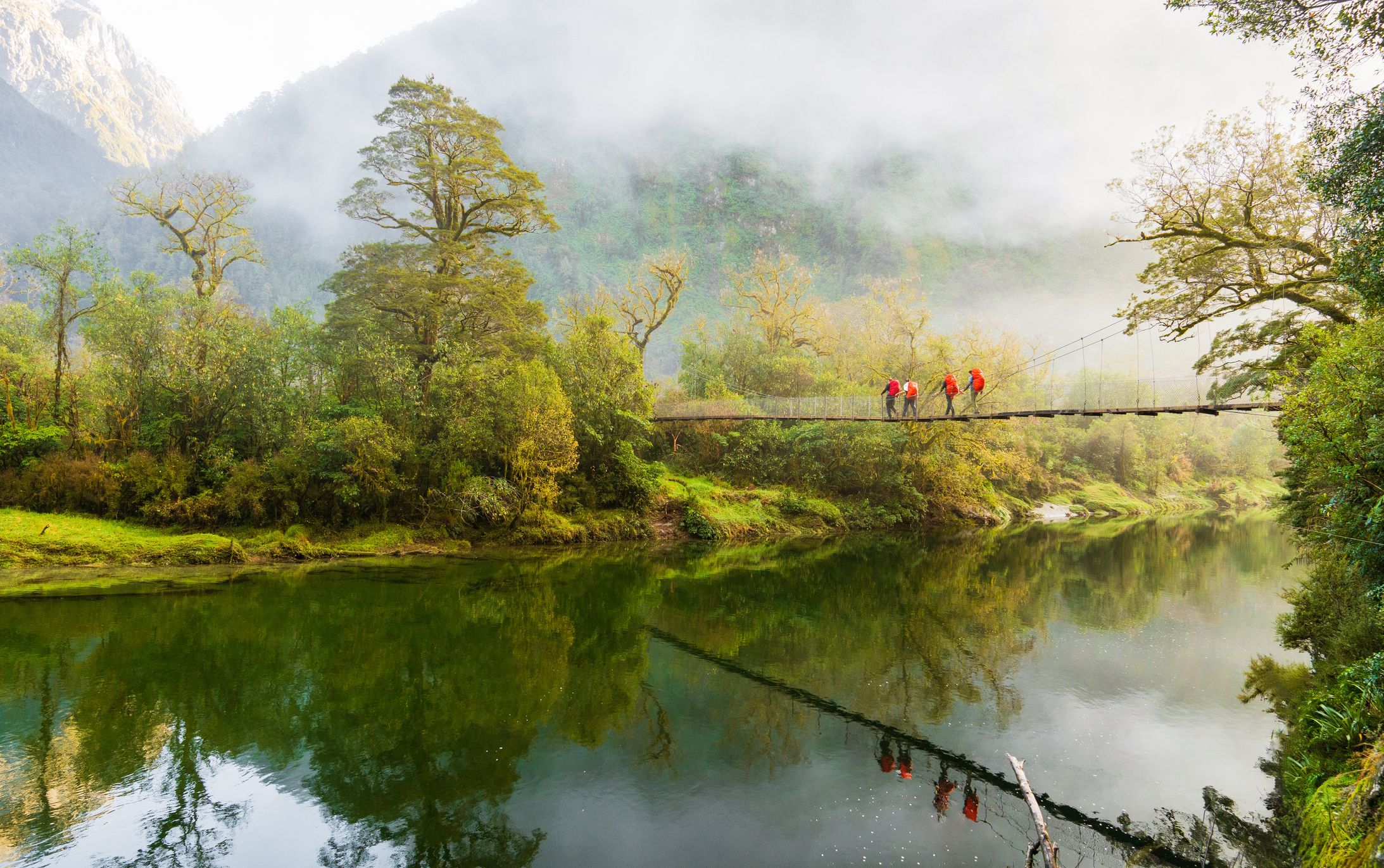
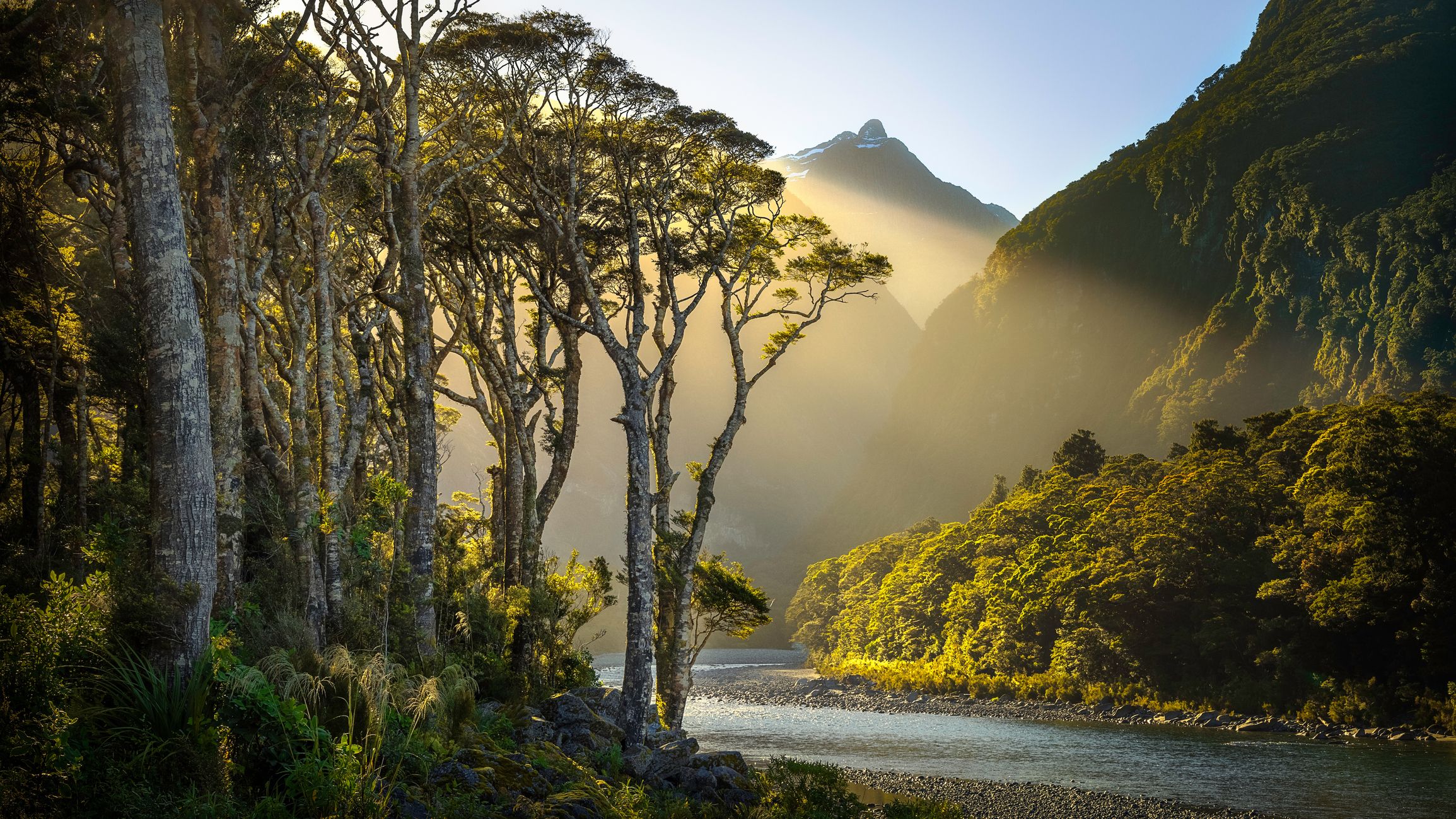
If your New Zealand cruise includes scenic cruising through Fiordland, the itinerary has saved the enormous, moody, rain-polished finale for the end.
Fiordland National Park forms part of Te Wāhipounamu, the South West New Zealand UNESCO World Heritage Area; a spectacular 2.6 million hectare region spanning four national parks.
Milford Sound / Piopiotahi is the famous name, but some cruises may also sail through Dusky Sound or Doubtful Sound depending on route, weather and permissions. This is where being on a ship makes complete sense. Roads can get you into parts of Fiordland, but the fiords were made for water. The ship becomes a moving viewing platform, sliding between cliffs, waterfalls and rainforest while everyone on deck quietly pretends they are not taking thousands of photographs.
It's tempting to overdescribe Fiordland, which is how travel writing gets itself into trouble and starts using words like “primeval” while reaching for a thesaurus. So it's probably better to say this: it is big, wet, steep and astonishing. You don’t need to understand glaciation to feel that something severe and beautiful has happened here.
It also makes sense as the natural end point of a New Zealand-by-sea route. After islands, harbours, cities, vineyards, railway stations and albatrosses, Fiordland strips the experience back to water, rock, cloud and silence. Even the most dedicated onboard chatterer tends to lower their voice.
How to choose the best New Zealand cruise itinerary
The strongest New Zealand cruise itineraries have variety. Look for a route that balances the north and south, cities and scenery, working ports and wilderness. Bay of Islands gives you subtropical water and national history. Napier gives architecture and Hawke’s Bay ease. Wellington adds capital-city culture in a compact harbour setting. Picton opens the Marlborough Sounds. Dunedin gives you heritage and wildlife. Fiordland delivers the sort of scenic cruising that makes everyone suddenly sentimental about waterproof jackets.
The order matters less than the mix. A route that only chases the big names might miss some the quieter stops on the coast. A route that includes Napier and Dunedin as well as the better-known scenic moments gives you a fuller version of the country: not just landscapes, but towns shaped by earthquakes, gold rushes, harbours, literature, wine and weather.
The practicalities are worth checking. Some ports require tenders, notably the Bay of Islands. Some are working ports with shuttles, like Napier. Some city centres are close; others need a short transfer. New Zealand’s weather can be lively, particularly in the south, so pack layers and the flexibility to accept that “four seasons in one day” is not always a cute saying. Sometimes it's the entire itinerary.