Brazil is not a country that can be easily reduced to a tidy three-port sampler. It's too large, too self-assured and too full of competing versions of itself for that. Which is precisely why a sailing linking Salvador, Ilhéus and Rio de Janeiro is be so appealing. This route lets you approach the Atlantic edge in three very different moods: Salvador with its Afro-Brazilian depth and steep historic core, Ilhéus with cocoa, literature and a more relaxed Bahia rhythm, and Rio arriving at the end like a city that has heard all your previous holiday stories and is about to one-up them.
Salvador cruise port: Afro-Brazilian history, music and steep streets
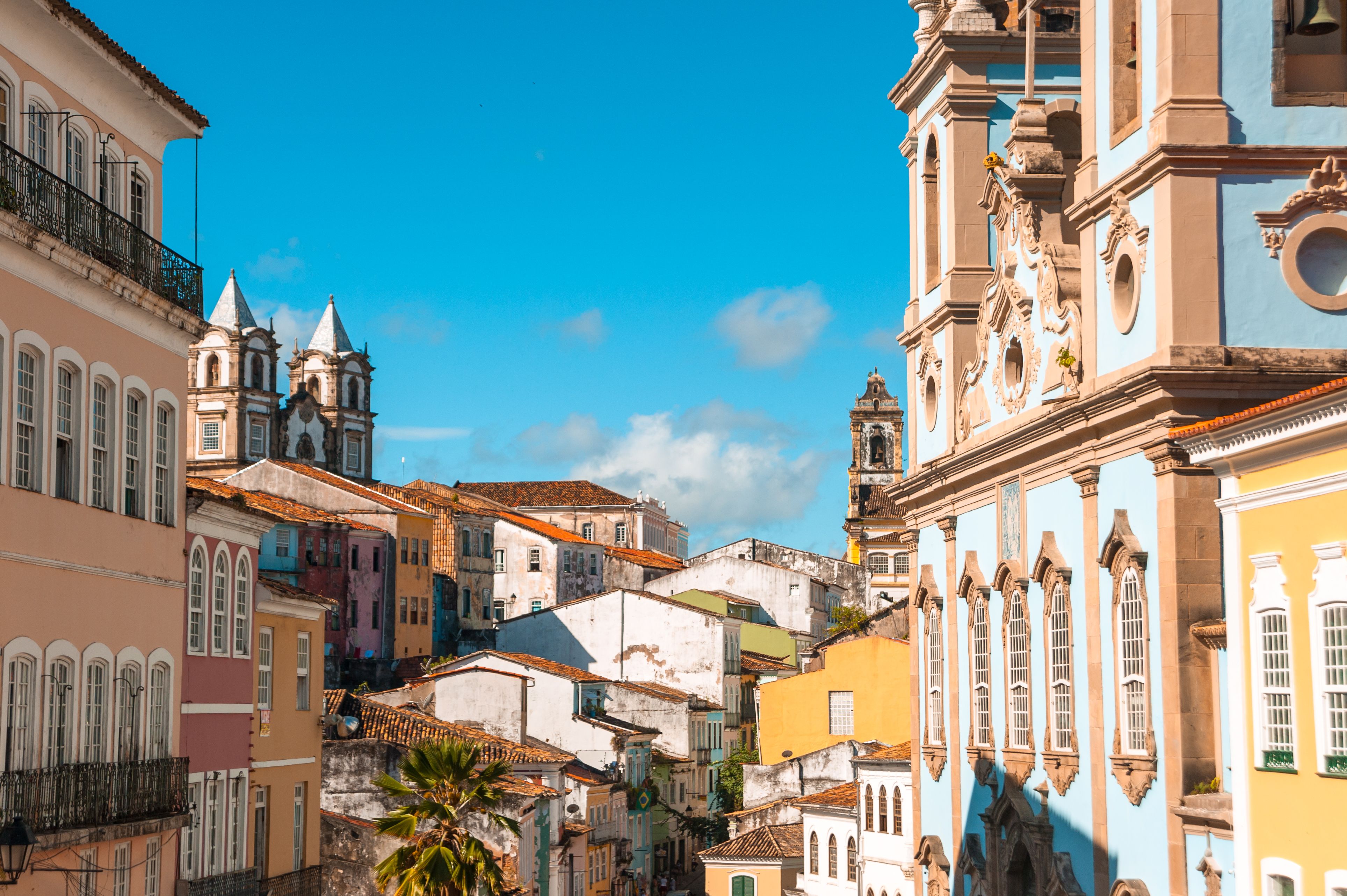
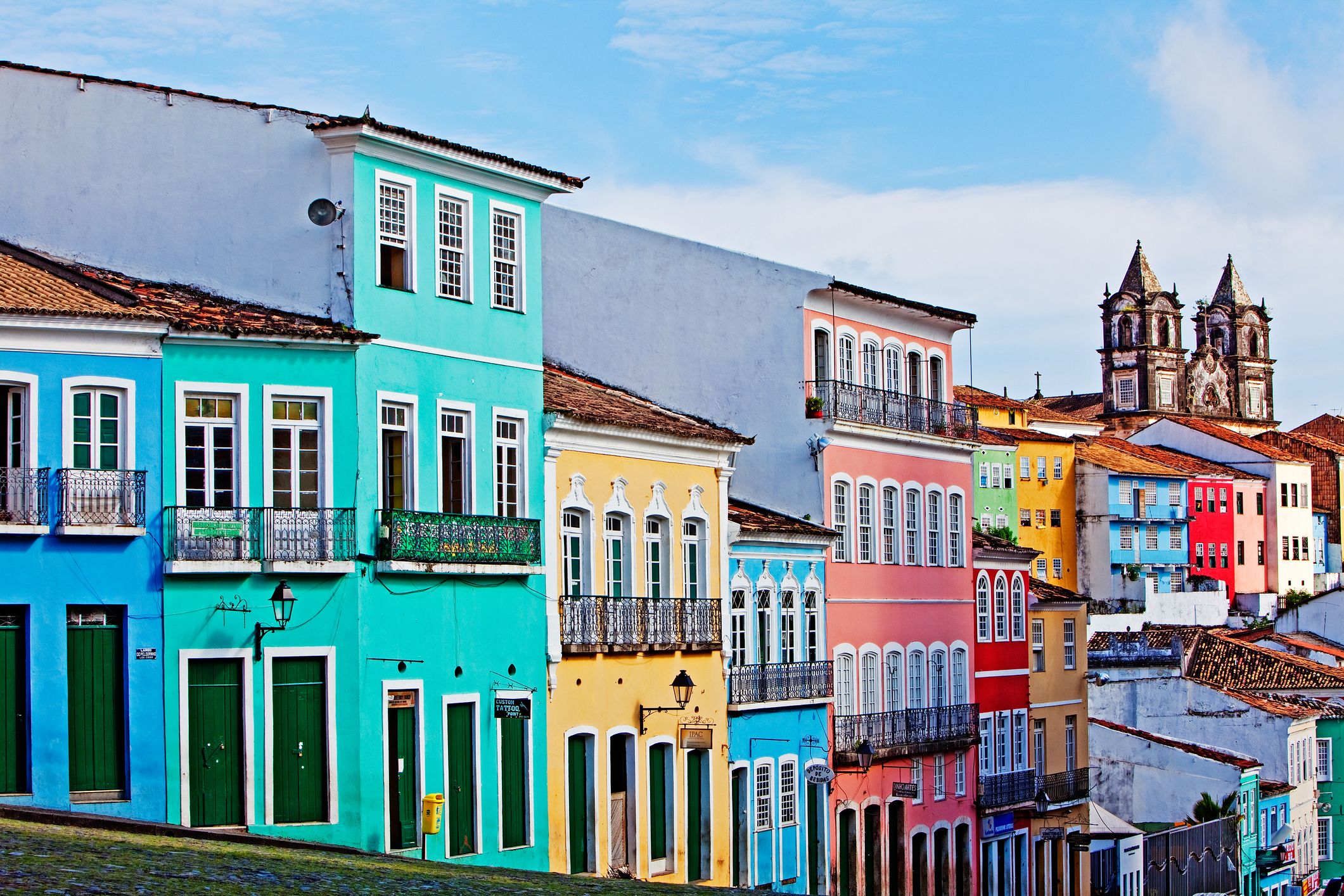
Salvador was Brazil’s first capital from 1549 to 1763 and, from 1558, the first slave market in the New World. VisitBrasil describes it as the centre of Afro-Brazilian culture and the “blackest city outside the African continent” and the city’s rhythms, cuisine, religion and street life really are inseparable from that heritage.
The practical joy of Salvador is that the city’s physical geography does half the storytelling for you. Pelourinho sits up in the upper city, all colour, slope and colonial frontage, while the Lacerda Elevator links the lower and upper parts and remains one of the city’s symbols. This is the first urban elevator in the world and places it close to Pelourinho, with views across the Baía de Todos os Santos.
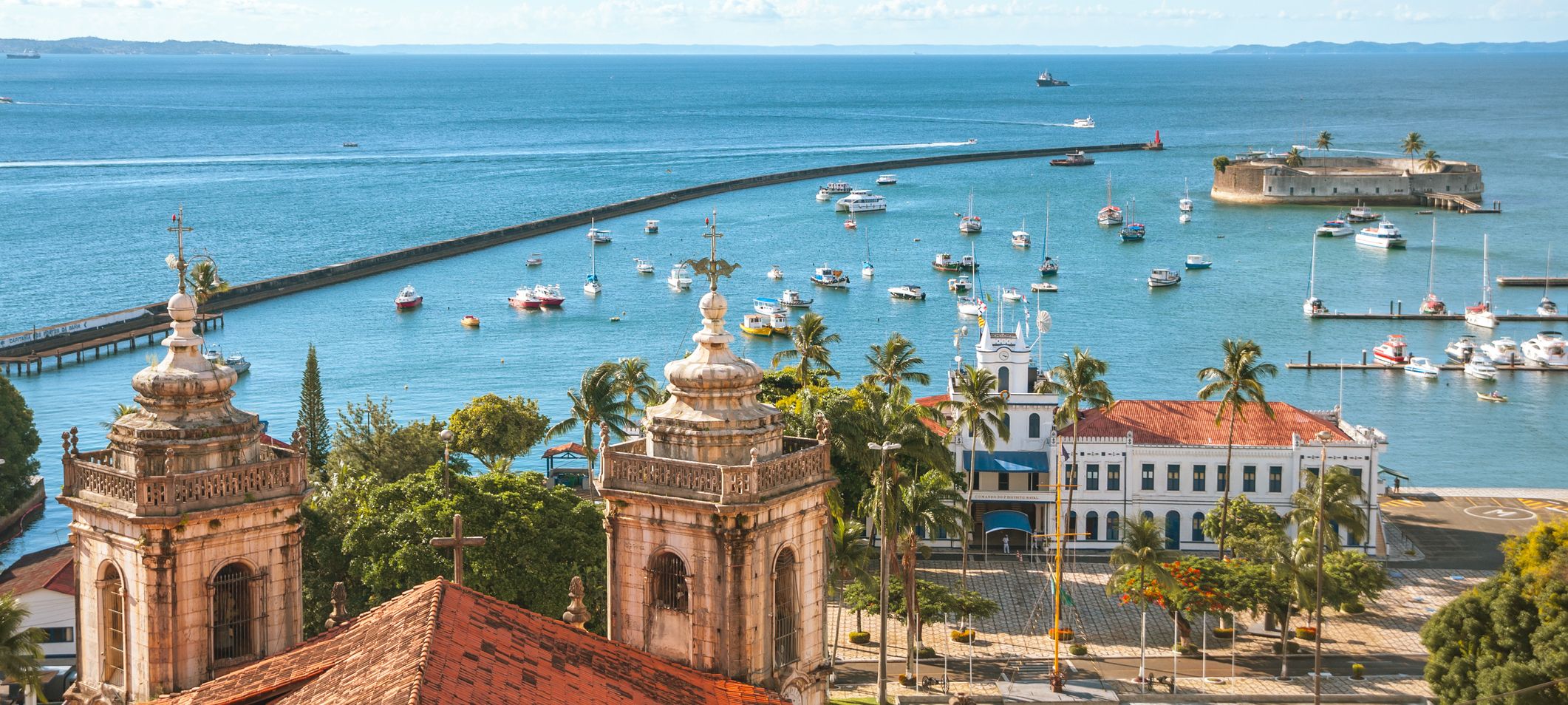
This is also the stop where music feels least optional. The city’s Afro blocs, capoeira circles and Bahian rhythms are everyday parts of the place rather than decorative extras for tourists. Which means that even if you only have a day, walk Pelourinho, ride the elevator, pay attention to the street sound, and accept that any place this layered is going to defeat your inner checklist instinct.
Ilhéus cruise port: cocoa coast, Jorge Amado and easier Bahia
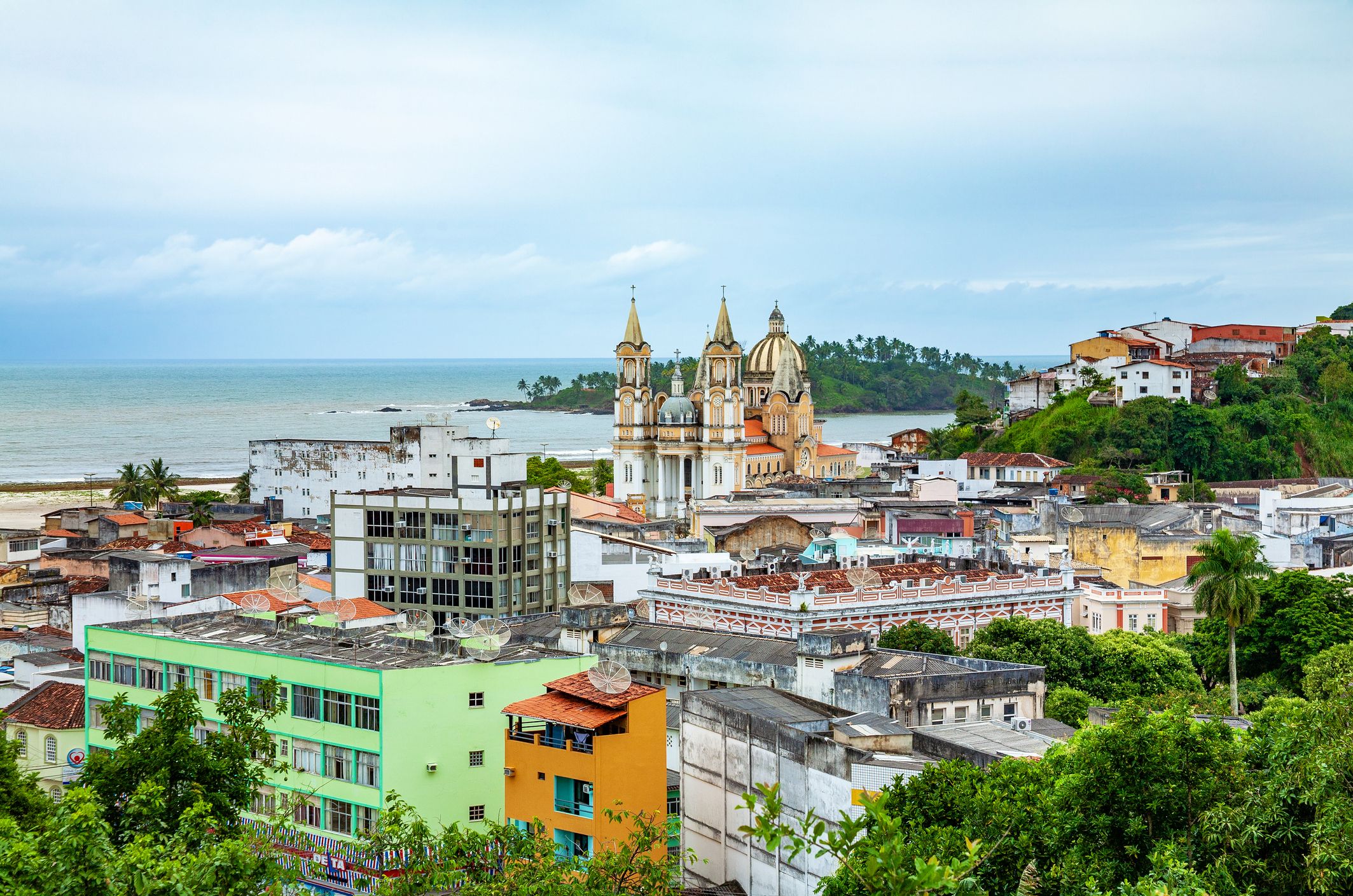
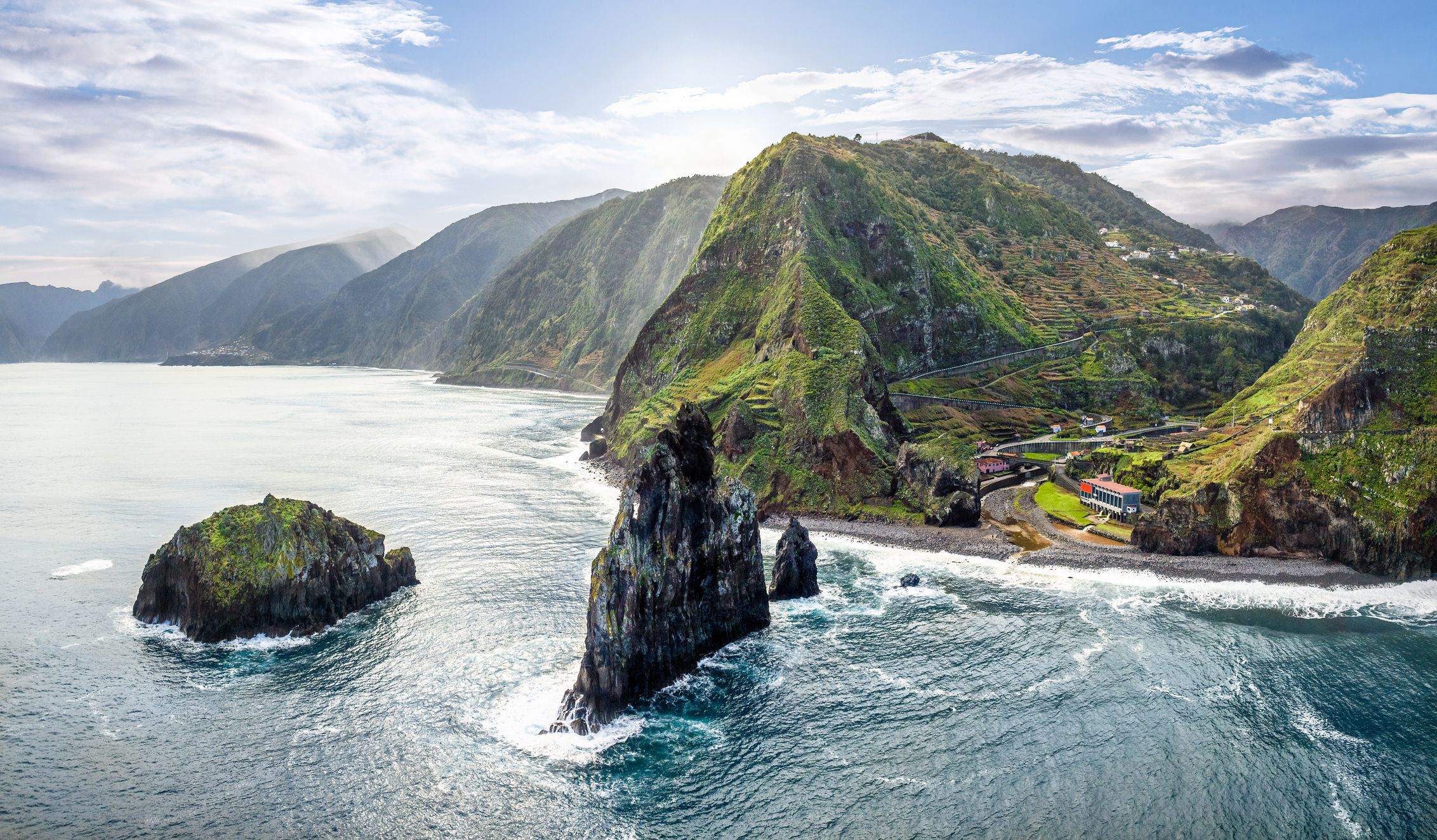
After Salvador, Ilhéus feels almost suspiciously manageable. This is the heart of Brazil’s Cocoa Coast and the hometown of Jorge Amado, with beaches, history and artisanal chocolate all part of the appeal. There's something rather old-fashioned about Ilhéus in the best possible sense. Cocoa shaped the region’s wealth, Jorge Amado gave it literary myth, and the city now trades on a mix of beach life and a gently worn historical centre.
It also performs an important structural role in the itinerary. Brazil by ship can easily become a procession of overreach, with every call treated like a command to “do” a nation-sized amount of culture in six hours. Ilhéus interrupts that tendency. It gives the route breathing room. You can have beach, cocoa, Amado and a bit of town without pretending you have unlocked the full Brazilian soul before the last shuttle leaves. Frankly, more cruise itineraries could do with one stop that understands the value of not trying quite so hard.
Rio de Janeiro cruise port: beaches, samba and the myth of doing it all
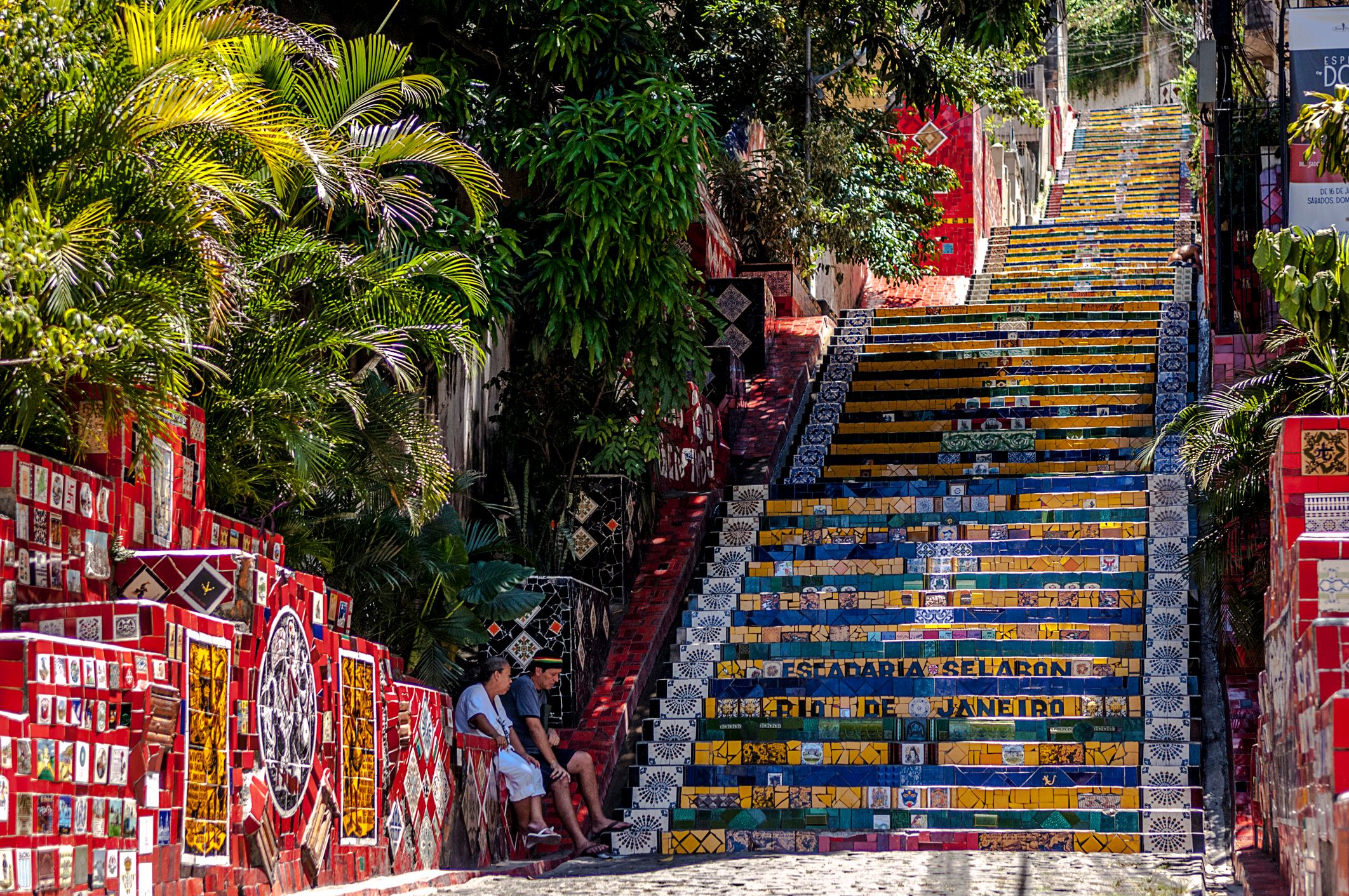
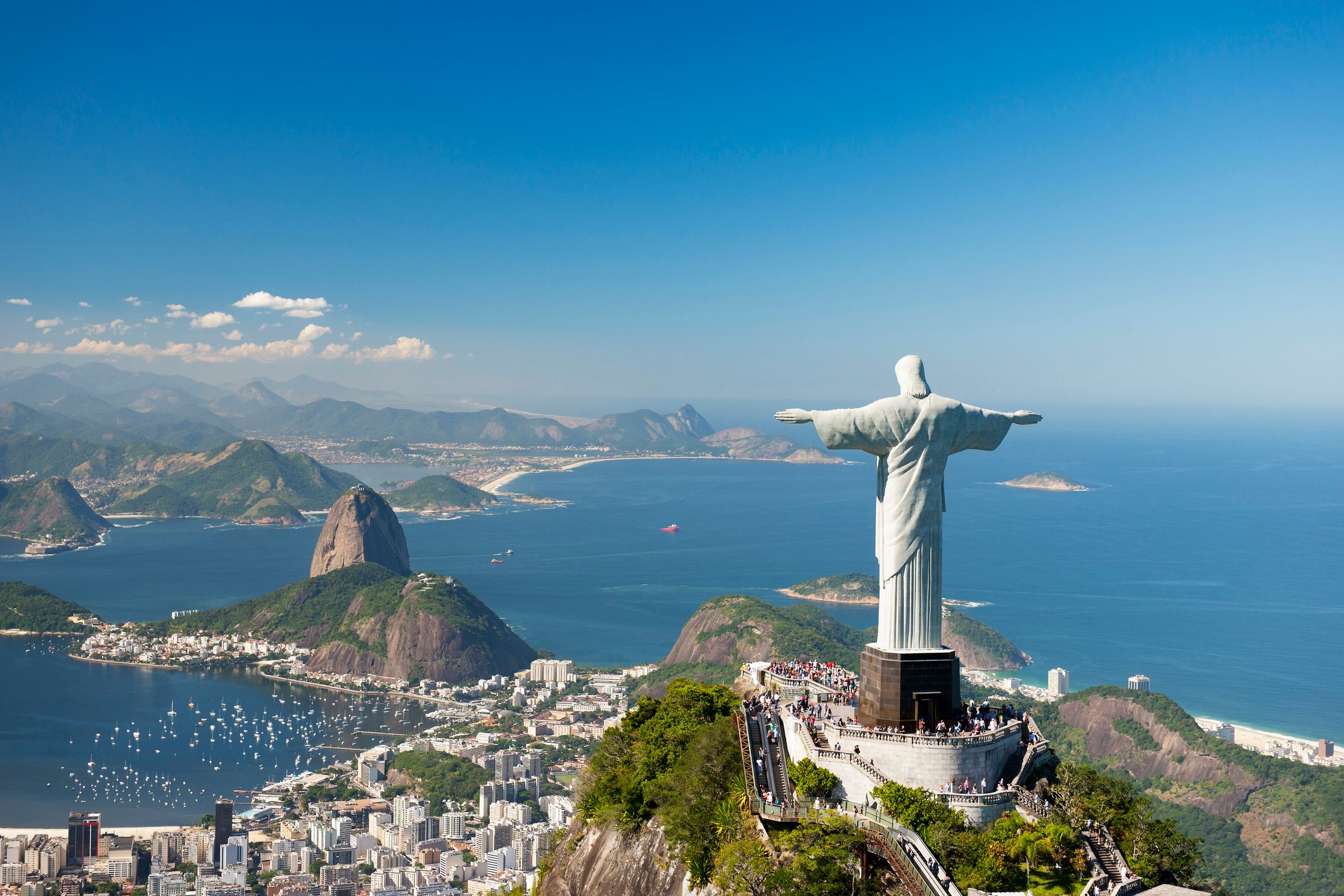
And then there's Rio, which does not so much round off the sailing so much as seize it by the lapels. Ships dock at Pier Mauá in the heart of Porto Maravilha, where the cruise terminal also manages historic warehouses on the Olympic Boulevard. Princess’s port guide notes that Rio’s major sights are spread across mountains, beaches and forested hillsides, which is a tactful way of warning you that trying to “do Rio” in one port day is an act of optimism bordering on lunacy. Yes, you can race through Sugarloaf, Christ the Redeemer and a beach drive if you must. But that approach tends to leave people seeing Rio through the window of a coach and calling it immersion.
This is also where the practical reality of Brazil-by-ship becomes most obvious. Rio absolutely has the scenery, and Sugarloaf still makes the an excellent case for spectacular views over Guanabara Bay, Copacabana and the entrance to the bay. But the city also has scale, traffic and enough competing centres of gravity to punish anyone who thinks one day ashore should contain every icon plus a proper lunch. Better, I think, to choose your Rio. Do the great mountain-and-beach hits if it is your first time and you need to get them out of your system. But if the sailing has already taken you through Salvador and Ilhéus, there is a very strong argument for letting the port zone, Little Africa and samba tell the final chapter instead.
Can you really do Brazil by ship?
Not really. Which is why it is worth doing.
A sailing through Salvador, Ilhéus and Rio works not because it offers a complete Brazil, but because it admits that no such thing is available. What it can do is give you a brilliant Atlantic slice of the country: first-capital gravity in Salvador, cocoa-coast texture in Ilhéus, and then Rio, where beauty and history keep jostling each other for the last word. The danger is trying to turn that into some kind of national masterclass. The pleasure is accepting it as a route of fragments, each one strong enough to deserve its own return visit and all the better for not pretending otherwise.
That, in the end, is the practical reality of trying to “do” Brazil by ship. You can’t. You can, however, arrive at three very good edges of it and come away with something more useful than completion. A sense of the country’s scale. A better understanding of how African heritage shapes the coast. A memory of dunes? No, wrong article. A memory of steep streets, cocoa, samba, port warehouses and cities that are much less interested in being neat than in being fully themselves. That is more than enough for one sailing.