If you like your scenery dramatic and your phone signal unreliable, the Chilean fjords are hard to beat.
This long run of drowned valleys, glaciers and wind-battered islands stretches from around Puerto Montt right down to Tierra del Fuego. A lot of ships just skim the edges on their way to Antarctica. The good stuff happens on itineraries that zigzag between Punta Arenas, Puerto Natales and Ushuaia, where the map starts to look like someone dropped a plate.
So what do you actually get if you book one of these voyages, and how “expedition” is it if you secretly prefer binoculars to crampons?
Why Chile’s fjords feel different
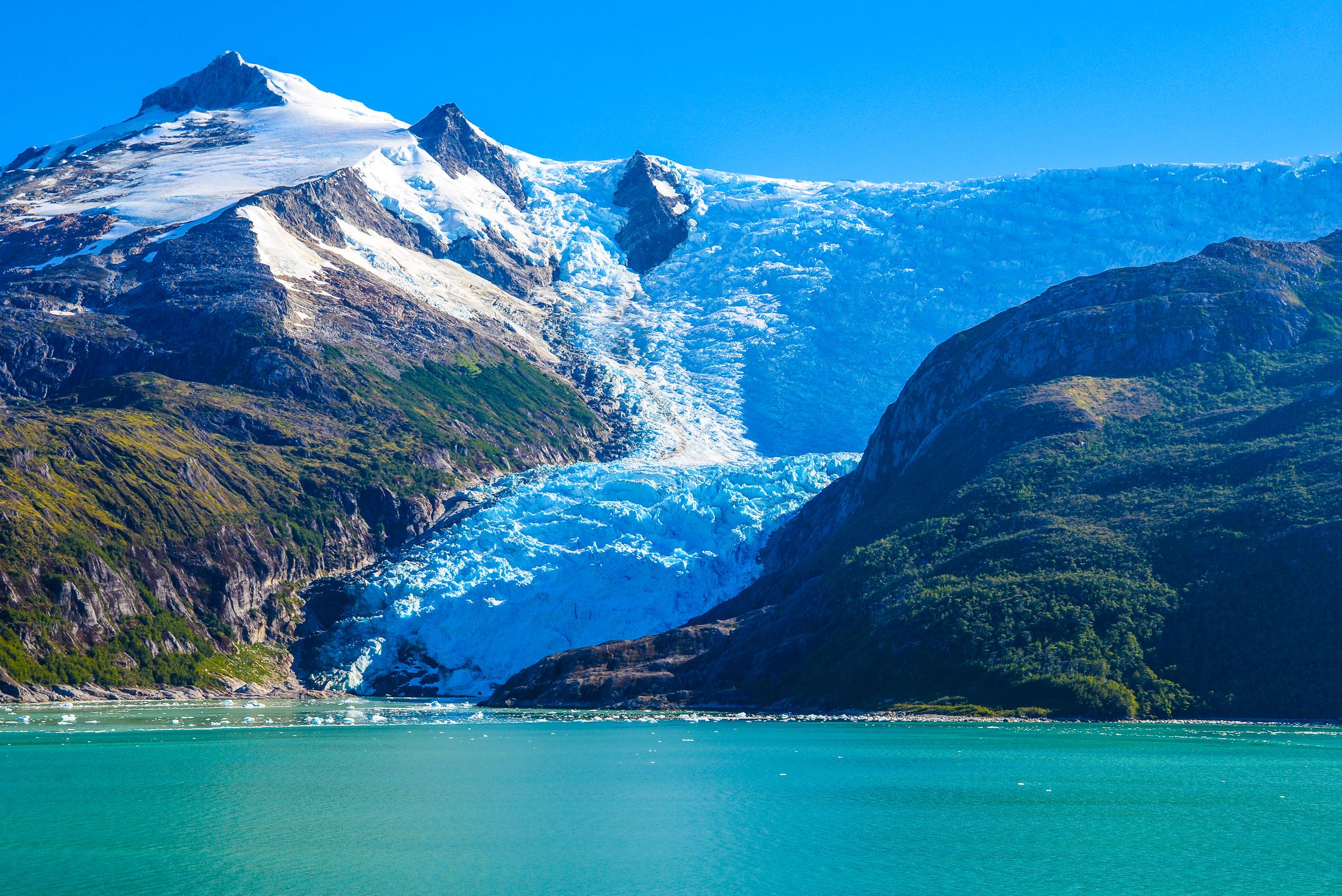
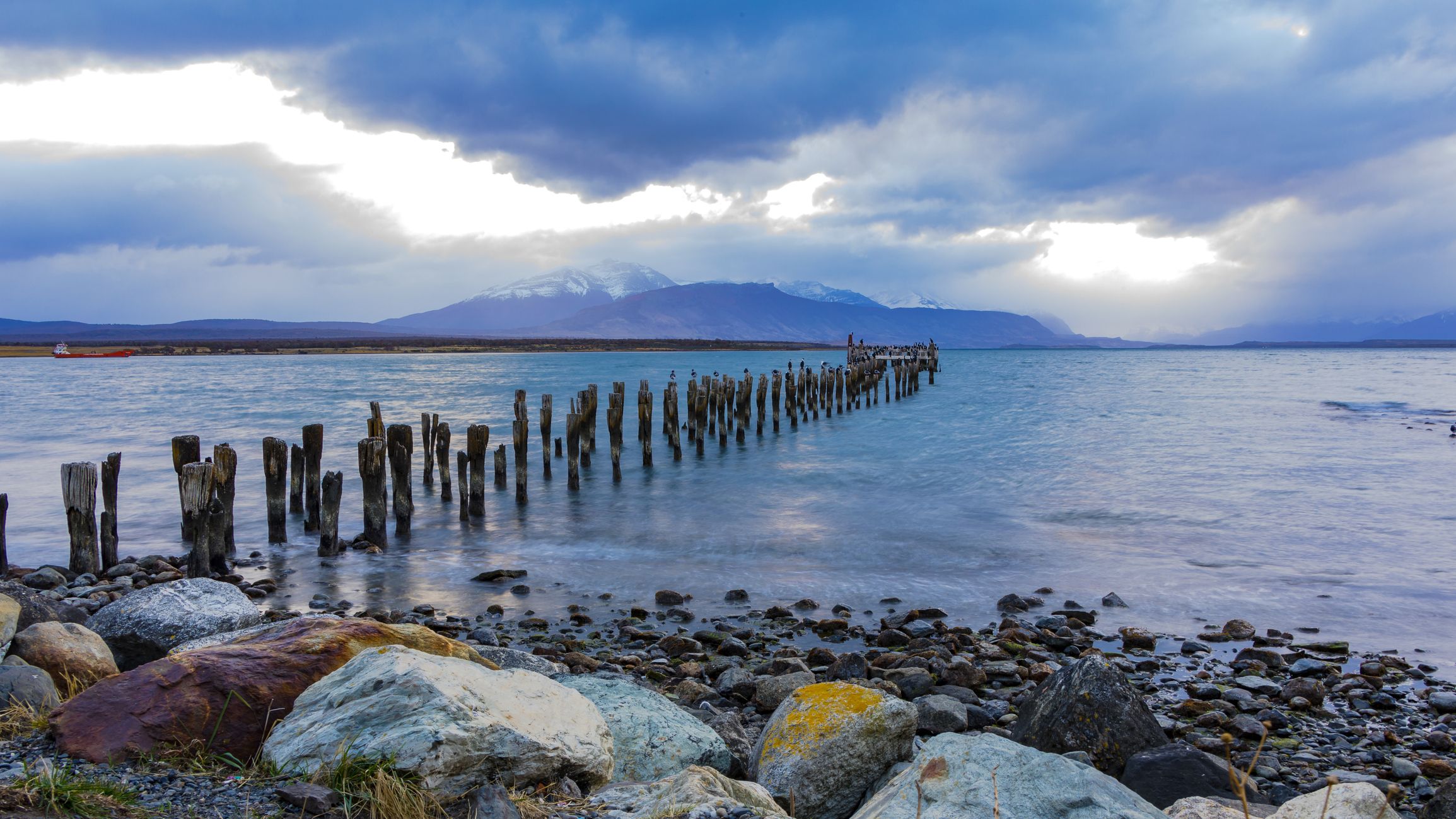
Norwegian fjords are all carved wooden churches and perfectly arranged villages. Alaska gives you big-shouldered mountains and a soundtrack of calving glaciers. Southern Chile is moodier.
Here, the channels are narrower, the settlements thinner on the ground and the weather more… character-building. Summer still brings long light and decent temperatures, but four seasons in a day is standard issue.
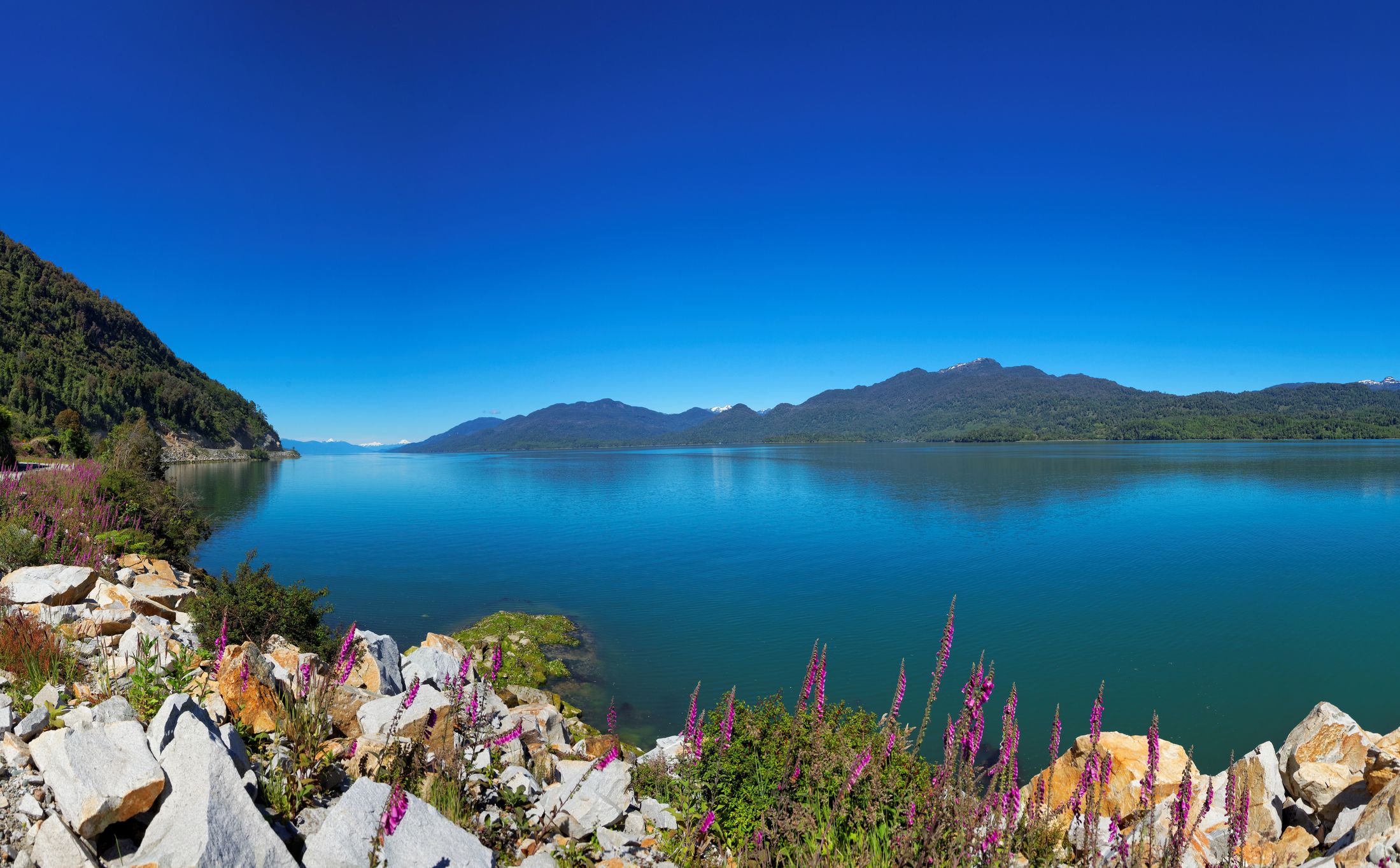
That remoteness is the point. Spend a day sailing through the maze of the Magallanes and Beagle channels and you realise most of this coastline is occupied by cliffs, cloud and the occasional baffled sea lion.
The classic route: Punta Arenas, Puerto Natales and Ushuaia
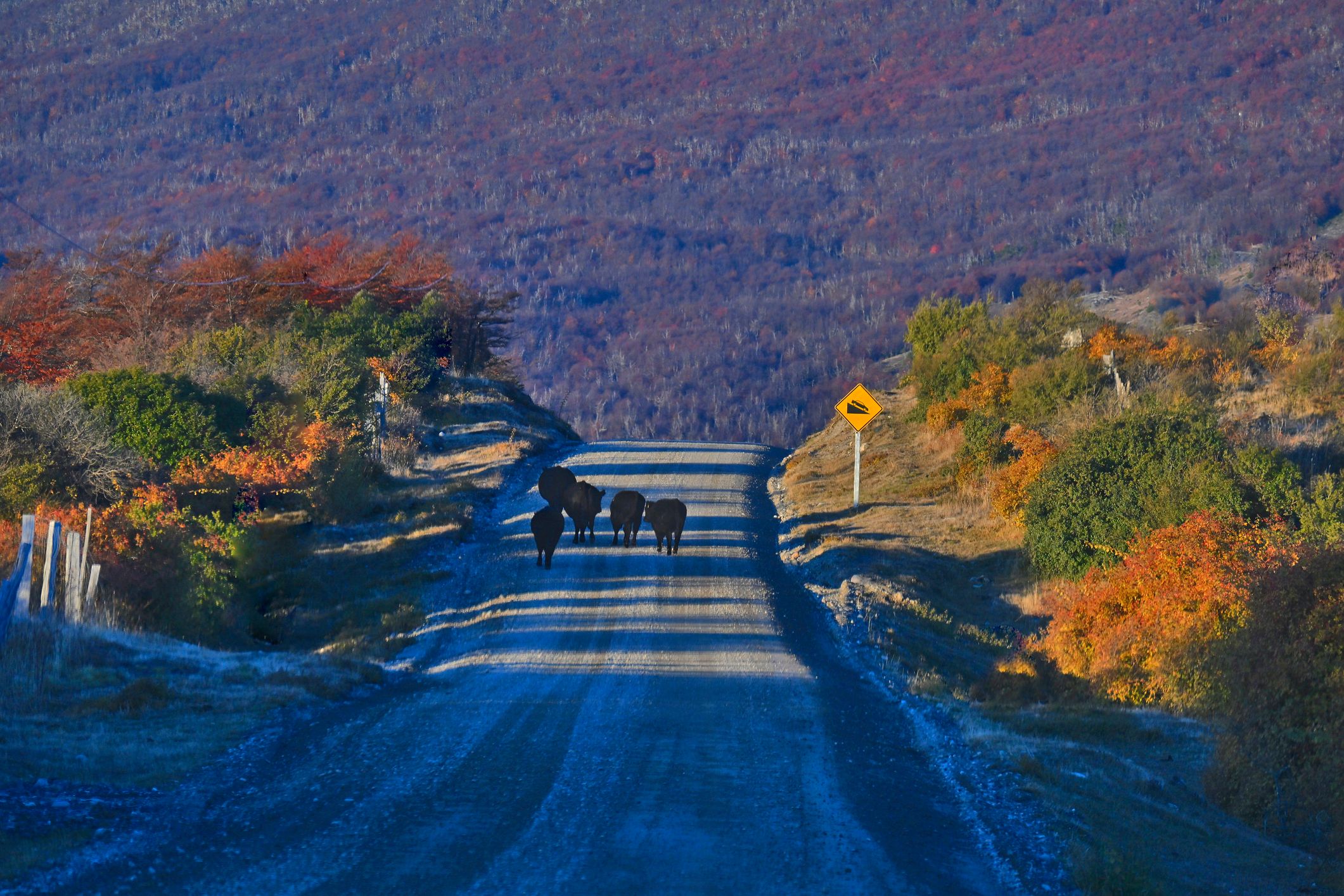
Most Chilean fjord itineraries hang off three names:
Punta Arenas is the main jumping-off point, a breezy city on the Strait of Magellan with surprisingly good coffee and a hilltop view that makes the tangle of islands ahead look only slightly terrifying.
From here, lines such as Australis head south or north on four and five night voyages, threading through remote channels towards Ushuaia, with stops at Ainsworth Bay, Tuckers Islets, Pia Glacier and Cape Horn. These are small, expedition-style ships, so you step straight from your cabin into zodiac landings and hikes rather than a coach queue.
Puerto Natales sits slightly inland, on Última Esperanza Sound, and is the gateway to Torres del Paine National Park. Lines like HX and Hurtigruten use it for longer Patagonia itineraries that mix fjord cruising with a full day in the park. This is where “puma country” stops being a line in a brochure and becomes a real possibility, even if most visitors leave having seen more guanacos than big cats.
Ushuaia, over the border in Argentina and gloriously over-branded as “the end of the world”, is both a turnaround port and a staging post for Antarctica. If your voyage starts or ends here, you get the bonus of Glacier Alley in the Beagle Channel, where a whole fan club of tidewater glaciers parade past your balcony.
Glacier days: what you really see
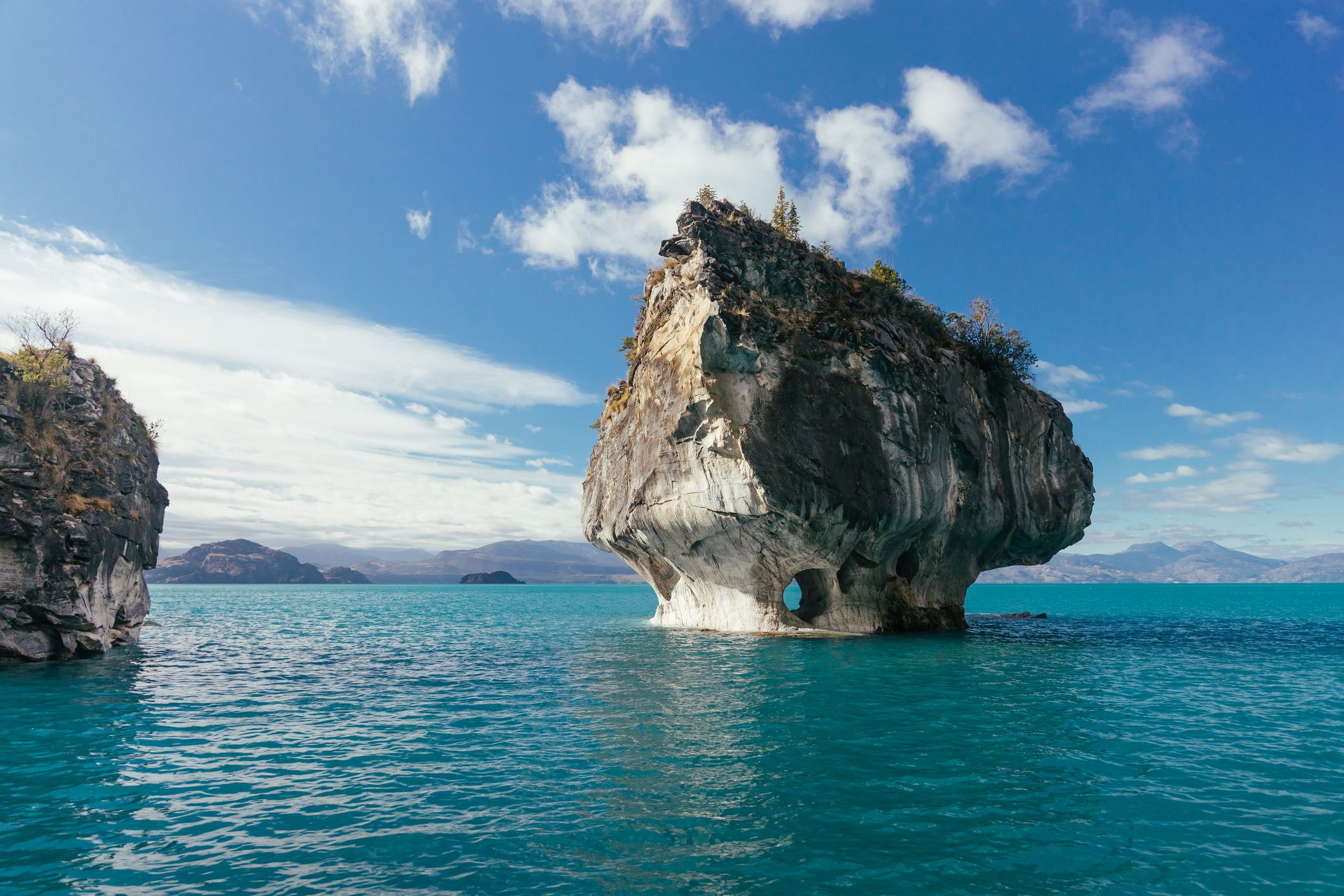
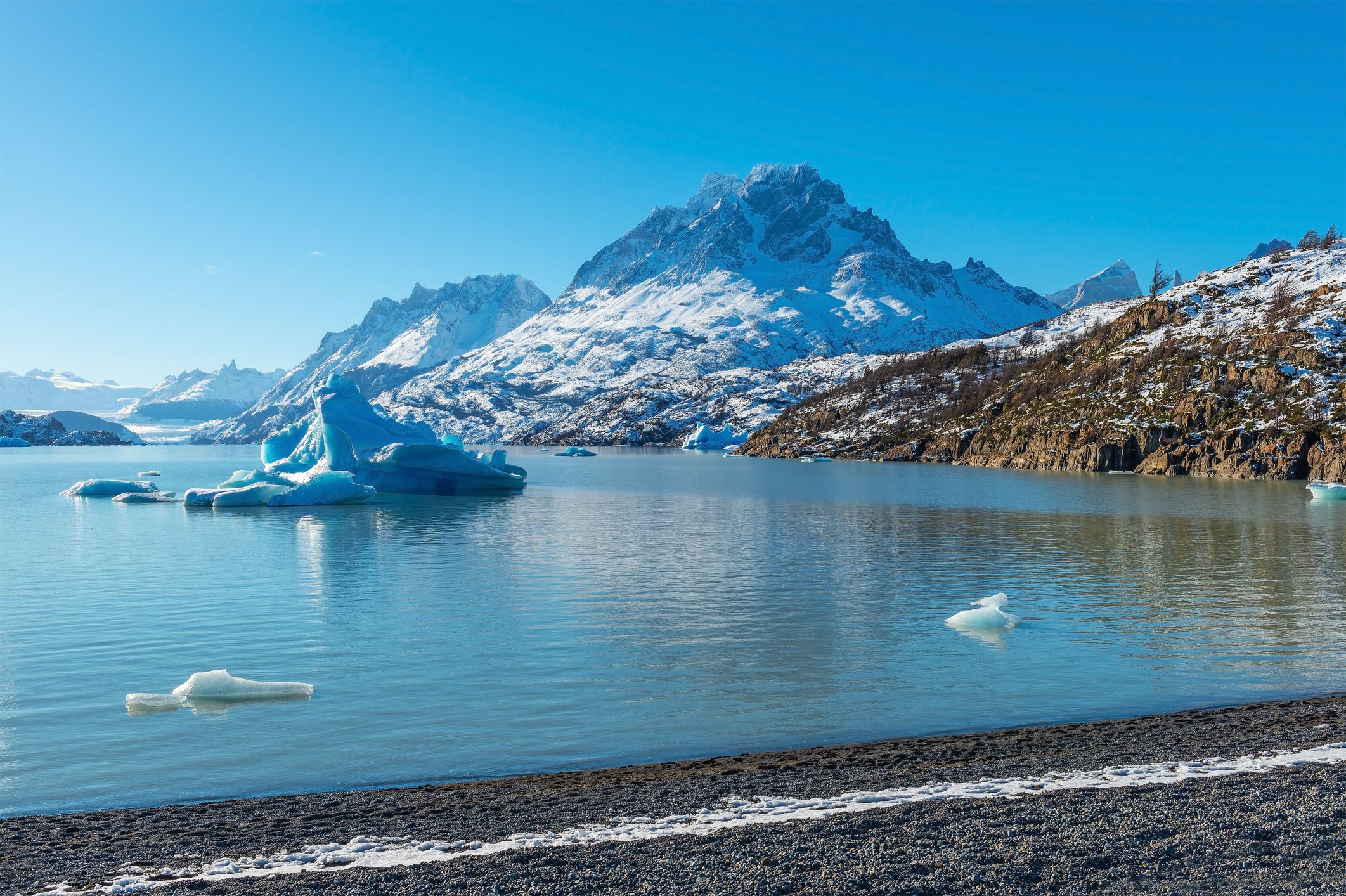
The marketing images are all blue ice and heroic jackets, and to be fair, there is a lot of both.
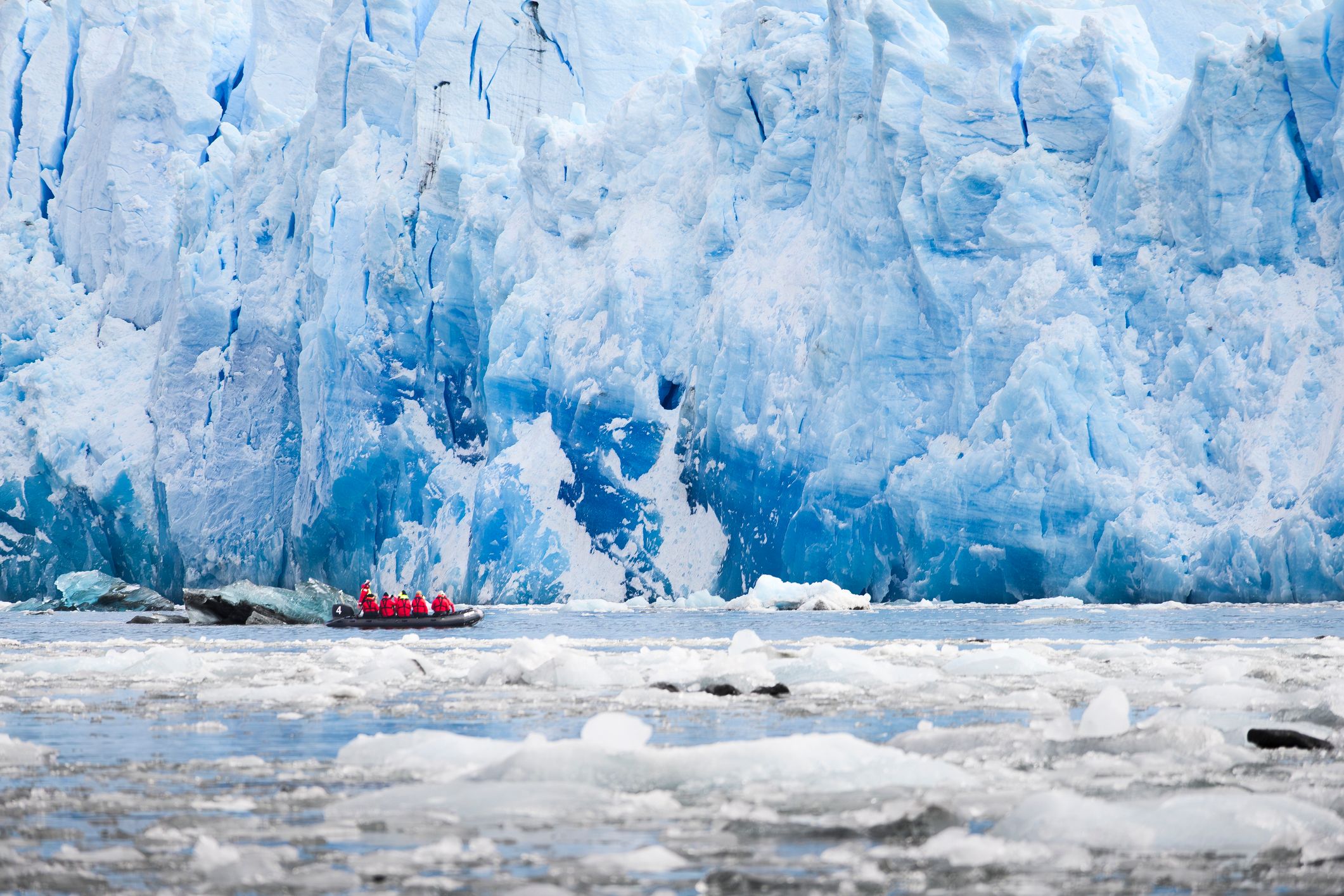
On specialist Chilean lines like Skorpios, itineraries from Puerto Natales run deep into the Southern Patagonian Icefield on the Kaweskar route, visiting glaciers such as Amalia and El Brujo over five days of slow, close-up sailing. The ship noses into bays filled with icebergs, parks at what feels like touching distance, and you head ashore for short walks to viewpoints where the scale finally makes sense.
Australis and expedition-style operators mix long, scenic stretches with landings at places like Pia and Garibaldi glaciers, where you walk through lenga forest to viewpoints and listen to the creaks and booms of the ice while working out how many photos of blue cracks is “enough”.
It is less about one single marquee glacier and more about repetition. One day you are in a narrow channel with waterfalls running straight into the sea, the next in a bay ringed by ice and hanging valleys. By midweek you can tell the difference between “dramatic low cloud” and “that looks like we might not see land again”.
Pumas, penguins and everything in between
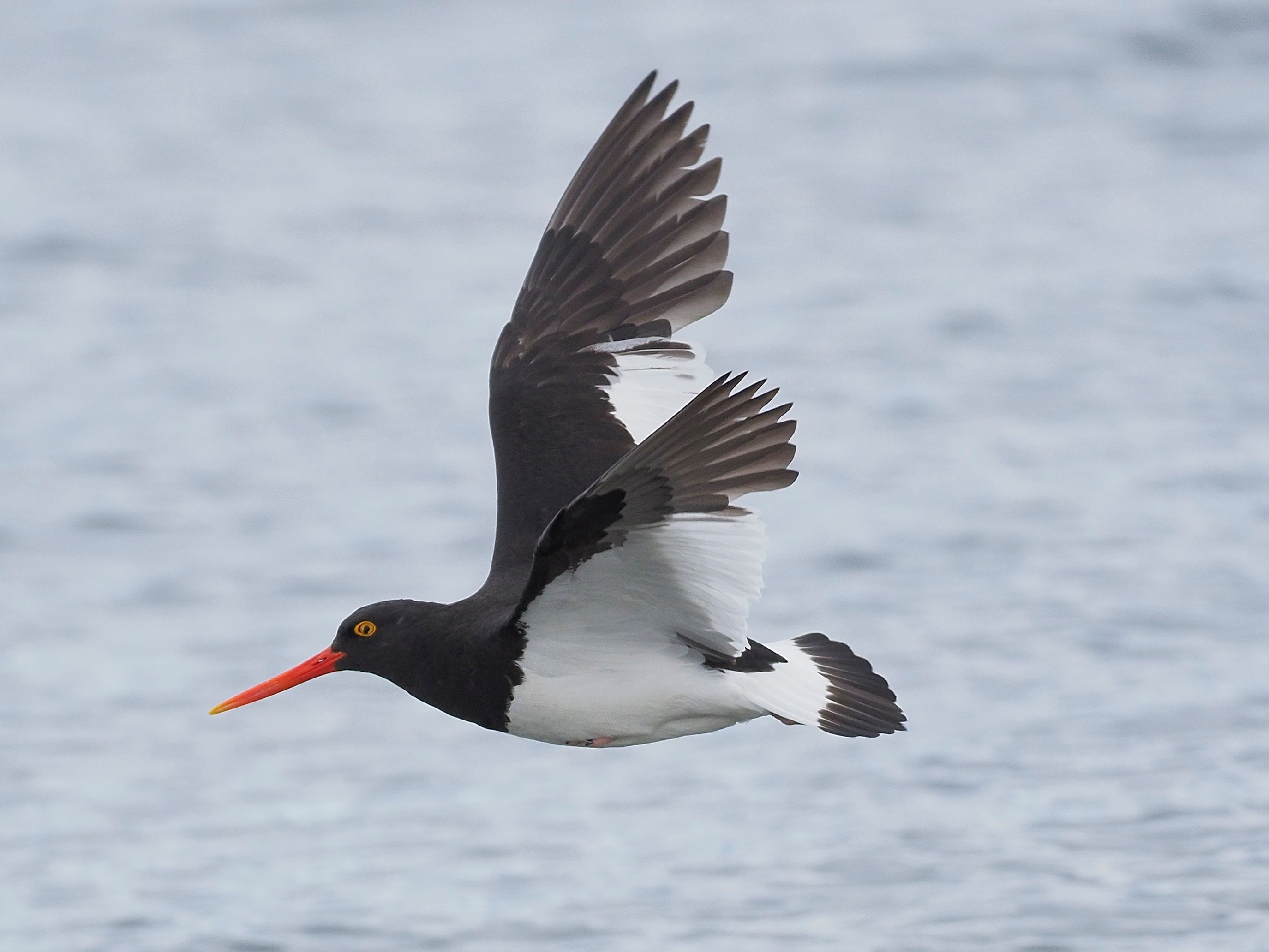
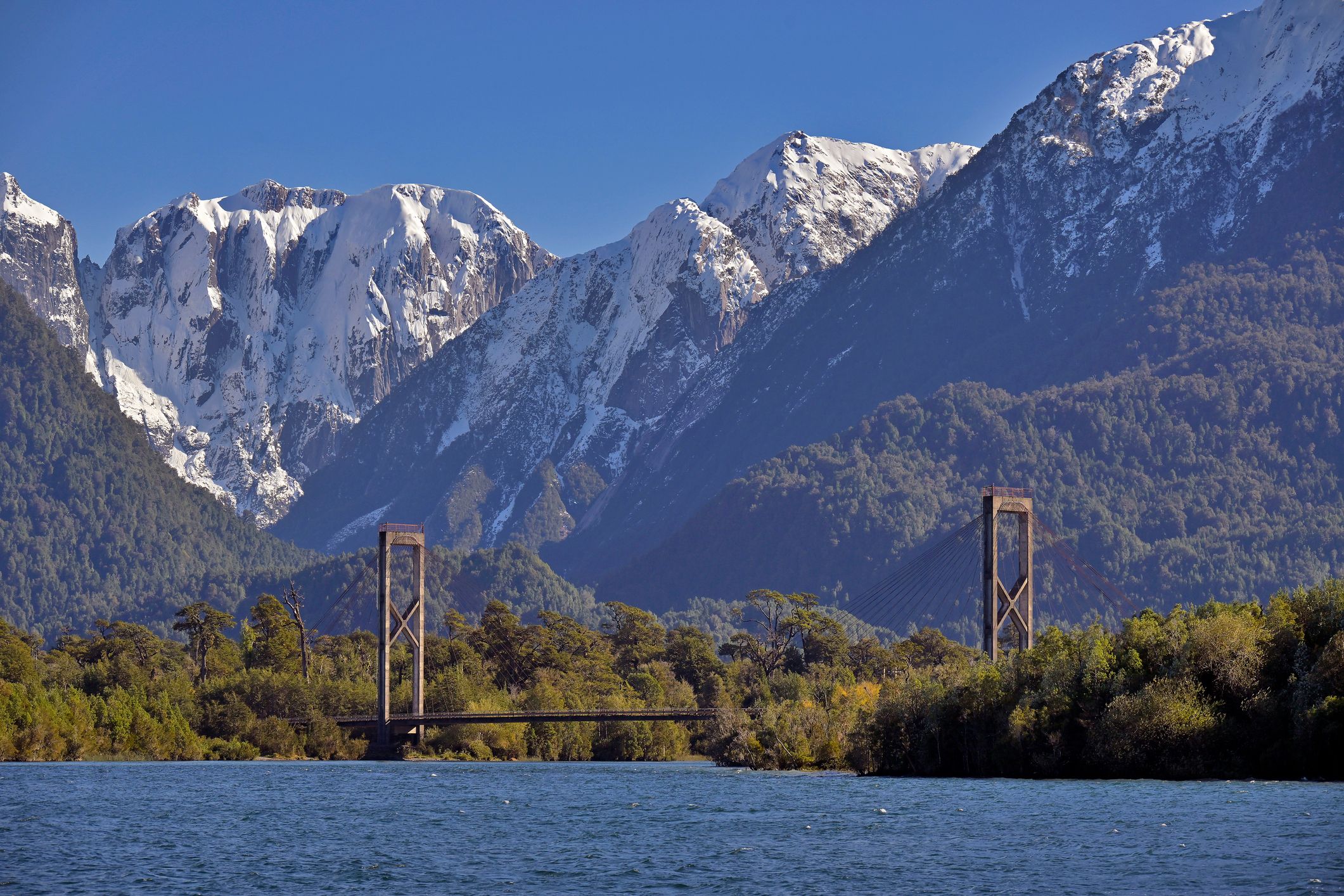
The wildlife is not all penguins, although you will almost certainly meet some.
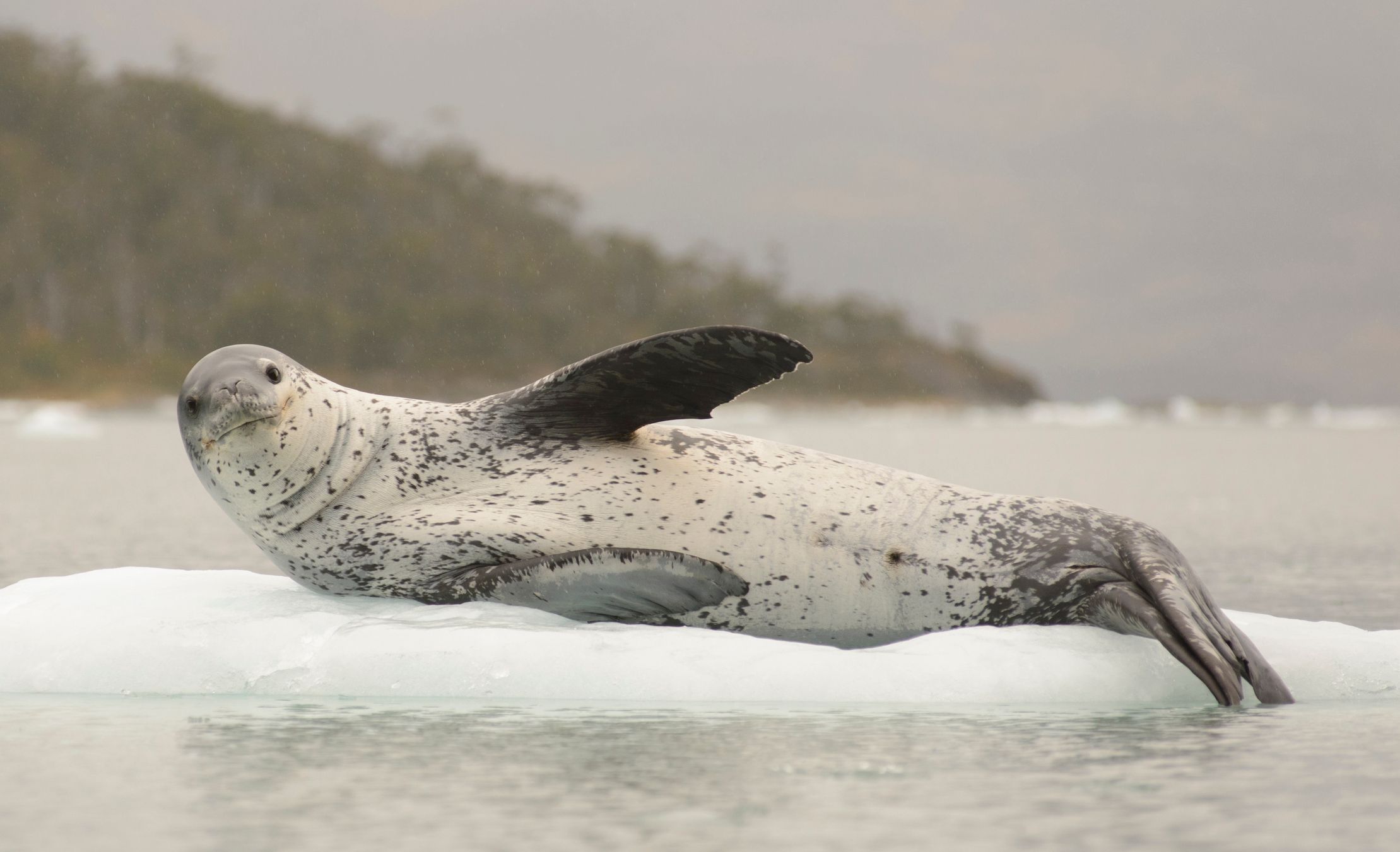
Around the Magellanic penguin colonies near Punta Arenas and in places like Tuckers Islets, you will see waddling ranks of birds that look permanently late for something. Sea lions occupy rocks with the entitled air of regulars at a pub. Cormorants line up on ledges like damp washing.
Further north and inland, the focus shifts to terrestrial Patagonia. From Puerto Natales, many itineraries include a full day in Torres del Paine, with viewpoints over the famous granite towers, walks to lakes plonked under glaciers and a reasonable chance of seeing guanacos, rheas and Andean condors. Pumas do live here, and some specialist tours quietly specialise in spotting them, but you should be more excited if you see one than disappointed if you do not.
The human atmosphere at the ports of call is part of the appeal. In Puerto Natales you can go from craft beer bar to waterfront promenade in about three minutes. In Punta Arenas there are handsome old wool-baron mansions alongside murals and wind that seems personally offended by umbrellas. In Ushuaia, high street gear shops and cantinas sit under a ring of mountains that remind you why cruising here beats a standard city break.
How “expedition” these cruises feel in real life
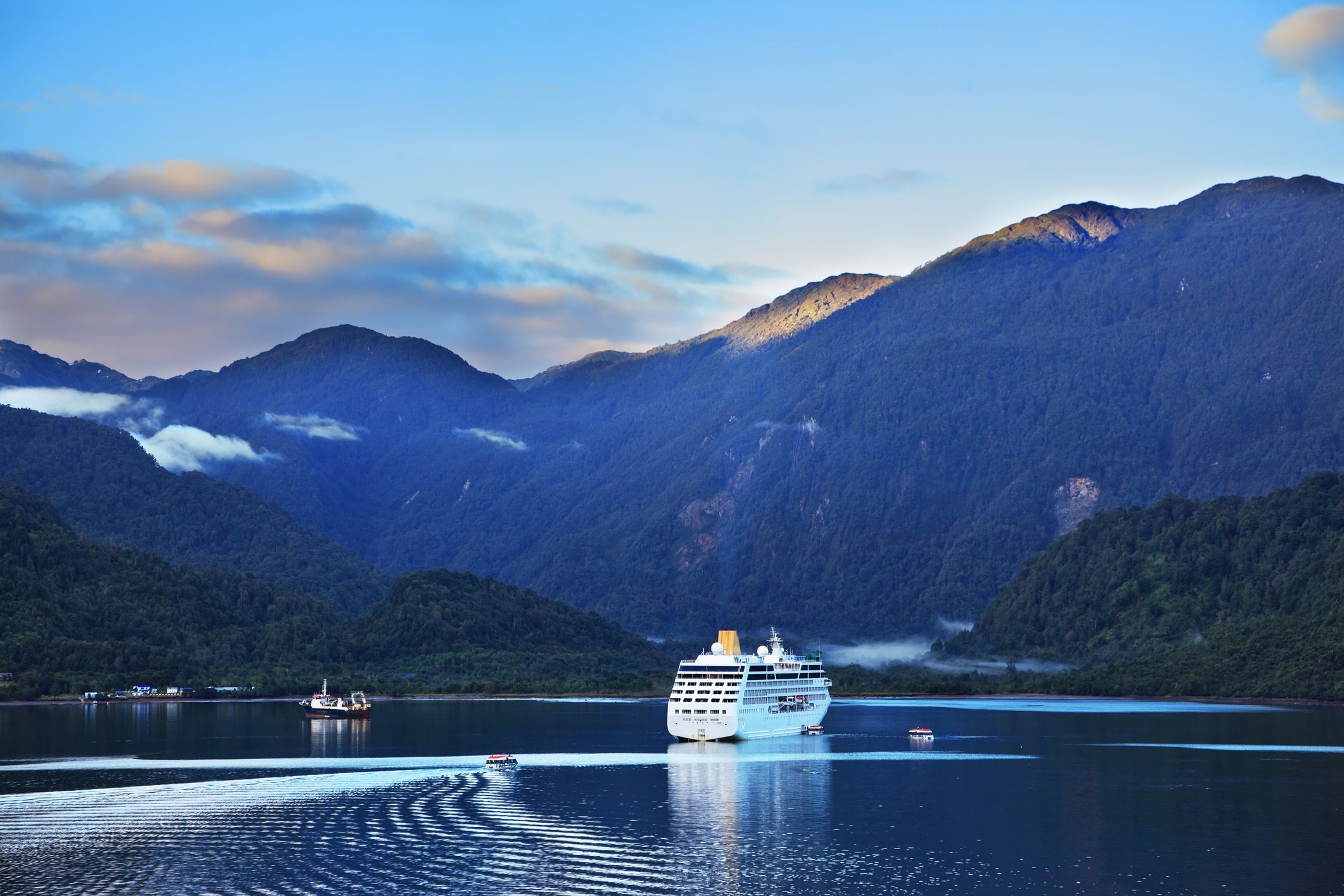
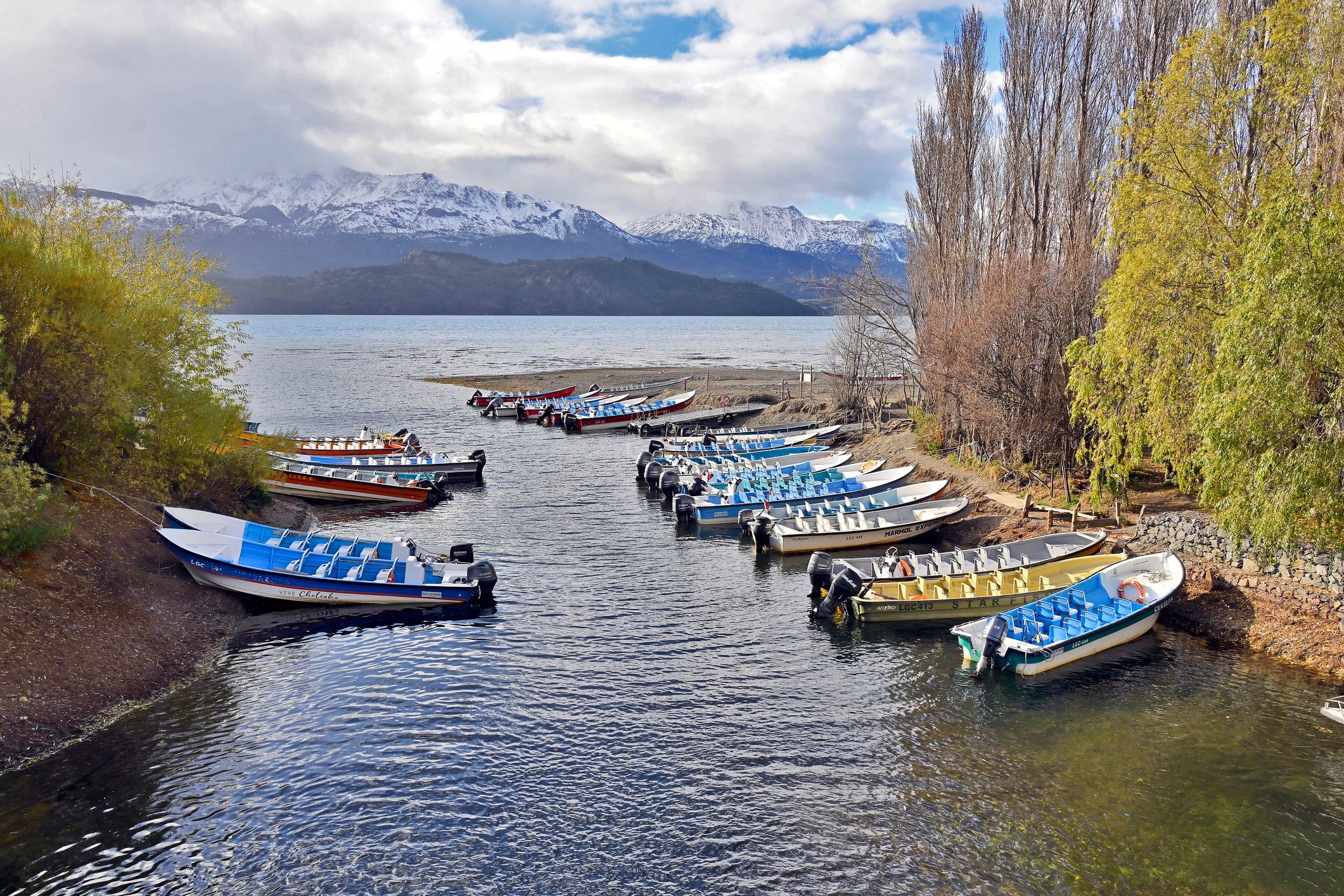
A lot of sailings in this region are sold as expeditions. Some fully are; others sit more in “scenic adventure with nice duvets” territory.
On the pure expedition end, think smaller ships, daily briefings, loaned waterproof boots, frequent zodiac landings and a team of naturalists lecturing on glaciology, birdlife and indigenous history. Hurtigruten, HX and several high-end operators run these types of trips, often combining the fjords with the Antarctic Peninsula.
On the more comfortable side, some premium and luxury lines offer Chilean fjord segments as part of longer South America itineraries. You still sail the channels and visit headline glaciers, but excursions are more coach-and-viewpoint than mud-and-muck boots, and the evenings are more about wine pairings than weather routing.
Either way, you are unlikely to find yourself strapped to an ice axe. For most passengers, the “expedition” part means being willing to put on layers, climb in and out of a zodiac and accept that the captain, not your wish list, has the final word if the wind picks up.
When to go and what the days feel like
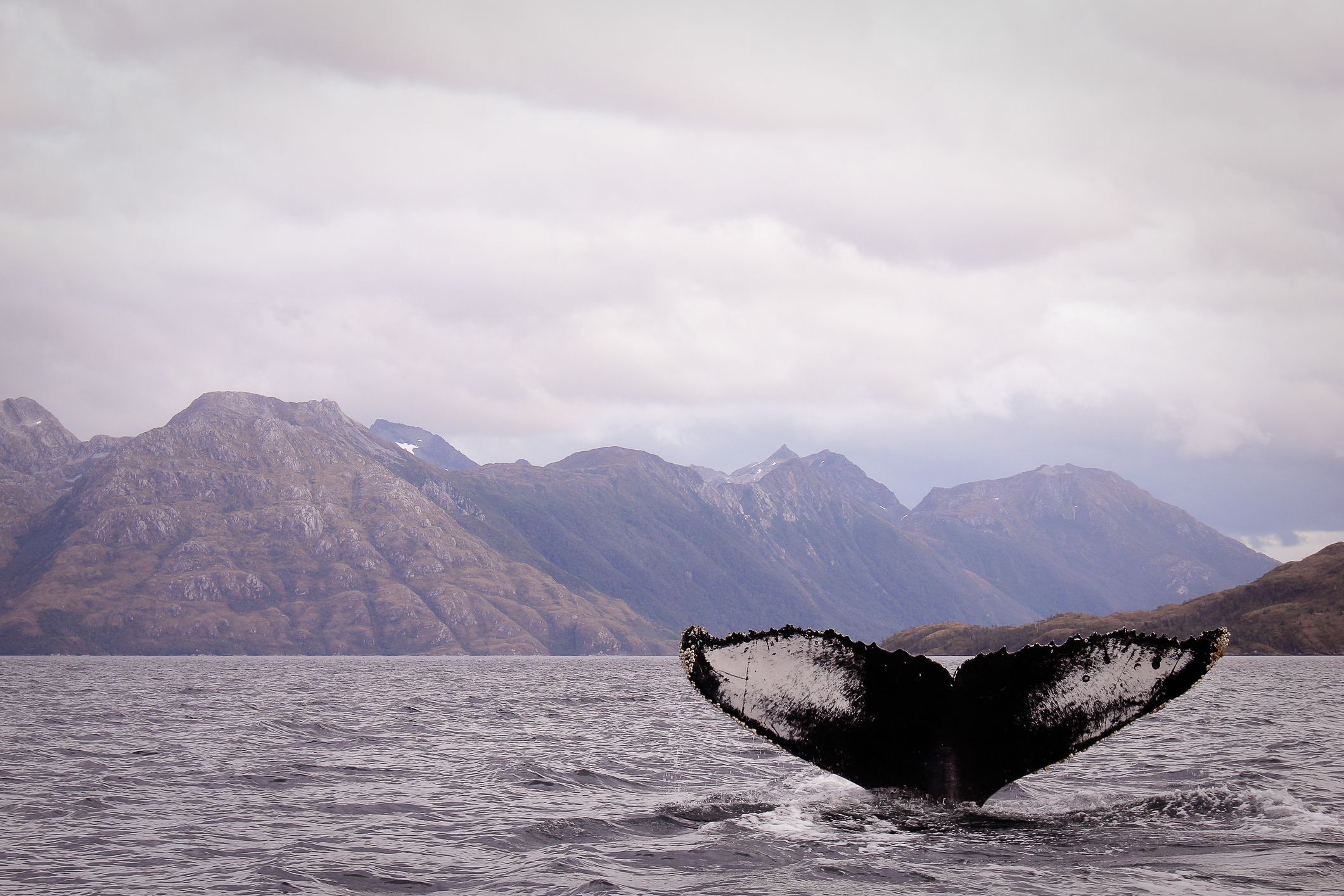
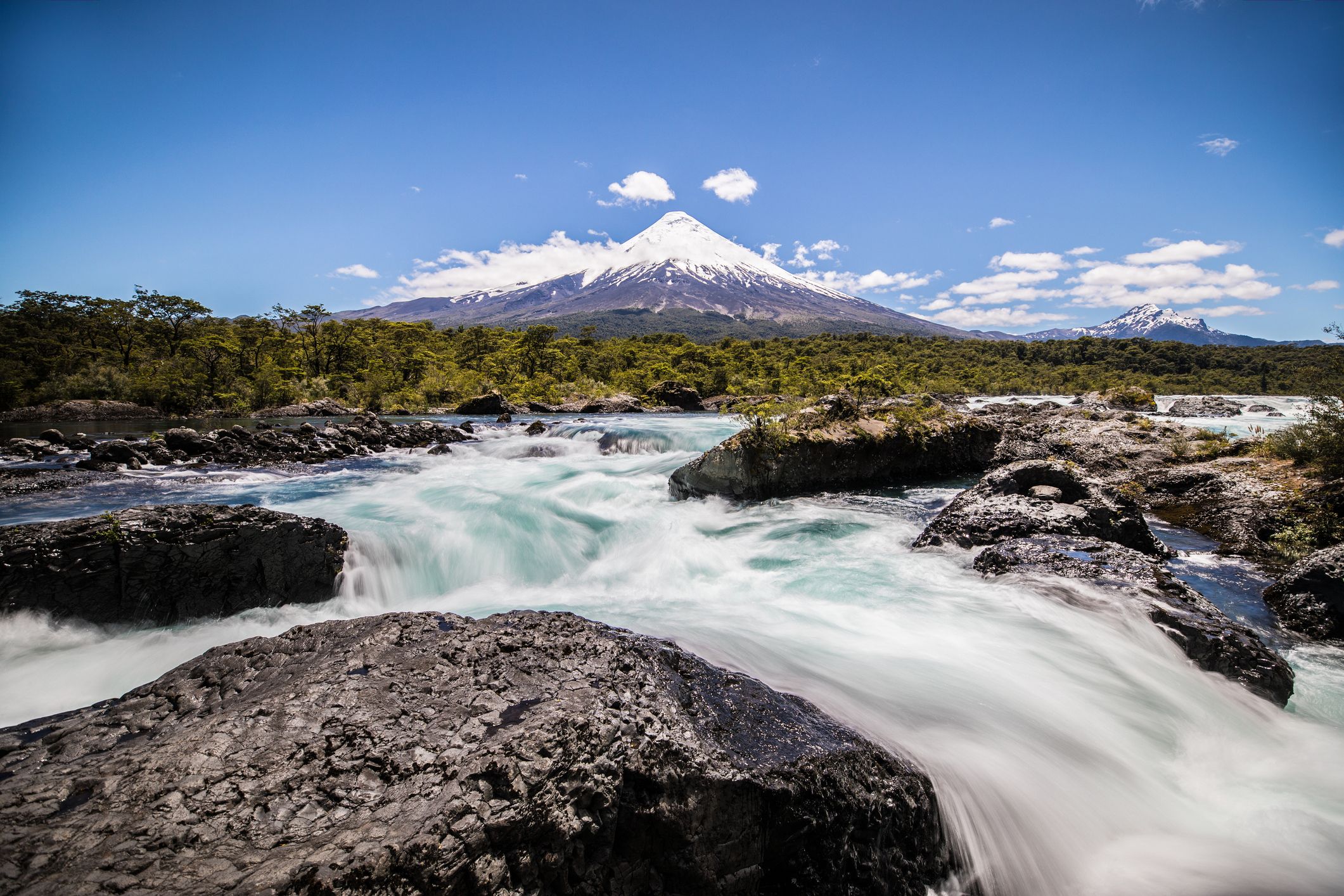
The main season for Chilean fjord cruising runs from roughly October to March, which is spring to early autumn in the southern hemisphere. December to February brings milder temperatures and more stable weather, though also more demand. Shoulder months can feel wilder and moodier, in a good way, but you will need to be even more flexible.
A typical day has a rhythm. Mornings often start with a landing or zodiac cruise, while the light is still soft and the wind has not quite drunk its coffee. After lunch you might sail a dramatic stretch of channel, with commentary from the bridge and a gentle posse of passengers in fleece layers doing laps of the deck with cameras. Evenings are for talks, films shot in worrying sea states and the slightly surreal experience of eating dessert while the ship slips past cliffs that never seem to end.
You do not have to do everything. On many ships there is always an option to stay on board with a book and a blanket, watching the landscape slide by through a window the size of a cinema screen.
Who the Chilean fjords suit
If you are the kind of traveller who needs a big-name city every day and a shopping street within sight of the gangway, this probably is not your run of coast.
If, however, the idea of days that consist mainly of water, weather, occasional wildlife and the satisfying click of a camera shutter sounds appealing, the Chilean fjords make a strong case for your next big trip.
You can choose how far towards “hardcore expedition” you want to lean. At one end of the scale you have small ships like Australis that live and breathe this region, with landings and hikes almost every day. At the other, you have premium and luxury lines that include a few days here as the brooding, dramatic chapter in a wider South American cruise.
Either way, you come home with the same core memories: the sound of ice cracking in the distance, the shape of mountains that look hand-drawn, and the slightly smug feeling of having sailed a part of the world that still looks like the edge of the map.