For years, “Europe cruise” has largely meant spring to autumn, followed by the annual migration of ships towards the Caribbean and other places where nobody needs to discuss thermal underwear.
That pattern is beginning to loosen. Holland America Line has announced year-round European cruising for 2027–28, with Nieuw Statendam remaining in the region through winter. Its January 2028 programme includes a Canary Islands and Morocco sailing followed by a Barcelona-to-Athens itinerary calling at Valencia, Marseille, Livorno, Rome, Naples and Kotor, then a Greek Islands voyage later in the month. The line is explicitly selling winter Europe on fewer crowds, cooler weather and a slower pace.
Which raises the more useful question: what is Europe actually like from a cruise ship in January?
The answer depends quite heavily on whether your idea of winter is Barcelona or Copenhagen.
January Mediterranean cruises: mild, not reliably warm
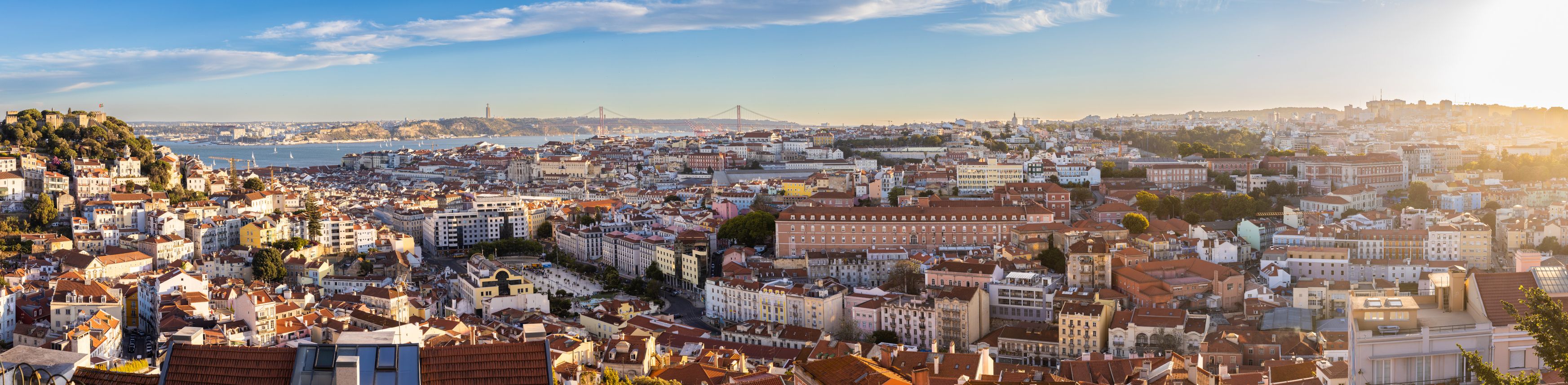
First, abandon the mental image of a July Mediterranean cruise with the temperature turned down slightly.
Barcelona’s official tourism figures put the average January maximum at 13.3°C and minimum at 6.8°C. Lisbon is milder again, with Visit Lisboa giving an average air temperature of 17.1°C for January to March. These are excellent temperatures for walking around cities. They are less compelling if your principal holiday ambition involves lying completely still beside a swimming pool.
That trade-off can work very much in your favour. Walking Rome, climbing through Lisbon or spending several hours around Pompeii is considerably more civilised when the pavement isn't radiating heat back at you. A sunny January afternoon in Barcelona can feel genuinely lovely, and the city's tourism board specifically promotes winter for its mild temperatures and outdoor life.
But winter weather is less dependable. You need a coat, something waterproof and enough emotional flexibility not to regard grey skies as a breach of contract. If your definition of Mediterranean holiday begins with “guaranteed T-shirt weather”, January is a needlessly elaborate way of disappointing yourself.
The real luxury is seeing famous cities with fewer people
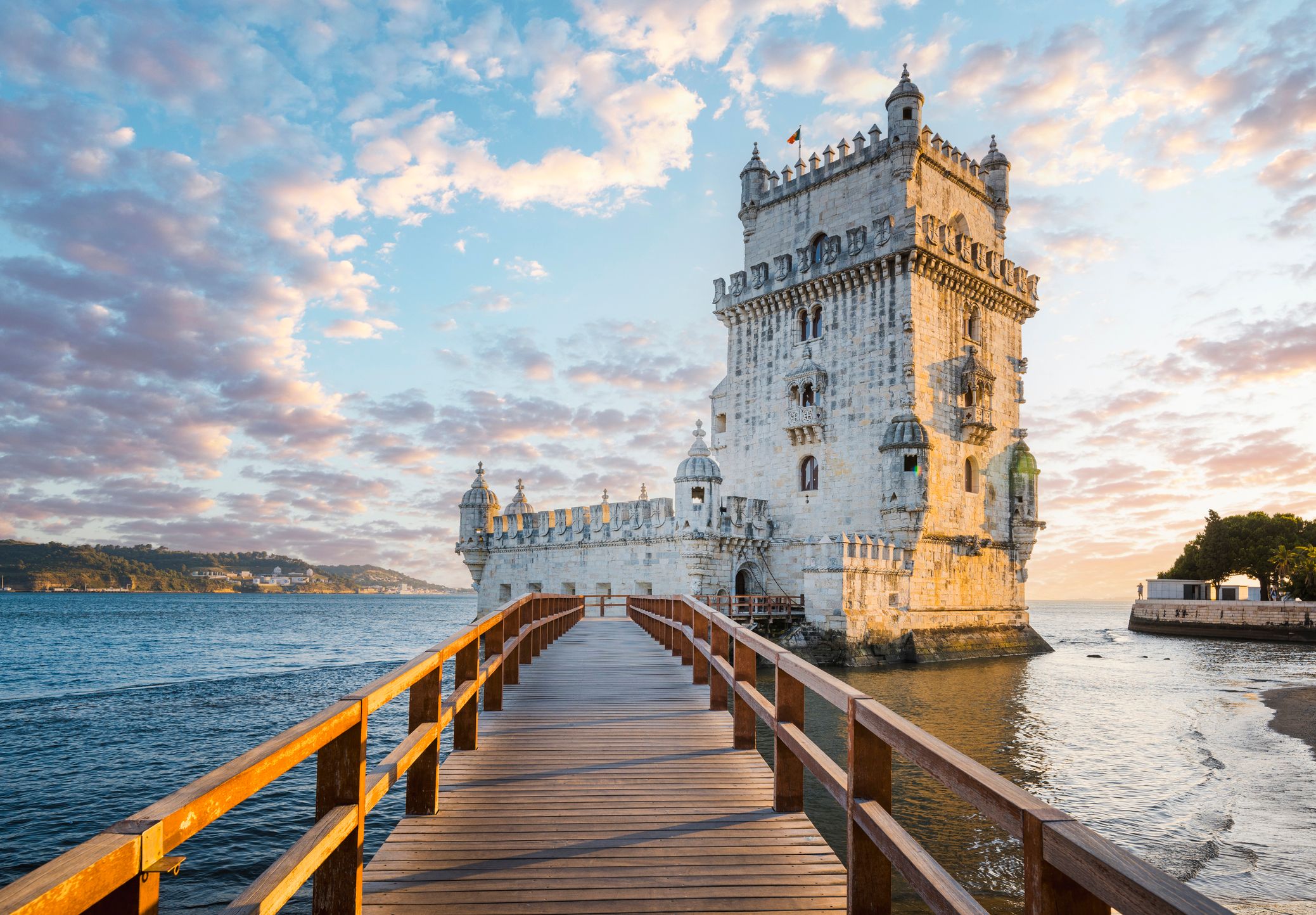
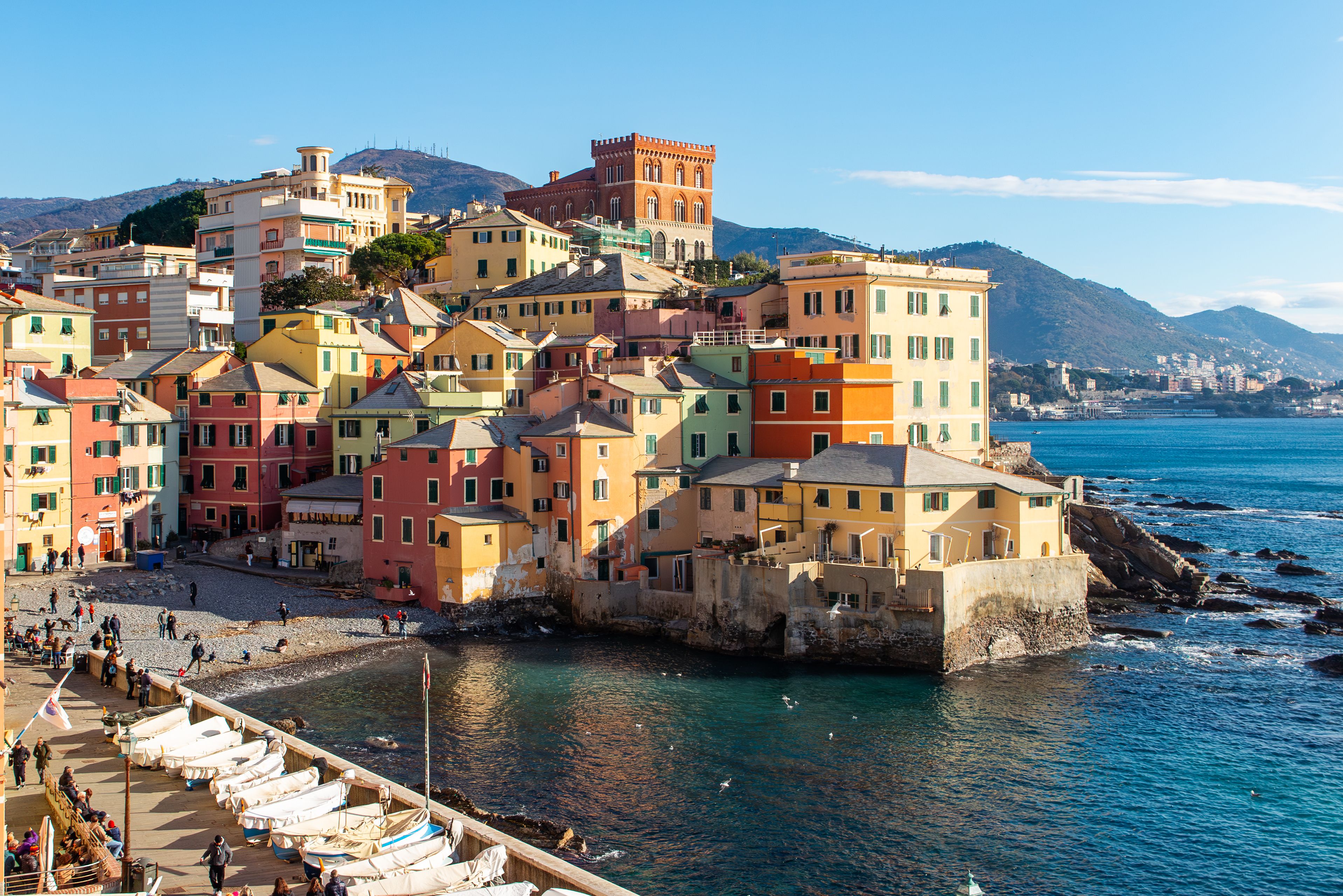
This is probably the strongest argument for going.
Barcelona, Rome, Athens and Lisbon are not exactly undiscovered in summer. In January, the atmosphere changes. Holland America is leaning heavily into this in its new winter programme, describing a quieter Mediterranean with more relaxed access to major destinations.
You should still expect queues at the obvious places, particularly on weekends and around major exhibitions, but winter removes some of the pressure that makes peak-season port days feel like competitive tourism. Rome's January cultural calendar remains packed with exhibitions, opera, concerts and museum openings, while the first Sunday of each month still brings free entry to many state and civic museums.
The difference is less “you'll have the Colosseum to yourself” and more “you may occasionally be able to stop walking without being absorbed into a tour group from Ohio”.
For a city-heavy itinerary, that matters.
Will attractions actually be open in January?
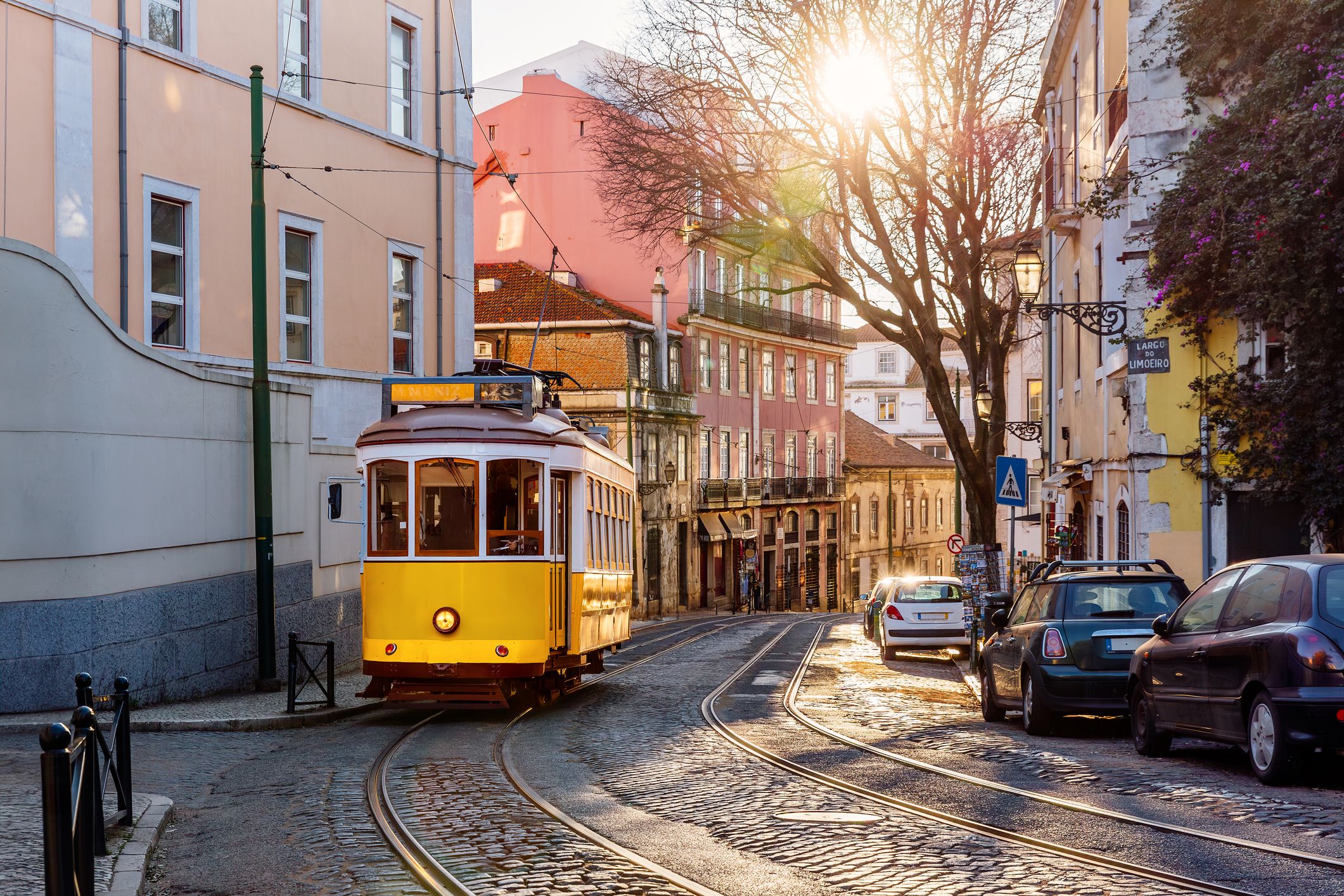
Mostly, yes, but winter hours deserve more attention than they do in July.
Major European museums and monuments generally keep operating, although they may close earlier. The Acropolis, for example, runs from 8am to 5pm in winter compared with 8am to 8pm in summer. Lisbon's Jerónimos Monastery operates from 9.30am to 5.30pm and closes on Mondays and certain public holidays.
That is perfectly workable on a cruise day, but it changes the order in which you do things. A leisurely lunch followed by “we'll go to the archaeological site afterwards” becomes less clever when last admission is at 4.30pm.
Smaller islands and heavily seasonal resorts need more care. Mykonos, for instance, remains inhabited and culturally interesting throughout winter, but some attractions operate reduced schedules. Delos has shorter winter opening hours, and access by boat remains weather-dependent.
In other words, winter Europe isn't closed. It simply has less interest in staying open until 8pm because you failed to organise lunch.
January daylight changes a port day more than you might expect
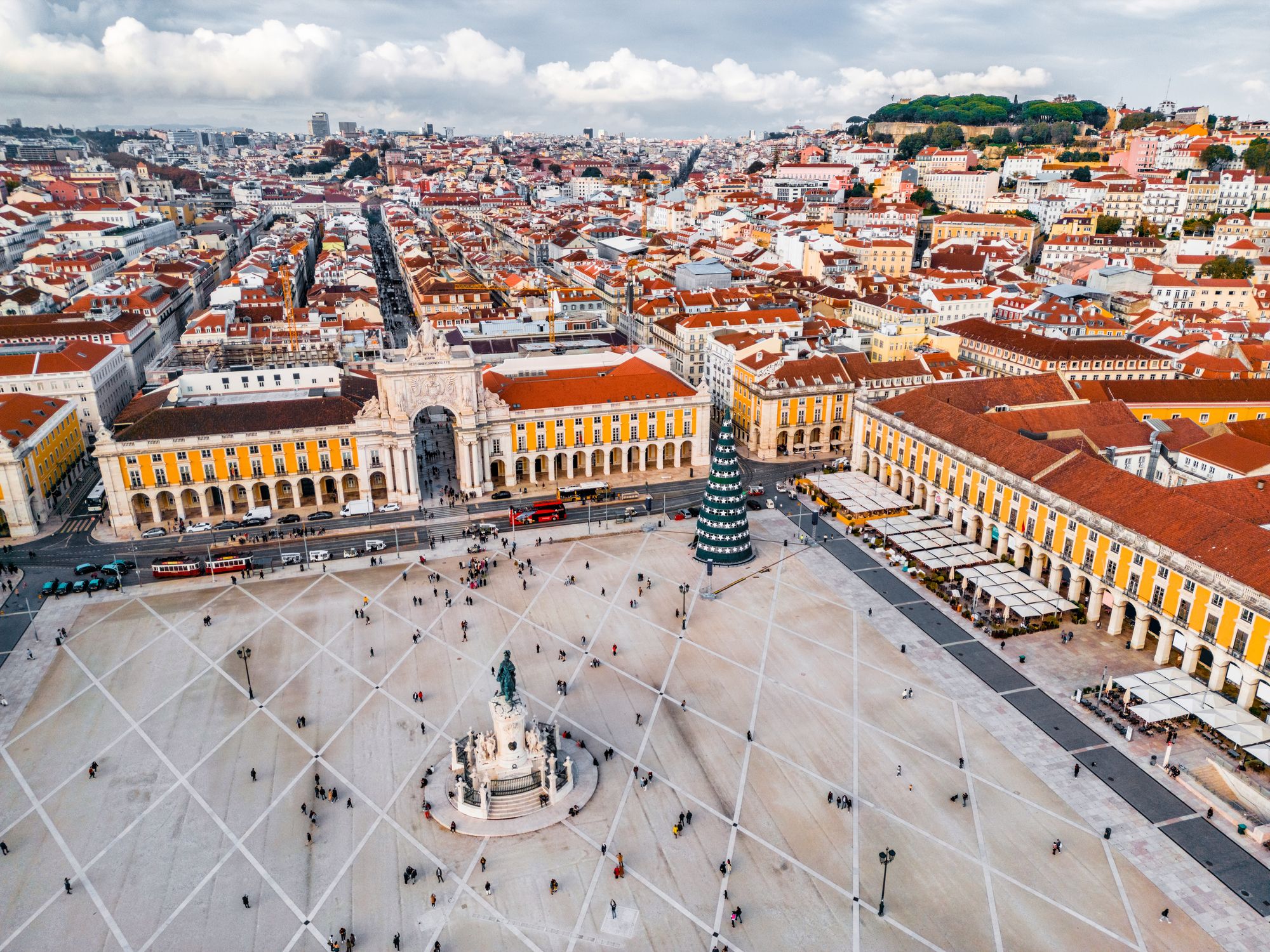
This is one of the biggest practical differences.
Around the middle of January, Barcelona gets roughly nine and a half hours of daylight, with sunrise at around 8.15am and sunset before 6pm. Lisbon is similar, while Rome sees sunset around 5pm.
That isn't especially restrictive if you're visiting cities. You simply have less room for leisurely improvisation and need to put scenic viewpoints, photography and outdoor attractions earlier in the day.
Northern Europe is another proposition entirely. Copenhagen gets only around seven hours and 40 minutes of daylight in mid-January, with the sun rising after 8.30am and setting shortly after 4pm.
The upside is atmosphere. Harbours, old towns and waterfronts look excellent in low winter light, and darkness arrives conveniently early if your interests include illuminated streets, bars and becoming emotionally attached to the Danish concept of hygge.
The downside is that a 4pm sunset really is a 4pm sunset. Scandinavia has declined to provide an extension because your excursion was running late.
Northern Europe in winter is a completely different cruise
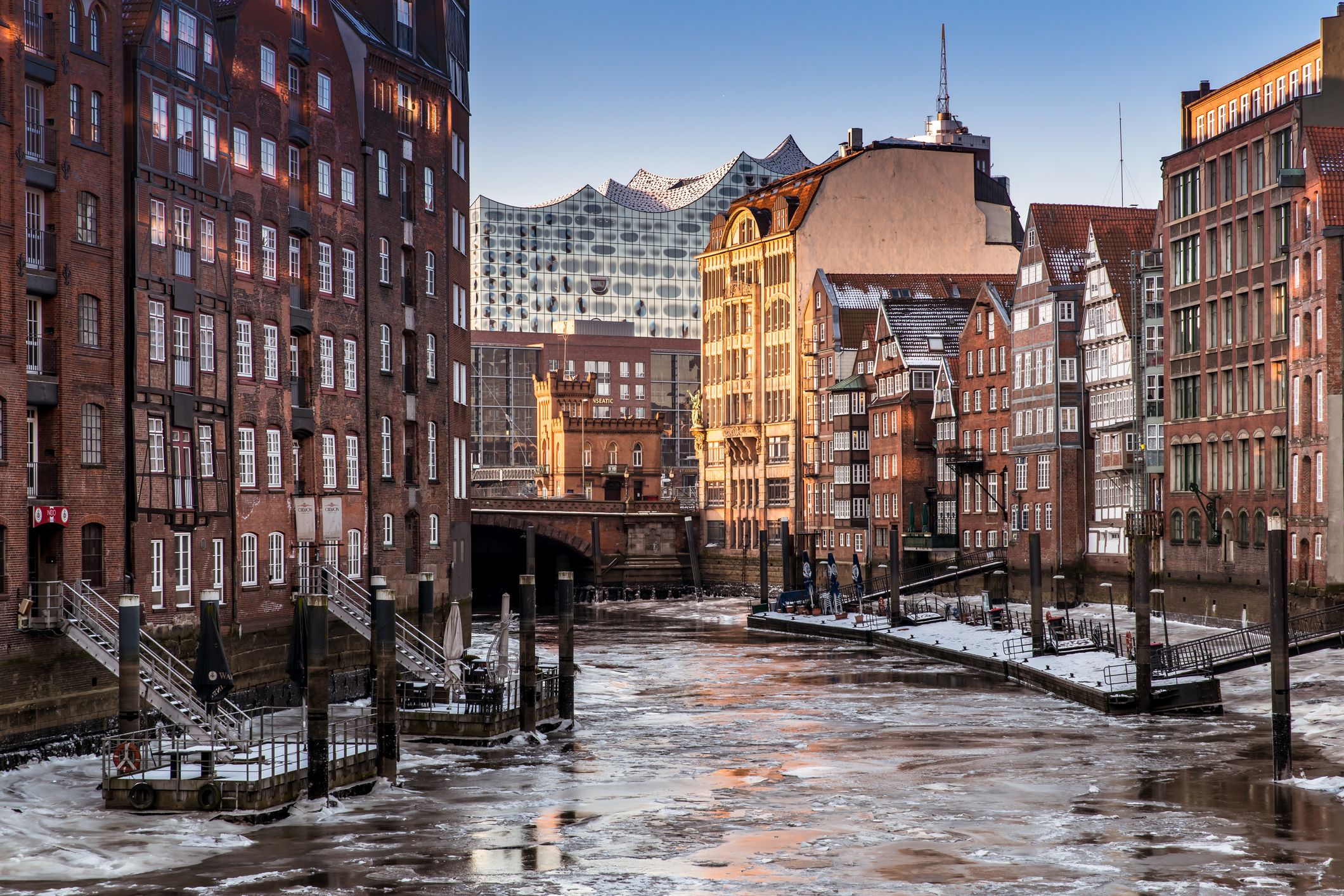
January cruising in northern Europe shouldn't really be judged by Mediterranean standards.
Copenhagen's tourism board puts average January temperatures at around 1.9°C during the day and -2°C at night, with wind and humidity often making it feel colder. Museums, restaurants and shops remain open year-round, while some attractions reduce operations. Canal tours run less frequently, for example, and Tivoli usually closes after Christmas until spring.
That creates a different kind of holiday. You're not moving between beaches and ancient sites. You're moving between museums, old towns, saunas, galleries, cafés and whatever outdoor activity you can tolerate before your ears become involved.
For the right person, this is excellent. For the wrong person, it is a city break that has somehow acquired several sea days and stronger wind.
The ship matters more in January
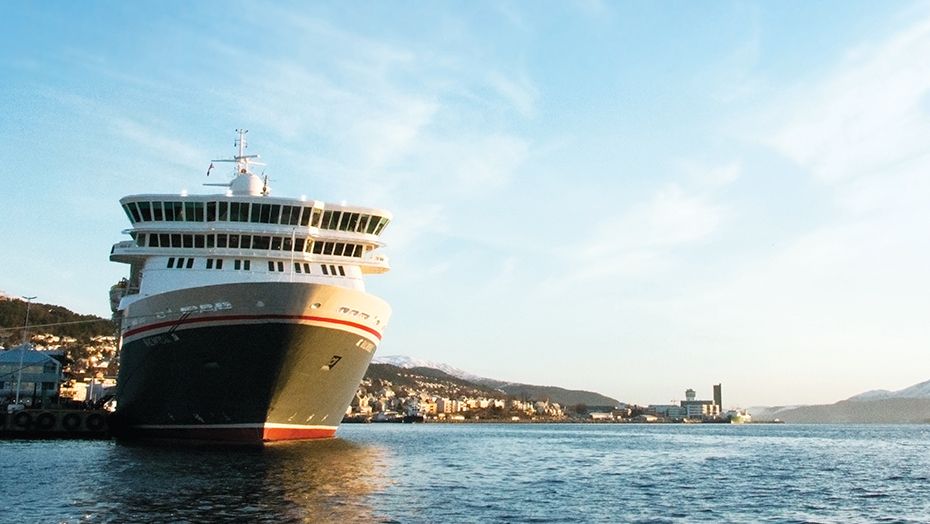
Summer Mediterranean cruising lets you treat the ship almost as transport between destinations. In winter, the onboard experience matters more.
You are more likely to use lounges, indoor pools, spas, cafés, bars and evening entertainment because sitting outside for four hours with a book may no longer constitute a leisure activity. Sea days feel more important, and ships designed with substantial indoor public spaces have an obvious advantage.
That doesn't mean decks become unusable. A clear January sail-away from Lisbon or Barcelona can be beautiful. It just means outdoor space shifts from somewhere you live for most of the day to somewhere you visit periodically while wearing appropriate clothing.
There is something rather pleasant about returning from several chilly hours ashore to a warm ship, particularly once you realise you have accidentally started describing soup as “exactly what I needed”.
So is cruising Europe in January actually better?
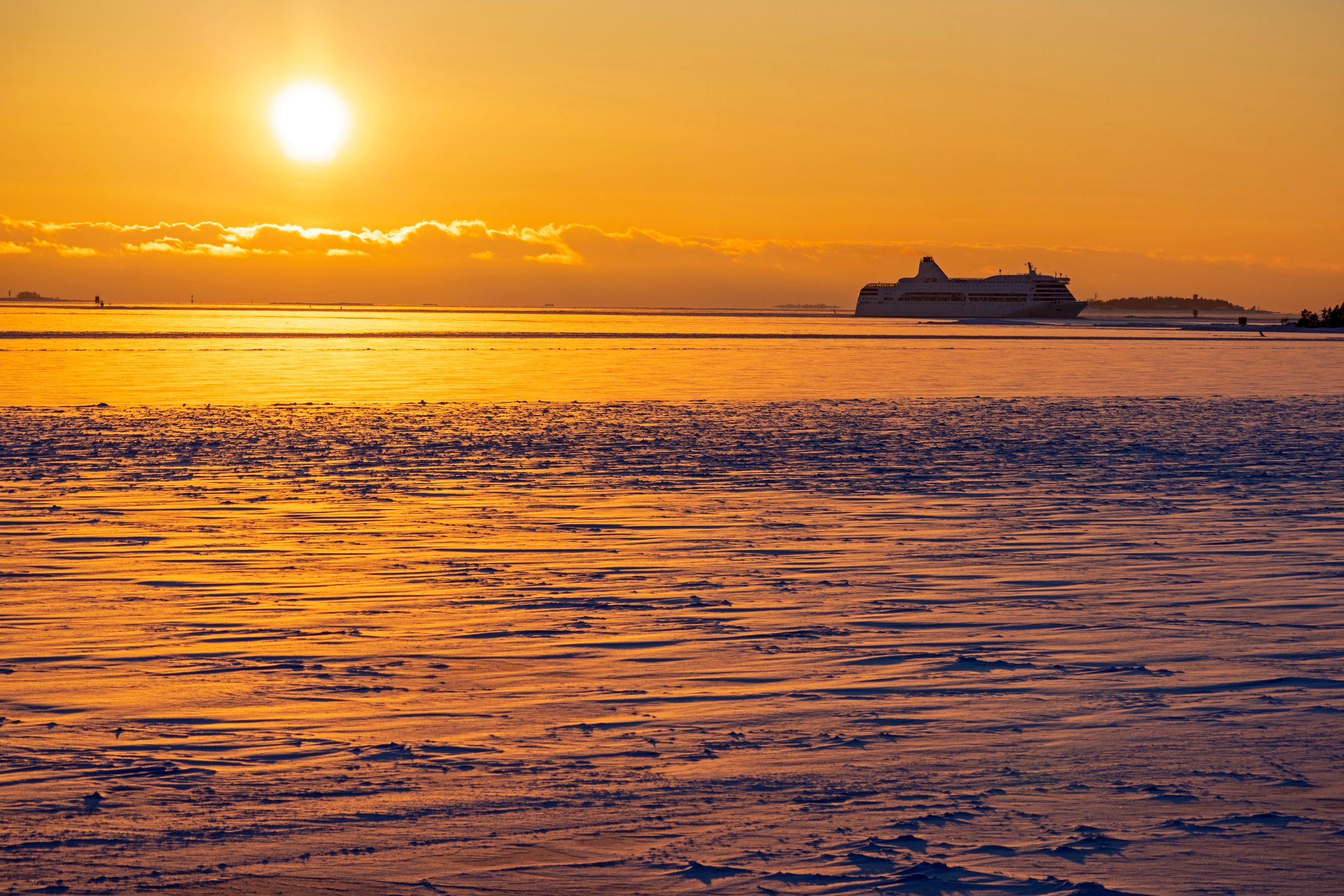
For some itineraries, I think it can be.
If you travel primarily for cities, museums, food, history and walking, winter removes one of Mediterranean cruising's biggest irritations: trying to enjoy extraordinary places at exactly the same time as everybody else. Cooler weather makes long days ashore easier, while major cities remain very much alive.
What you lose is spontaneity around weather, long evenings, beach time and the guarantee that every seasonal attraction or island business will be operating normally. Shorter daylight also rewards slightly more planning.
January therefore works best if you approach it as a moving European city break rather than an unusually cold summer cruise.
Holland America's decision to keep a ship in Europe year-round suggests cruise lines increasingly think enough people will make that distinction.
And if the alternative is seeing Rome at 36°C while attempting to locate the only patch of shade in the Roman Empire, they may have a point.