
“Old Town” is one of travel writing’s more abused promises. It can mean medieval lanes and church bells and a square where you immediately forgive the price of coffee. Or, it can also mean three polished streets, 47 keyrings, and a man selling plastic knights and bird whistles to faintly overwhelmed-looking tourists.
The good ones have a few things in common. They are compact enough to get around on foot, rich enough that you keep turning down “just one more lane,” and still alive enough that they don't feel like a heritage theme park with flats attached. In cruise terms, they are the old towns that genuinely earn an afternoon, not just a quick photo followed by a tactical retreat.
Tallinn
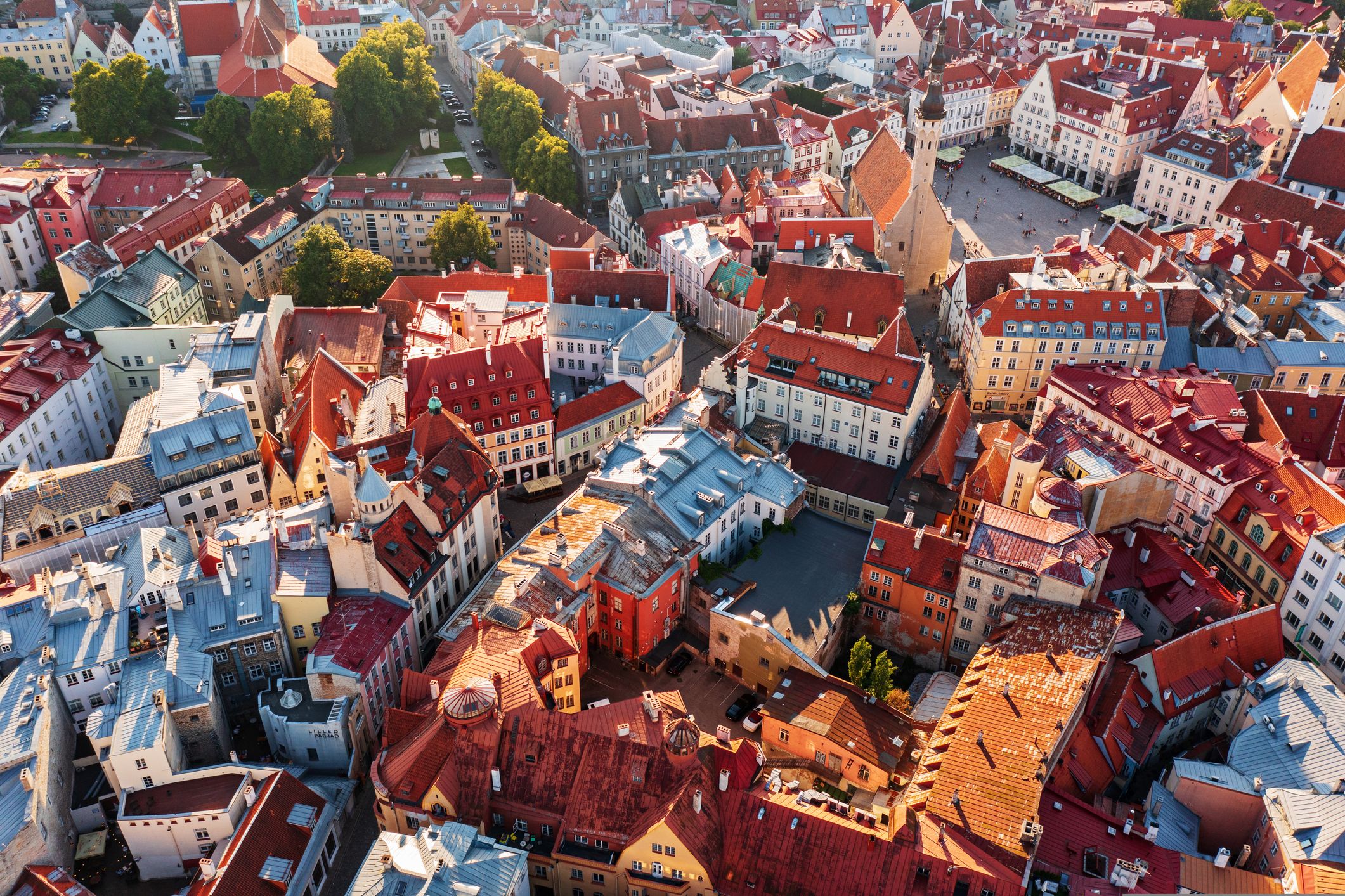
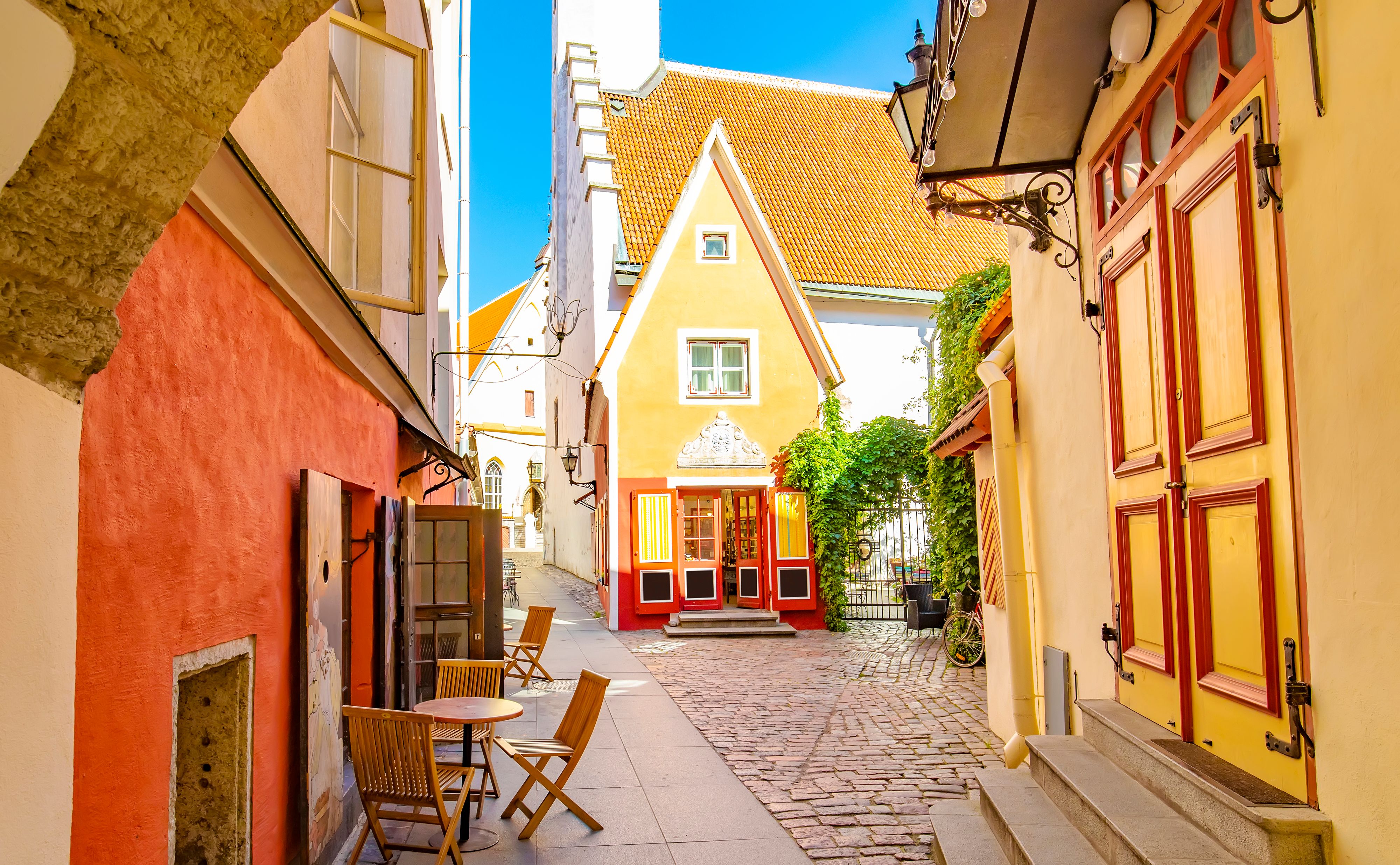
Tallinn is what people mean when they say they want a proper old town and, for once, are not overselling it. Visit Tallinn describes it as one of Europe’s best-preserved medieval cities, with 1.9 kilometres of original city wall and 20 defensive towers still standing, and it is only a 15 to 20 minute walk from the main port terminals. It is also compact enough to explore on foot without feeling as though you have accidentally signed up for an endurance event.
You can do the textbook bits, Town Hall, St Catherine’s Passage, Toompea viewpoints, and still get the more elusive pleasure of simply wandering about in a city that was built for merchants rather than tourists. Start uphill, let the views do their work, then drift back down into the narrower lanes once everyone else has remembered they need coffee.
Valletta
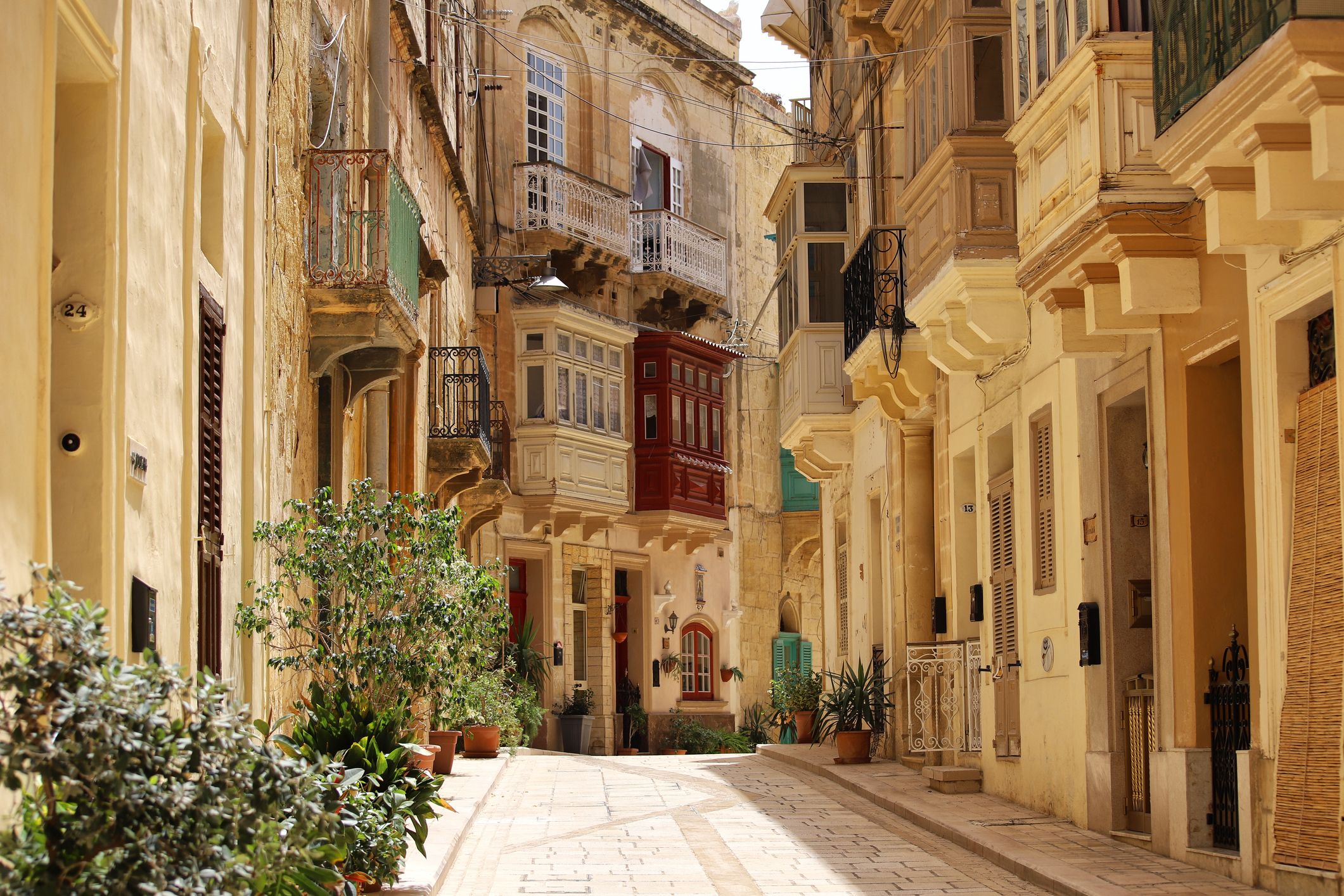
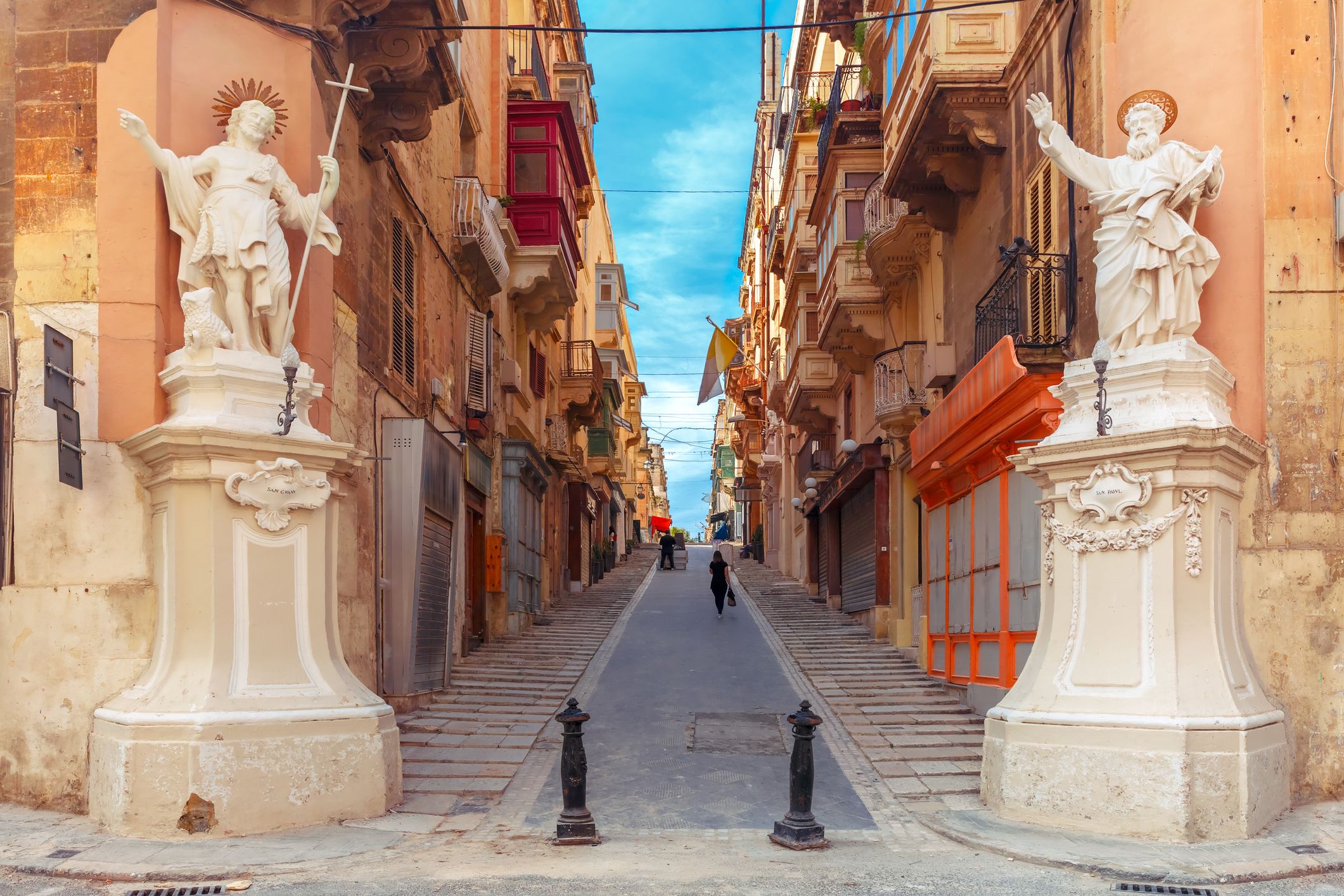
With 320 monuments packed into just 55 hectares, UNESCO calls Valletta one of the most concentrated historic areas in the world, and the cruise port sits within walking proximity of the city itself. Even the arrival feels unfairly scenic, with the Grand Harbour doing most of the throat-clearing before you’ve even stepped ashore.
The city suits pottering because it's dense, not sprawling. You do not “cover” Valletta so much as move through it in bursts: a street of balconies, a sudden view over the harbour, a church, a staircase, then a square that makes you forgive the staircase. It's historical, yes, but crucially it's also compact enough to be enjoyed in a half-day without that nagging feeling that you are cheating the place.
Kotor
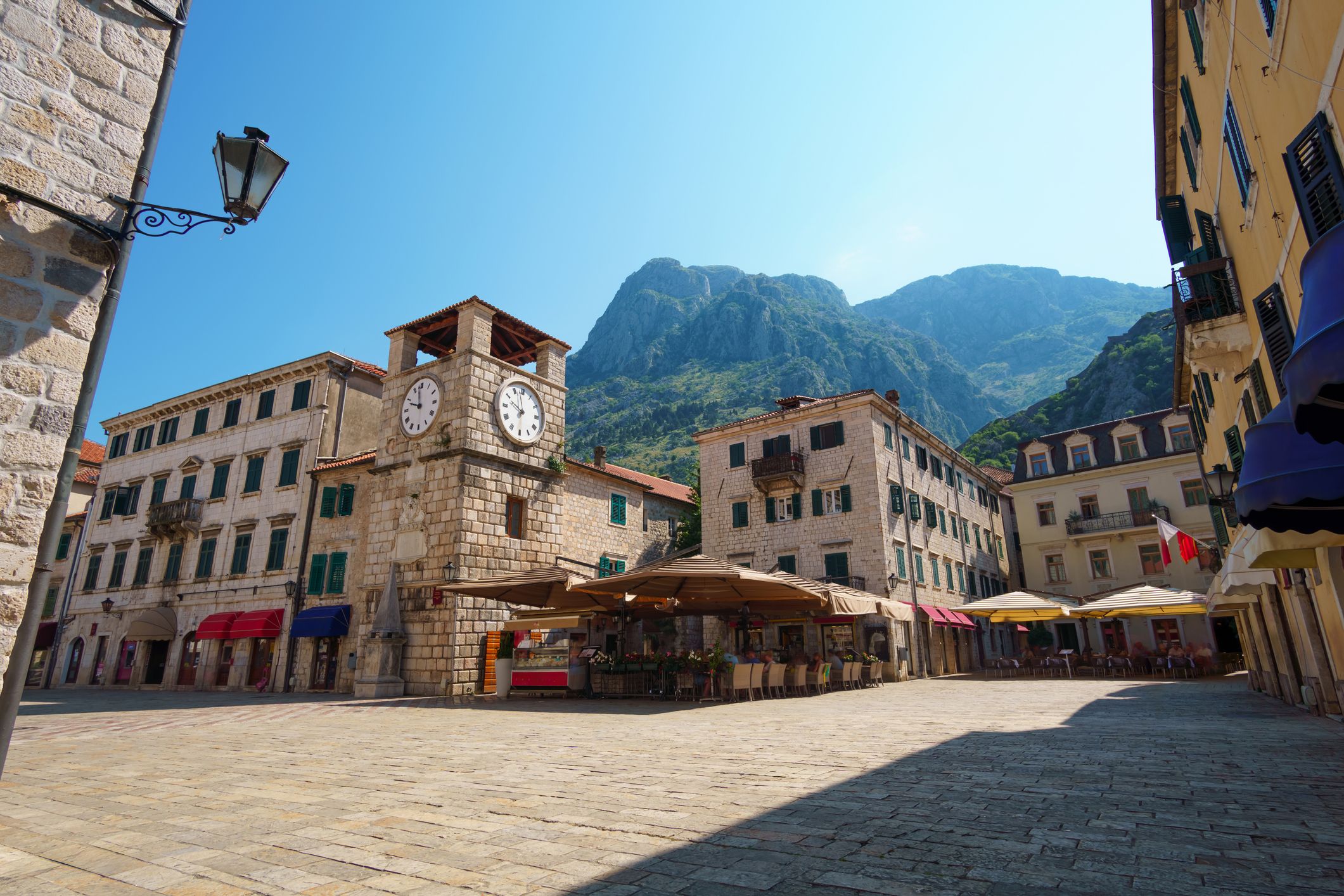
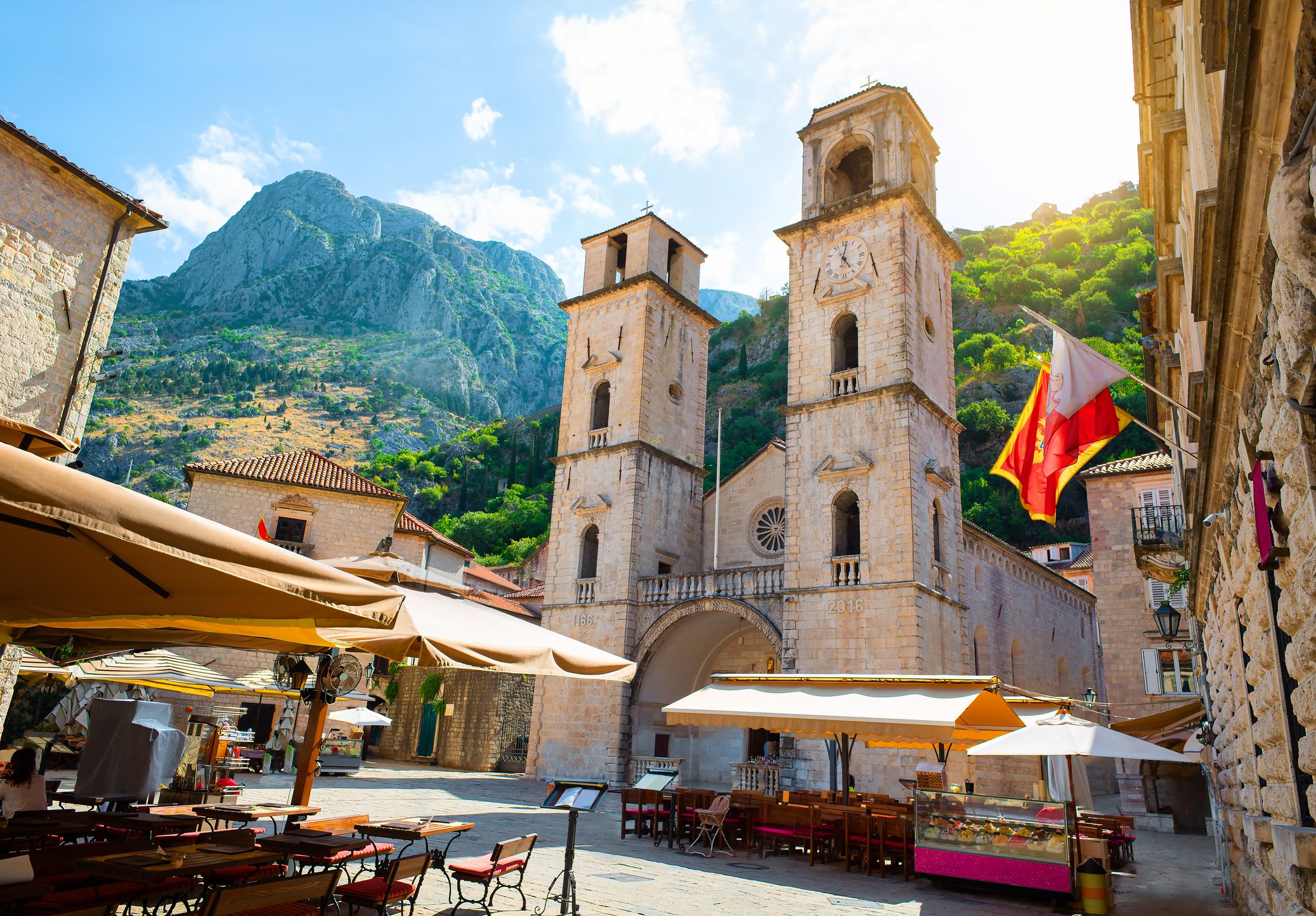
Kotor’s old town has the enormous advantage of mountains. Many old towns are improved by topography, but Kotor is transformed by it. Montenegro’s official tourism site describes the UNESCO-listed old town as an open-air museum of narrow streets, squares, churches and palaces, with the fortress of St Jovan rising above it at 260 metres. That matters because the walls do not just frame the town, they pin it dramatically to the landscape.
The result is an old town that feels theatrical in the best way. You can spend an afternoon here without “doing” anything very much beyond walking, looking up, and occasionally stopping for lunch. It's a place that rewards aimless movement. If you like your old towns with a sense of enclosure, a few cats, and the occasional square that appears as if on cue, Kotor is an easy yes.
Dubrovnik
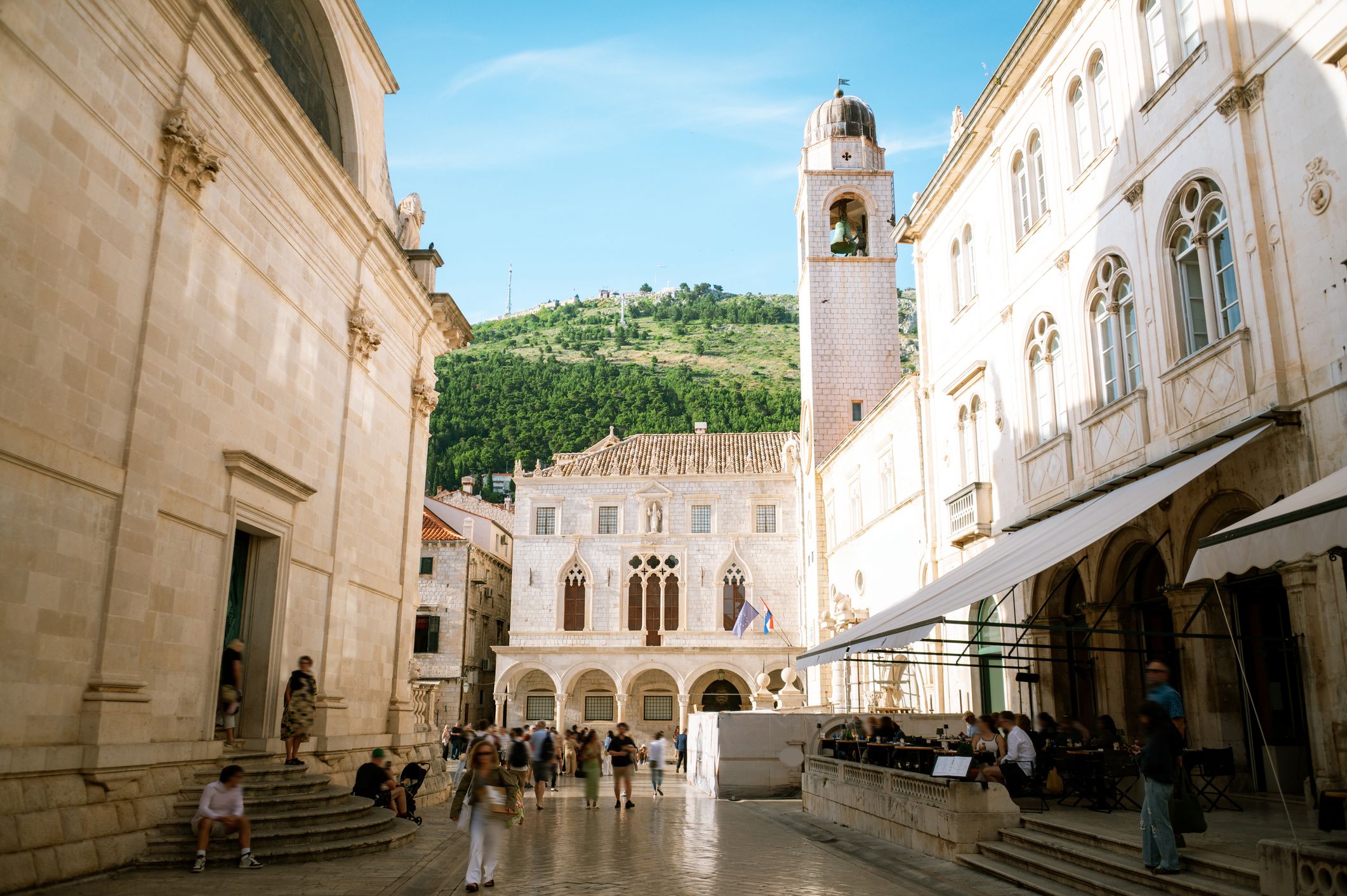
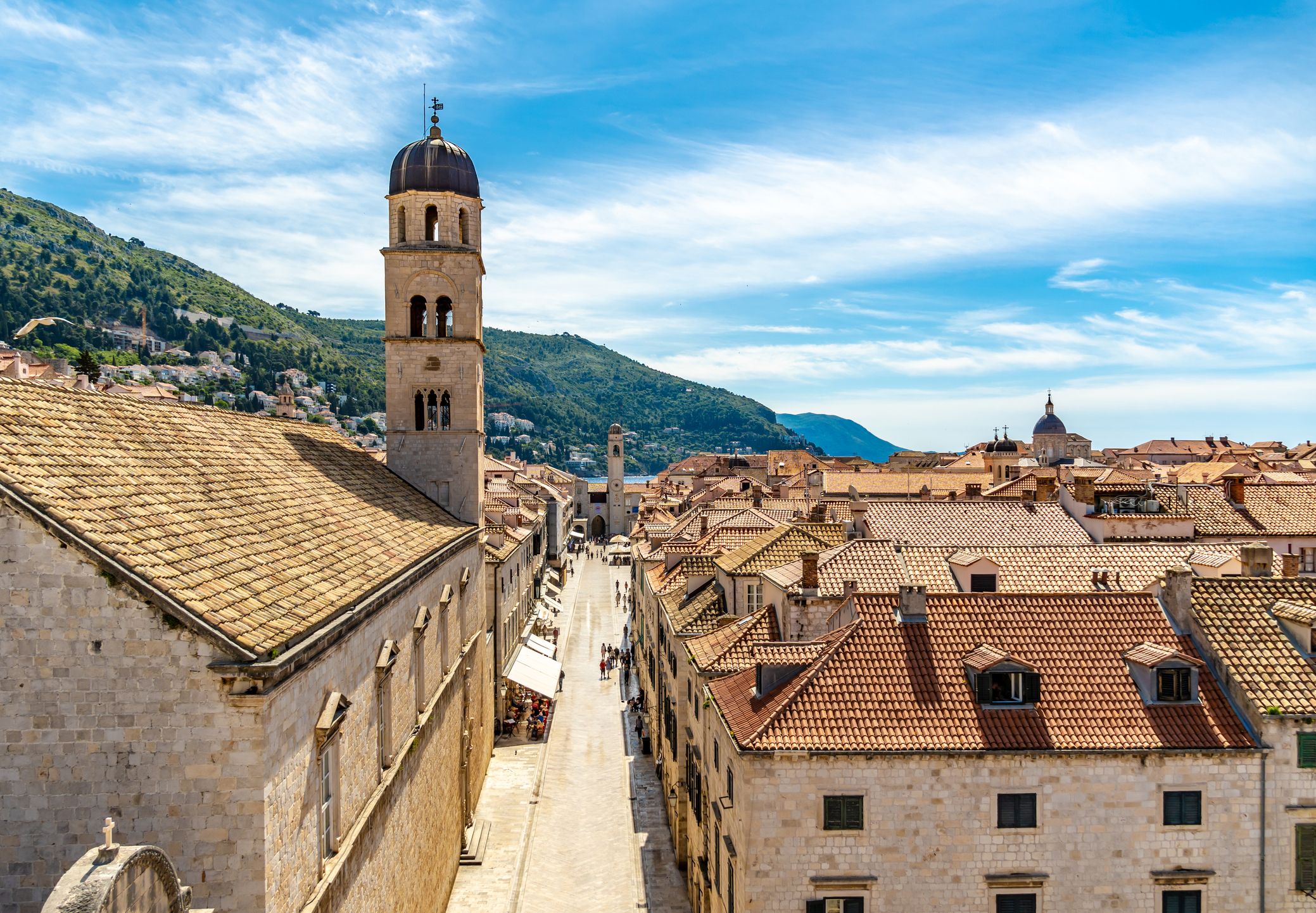
Dubrovnik old city is the obvious one for good reason, because the bones are too good to ignore. UNESCO is not being coy when it calls Dubrovnik a place of Gothic, Renaissance and Baroque churches, monasteries, palaces and fountains, and even the official tourism language concedes that the protected Old Town is still the city’s centre of gravity.
The trick with Dubrovnik is timing and expectations. This isn't the place for a dazed midday shuffle behind three tour groups and a sunhat. It is the place for early or later afternoon, the sun is less harsh and you can remember why everyone made such a fuss in the first place. Yes, there are shops. Yes, there are menus trying a bit too hard to court visitors. But the old town itself is too complete and too handsome to collapse into fridge magnet bait unless you insist on meeting it at its absolute worst hour.
Rhodes
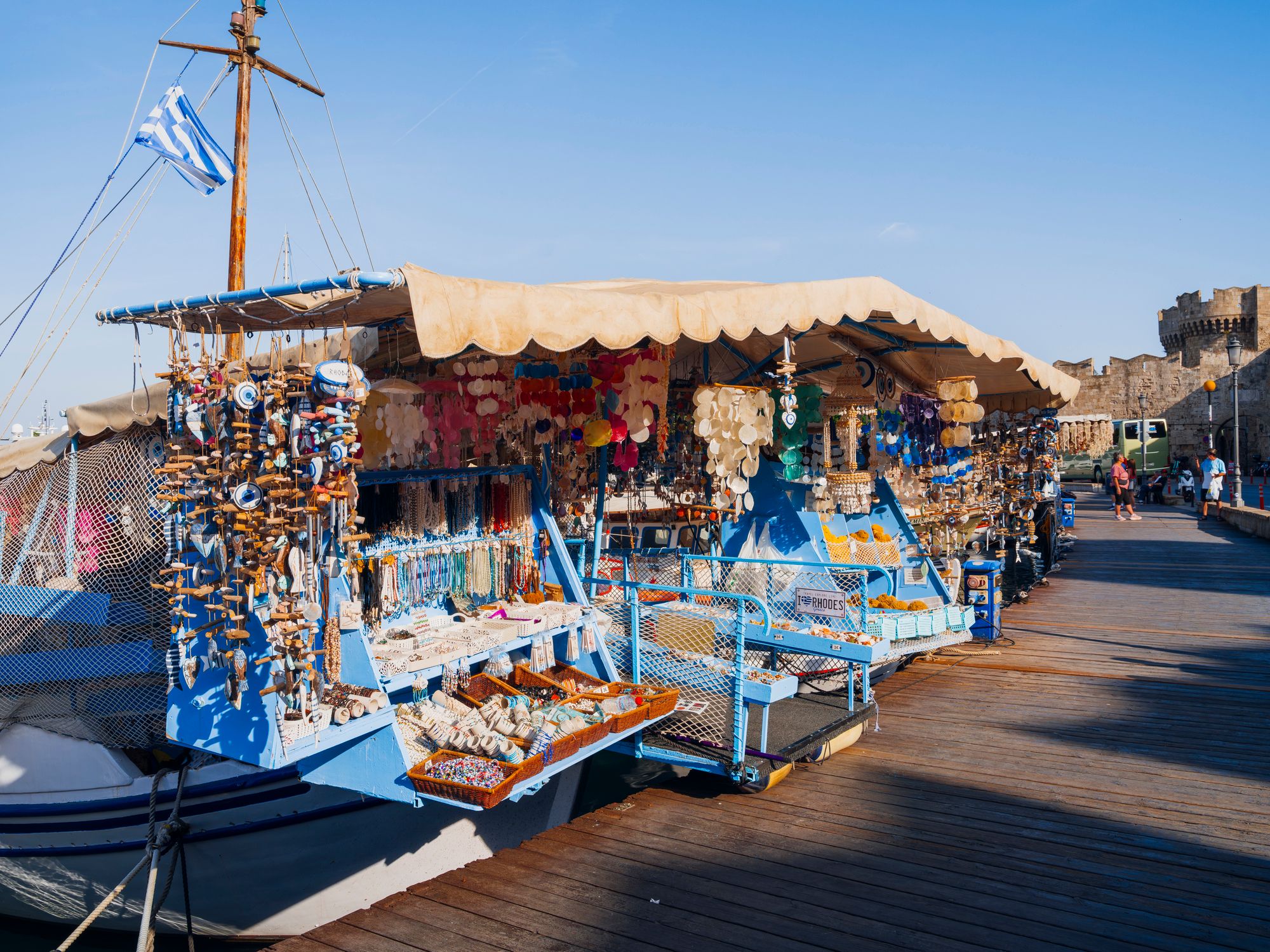
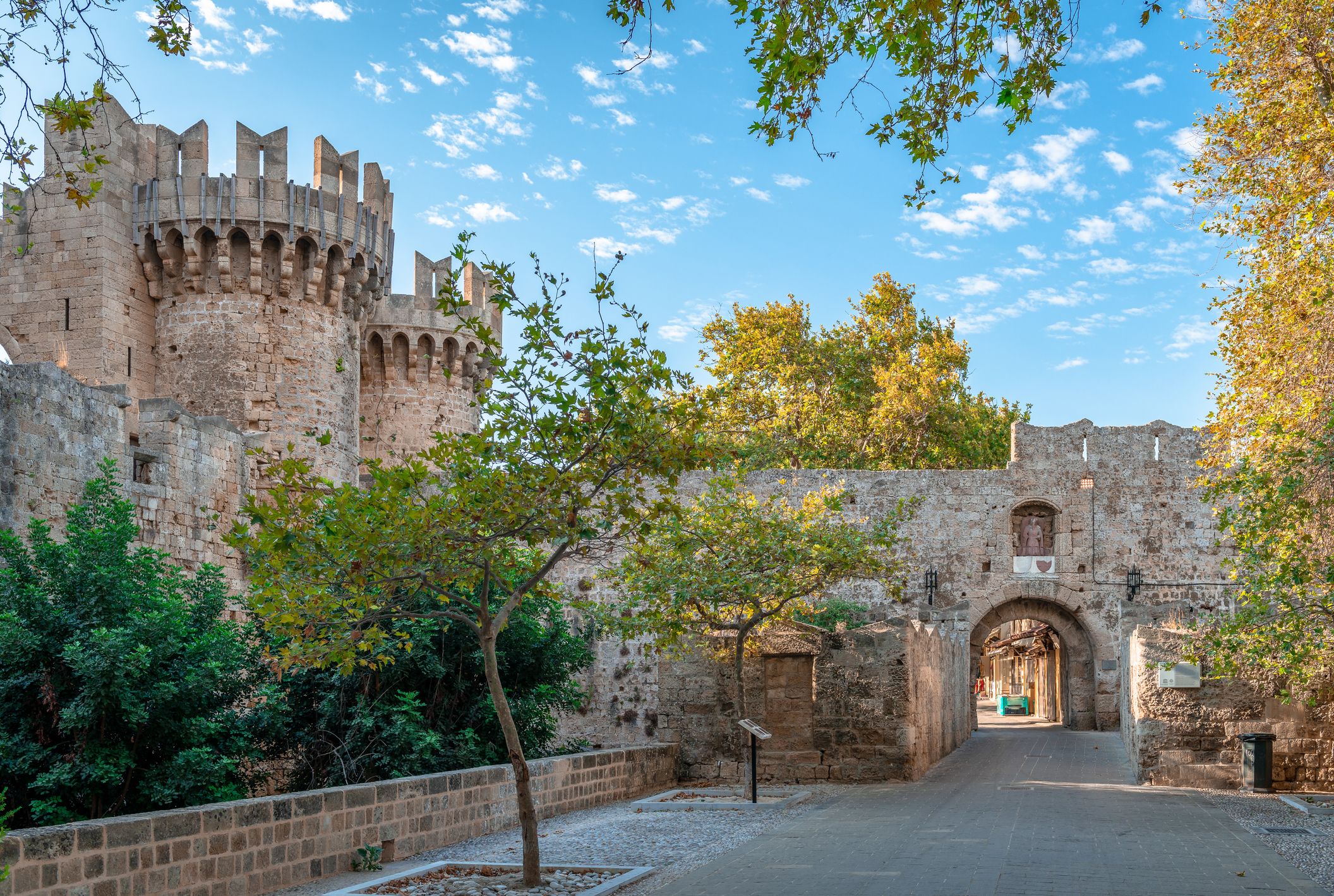
Rhodes has the great virtue of taking its own medievalism seriously. Visit Greece describes the Old City as a “medieval treasure,” still enclosed by walls with seven gates, and points straight to the Palace of the Grand Master and the Street of the Knights as the headline sights. It sounds dramatic because it is dramatic.
What makes Rhodes worth more than a quick circuit is scale. It is large enough to feel substantial, but coherent enough that an afternoon still works. The good bit is not just the headline architecture, but the sense that the streets still have room for atmosphere once you step away from the most obvious paths. The bad medieval old towns feel as though they were designed for people buying swords for nephews. Rhodes still feels like a city behind its walls.
Split
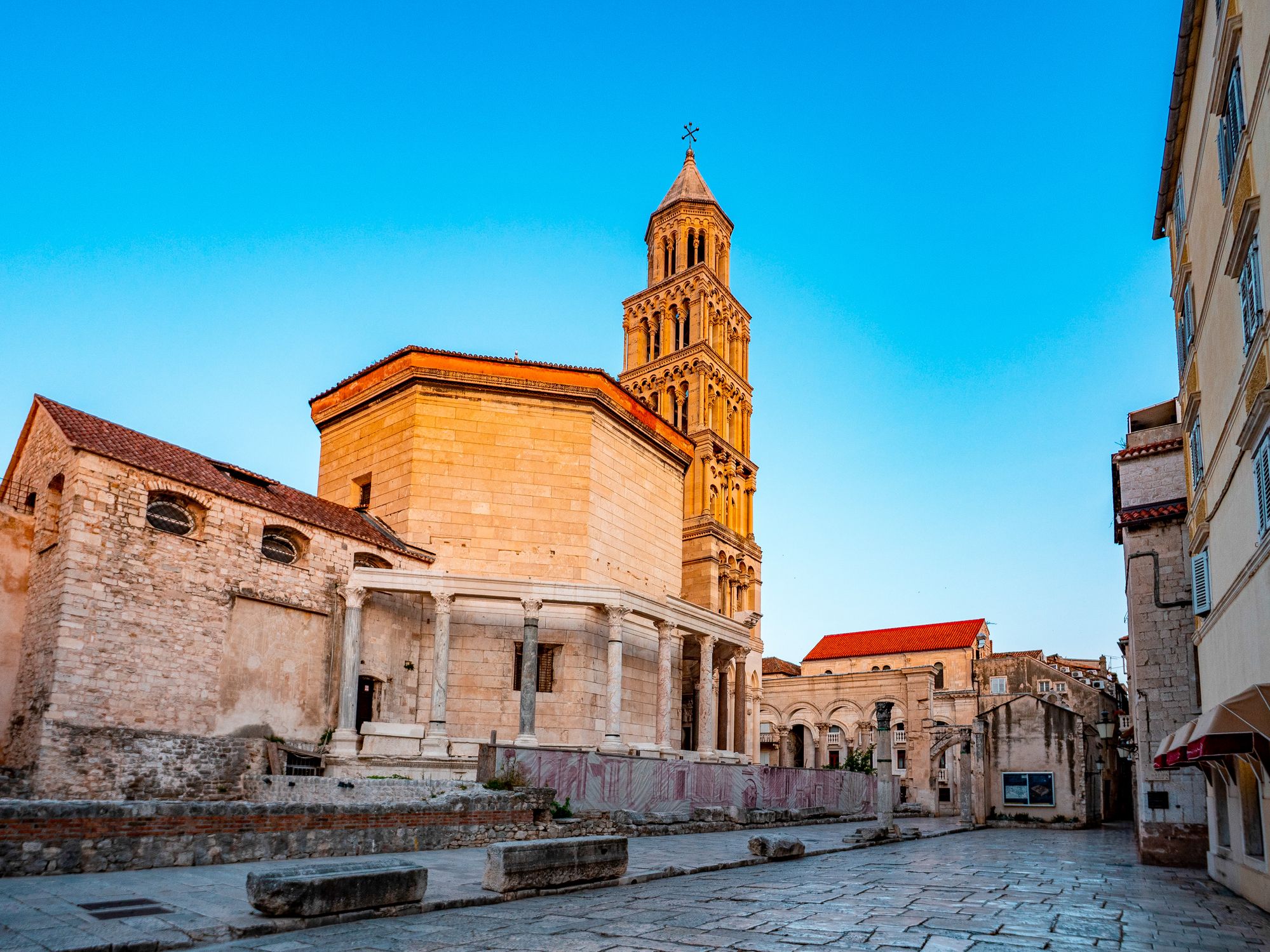
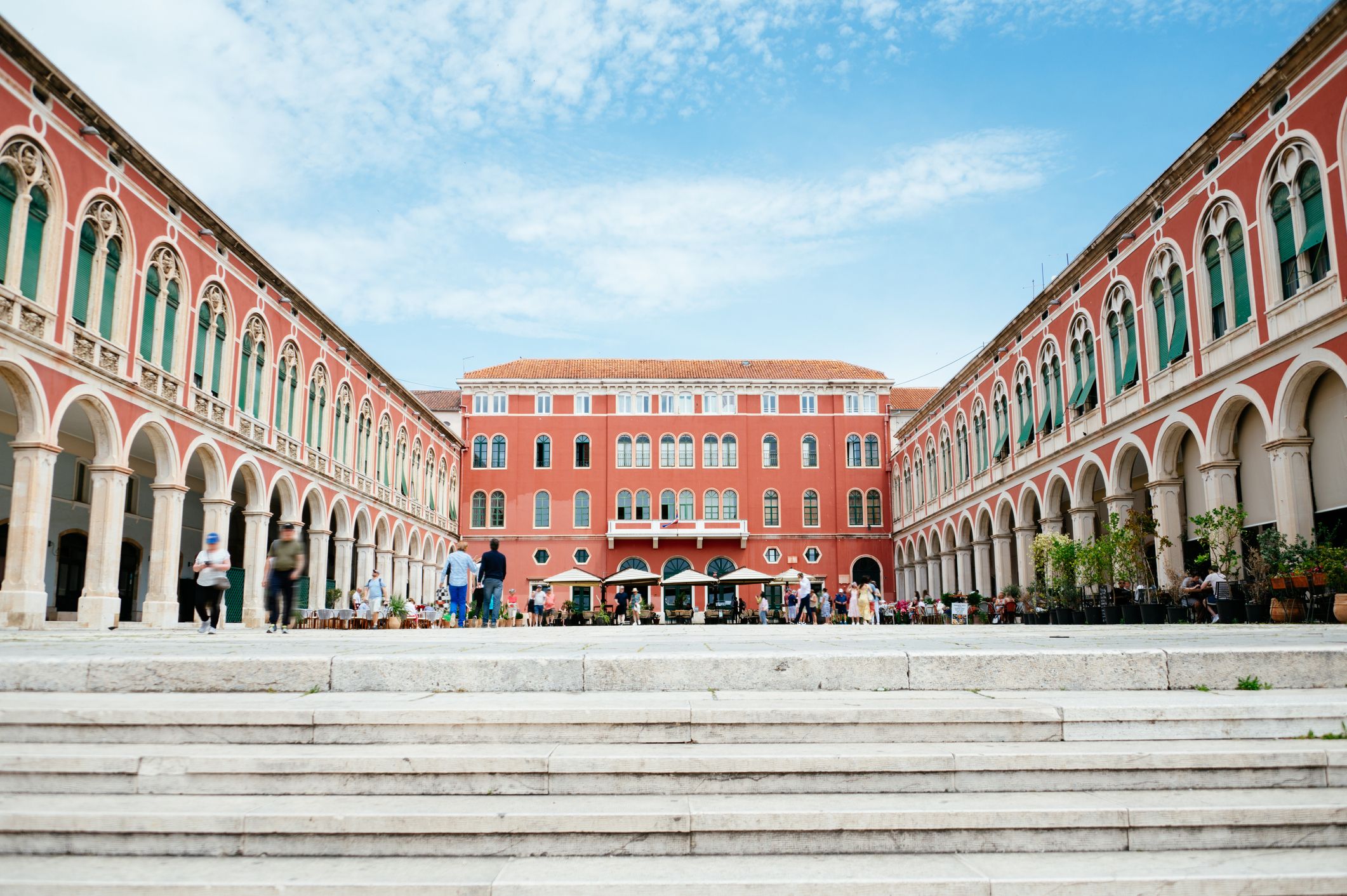
Split is a wonderful correction to the idea that an old town has to be frozen in amber to count. UNESCO’s description is the whole argument in miniature: the ruins of Diocletian’s Palace are found throughout the city, and the protected area layers Roman remains with medieval churches, fortifications, Gothic palaces and Renaissance and Baroque buildings. Visit Split adds the crucial emotional detail, which is that the city has been continuously occupied for more than 1,700 years.
That is why Split is so good for pottering. It doesn't feel preserved, it feels inhabited. Laundry, shutters, cafés, stone courtyards, columns, all of it jostling together without the place ever seeming to perform “history” too aggressively. If some old towns feel like a preserved specimen, Split feels like a glorious ongoing city in which everyone simply kept living inside the Roman palace because they found it broadly convenient.
Gamla Stan, Stockholm
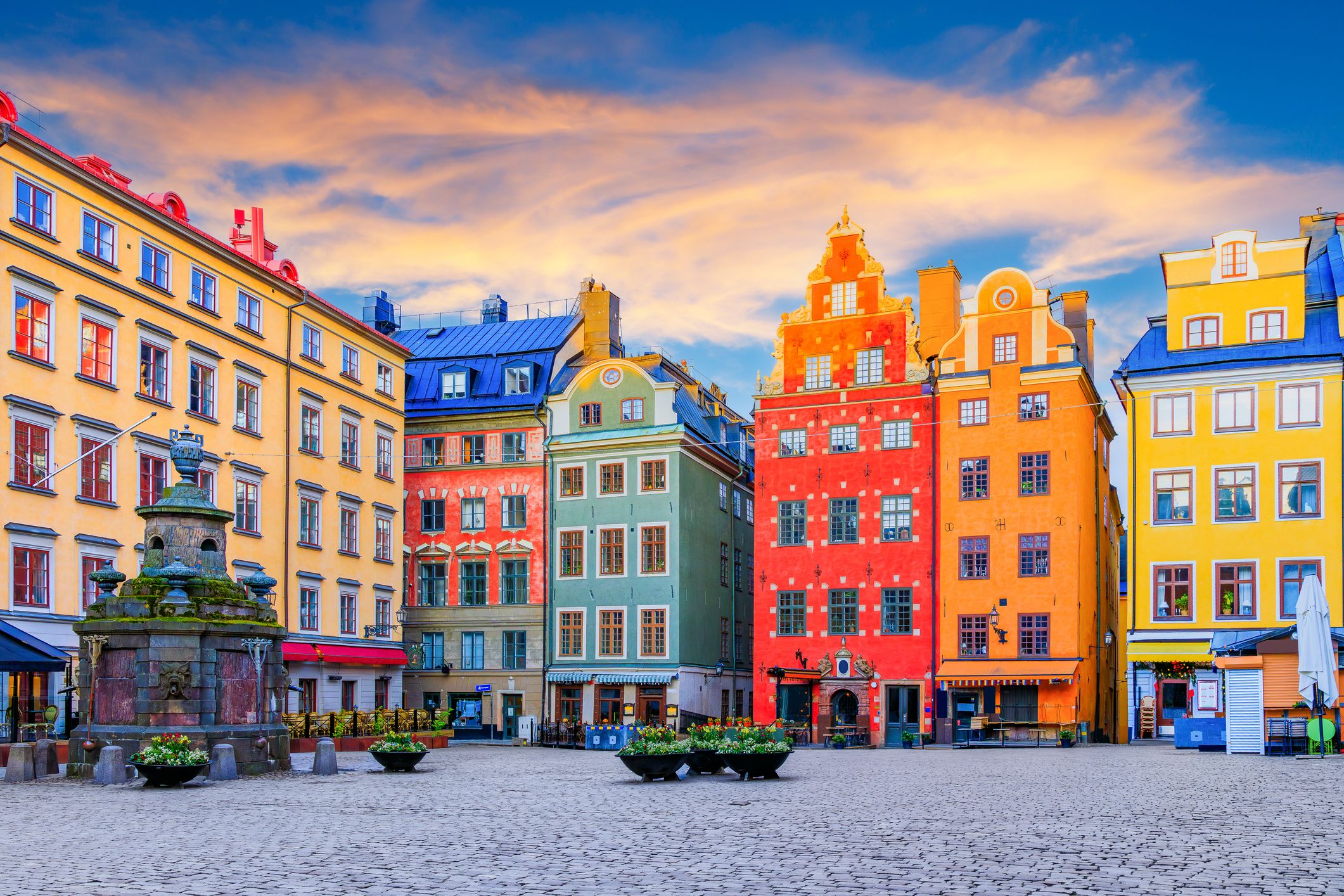
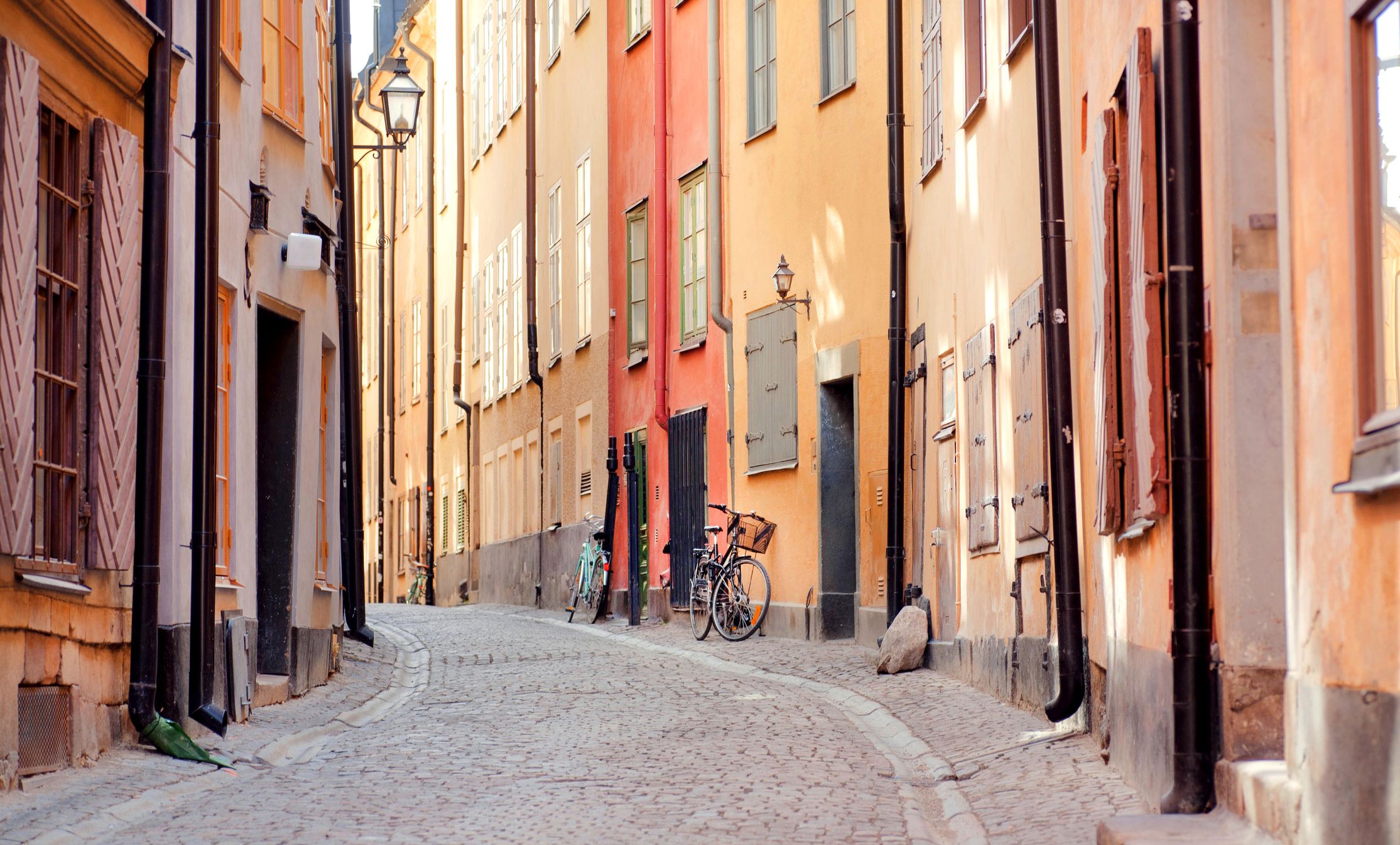
Gamla Stan is for people who like an old town but would prefer it with a functioning city attached. Visit Stockholm describes it as the city’s oldest district, founded sometime in the 13th century, with historic buildings, cafés, restaurants and shopping. More usefully, it also makes the point that shopping here is not limited to souvenirs and sweatshirts, with small independent boutiques tucked into the alleys. It is also, according to Visit Stockholm, one of the best-preserved medieval city centres in the world.
Gamla Stan delivers because it is not trying to cast a spell on you. It just gets on with being old, handsome and useful. You can browse, eat, look at the Royal Palace, wander the lanes around Stortorget, then leave without feeling as though the old town was the whole city. That is a compliment. The best old towns are not jealous. They lure you in, give you a proper afternoon, and then let the rest of the city continue the conversation.
How to spot the fridge magnet bait
The dead giveaways are usually there within ten minutes. If every shop is selling the same keyring, every menu has been translated into six flavours of desperation, and there is no visible sign of local life moving at its own speed, you are probably in a place that photographs better than it strolls.
The good old towns have texture. A decent local bakery. A square where people are lingering for reasons unrelated to your itinerary. A lane that seems to lead nowhere useful but still feels worth taking a look down. Most importantly, they have enough internal logic to hold an afternoon without you needing to “tick off” anything much at all.
That is the real test. The best old towns do not demand that you conquer them. They simply persuade you to keep walking.