There are around three passengers for every crew member on a big mainstream ship, sometimes more. On MSC Opera, for example, 2,679 guests are looked after by 728 crew. They are the reason your room is magically clean, your drink appears before you remember ordering it and the ship somehow keeps functioning like a floating city, even in gale force weather.
Your holiday is their workplace
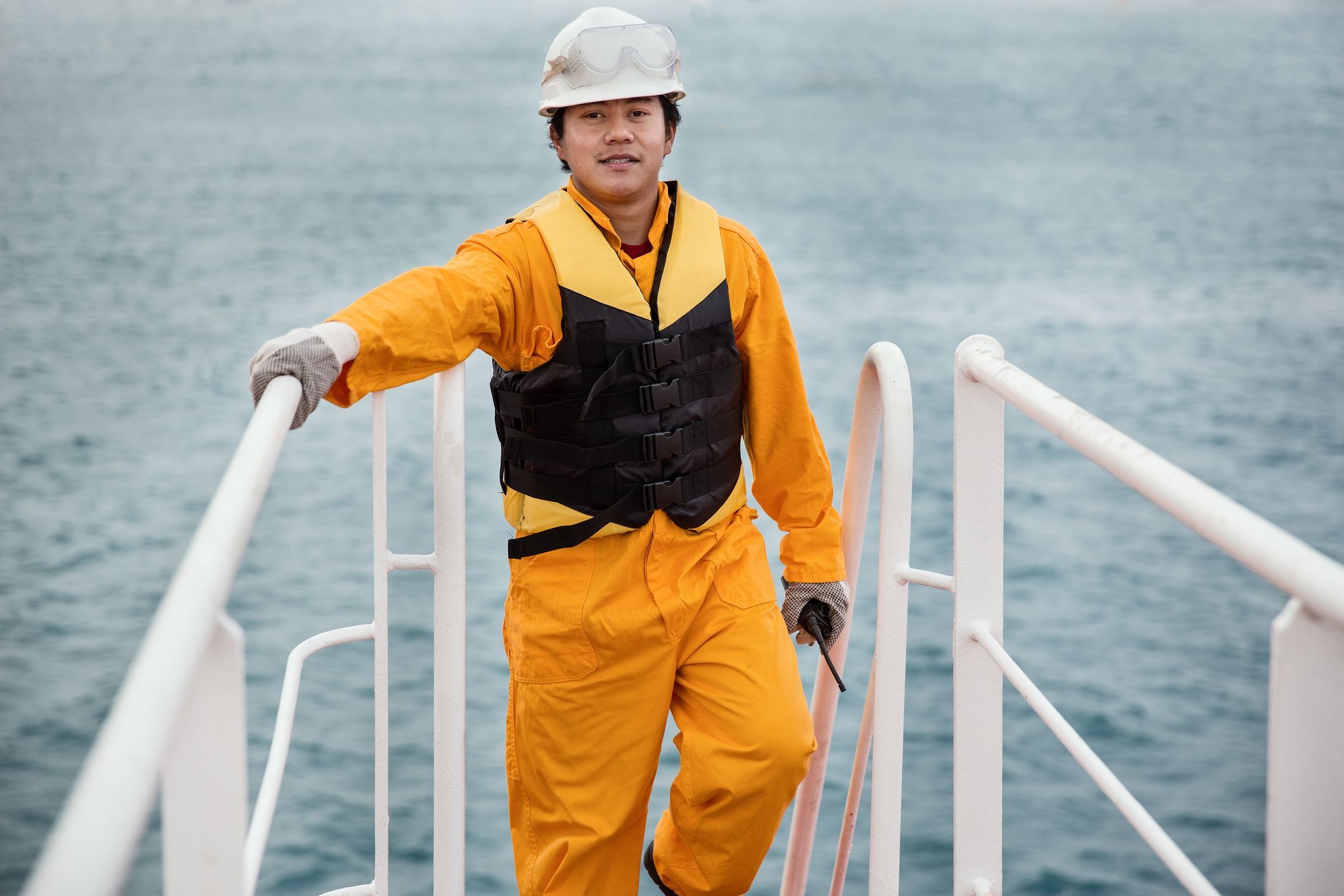
For guests, embarkation day is chaos in a festive mood. For crew, it is the Monday morning of a seven-day week. Most will work contracts of several months without a true day off, just snatched breaks between shifts, because that is how the industry’s long-hour rota works.
That is why your cabin steward looks so grateful when you leave the room for half an hour after breakfast. A small, tidy cabin is a quick turnaround. A floor carpeted in clothes, half-empty cups and three different power cables is a time-sink that puts them behind for the rest of the corridor.
If you can manage to put dirty glasses in one spot, hang up the “make up room” sign when you go to breakfast and avoid holding long phone calls in the doorway while they juggle fresh sheets, you are already on the “favourite guest” list.
Schedules are exceptionally tight
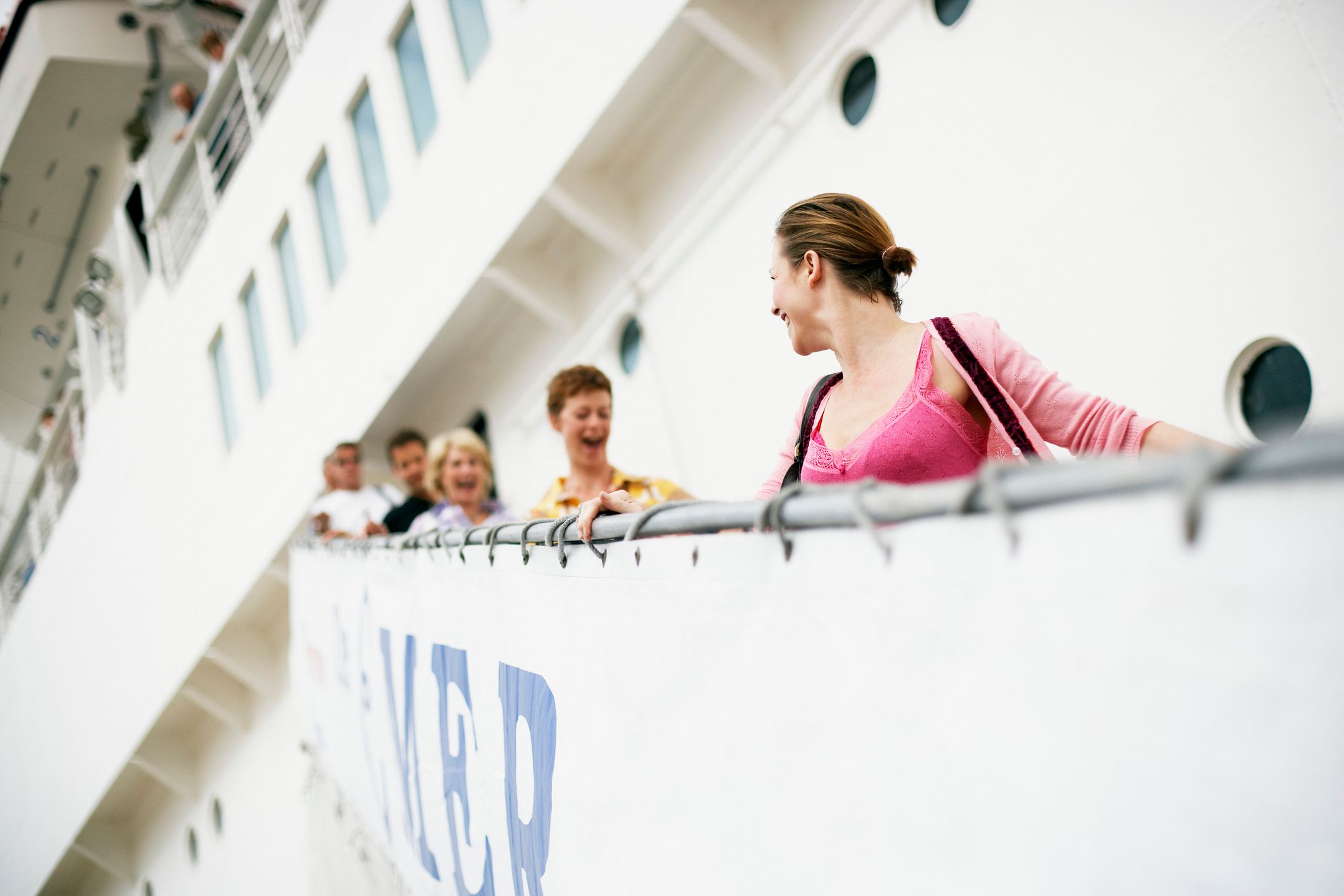
Cruise lines love precision. Buffets open at 7.30, excursions leave at 9.05, all aboard is 4.30 sharp. That rigidity is not because the staff are control freaks. It is because hundreds or thousands of people are being moved around in a herculean logisitical effort.
When crew ask you to be on time for muster drill, they are not trying to spoil your first cocktail. Safety rules under the SOLAS convention require a drill within 24 hours of embarkation, and the ship cannot sail with half the guests still in the bar.
The same applies to shore days. When the last stragglers saunter back ten minutes after all aboard, drenched in souvenir bags, someone in a fluorescent vest has been anxiously counting heads on the pier. If you are late, you are not being “fashionable”; you are the reason a tired set of crew will be stuck standing in the wind instead of grabbing a ten-minute break.
Tipping and feedback are important

Daily service charges and gratuities are not just a polite suggestion. On many lines, a per-person daily amount in the region of 16 dollars is automatically added to your account. That pool is used to top up basic pay for housekeeping, dining room and behind-the-scenes staff who never meet you but definitely handle your luggage. Remove the auto-grats and, on many ships, you are effectively giving yourself a personal discount at their expense.
The same goes for comment cards and post-cruise surveys. Crew forums are full of stories about performance ratings where anything less than a perfect score counts as “needs improvement.” If you had a good time, name-check staff and tick the top box. If something really went wrong, mention it constructively rather than venting about the colour of the carpets. Management pays attention to the numbers more than the adjectives.
Hygiene rules are not optional

The hand-sanitiser pump at the restaurant door is not decoration. Nor is the cheery “washy washy” greeting a quaint custom designed for your Instagram Stories. Cruise ships operate under strict public-health protocols; one norovirus outbreak and the crew spend the next week bleaching every surface like a crime scene.
When you breeze past the sink because “my hands are fine,” you are not just playing the rebel. You are potentially undoing hours of hard work by the sanitation team who have already wiped the lift buttons sixteen times today. A quick wash, a squirt of gel and you have made the whole ship’s job easier.
Small courtesies go a long way
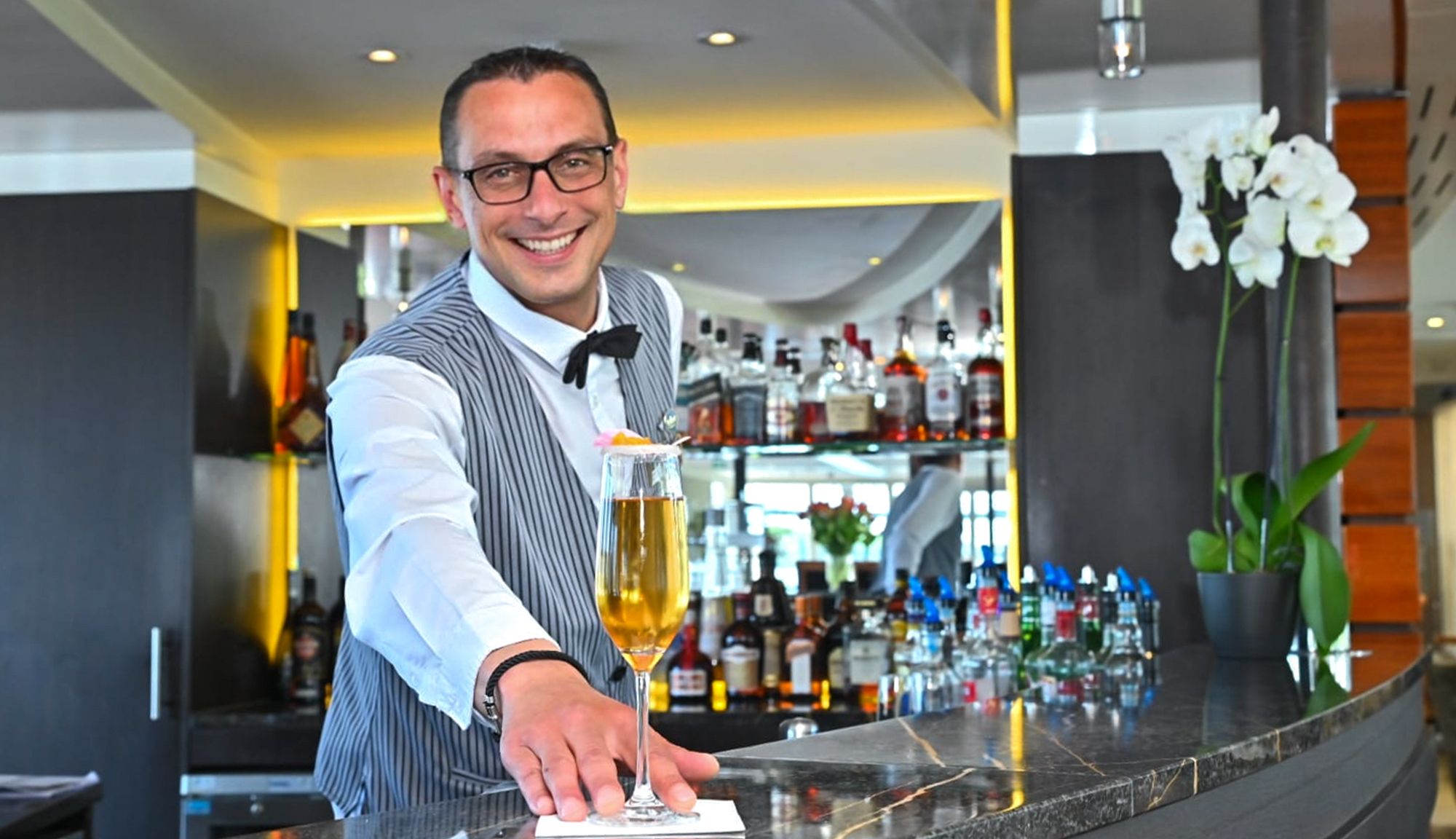
Crew interviews are full of tiny, very human requests. Learn people’s names. Say good morning. Look up from your phone when the waiter explains tonight’s menu. When you see your cabin steward wrestling a vacuum cleaner, step aside rather than treating them as background scenery.
Many crew are working far from home to support families, often sending a large part of their salary back to another country. A bit of basic kindness, the occasional “how is your day going?” and a thank-you note left on the desk do more for morale than complicated grand gestures.
The little things that genuinely help
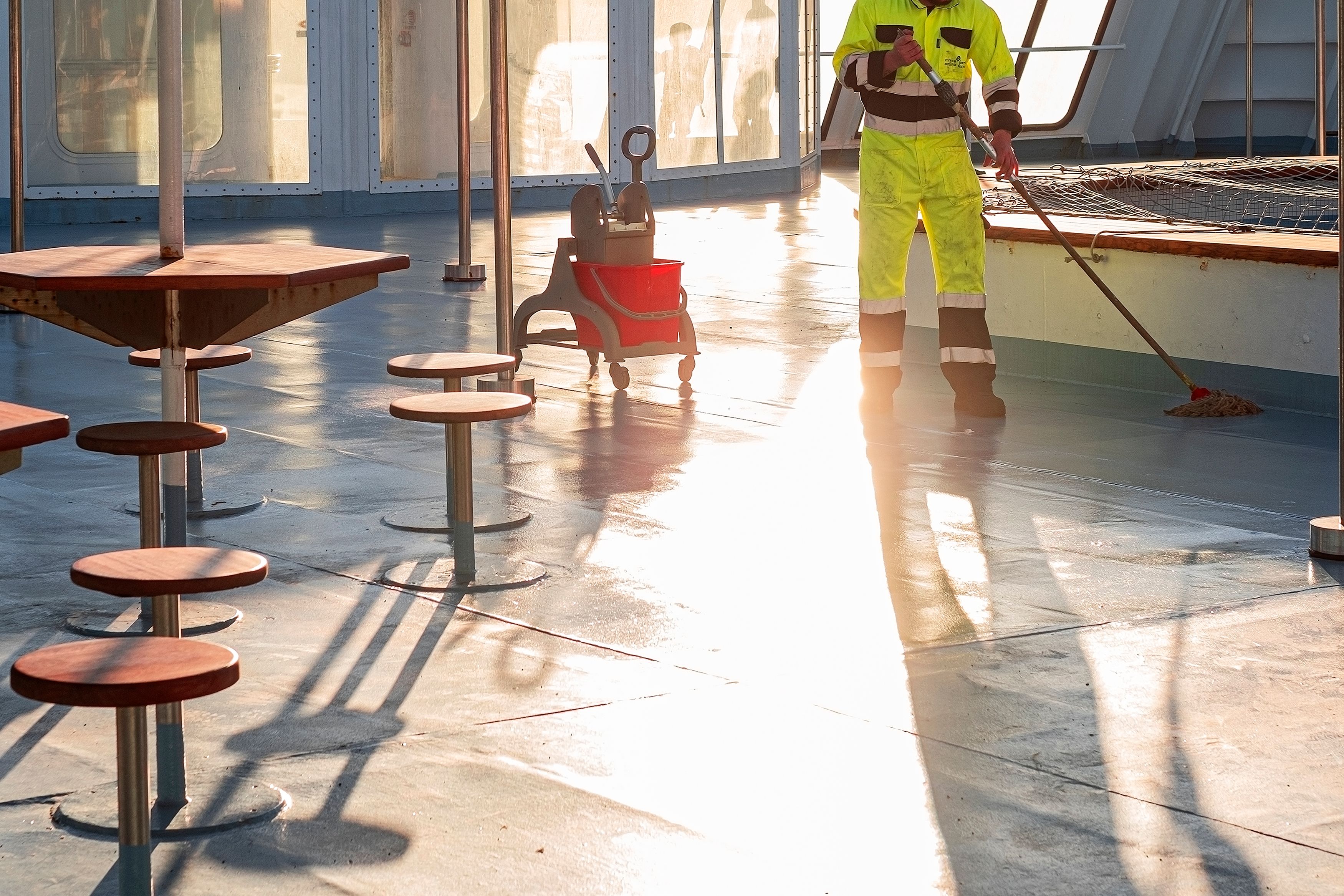
Read the daily programme so you are not repeatedly asking for information already printed on page one. Put valuables in the safe rather than leaving them scattered and then panicking when you cannot find your watch. Report maintenance issues early instead of fuming for three days about a dripping tap no one knows about.
If you loved a particular waiter or cabin steward, drop by Guest Services and ask how to record that. Some lines have internal recognition schemes where a handful of compliments can translate into bonuses or promotion opportunities. It costs you nothing but a few minutes and can make a real difference to someone’s contract.
Being the passenger crew are happy to see again
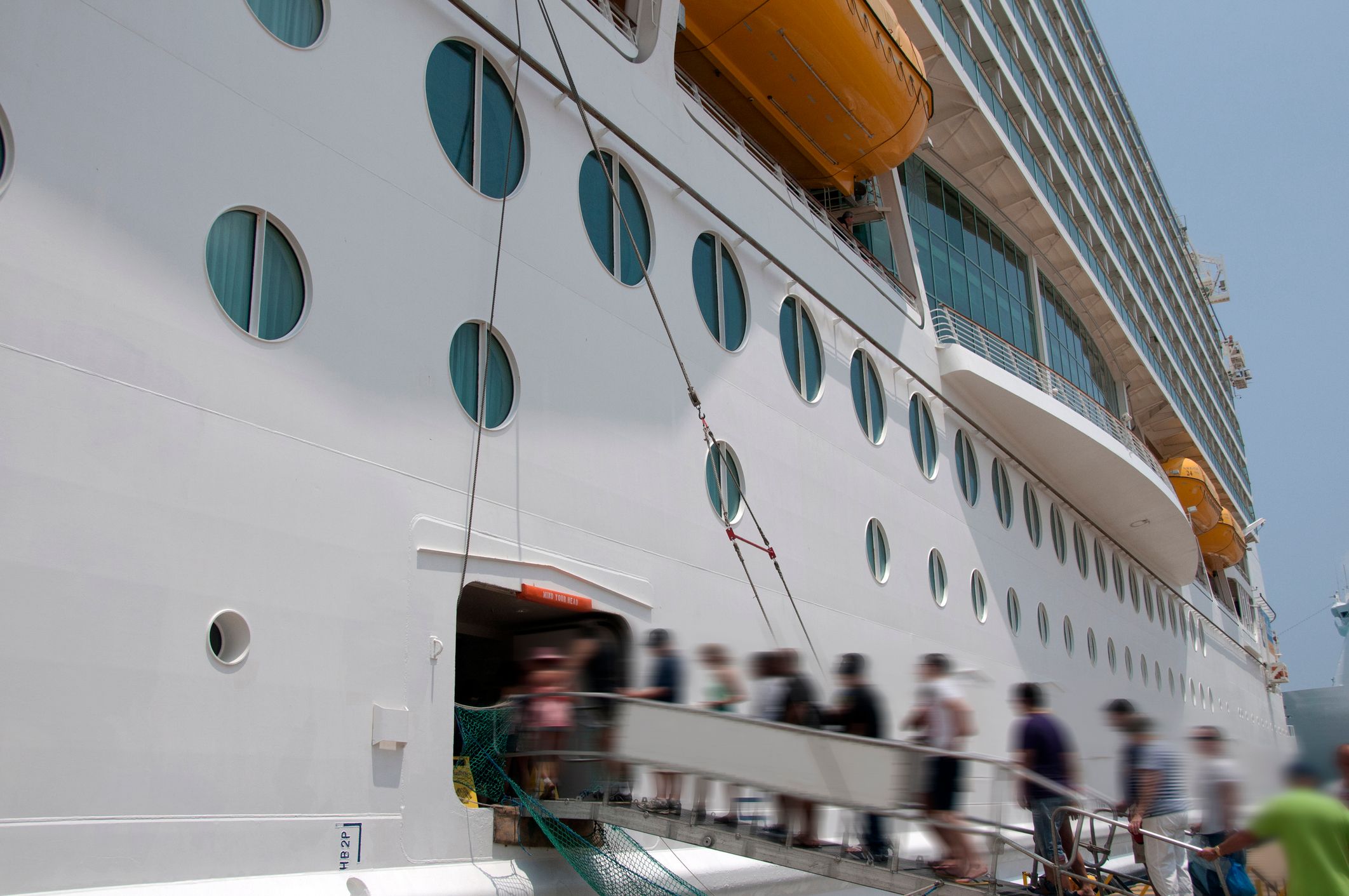
Most crew will never tell you any of this directly. The professional smile is part of the uniform. But listen to the conversations in crew bars, read between the lines of anonymous interviews, and a pattern emerges. The happiest memories are not of the people who ordered the most expensive wine. They are of the guests who treated the ship like a shared space, respected the rules and remembered that the people making their holiday happen are not scenery, but colleagues in the experience.
Do that, and the next time you walk into the bar, you will not just be another cabin number. You will be the passenger whose coffee magically appears just the way you like it, because someone on board is genuinely pleased you came back.