For UK travellers, South Africa is that rare long-haul trip where you arrive more or less in the same time zone, which helps when you are trying to make sense of port calls and transfers instead of merely surviving jet lag. Most ocean itineraries use Cape Town and Durban as their main hubs, with occasional calls at Gqeberha (still better known by many as Port Elizabeth) and Richards Bay.
Lines like MSC mix local round-trips with longer routes that swing up towards Namibia, Mauritius and the wider Indian Ocean. Itineraries in 2025 and 2026 already show regular circuits from Cape Town and Durban to ports such as Walvis Bay and back, often in tidy week-long chunks that are easy to bolt other travel onto.
If you want one simple organising idea for a South Africa trip, a cruise is not a bad place to start.
Cape Town: treat embarkation as a city break
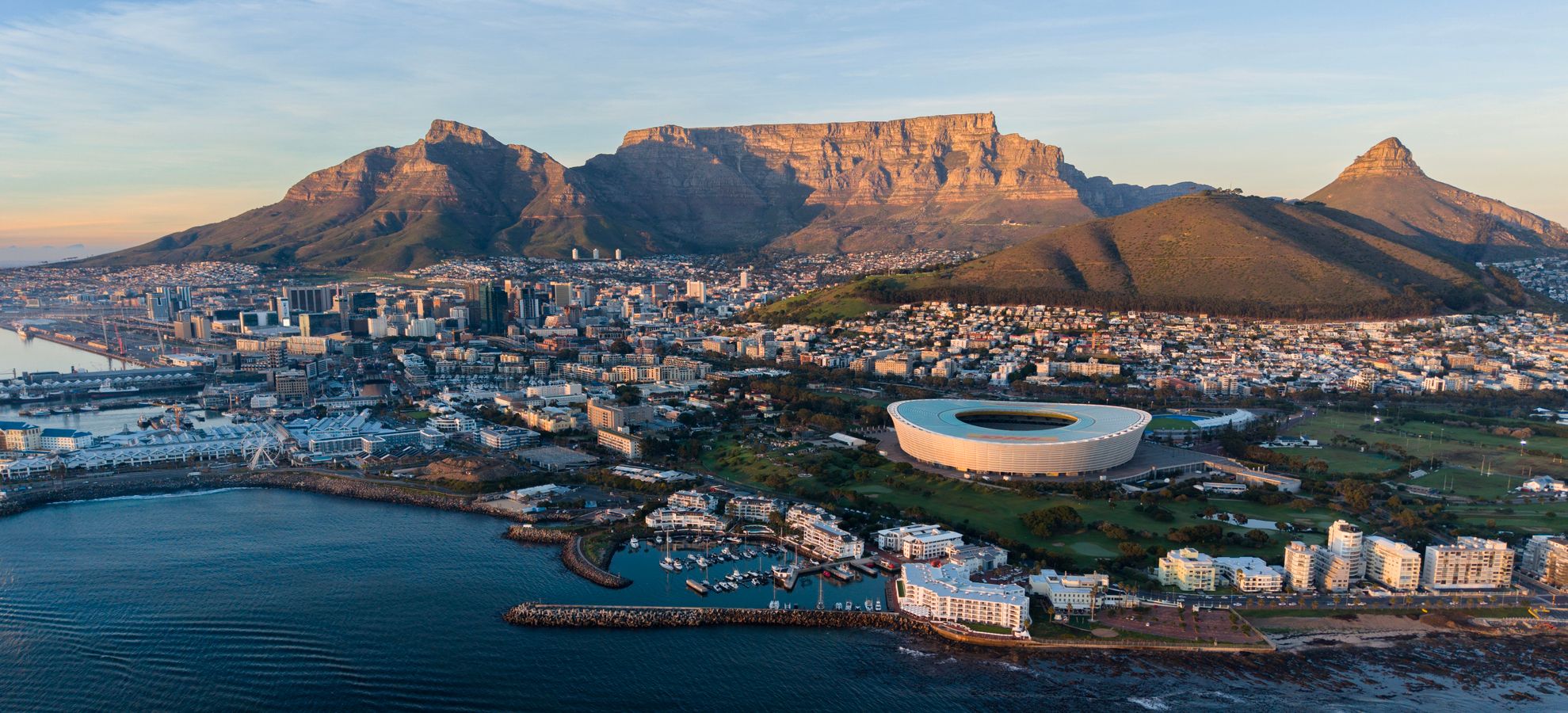
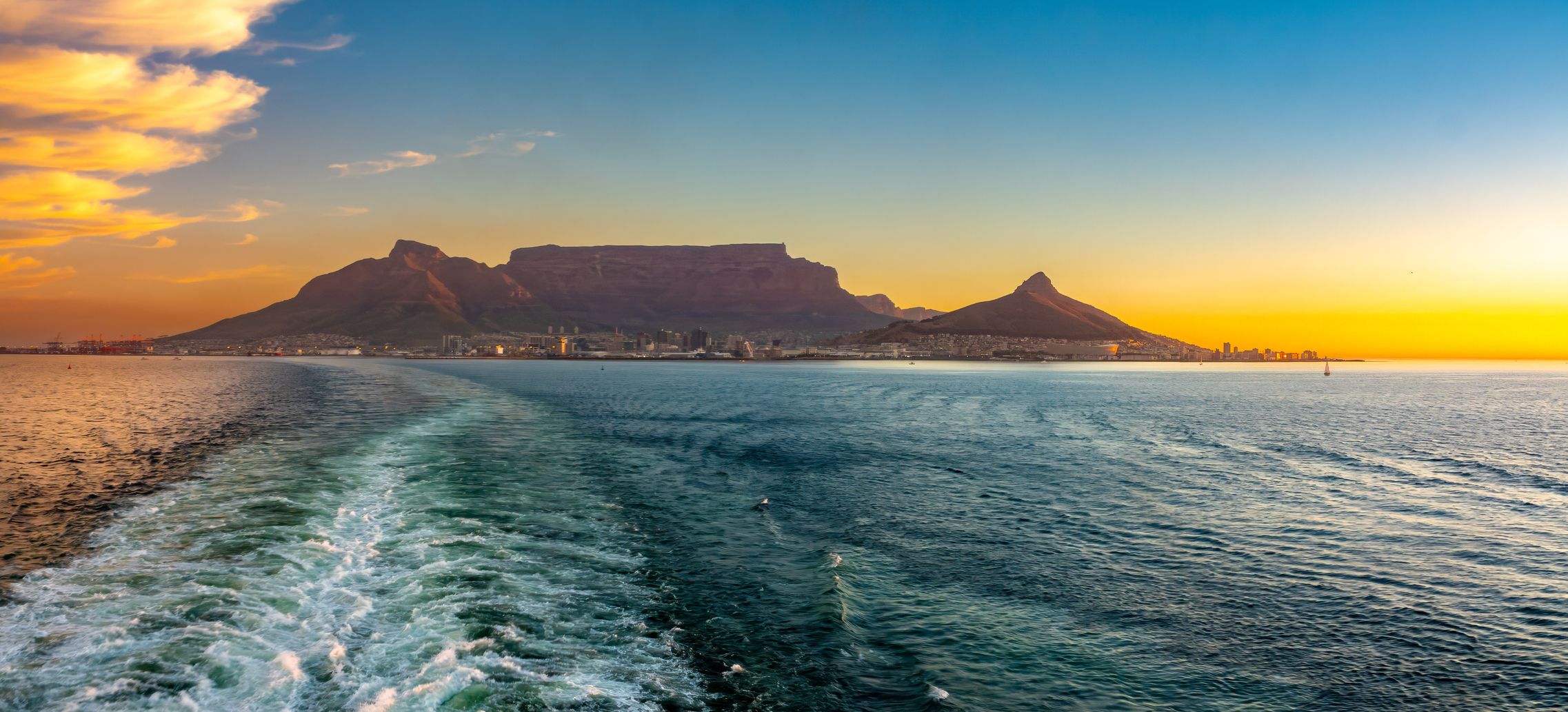
Cape Town’s cruise berths sit a stroll or short shuttle ride from the V&A Waterfront, which manages to be both a major tourist sight and a genuinely useful bit of city: restaurants, shops, Robben Island ferries and a clear view of Table Mountain all in one place.
The neat thing here is that your embarkation day does not have to be sacrificed to paperwork. Add two or three nights before you sail and you can treat the port as a fully fledged city break. One day might be spent pottering between the Waterfront, the colourful houses of Bo-Kaap and a long lunch in the Constantia wine valley. Another is reserved for the Table Mountain lottery: buy a ticket for the cable car, have a back-up plan in case the wind says no, and console yourself with sunset in Camps Bay if the famous flat-topped view refuses to play along.
On turnaround cruises that start and end in Cape Town, it is worth putting most of your non-ship plans at the front end. It is much easier to enjoy the wine tasting when you are not checking your boarding time every five minutes.
Durban: more than “gateway to somewhere else”
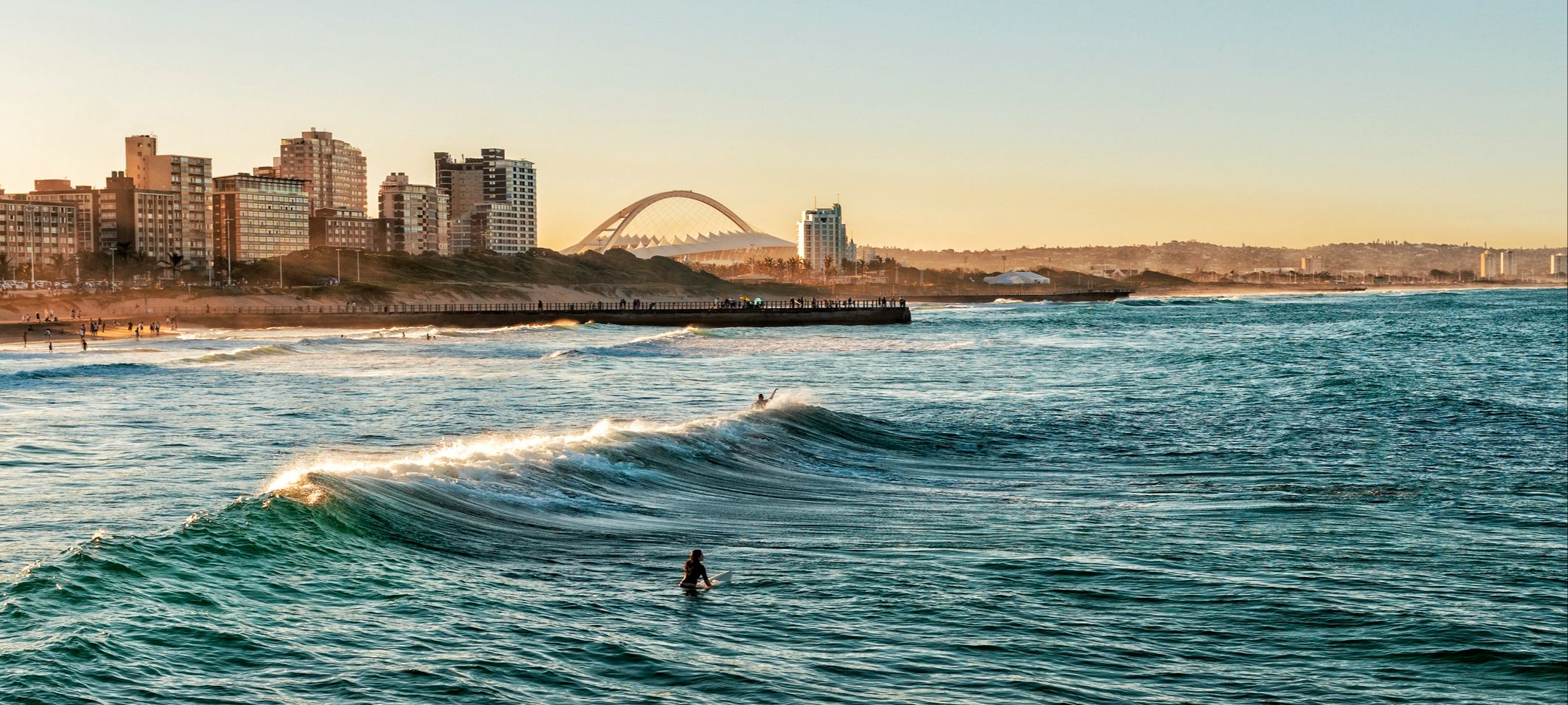
Durban has quietly built itself a proper cruise welcome in the form of the Nelson Mandela Cruise Terminal, a 6,000-square-metre glass-fronted hub designed to handle up to 4,000 passengers a day.
You could treat it as a simple springboard to the Drakensberg or to KwaZulu-Natal’s game reserves, and plenty of overland tours do just that. Or you could give the city a day of its own. The seafront promenade with its surfers, joggers and ice-cream stalls is an easy introduction to the Indian Ocean side of South Africa, and the city’s long-standing Indian community means you are never far from a proper curry.
For cruise calls where you have one full day ashore, a sensible rhythm is beach and promenade first thing, then a guided city or township tour in the middle, followed by a last coffee or beer back at the new terminal before sailaway. You will see far more than just the inside of a coach.
How to add safari without turning your brain inside out
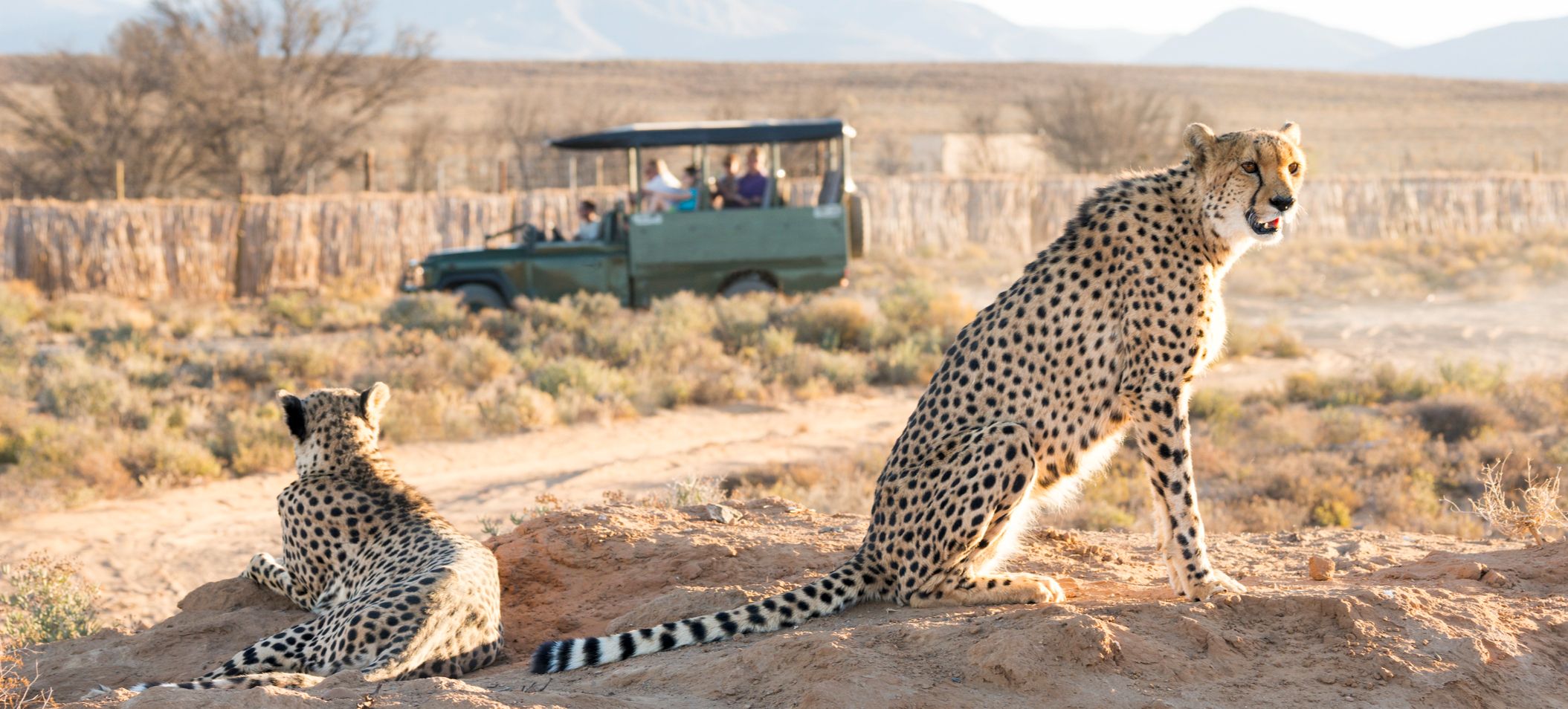
The brochure fantasy is simple: step off a ship, step onto a vehicle and immediately see a leopard posing in perfect light. Reality takes a little more planning, but combining cruise and safari is entirely doable if you are honest about time and distance.
Kruger National Park and the surrounding private reserves sit near the border with Mozambique and are typically accessed via Johannesburg or smaller regional airports like Nelspruit. Most safari packages start with a night in Jo’burg, then move you to a lodge for two to six nights of game drives before returning to the city.
If your cruise starts or ends in Cape Town, the most straightforward approach is to treat safari as a separate chapter: fly to Johannesburg at the beginning or end of the trip and book a short, fully organised package. Those three-day “all-inclusive Kruger” trips that appear in search results exist for a reason. For Durban turnarounds, some overland tours head north straight from the coast, but you are still looking at many hours by road. It is worth checking whether your chosen cruise line offers its own pre- or post-cruise safari bolt-ons, if only as a benchmark for what a realistic schedule looks like.
The key point: do not expect to squeeze a meaningful wildlife experience into a six-hour port call. Leave the ship for a few days. It will cope without you.
Odd extras that make the map more interesting
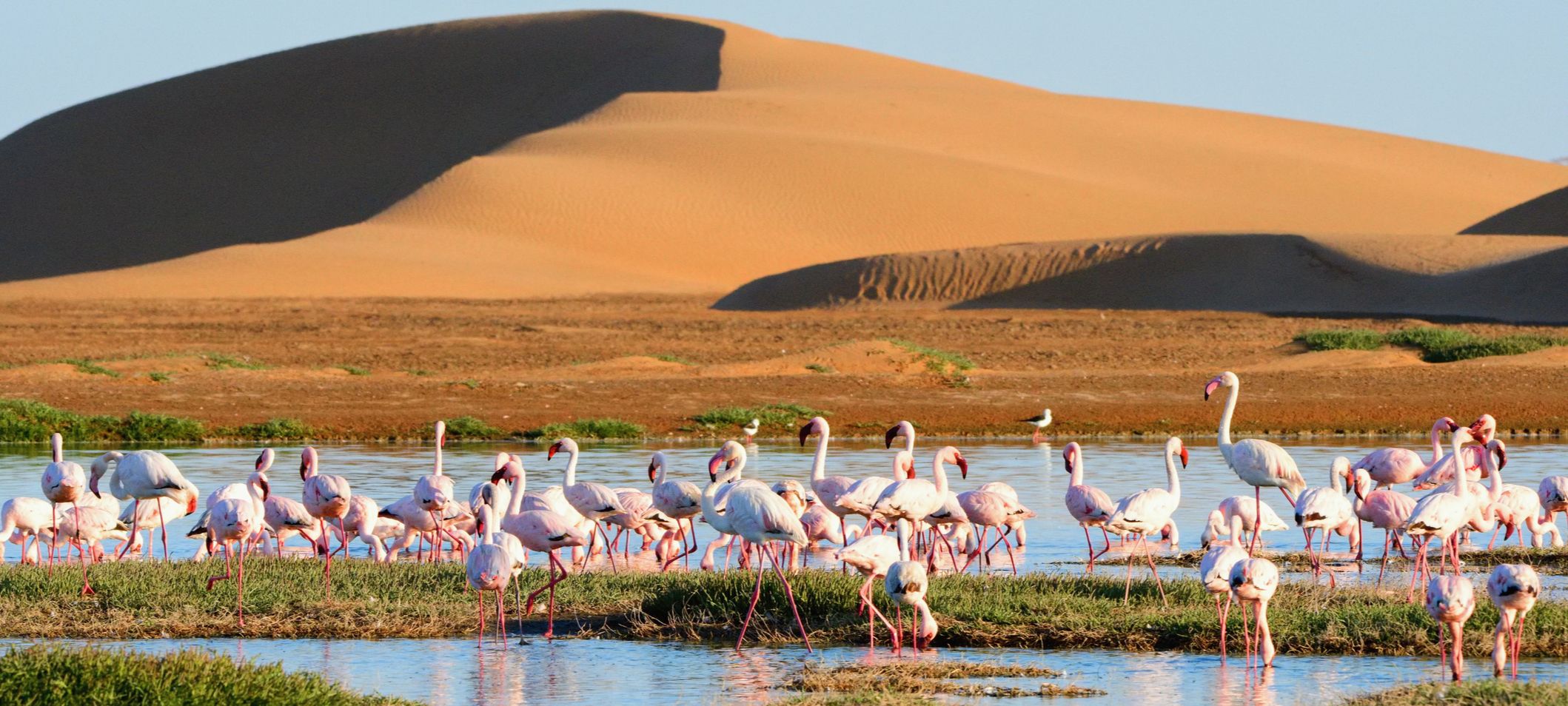
One of the joys of using a cruise as your framework is the number of places you would probably never reach otherwise. Walvis Bay, for example, looks like a straightforward Namibian port on paper, then turns out to be a tidal lagoon full of flamingos backed by desert dunes that feel like a sci-fi set.
Up the coast, itineraries that include Gqeberha and Richards Bay give a taste of smaller South African ports that are busy working towns first and tourist destinations second. Schedules for 2026 show ships like AIDAstella and Seven Seas Voyager dropping in on Gqeberha as part of longer Africa and Indian Ocean routes, which is how many travellers will ever get there at all.
Treat those calls as little essays in real life: local bakeries instead of big-ticket sights, a walk through ordinary streets rather than a checklist of attractions. South Africa rewards that kind of wandering.
Putting it together
If you strip it down, a South Africa cruise gives you three big anchors. A few days in Cape Town that feel like a full city break. One or two coastal calls that broaden your mental picture beyond the postcards. Then, if you have the time and budget, a separate safari leg that turns the whole thing into a proper “once in a lifetime” trip.
The ship gets you between the dots in relative comfort, your suitcase stays unpacked and you can spend more of your planning energy on the interesting questions, like which wine farm to prioritise and whether you are brave enough to book the first game drive of the morning.