
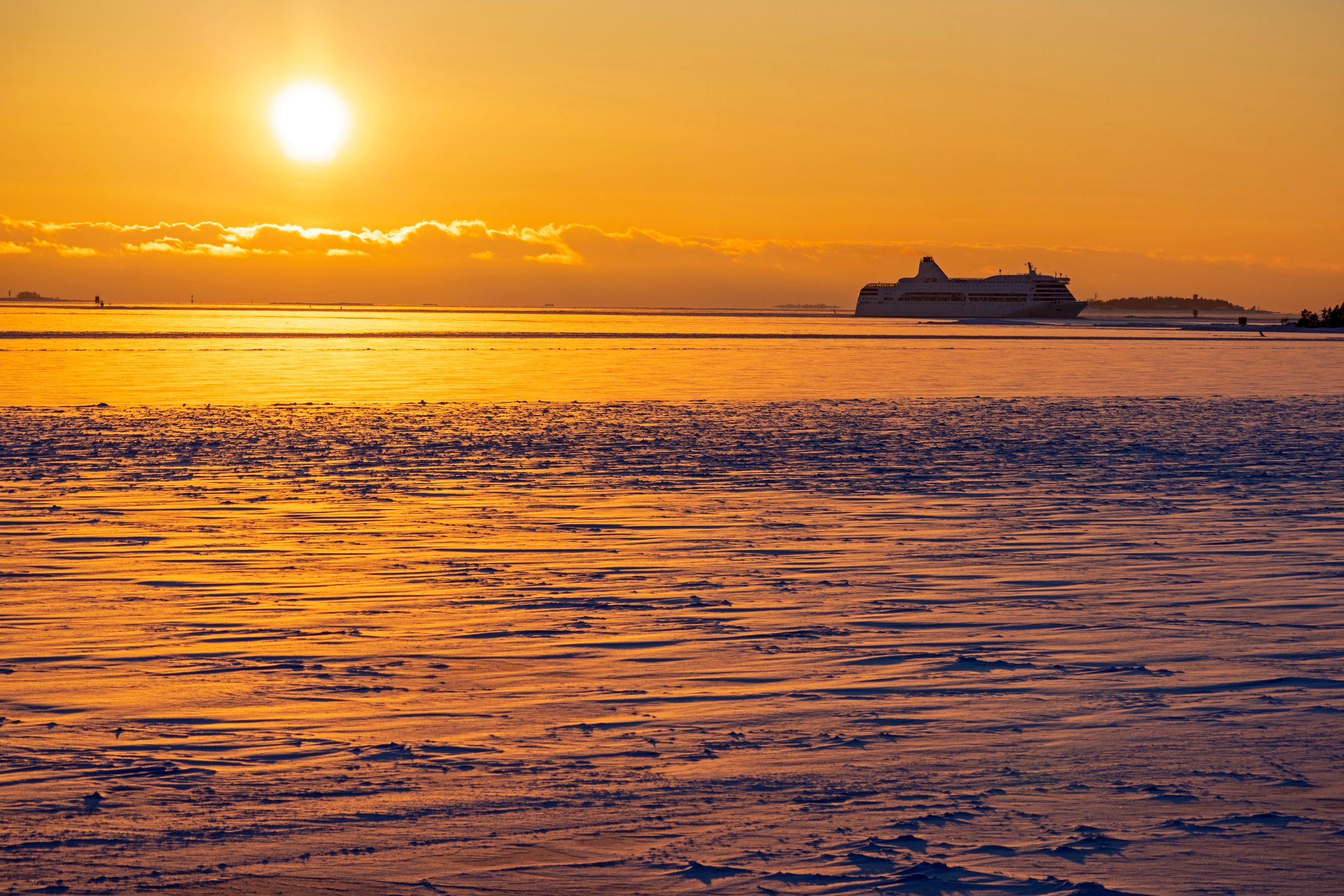
There's a certain optimism involved in wheeling a suitcase through a dark, windy car park to board a ship in Southampton in January. Summer cruisers get blue skies and deck parties. Winter departures get real weather, shorter days and a very high probability of needing a lot more knitwear than swimwear.
Handled properly, though, a UK winter sailing can be one of the most rewarding ways to travel. Prices are often more competitive, ships feel cosier and certain itineraries only really make sense when the days are short and the fairy lights are on. The trick is knowing what you're signing up for, and planning accordingly.
What “winter” actually feels like at sea from the UK

Most UK winter departures run between November and March. The first few days usually involve the English Channel and the North Sea, which have a distinctly no-nonsense personality at this time of year. Typical North Sea winter sea surface temperatures sit around 5 to 9 degrees, with frequent gales and storms as weather systems roll through.
That does not necessarily mean you will be clinging to the rail in a howling blizzard. Modern ships are designed for these conditions and plenty of winter cruises leave and return without any drama. It does however mean you should expect brisk air on deck, a decent breeze and the possibility of a few lumpy sea days, especially on routes that cross the Bay of Biscay or head up to Norway. Some UK cruise guides politely describe winter sailings from Southampton as “for the brave souls seeking adventure and rock-bottom prices” and warn of rougher seas and the need for serious layering skills.
If you know you are sensitive to motion, it is worth talking to a pharmacist or your doctor about remedies before you go, and considering a mid-ship, lower deck cabin when you book. Then you can view any white-capped waves from a stable sofa in the observation lounge, which is the correct place to experience drama. You can also find out guide to rough-sea cruising here.
Short days, different rhythm

The other major difference is daylight. In December and early January, UK departure ports get around eight hours of light at best; further north in Norway or the Baltic you will be working with even less.
On board, this shifts the rhythm of the day. Sail-ins that would be sunlit in summer can happen in darkness, with twinkling harbour lights and the ship gliding past silhouettes rather than scenery. Port calls still run to normal hours, but you have less daylight to play with, so planning matters more. It is the difference between “we will see how we feel” and “we will go here, then here, then sit down somewhere warm.”
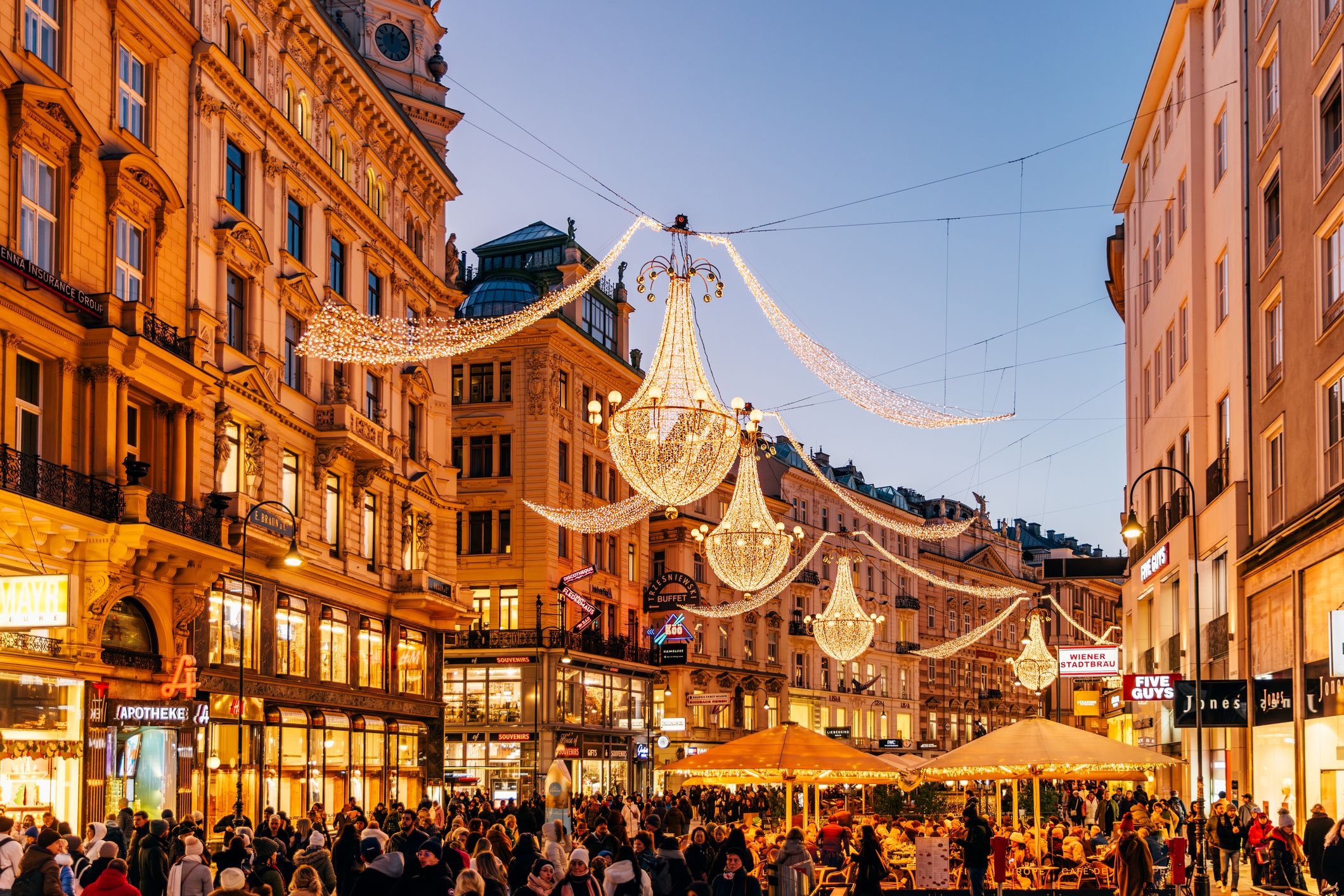
The good news is that some experiences actively benefit from the dark. Christmas markets look their best under strings of lights, not at midday. Winter sailings to Norway and Iceland exist precisely because long nights improve your chances of seeing the northern lights.
Lines that specialise in aurora hunts and winter Norway itineraries are quite clear that the best conditions run from late September to March, with long dark nights giving the highest odds of a display. Autumn and early spring often balance this with slightly milder temperatures and a better chance of clear skies, whereas January can bring more cloud along with the snow.
If you are booking specifically for northern lights, it is worth reading the small print on how a line handles “no show” cruises. Some, like Hurtigruten, offer a promise of a free future voyage if the lights do not appear on certain sailings within the Arctic Circle, which is reassuring when you are staring at a forecast of solid grey.
You can find our guides to Northern Lights spotting and the best Christmas market cruises here.
On board: more hygge than pool party
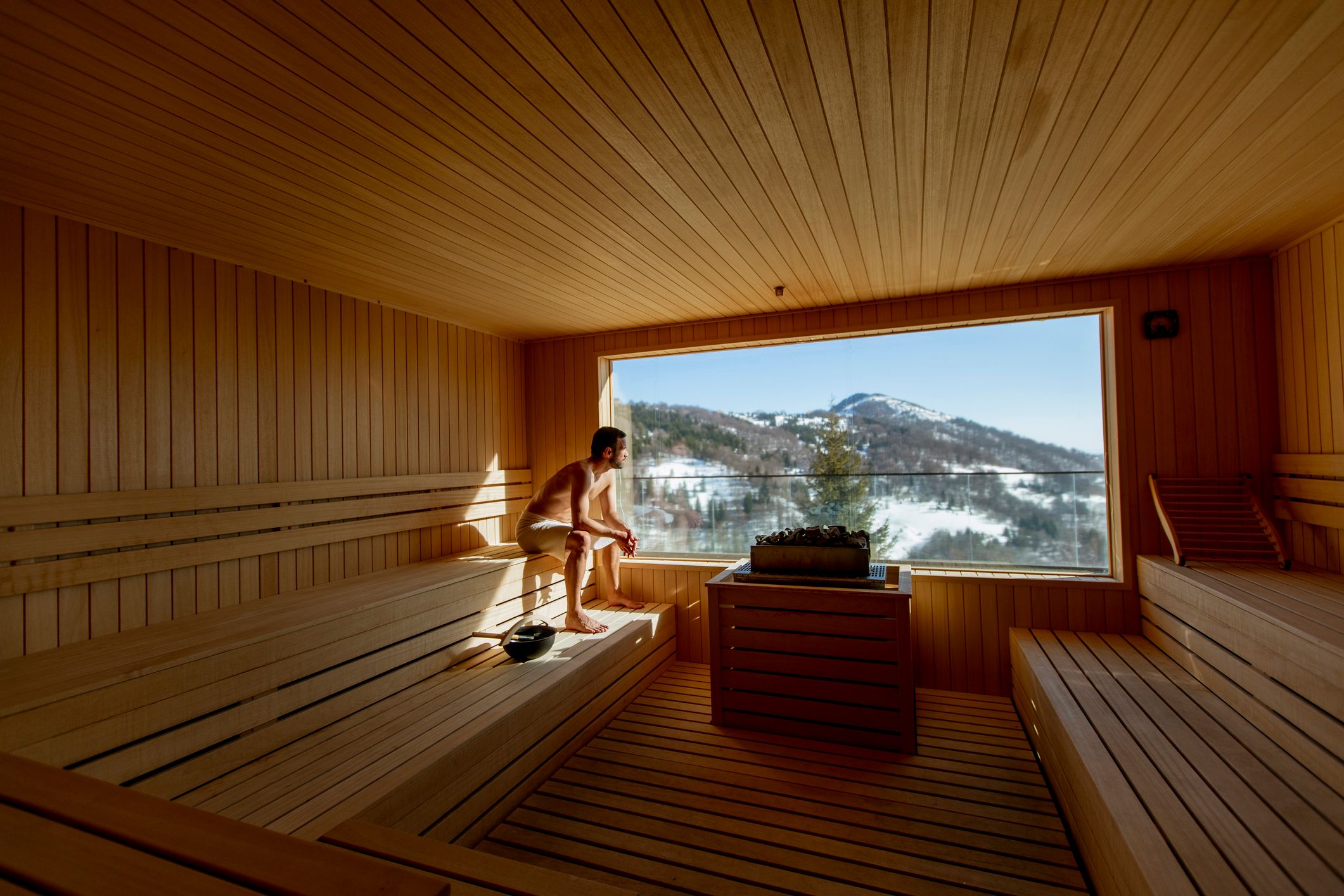
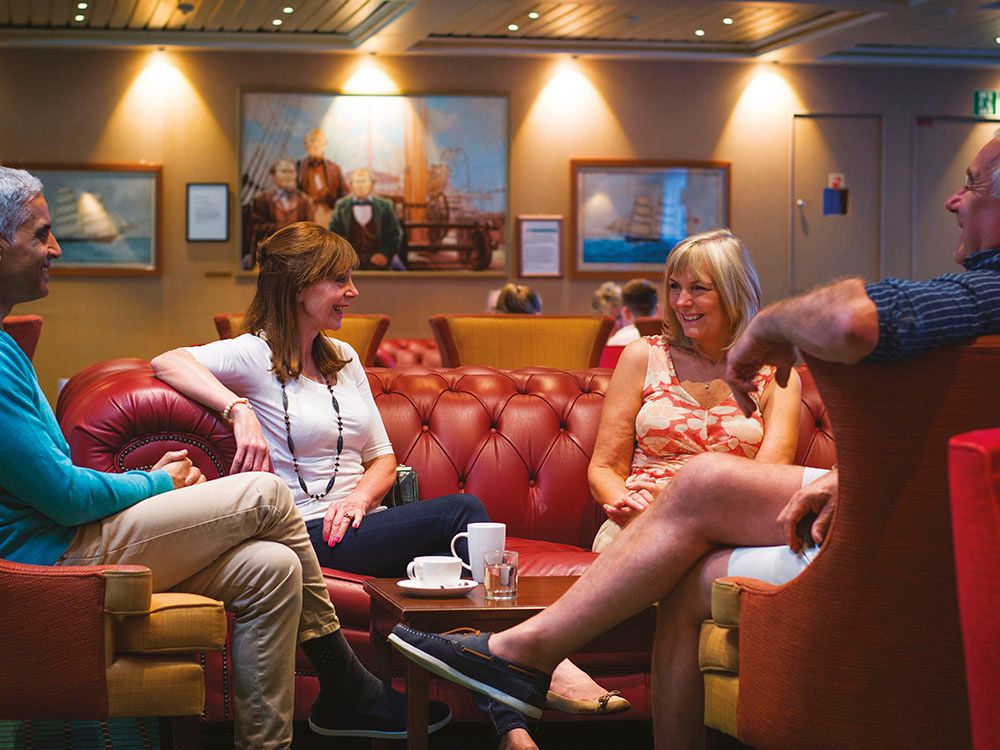
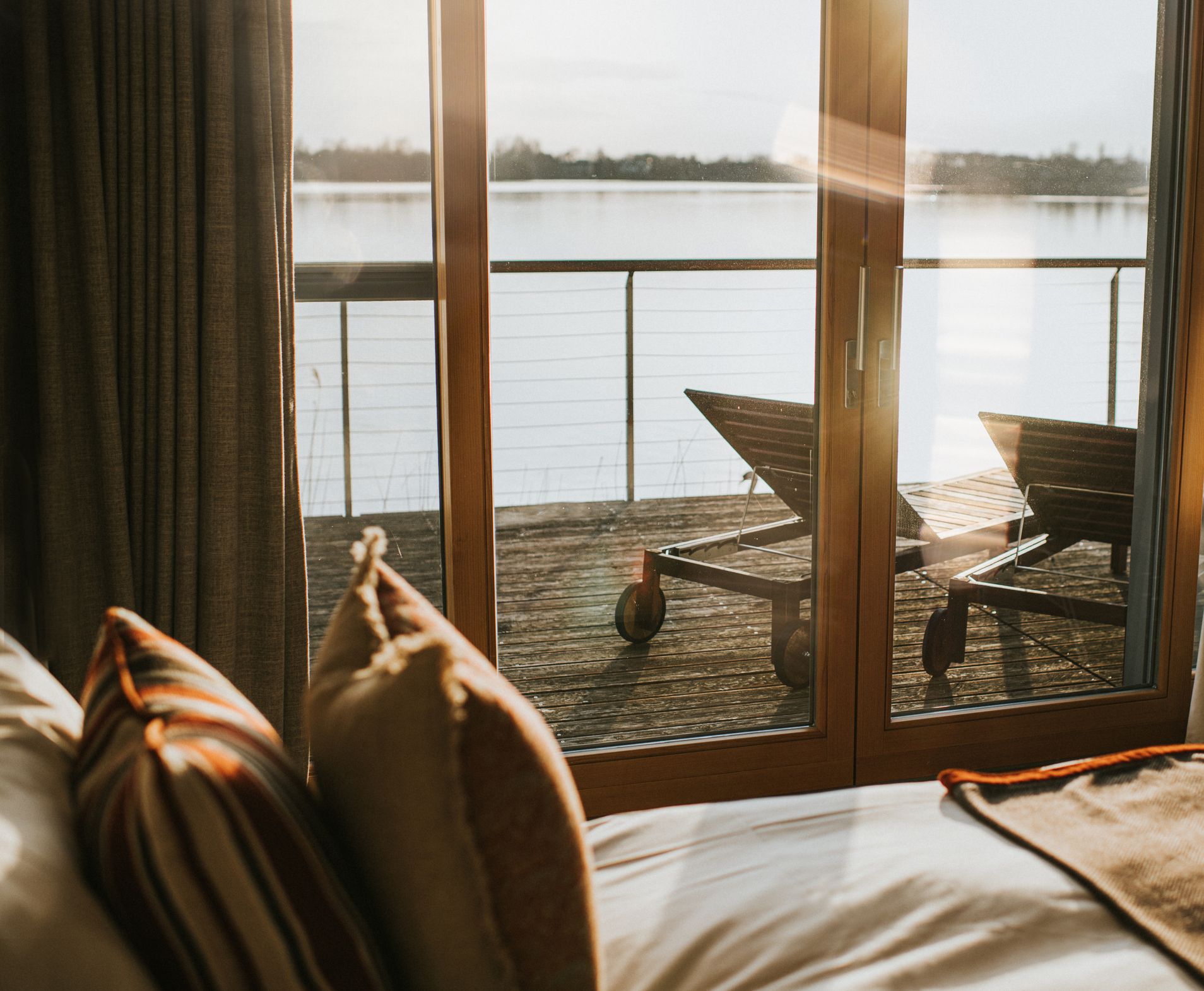
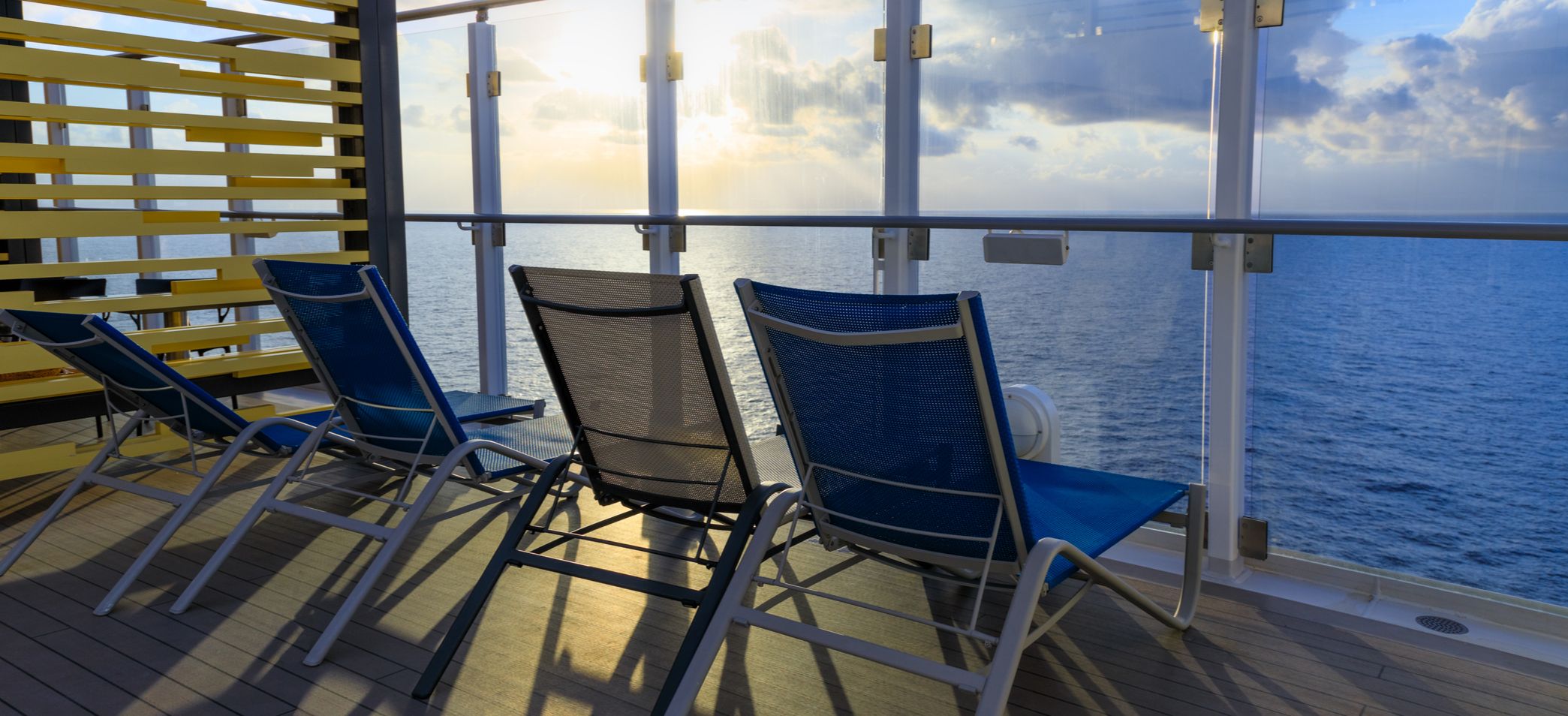
A winter cruise out of the UK feels different on board too. The top decks are still open, but the main social life shifts indoors. Pools and sun loungers become the territory of only the hardiest guests. Lounges, cafés and the spa become the default setting for everyone else.
And Cruise lines have become experts at embracing this, particularly around Christmas and New Year. Expect decorated atriums, special menus, carol services, festive shows, sometimes even artificial snow and Christmas markets set up on deck when conditions allow. Guides to Christmas and New Year sailings talk about black tie gala dinners, countdown parties and ship-wide celebrations, all designed to make you forget the weather report back home.
On regular winter departures, the atmosphere tends to be more “cosy city hotel” than “resort”. Trivia, talks, classes and live music see plenty of use. Libraries become an essential stopping point. The gym fills up with people announcing they are “walking off the desserts”, a statement that may or may not be backed up by evidence.
If you are used to summer cruises where you spend most of your time outside, it is worth mentally shifting your expectations. You are signing up for views through glass, long coffees in warm spaces and maybe the occasional bracing lap of the promenade deck, not a week of sunbathing.
Itineraries that suit a winter departure
Not every route is at its best in winter, but some sailings are tailor made for it.
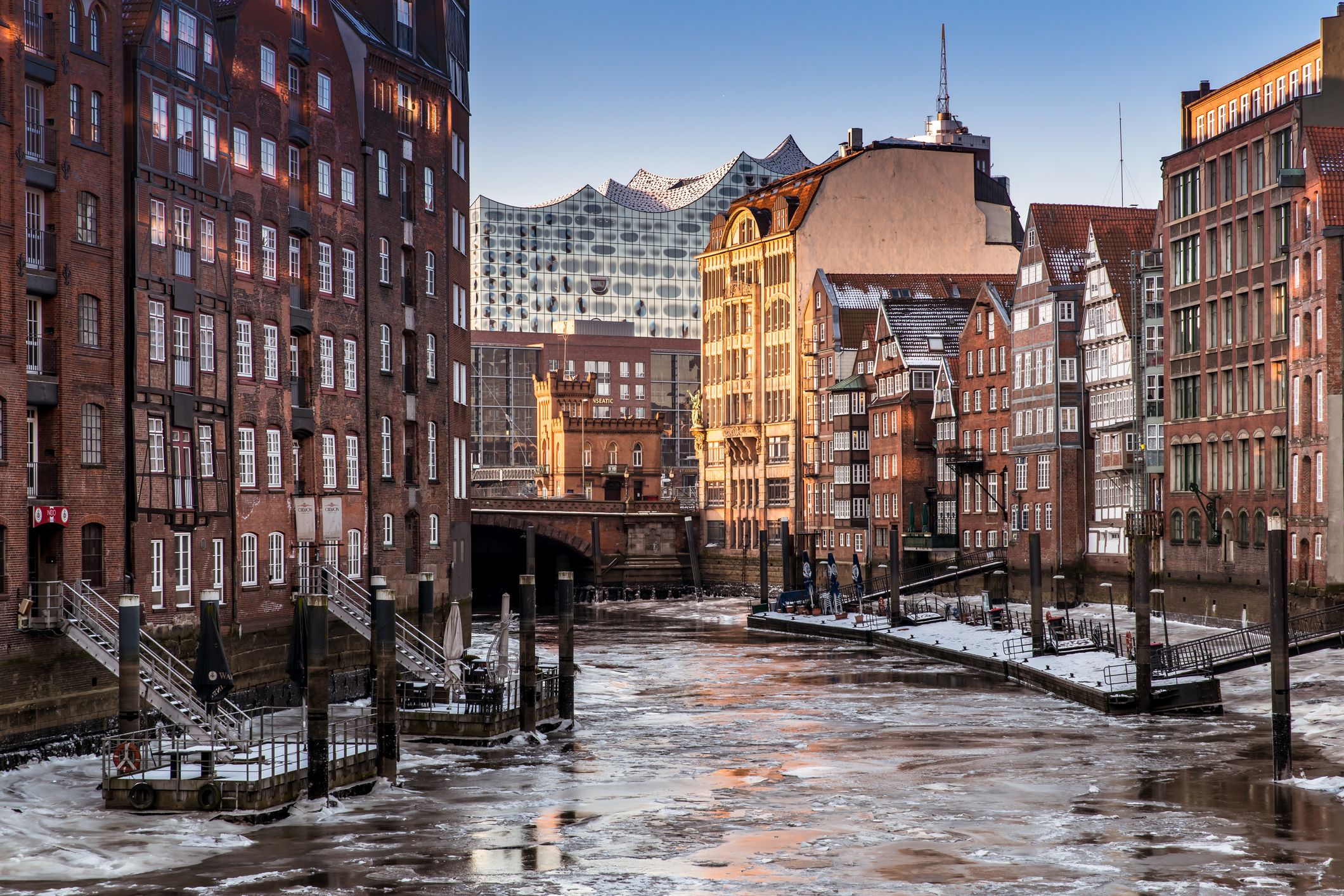
Christmas market cruises are the obvious example. These tend to run in late November and December, calling at cities in Germany, the Netherlands, Belgium and Scandinavia where the markets are walking distance from the ship. Saga and other lines highlight towns such as Hamburg, Copenhagen and various German ports where you can step ashore and be among stalls, lights and mulled wine within minutes. You would not want to browse wooden toys in thirty degree heat; chilly evenings are part of the appeal.
Northern Lights cruises to Norway and Iceland also make more sense from a UK winter departure than a summer one. The whole point is to sail when the nights are long enough, and far enough north, for the aurora to be visible if conditions co-operate. Lines from the UK market, including Fred. Olsen and P&O, now sell dedicated northern lights voyages that head above the Arctic Circle between September and March.
There are also milder options. Winter sun cruises from Southampton often run to the Canary Islands, Madeira and sometimes further afield, using a few cooler sea days at each end to bracket a spell of genuinely pleasant weather. The first couple of days may involve fleece and scarf; by the time you reach Tenerife you are more likely to be looking for sunscreen.
Packing for the cold without turning into a walking wardrobe


Packing for a winter departure from the UK is a balancing act. You need enough layers to cope with wind on deck and cold ports, but you do not want a suitcase full of bulky items that never leave the cabin.
Advice for Christmas market and winter river cruises usually starts with the same basic list. Warm, breathable layers. A waterproof outer shell. A hat and gloves. Footwear that can cope with wet cobbles and the occasional pile of slushy snow. The same logic applies at sea. You may not be hiking, but you will be walking around open decks and harbourfronts, and nobody has ever regretted dry feet.
For on board, think in terms of “inside winter” rather than “outside winter”. Ships are heated, so you will not be eating dinner in a parka, but air conditioning and large spaces can feel cool if you are sitting still. A couple of smartish knitwear options, long sleeves and a pair of indoor shoes that are not boots will go further than a mountain of formalwear.
If you are heading into serious cold, for example Arctic Norway in January, it is worth checking whether your line offers complimentary or rental cold weather gear for excursions. Expedition style operators like HX often provide insulated jackets and boots; mainstream lines expect you to bring your own.
Practical planning: timing, travel and expectations
Winter adds a few extra moving parts to the basic “arrive at port, board ship” plan. UK weather can be excitable, as anyone who has watched a named storm roll across the forecast will know. That means allowing more slack in your travel arrangements.
If you live more than a short drive from the port, seriously consider travelling down the day before and staying overnight. Train disruptions, road closures and ice are much easier to cope with when your ship is not leaving in three hours. Travel insurers and cruise lines alike will stress that it is your responsibility to be there; giving yourself a buffer in winter is simply sensible.
Once on board, it also helps to treat the itinerary as a plan rather than a guarantee set in stone. High winds and storms can affect port calls or timings; captains will sometimes swap ports or adjust routes to avoid unsafe conditions. This is not the line being awkward, it is the line operating in the North Atlantic in February.
If you go in expecting a few compromises alongside the perks, you are less likely to be disappointed. You also get to experience that oddly satisfying moment when the ship glides back into a grey UK port at the end of the voyage and you realise that, for at least a week, winter at home has been something you watched from a safe distance.
Why a winter departure might be worth it

Winter cruising from the UK is not for everyone. If your idea of a holiday requires dependable heat and outdoor pools, you may be happier flying to the Caribbean. If you like the sound of cosy public rooms, festive markets, long nights at sea and the small possibility of looking up from your hot chocolate to see the sky flicker green, it starts to look more interesting.
You will need to plan a little more, pack a little smarter and be slightly more philosophical about the forecast. In return you get quieter ships, different itineraries and the feeling that you have seen a side of Europe that is not all beaches and sun umbrellas.
Which, for some of us, is exactly why it is worth wheeling that suitcase through the car park in the first place.