Why the water makes it better
Markets shine in the blue hour. A ship drops you within strolling range, skips the repacking and serves soup when fingers forget warm. You collect squares and spires like baubles, and you do it with dry socks.

Consider this your warm-up lap for a cold season: the case for seeing Europe’s great Christmas markets by river or sea.
A Christmas market is a reasonably simple concept; fairy lights, timber stalls, spice on the air, something hot in a paper cup, and a choir warming up somewhere behind the Rathaus. Now add a river or ocean, the light-touch logistics of a ship that follows the twinkle from city to city, and before you know it you'll be waking up in a new old town each morning without ever needing to repack. That is the magic trick of a Christmas market cruise.


The rivers were built for this season. On the Danube, Vienna’s main market unfurls in front of the City Hall with an ice path that lingers into January, so you can glide on actual skates past gingerbread stalls with either the dignity of a ballerina or the backside bruises of Bambi on ice. The dates move a little each year, but Vienna’s big show typically runs from mid November until just after Christmas, with skating continuing to the first week of January.
In Budapest, the Advent Basilica market has become an unlikely overachiever, four times crowned Europe’s best in recent competitions, and it sits an implausibly short stroll from the river where your ship ties up.
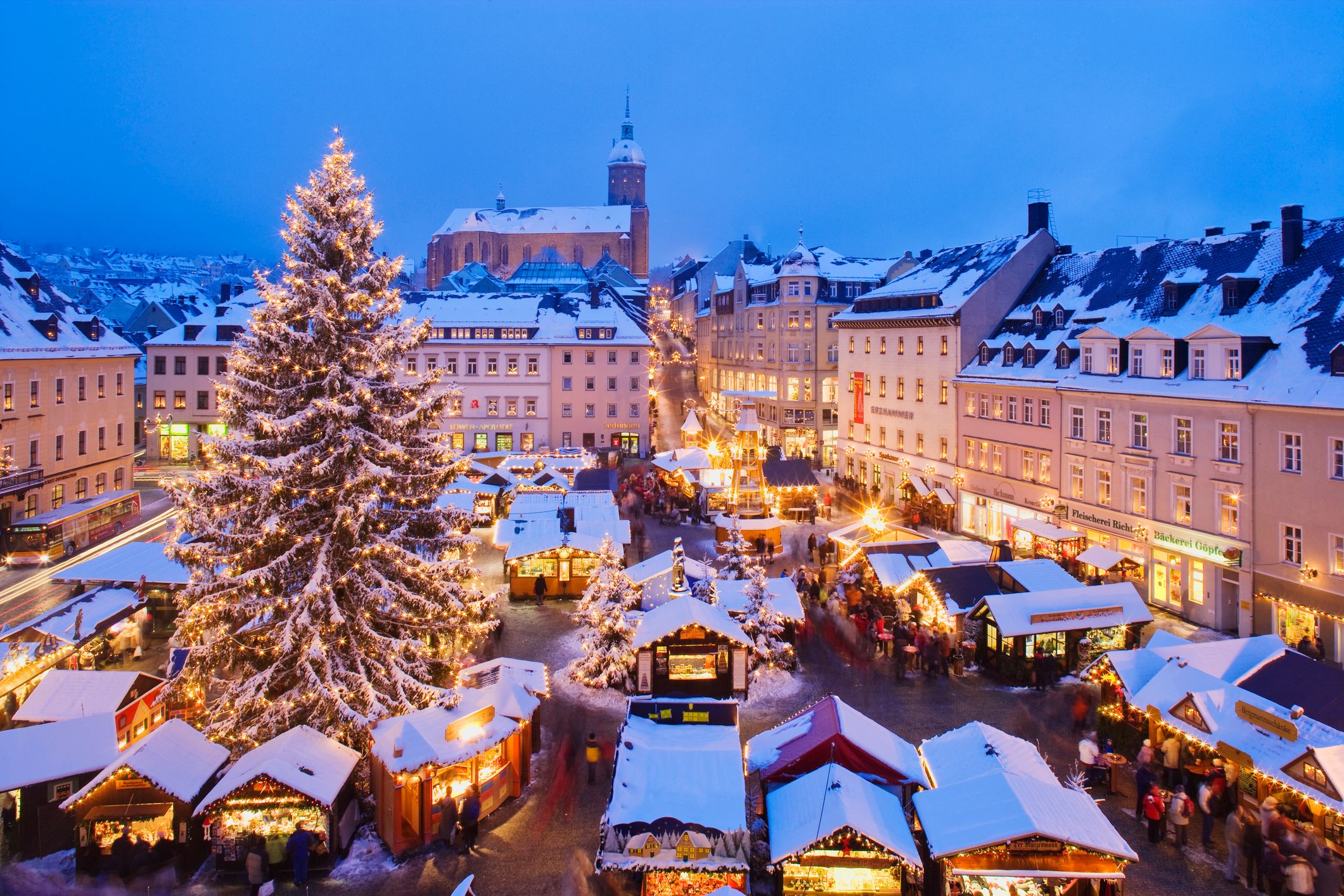

Sail the Rhine and everything feels purpose built for Christmas. Cologne’s Cathedral market sets its tree against the dark lace-like facade of the Dom (Cologne Cathedral) and throws a glow that you can easily spot from the river. Multiple markets dot the city, usually from around mid November, which turns a simple evening stroll into a progressive supper of waffles, and speculation about whether you have room for another mug of glühwein.
Across the border, Strasbourg styles itself the Capital of Christmas with a market lineage dating back to 1570, a claim the city supports with entire streets that seem to have been draped in ornament by a particularly enthusiastic angel.
Dresden’s Striezelmarkt is widely considered the oldest in Germany, first mentioned in 1434. Its pyramids spin, its stollen is the sort of confection that could makes you briefly believe in Father Christmas, and its dates run right through Advent. Nuremberg adds theatre with the Christkind, who opens the market on the Friday before the first Sunday of Advent, a tradition with postwar roots that still raises goosebumps and phone cameras alike.


Ocean itineraries have their own charm, too. Northern city calls turn into lantern lit walks, waterfront ferris wheels, and detours into department store windows that could hold their own against any cathedral. The sea adds a bigger sky and the kind of sail away that makes fairy lights reflected on black water look genuinely magical.
What changes when you go by ship is not just convenience. It is tempo. Markets are best in the blue hour, when the short day's strings of light begin to fade. A cruise day hands you the afternoon for museums or a long lunch, then delivers you to the glow of the market at exactly the right time. You can travel lightly too, leaving plenty of room for souvenirs. Hand luggage becomes a scarf and a tote for things shaped like stars.
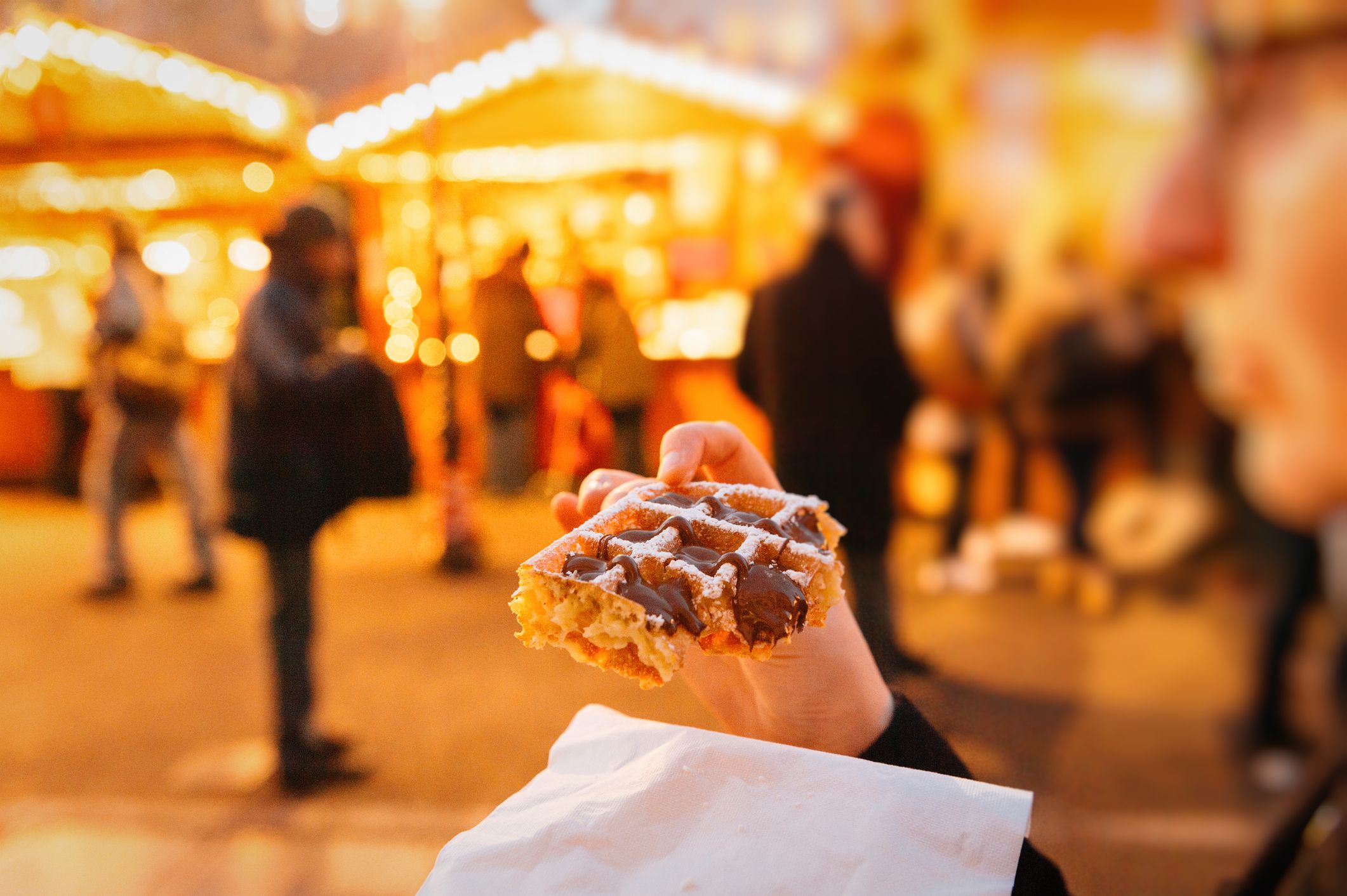
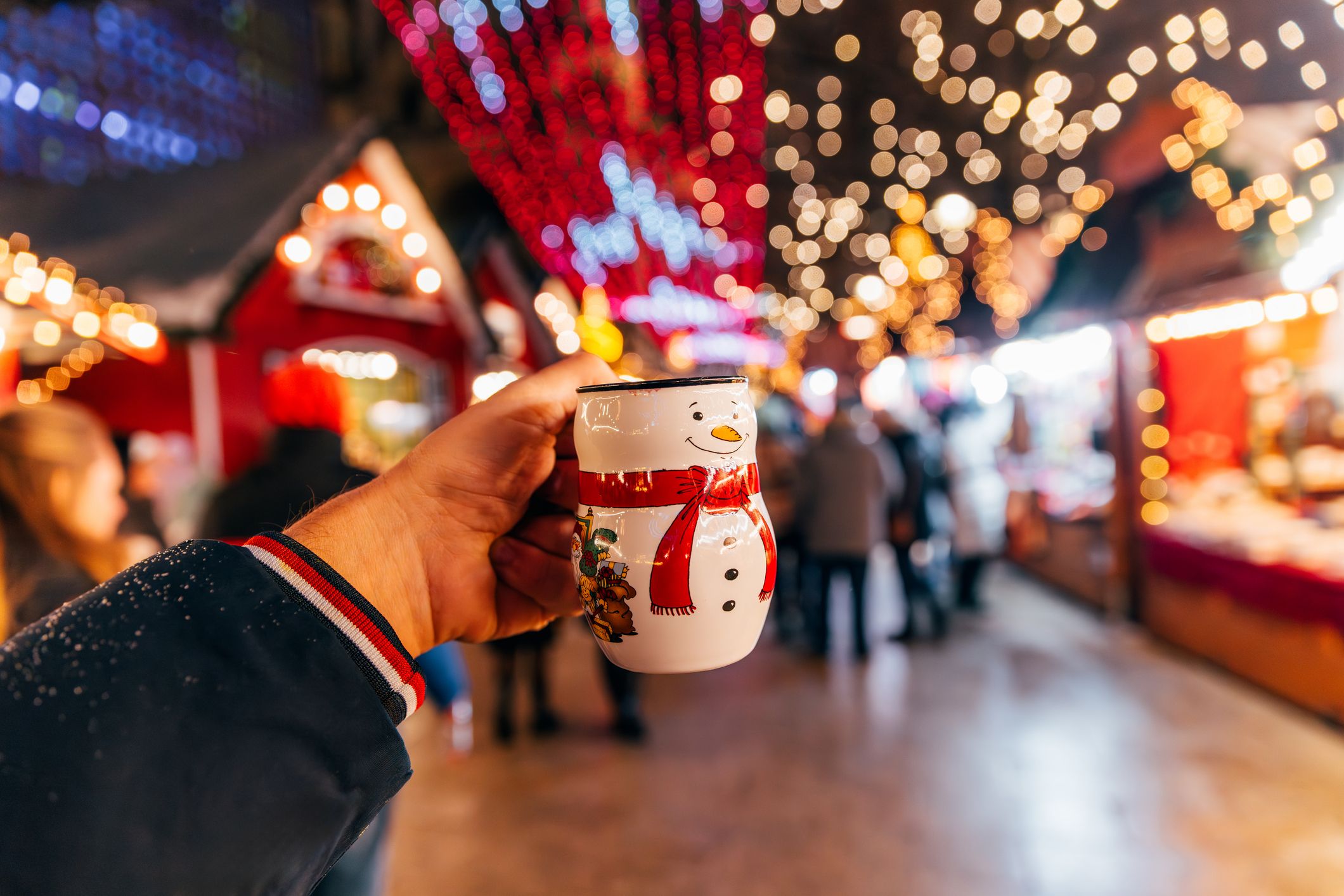
There is a pleasing rhythm to the food as well. Vienna’s potato pancakes, Cologne’s waffles, Strasbourg’s bredele, Budapest’s chimney cake. Each town teaches you a different way to hold a cup. Each evening teaches you that mulled wine is the same level of comforting even when it's defined by different spices at each stop. Back on board you get soup that tastes like a day well spent with a view across a town that looks to have been plucked from a postcard.
Of course, the practical voice will inevitably pipe up. Are markets crowded? Yes. Do they repay an early start or a late linger? Also yes. River ships dock within walking distance in many cities, which means you can arrive before the day trippers and stay after the coaches have gone home. Heritage highlights do deserve their reputations. Dresden is old in all the ways that matters at Christmas. Strasbourg is old in the way that it essentially originated the whole idea. Vienna is grand and then grander. Cologne is cathedral first, second and third. And Budapest is an argument for staying out ling after dinner.
If you are the planning sort, this is why we are talking about it now. September is when the best cabins and the choicest dates get picked up, and when hotel nights around opening weekends still have sensible prices. The markets themselves tend to begin in the second half of November and run through to Christmas Eve, with a few outliers stretching into the first days of January. Vienna’s skating runs longer, which is handy if your inner child is still keen after New Year.
You’ve got the picture in your head: steam rising from a cup, twinkle on a river, a ship waiting at the quay. Now for the useful bit. Here is how to choose the right Christmas market cruise, what it usually costs, and a few nuts-and-bolts tips that save time and nippy toes...
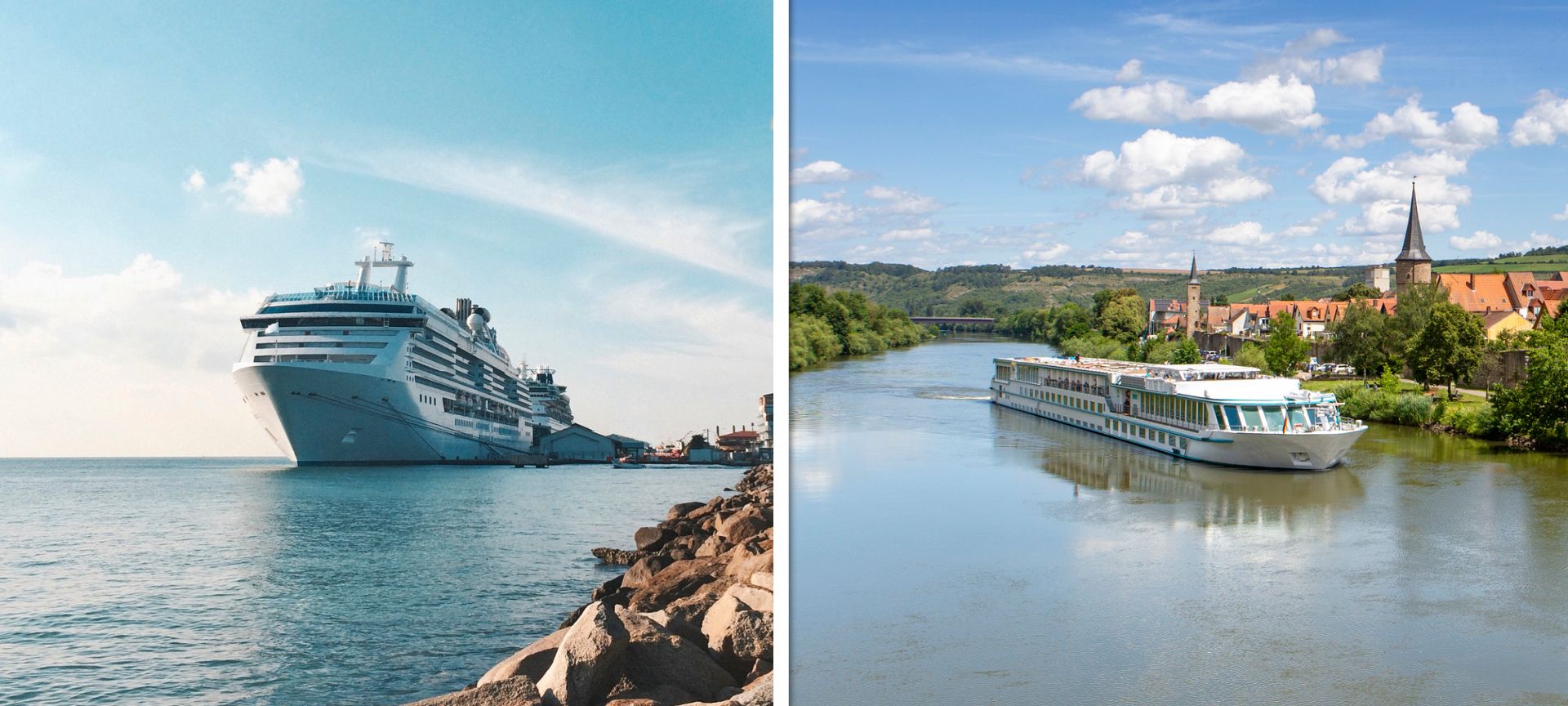
River is the classic choice if you want markets on your doorstep, maximum old-town time and minimum logistics. On the big “market rivers” you often moor within a stroll of the squares, and your evening blue-hour wander is built in. Expect eight days on the Rhine or Danube with daily walking tours and central docking in places like Vienna, Budapest, Cologne and Strasbourg.
Viking’s “Christmas on the Rhine” is a good yardstick: 8 days Amsterdam-Basel, typically marketed from £3,295 per person for 2025 dates. Uniworld’s “Danube Holiday Markets” sits in a higher bracket, often from $4,499 per person for 8 days Budapest-Passau. Value-led rivals run sales, so watch Avalon’s “Christmastime on the Danube,” which has shown UK flight-inclusive promos from around £1,999 for select December departures.
Ocean is the flexible, family-friendly way to “graze” a few cities and their markets with big-ship entertainment as the wrapper. You sail from Southampton and hop to Bruges via Zeebrugge, Rotterdam for Dutch lights and Hamburg for a proper German blowout. Short breaks and week-long loops are common, sometimes with overnights.
Real-world examples: Cunard’s pre-Christmas itineraries that include Zeebrugge, Rotterdam and Hamburg, with December sailings advertised from roughly the mid-£400s for 5 nights and from the high-£700s for 7 nights, depending on ship and grade. Fred. Olsen sells five-night Hamburg market hops in late November and early December, often in the £500-£800 zone when deals drop. P&O also packages Christmas-market mini-cruises and publishes deal pages that show December fares from the high £300s for 4-night short breaks in some years.
Who suits what. If you want storybook squares on foot, slower mornings and guided culture in compact doses, pick the river. If you want cinemas, kids’ clubs, spa time and a bigger choice of restaurants, and you do not mind a short transfer ashore, pick the ocean.
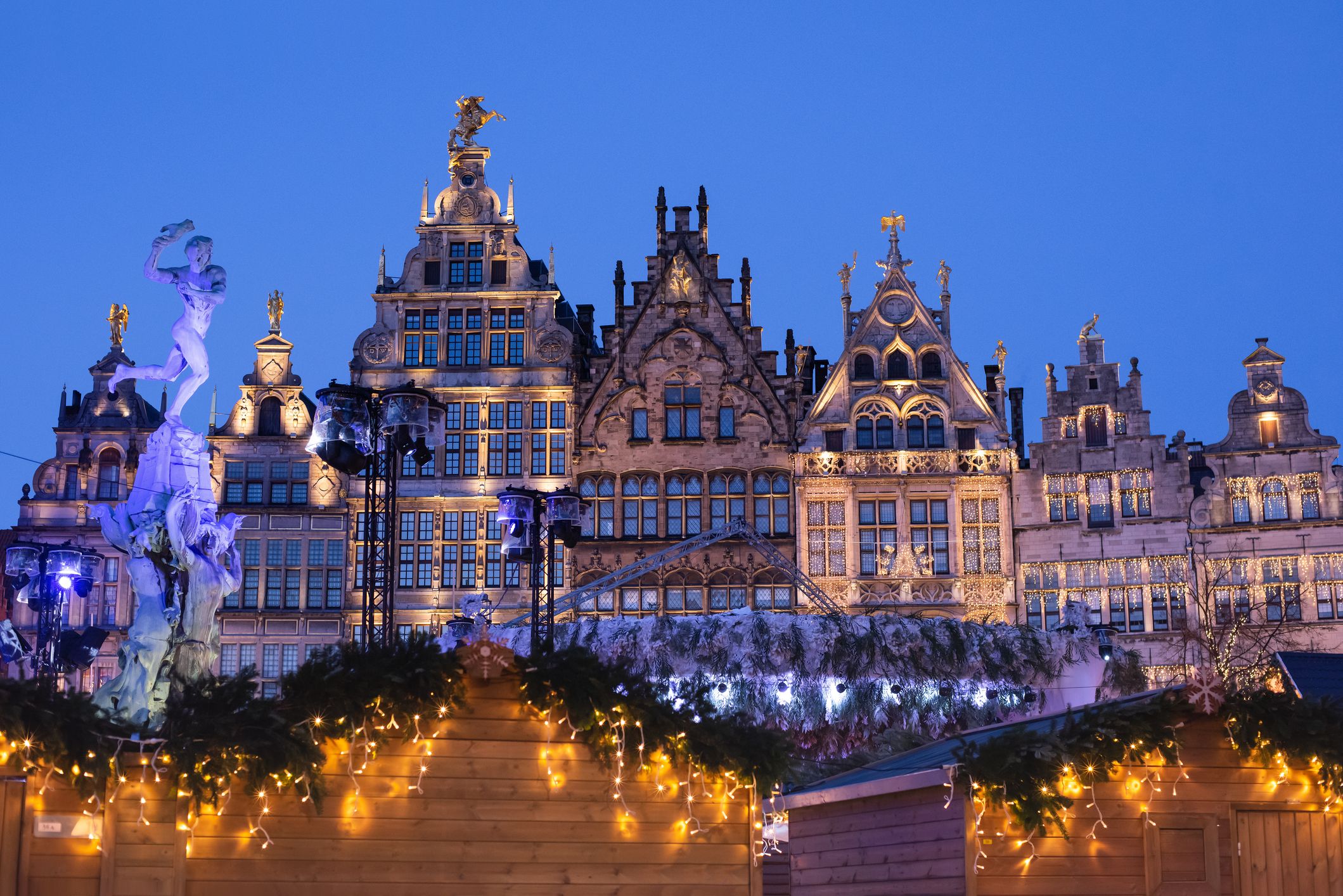
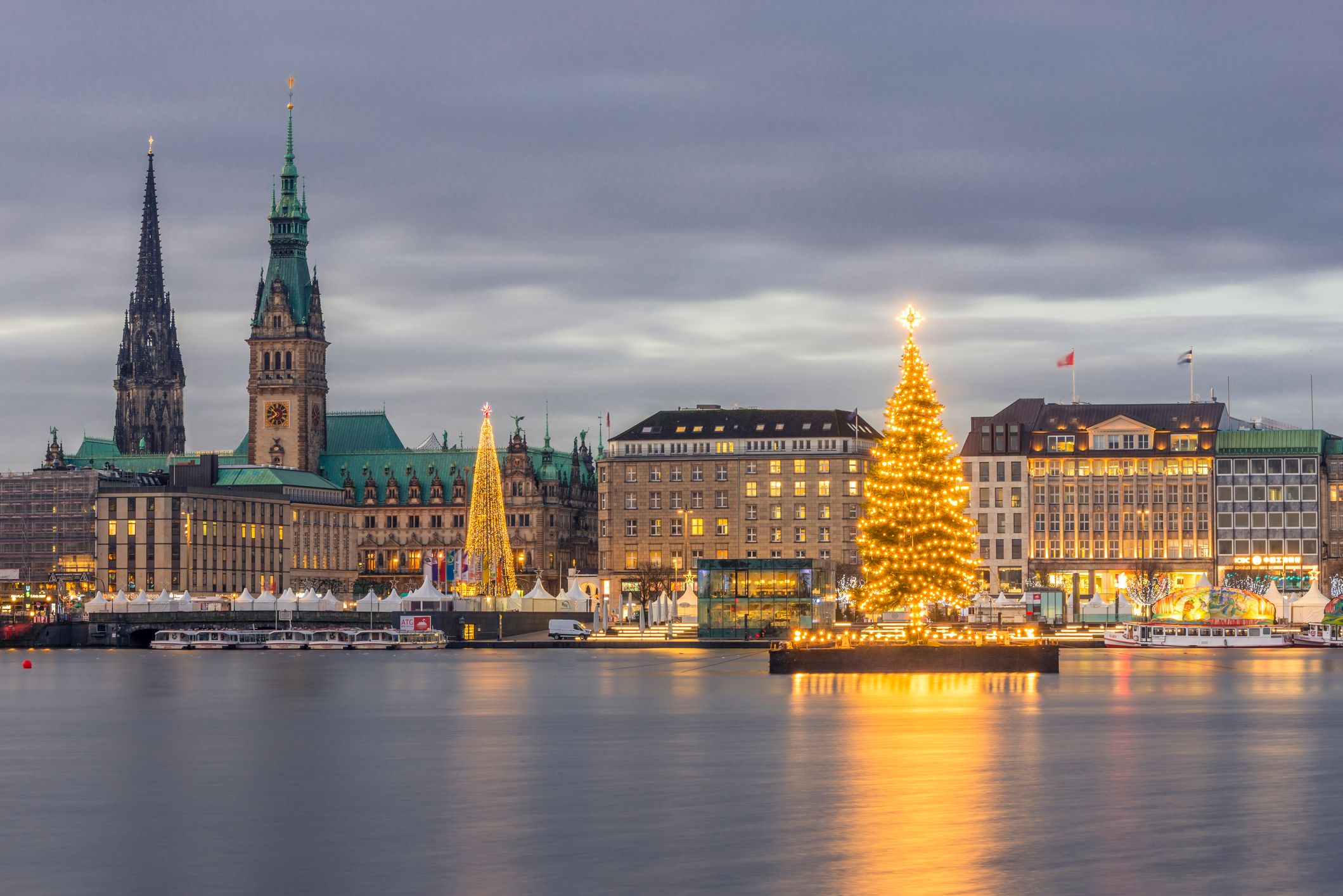
Zeebrugge is your gateway to Bruges, about 15 to 20 minutes by shuttle or a very quick regional train. Cruises and local operators run frequent shuttles between 8.30 and noon with afternoon returns, a handy way to “market and back” without drama. Hamburg is the star for German markets by sea. Depending on terminal, you are 15 to 30 minutes from Rathausmarkt by public transport or taxi, and some smaller waterfront markets appear in HafenCity itself. The port confirms that highlights are within easy reach, and the city’s tourism board points out a waterside market in Überseeboulevard for extra sparkle.
Typical lengths. Rivers are usually 7 to 8 days, occasionally 5. Oceans range from 3 to 5 nights for a quick fix, up to a week if you want Rotterdam plus Hamburg plus Bruges, sometimes with an overnight in port.
What you pay. As a broad guide for the 2025 season:
Prices move with ship, cabin and school holidays, so think “from” not “fixed.”
What’s actually in the fare. Rivers tend to bundle more: daily walking tours, some tastings, wine or beer with lunch and dinner. Oceans keep fares leaner but give you scale on board and a choice of shore excursions at cost. On both, watch for festive extras like market shuttles and late stays.
Most major markets launch from the second half of November and wind down by 23 or 24 December. Some cities keep light trails and skating running into early January. Strasbourg publishes its dates each year and is a bellwether for the wider season. Cologne’s cluster begins around mid November. Vienna’s showpiece rolls into Christmas week with skating beyond. Plan for weekends to be busy, and use river-ship proximity to sneak in early or linger late.
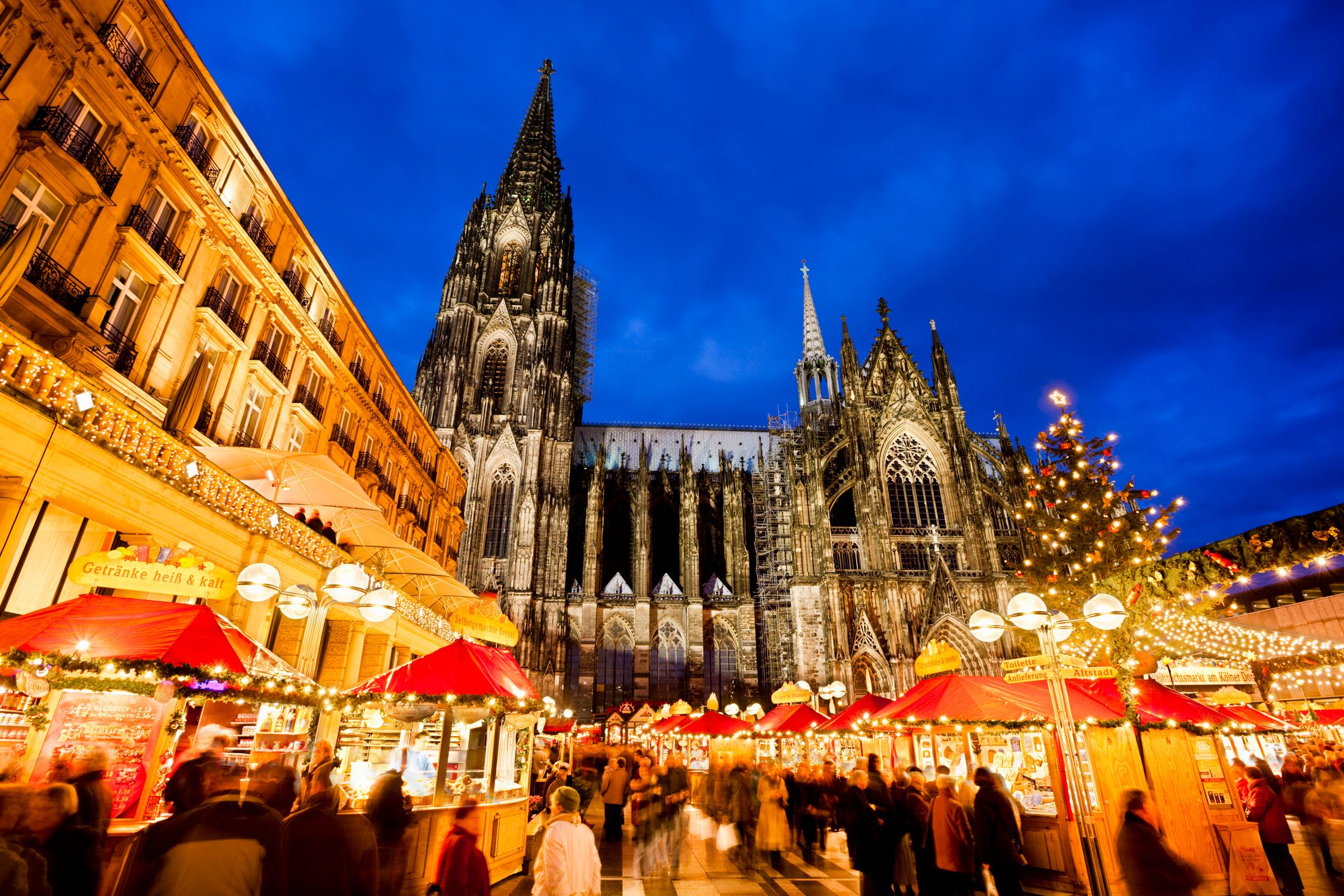
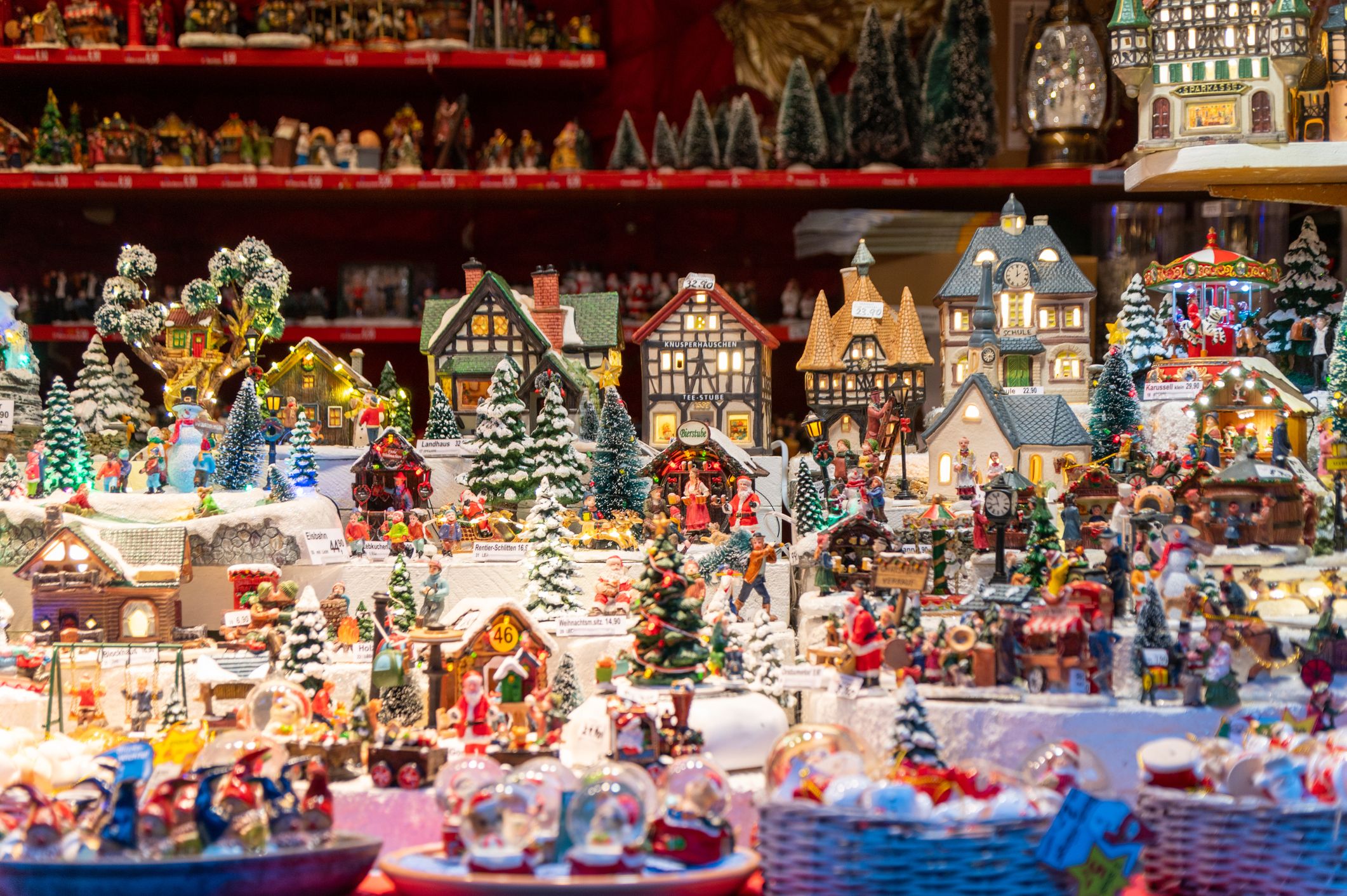
Bring a tote, keep the mug. When you are handed glühwein you will often pay a refundable mug deposit, the pfand, usually a few euros. Return the mug to get the deposit back, or keep it as a souvenir and consider it among the best value gifts you'll find at a market.
Cash still helps. Cards are common, but small stalls and deposit returns can be cash-leaning. Cashpoints can form queue at peak times, so plan ahead.
Know where you're docking. River boats are central more often than not. Ocean ships sometimes dock a ride away. Zeebrugge to Bruges is quick and frequent by shuttle or rail. Hamburg’s Rathausmarkt is an easy hop from all terminals by S-Bahn, U-Bahn or taxi, and HafenCity adds a bonus market near the water.
Pick your vibe. Cologne’s cathedral market for spectacle, Strasbourg for atmosphere, Dresden for heritage, Nuremberg for ceremony. The river brands stitch these into tidy chains so you do not have to.
Book early, pack warm, and keep a hand free for the mulled wine mug. That small ceramic clink is the sound of a good plan coming together.