Panama Canal itineraries have an understandable tendency to make everything before the locks feel like supporting material. Mexico gets a few familiar names, Panama gets the engineering marvel, and somewhere in between the itinerary contains Puerto Quetzal, Acajutla and Puntarenas, three ports you may have to locate before forming an opinion about them.
That would be a mistake. Azamara’s 17-night San Diego-to-Miami sailing in May 2027 calls at all three in succession before entering the canal: Puerto Quetzal on 31 May, Acajutla on 1 June and Puntarenas on 3 June, followed by the transit two days later. Together they offer a remarkably compact introduction to Pacific Central America, from Guatemala’s colonial highlands to El Salvador’s coffee country and Costa Rica’s wildlife-rich forests.
The useful thing to know is that they’re gateway ports in very different ways. At one, you should almost certainly leave. At another, choosing the right excursion makes the day. At the third, staying close to the ship is perfectly defensible, although scarlet macaws may provide a persuasive counterargument.
Puerto Quetzal cruise port: go to Antigua
Puerto Quetzal is Guatemala’s principal Pacific port, and the cruise terminal shares the harbour with a serious amount of cargo. Celebrity describes it, accurately if not especially seductively, as somewhere that works better as a gateway than as a tourist destination in its own right. Ships can berth at the cruise pier or cargo pier, with passengers at the latter shuttled to the terminal.
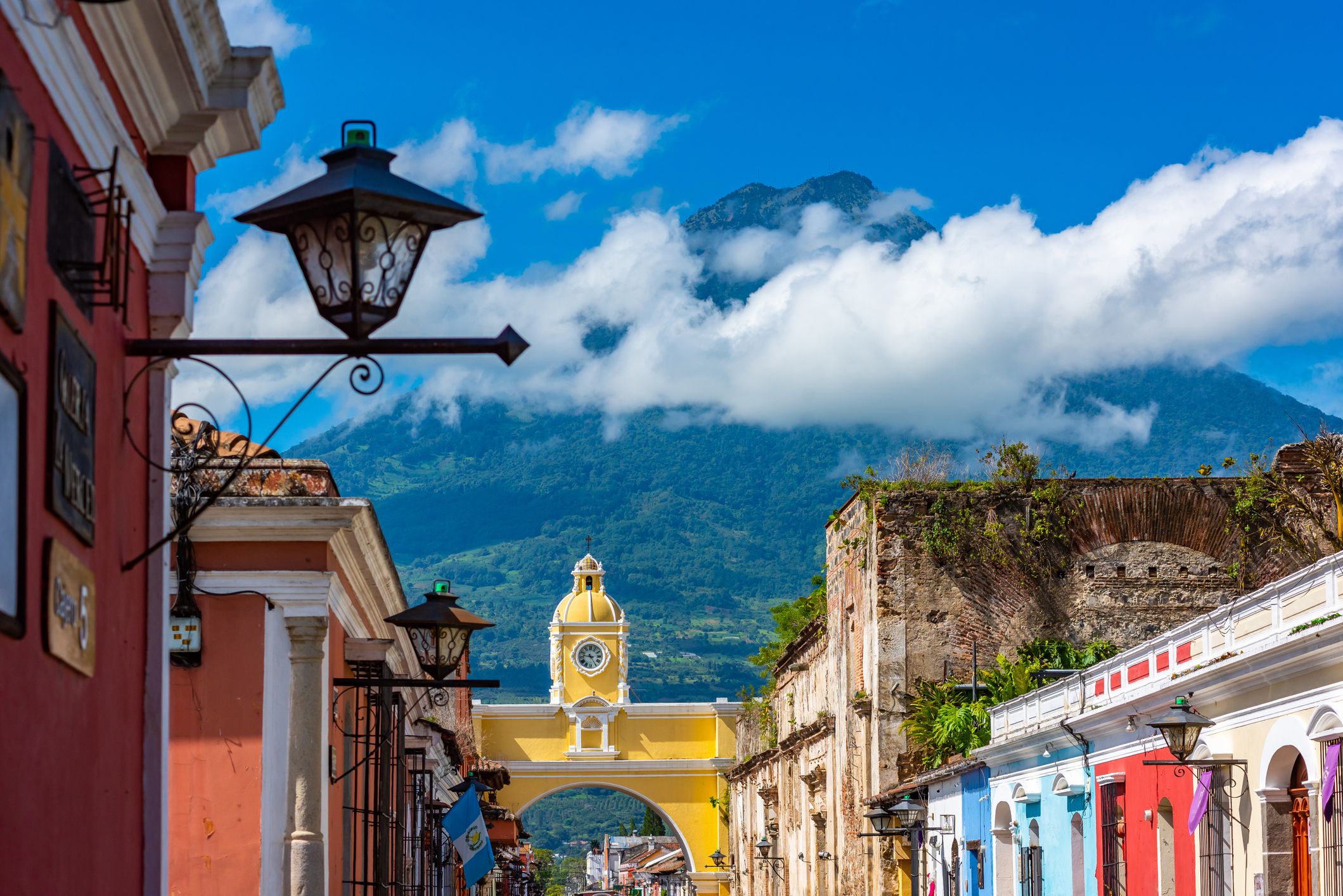
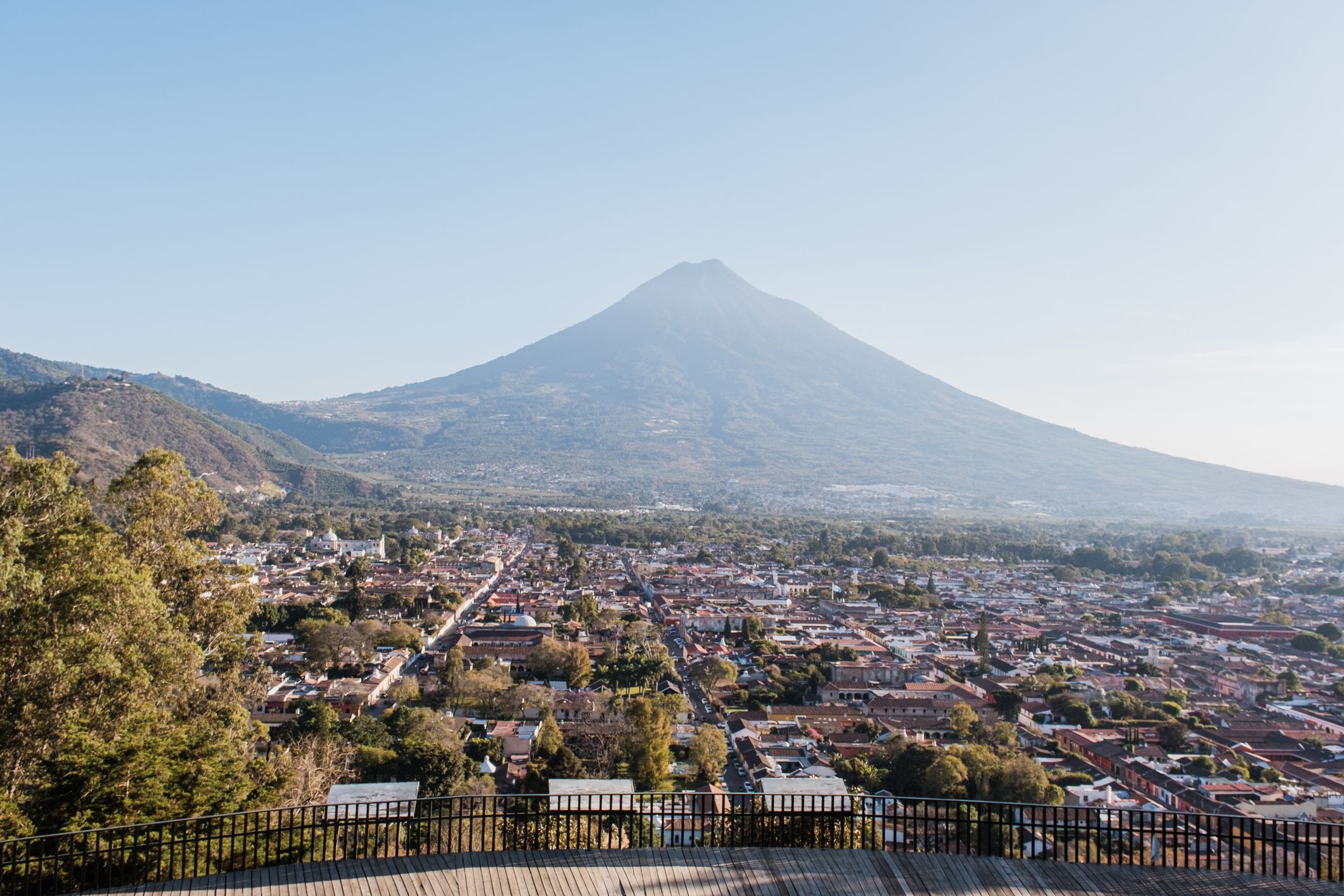
The obvious destination is Antigua Guatemala, about 90 minutes inland. This isn’t simply what cruise lines happen to sell most aggressively: Guatemala’s tourism authority says Antigua is the most visited destination among passengers arriving through Puerto Quetzal, and its pre-pandemic survey found 65 per cent of tour-taking passengers from the port went there.
The reason becomes fairly apparent on arrival. Antigua was Guatemala’s colonial capital for more than two centuries, until earthquakes devastated much of it in 1773, and UNESCO added the surviving city to the World Heritage List in 1979. Churches and convents remain partly ruined, volcanoes rise beyond the tiled roofs and the grid of cobbled streets is compact enough to explore properly in a few hours.
The transfer is the price you pay. Norwegian’s current Antigua excursion allows around 90 minutes each way, which makes this a day when an organised excursion or carefully pre-booked driver earns its keep. Lake Atitlán, coffee estates and Pacaya are also promoted from Puerto Quetzal, but Antigua gives you the strongest return on three hours spent in a vehicle. Guatemala is a large and inconveniently beautiful country. A cruise call is not the moment to attempt all of it.
Acajutla cruise port: head for the Ruta de las Flores
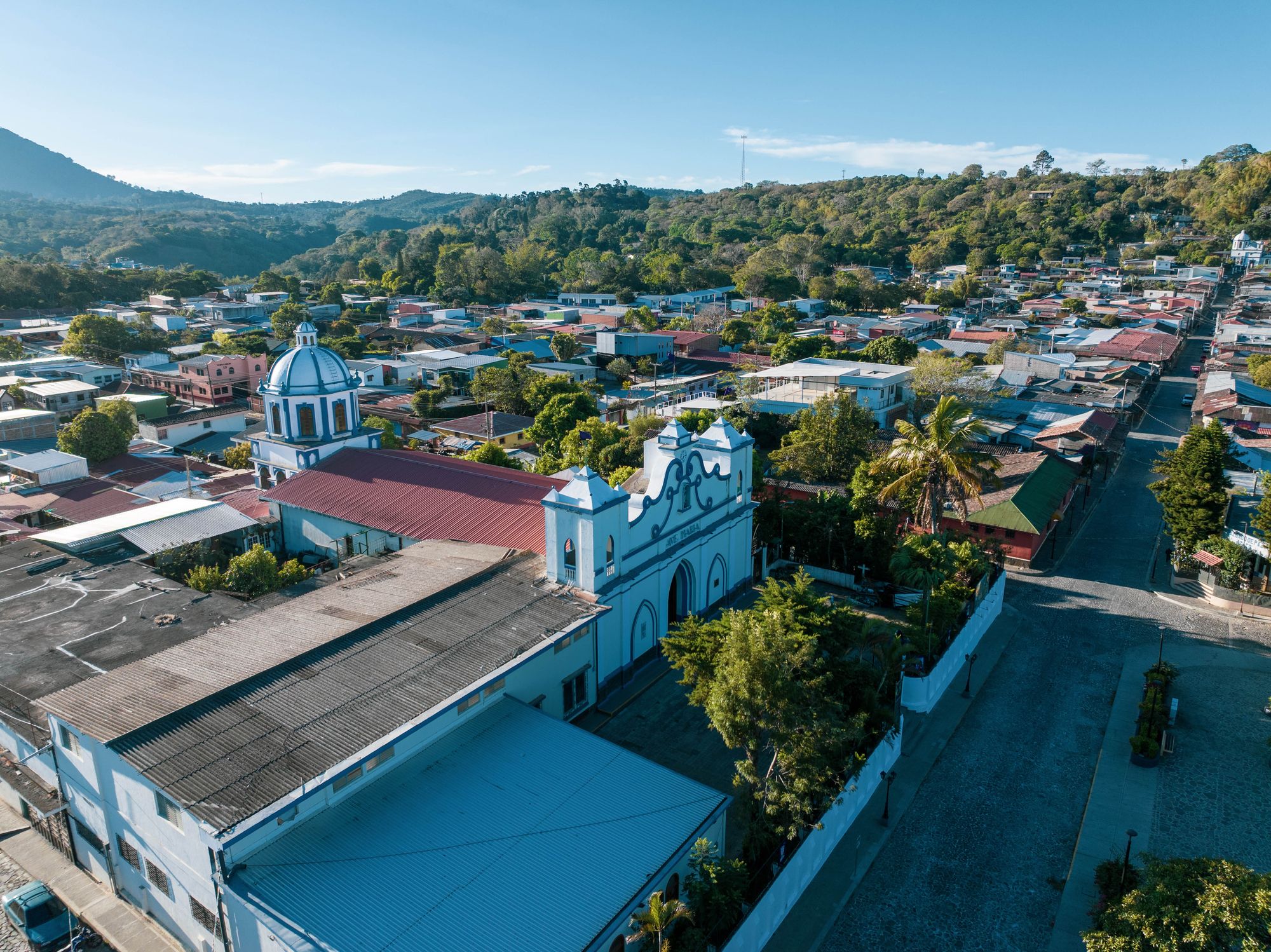
Acajutla is even less interested in pretending to be a resort. It’s El Salvador’s main industrial seaport, and the official tourism site describes a working coastal city with beaches on either side of the harbour rather than a conventional cruise-port centre.
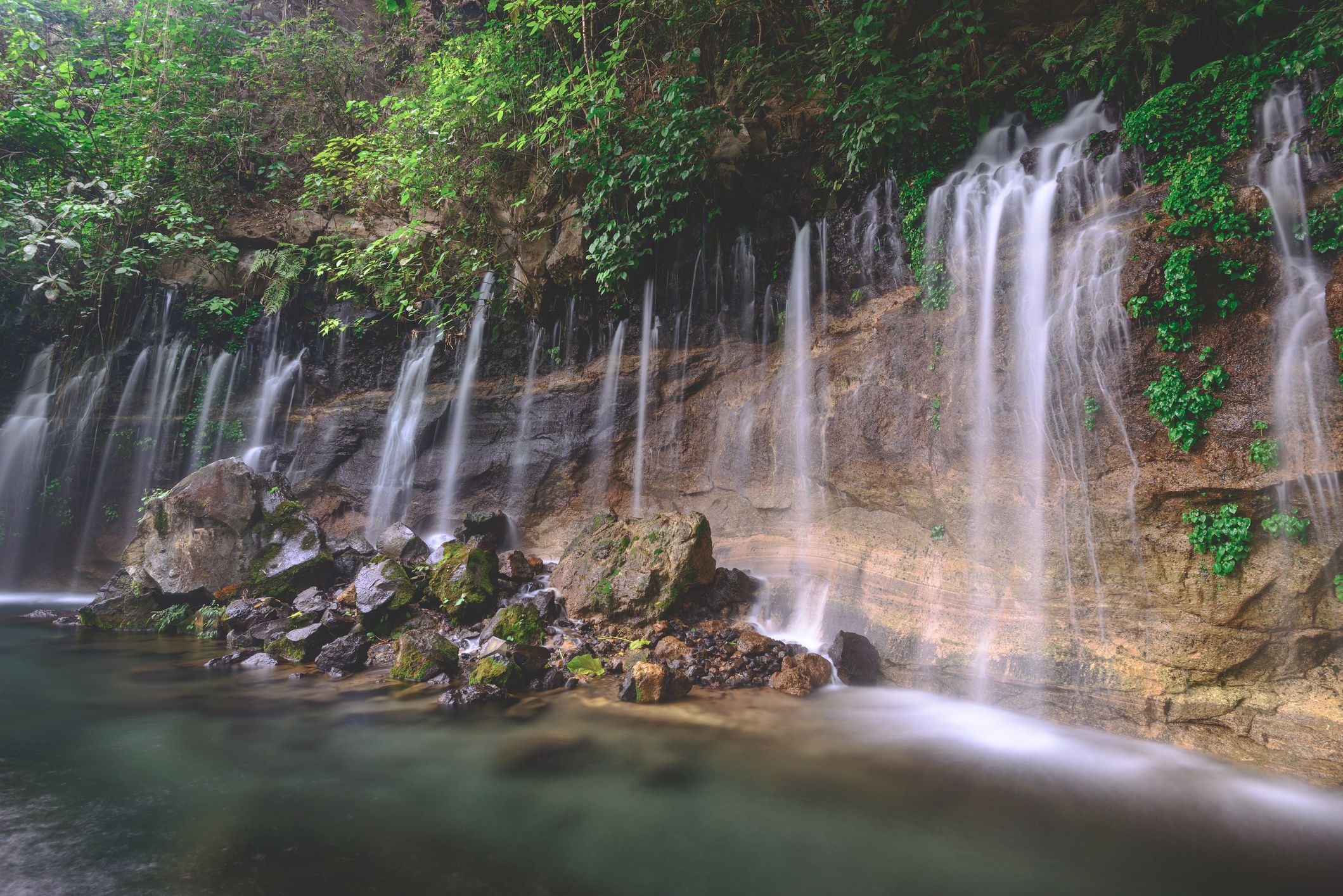
What makes the call worthwhile lies inland. Around 48 kilometres from the port, the Ruta de las Flores threads through the western highlands via Nahuizalco, Salcoatitán, Juayúa, Apaneca and Concepción de Ataco. The Salvadoran tourism board highlights mountain scenery, coffee fields, crafts and local food along the route, while cruise-oriented tours from Acajutla typically take around five and a half to six hours.
Ataco is perhaps the neatest introduction. Its streets are known for murals, artisan workshops and cafés, with coffee farms immediately outside town. The El Salvador tourism authority specifically points visitors towards its weaving workshops, art studios and nearby El Carmen coffee estate. It’s a much more satisfying use of the call than spending the day attempting to develop an emotional attachment to a container terminal.
For scenery rather than towns, Cerro Verde is another realistic option. The park sits within the Los Volcanes complex and has short interpretive trails and viewpoints across the volcanic landscape. It’s also the jumping-off point for the much more demanding Santa Ana and Izalco volcano hikes.
I’d be cautious about treating the Santa Ana summit as an ordinary cruise excursion. Official hikes have set departure times, the mountain reaches 2,381 metres and even the tourism board describes it as an intermediate hike. Seeing the volcano from Cerro Verde requires considerably less negotiation with your calves and your ship’s departure time.
If you want the easiest day of all, Los Cóbanos sits just 11 kilometres east of Acajutla and forms part of a protected coastal and marine area known for its reefs and calmer water. But if this is your only day in El Salvador, I’d go uphill. The dramatic change from hot Pacific port to cool coffee country is half the appeal.
Puntarenas cruise port: stay local or go looking for wildlife
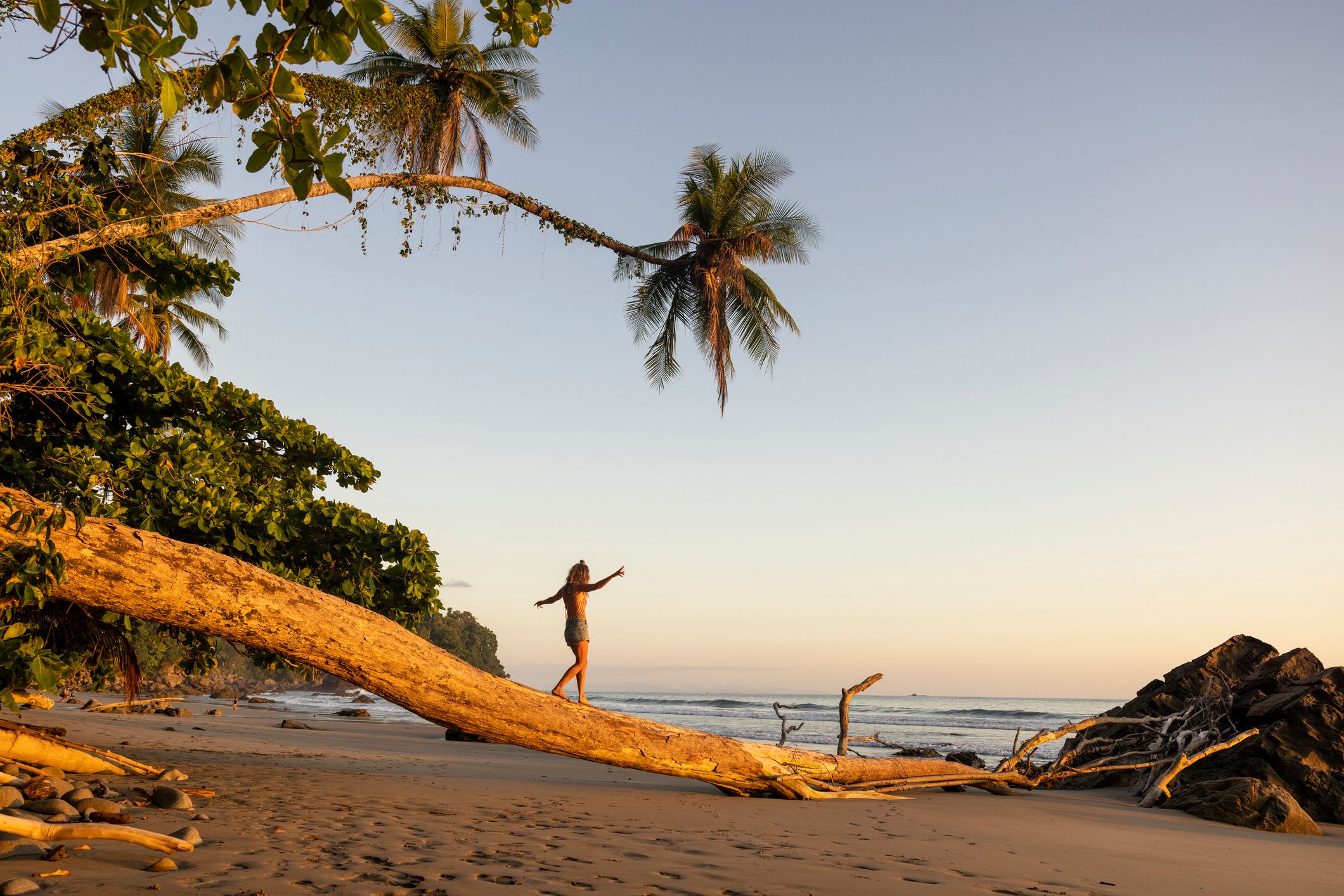
Puntarenas immediately feels different because the port town itself can sustain a perfectly decent few hours.
Costa Rica’s tourism board describes it as a historic Pacific port with its cruise pier, ferry terminal and several buildings of interest concentrated on the narrow peninsula. The waterfront has long been a domestic holiday destination, while ferries still leave across the Gulf of Nicoya. If you’re exhausted by this point in the itinerary, you can walk the seafront, eat something and watch Costa Rica continue around you without requiring a laminated excursion sticker.
That said, this is Costa Rica. Remaining within sight of the ship requires a certain resistance to wildlife.
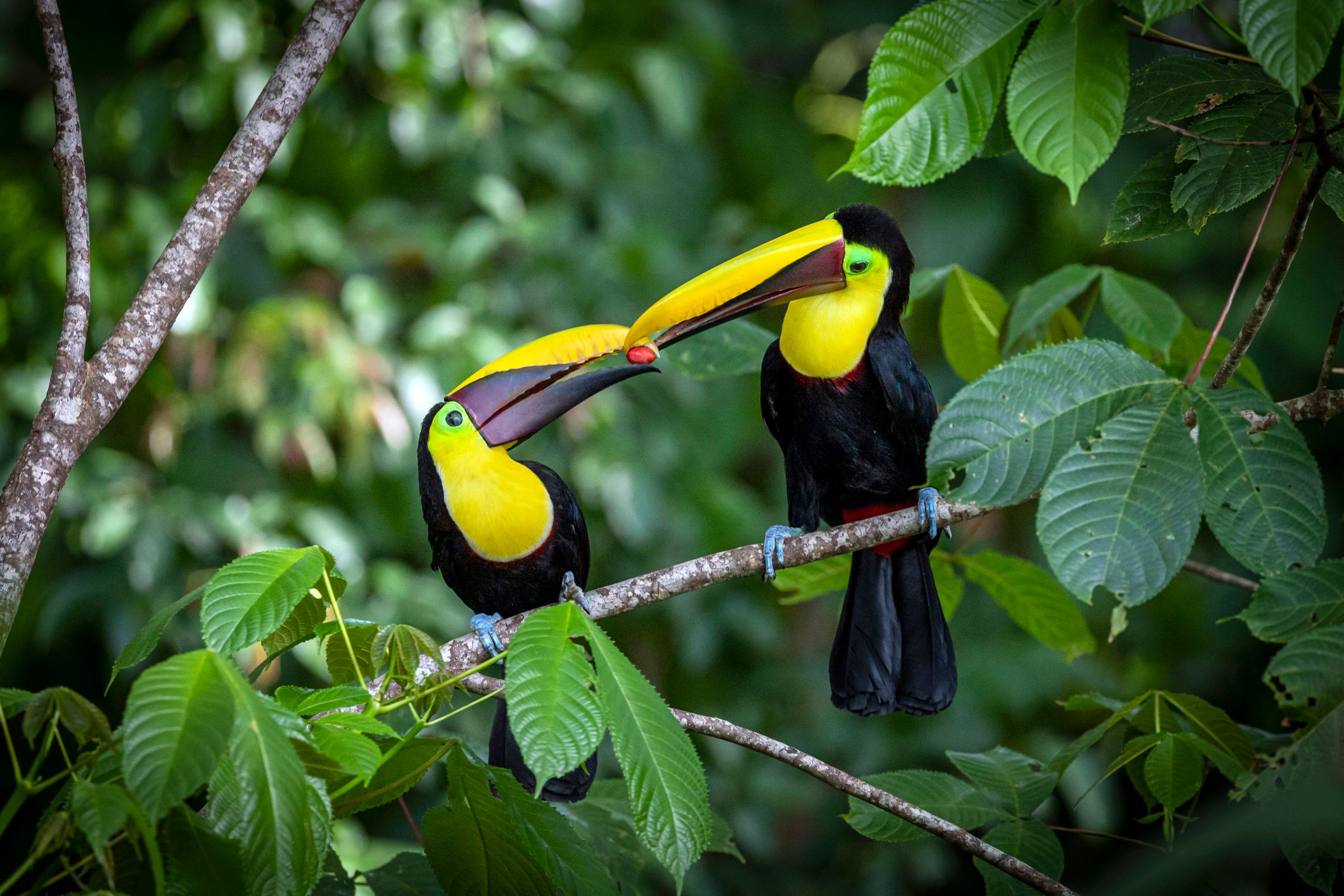
Carara National Park is one of the most practical options. Its forest sits at the meeting point between Costa Rica’s drier northwest and wetter southern Pacific ecosystems, creating unusually rich biodiversity and particularly good habitat for scarlet macaws. The tourism board calls it a globally significant birdwatching destination, and the park is open daily.
Carara is often combined with the nearby Tárcoles River, where boat trips search for crocodiles and birdlife among the mangroves. Current cruise excursions package the two into roughly five to seven-hour days, which gives you a meaningful encounter with Costa Rica’s wildlife without converting the port call into an endurance event.
Monteverde is the more ambitious proposition. Shore operators put the drive at roughly two hours each way and tours at around eight to ten hours, so I’d only consider it on a particularly long call. Cloud forest and hanging bridges are tempting, but four hours of road time is a lot to spend proving that you technically visited them.
Puntarenas therefore offers the broadest choice of the three ports. Stay put for an easy day, go to Carara and Tárcoles for wildlife, or spend most of a long call reaching the highlands. For most first-time visitors, the middle option feels about right.
Why these Pacific Central America cruise ports are worth noticing
None of these ports possesses the instant name recognition of Cabo San Lucas or the Panama Canal, and their industrial infrastructure doesn’t always provide an especially persuasive first five minutes.
What they do provide is access. Puerto Quetzal puts UNESCO-listed Antigua within a port day. Acajutla gets you from Pacific heat to volcanic coffee country surprisingly quickly. Puntarenas offers both a walkable local day and some of Costa Rica’s richest wildlife within excursion range.
That makes this stretch of a Panama Canal itinerary much more than the bit before the locks.
Just don’t judge it from the pier. In two cases, the pier is really not helping.