
For many UK travellers, “the Deep South” is a vague collage of Elvis, country music and people eating something called gumbo on porches. It is not the first place that springs to mind when you think about cruises. Yet some of the most interesting itineraries now stitch together New Orleans, Memphis and Nashville with a side trip to Mexico, turning a familiar Caribbean sailing into a much richer story.
This is a voyage that takes in threads of American music, food and history, with the odd beach and margarita thrown in at the end.
New Orleans: where the river meets the Caribbean
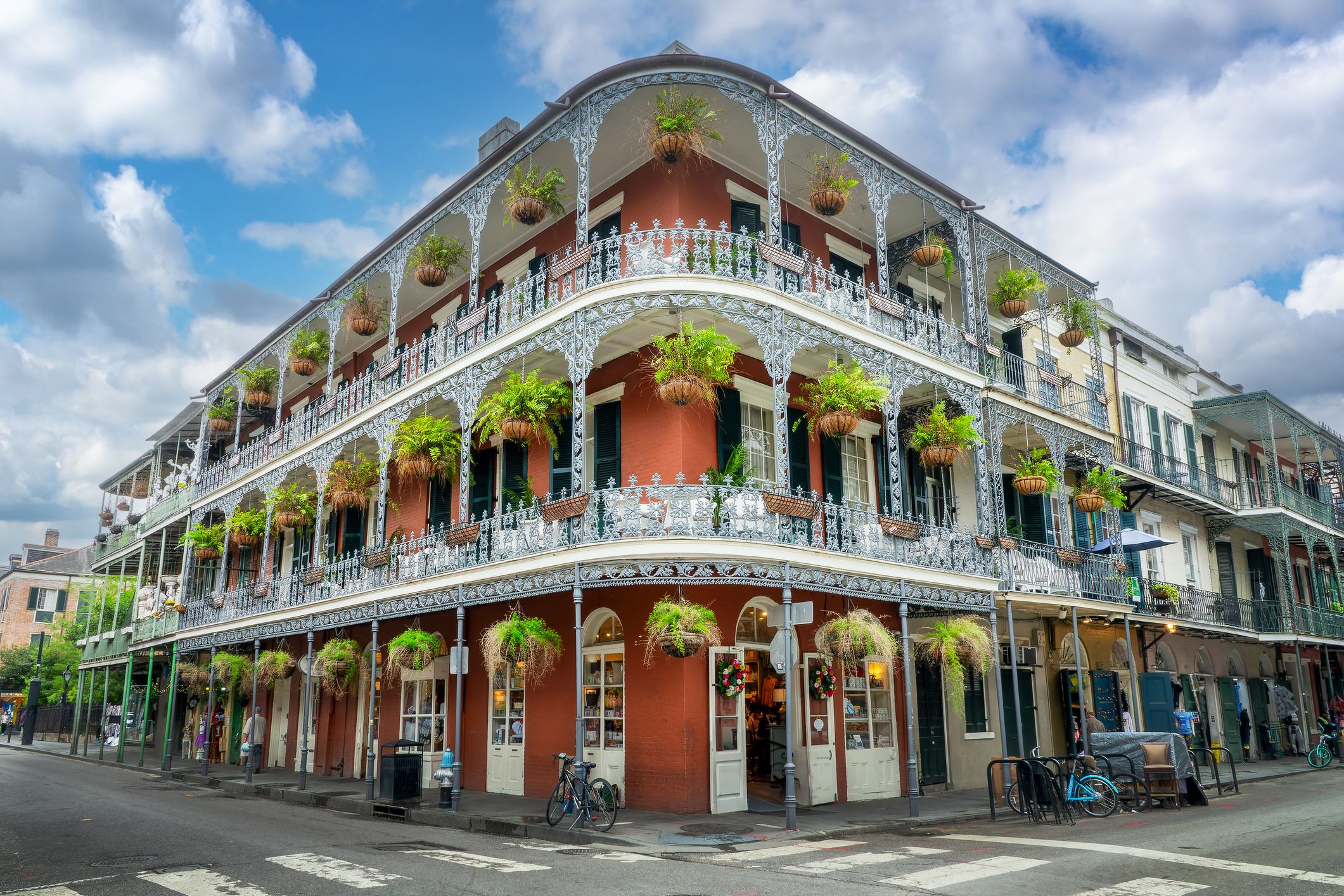
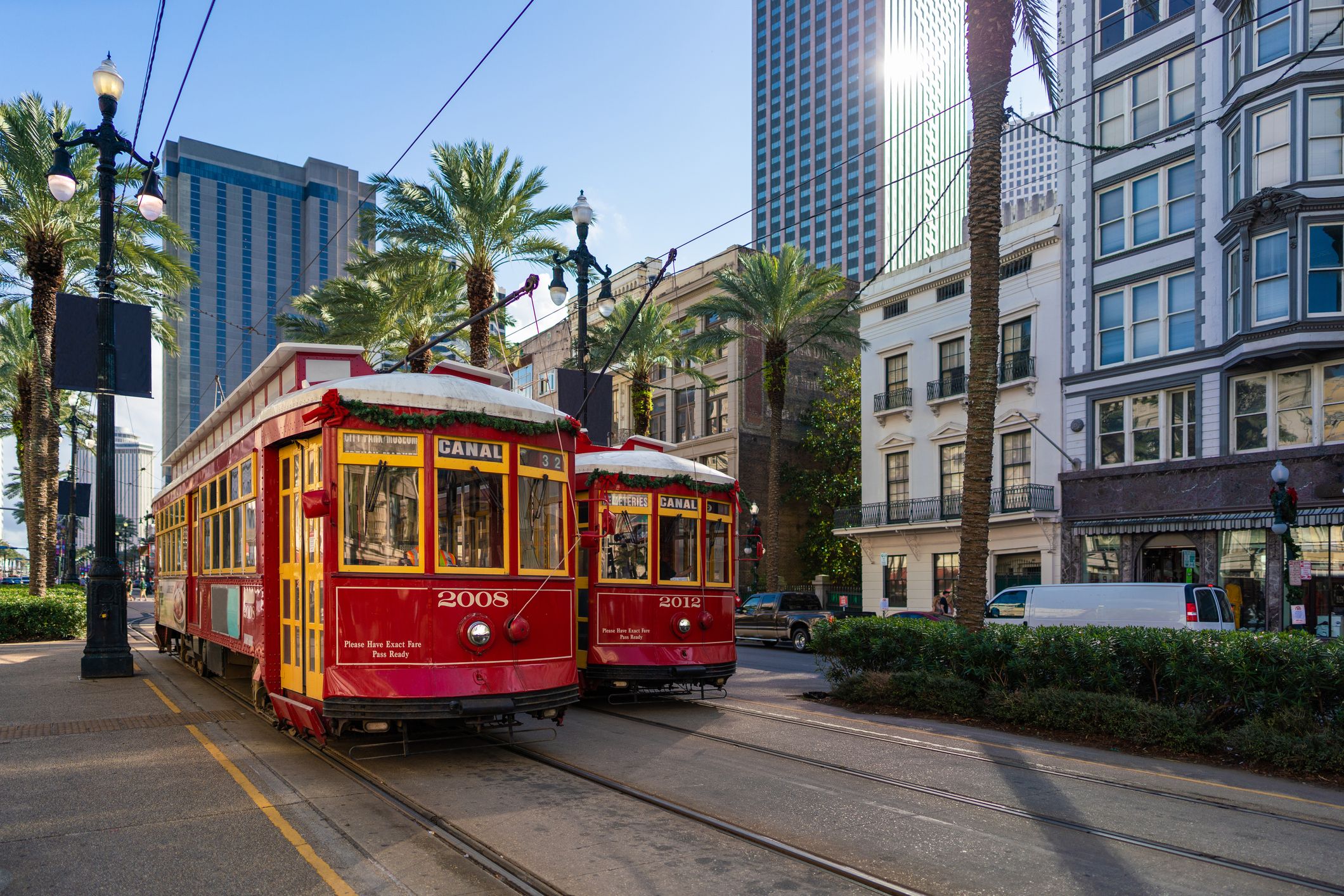
If this journey has a natural starting point, it is New Orleans. From a cruise perspective the city has two main jobs, sending ships south into the Caribbean and west towards Mexico, while also acting as a gateway for Mississippi river cruises that glide inland between antebellum mansions and small river towns.
Step off the ship and the clichés start queueing up: wrought iron balconies in the French Quarter, live jazz bleeding out of doorways on Bourbon Street, powdered-sugar beignets at Café du Monde and bowls of gumbo and jambalaya that suggest the word “light” is not much used in local kitchens.
New Orleans feels different from almost anywhere else in the United States. The mix of French, Spanish, African and Caribbean influences shows up in the architecture and the menus, but also in the attitude. This is, after all, the self appointed birthplace of jazz and the city that spends weeks building up to Mardi Gras.
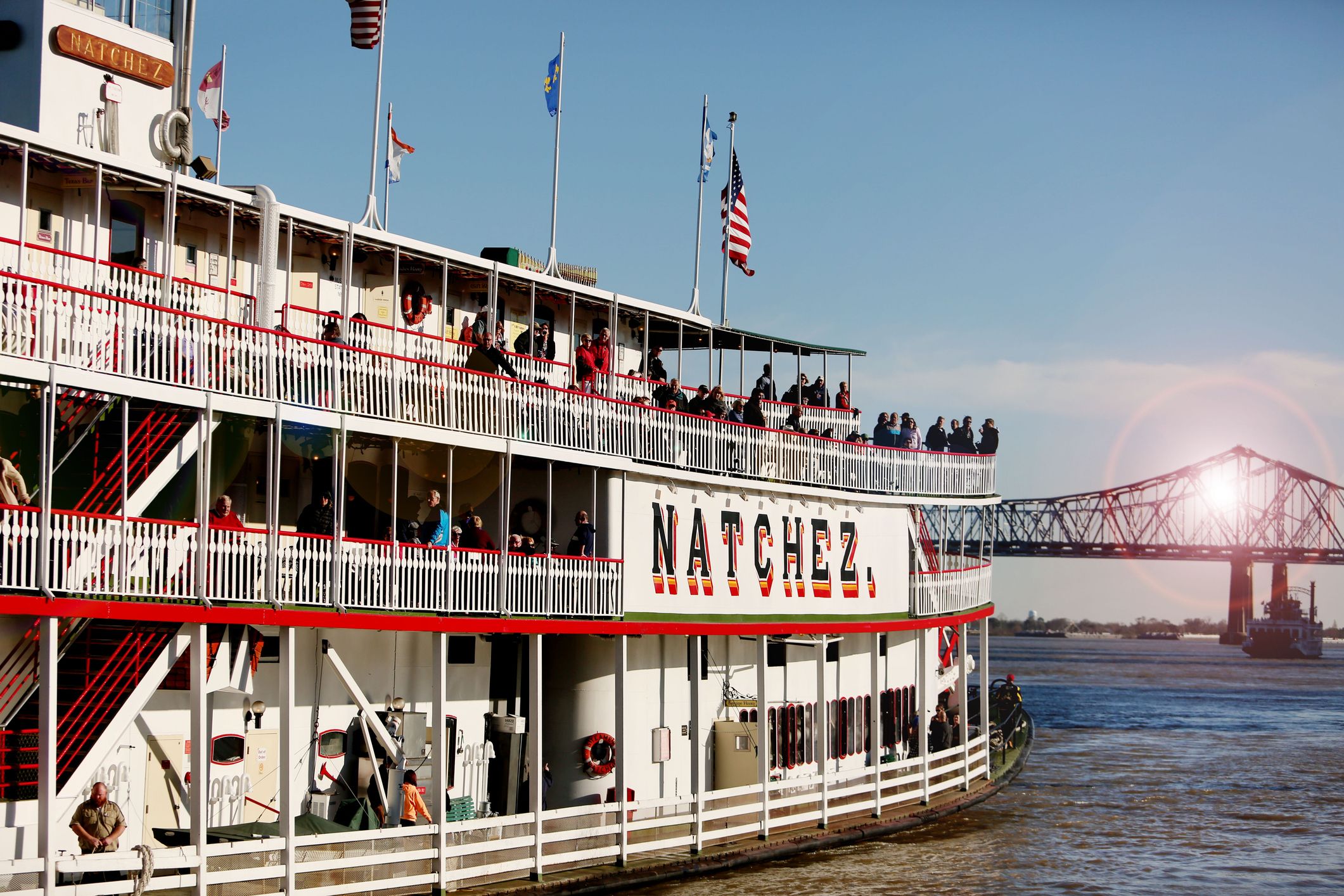
You can do the Greatest Hits version in a day: wander the French Quarter, listen to a band at Preservation Hall if you can get in, walk the riverfront and maybe take a short Mississippi cruise on a paddlewheeler like the Steamboat Natchez, which offers brunch, lunch and dinner jazz sailings. But the city really works as a two or three night stay around your cruise, giving you time to ease into its slightly languid rhythm rather than charge around with your phone out.
Up the Mississippi: river towns and blues

From New Orleans, river cruises carry you north on the Mississippi to Memphis, calling at places whose names may be familiar from novels and history books rather than from past holidays. Itineraries with lines such as Viking and American Cruise Lines typically stop at Baton Rouge, St Francisville, Natchez, Vicksburg and Greenville.
This is where you discover that the Deep South is not all big cities and grand narratives. Baton Rouge folds state politics, Cajun culture and industrial riverfront into a single stop. Natchez and St Francisville show off columns, verandas and gardens that speak of pre Civil War wealth, alongside more honest accounts of how that wealth was built. Vicksburg comes with one of the most significant Civil War battlefields in the National Military Park, complete with trenches, memorials and a sobering sense of scale.
On board, the tone is different from an ocean cruise. Ships are smaller, days tend to be organised around shore excursions, and evenings are more about local music and talks than late night water slides. It is all slightly gentler and more obsessed with storytelling.
Memphis: barbecue, blues and the ghost of Elvis
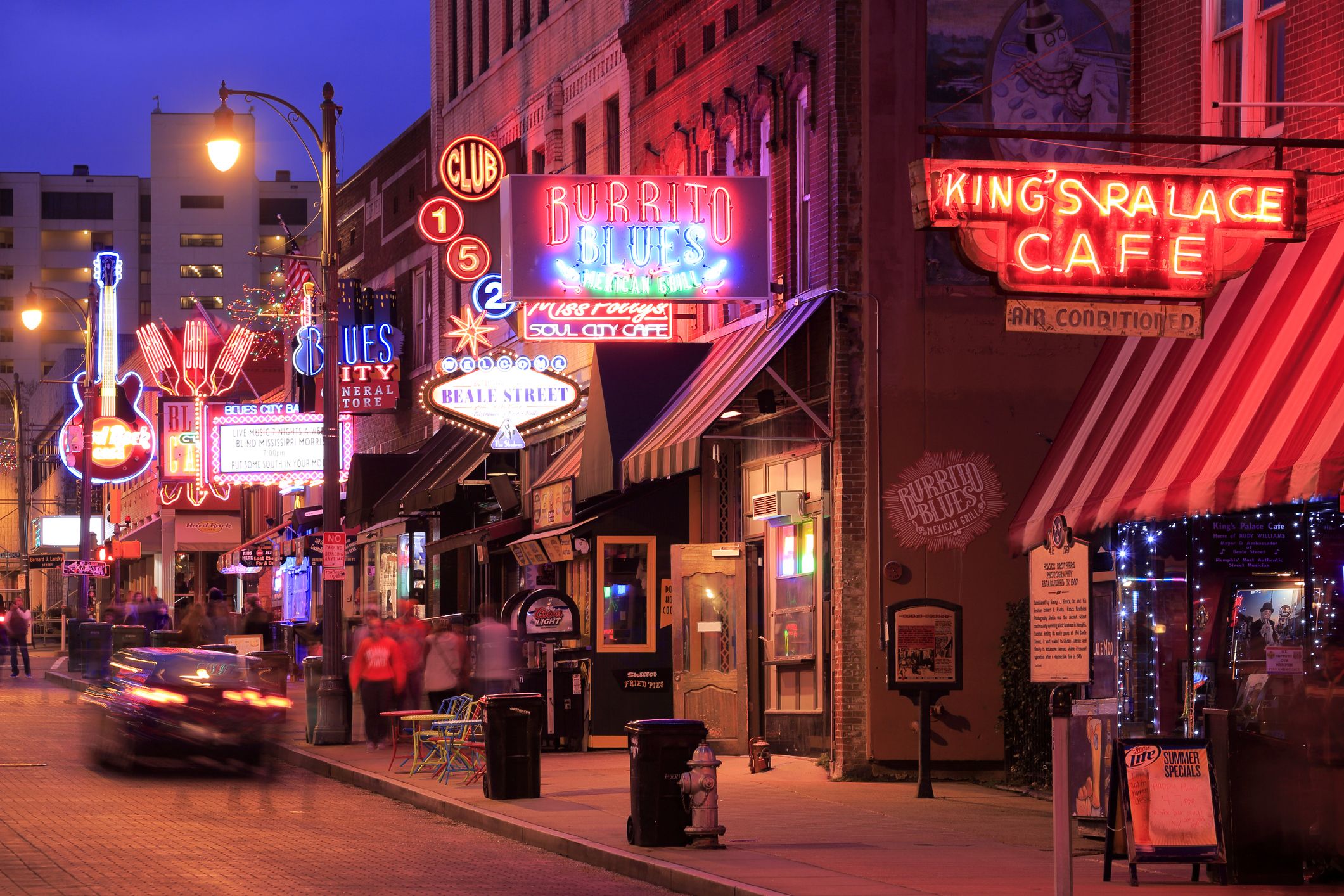
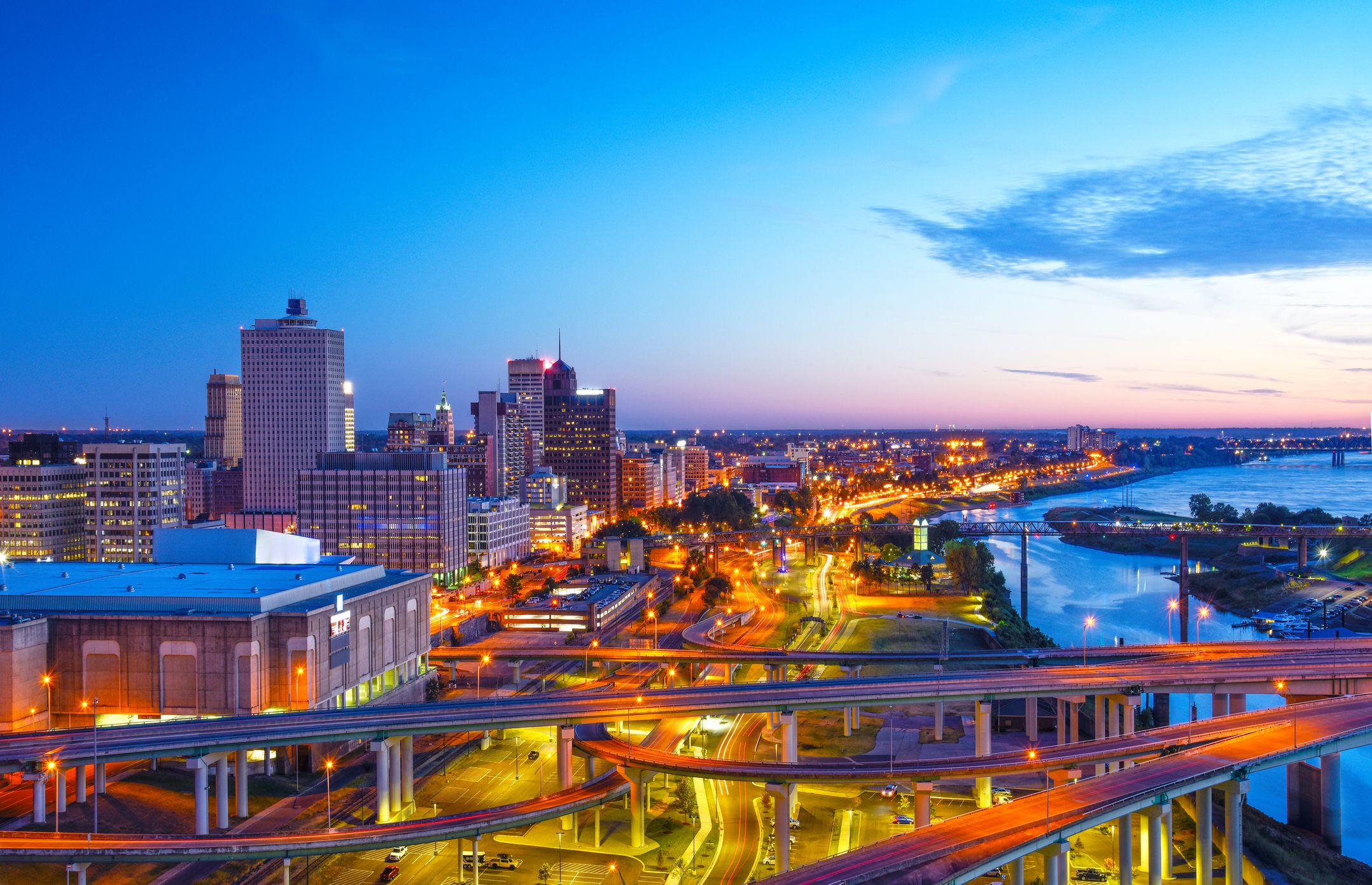
Eventually the river delivers you to Memphis, perched on a bluff above the Mississippi and trying very hard to lure you off the ship with the smell of barbecue. The city is a magnet for anyone with even a passing interest in popular music. This is where Elvis Presley built Graceland, where Sun Studio recorded him alongside the likes of Johnny Cash, and where Beale Street still fills up each night with blues and soul.
Graceland is as close as the United States gets to a secular pilgrimage site. You wander through the house, admire the gold records and stage outfits, and try to process the décor. The museums around it do a good job of placing Elvis in a wider musical and social context, which helps if you are travelling with someone who is not entirely convinced by the idea of themed rooms.
Back downtown, the National Civil Rights Museum, built around the former Lorraine Motel where Martin Luther King Jr was assassinated, is one of the most powerful museum experiences in the country, tracing the history of the civil rights movement with archives, installations and a quiet insistence on detail. It is not light viewing, but it is essential.
In between, you eat. Memphis claims more than a hundred barbecue restaurants, with slow cooked pork and ribs appearing in configurations that would horrify your GP but delight almost everyone else. The combination of riverfront, live music and unapologetic food makes it very easy to understand why so many Deep South itineraries build in at least a couple of nights here before or after a cruise.
Nashville: from riverboat to honky tonk
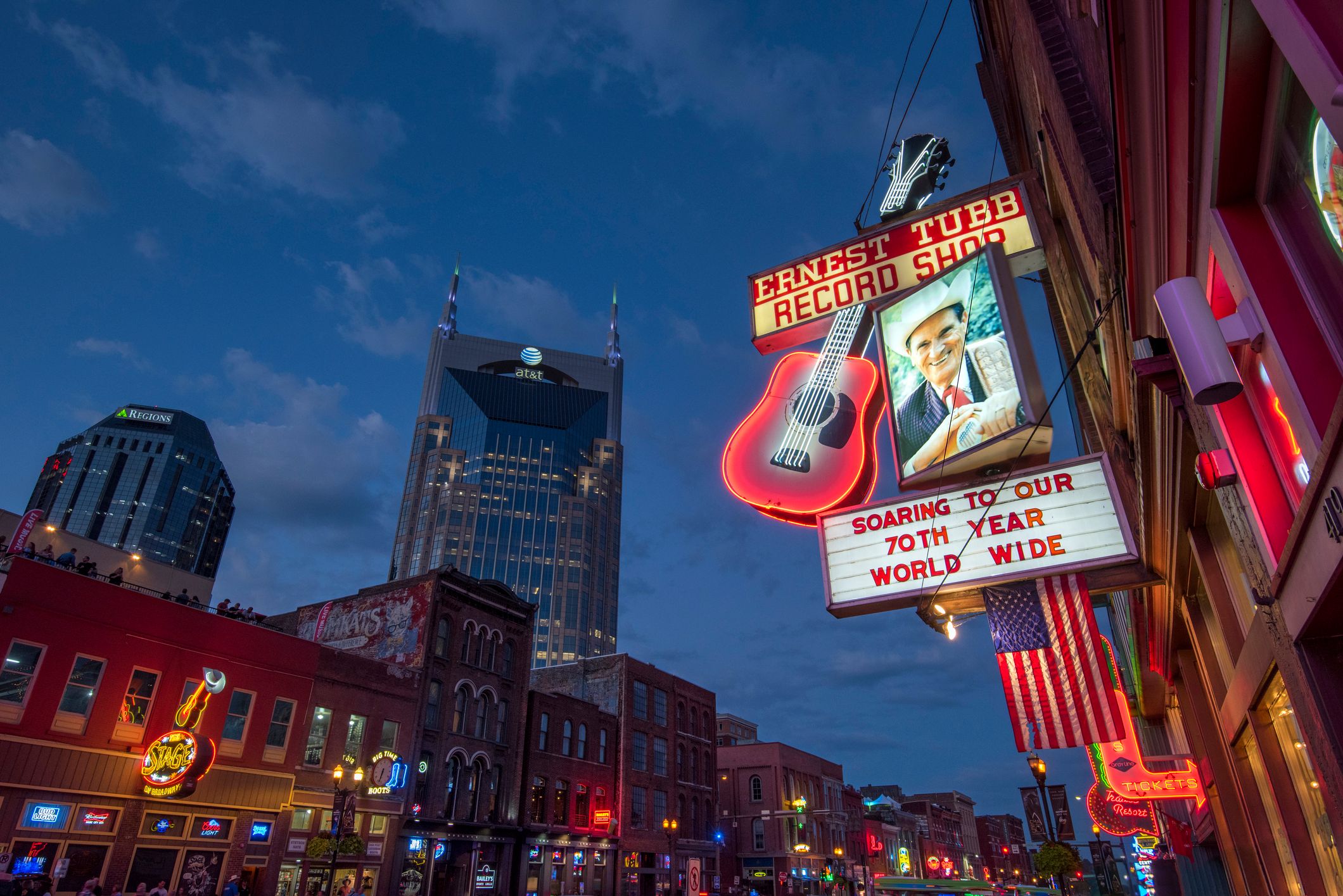
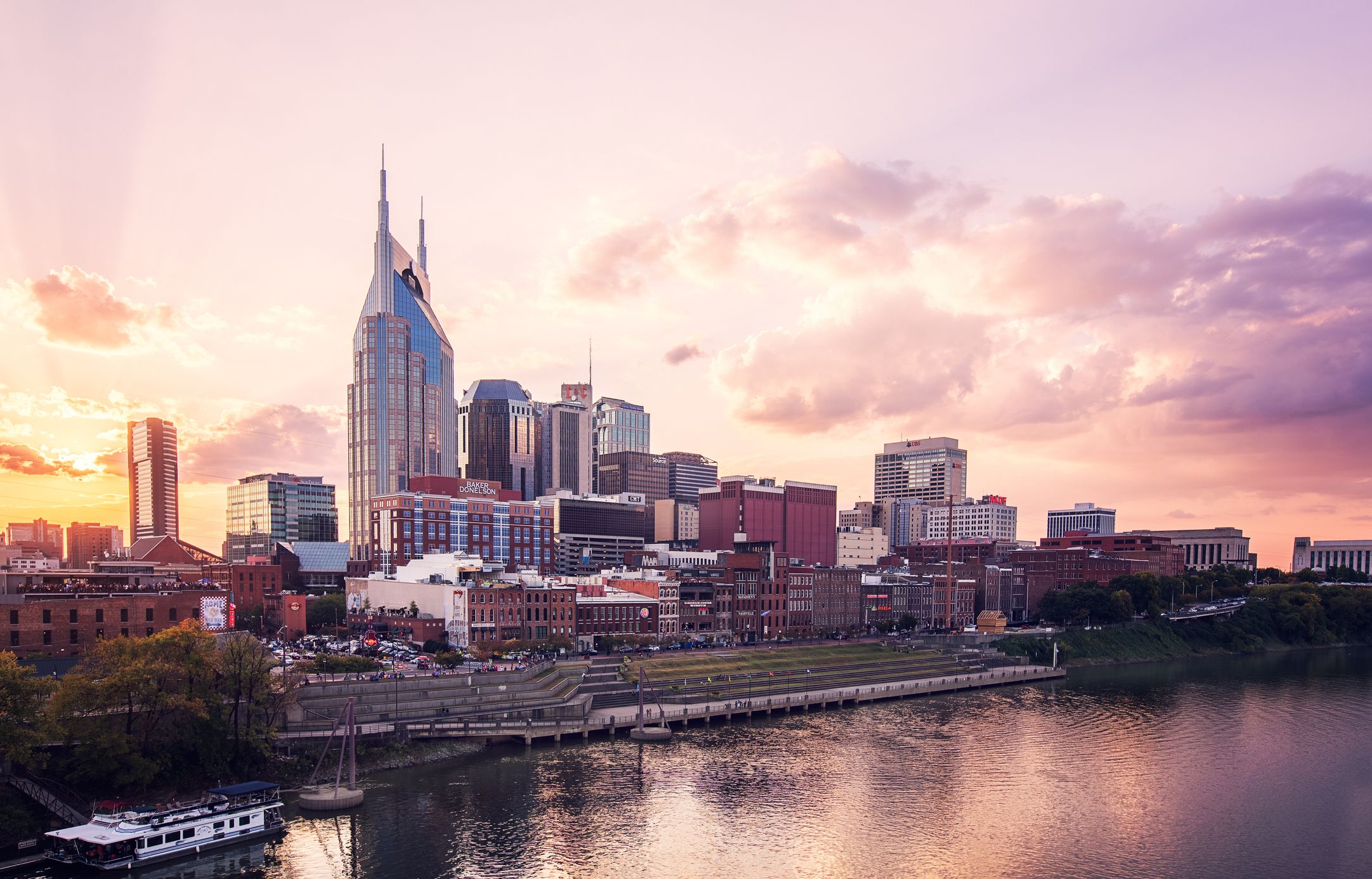
If Memphis is rock and roll and blues, Nashville is country music, songwriting and a surprisingly sophisticated food scene, all wrapped in a fairly compact city centre. It sometimes appears in cruise itineraries as part of a “Music Cities” river voyage between Memphis and Nashville along the Mississippi, Ohio and Cumberland rivers, or as a land extension before you head south to board an ocean ship.
The tourist triangle is straightforward and satisfying. The Country Music Hall of Fame and Museum pairs memorabilia and interactive exhibits with views over the city. The Ryman Auditorium, a former home of the Grand Ole Opry, is now a beautifully restored concert hall and museum that manages to feel both grand and oddly intimate. And Lower Broadway is an unapologetic strip of honky tonks where live bands playing for tips compete with neon signs and the occasional celebrity-owned bar.
If that sounds exhausting, there is always the option of sitting in a quieter neighbourhood bar, ordering a plate of hot chicken and watching the world go by. Nashville’s dining scene has grown alongside its visitor numbers, adding contemporary restaurants and bakeries to the classic Southern staples.
For a UK cruiser, the appeal of adding Nashville to a Deep South itinerary is that it rounds out the musical map. You can follow a line from country through rock and soul to jazz, and then get on a ship and think about what you have just heard while someone else brings you dinner.
Mexico: reefs, ruins and a completely different soundtrack
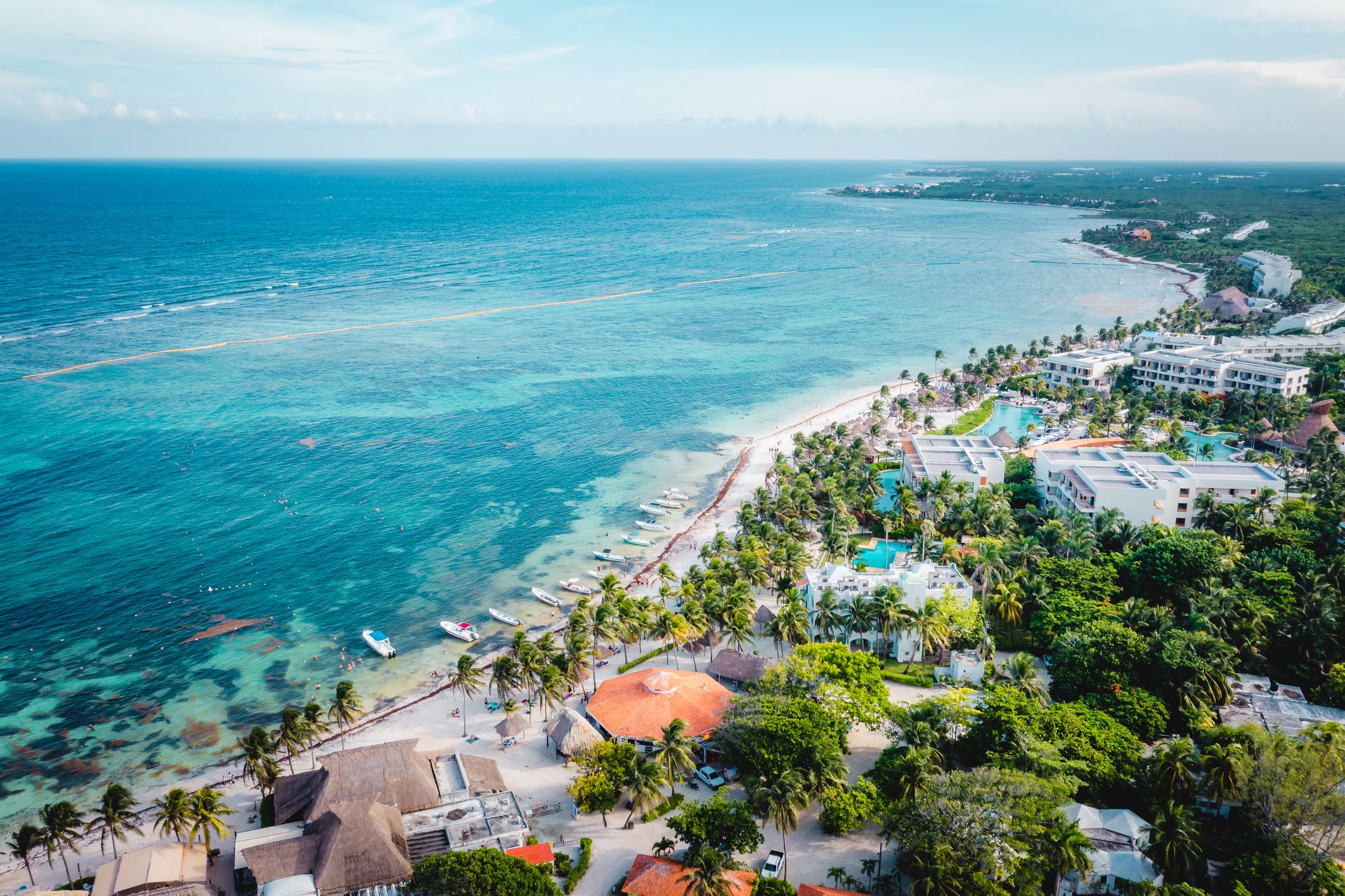

After all that, Mexico can feel like a bonus chapter. Several Caribbean itineraries from New Orleans and other southern US ports head to Cozumel and the Yucatán, which means you can combine New Orleans and perhaps a pre cruise tour of Memphis and Nashville with a week of islands and warmth.
Cozumel is the classic stop: an island off the Yucatán Peninsula surrounded by clear water and part of the Mesoamerican Barrier Reef, the second largest reef system in the world. You can snorkel at Chankanaab National Park among coral, fish and the odd underwater statue, sign up for a dive trip, or take a ferry to the mainland to visit Mayan sites such as Tulum.
It is a sharp but enjoyable contrast with the Deep South. One day you are on Beale Street listening to blues, the next you are up to your shoulders in the Caribbean considering whether it is acceptable to have another plate of tacos. As cultural gear changes go, it is quite a good one.
How to think about a Deep South cruise from the UK

For UK travellers, the Deep South tends to work best as a cruise and stay, not a simple fly in and out. Operators increasingly package a few nights in Nashville and Memphis with a New Orleans stay and either a Mississippi river cruise or a Caribbean sailing from the Gulf.
If you are used to the straightforward logic of “fly to Barcelona, get on ship, see Med”, it is a bit more involved. You have to think about internal flights or rail, decide how many cities you can realistically do without turning your holiday into a touring production, and accept that this is the sort of trip you might only do once.
In return, you get something richer than a standard week at sea. You hear the places you are visiting as much as see them. You learn that gumbo is a very serious topic, that country music museums are surprisingly emotional, that jazz clubs in small courtyards can sound better than stadiums, and that Cozumel’s reefs are an excellent place to process all of the above.
For anyone who has ever thought “I really should see a bit more of the States than New York and Orlando”, a Deep South cruise and stay is a quietly persuasive answer.