Norway’s coastline has become so synonymous with fjords that it’s easy to forget people actually live along it.
A conventional Norwegian cruise might take you to Flåm, Geiranger and some extremely accomplished cliffs. The Coastal Express follows a different version of the country, running roughly 2,500 nautical miles from Bergen to Kirkenes and back, calling at 34 ports over a full 12-day round trip.
Crucially, it’s still transport. Hurtigruten and Havila operate the government-supported coastal service year-round, carrying local passengers, freight and, at some stops, mail and cargo. Visit Norway notes that shipments can include everything from stockfish to new kitchen chairs.
Your cabin may have a balcony. Somewhere below it, somebody’s dining furniture is also having a nice time.
Why Norway still has a Coastal Express

The route began in 1893, when Captain Richard With established a regular service between Trondheim and Hammerfest. It eventually expanded south to Bergen and north to Kirkenes, linking communities that were otherwise difficult to reach, particularly in winter.
Norway now has roads and airports, but its geography remains inconveniently Norwegian. The current state-supported service still exists to provide local passenger transport and freight connections along the coast.
That gives the voyage an unusual rhythm. You might be onboard for nearly two weeks while somebody else joins in Harstad, travels a few hours to Tromsø and gets off again. For you, it’s the holiday. For them, it’s the bus.
Bergen to Ålesund: easing into the coast
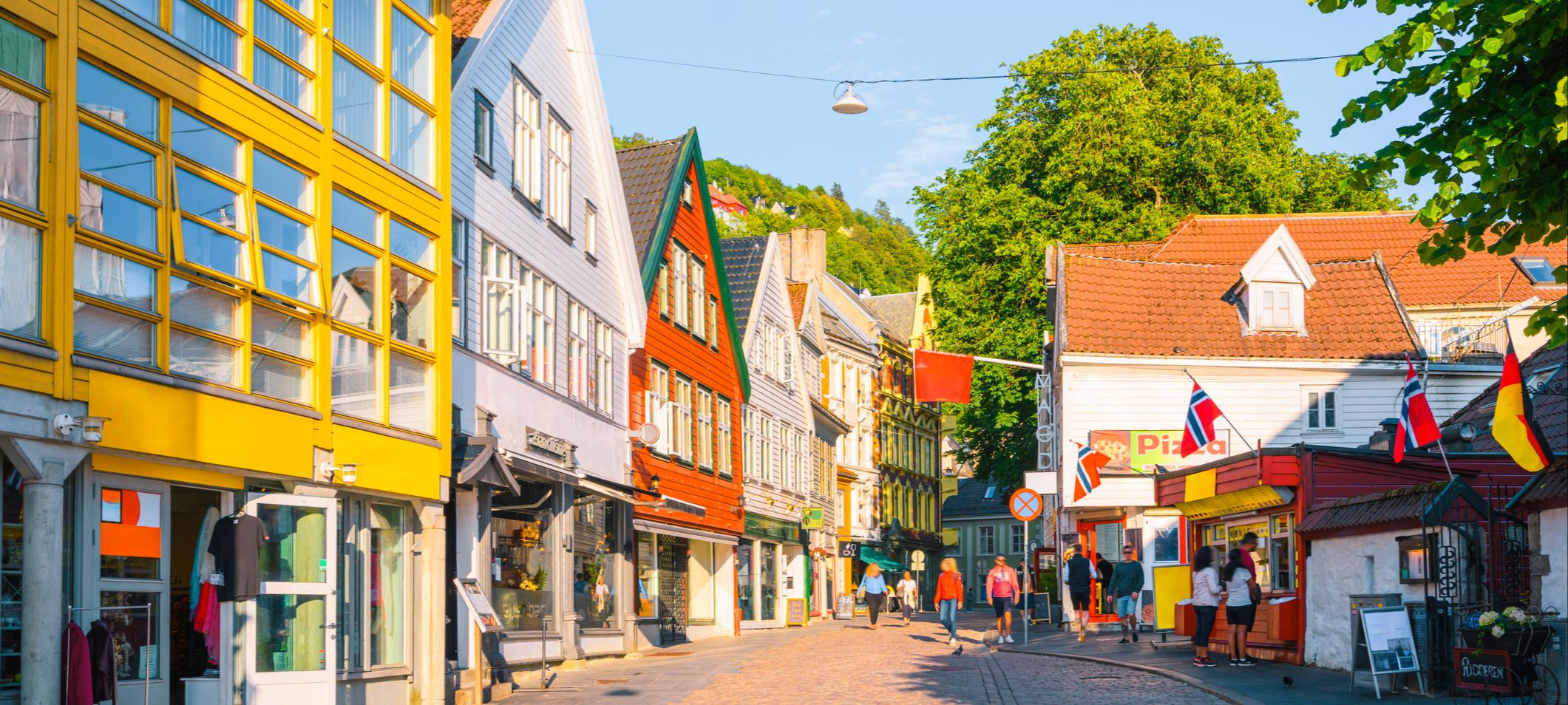
The northbound journey begins in Bergen, where centuries of maritime trade are still visible around the old harbour.
Ålesund provides the first major stop and the first architectural change. After fire destroyed much of the town in 1904, it was rebuilt in Art Nouveau style, leaving an unexpectedly ornate collection of turrets and decorated façades around the harbour.
Depending on the season, sailings may also enter Geirangerfjord or Hjørundfjord from here, so the famous Norwegian scenery hasn’t gone anywhere. It simply stops being the whole story once you continue north.
Trondheim and Norway’s shortest port calls
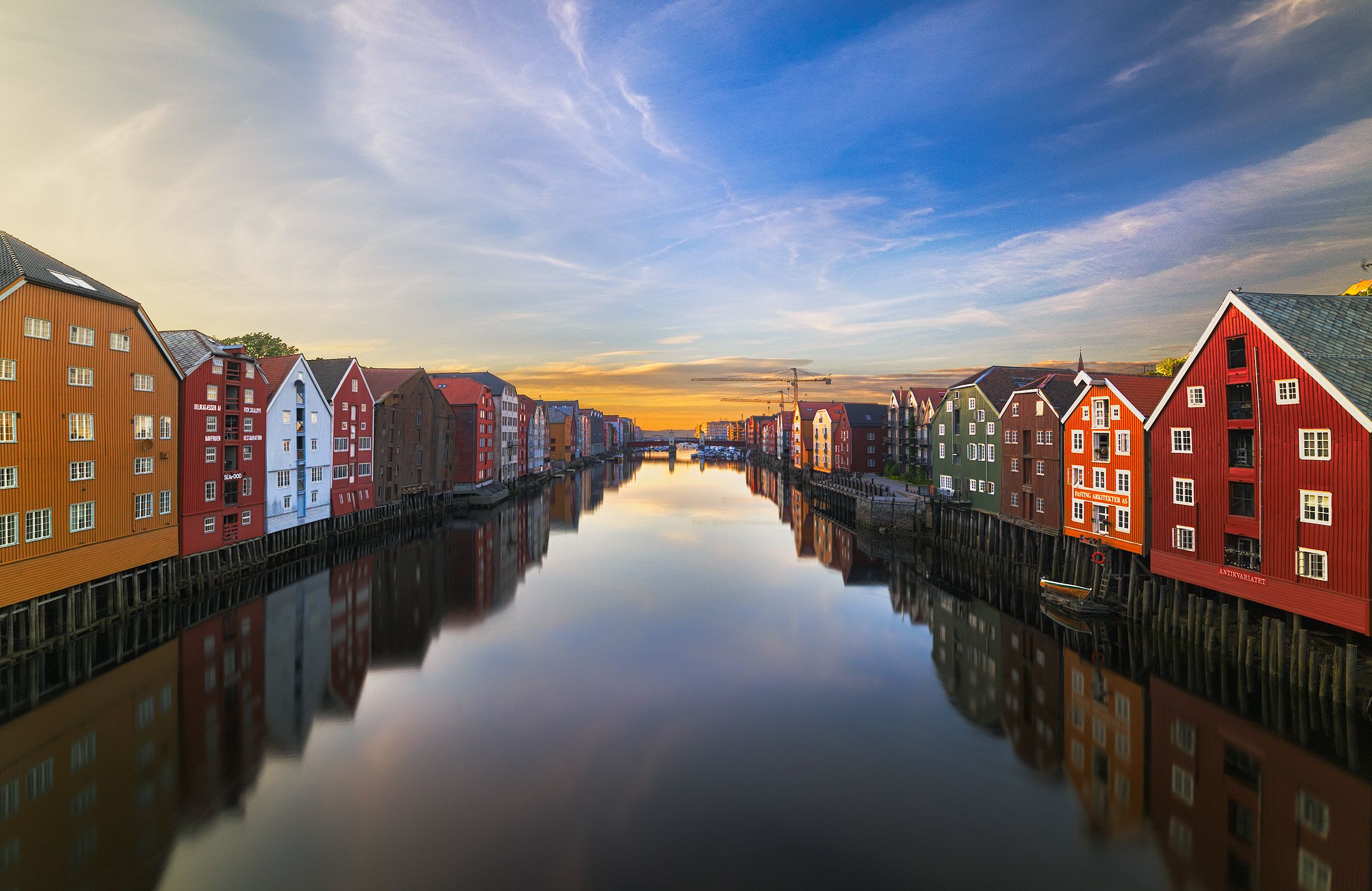
Trondheim gets enough time for Nidaros Cathedral, Bakklandet and perhaps a cinnamon bun priced with impressive confidence. Afterwards, the timetable becomes more revealing.
The ship calls at communities including Brønnøysund, Sandnessjøen, Nesna and Ørnes, sometimes for little more than ten or 15 minutes. These aren’t cruise stops designed to produce an excursion brochure. Passengers get on and off, freight is unloaded and the ship leaves again.
There’s something oddly absorbing about watching a port call in which nobody feels obliged to sell you anything.
It also changes how you see the settlements. Instead of asking what attractions a place contains, you start noticing the practical business of living along this coastline.
Bodø and the Arctic Circle
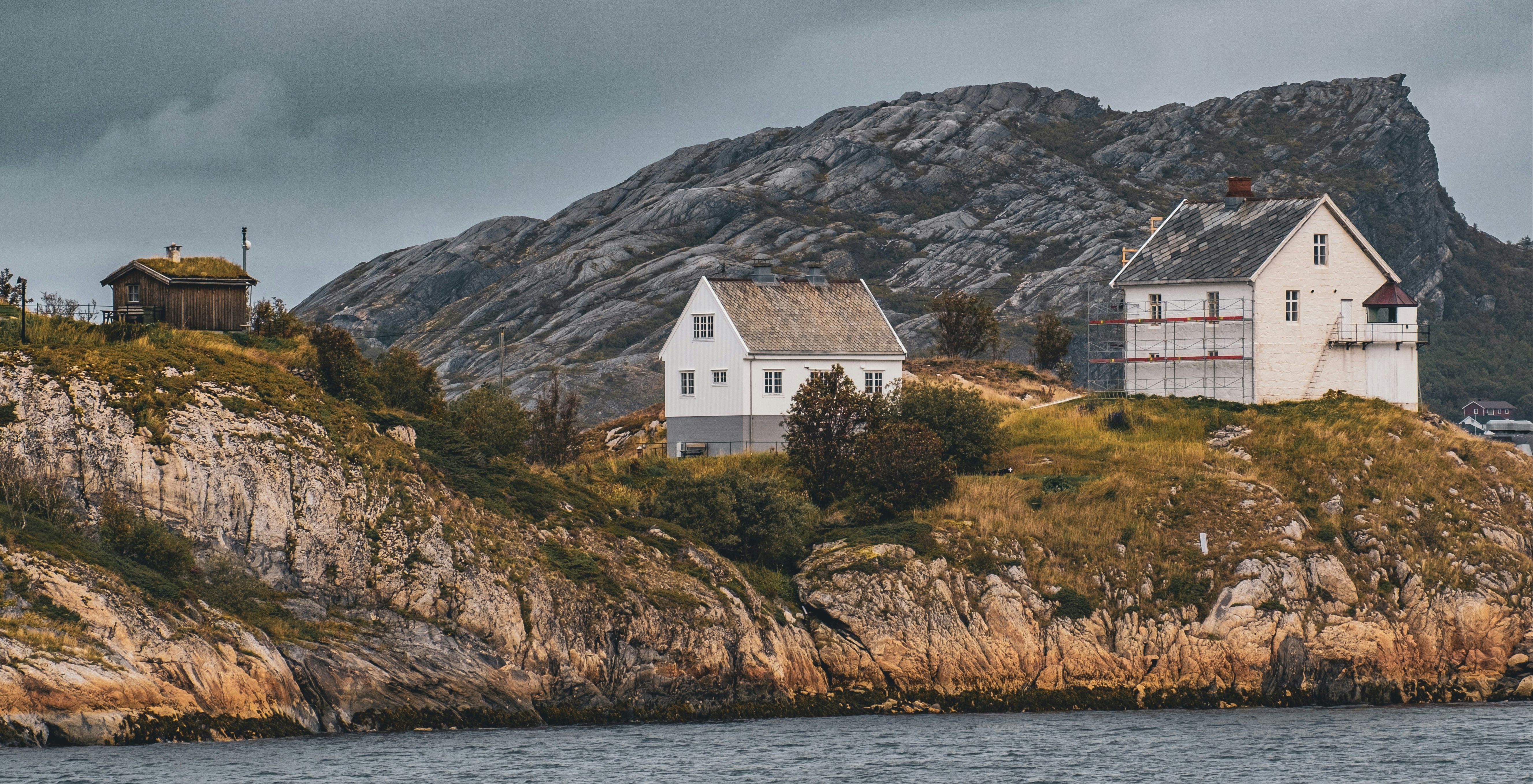
Before Bodø, the ship crosses the Arctic Circle. In summer, that means daylight begins behaving strangely. The farther north you travel, the later the sun stays above the horizon until, eventually, night largely gives up.
Bodø itself looks markedly different from Ålesund. Much of the city was destroyed during the Second World War and rebuilt afterwards, giving it a more modern post-war centre.
From here, the ship continues towards Lofoten and Vesterålen, passing some of Norway’s most famous mountain scenery while still stopping at working ports such as Stamsund, Svolvær, Stokmarknes and Sortland.
Fishing racks and red cabins sit alongside supermarkets, ferry terminals and ordinary houses. The landscape may be ludicrously photogenic, but life hasn’t been suspended to improve the composition.
Lofoten from the Coastal Express
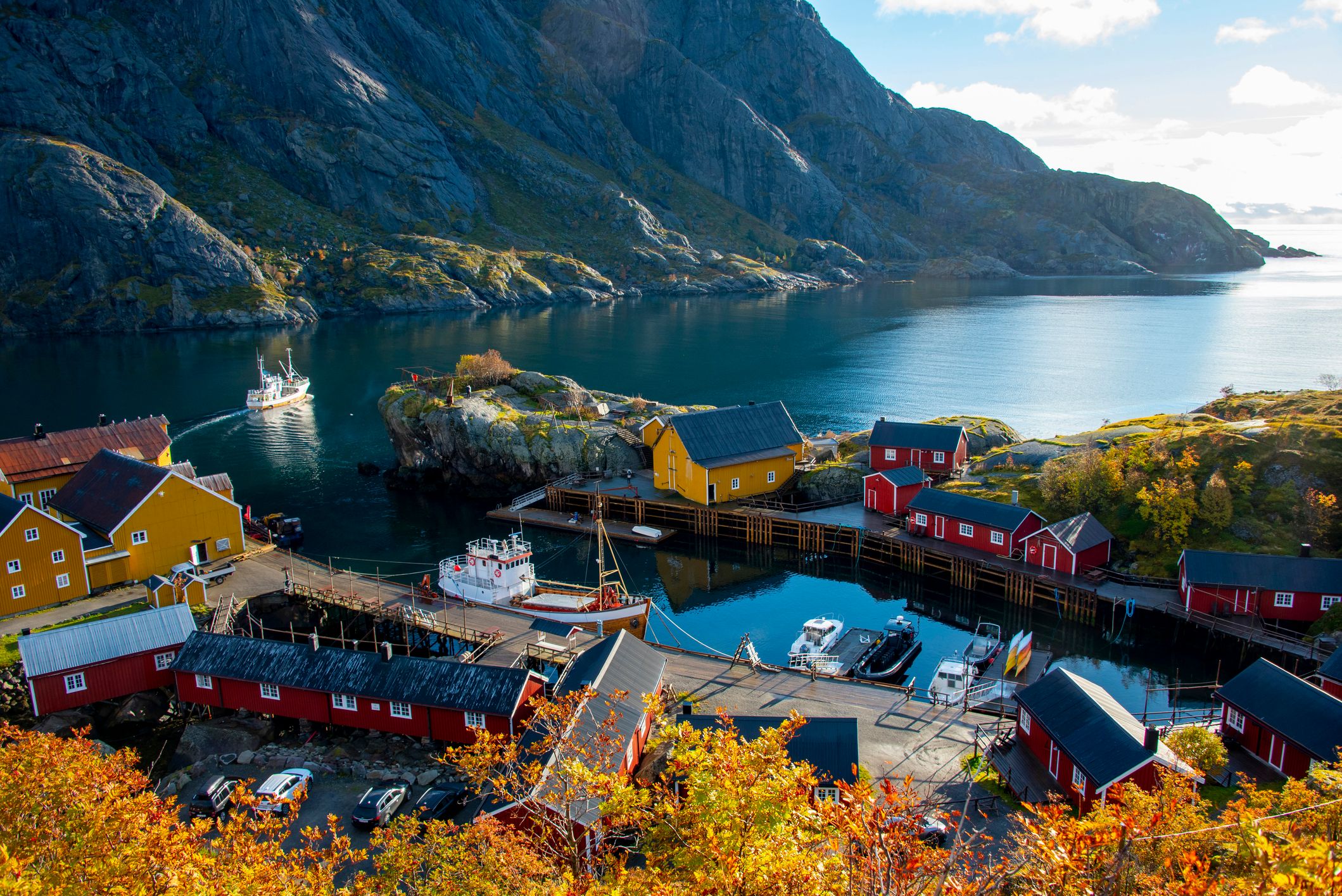
Lofoten has become one of Norway’s great social-media celebrities, usually presented as a collection of fishing villages apparently inhabited solely by people who own drones.
From the Coastal Express, you see something more continuous.
The ship moves through the islands as part of its normal route, stopping briefly and continuing north. Fishing villages, mountain walls and narrow channels appear alongside the infrastructure required to keep communities functioning.
That perspective is one of the great pleasures of the voyage. Norway’s settlements stop looking like picturesque objects placed beneath mountains and start looking like places shaped by them.
Tromsø: a city in the Arctic
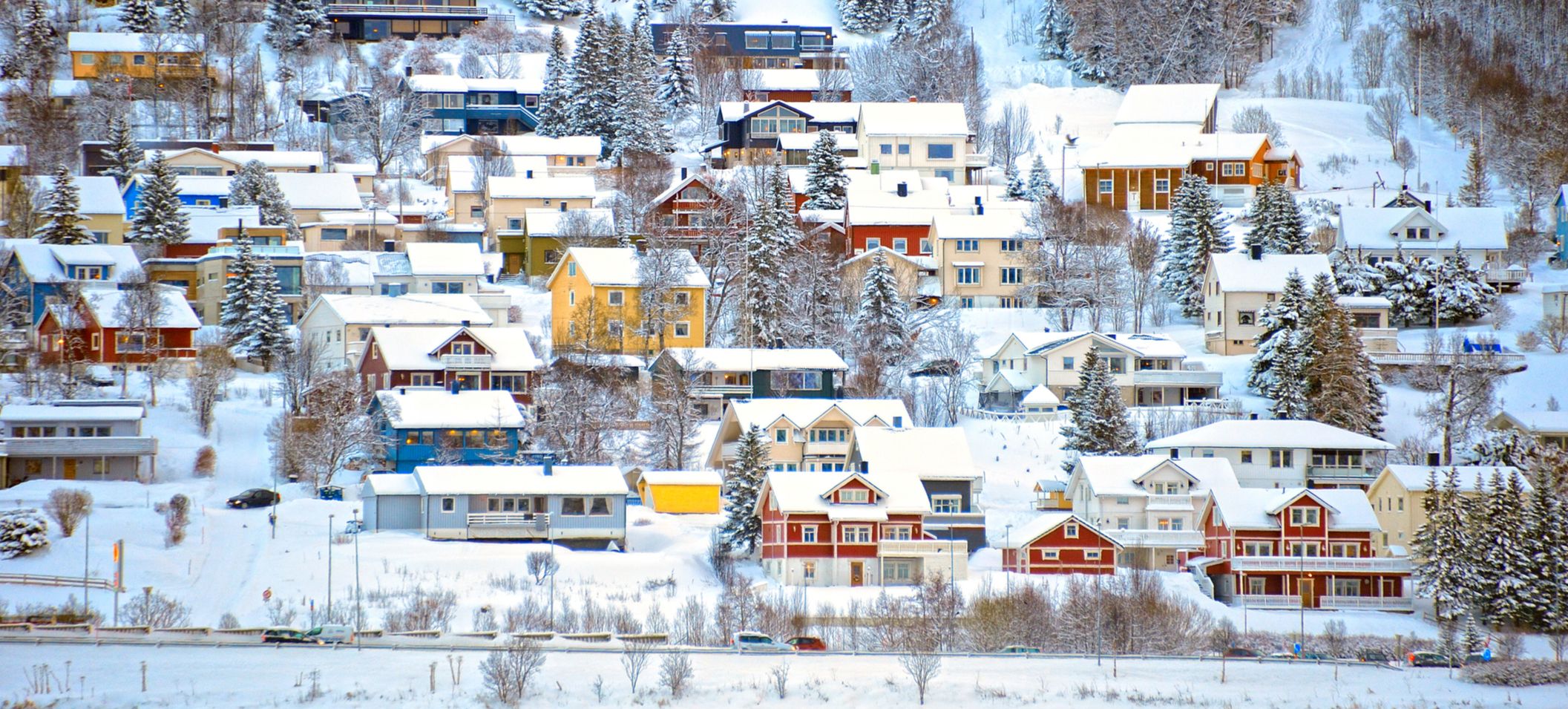
After days of smaller communities, Tromsø suddenly feels substantial. The northbound ship spends several hours here, enough to explore the centre or cross Tromsø Sound towards the Arctic Cathedral.
The changing light is more noticeable here too. In summer, the midnight sun lasts for weeks. During the polar night in winter, the sun doesn’t rise for weeks, although several hours of twilight remain.
The route keeps operating through both. That makes the Coastal Express unusually seasonal without really changing its purpose. A June sailing and a December sailing can feel like visits to entirely different countries while following essentially the same timetable.
Honningsvåg and the far north
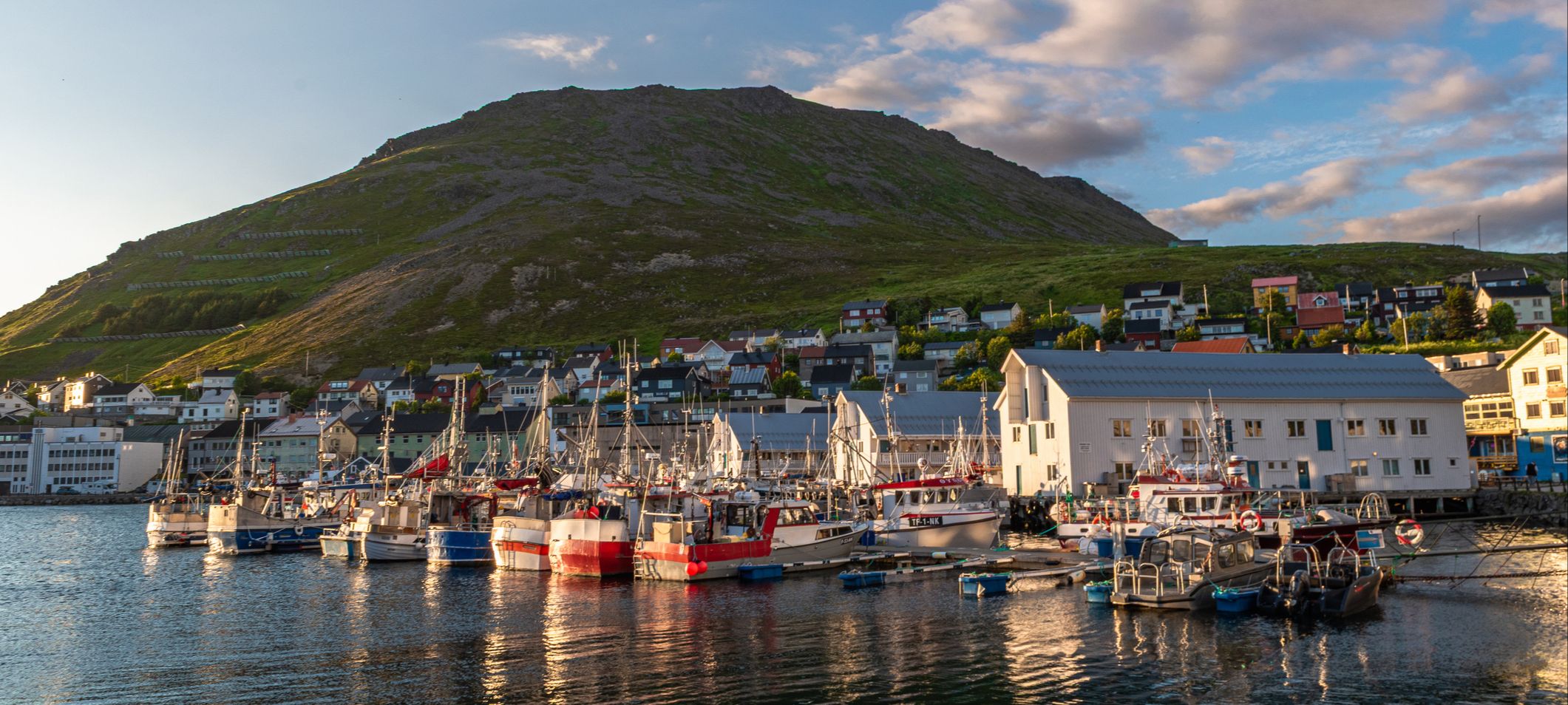
By Honningsvåg, the landscape has become barer and more exposed.
Most visitors come for the North Cape, but the town itself carries another strand of northern Norwegian history. Almost all of Honningsvåg was destroyed during the German retreat from Finnmark in 1944. Its church survived and was later used to house returning residents.
That wartime destruction helps explain why many towns in Finnmark look younger than settlements farther south. Beyond Honningsvåg come still smaller communities including Kjøllefjord, Mehamn and Berlevåg, where fishing remains central to local life and racks of drying cod appear along the coast in season.
At this point, Bergen feels very far away. Because it is.
Kirkenes: the end of the road north
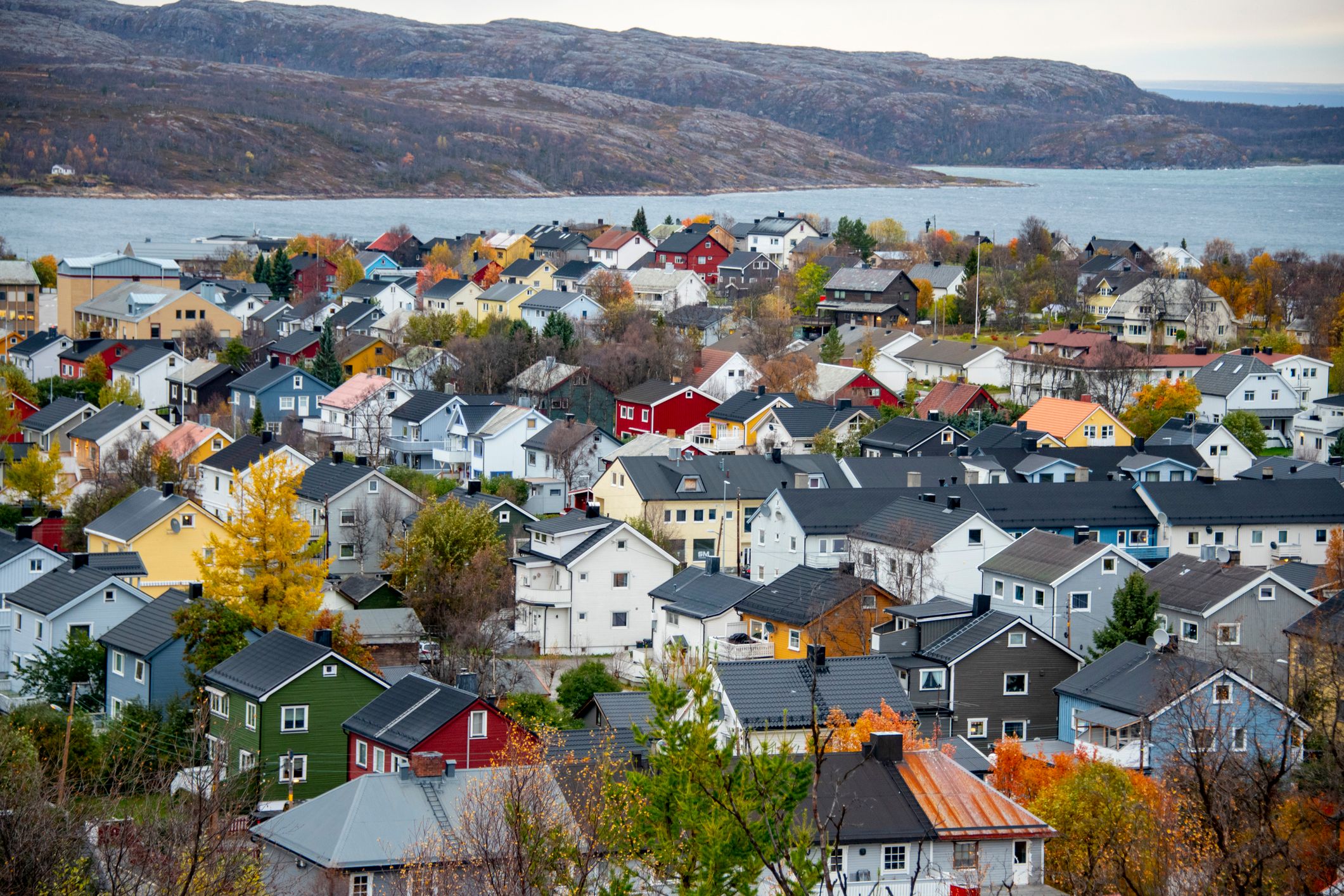
Kirkenes sits close to Norway’s border with Russia and marks the turning point of the voyage.
Its history again feels distinct from the cities farther south. The town endured hundreds of air raids during the Second World War, and wartime sites such as the Andersgrotta bomb shelter remain. Then, after a few hours, the ship turns around.
The southbound journey isn’t simply a replay. Because the timetable is reversed, ports visited in darkness or at deeply antisocial hours on the way north appear at different times on the return. A full round trip therefore reveals parts of the coast you may have slept through the first time.
Even committed scenery enthusiasts occasionally require REM sleep.
How the food changes along the Norwegian coast
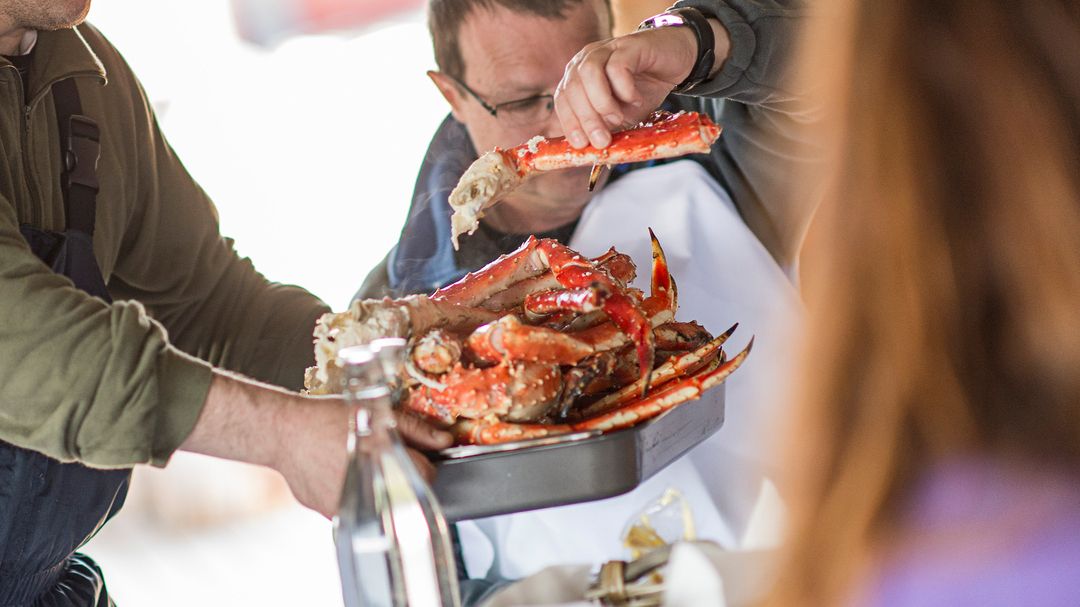
The geography also reaches the dining room.
Hurtigruten sources produce from suppliers along the route, bringing regional ingredients onboard at a number of ports. As the ship moves north, menus can draw on food including Trøndelag cheeses, northern fish, Arctic char, berries and king crab.
It’s a small thing, but an effective one. The food changes because the region outside the window has changed. Over nearly two weeks, that accumulated detail matters more than any single dinner.
Coastal Express or a Norwegian fjords cruise?

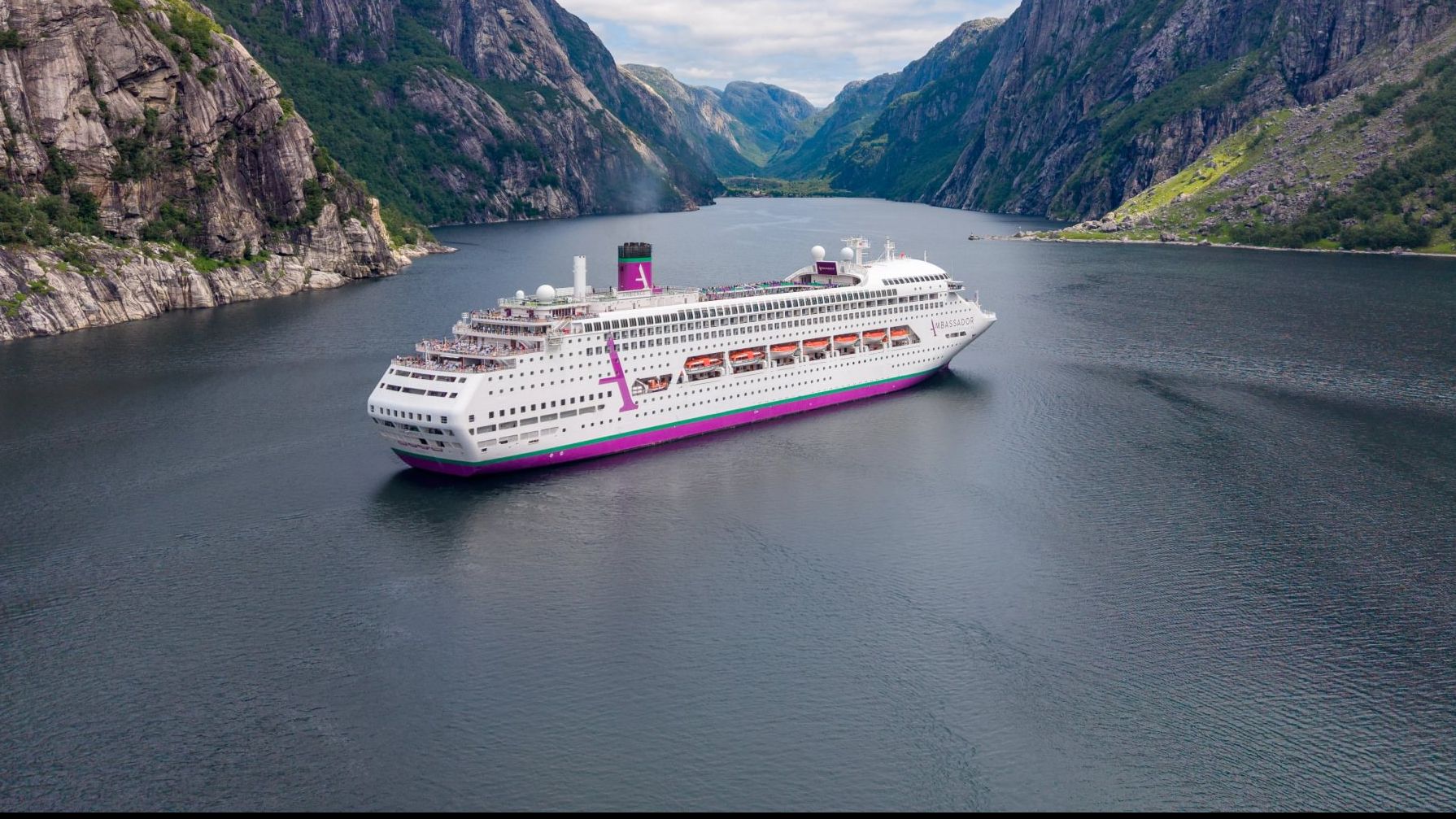
The two offer different versions of Norway.
A traditional fjords itinerary gives you longer days in major scenic destinations, with plenty of time for railways, viewpoints and excursions. If your priority is Geiranger, Flåm and the monumental landscapes of western Norway, that remains an excellent way to see them. The Coastal Express is less tidy.
Some ports get several hours, others ten minutes. Calls happen early in the morning and late at night because the timetable exists for reasons beyond tourism. Local passengers appear and disappear. Cargo moves across quays. Weather and daylight change as the ship pushes farther north.
By Kirkenes, you’ve watched Art Nouveau towns give way to post-war cities, fishing villages and Arctic settlements. You’ve crossed the Arctic Circle, passed through Lofoten and seen communities most cruise itineraries would have little reason to visit.
The fjords show you why Norway became famous. The Coastal Express shows you how people live along the rest of it.