You book it for “Northern Lights” or “fjords” and imagine a couple of big set pieces and a lot of time in the lounge. Then the ship leaves Bergen and, for the next 12 days, your entire concept of “scenery” gets quietly rewritten.
Hurtigruten’s classic Coastal Express runs between Bergen and Kirkenes, calling at 34 ports (north and south, with different call times for each direction) and covering around 2,500 nautical miles along the length of Norway’s coast. They have been sailing that route since 1893, carrying locals, cargo and the odd confused sofa as well as cruise passengers.
So what do you actually see, beyond the brochure slogans?
Daylight in motion: from Bergen to Trondheim
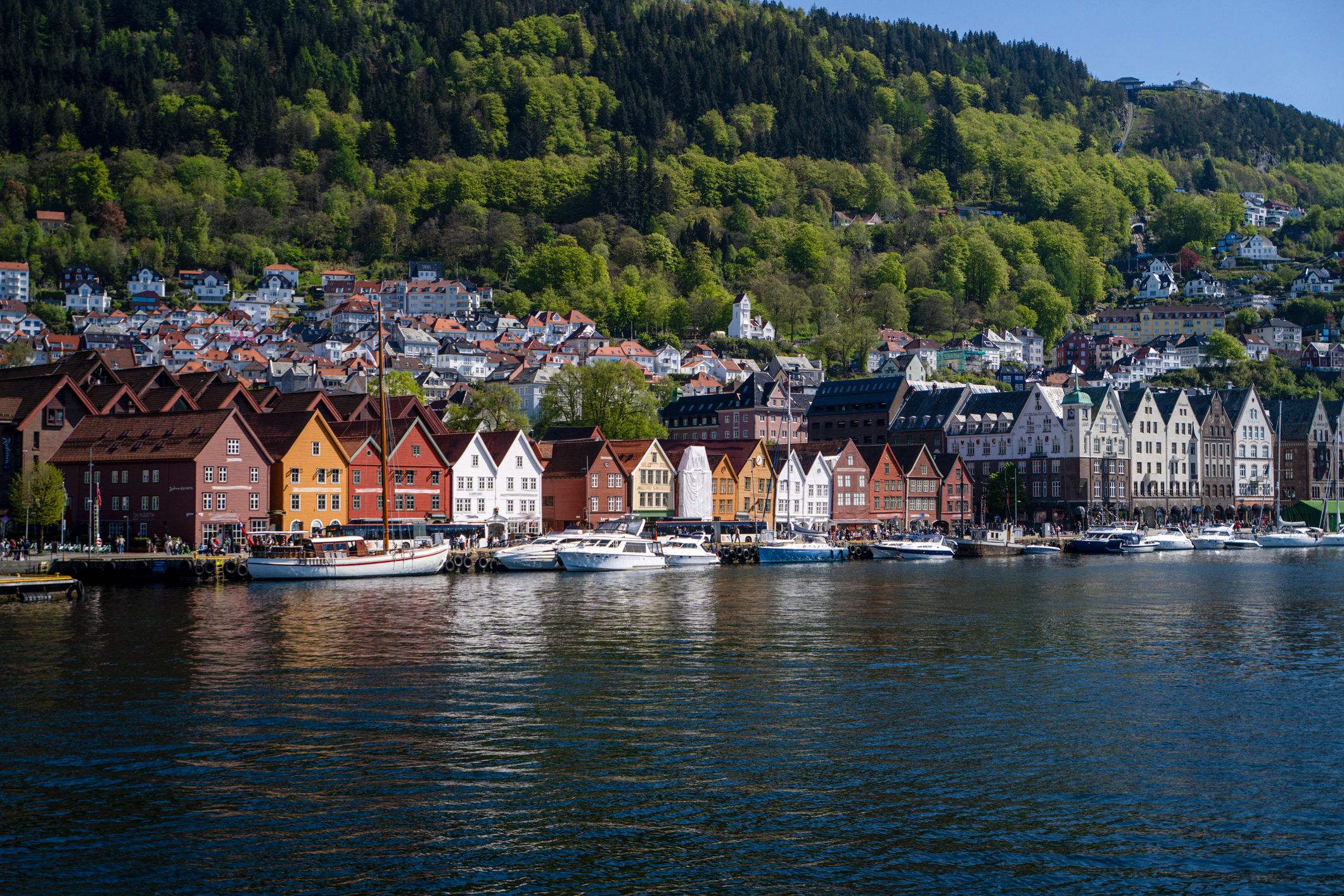
You start in Bergen, slipping past the wooden warehouses of Bryggen and the city’s seven hills. That postcard view lasts about five minutes before the ship ducks into the maze of islands that protects the coast. From here on, it is all skerries, lighthouses and improbably isolated houses with a single boat bobbing outside.
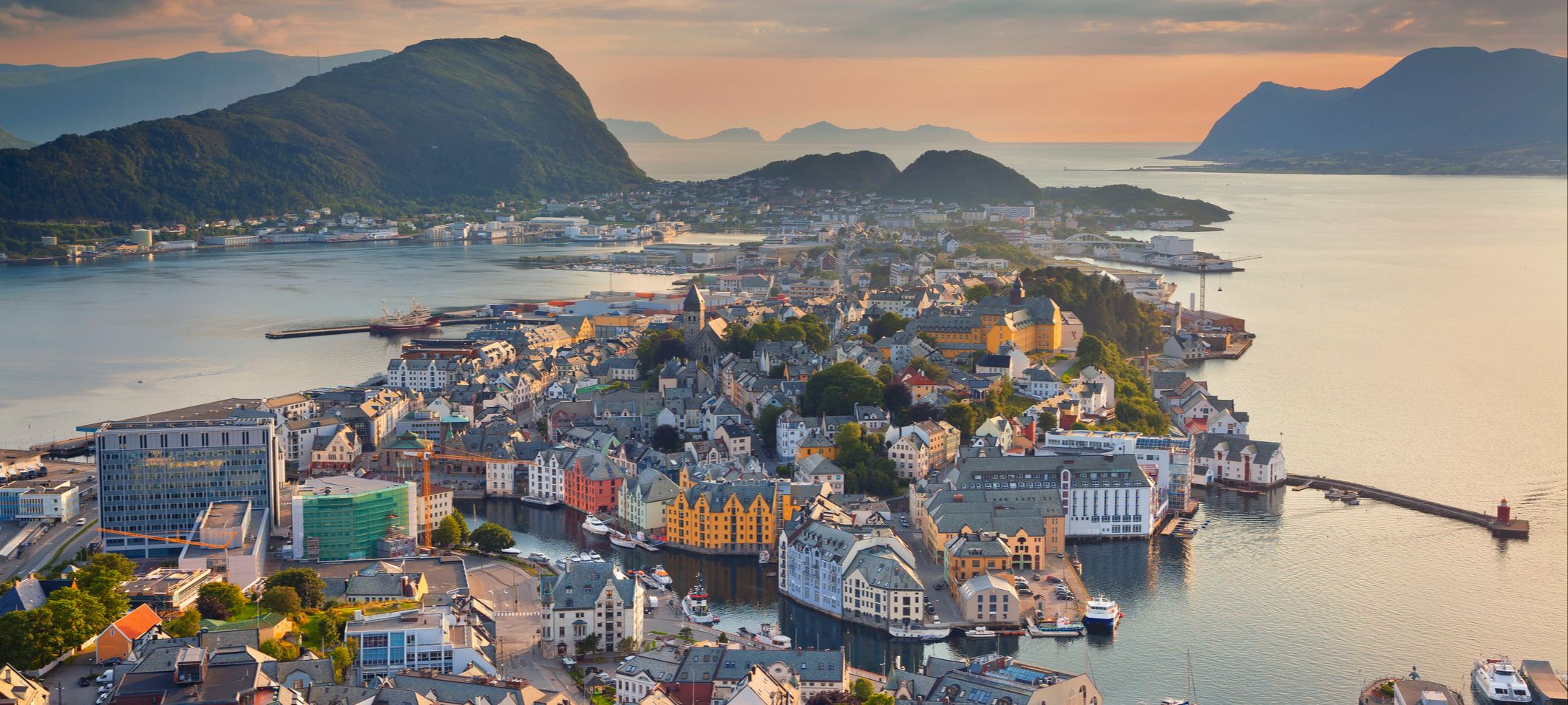
The first full day north gives you a good feel for the route. Tiny calls like Florø and Måløy flash past in the early morning, then you get longer in Ålesund, the Art Nouveau town almost entirely rebuilt after a fire in 1904. Its steep streets and turreted facades feel more Central Europe than Scandinavia, particularly if you climb up to Mount Aksla for the full “did someone build this for a model railway?” view.
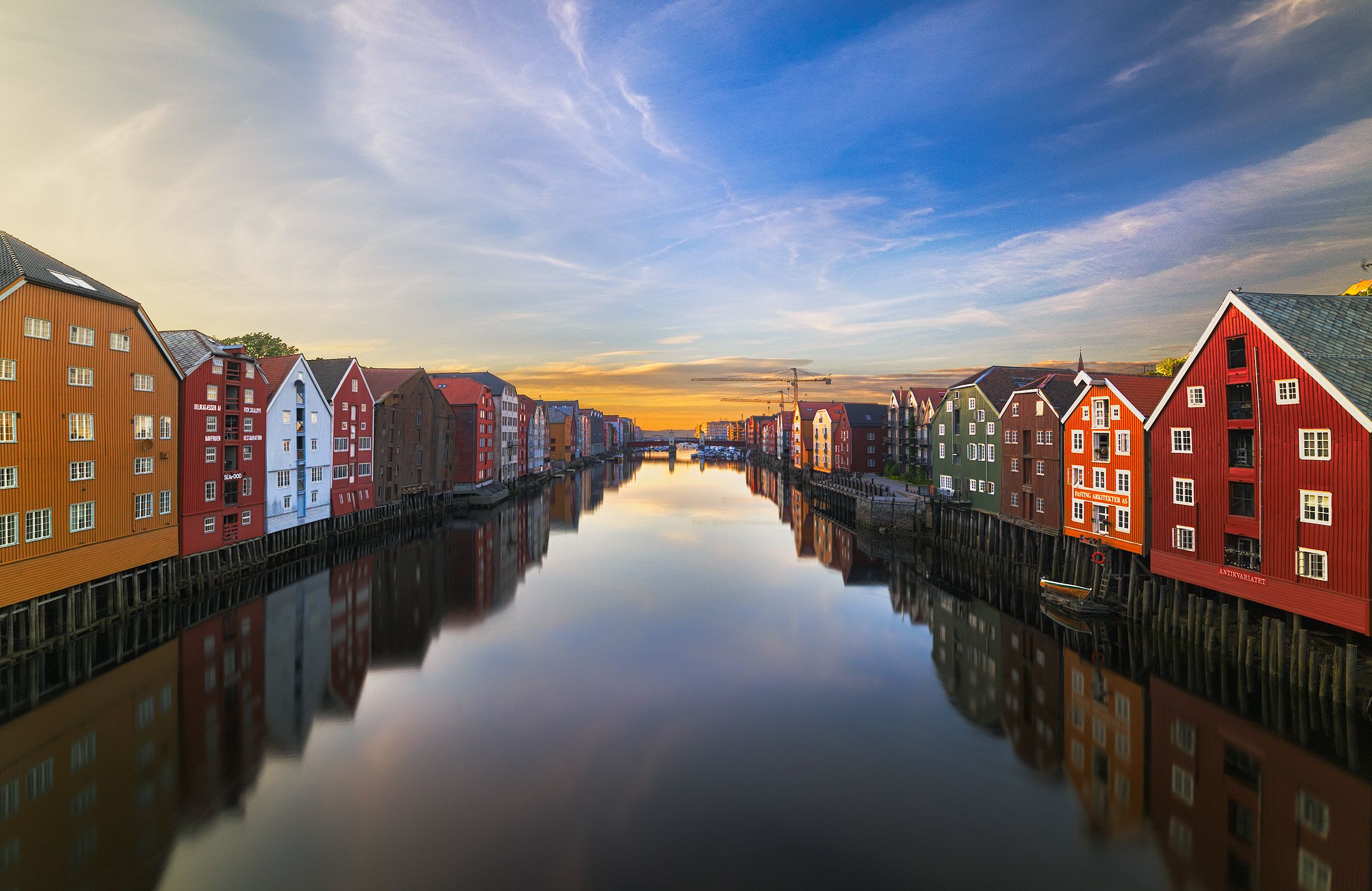
Trondheim feels much more like a city break. The ship moors close enough that you can walk into town to see Nidaros Cathedral and the old wharves along the river. If you are expecting a hushed medieval relic, the cathedral’s sheer size is a surprise; so is the fact there is a perfectly good coffee scene within ten minutes of the gangway.
The Helgeland coast and the Arctic Circle
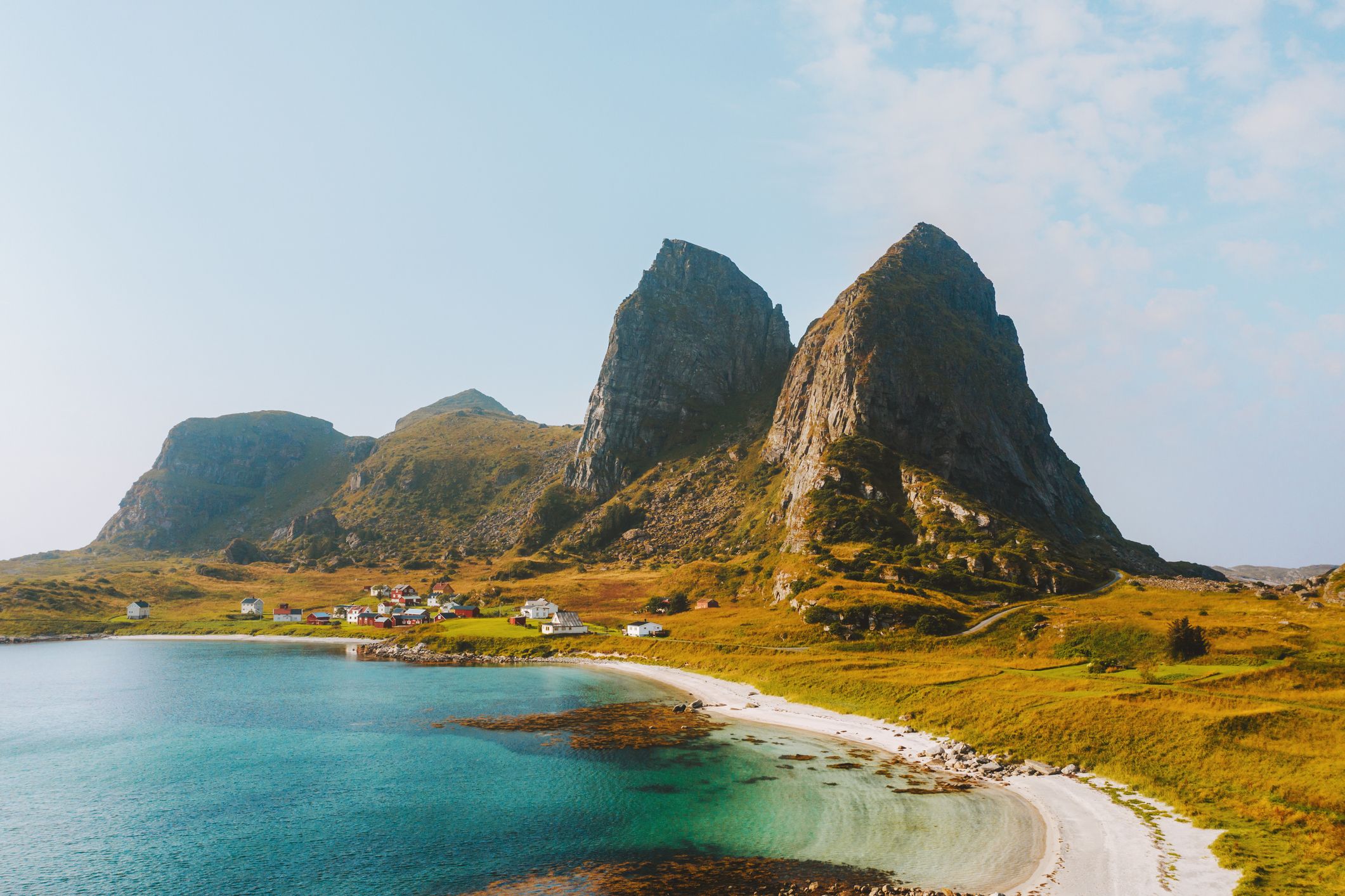
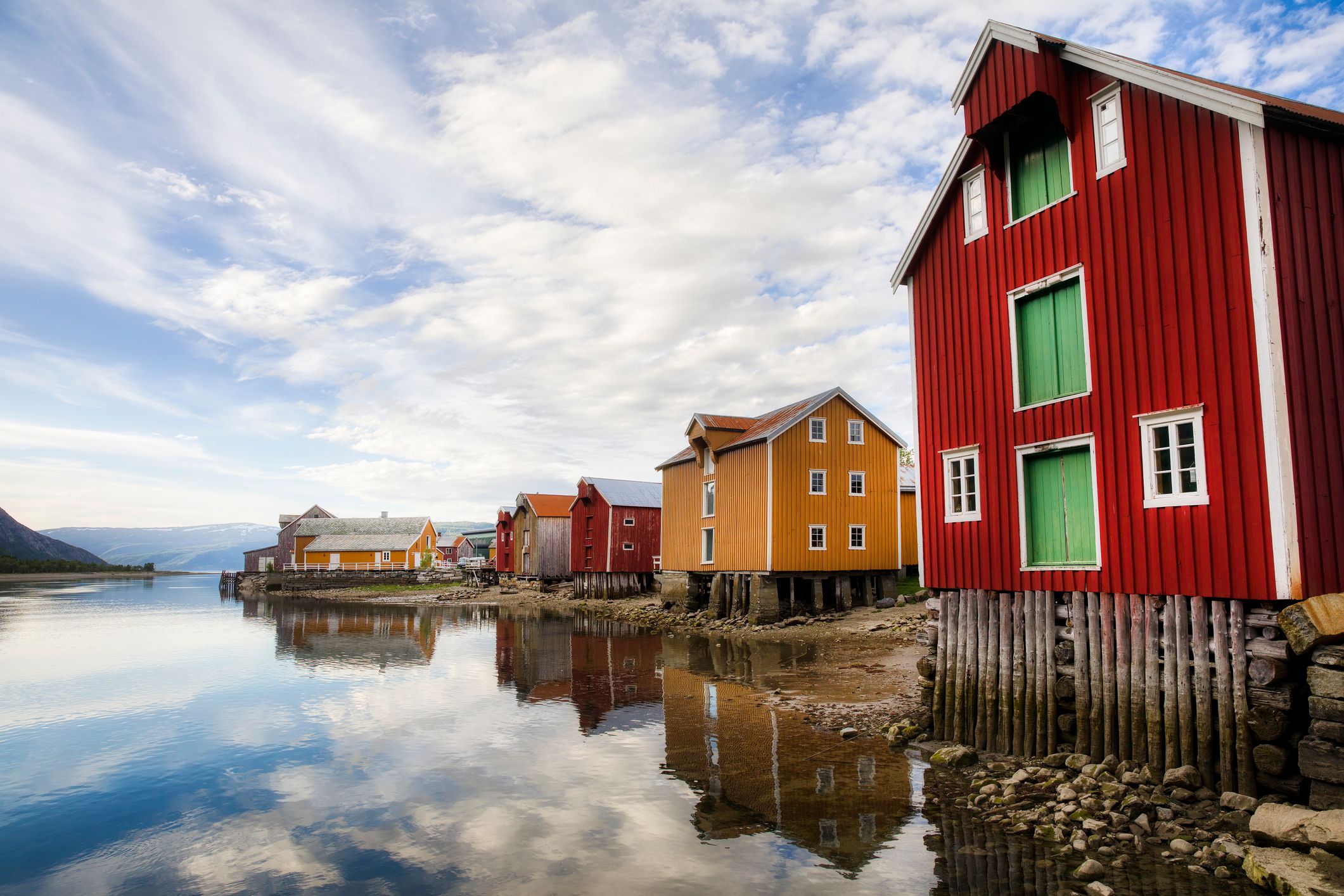
North of Trondheim the coastline begins to rear up. This is the Helgeland coast, often cited by Norwegians as the most beautiful stretch of the voyage. The ship threads between hundreds of islands, with the Seven Sisters mountain range off one side and the famous Torghatten, a mountain with a hole clean through it, off the other.
Some sailings offer excursions that hike up to that hole; from the deck you get the slightly lazier version, watching the profile shift as the ship passes. The Arctic Circle is crossed near Nesna, marked by a globe on a tiny islet and, usually, a low-key ceremony that may or may not involve ladles of ice water and a small shot of courage.
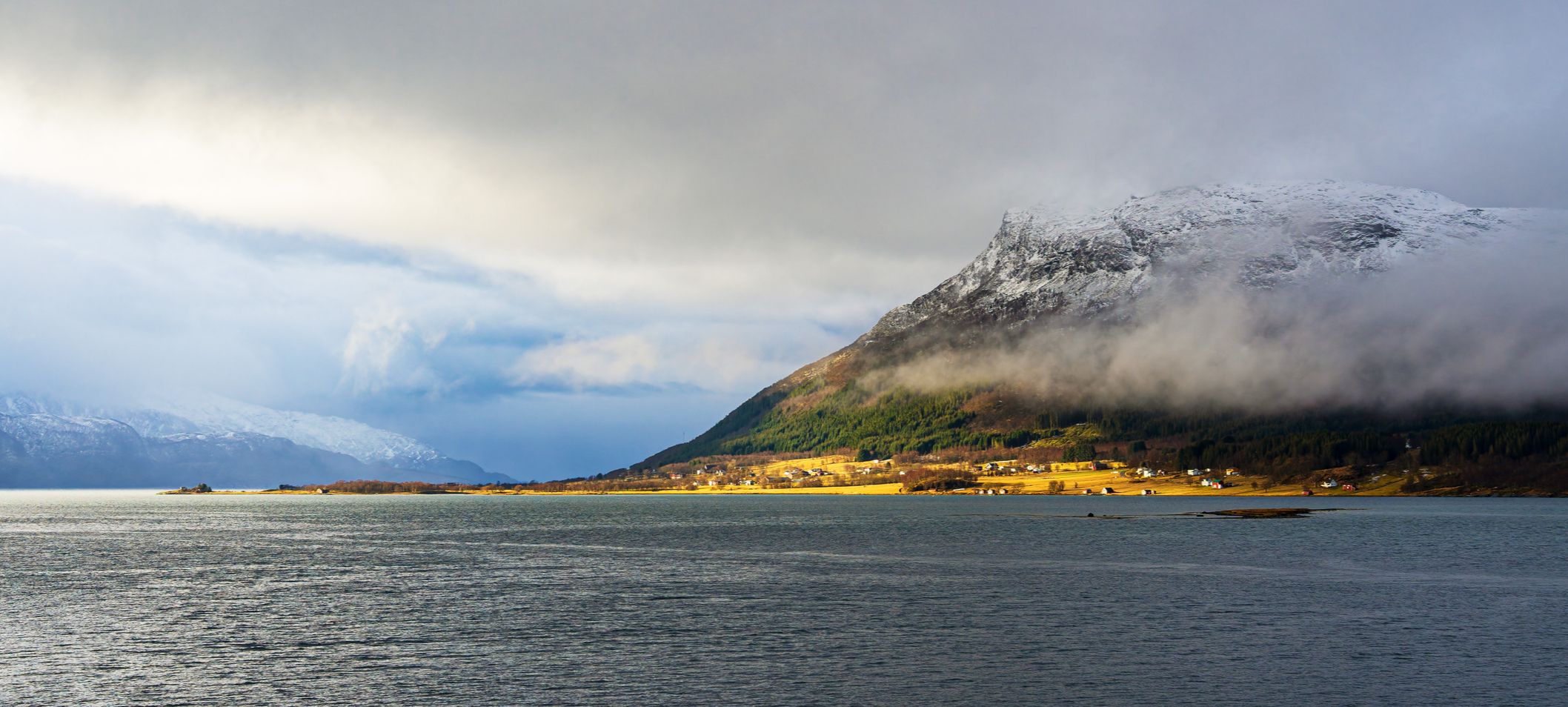
Bodø appears almost abruptly after all this scenery, a modern town with a proper fishing harbour and the option to head out to Saltstraumen, one of the strongest tidal currents in the world. If you have ever wanted to feel like a stray cork in a washing machine, this is your moment.
Lofoten, Vesterålen and the steep bit
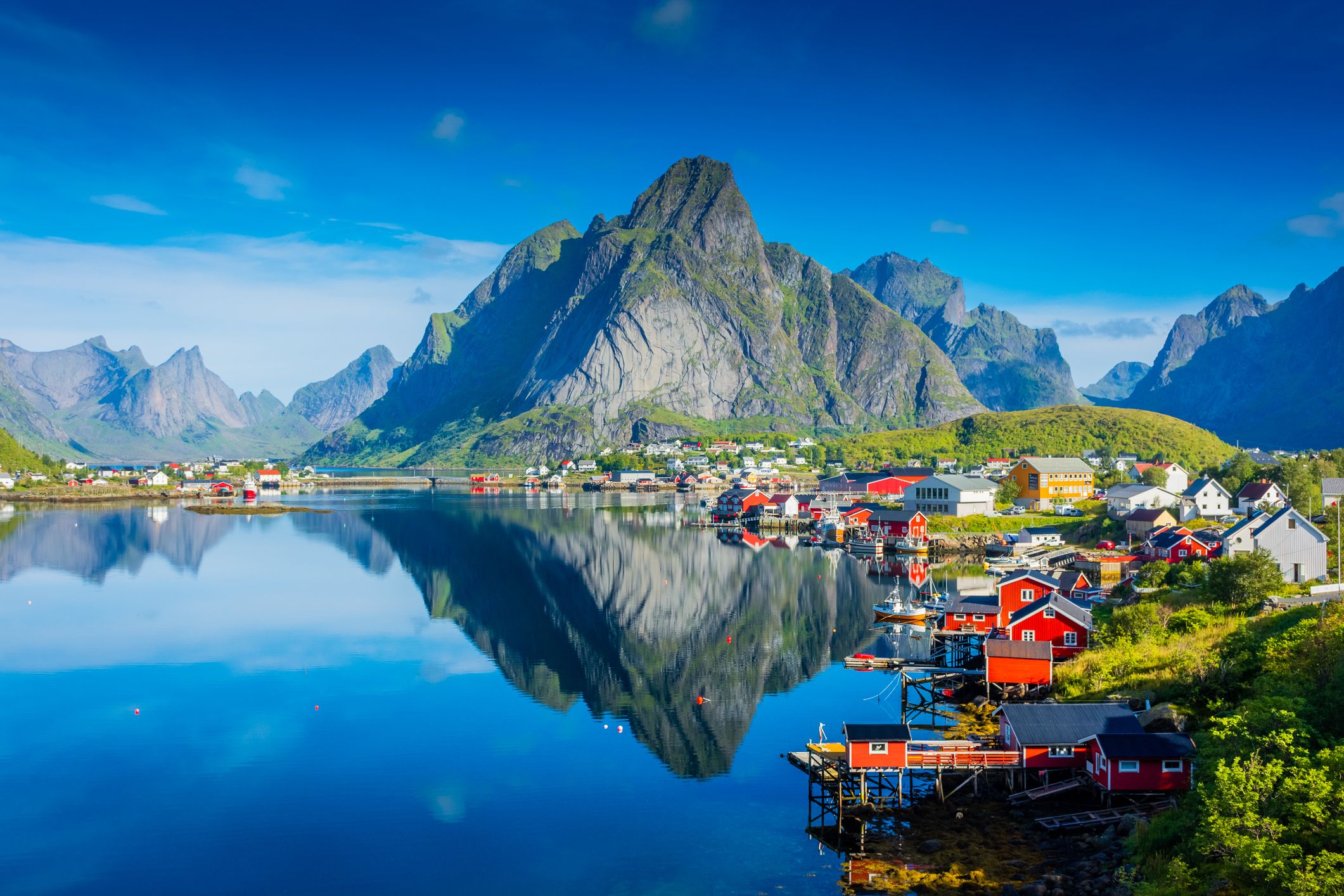
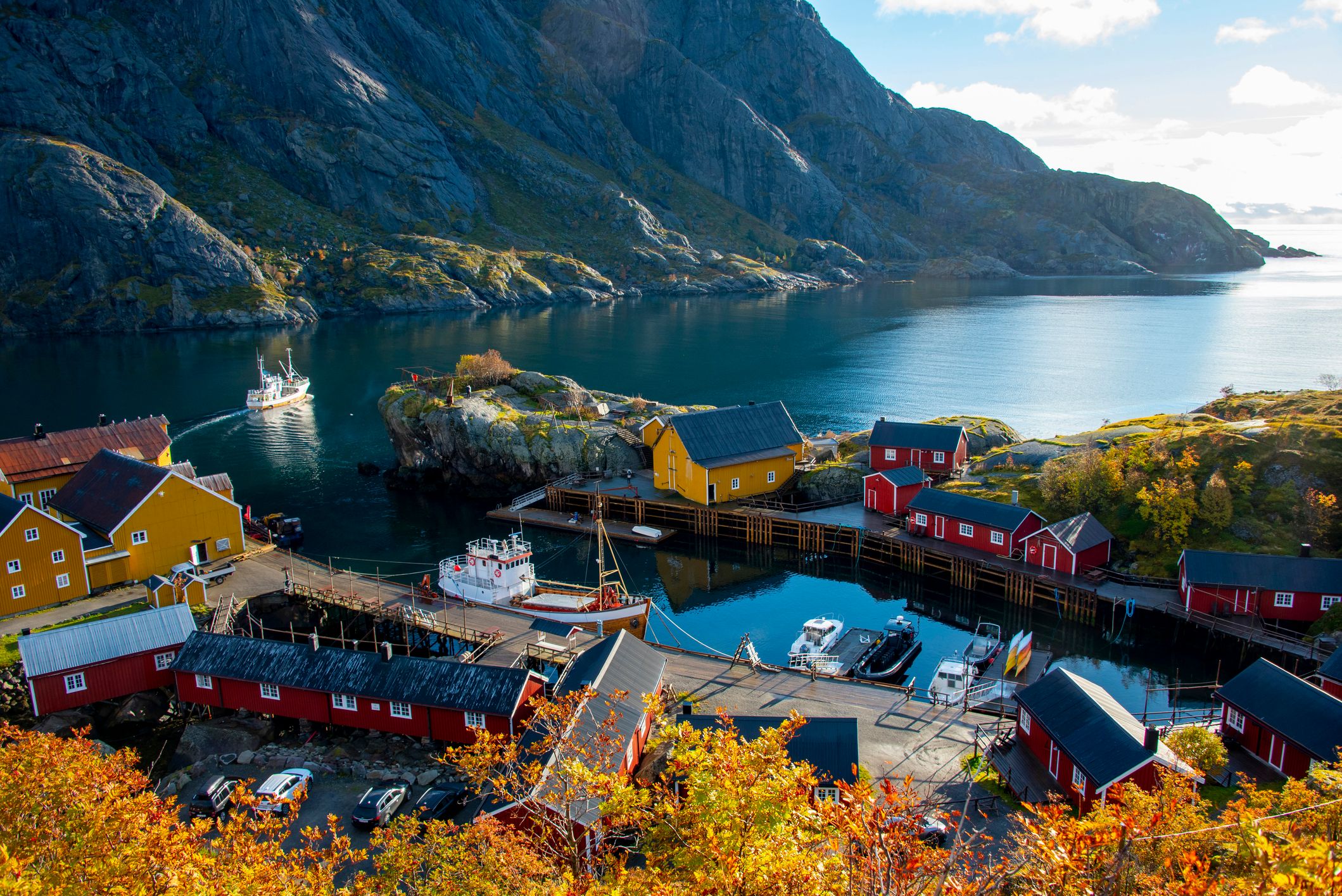
The approach to Lofoten is one of the voyage’s genuine “everyone goes quiet” moments. A sheer wall of mountains rises straight from the sea, scattered with fishing villages, cod drying racks and red rorbuer cabins that look like someone has arranged them for a painting.
You usually call at Stamsund and Svolvær, with enough time in at least one to walk the harbour, hunt down cinnamon buns and watch local fishing boats unload. On many sailings there is a late evening detour into Trollfjord, a comically narrow side fjord where the captain shows off with a tidy pirouette before backing out again. It is hard not to applaud.
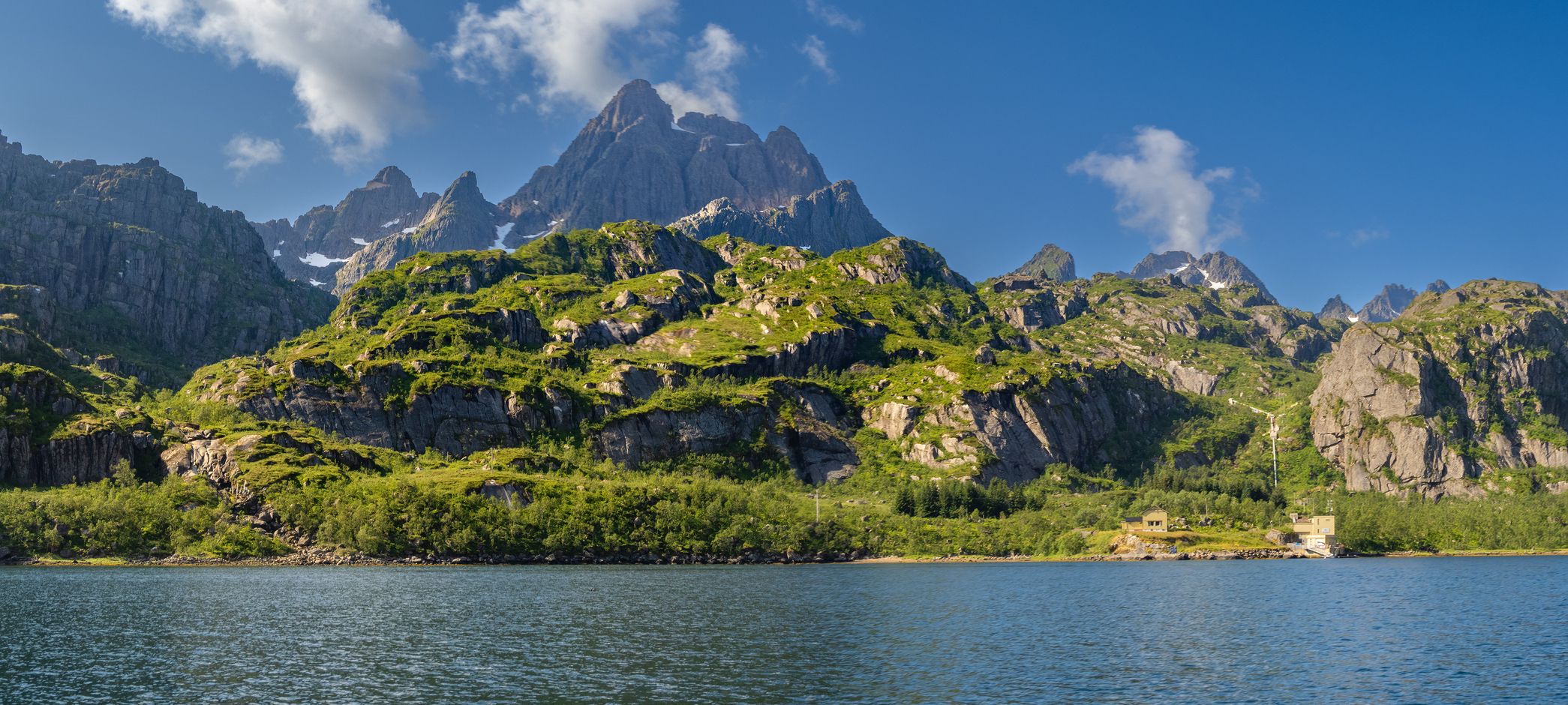
Vesterålen, just to the north, is lower and softer but gives you a better sense of day to day life. This is where you find tiny Risøyhamn, with around 200 residents, which still gets the full ship treatment despite being smaller than some of the vessels that call there.
Tromsø, North Cape and the very long evenings
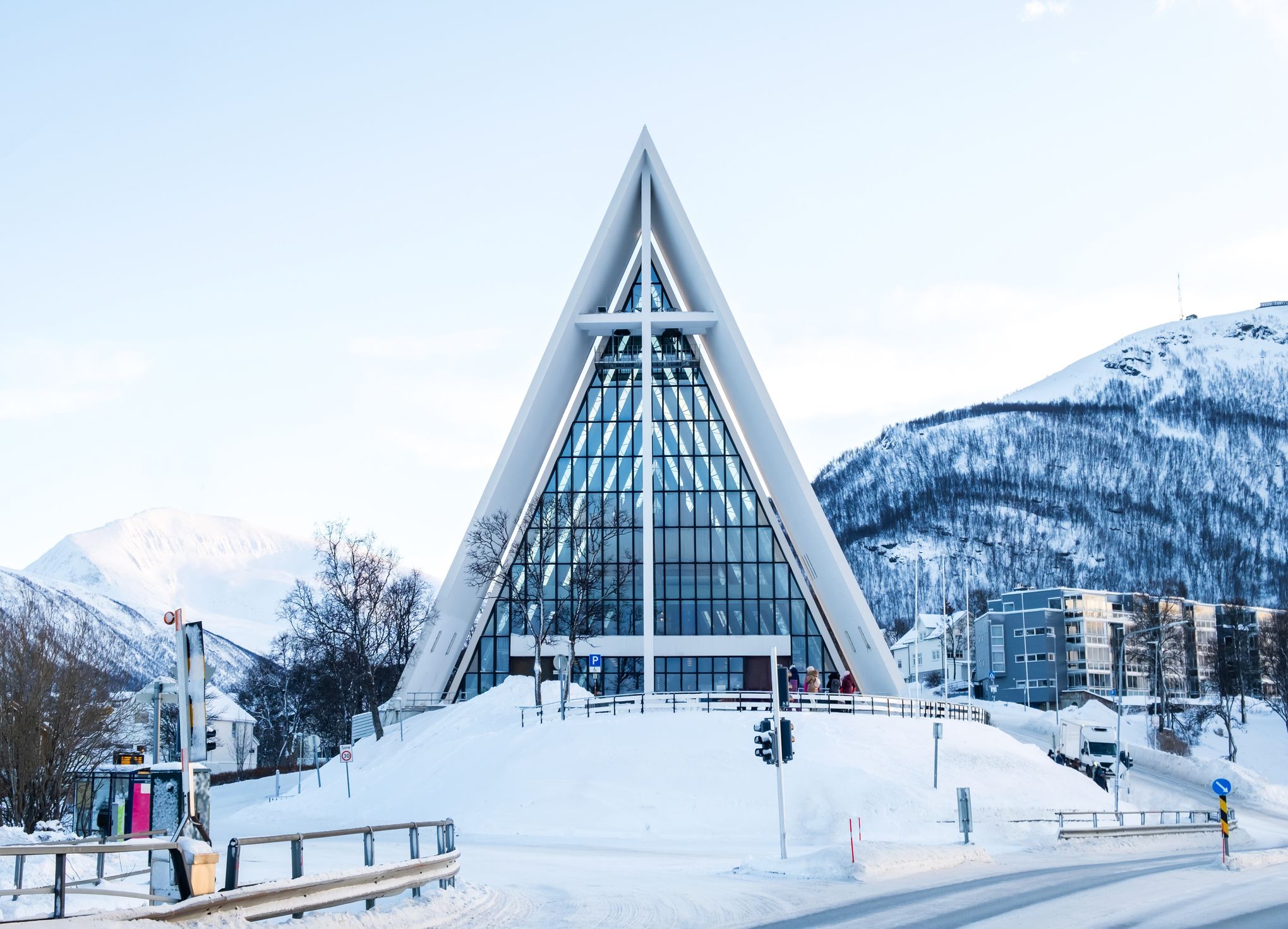
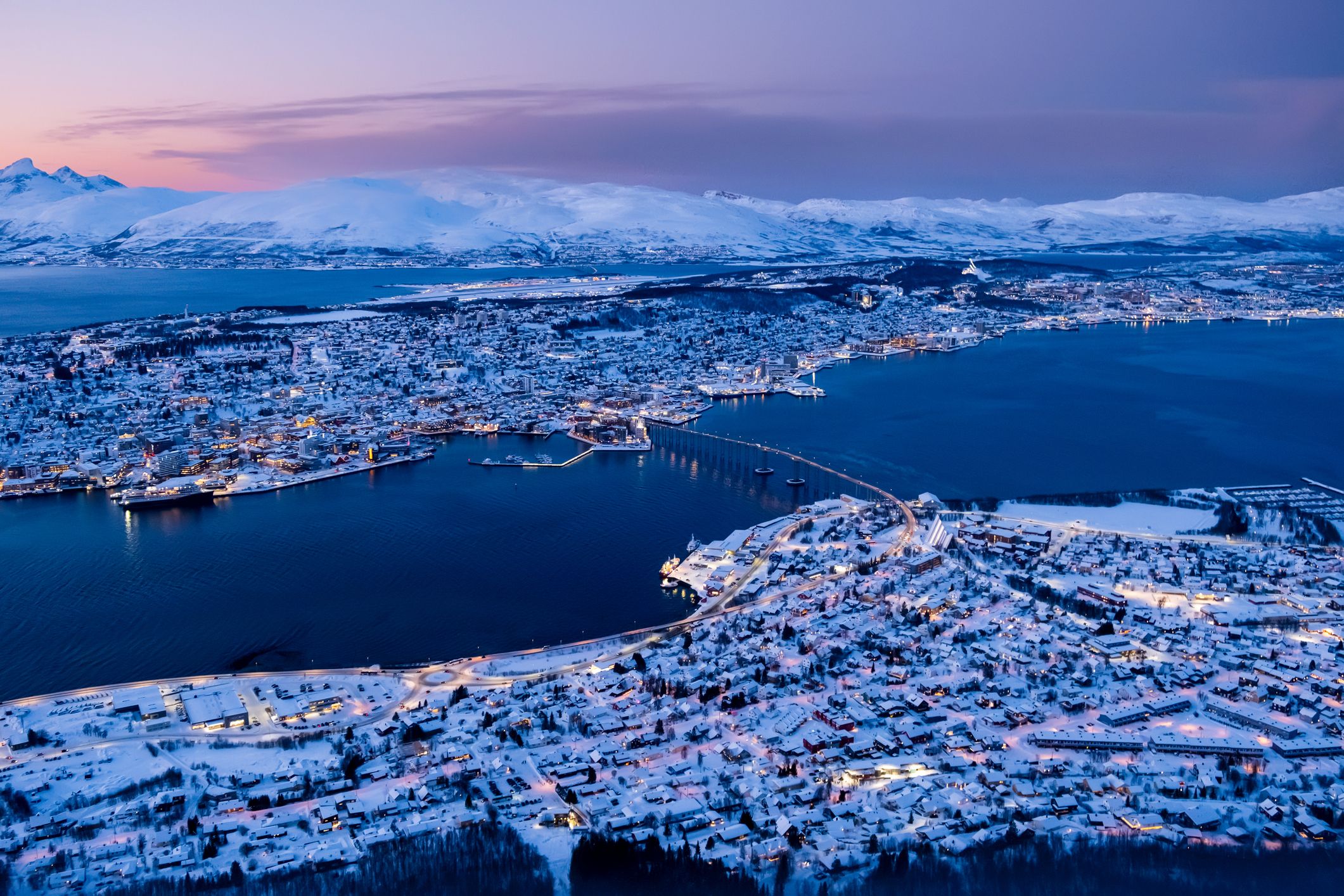
Tromsø is the point where many passengers suddenly remember that this is still technically a working route, as students, families and business travellers hop on and off with the same lack of ceremony as a suburban train. The city feels like a proper Arctic hub, with its university, the glassy Arctic Cathedral and a cable car that takes you up to a plateau with views across the islands. If you are sailing in winter, this is often where the first serious Northern Lights talk happens.
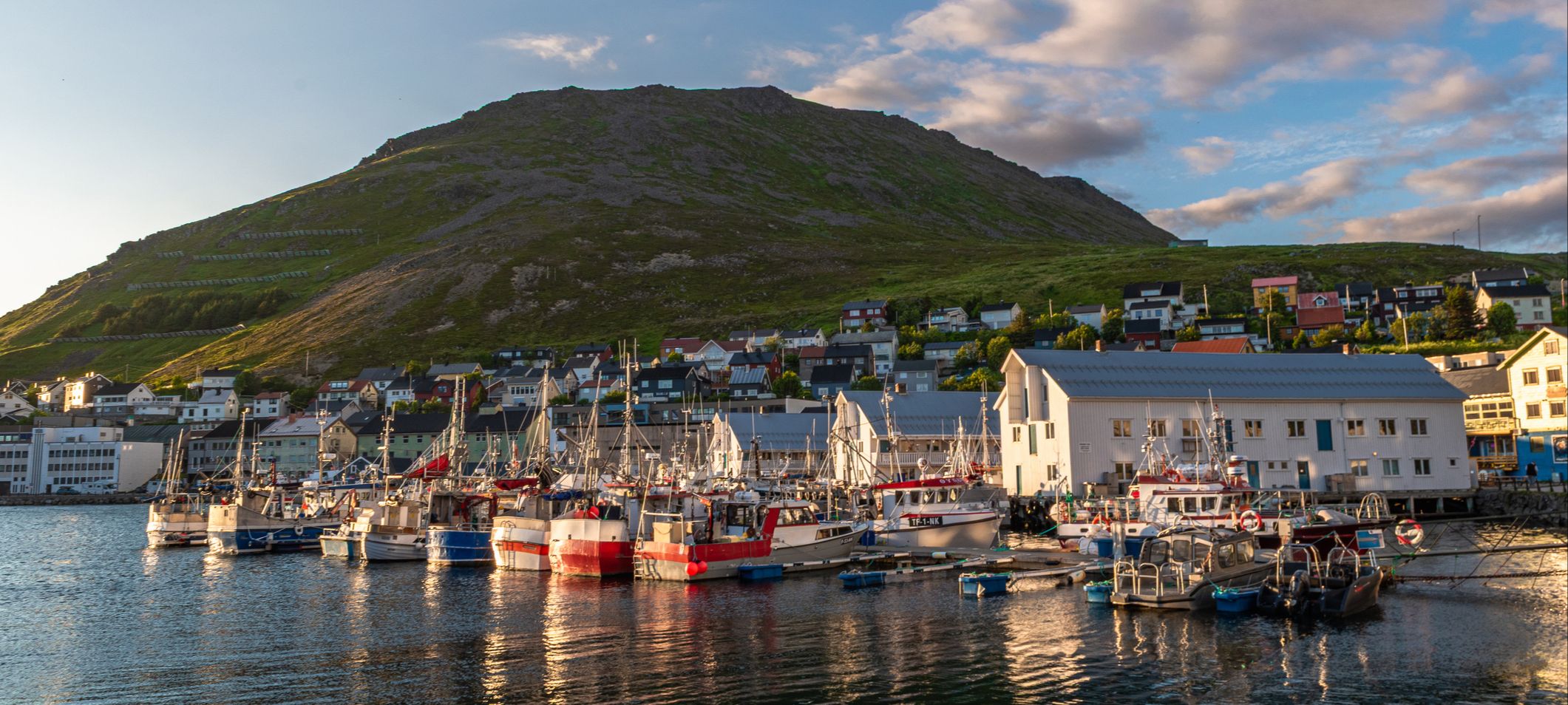
Further north again, Honningsvåg is the jumping off point for the North Cape plateau. From the sea, you glimpse the cliff itself and the famous globe sculpture. On land, shuttle buses trundle visitors up onto a bare, wind-scoured headland that does genuinely feel like the edge of something. Various excursions in Finnmark add to the sense that you are now somewhere quite different: snowmobile runs between Kjøllefjord and Mehamn in winter, king crab safaris and Sami cultural visits, depending on season.
Kirkenes and the far edge
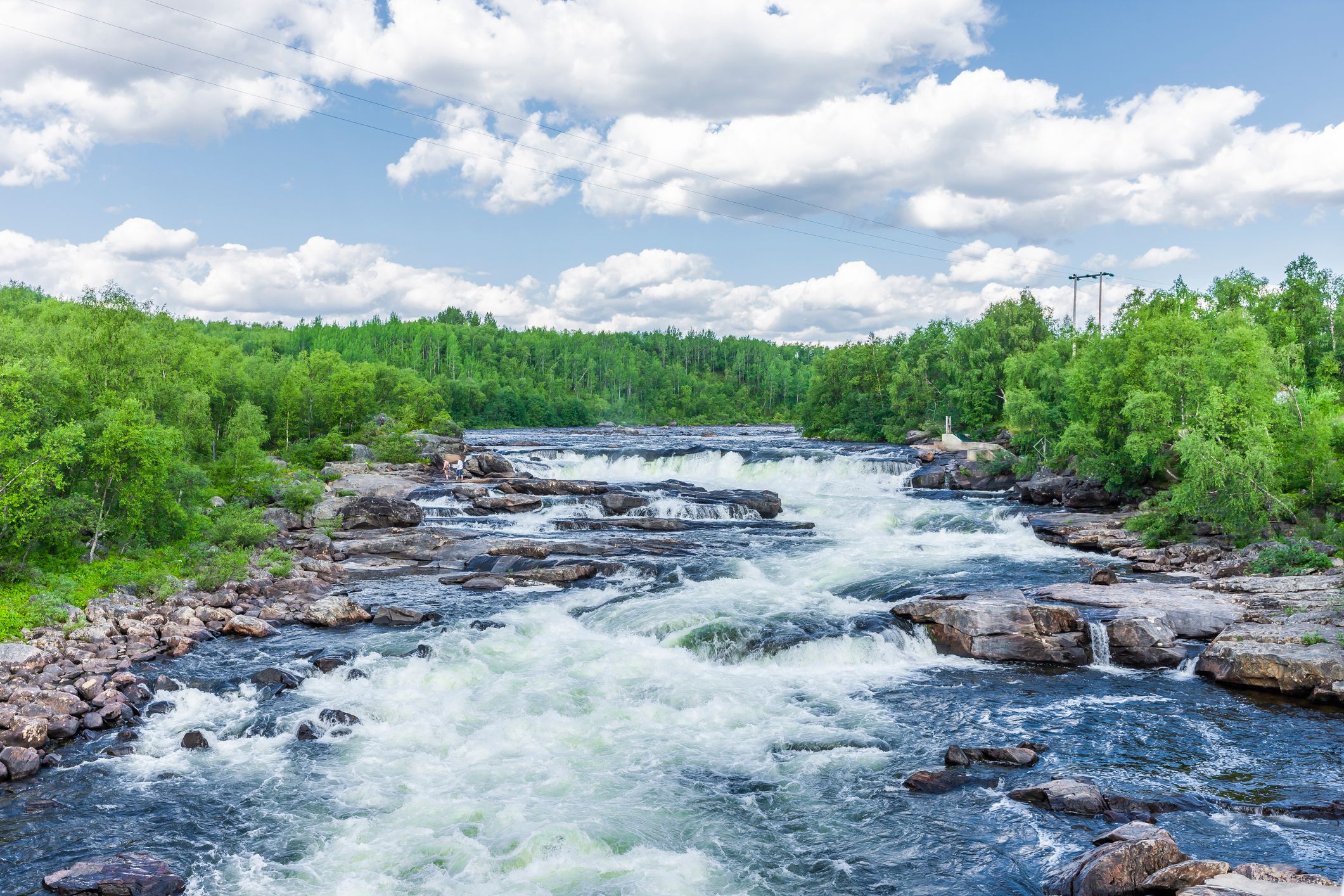
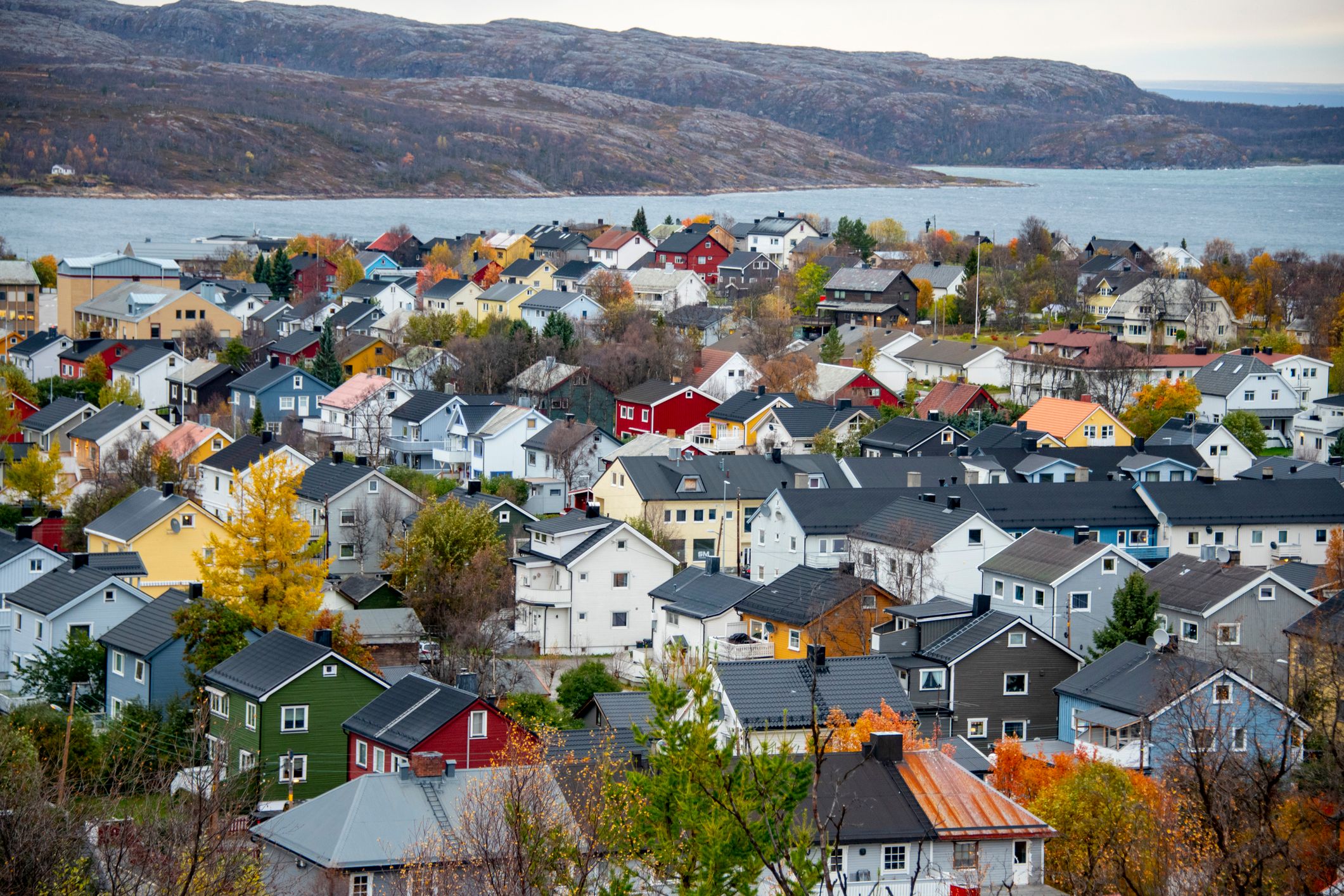
By the time you reach Kirkenes, you are only a few kilometres from the Russian border and a very long way from Bergen in every sense. In winter there are chances to visit the Snowhotel, mush a dog team through the forest or simply look at the temperature and feel smug about the thermal layers you packed. In summer, the light never really leaves and the town feels unexpectedly green.
Kirkenes is where some get off to fly home and others simply pivot and start the southbound leg. The neat trick of the full round voyage is that ports you visited in the middle of the night on the way north are seen in broad daylight on the way back, so the scenery never quite repeats itself.
How the seasons change what you see
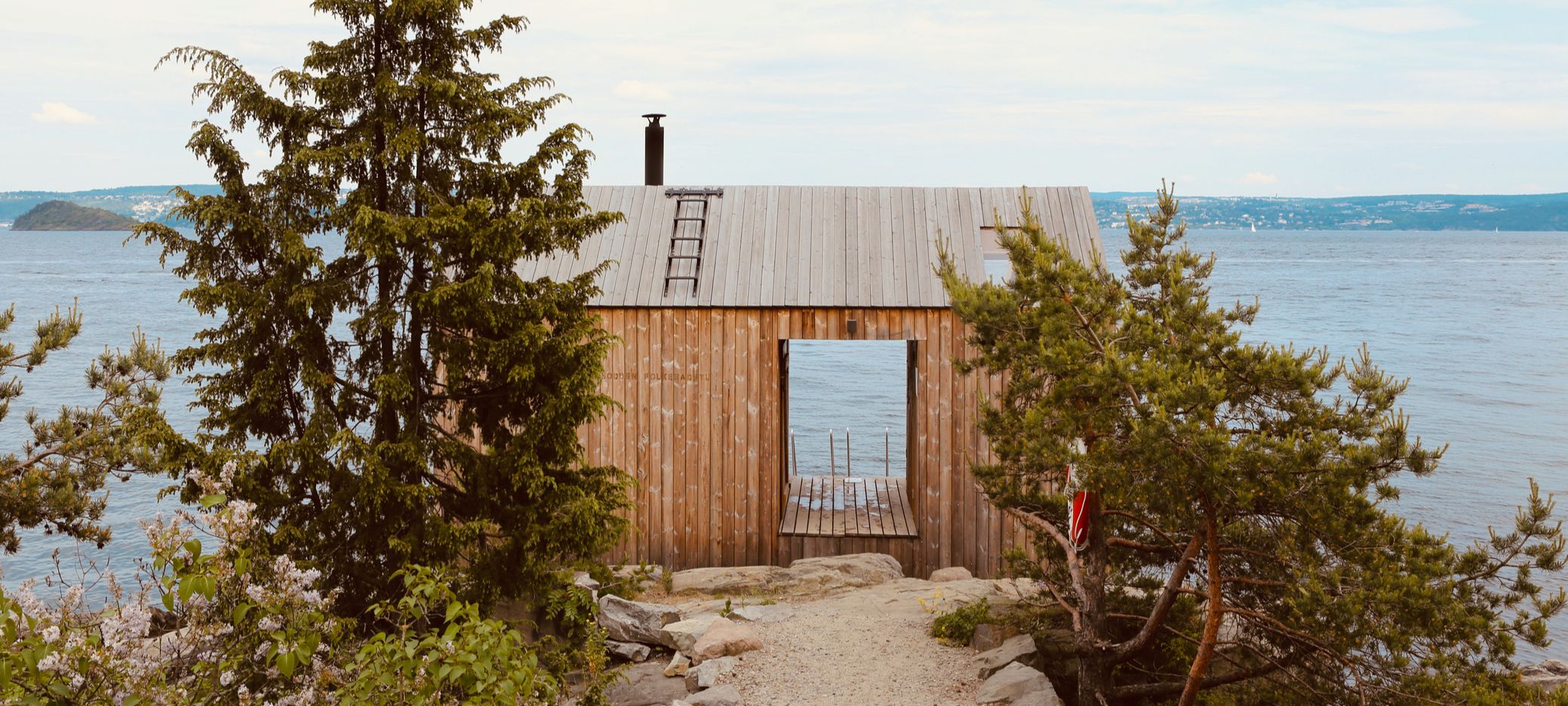
In summer, the word you are looking for is “relentless”. Above the Arctic Circle the Midnight Sun means there is no real night, only a softer version of afternoon. Mountain ridges stay lit like theatre sets at midnight and you develop a complicated relationship with your cabin’s blackout curtains. Wildlife spotting tends to skew towards seabirds, puffins on certain sailings, and the occasional whale or porpoise if you are lucky and looking in roughly the right direction.
In winter, everything slows. The sun barely rises above the horizon for a time and the coast takes on that blue hour light photographers get overexcited about. Snow lies down to the waterline, fishing towns glimmer in the dark and the sky becomes a full time hobby. Hurtigruten leans into this with its Northern Lights promise on selected voyages and, when the aurora does appear, the ship makes an announcement that has everyone bundling themselves into fleece and heading for the open decks.
Spring and autumn sit in between: fast changing weather, waterfalls in full spate, some snow, some green, and the feeling that the entire landscape is in the middle of getting dressed.
The small things you notice

For all the marquee moments, what stays with many people are the small, repeated scenes. Forklifts racing pallets of fish on and off in fifteen minute stops. Cars and the odd campervan rolling out of the bowels of the ship so their owners can drive a couple of hours up the road. Schoolchildren using the vessel as a commuter ferry. Locals hopping on for a single port with a shopping bag and a sense of complete ease.
The Coastal Express is still, in many ways, a scheduled service that happens to have very good views. The miracle is that as a visitor you get both: the sense of travelling through a real, working coastline and the luxury of time to watch it all scroll past from behind a mug of coffee.
If you come home remembering the Northern Lights or the Lofoten wall, of course you will not be alone. But do not be surprised if the thing you end up telling people about is the tiny Arctic village where three people got on board, the dog on the quayside barked twice, and the ship slid back out into the dark as if this is just how life works, which along this coast, it is.