This little arc of sea between Saint-Malo, Guernsey and Jersey sounds almost too tidy on paper. In practice, it has exactly the sort of range that makes a route memorable: French granite and ramparts in Brittany, then a jump to island harbours where the streets get steeper, the weather gets more impassioned, and lunch starts involving cream tea or oysters depending on which side of the water you woke up on. The distances help explain why it works so well. Condor’s fast ferry crossing from Saint-Malo to Jersey is about 1 hour 25 minutes, while Saint-Malo to Guernsey comes in at around 1 hour 55 minutes. This is not a route built on heroic sea mileage. It is built on contrast.
And contrast is exactly what you get.
Saint-Malo
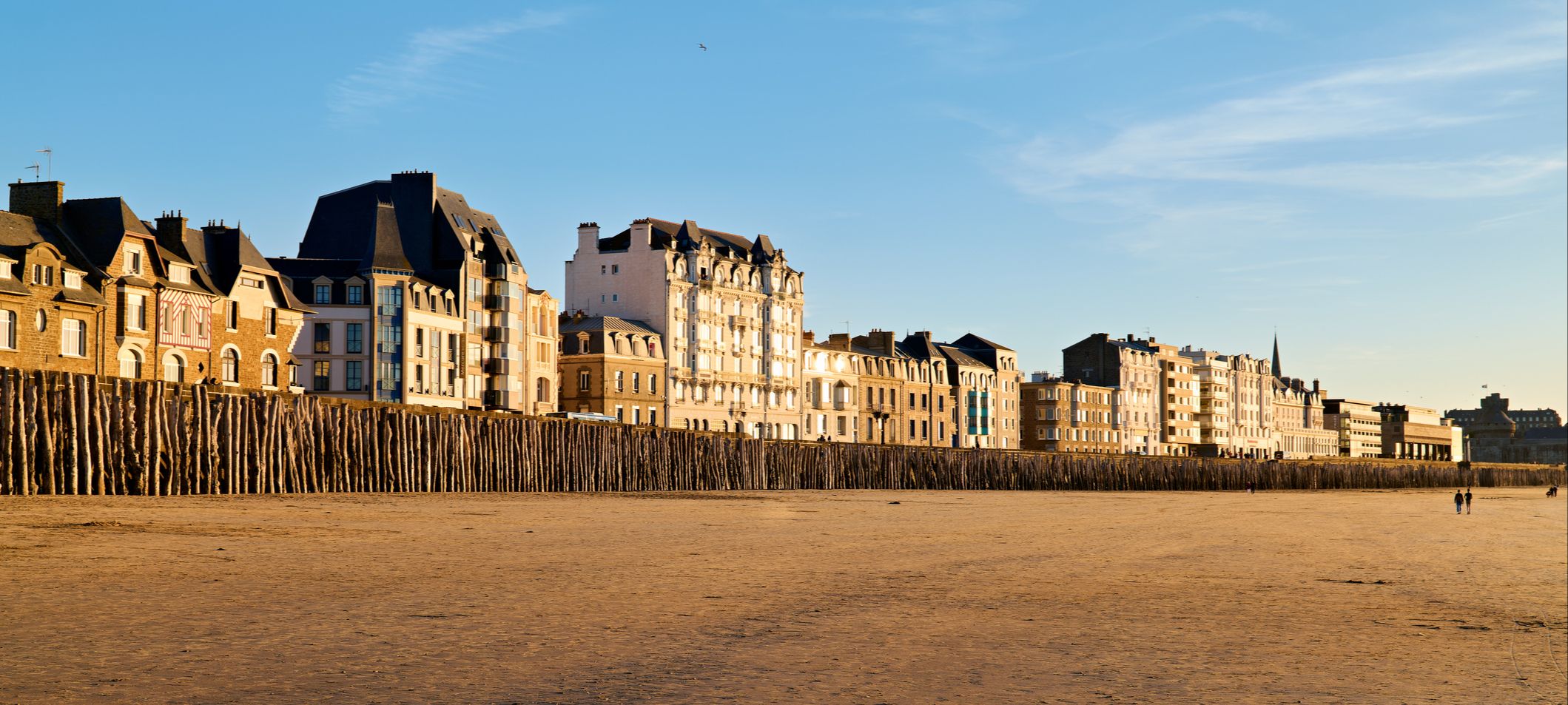
Saint-Malo has the decency to look as though it was designed by someone who felt ordinary harbours were for other people. Brittany Tourism describes it as a “stone ship,” and that is about right. The Intra-Muros old town sits behind granite ramparts, with the tourist office noting that a full circuit of the walls takes about an hour and comes with sea views in every direction. The city’s own tourism material also leans into the maritime fortifications and the privateer history, which tells you everything you need to know about the local preferred image. This is not a town that wants to be thought of as quaint. It wants to be thought of as formidable, preferably with good oysters nearby.
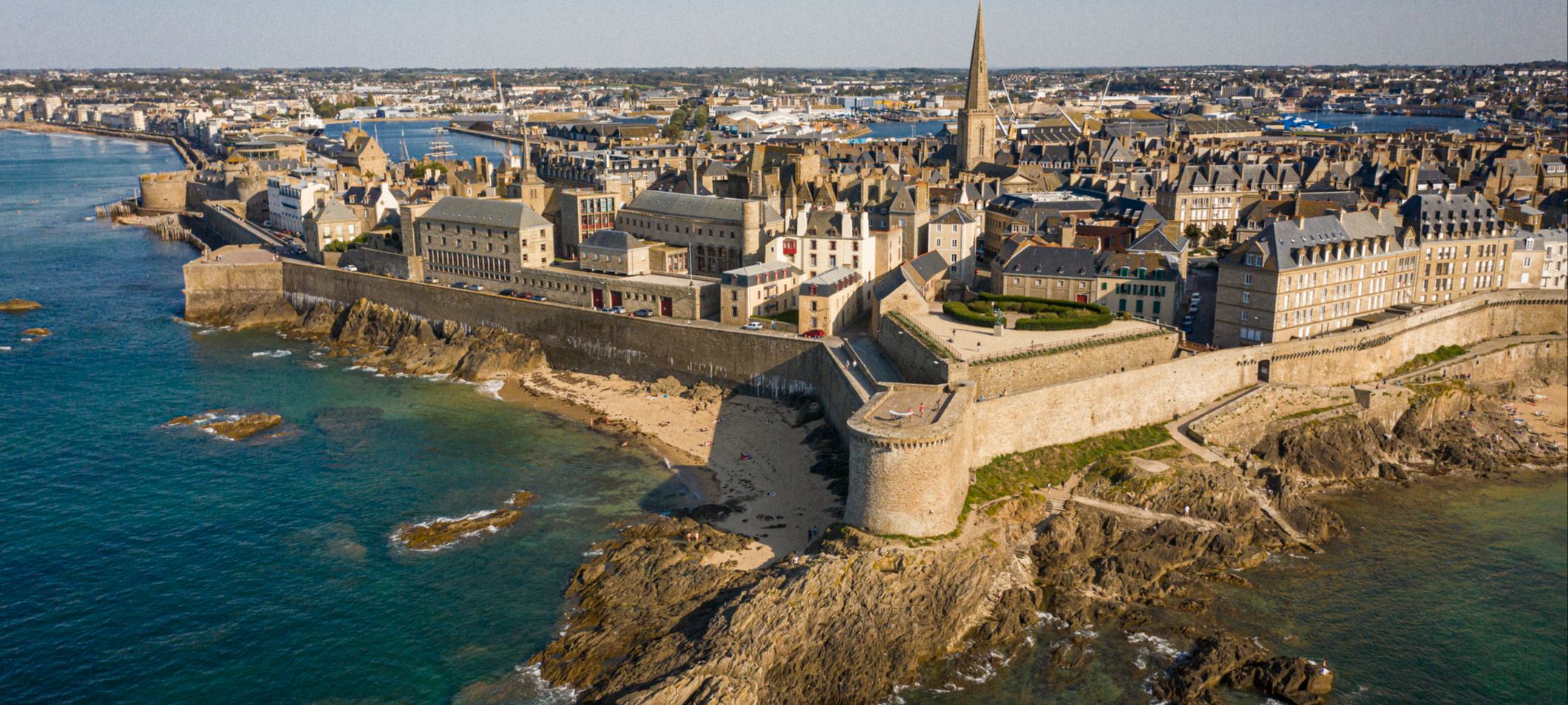
That is why Saint-Malo is such a strong opening act. You can spend an afternoon simply doing the obvious things and still feel rather pleased with yourself. Walk the ramparts, duck into the old streets, watch the tide do its work around the forts and beaches, and stop for something Breton and restorative before returning to the ship with the air of someone who has spent the day among serious stone. It has the scale of a place you can cover without rushing, but enough character that you do not feel you have merely “done the old town” and moved on.
Guernsey
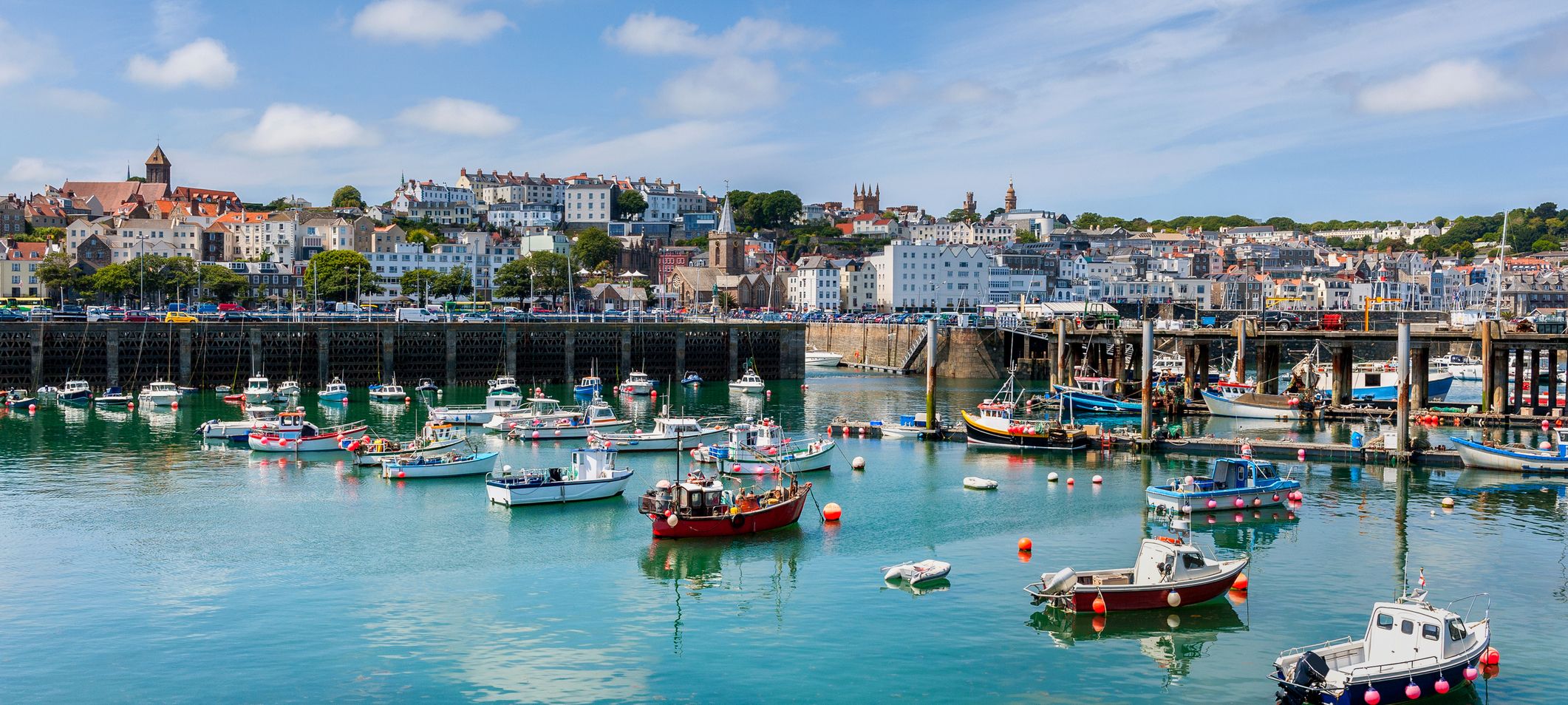
Guernsey does not come at you in the same way. It lets St Peter Port make the first move.
Visit Guernsey describes the town as a charming harbour settlement on the east coast, with cobbled streets, restaurants, shops and views towards Herm and Sark. The island’s 2026 cruise guidance is also refreshingly practical: smaller ships can berth alongside, while larger ones anchor and bring passengers ashore by an eight-minute tender. That is the sort of detail that sounds minor until you realise how much it shapes the mood of a call. Guernsey begins with a short sea crossing into town, which is a very good way for an island to introduce itself.
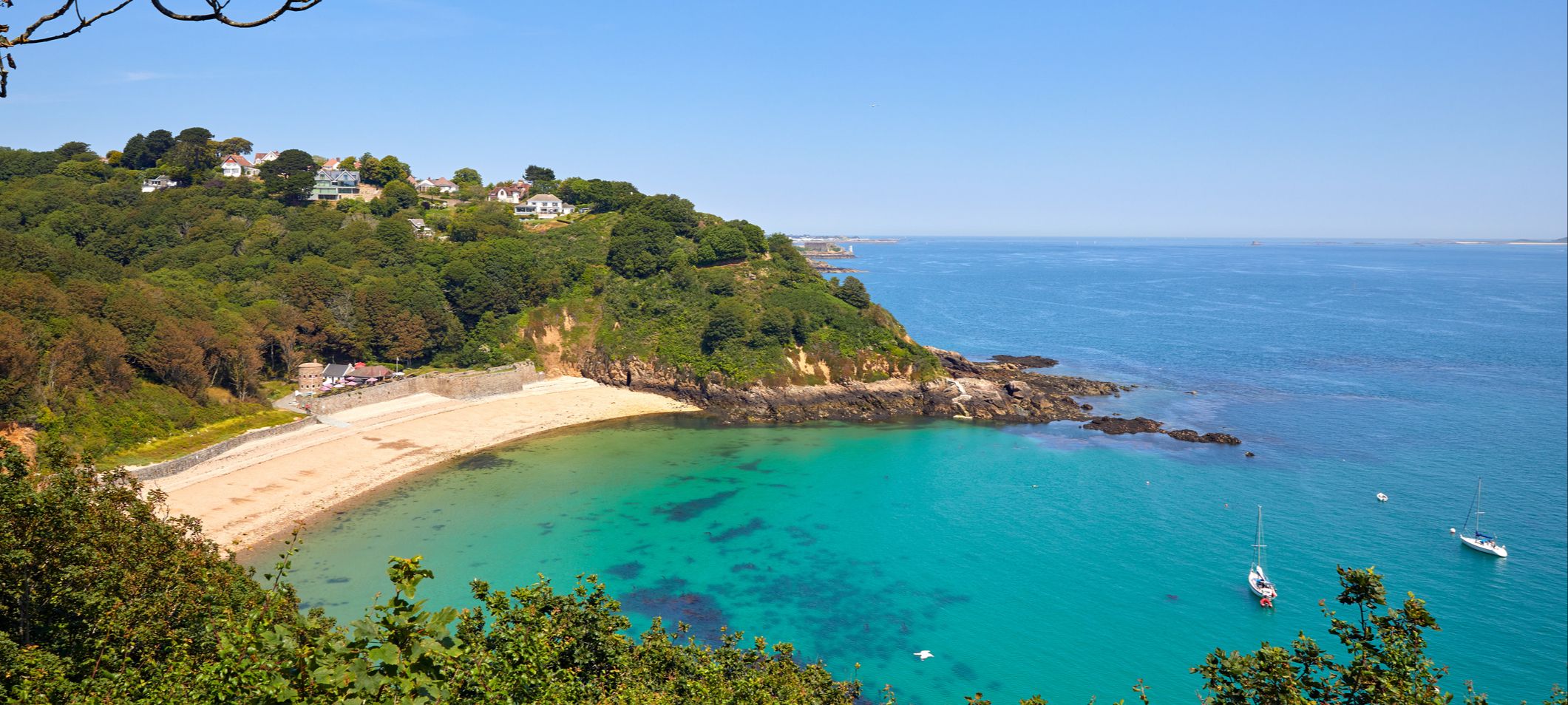
Once ashore, the smartest thing to do is not overcomplicate it. St Peter Port is one of those places that rewards a bit of drift. You walk uphill because the streets insist, find a view, come back down via another lane, and eventually arrive at the point where a coffee or a glass of something seems not only justified but morally necessary. Visit Guernsey’s own visitor information centre makes a point of castles, fortifications and guided walks, which gives you the official version. The less official version is that Guernsey excels at looking modest until you are in it, at which point you realise the harbour, the steps, the sea light and the slightly old-fashioned calm have all combined rather effectively.
It is, in other words, an excellent island for people who like the feeling of having “found” a place, even when the tourist board has already been kind enough to put up signs.
Jersey
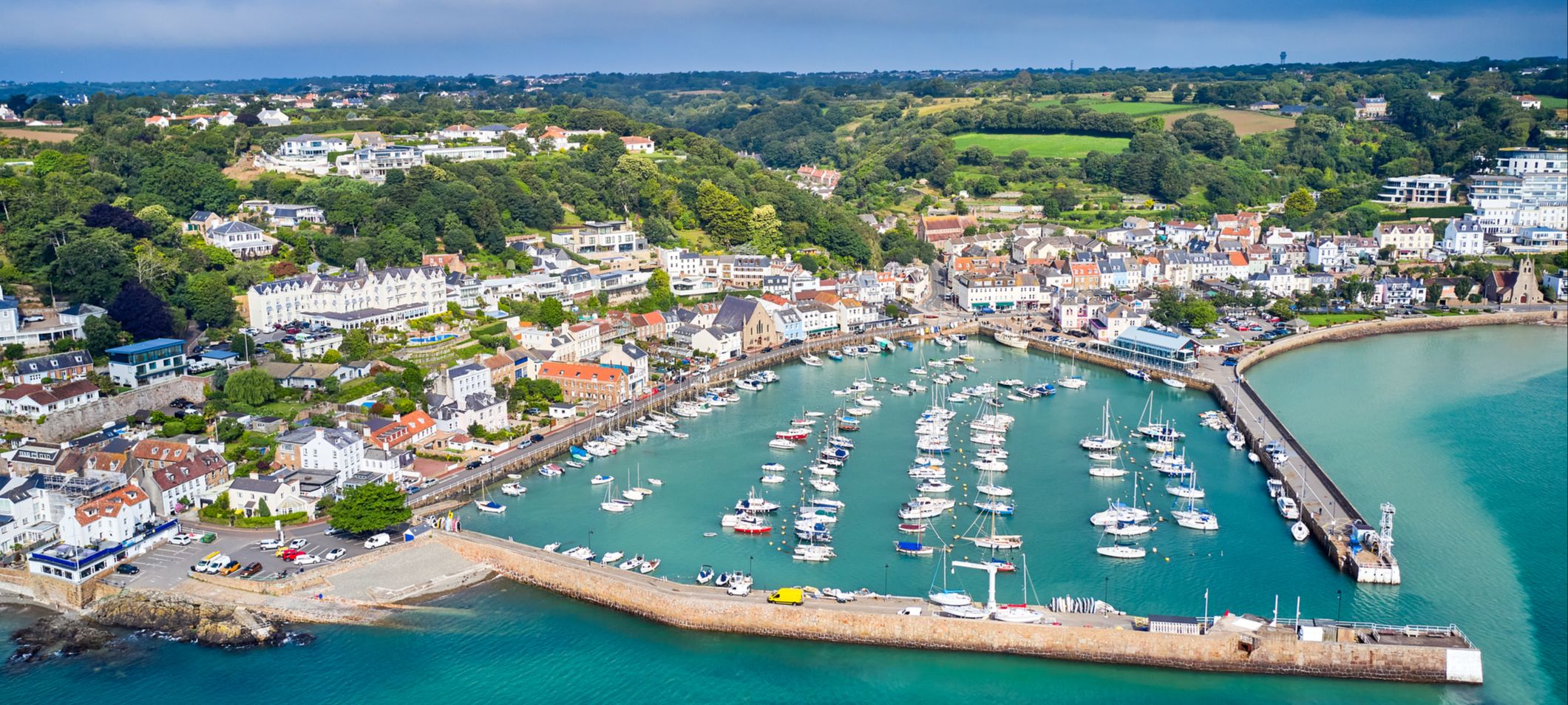
Jersey tends to get treated as the more polished sibling, which is broadly fair. But polished does not mean dull.
Ports of Jersey notes that visiting cruise vessels usually anchor in St Aubin’s Bay, with tenders landing passengers at the Albert Pier Pontoon in St Helier. Once you are in town, the most useful anchor is the Central Market. Jersey’s official tourism site says the Central and Beresford Street Markets have served the community for over 200 years and remain full of local produce, goods and places to eat and drink. That is exactly the sort of line a place can only use if it has not surrendered entirely to souvenir nonsense.
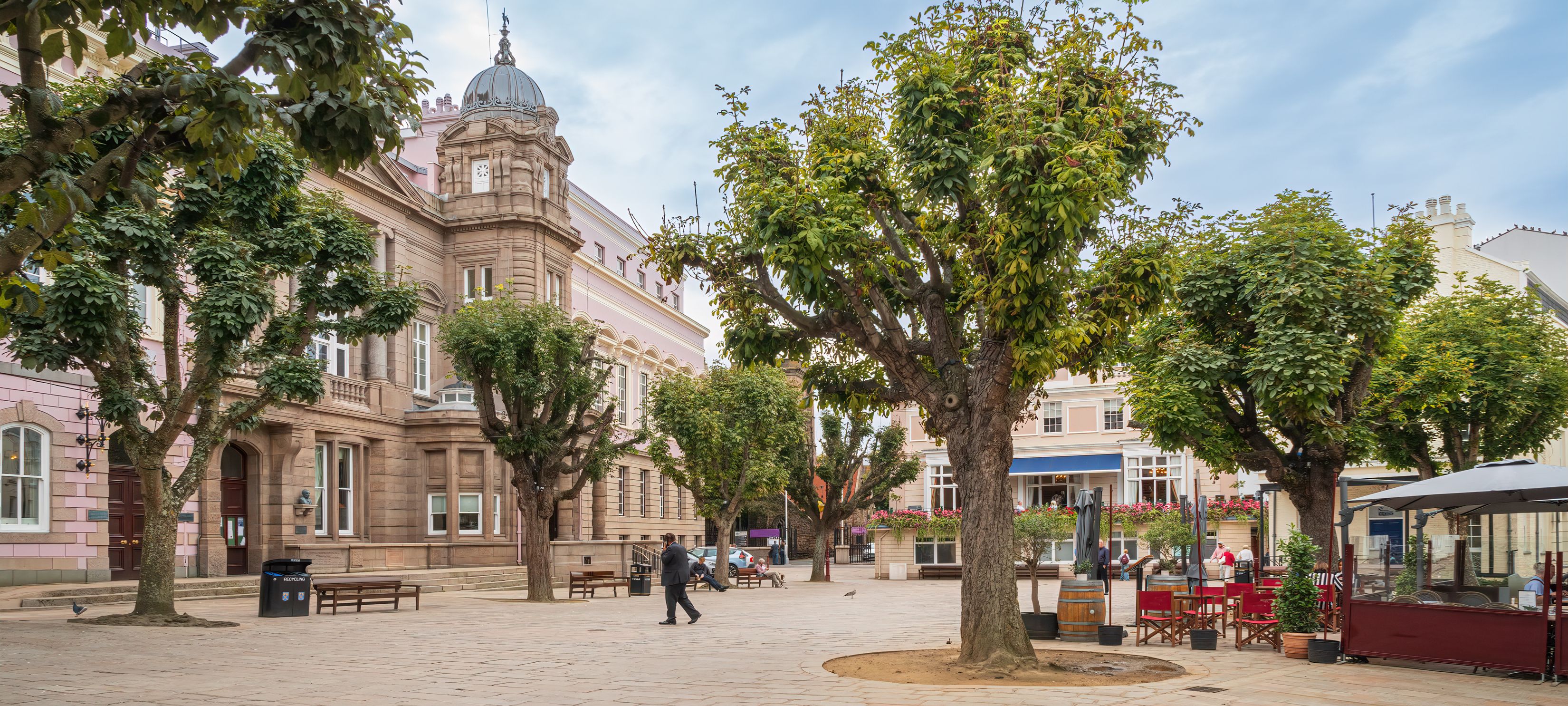
This is where Jersey earns its keep as part of the route. After Saint-Malo’s granite swagger and Guernsey’s harbour romance, Jersey gives you a capital that feels brisker and more lived-in. You can potter around St Helier, do the market properly, and then add one stronger historical flourish if you like. Elizabeth Castle, sitting on its rocky islet in the bay, is in walking distance of town and subject to tides and ferry timings, which is exactly the sort of mildly fiddly coastal detail that improves a day rather than ruining it. Jersey Heritage and Visit Jersey both point to the castle’s long military history and the fact that access depends on the water behaving itself. Which feels appropriate, really. On this route, the sea gets a vote.
Jersey’s gift is that it lets you have a very civilised few hours without ever becoming bland. A market, a harbour, a tidal castle, perhaps one excellent cake. That is more than enough for a short-call island. Possibly more than enough for some cities.
Why this route works so well
What makes this itinerary quietly brilliant is not that any one stop is the “biggest” or most famous thing you could be doing in Europe. It is that the whole sequence feels so well proportioned.
Saint-Malo gives you walls, sea drama and Brittany in concentrated form. Guernsey gives you harbour-town charm and a touch more island looseness. Jersey gives you a proper little capital with history, food and enough structure to feel distinct. And because the crossings between them are short, the trip keeps its lightness. You never feel you are grinding through distance for the sake of a map. You feel you are moving between versions of the same broad Atlantic story, each told in a different accent.
It also suits a very specific kind of cruiser. Not the person who wants one blockbuster sight before lunch and a complicated excursion badge to prove it. This is for the traveller who enjoys a harbour approach, a walkable town, sea air that has not been focus-grouped, and the sort of shore day that leaves enough room for lunch to matter.
Which, now that I think about it, is a rather good definition of a holiday.