
There comes a point on most cruises when the schedule starts to look faintly accusatory. The daily programme arrives, crisp, determined and full of seminars, quizzes, tastings, talks, fitness classes, craft sessions, shore briefings, deck games and something called “vitality stretch”, which sounds equal parts good for you and like a minor threat.
For the overbooked, overtired reader, it can be tempting to treat your entire cruise as a floating self-improvement plan. With grand intentions of returning to real life tanned, rested, culturally enriched, lightly toned, emotionally centred and able to distinguish between three types of Riesling (in short, a person who sounds exhausting to sit next to at dinner).
There is however, another way. This is the case for going to sea and do very little of much at all.
Not lazy in the grim, duvet-based sense, of course. But deliberately and with total commitment. The kind of doing nothing that requires you to start measuring the day in small, pleasurable moments: a finished coffee, a nap that sneaks up on you, twenty minutes staring at the wake while you forget which page you were on.
This is one of cruising’s most underrated gifts. The horizon changes around you whilst you remain, for once, gloriously un-busy.
A (sea) day of rest
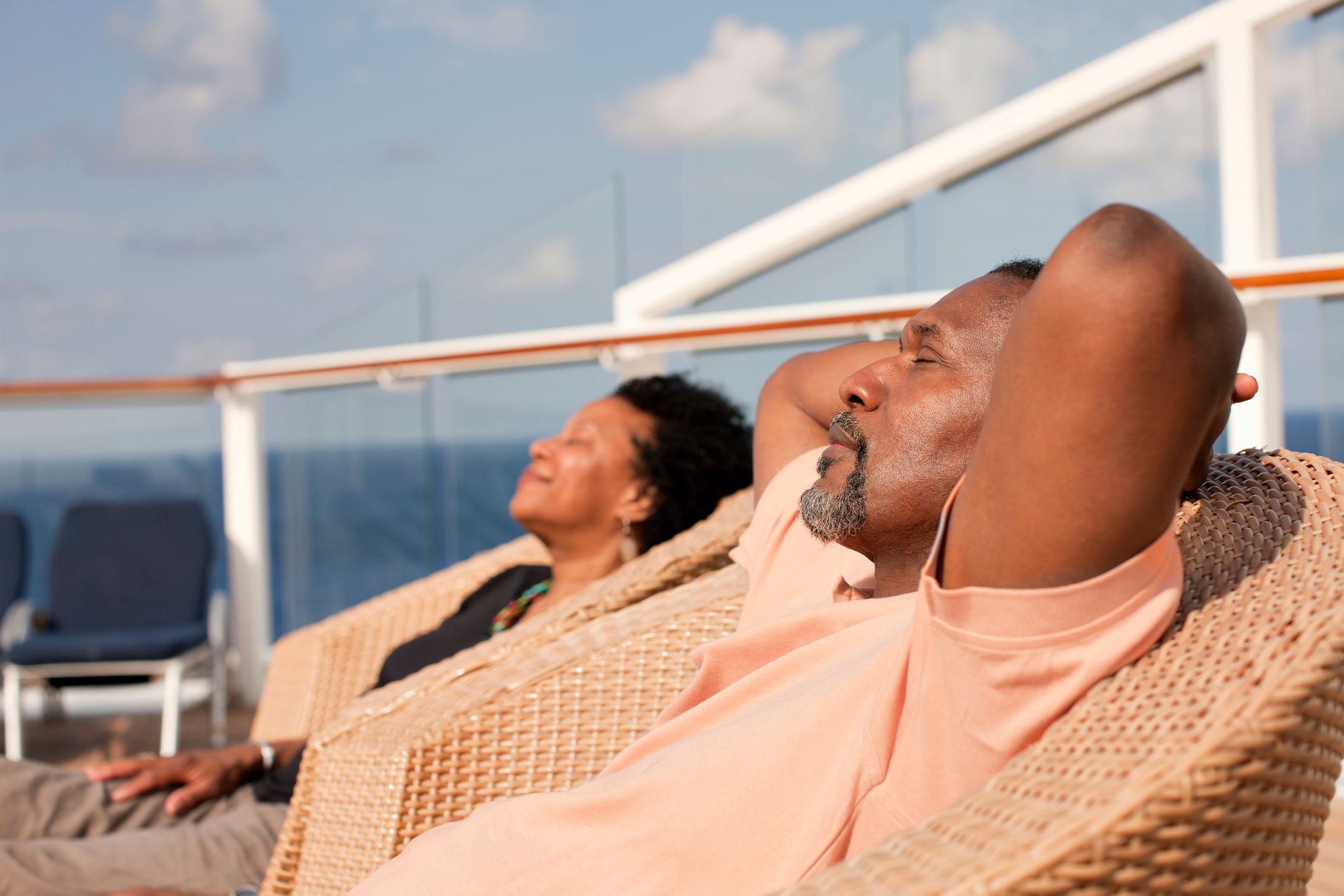
Sea days are often sold as a chance to “make the most of the ship”, which they absolutely can be, but it also doesn’t have to mean using every facility like a hotel inspector with a clipboard. It might mean finding a chair, sitting in it for a frankly disgusting length of time and allowing the most pressing decision of the morning to be whether you’re too comfortable to fetch another coffee.
There’s a reason that being near water feels restorative to many people. Research into blue spaces; coasts, rivers, lakes and other watery environments, has linked time spent near or around water with wellbeing, stress reduction and psychological restoration.
And while a cruise ship is obviously not the same as a quiet lake at dawn (there may be a cocktail demonstration occurring three decks above you and a man in deck shoes discussing his Royal Caribbean points status within earshot), the essential ingredients are the same: horizon, rhythm, open air, repetition. Water is very good at making human urgency feel somewhat superfluous.
Stop treating your cruise like a to-do list
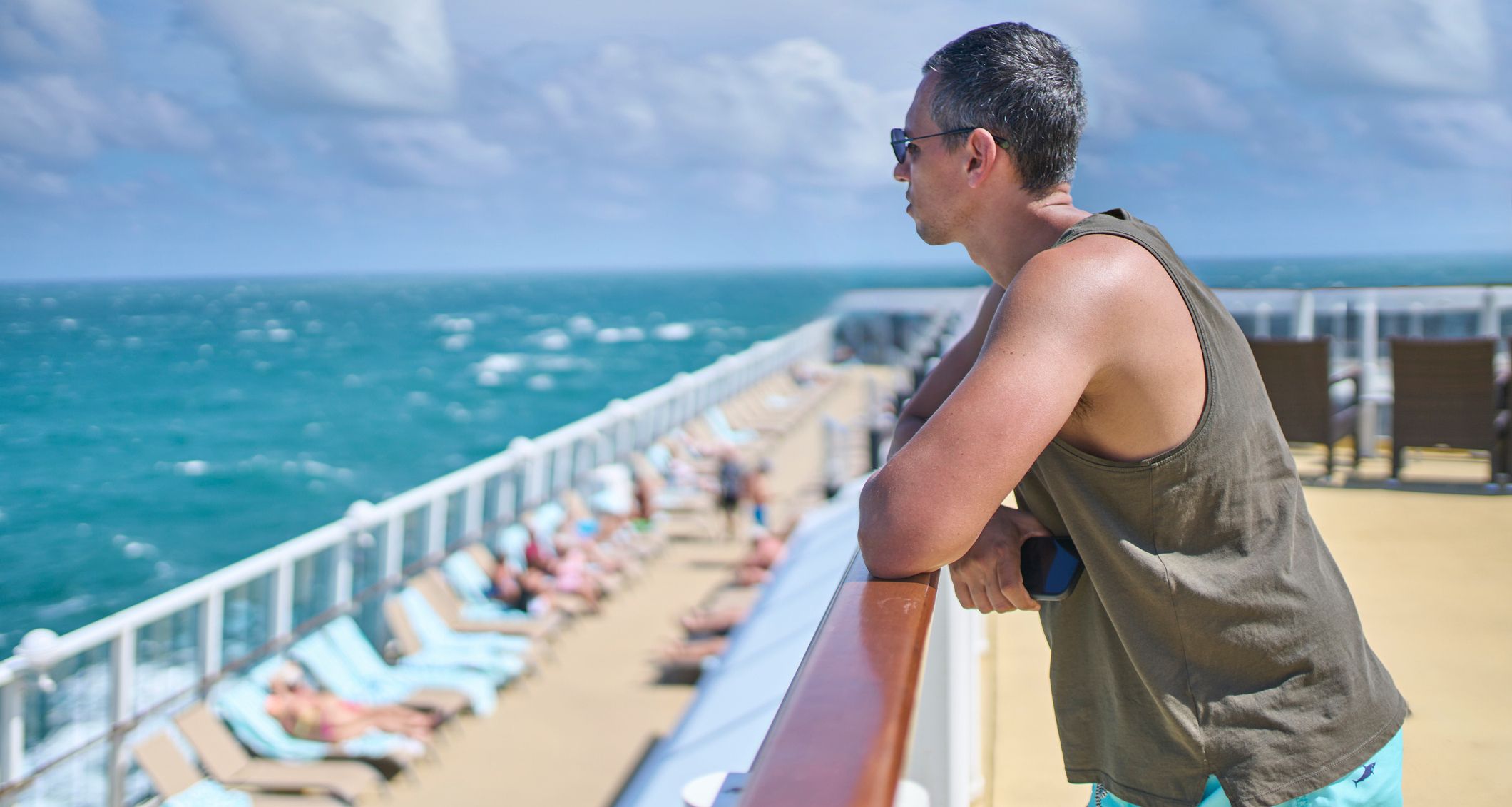
The first rule of doing nothing at sea is to ditch the to-do list.
You’ve paid for the ship, so you now feel you ought to extract full value from it. But this is how people end up attending a lecture on coral bleaching, a dance class, a galley tour, two pub quizzes and an evening show, then wondering why they feel exhausted by bedtime.
The research on recovery from work points to something most holidaymakers instinctively understand but rarely obey: rest works best when you actually detach. Studies of recovery experiences consistently highlight psychological detachment, relaxation, control over your time and meaningful activity as important ingredients in wellbeing outside work. In other words, it helps when you’re not mentally still in your inbox while physically holding a beach towel.
The problem is that many of us now arrive on holiday with the nervous system of a startled owl. We're used to filling space with checking emails, scrolling, replying, optimising, comparing and scheduling. Give most people a blank morning, and we'll immediately try to fill it with something lightly stress-inducing (myself included).
A sea day can be a remedy to this, if you let it be one. The ship's already going somewhere; you don’t need to do anything to personally assist it.
How to do nothing on a cruise
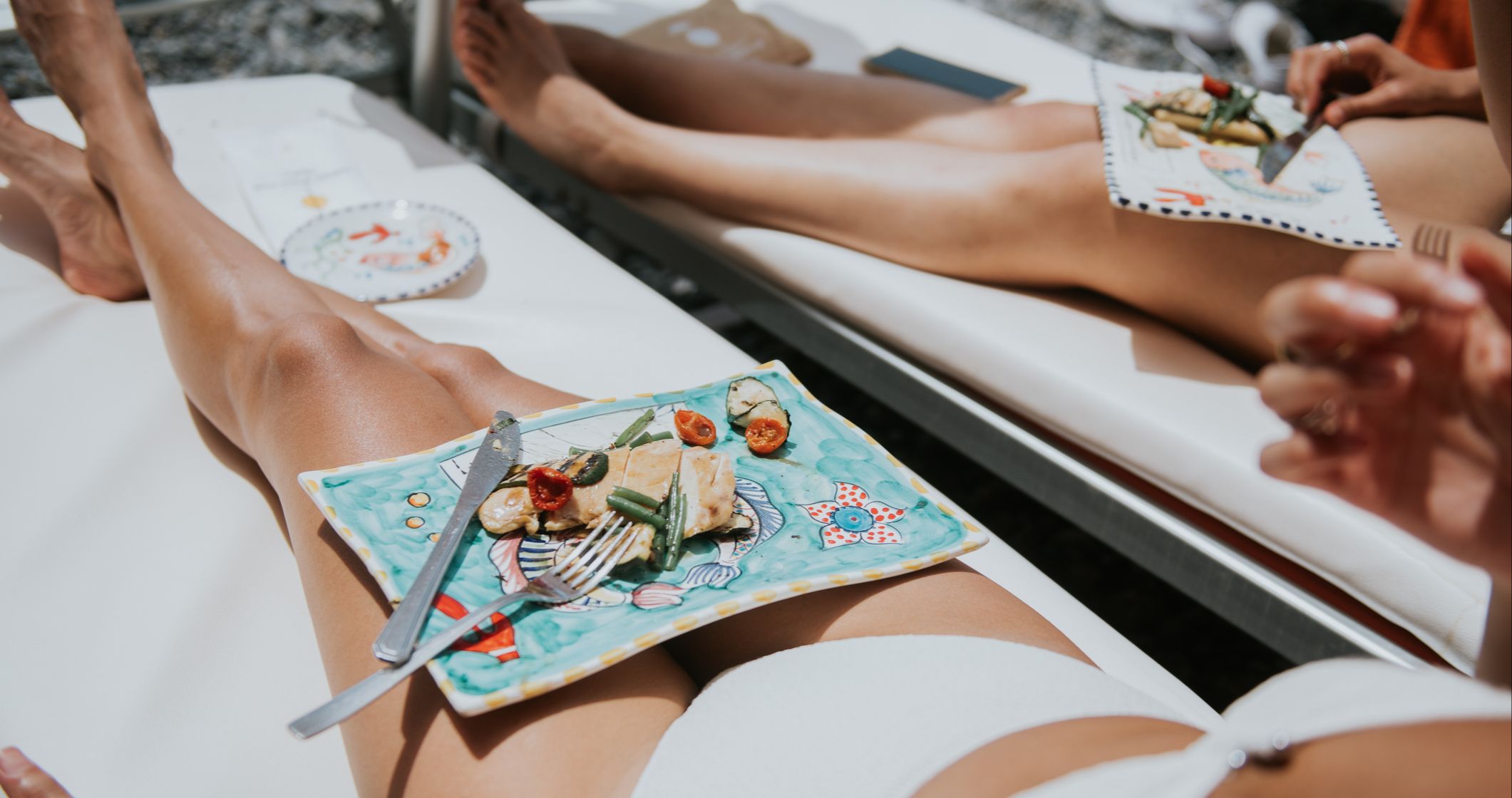
Sometimes doing nothing well requires a little structure, which sounds contradictory but isn’t. Total freedom can be oddly stressful and it’s the reason lots of people spend the first morning of a holiday saying “I don’t mind, what do you want to do?”
So start small. Give yourself an hour, bring a book, sunglasses, a drink and no real structured plan. Choose somewhere with a view that moves: perhaps the promenade deck, an aft terrace, a balcony or a quiet lounge with large windows if the weather's not playing ball. If you can see the sea, you’re doing it correctly.
The aim here isn’t to meditate perfectly or start journaling beautifully; it's simply to stop chasing the next thing for long enough that your brain realises nobody’s about to ask you for anything.
You might find yourself bored, that's normal and probably some form of withdrawal. Modern life has trained us to treat boredom like a medical emergency, when sometimes it’s simply the mind clearing its throat. In fact, there's a good deal of research that suggests that undemanding or boring tasks can prompt mind-wandering that supports certain kinds of creative thinking.
At sea, this can express itself in unexpected ways. You might remember an old friend you meant to message, solve a problem you’ve been overthinking for weeks or simply decide you’d quite like a pastry. All valid outcomes.
The underrated joy of saying no on a cruise
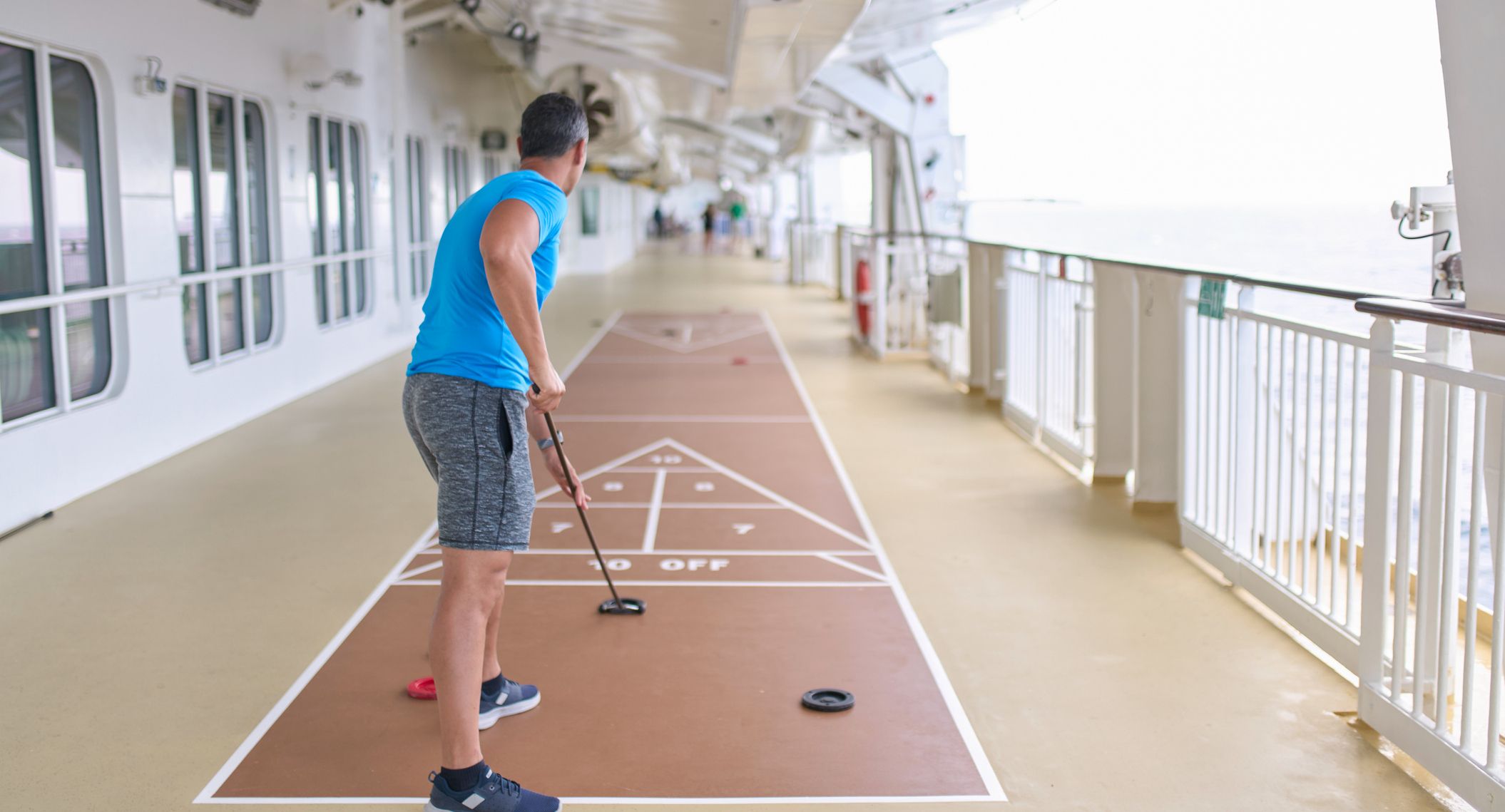
A cruise ship is full of invitations. Some are lovely, some baffling, some make you wonder whether humans, when placed at sea, will eventually agree to anything if it’s printed in a daily programme.
Doing absolutely nothing requires the ability to say no without overthinking it. No to the quiz. No to the second tasting. No to the seminar. No to the excursion that leaves at 7.30am and promises “moderate walking”, which in tour language can mean anything from a gentle stroll to an unscheduled audition for Race Across The World.
This is why cruising is excellent for rest. Everything's available, but most of it's optional. You can dip in and out. You can be social at lunch and invisible by three. You can attend the evening show tonight and skip it tomorrow because you've an important appointment with a balcony, a blanket and a book.
For many tired people, control is part of recovery. The DRAMMA model of leisure-based recovery, used in wellbeing research, includes:
- Detachment: Mentally disconnecting from work and stressors.
- Relaxation: Unwinding and reducing physical/mental tension.
- Autonomy: Having control over your time and choices.
- Mastery: Engaging in challenging activities that build competence.
- Meaning: Finding purpose in your activities.
- Affiliation: Connecting socially with others.
Essentially these are psychological experiences linked with better wellbeing. Autonomy is the useful one here, because it suggests that choosing your own pace matters.
On a ship, that might mean doing less than the itinerary technically permits. This is emotionally difficult for anyone raised to believe that free time should be used wisely. Luckily, scientific wisdom now occasionally looks like cancelling your own plans and ordering tea.
Put your phone on a short leash
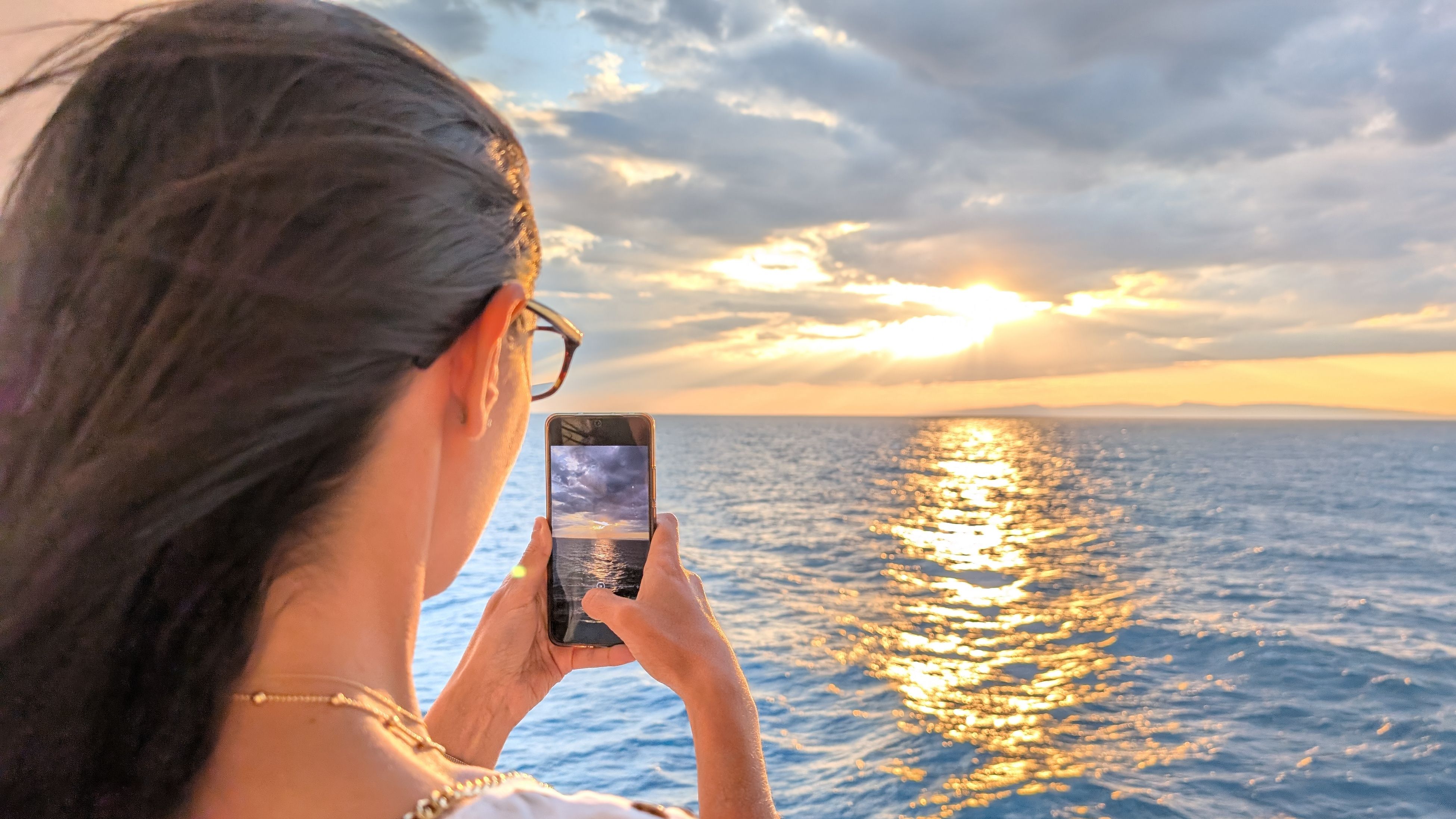
No article about rest can entirely avoid the perils of the smartphone, largely because there's a good chance you're reading this on your phone right now (desktop readers, I salute you!).
Cruise ships are strange places for technology. Wi-Fi does exists, sometimes seamlessly, sometimes not. And apps increasingly run everything from dinner bookings to daily schedules. Your phone is useful then, but it's also the small glowing rectangle most likely to drag your brain back to land.
You don’t have to fling it into the sea, to get some peace though. Just set boundaries (easier said than done, I know) but try to check the ship app only when you need it, use it to take photos, send a quick message home. Then put it away for a while.
And if you must scroll, at least do it badly. Look up the weather. Check tomorrow’s port call time. Resist the urge to read work emails unless your idea of wellness is ruining your own evening with fresh information from the HR department.
Skip something in port
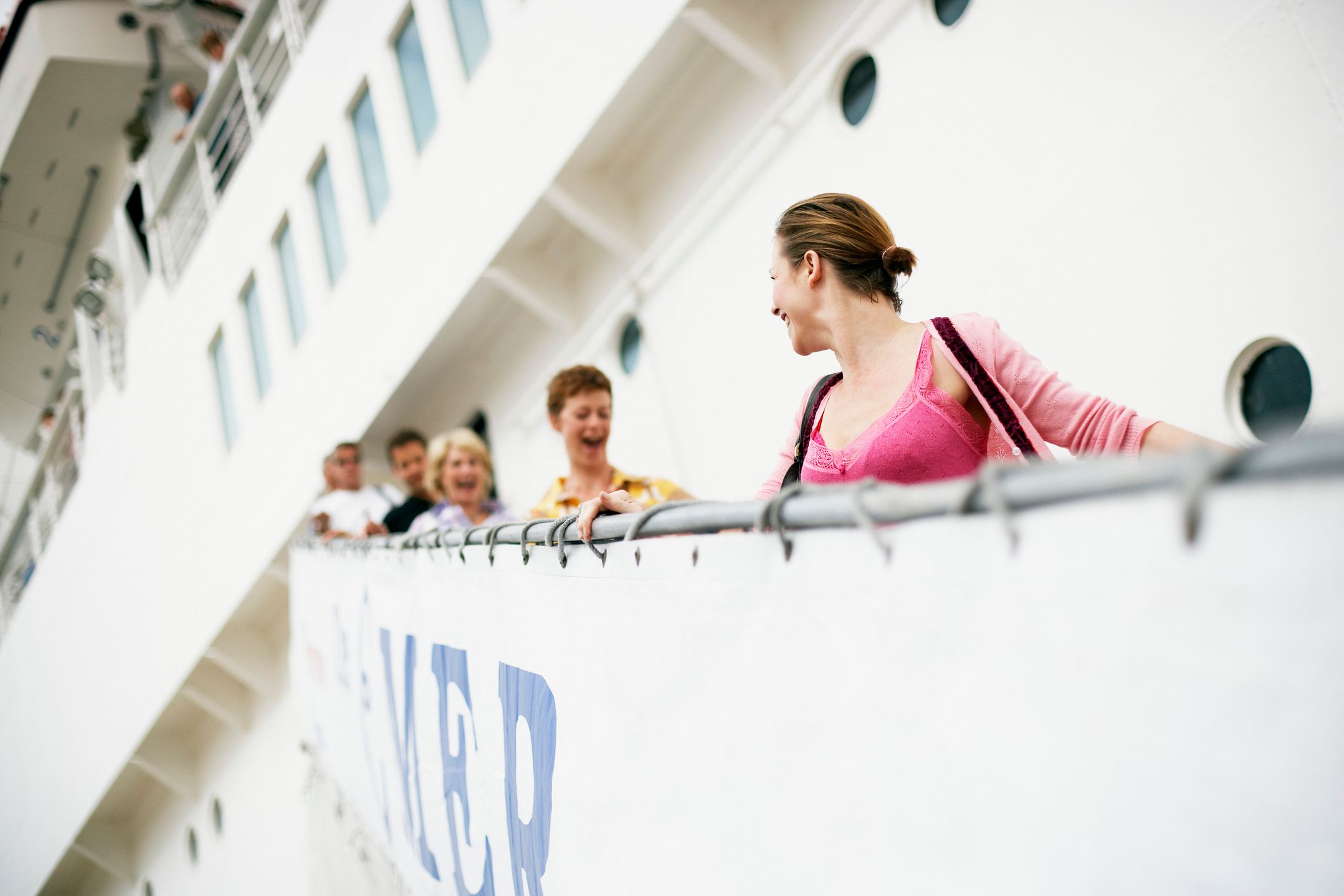
The art of doing nothing at sea doesn’t only apply on sea days, of course. It may even be more useful in port, where the pressure to make the most of every hour can become slightly deranged.
Some ports deserve a full day of active curiosity. Others are best approached with a loose plan and a willingness to sit down. A café can be culture. A bench can be sightseeing if the view is good enough. Wandering two streets away from the main square and finding somewhere quiet can be much more memorable than chasing the fifth “must-see” landmark while your feet start drafting a formal complaint.
Cruise calls are brief, so there’s a defintie temptation to gather proof: monument, church, viewpoint, market, gelato, photo, another photo, small fridge magnet, back to ship. None of this is wrong per se, but if you’re travelling tired, a port day doesn’t have to become an exam you pass by seeing the maximum number of approved sights.
Choose one thing: a museum, a swim, a garden, a long lunch, a walk by the harbour and then leave room for the proper holiday relaxation to get in.
Coming home less tired than when you left

The difficulty with rest is that it rarely looks impressive while it’s happening. Nobody returns from a cruise and says, “You should’ve seen me on Tuesday, I sat still for 3 hours.” There're no medals for not attending the enrichment lecture. No certificate for declining a 6.45am excursion.
But, in my view, there should be.
Holidays improve health and wellbeing but the effects can be short-lived, especially once people return to normal routines. This makes the case for rest during the trip even stronger. You’re not trying to achieve permanent transformation; you’re simply giving yourself a pause while the chance to so exists.
Doing nothing at sea is not a failure to use the ship. It’s one of the finest uses of it. Allow yourself the rare pleasure of being unavailable to the world while still technically in motion.
And if anyone asks what you did all day, you can tell them the truth: you were busy. Very busy. Resting.