Cruise ships used to sell themselves in simple terms; there was a sun deck, buffet, a formal night photo in which somebody looked mildly uncomfortable in a tuxedo, and perhaps a waterslide if the line was feeling adventurous. Now, increasingly, they're selling something else: rest. Better sleep. Better mattresses. Better lighting. Better rituals. Better-smelling corridors. The whole thing is starting to sound less like a holiday at sea and more like a luxury hotel.
And this is not happening in a vacuum. Hilton’s 2026 trends research says the number one motivation for leisure travel this year is “to rest and recharge”, while the Global Wellness Institute says sleep tourism is one of the fastest-growing parts of the wellness economy, with hotels and resorts designing rooms and programmes around circadian lighting, sound-engineered spaces, guided sleep rituals and specialist bedding. And cruise lines have noticed.
Why cruise lines are borrowing from luxury hotels
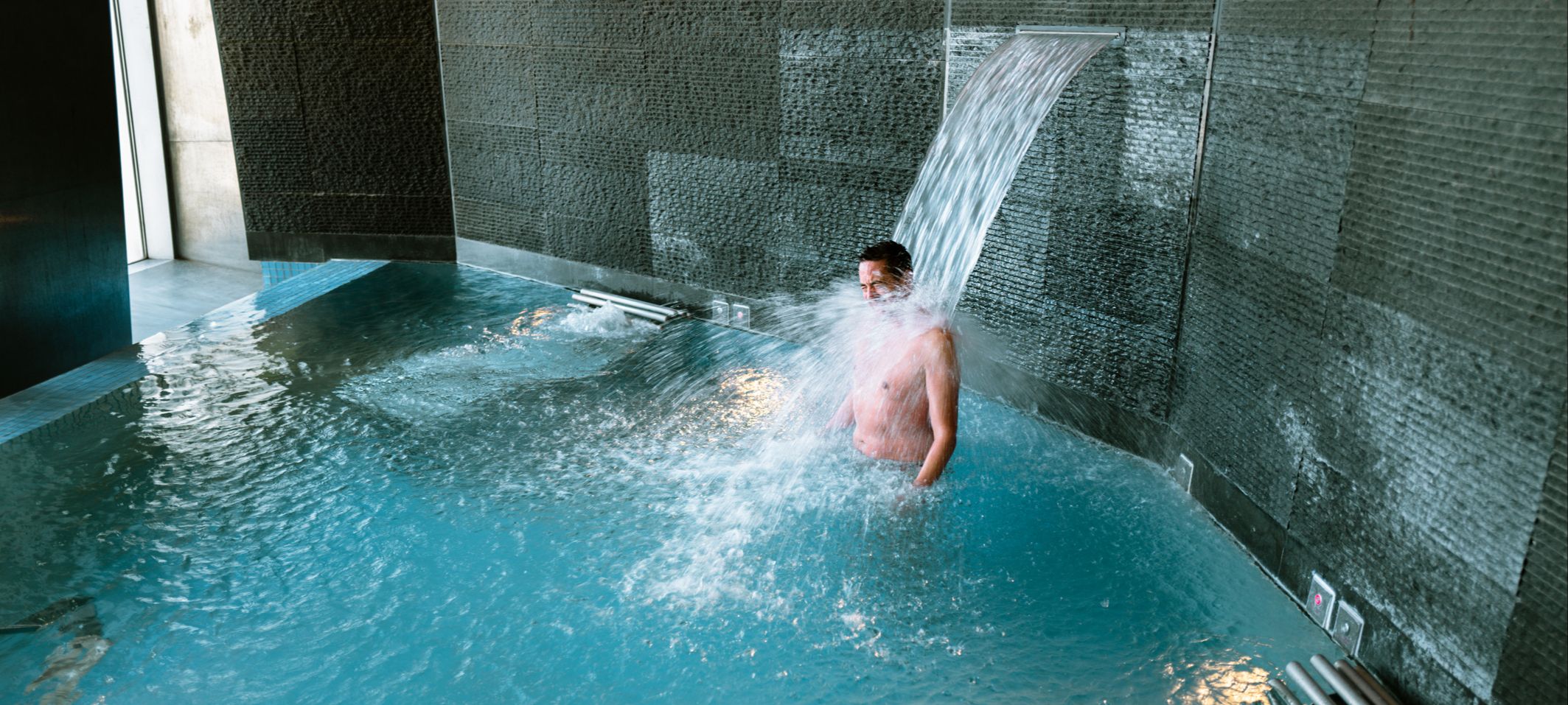
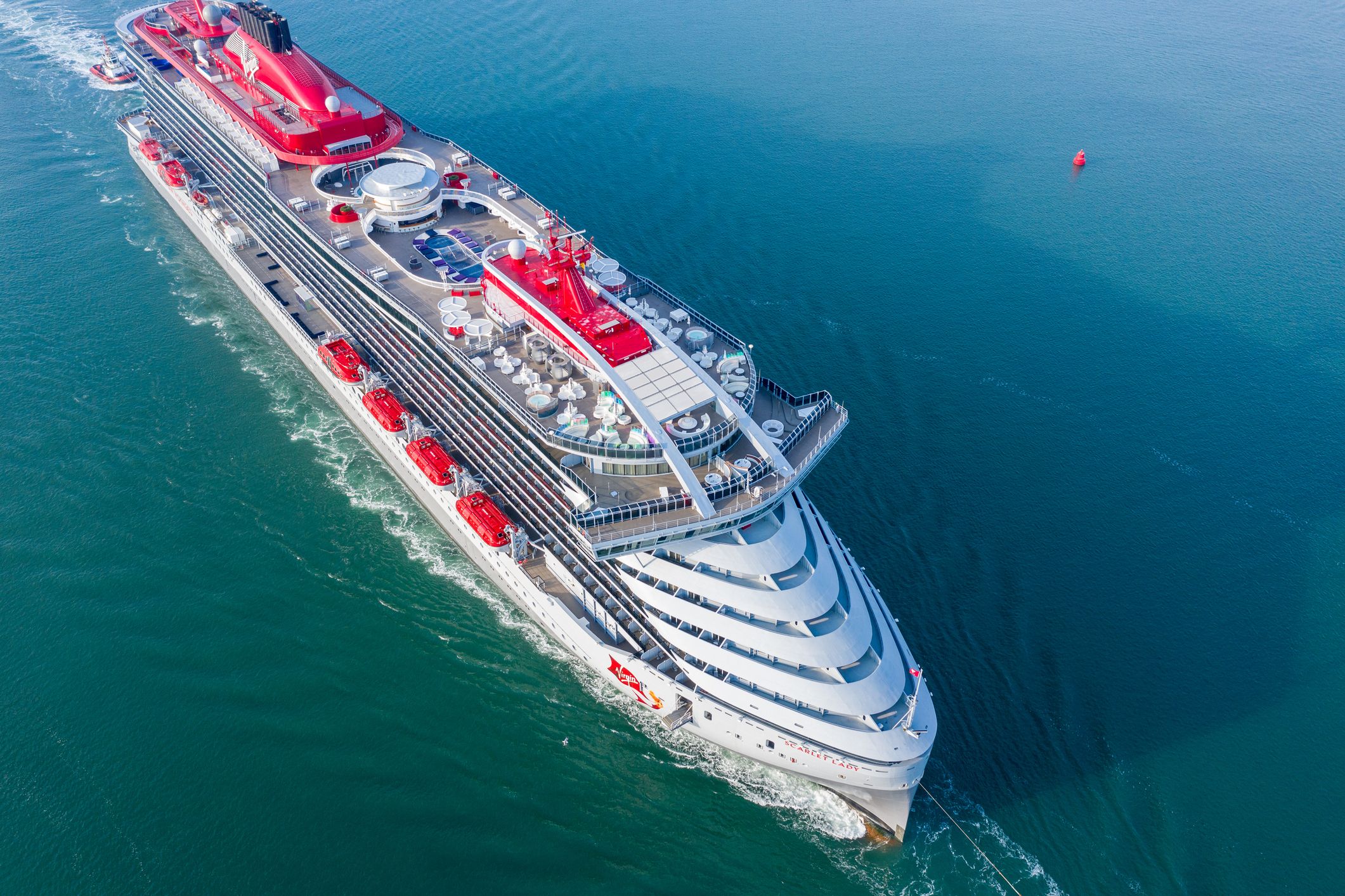
Part of this movement is straightforward envy. Hotels have spent years polishing the language of rest, so much so, some room bookings now sound more like a spiritual intervention than a citybreak. Cruise lines, meanwhile, have historically been better at selling abundance than calm. But the market has shifted. If travellers now want recovery, quiet and a little less holiday chaos, then ships have to start talking less about “activities” and more about atmosphere. Virgin Voyages was an early adaptor, openly describing “recovery travel at sea” in terms of blackout curtains, mood lighting that shifts from energising to calming, bedding designed for temperature comfort and even sea-facing hammocks for rest. Explora Journeys, for its part, describes “Ocean Wellness” as a whole philosophy and now sells one- and two-night wellness retreats blending movement, mindfulness and holistic treatments. This is not old-school cruising with a seaweed wrap bolted on. It's a more thorough attempt to make the whole ship feel like a wellness environment, or at least a place where nobody will ask you to join a conga line before breakfast.
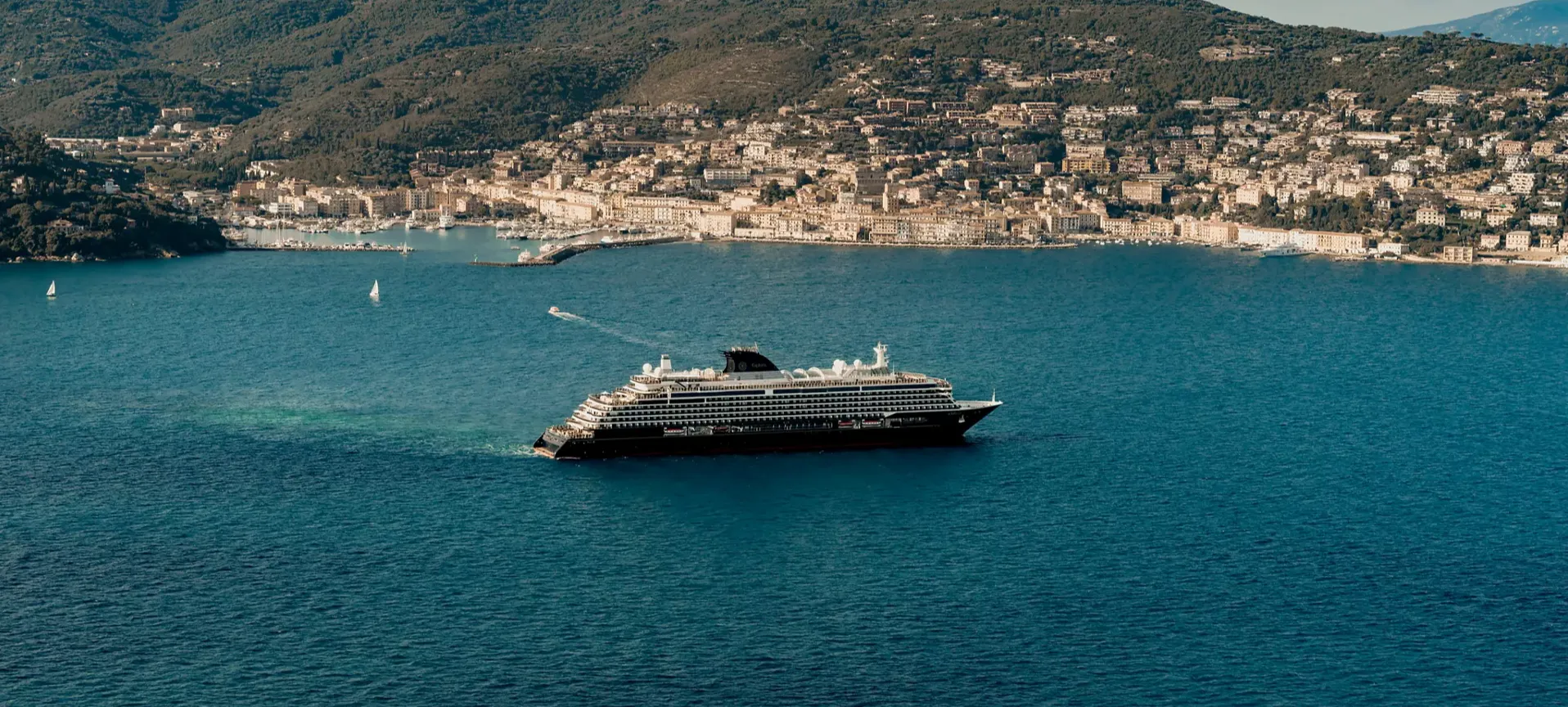
The really telling thing, though, is who is moving into the water. Four Seasons Yachts says its first vessel, Four Seasons I, will offer 95 expansive suites and guest rooms with the brand’s hospitality approach extended to sea, alongside dining, wellness and entertainment. The Ritz-Carlton Yacht Collection talks about suites inspired by the world’s finest homes and a spa experience of “scents and delights from around the world.” Orient Express is going further still, pairing its first sailing yacht with a Guerlain Spa that promises silence, touch and scent as part of a 500-square-metre wellness haven. When hotel brands and hotel-adjacent luxury names come into cruising, they do not arrive talking like old cruise companies. They arrive talking about residential feel, sanctuary, refinement and ritual. Which is to say, they arrive talking exactly like hotels.
What the hotelification of cruising looks like on board
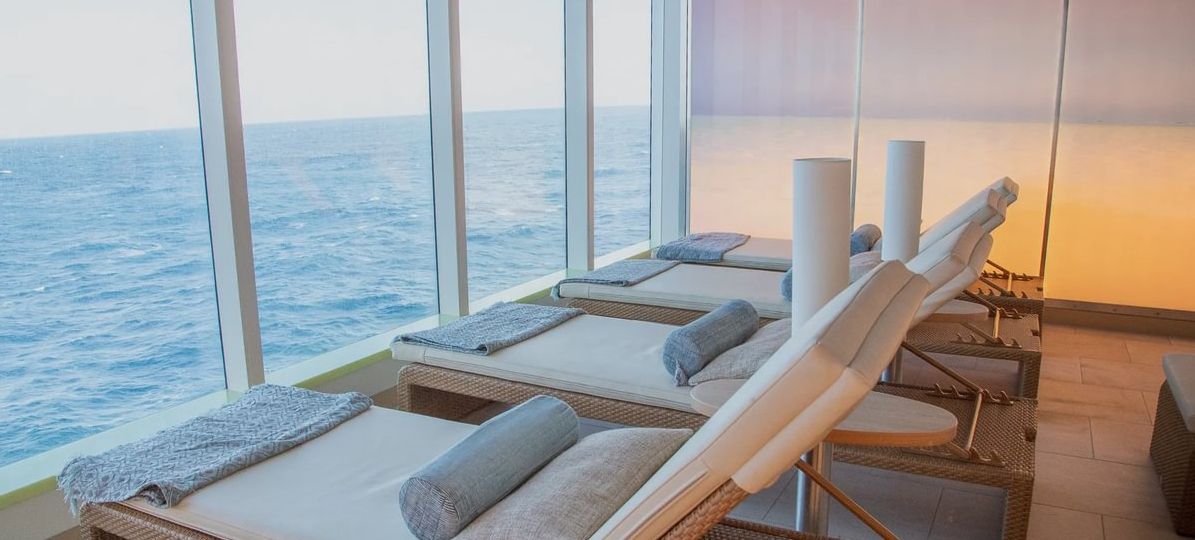
Some of this shift is wonderfully tangible. Celebrity, for example, has spent years making a meal of its bedding, and on Celebrity Beyond the line says every stateroom comes with eXhale bedding and a Cashmere mattress, while some higher suites add pillow menus, sleepwear and access to the thermal suite. That's hotel logic through and through. Not “here is your cabin”, but “here is your sleep proposition”. Virgin’s language is even more explicit, tying room layout, blackout curtains, minimal visual clutter and sea-facing hammocks to recovery itself. Explora, meanwhile, has created Mandala Blue, a bespoke “scent of the ship” fragrance by Alberto Morillas, available to buy on board and described in terms of relaxing, connecting and awakening the senses. If that sounds suspiciously like the lobby of an expensive city hotel, that is because it is meant to.
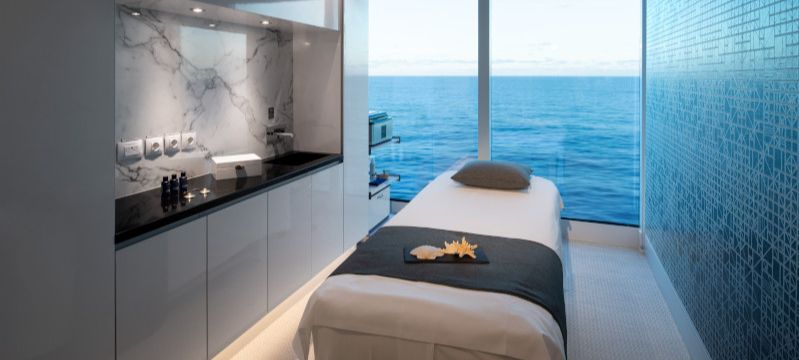
Then there is the spa creep, which I mean neutrally. Wellness has moved from being a room full of treatment tables to a broader promise about the voyage itself. Crystal’s 2026 Wellness at Sea retreats include yoga, meditation, sound baths, breathwork, plant-rich food and even a two-day detox at sea. Explora’s retreats promise gong baths, yoga and guided reflection. Orient Express is planning full wellness retreats built around nutrition, physical activity, sleep and mindfulness, while its Guerlain treatment names sound less like spa appointments and more like minor works of literature. There is a lot of “reconnection” in this corner of travel now, a lot of “restoration”, a lot of “inner calm”. If nobody is careful we will all end up being profoundly renewed before lunch. Still, the direction of travel is clear: ships are no longer content with having a spa. They want wellness to be one of the reasons you board.
Does sleep, scent and spa time actually improve a cruise?
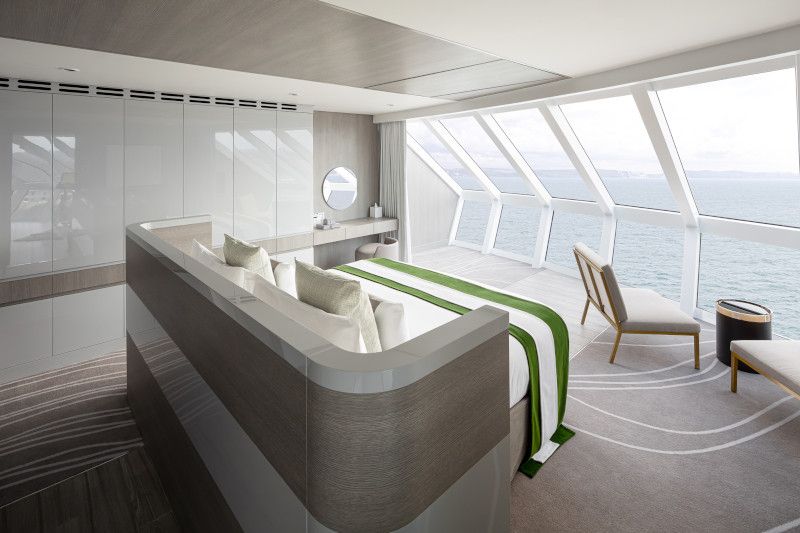
Sometimes, yes. Annoyingly, the trend has a point. Cruise ships are peculiar environments. They are social, enclosed, overstimulating, and occasionally not that restful unless you know how to work around the lighting, the noise and the urge to overbook yourself into a sort of maritime exhaustion. If a line makes cabins darker, beds better, thermal spaces more appealing and the overall atmosphere less jangly, that can materially improve the holiday. The same goes for better suite bathrooms, more residential layouts and quieter public spaces. If a hotel room is meant to help you recover from a city, a good cruise cabin should arguably help you recover from the cruise. In that respect, some of the hotelification feels overdue rather than cynical.
Where it becomes less convincing is when the language outruns the reality. A “wellness journey” can still involve a crowded deck, a patchy sea day and somebody loudly FaceTiming from the lounger beside you. There is a risk here that cruise lines start borrowing hotel wellness language because it sounds expensive and contemporary, not because they have meaningfully changed the experience. Luxury travel is very good at this. It has discovered that almost any amenity can be improved by describing it as intentional. The hard part is proving that the ship has truly become calmer, quieter or more restorative, rather than merely more adept at talking about itself in lowercase serif fonts.
Is hotel-style cruising actually a better holiday?

That depends what you wanted from cruising in the first place. If your ideal ship holiday still involves a packed schedule, loud decks and the occasional buffet decision that could affect your afternoon, then the new sleep-scent-spa regime may feel a touch precious. But if you have ever looked around a large ship and thought, I would quite like all this to calm down a bit, the hotelification of cruising starts to look less like trend-chasing and more like common sense. The smartest version of it is not about pretending the ship is a hotel. It is about taking the best hotel ideas, comfort, privacy, atmosphere, better rest, and applying them to a setting that has historically been much stronger at motion than stillness. When it works, the result is not a cruise pretending to be something else. It is a cruise that finally understands why people like good hotels so much in the first place.