There comes a point during a Christmas market holiday when even the most enthusiastic festive shopper might begin to wonder how many wooden decorations one household reasonably needs.
The answer, apparently, is considerably more than you'd think. But the wonderful thing about exploring the Danube in December is that there's plenty to enjoy once you've finished inspecting the gingerbread.
Along its banks are extraordinary medieval cities, enormous Baroque monasteries, some of Europe's finest coffeehouses and a rather excellent opportunity to sit in a steaming outdoor bath while everyone back home complains about the weather.
A Christmas river cruise brings these experiences together, travelling through Germany, Austria and Hungary at a time when their historic centres are illuminated for Advent. Here are six reasons to look beyond the market stalls.
Nuremberg: explore the home of a Renaissance genius
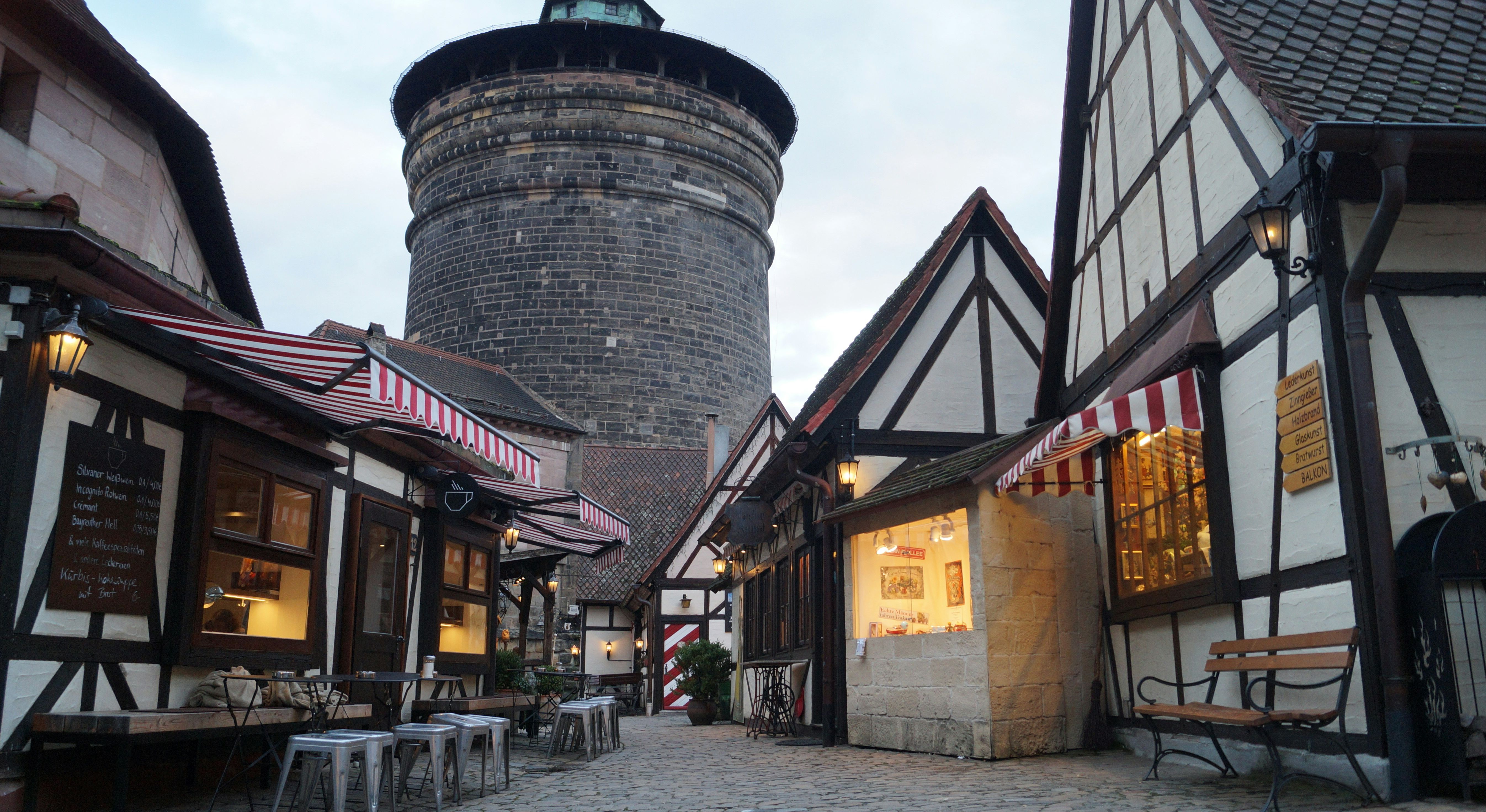
Nuremberg's Christkindlesmarkt is one of Germany's most celebrated Christmas markets, operating from 27 November to 24 December in 2026. Its famous red-and-white stalls fill the Hauptmarkt with gingerbread, decorations and a frankly impressive concentration of sausages.
But a short walk uphill brings you to an entirely different side of the city. Near the Imperial Castle stands the former home of Albrecht Dürer, the Renaissance painter, printmaker and occasional creator of extraordinarily detailed rabbits.
Dürer's House is now a museum, offering a fascinating insight into the artist's life and working methods. It's an especially appealing stop for anyone interested in traditional craftsmanship, with its period interiors and displays exploring the techniques of printmaking.
The museum is open on Tuesdays to Sundays, so it provides a useful alternative to another afternoon of Christmas shopping.
And if you've spent a little too much money on handmade ornaments, there's something consoling about discovering how much work artists used to put into making things themselves.
Regensburg: discover a city that hasn't forgotten the Middle Ages
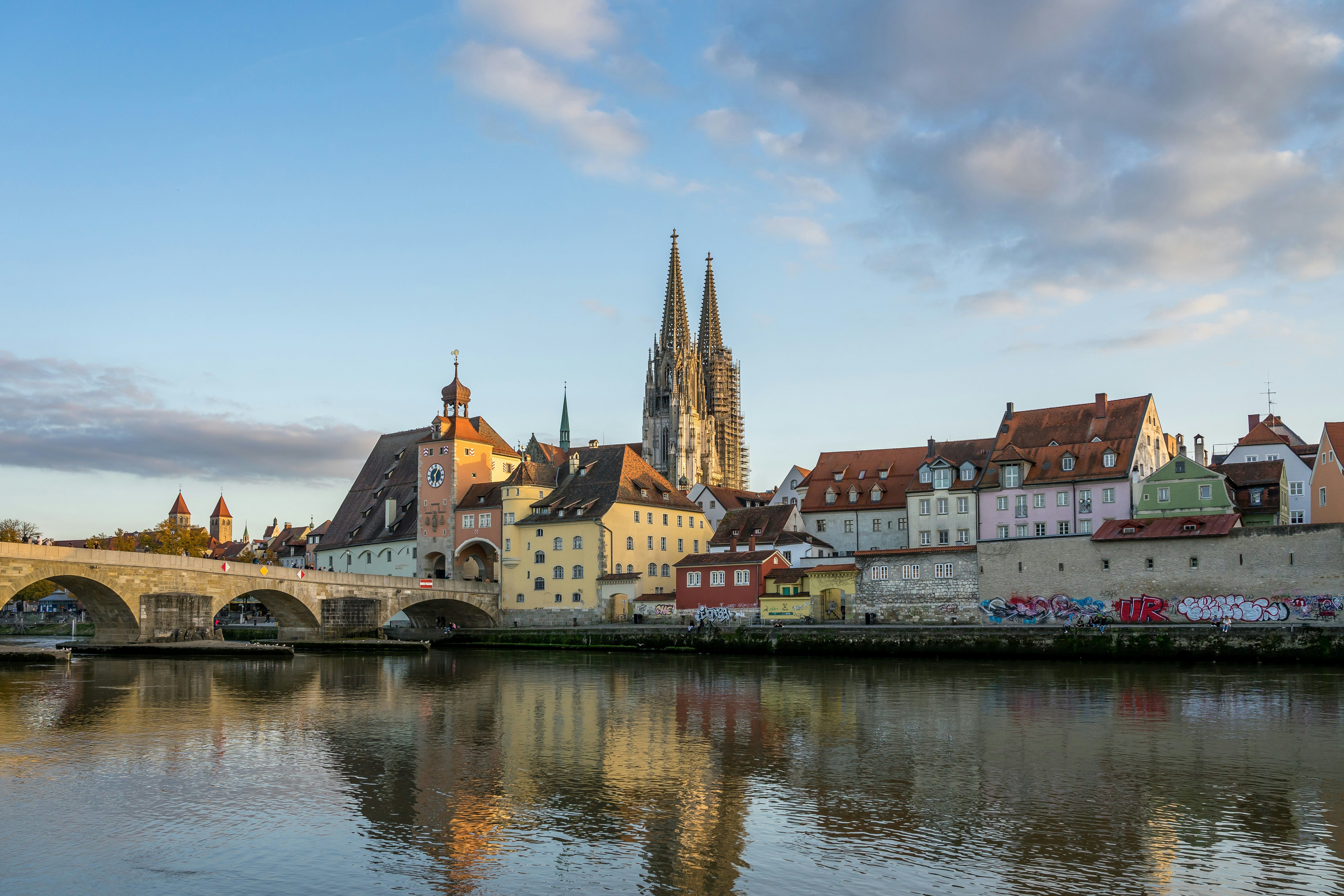
Regensburg is a particularly rewarding place to explore on foot.
Its UNESCO-listed old town has survived with an extraordinary collection of medieval buildings, narrow streets and handsome squares. Much of the pleasure comes from wandering without a particular destination, although the city's remarkable Stone Bridge is worth seeking out.
Construction began in 1135, and the bridge remains one of Germany's finest surviving examples of medieval engineering. From its arches, you can admire the Danube and the towers of St Peter's Cathedral.
The Roman Porta Praetoria is another reminder of the city's long history. Parts of this ancient gateway, constructed when Regensburg was a Roman military settlement, remain incorporated into the surrounding buildings.
The city also has a strong tradition of craftsmanship, something reflected in its Lucrezia artisans' Christmas market, which runs from 27 November to 23 December in 2026. It's worth allowing time for the quieter streets beyond the main squares, where Regensburg feels much more like a living medieval city than a purpose-built Christmas attraction.
Passau: hear one of the world's great cathedral organs

Passau occupies a spectacular position at the meeting of three rivers: the Danube, Inn and Ilz.
The different waterways can sometimes be distinguished by their contrasting colours, particularly from the city's higher viewpoints. But there's another reason to visit this handsome Bavarian town in December.
St Stephen's Cathedral contains one of the world's most celebrated cathedral organs, with an enormous collection of pipes distributed throughout its Baroque interior. During Advent, special lunchtime concerts give visitors an opportunity to hear the instrument in action.
And here's a particularly useful detail for anyone travelling on the 8 December Travelmarvel sailing: the cathedral's published 2026 programme lists a concert at noon on Friday 11 December, the same day the itinerary is scheduled to visit Passau.
Tickets cost €6, although availability is limited and the ship's arrival time would need to allow for the visit. The organ is also undergoing restoration, so its full complement of pipes isn't currently in use. Even so, it's a wonderful opportunity to experience the city's musical heritage without having to attend a full evening concert.
Melk and Dürnstein: monasteries, medieval prisoners and the Wachau Valley
Some of the Danube's most extraordinary sights are found between the major cities. At Melk, a vast golden-yellow Benedictine abbey dominates the hillside above the river. Its elaborate architecture is impressive enough from the outside, but the interior is even more remarkable. The Marble Hall, ornate library and spectacular abbey church reveal the enormous wealth and influence of the monastery over the centuries.
Importantly for winter visitors, Melk Abbey remains open during December. From 2 November 2026 until 6 January 2027, visitors can explore between 10am and 4.30pm, with guided tours available at scheduled times.
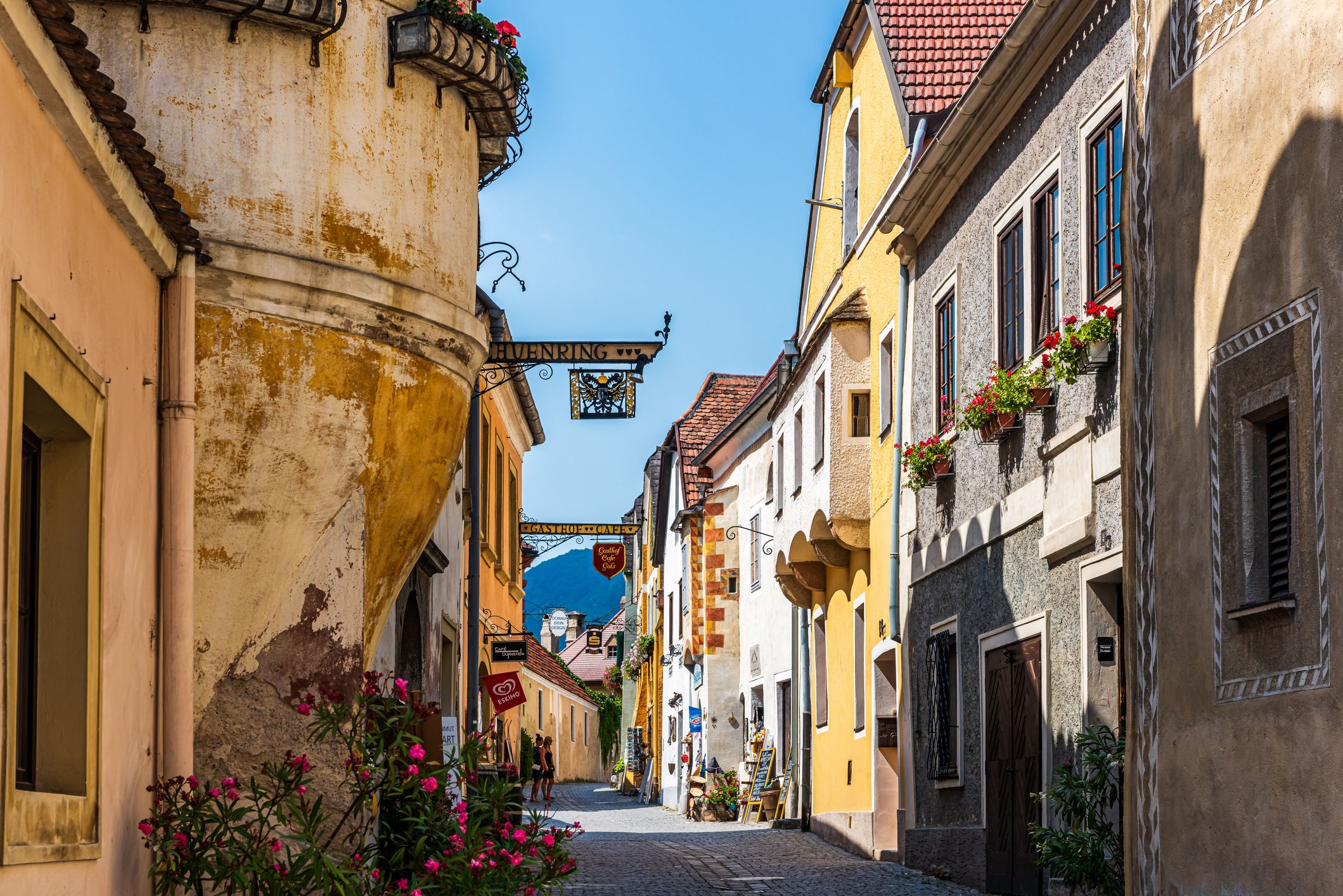
Farther along the Wachau Valley lies Dürnstein, a pretty riverside town with a rather less peaceful historical association. In 1192, Richard the Lionheart was imprisoned in the castle above the village after falling out with Duke Leopold V of Austria.
The ruins are still accessible today, although reaching them involves an uphill walk that may be slippery in winter. Even from the village, the surrounding vineyards, church tower and river scenery are magnificent.
It's the sort of landscape that makes a river cruise particularly appealing in the colder months. Without the busy summer crowds, the Wachau has a wonderfully atmospheric quality, especially when mist gathers over the river.
Vienna: coffeehouses, classical music and the art of doing very little

Vienna approaches December with considerable confidence. The Austrian capital has magnificent Christmas markets, including the enormous festive spectacle outside its City Hall, open from 13 November to 26 December in 2026.
But it's worth temporarily abandoning the stalls for one of the city's grand coffeehouses. Viennese coffeehouse culture is an institution in its own right. These are places where sitting for an hour with a newspaper, a coffee and a slice of cake is considered an entirely respectable use of your time.
Café Sperl, Café Landtmann and Café Schwarzenberg are among the historic establishments worth considering. Expect elaborate interiors, properly dressed waiters and an impressive selection of pastries.
There's also Vienna's extraordinary musical heritage to explore, from the State Opera to the Musikverein concert hall. An evening performance can make a wonderful addition to a festive visit, provided your cruise schedule allows for it.
And if you've reached the stage where the thought of another crowded market fills you with quiet despair, an afternoon in a beautiful coffeehouse is a perfectly legitimate alternative.
Budapest: swap the Christmas crowds for a steaming thermal bath
By the time you reach Budapest, you may have accumulated enough Christmas decorations to open a moderately successful seasonal shop. Fortunately, the Hungarian capital has an excellent solution to festive exhaustion.
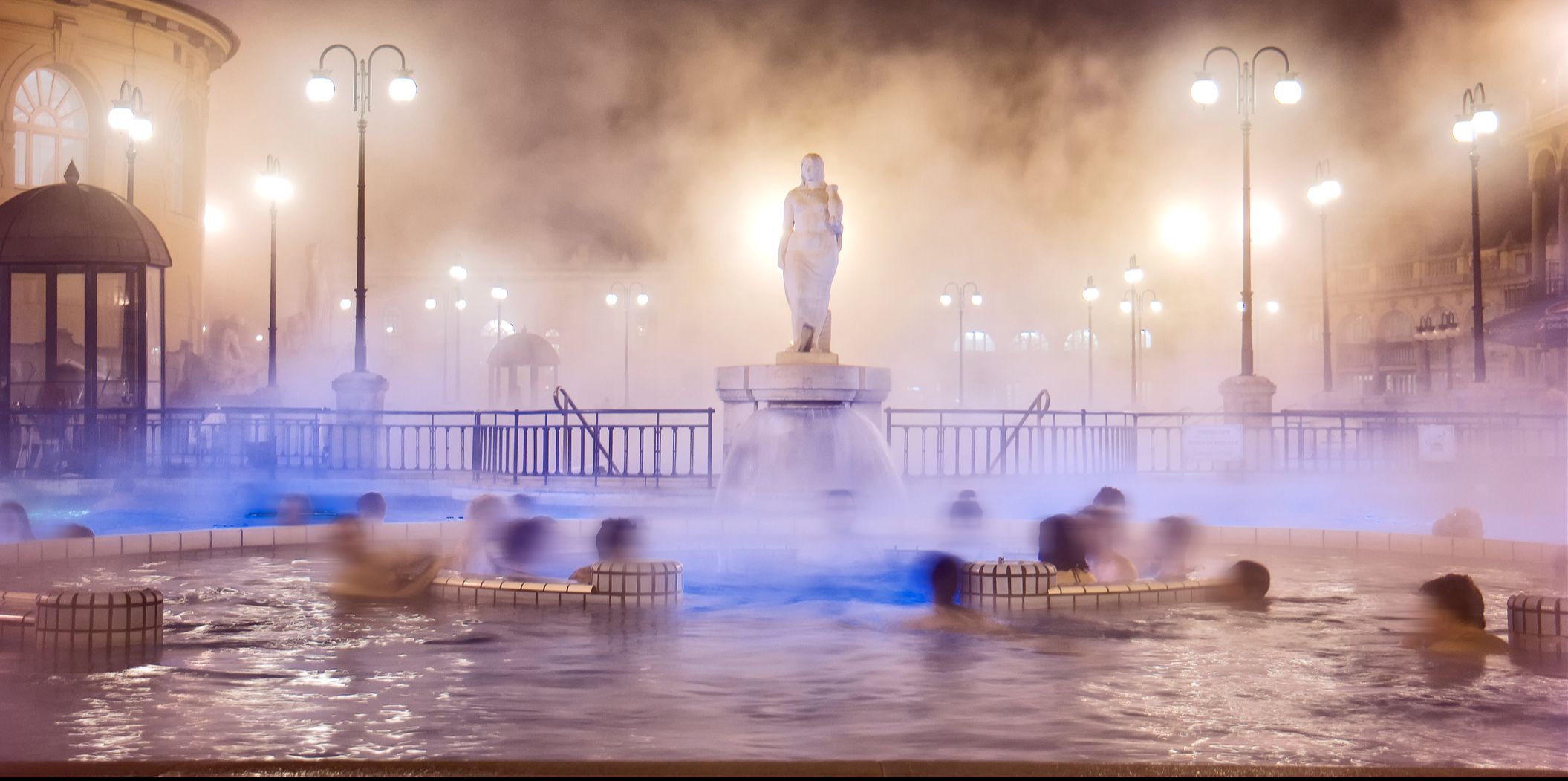
Its thermal baths are among the city's most distinctive attractions, and winter is a particularly appealing time to visit. At Széchenyi, visitors can sit in enormous outdoor pools of naturally heated mineral water, surrounded by grand Neo-Baroque buildings.
On a cold December morning, the steam rising from the pools creates an extraordinary atmosphere. There's something deeply satisfying about being outside in your swimming costume while everyone else is wrapped in several layers of wool.
Rudas Baths, on the Buda side of the river, offers another fascinating experience, with a historic Turkish bath and a rooftop pool overlooking the city. Neither is necessarily a quick stroll from your cruise berth, so allow time for transport, changing and the bath itself. Advance booking can also be sensible during the festive period.
Budapest's own Christmas markets are well worth exploring, particularly the Advent Basilica market outside St Stephen's Basilica, which runs from 13 November 2026 to 1 January 2027.
But after several days of sightseeing, an hour spent in hot water might be the best Christmas present you give yourself.
How to experience the Danube at Christmas
Many of these destinations can be visited on a festive Danube river cruise, although exact ports, excursions and time ashore vary between operators.
One particularly interesting option is Cruise Collective's exclusive sailing with Travelmarvel, departing Nuremberg on 8 December 2026 and finishing in Budapest seven nights later.
The published itinerary includes Regensburg, Passau, Melk, Dürnstein and Vienna, combining guided sightseeing with time to explore the region's Christmas markets.
There is also an additional creative element. Television presenter and Supercraft Cruises founder Julie Peasgood is scheduled to host four optional festive craft workshops onboard, offering passengers the chance to try something hands-on between destinations.
We've covered that side of the voyage in more detail in our guide to the Christmas market cruise with a crafty twist.
The important point is that a festive Danube cruise offers plenty for travellers whose interests extend beyond Christmas shopping. And there's something rather wonderful about ending a day exploring a medieval city, returning to a warm river ship and watching the illuminated waterfront disappear into the distance. Especially when somebody else is responsible for getting you to the next place.