A Caribbean beach day is rarely a bad idea. But some ports offer far more than a sun lounger and a rum punch served in something unnecessarily shaped. If you want food, history, rainforest, wildlife, rum, architecture or somewhere genuinely interesting to wander, these are the Caribbean cruise ports to look for.
San Juan, Puerto Rico
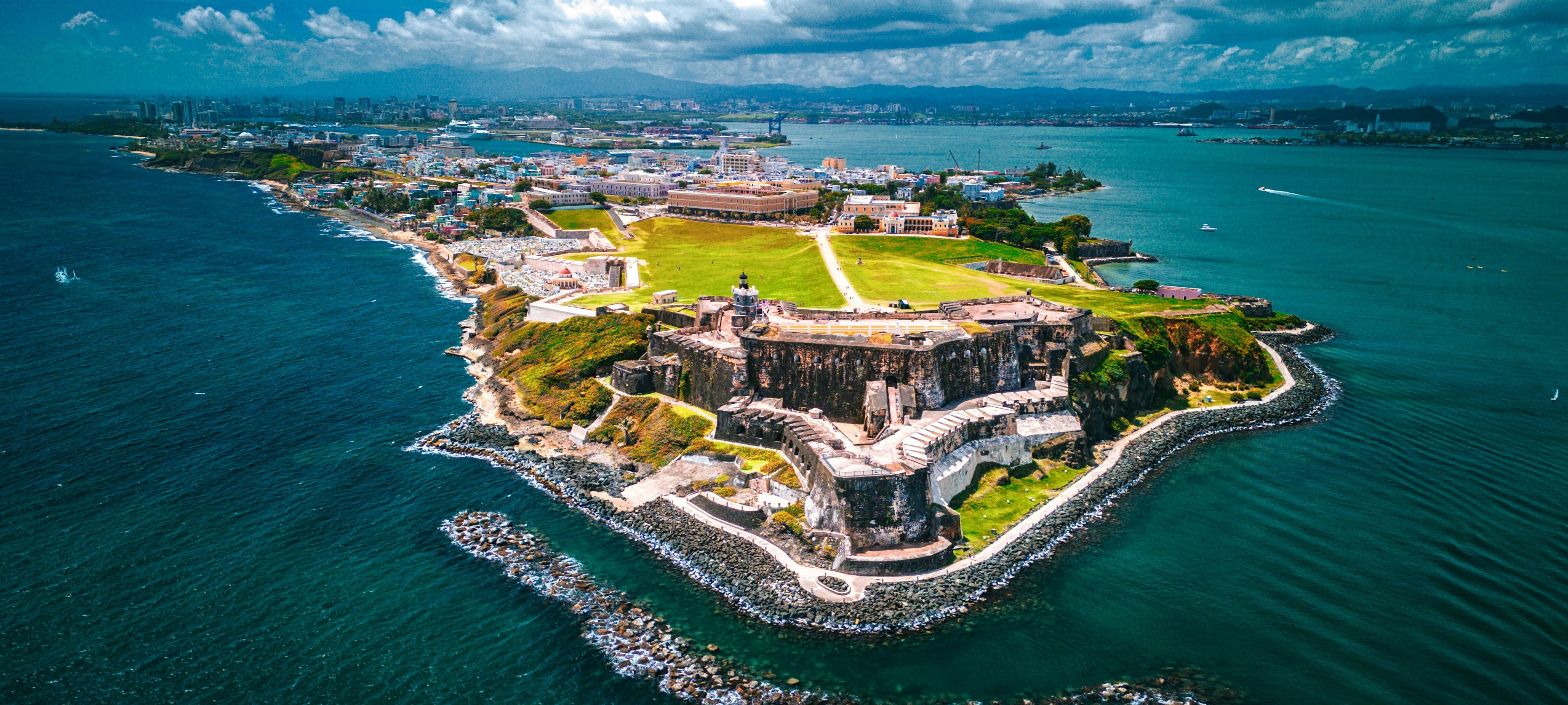
San Juan is one of the easiest Caribbean ports to explore independently. If your ship docks near Old San Juan, you can walk straight into cobbled streets, colourful buildings, cafés, bars, churches and huge Spanish fortifications.
The main sights are Castillo San Felipe del Morro and Castillo San Cristóbal, both part of the San Juan National Historic Site. They give you history, sea views and a proper sense of why this port mattered.
It is also a strong food stop. Look for mofongo, empanadillas, Puerto Rican coffee and rum cocktails. San Juan is ideal if you want a port day with walking, architecture, history and lunch, without needing a long transfer or a coach sticker.
Willemstad, Curaçao
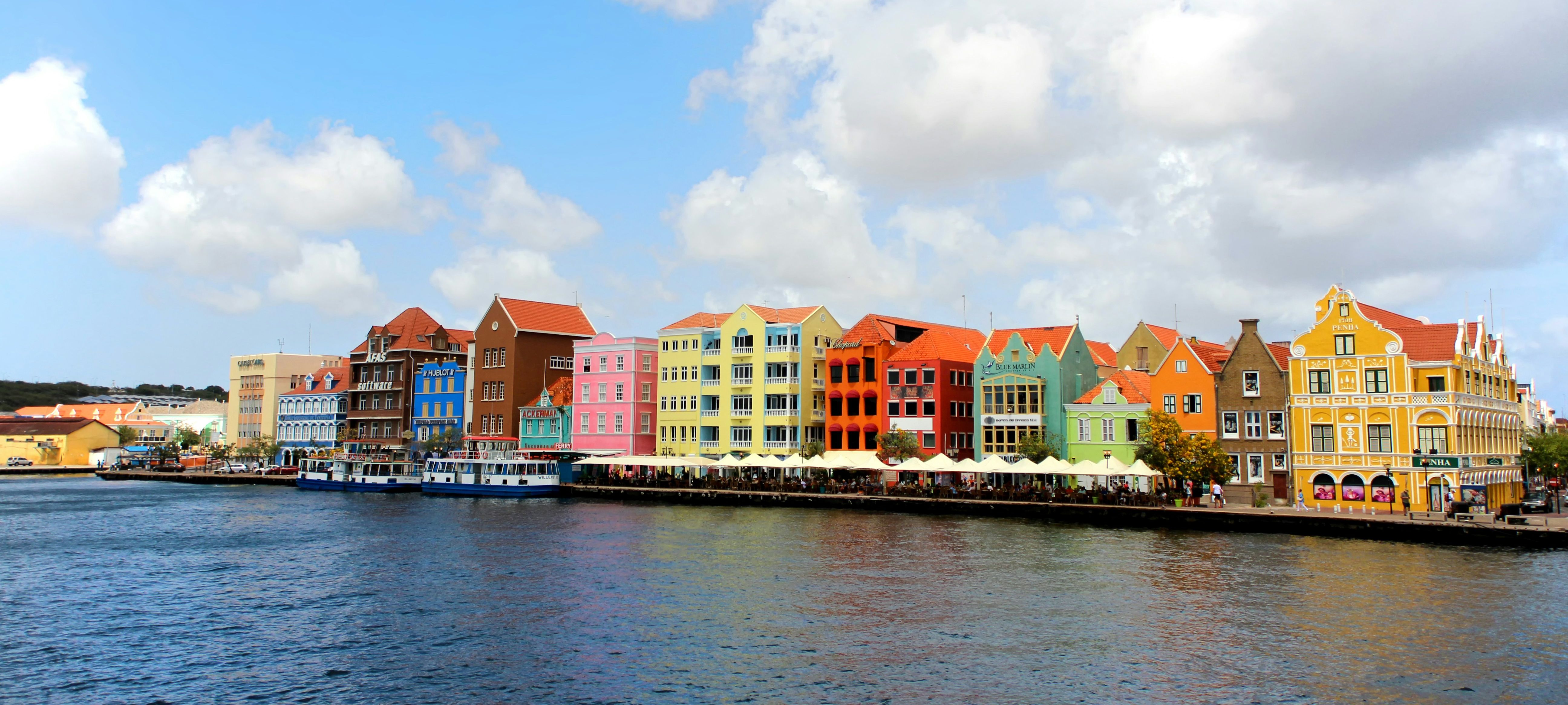
Willemstad is one of the Caribbean’s most distinctive cities. Its Dutch colonial buildings, bright waterfront and floating Queen Emma Bridge make it an easy, rewarding port to explore on foot.
The historic centre is UNESCO-listed, and most cruise passengers can walk between Otrobanda and Punda, stopping for harbour views, museums, markets and cafés.
Curaçao is also a good food port, with Dutch, Caribbean, Latin American and Sephardic influences. Try local dishes such as keshi yena, stews, fried snacks and anything citrusy involving the island’s famous liqueur, though perhaps not all before midday.
Bridgetown, Barbados
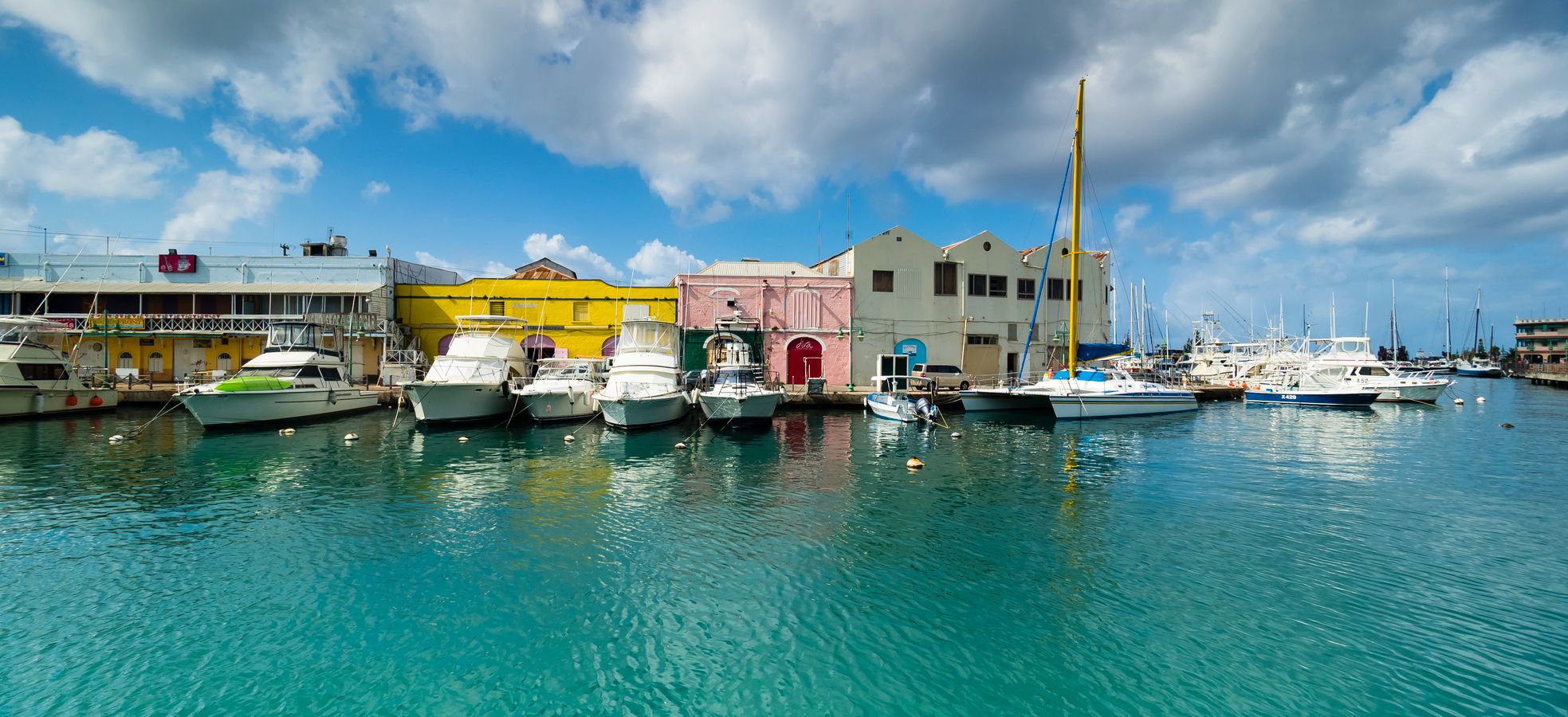
Barbados is famous for beaches, but Bridgetown is better if you want rum, food and history.
Historic Bridgetown and its Garrison is UNESCO-listed, with colonial buildings, military history and a strong sense of the island’s role in the British Atlantic world. It is not the Caribbean’s prettiest capital at first glance, but it rewards a planned half day.
Rum is the obvious hook. Mount Gay’s visitor experience is close to Bridgetown and works well for cruise passengers. Food is another reason to stay interested: flying fish, cou-cou, fish cutters, pudding and souse, and rum-shop cooking all make Barbados one of the Caribbean’s best eating islands.
Castries, St Lucia
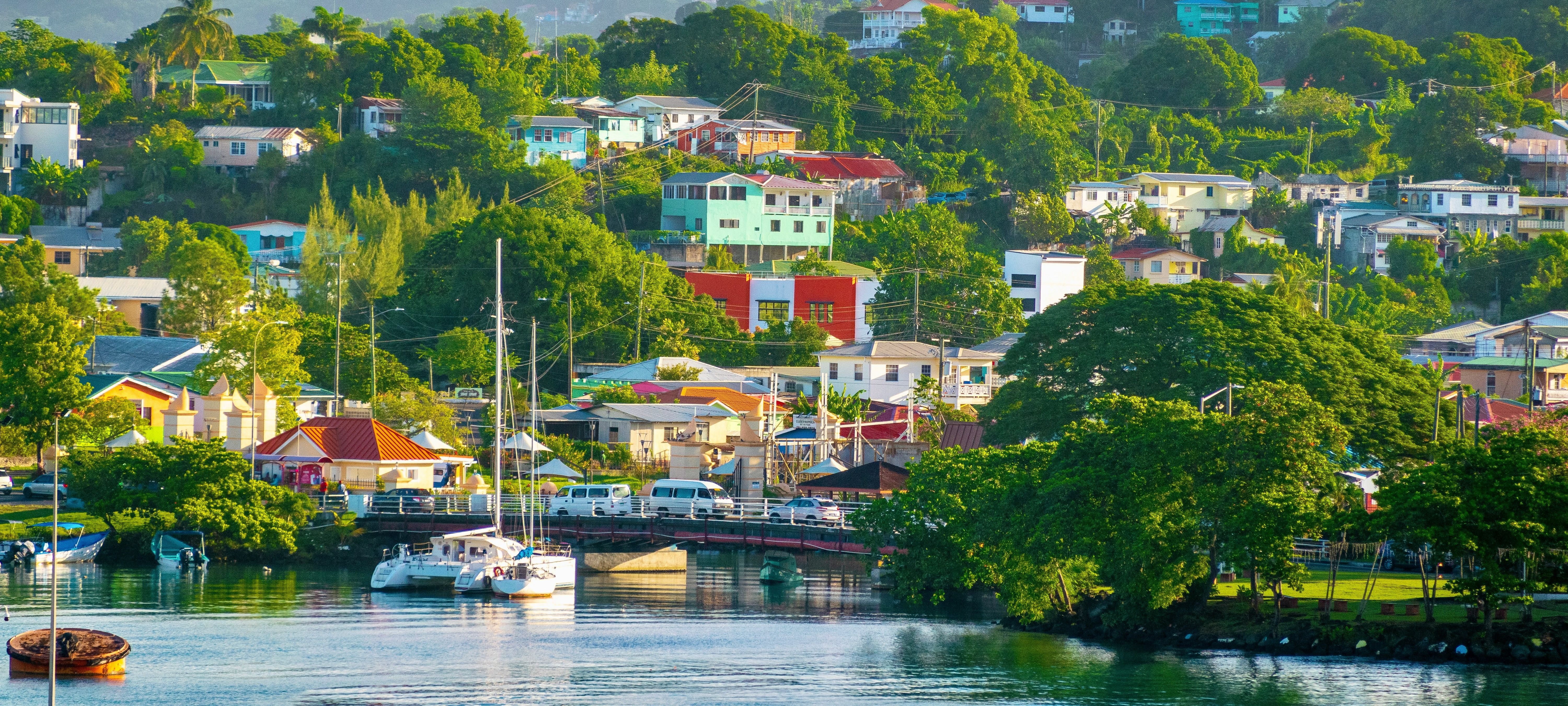
St Lucia is for scenery. From Castries, the best excursions head towards Soufrière, the Pitons, waterfalls, cocoa estates, rainforest trails and Sulphur Springs.
This is not the best port for simply wandering near the ship. The island’s most memorable sights are inland or further south, so a guided excursion or private driver usually makes sense.
Be realistic with timings. St Lucia’s roads are winding, and trying to do everything can turn a beautiful day into a sweaty logistical event. Choose one focus: Pitons and Soufrière, rainforest and waterfalls, cocoa and food, or a scenic island drive.
Roseau, Dominica
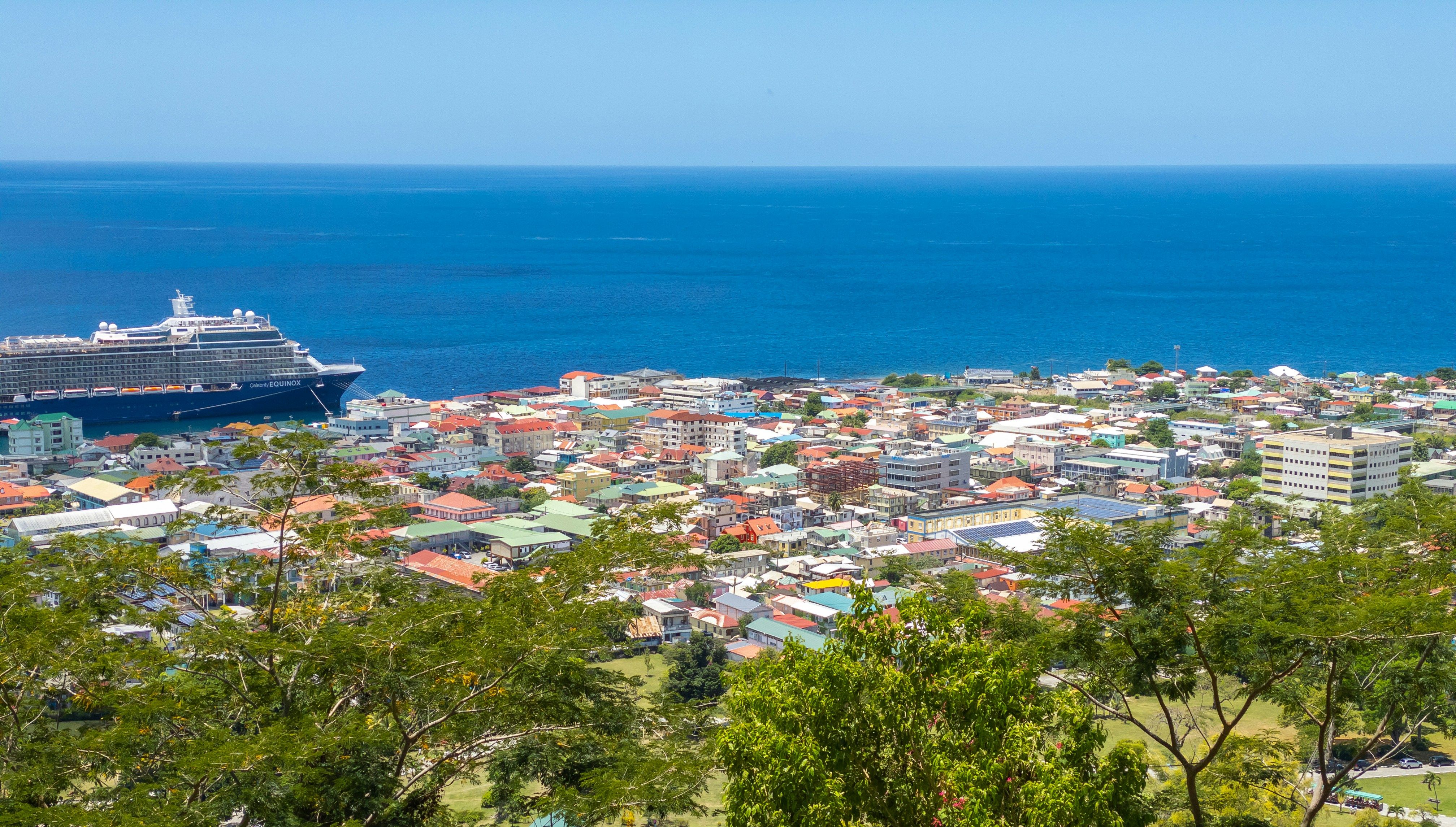
Dominica is one of the best Caribbean ports for nature. It is rainforest, rivers, waterfalls, hot springs, volcanic peaks and proper greenery, rather than “beach break with a palm tree nearby”.
Morne Trois Pitons National Park is the headline, with volcanic landscapes, forest, lakes and fumaroles. Popular cruise excursions include Trafalgar Falls, Emerald Pool, Titou Gorge, hot springs and the Indian River.
Dominica is also one of the best islands for whale watching, with sperm whales found in its waters year-round. Roseau itself is modest, so book a guide or excursion and get inland.
Fort-de-France, Martinique
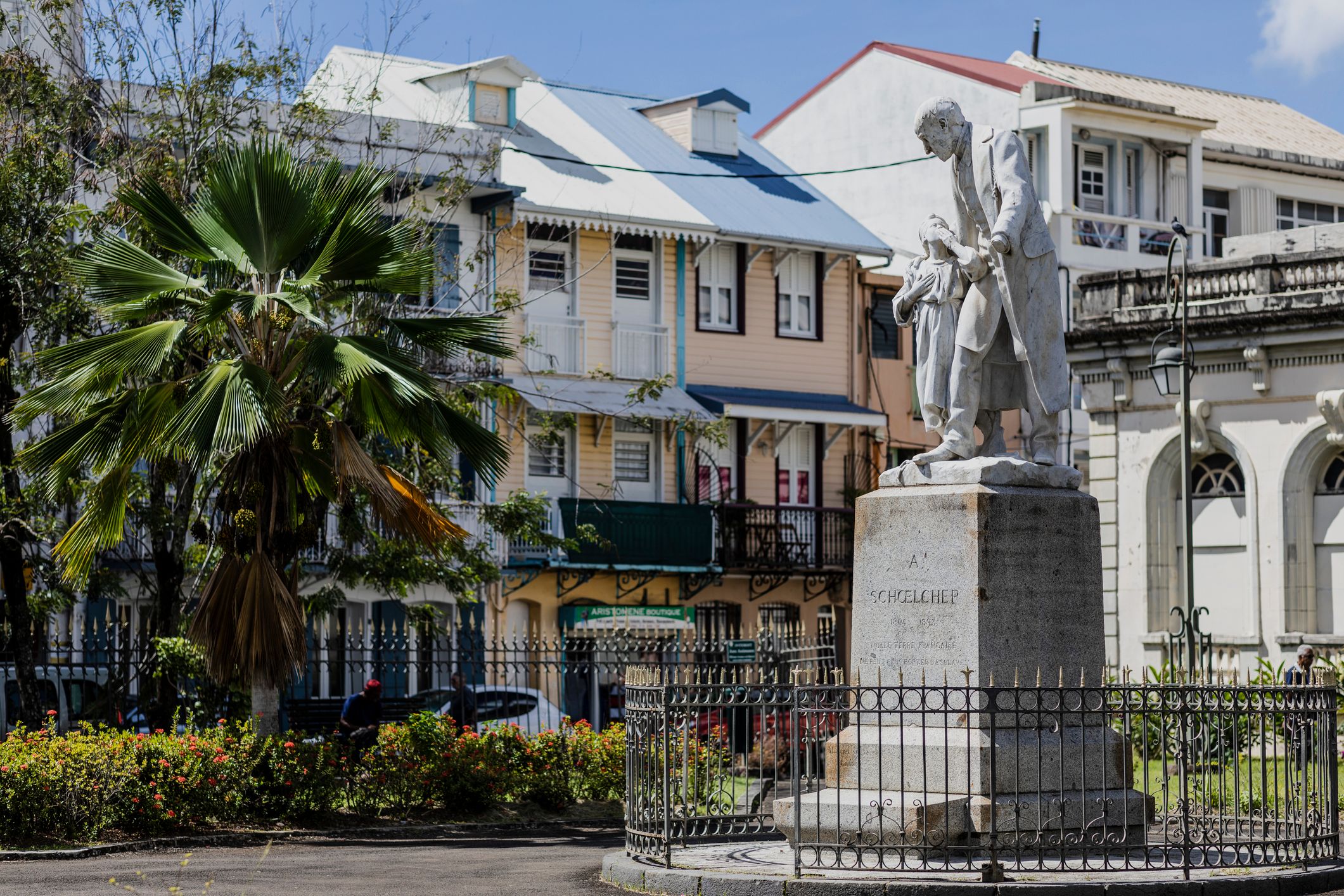
Martinique is a strong choice for food, rum, gardens and French-Creole culture. From Fort-de-France, you can keep the day urban with markets, cafés and the waterfront, or head out for gardens, rainforest and history.
Jardin de Balata is one of the easiest cruise-day trips, with tropical planting, palms, flowers, a Creole house and a canopy walkway. Further north, Mount Pelée and Saint-Pierre offer volcanic history and more dramatic scenery.
Food and drink are a major reason to care. Martinique is known for rhum agricole, made from fresh sugarcane juice, plus accras, Colombo, grilled fish, patisserie and proper coffee.
St George’s, Grenada
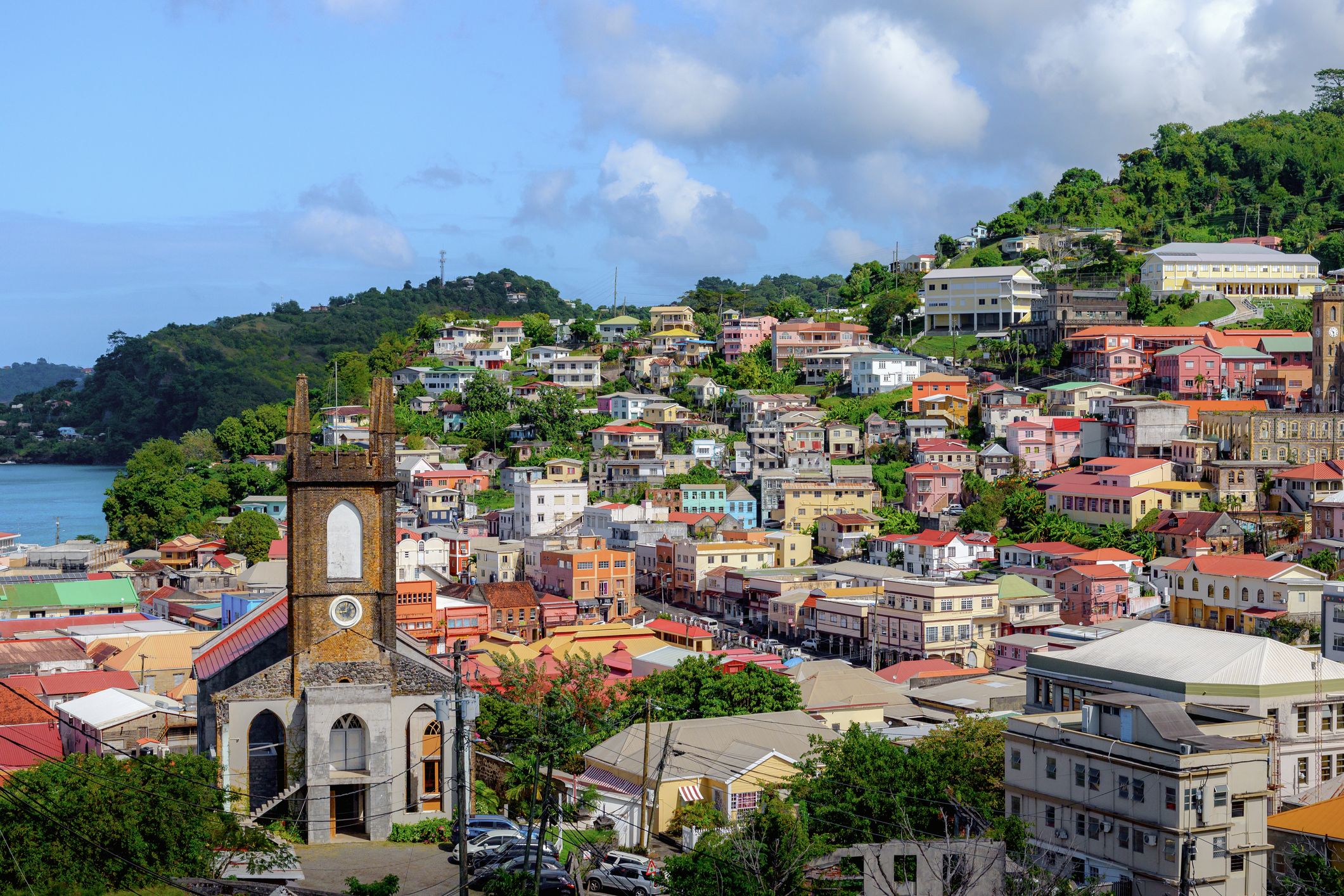
Grenada works well if you want spice, rum, chocolate and scenery. St George’s has one of the Caribbean’s prettiest harbour settings, but the best day usually goes beyond the waterfront.
The island is known for nutmeg, mace, cinnamon, cloves, cocoa and rum. Good cruise-day options include spice markets, cocoa producers, rum distilleries, waterfalls and Grand Etang National Park.
Grand Anse Beach is close if you still want sand afterwards, but Grenada is far more interesting if you treat the beach as the final hour, not the whole day.
Which Caribbean cruise port should you choose?
For easy independent exploring, choose San Juan or Willemstad. Both are walkable, atmospheric and rewarding close to the ship.
For rainforest and natural drama, choose Dominica or St Lucia. These are the ports for waterfalls, volcanic scenery, wildlife and inland excursions.
For food and rum, choose Barbados, Martinique or Grenada. Each has a clear local flavour and strong cruise-day options beyond the beach.
For history with a view, choose Antigua, especially Nelson’s Dockyard and Shirley Heights.
The best Caribbean itineraries mix these styles: one walkable city, one rainforest island, one food or rum stop, one historic harbour and, yes, a beach day or two. The point is not to avoid the beach. That would be silly.
The point is choosing islands where the beach is one option, not the entire plan.