For 2026, cruise lines have been busy colouring in the edges of the map. New terminals, one-off calls and intriguing detours mean there are more “wait, where?” moments on the docket than ever, particularly if you like your ports with a side order of shipyards, science parks or lighthouses.
Here are our highly scientific, entirely unofficial awards for the most pleasantly odd cruise calls of 2026 and, crucially, how you might end up sailing into them.
Best industrial fjord town with a bakery stop: Lysekil, Sweden
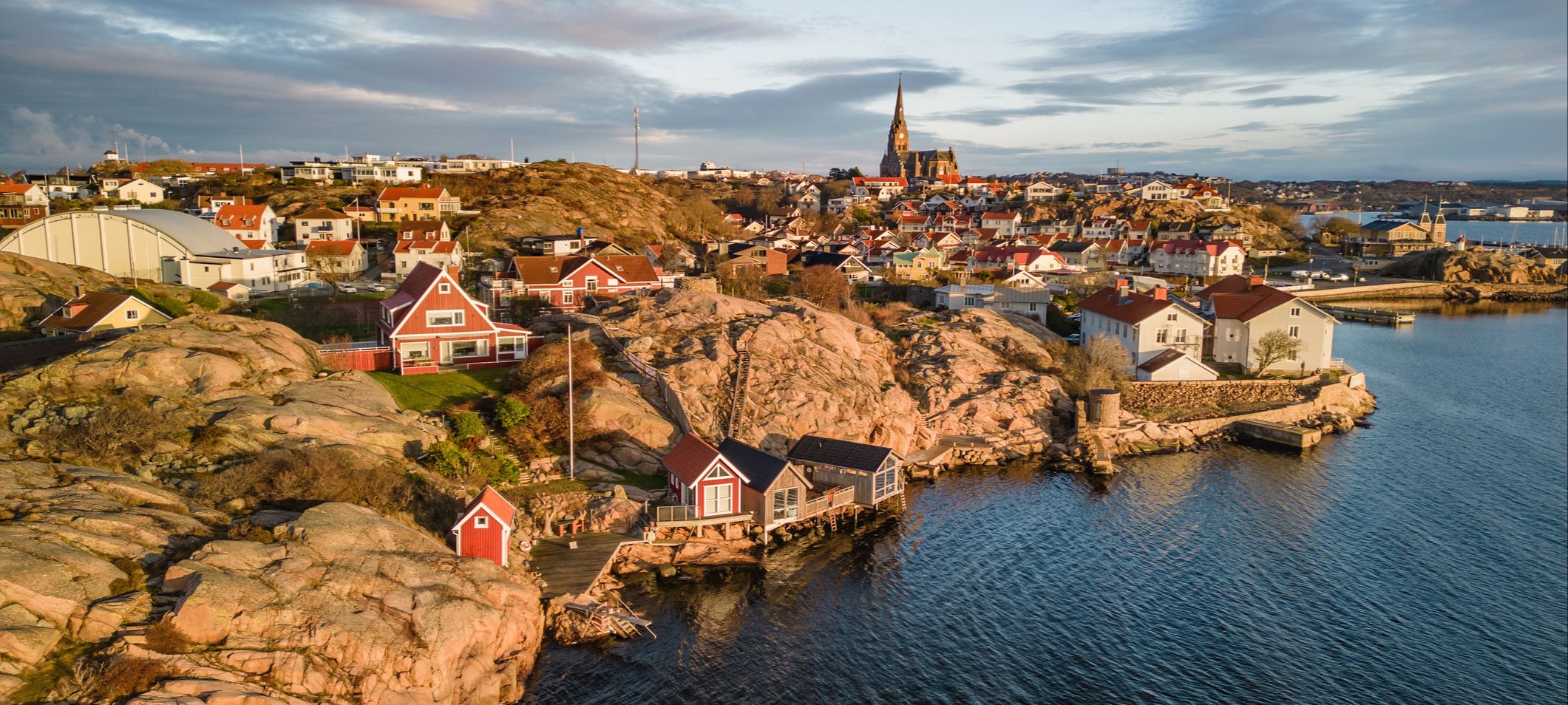
On paper, Lysekil is a modest working town on Sweden’s west coast, wedged between granite cliffs and the Skagerrak. In 2026 it starts turning up on some very smart itineraries, including calls from SeaDream, Oceania and Crystal, drawn by the Bohuslän islands, sea-kayaking and rather good seafood.
The centre itself is compact, with wooden houses, a hulking red-stone church on the hill and cafés that do good cinnamon buns and coffee strong enough to revive even the most jet-lagged cruiser. You still see tankers and fishing boats sliding in and out, which only makes it more surreal when a small luxury ship appears at the pier and disgorges guests in technical jackets.
If your idea of a fjord day involves scenery, a stroll, something sweet and the chance to say you have been somewhere most of your friends will need to Google, Lysekil has you covered.
Best “is this ferry dock really my glamorous Corsican stop”: Bastia, Corsica
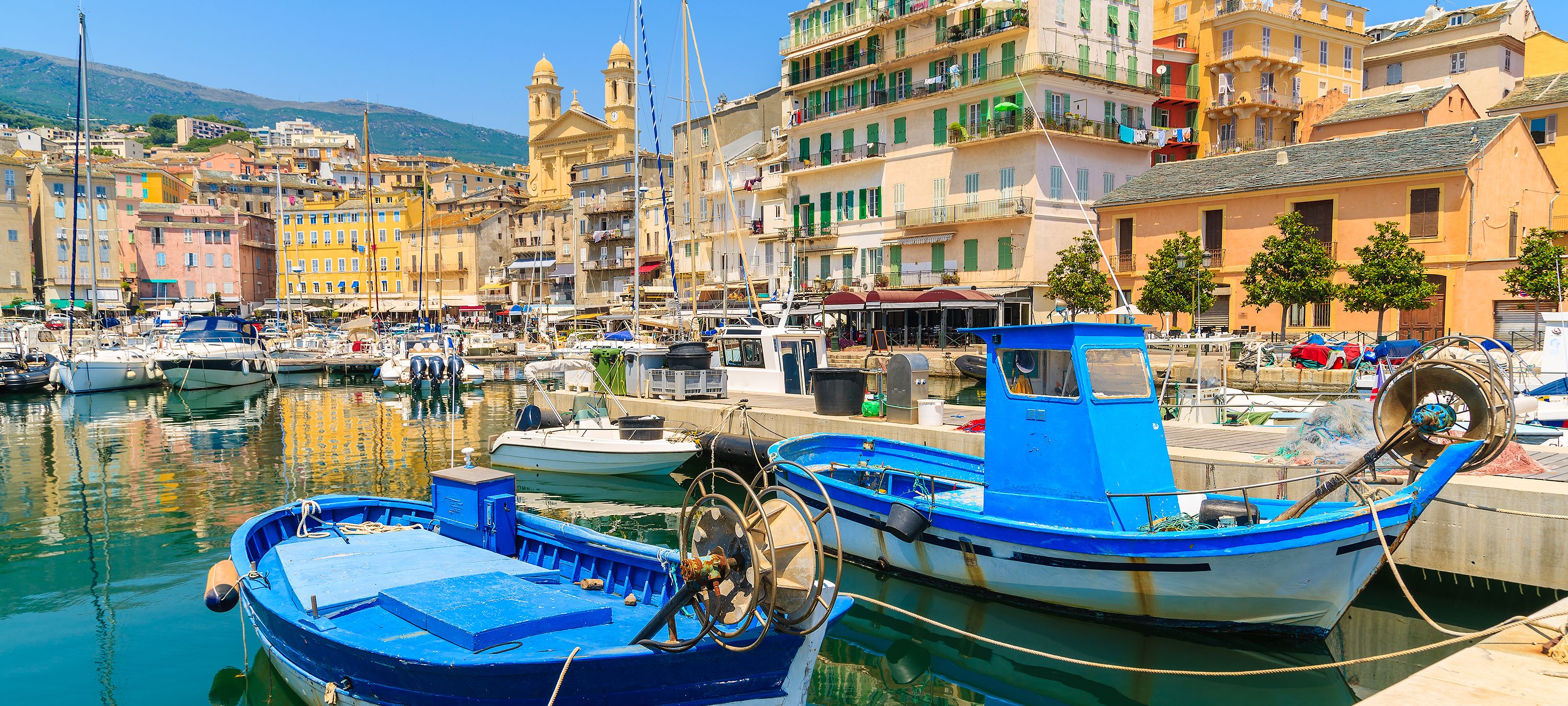
Most people who know Bastia know it from a queue. It is the busy northern ferry port of Corsica, full of cars, lorries and a constant shuffle of ships bound for Marseille and Livorno. In 2026, though, it graduates from “somewhere you transit through” to “headline call” as more ocean lines schedule proper time here on Mediterranean cruises. Fred. Olsen and others are already flagging Bastia as a characterful alternative to the island’s more polished south.
Step off the gangway and you are in a tangle of pastel streets, bar-lined squares and a slightly scruffy but extremely photogenic vieille ville stacked above the Vieux Port. It feels more like a real town than a stage set, which is half the charm. Have an espresso in Place Saint-Nicolas, buy something with local chestnuts, then wander up to the citadel to remind yourself that yes, that really is your cruise ship parked amongst the ferries.
Best geography teacher’s headache: Ceuta, Spain in Africa
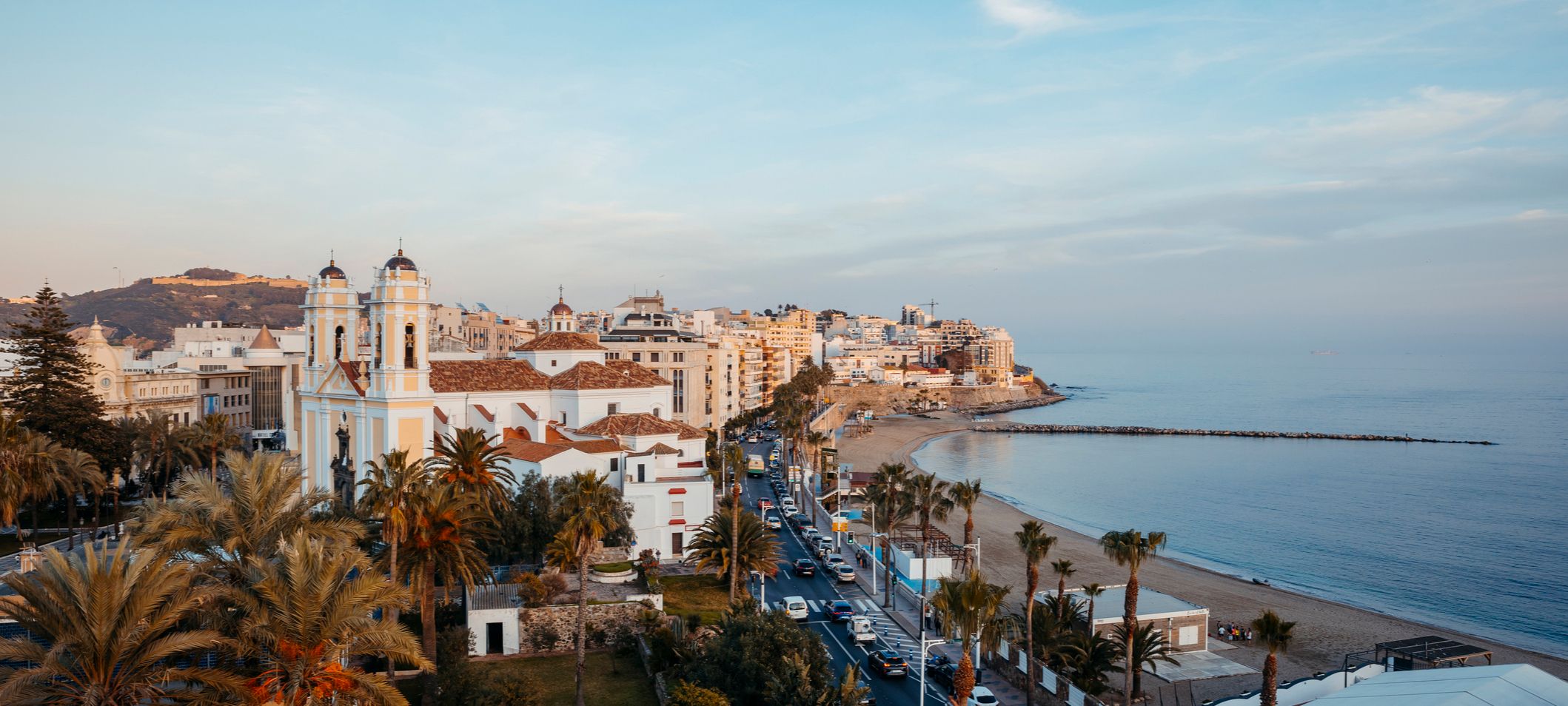
Ceuta is Spain, but it is also on the African mainland, facing Gibraltar across the Strait. It is part fortress town, part beach resort, part political talking point, and in 2026 it has started popping up more often on mainstream itineraries. Several lines have added the city as a call on Western Mediterranean and Iberia-plus-Morocco routes, highlighting it as somewhere “new” for repeat Med guests who have done Málaga three times already.
The old ramparts and moat run right through town, palm trees and squares sit beside Moroccan tea houses, and there is a decent sweep of sand if you would rather get horizontal than historical. You can walk everywhere from the pier, which is handy if you have just spent the morning trying to explain the concept of an overseas autonomous city to your travelling companion.
Best capital of culture you did not realise had a cruise pier: Oulu, Finland
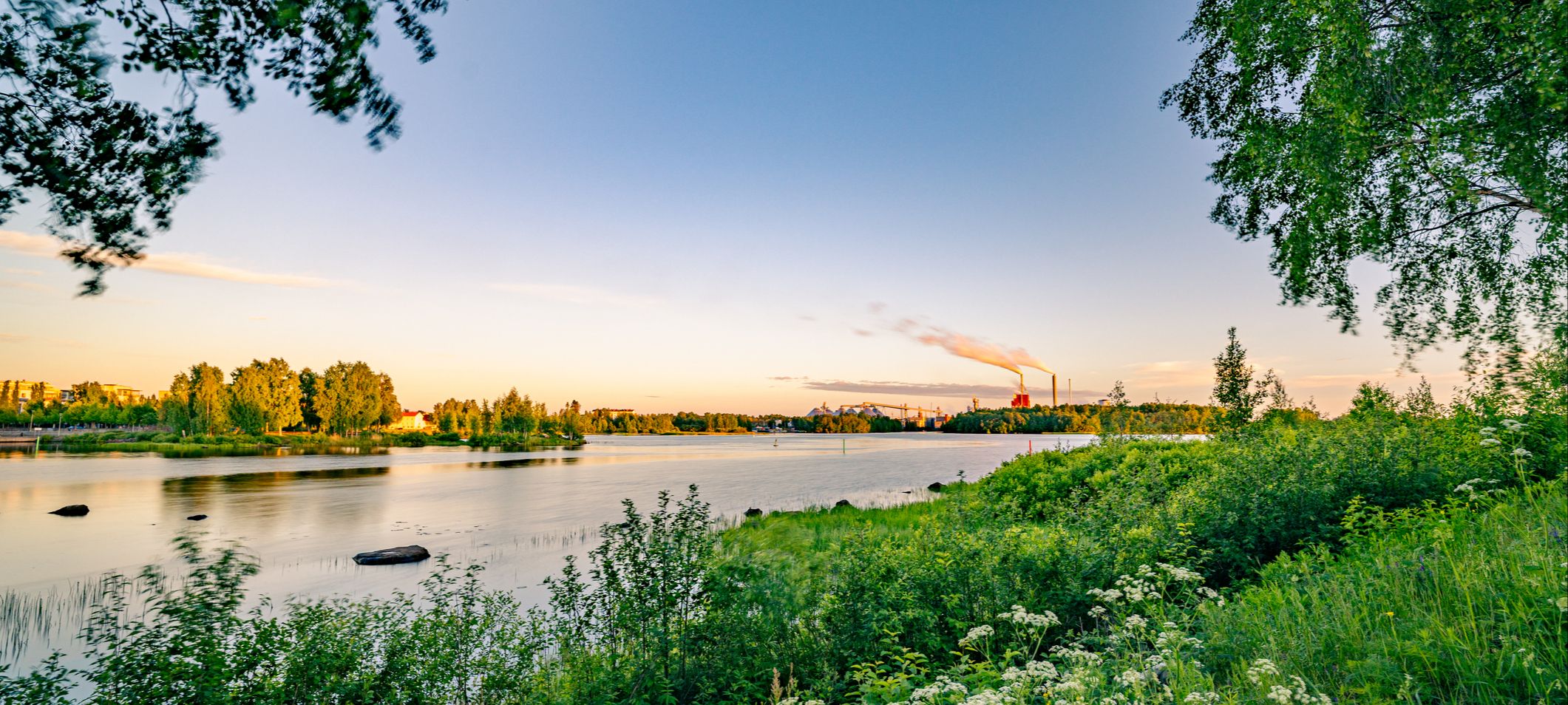
Draw a line across the top of the Baltic and you will find Oulu, a tech-heavy Finnish city closer to the Arctic Circle than most of the places you associate with “city break”. In 2026 it steps onto the wider travel radar as one of Europe’s Capitals of Culture, with a programme of art, music and events built around its industrial past and high-tech present.
The cruise world has noticed. Oceania’s Insignia is calling at Oulu on an extended Northern Europe itinerary in June 2026, tying it into a circuit that also takes in Vaasa, Kemi and Luleå before turning south for Copenhagen and Norway. Port schedules show further calls pencilled in through the summer and early autumn.
Expect long, pale evenings, wooden warehouses along the waterfront, serious coffee culture and more cyclists than you thought possible this far north. One minute you are listening to a guide talk about tar exports and base stations, the next you are standing on a Baltic beach wondering how your “Europe” cruise ended up here, in the best possible way.
Best Great Lakes pier that feels like a film set: Alpena, Michigan
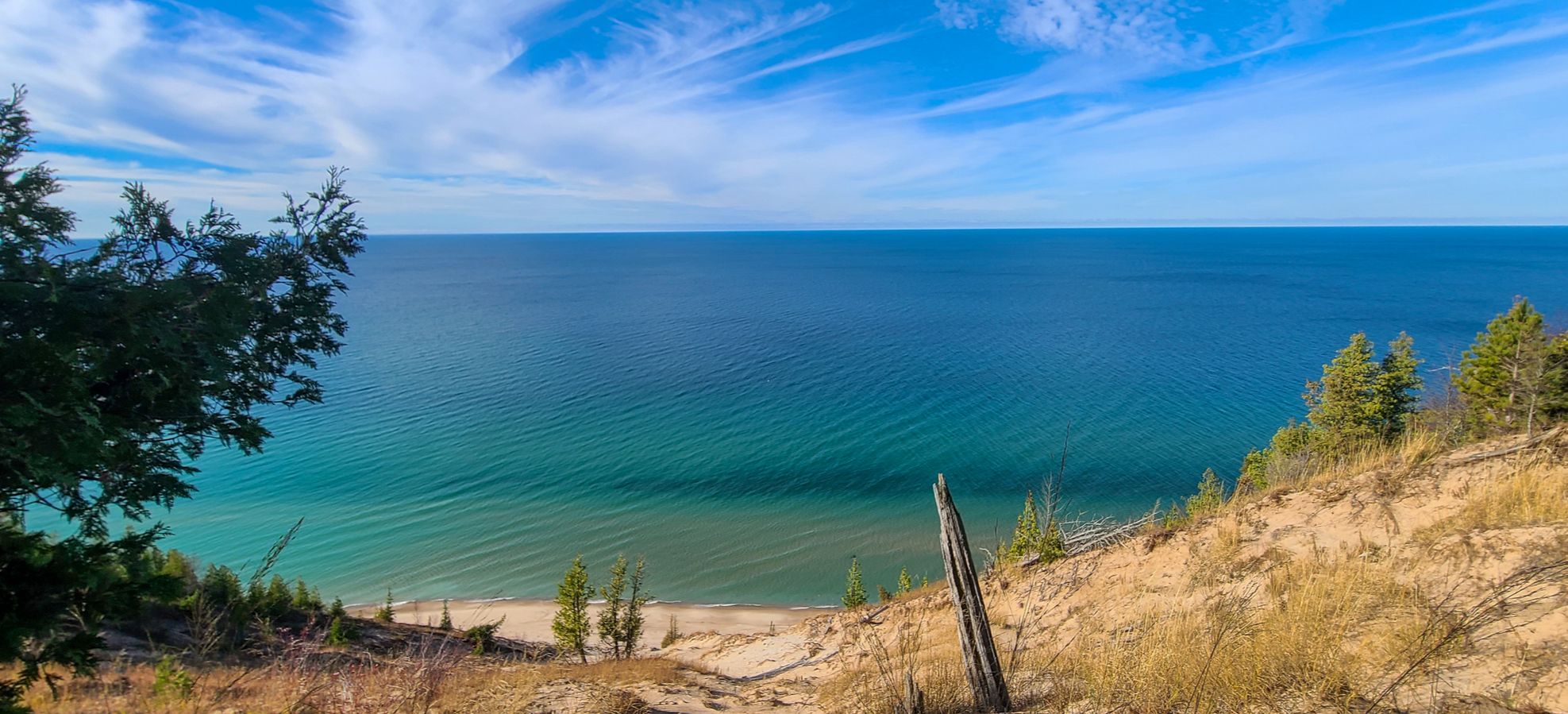
Alpena sounds like a mocked-up town for a drama set in the American Midwest, yet in 2026 it will be playing host to a growing stream of expedition-style ships on Great Lakes itineraries. Viking’s Niagara and the Great Lakes route calls here throughout the season, pitching it as a base for kayaking over shipwrecks in Thunder Bay and visiting the Great Lakes Maritime Heritage Center.
The town is satisfyingly low-key. You step off the ship onto a modest dock, wander past a few warehouses, then find a small downtown with brick storefronts, diners and the slightly dreamy air of a place that was never intended to be a “major” cruise destination. If your previous port was Niagara Falls or Detroit, the contrast is half the fun.
Best “hang on, that is a navy base” moment: Norfolk, Virginia
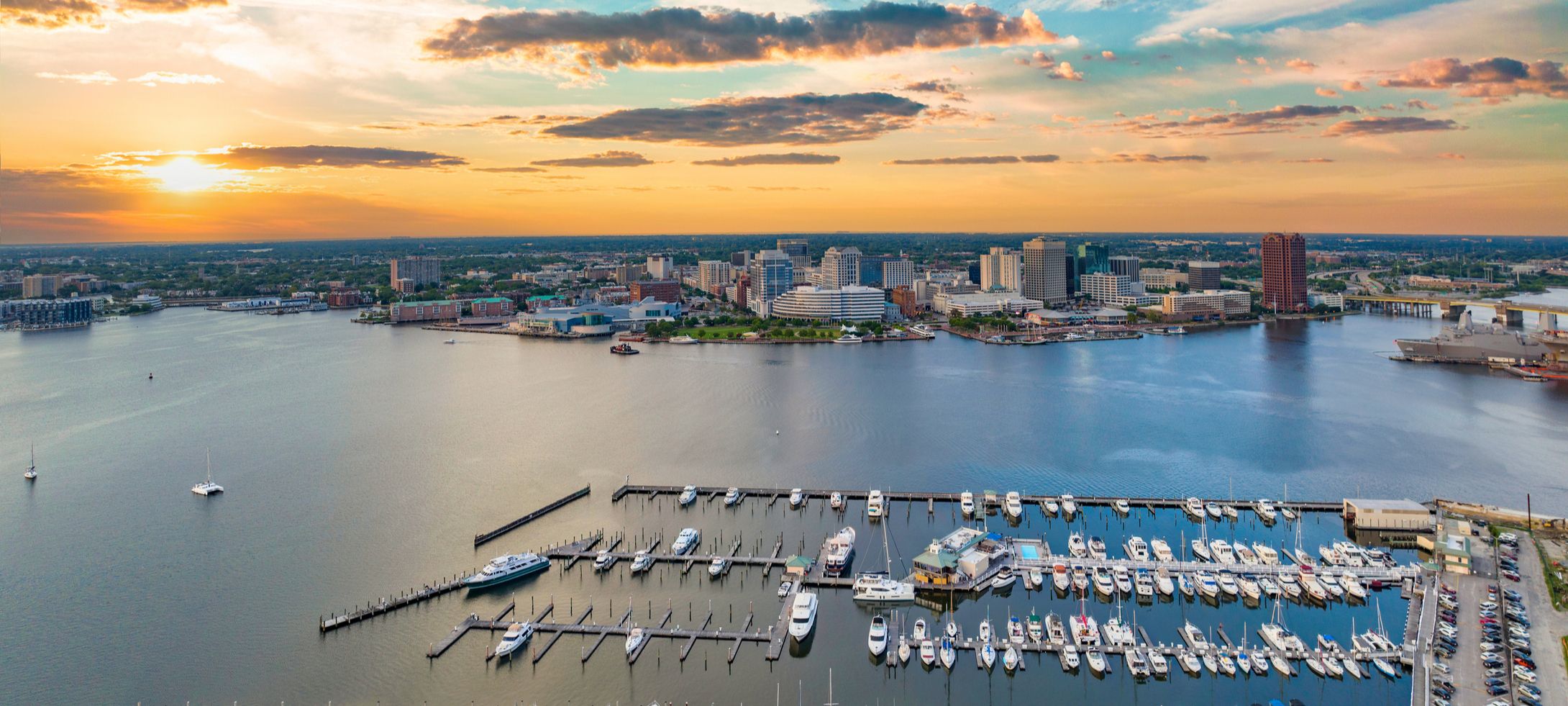
Norfolk is a proper port city rather than a pretty fjord town. You sail in past container cranes and US Navy hardware, then suddenly find yourself alongside a modern cruise terminal with a battleship museum next door.
For 2026, Carnival is making Norfolk the year-round home of Carnival Sunshine, a significant step up from the seasonal programmes the port has seen in the past and a sign that more lines are treating it as a serious embarkation hub. That means more itineraries threading down the US east coast or out to the Bahamas from a city that most British guests only know from war films and ship-spotting documentaries.
Between sail-away views of the naval fleet, a revitalised downtown and trips out to nearby Virginia Beach, it is the sort of place that can pleasantly wrong-foot you. You come for the convenience of a different departure point, you stay for the craft beer, maritime history and the sheer number of fascinating ships in every direction.
Best “is this actually cruise ship call”: Philadelphia, Pennsylvania
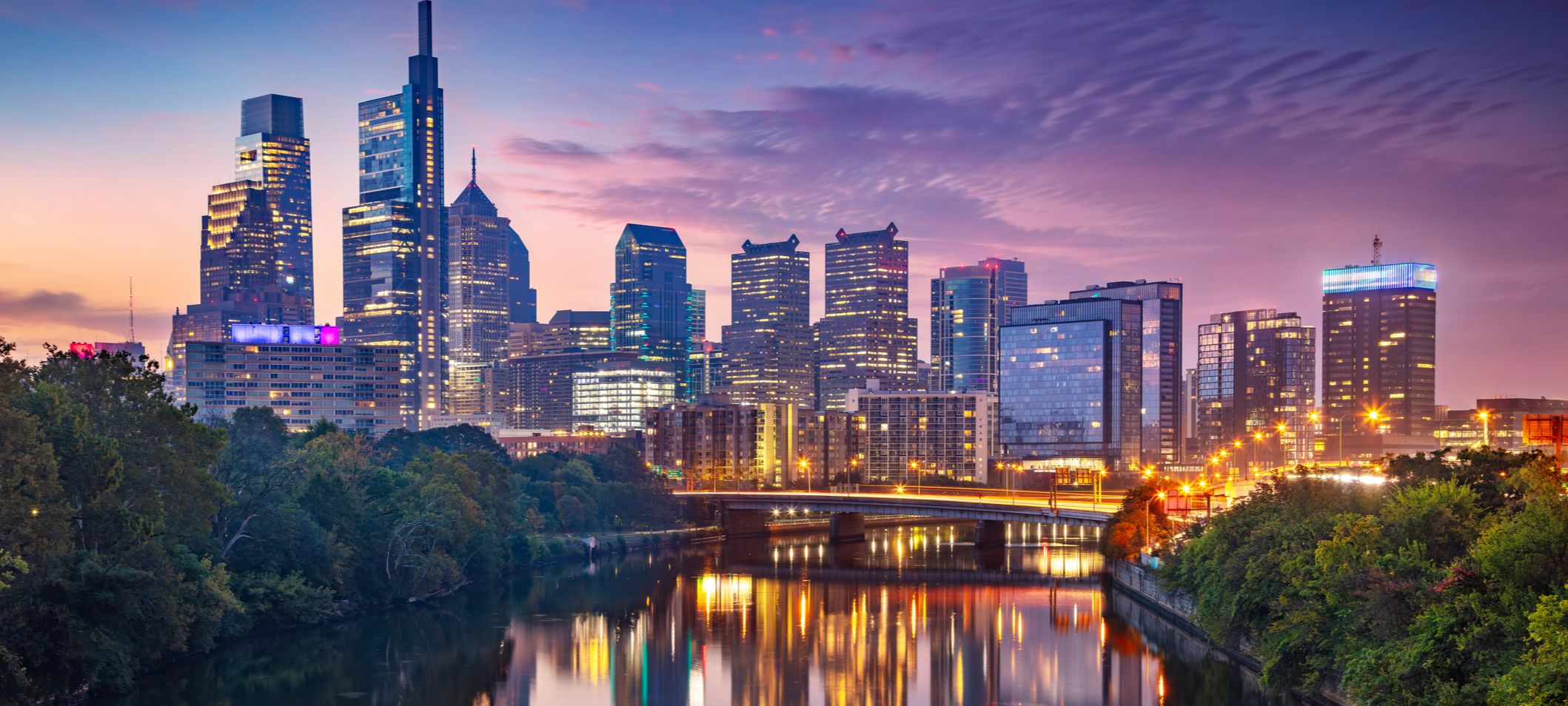
If you wrote “cruise port” on one side of a card and “Philadelphia” on the other, most people would assume you were playing some kind of word association game. Yet from 2026 the city is genuinely back on the map as a departure point, with a new terminal development on the Delaware and Norwegian Cruise Line announcing round-trip sailings to Bermuda and Canada New England from the city.
The result is a very different kind of embarkation day. One moment you are trundling a suitcase past container stacks and rail lines, the next you are within walking distance of Independence Hall, the Liberty Bell and a frankly dangerous number of cheesesteak options. It is part city break, part cruise and part history lesson, which is not a bad combination for a week away.
How to actually use this
Beyond the fun of saying “I have been to Alpena” in polite company, there is a practical angle here. All of these ports are on sale now as part of 2026 deployment, often tucked into itineraries that otherwise look quite familiar. If you like the idea of stepping off into somewhere slightly unexpected, it is worth scanning the small print on route maps for names that do not normally get top billing.
It might be a capital of culture on the edge of the Arctic, a Great Lakes town with more shipwrecks than people on the pier, or a Spanish city marooned on the African coast. Either way, the joy of cruising has always been about the surprise when you step out on deck in the morning and see where you have woken up. In 2026, those surprises look particularly entertaining.