Cruise lines are heading into 2026 with record demand, a bulging order book and a to-do list that runs from TikTok to methanol. Here is what I think is actually going to happen next year once the confetti from New Year’s Eve on the Lido deck has been swept away.
1. Ships stay full and prices stay firm
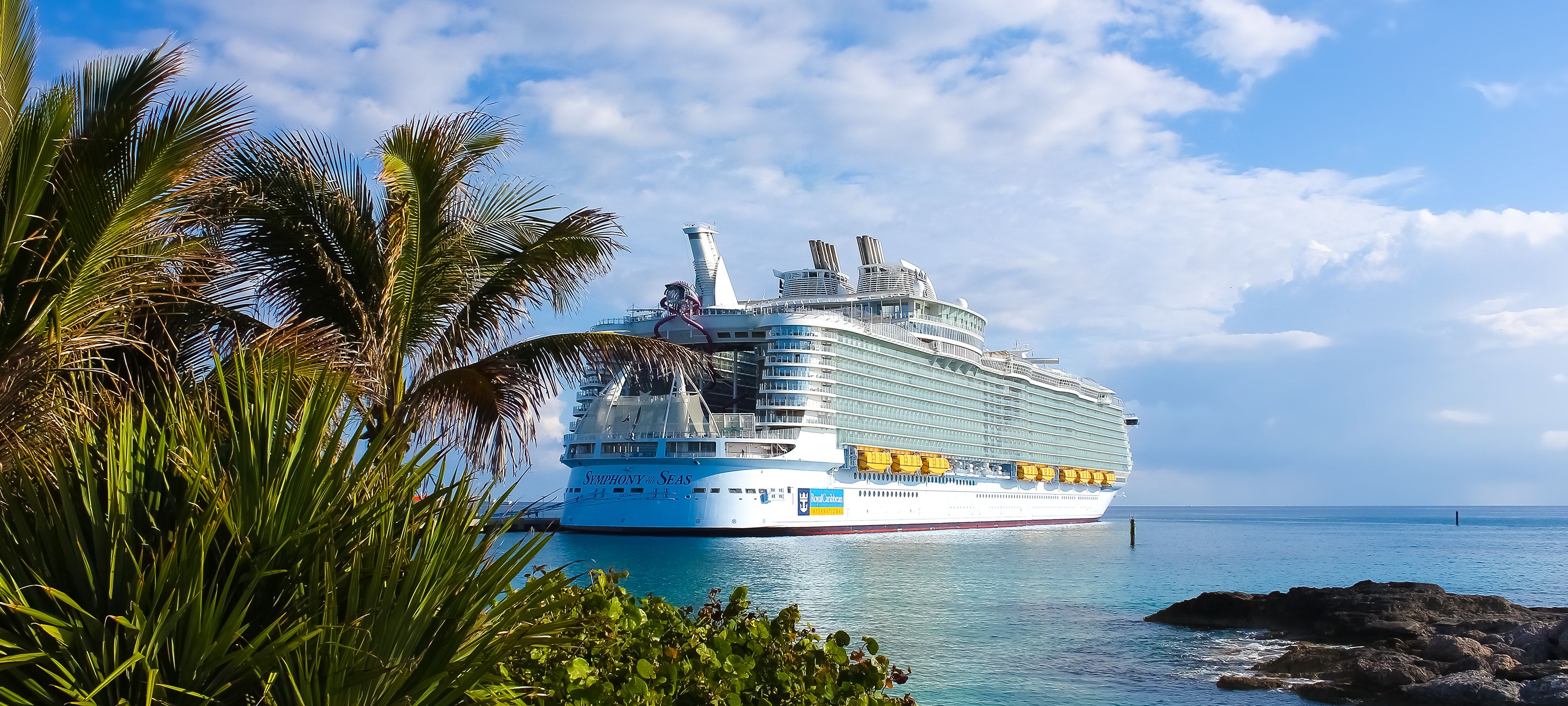
The recovery phase is long over. Cruise is now in the “we are absolutely back” era. CLIA’s latest State of the Cruise Industry report shows 34.6 million people cruised in 2024, with 37.7 million expected in 2025 and around 42 million forecast by 2028.
In practice, that means tight capacity on the most popular routes and less of those heroic last-minute bargains people remember from the late 2010s. Analysis of 2025 pricing suggests fares are trending upwards overall, especially on marquee itineraries and newer ships.
For 2026, expect more “value” messaging rather than obvious discounting. Packages including flights, drinks and tips will be sold as a neat way to dodge the cost of living headache, while lines quietly hold their nerve on base fares. If you want school-holiday Caribbean on a brand-new mega ship, booking early will matter more than ever.
2. The average cruiser gets younger, and lines are adapting

The cliché of cruises as floating retirement homes is looking increasingly dated. CLIA data shows the global average age of cruise travellers has dropped into the mid-40s, with well over a third now under 40.
Lines have noticed. 2026 will bring more short sailings, more “city break by ship” itineraries and even more attention to nightlife, wellness and content that photographs well on social. Virgin Voyages is the obvious poster child, but mainstream brands are not far behind, piling in with go-kart tracks, gaming lounges and Broadway-level shows that behave like TikTok bait in video form.
The serious bit behind the neon is this: lines are designing hardware and itineraries that assume multigenerational travel and groups in their 20s and 30s, not just couples celebrating their ruby wedding anniversary.
3. Themed cruises go from novelty to normality

If you can think of a niche, someone is probably putting it on a ship. Music charters, chess retreats, wine schools, wellness weeks and “TV show at sea” sailings are all multiplying, often chartering mainstream vessels for a few days and repackaging them for fans.
The direction of travel is clear. Royal Caribbean’s 2026 JoJo Siwa charter on Utopia of the Seas is just one example of how fan communities are being offered a ready-made mini-festival with cabins attached.
In 2026, expect more mainstream lines to reserve chunks of their calendar for partnered sailings like this, and more smaller operators to build micro-themes into regular departures. From a passenger perspective, the trick will be to decide whether you want to join the fandom or quietly avoid the week when the ship fills up with 3,000 people in matching tour T-shirts.
4. Sustainability becomes a proper preference, not just an afterthought
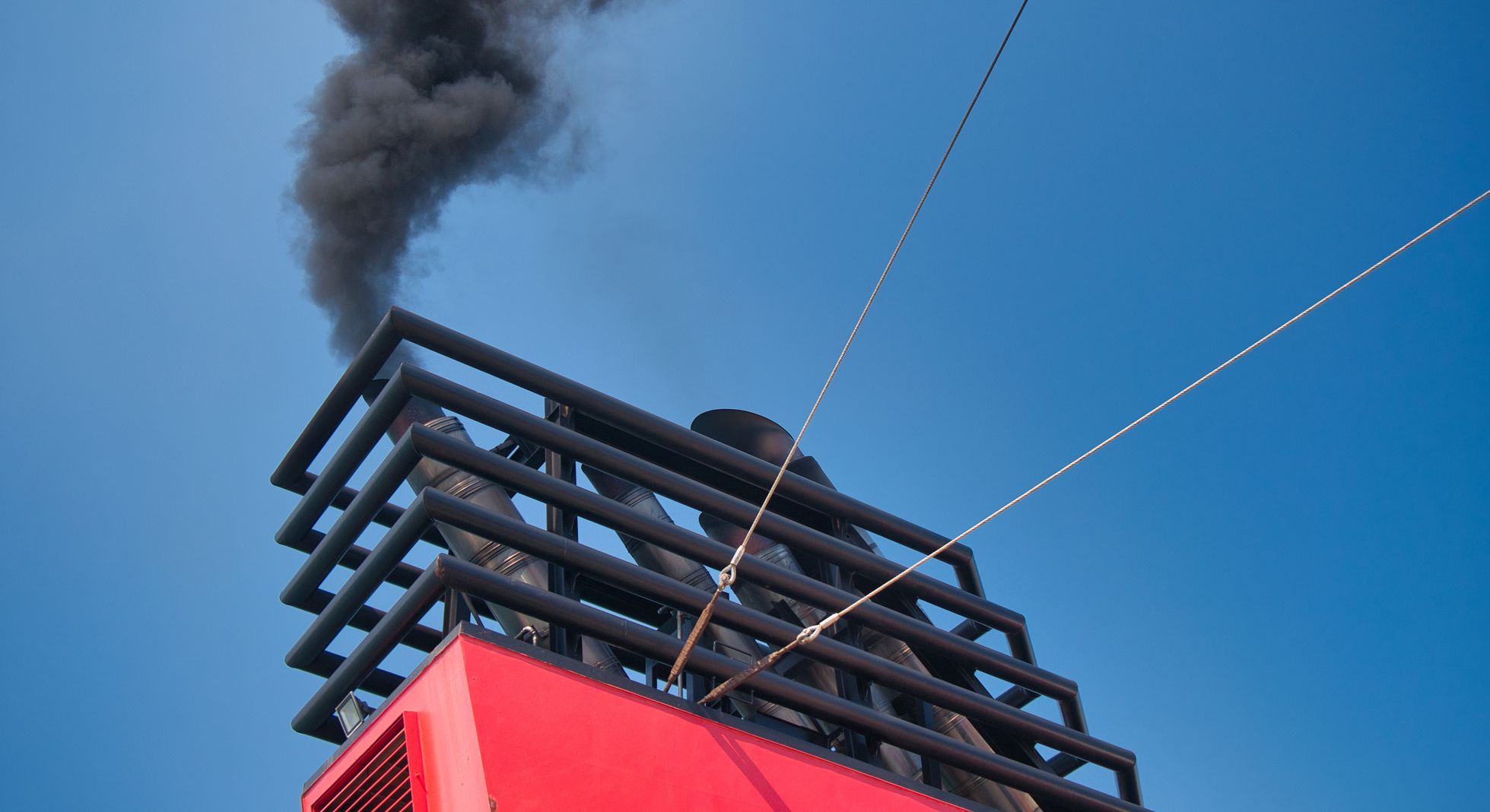
Environmental credentials have been creeping up the priority list for a while. In 2026 they start to bite. The IMO’s new net-zero framework and the EU’s FuelEU Maritime rules are pushing shipping towards cleaner fuels and tougher emissions standards later this decade, and lines are gearing up ahead of time.
You will hear more about LNG, methanol-ready engines, shore power and battery-hybrid systems on newbuilds, and see more references to fuel choice and emissions per passenger in brochures and on websites. At the same time, independent experts are very clear that no single “magic” fuel is coming to save everyone, which means the messaging will stay complicated for a while.
From a traveller’s point of view, 2026 is the year it becomes normal to ask basic questions about emissions, shore power and fuel types before you book, in the same way people now check whether a hotel has decent recycling and not just tiny plastic toiletries. Marketing will get greener, and so will parts of the product, but it will still pay to read beyond the headlines.
5. Tech will get smarter, more wearable and occasionally more annoying
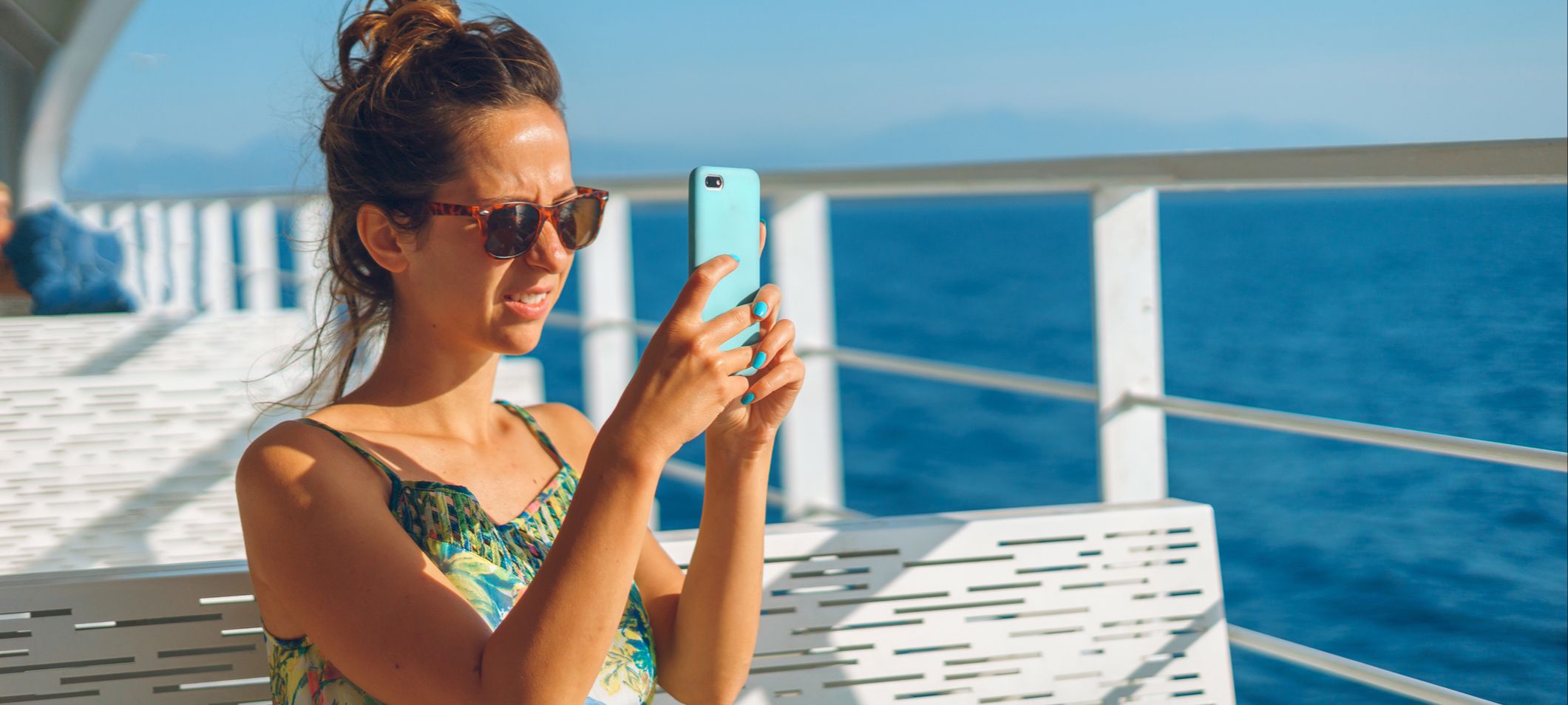
Apps and wearables are already part of the cruise experience on lines like Princess, Royal Caribbean and MSC, handling everything from boarding to door opening and drink ordering.
In 2026 expect that trend to deepen. Medallions, bands and phone apps will offer ever more personalisation, nudging you towards certain restaurants or shore excursions, and quietly learning your habits. Behind the scenes, lines are experimenting with AI to optimise pricing, onboard revenue and even which offers you see first.
The flip side is a rising concern about privacy. MSC has just banned smart glasses in public areas because of worries about covert filming. Do not be surprised if more lines tighten what you can point a camera at, even as they encourage you to film everything for social. The digital experience is about to feel more curated, more convenient and slightly more Big Brother all at once.
6. Shoulder seasons become the clever time to sail
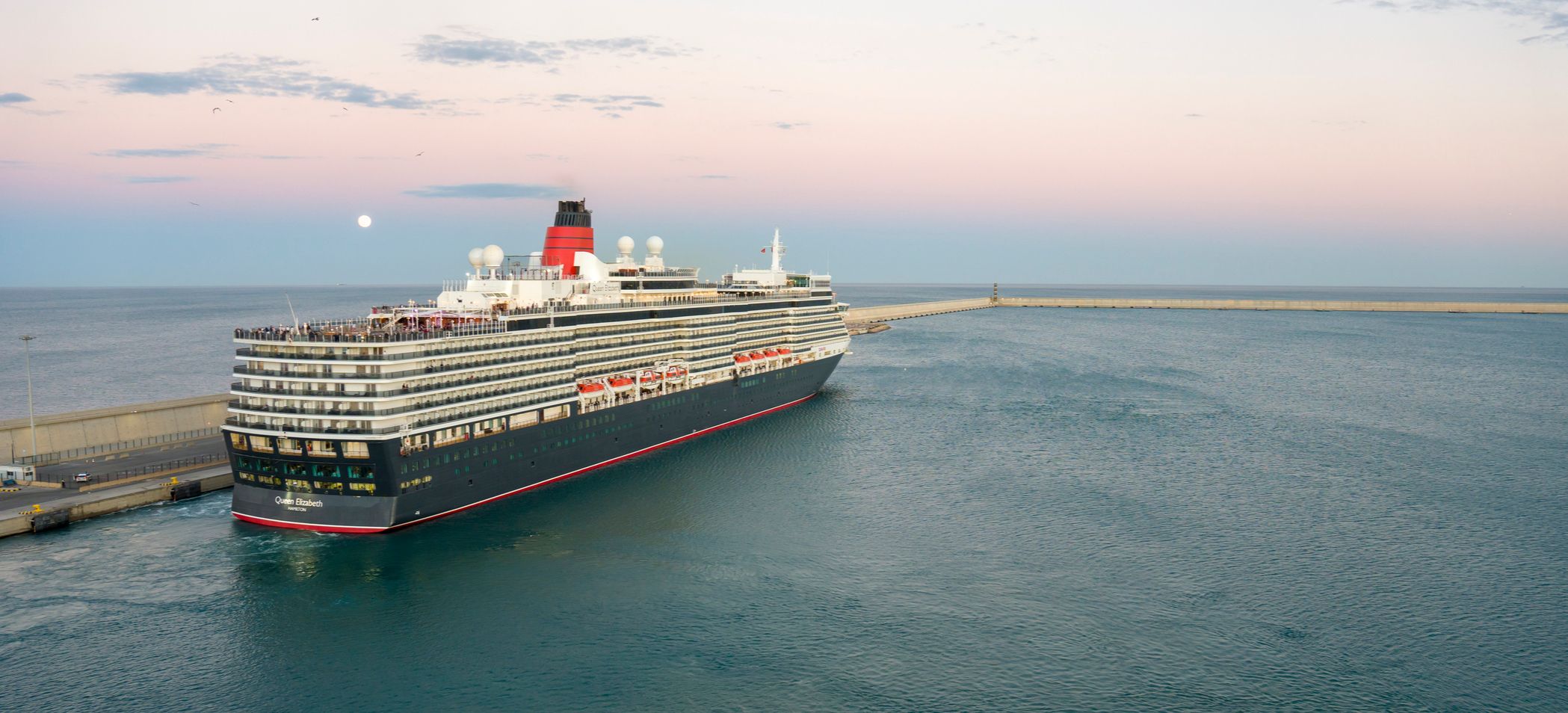
Agents are already reporting a surge in demand outside traditional peak months as travellers look for lower prices, lighter crowds and nicer temperatures.
By 2026, that trend should be in full swing. Expect more spring and autumn departures in Europe, more late-season Mediterranean sailings and a bit more imagination with ex-UK cruises as lines stretch their seasons from ports such as Southampton and the growing fly-cruise hubs.
The upside is that if you are willing to cruise when children are in school and Halloween decorations are still in the loft, you will probably get better value and more space by the pool. The downside is that your photos of Santorini in October may be heavy on cloud and light on sunset.
7. Smaller ships quietly become the status symbol
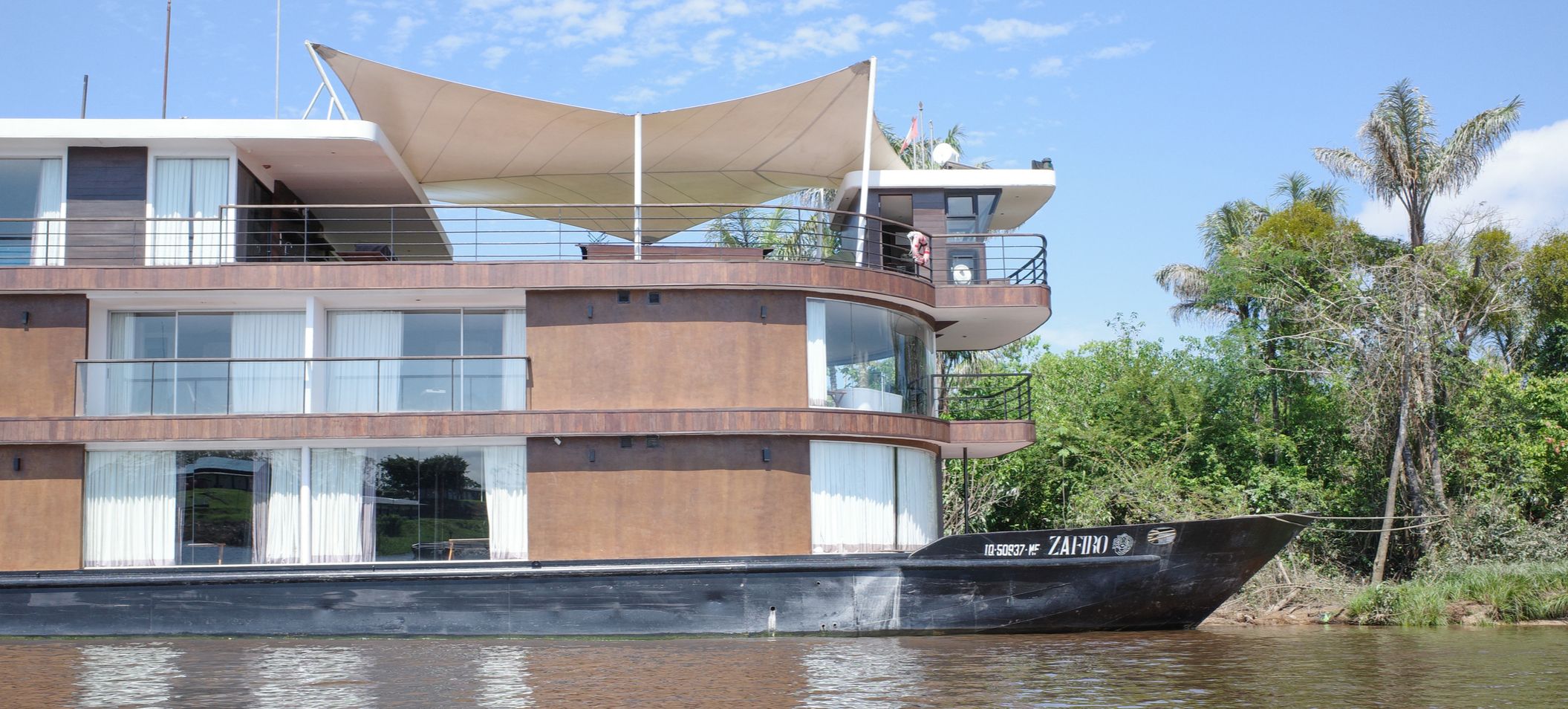
While the headlines tend to belong to the 5,000-guest giants, the global orderbook tells a more nuanced story. There are 14 new cruise ships due in 2026, from mega-ships to 200-guest yachts and expedition vessels, with around 72 ships on order in the coming decade.
Several of the 2026 arrivals are intentionally small. Windstar’s Star Seeker will carry around 224 guests, Emerald Kaia will take around 128, and Four Seasons I aims to feel like a hotel turned sideways with suites rather than cabins.
As more people try cruising for the first time, “small but clever” is likely to become a stronger part of the conversation. Not everyone wants a waterpark and a zipline. Some would rather have a good library, a serious wine list and the ability to dock somewhere tiny and interesting without needing a tugboat and a miracle. In 2026, bragging rights at dinner may begin to shift from “my ship had eight waterslides” to “my ship only had 150 people and a bakery that ruined my jeans.”
8. Booking will feel more like shopping a sale, all year
Wave season has already spread out from its traditional January and February peak into what feels suspiciously like “permanent promotion.” 2025 data shows that booking windows are stretching, early booking discounts are more tightly managed and prices are calibrated almost in real time against demand.
In 2026, expect cruise lines to lean even harder into this retail logic. Offers will be more targeted, loyalty schemes slightly more sophisticated and “best time to book” advice even more dependent on route, school holidays and ship age. Behind the friendly “free drinks” headlines, there will be a lot of clever revenue management humming away in the background.
For travellers, the practical takeaway is simple. Decide what really matters to you, set a rough budget and date window, and then watch a few lines rather than all of them at once. The deals will still be there. They just may look more like nuanced supermarket promotions than the everything-must-go sales that some people are secretly hoping for.