Taking a banana from the breakfast buffet seems an entirely reasonable thing to do. You're heading ashore for six hours, lunch is an unknown quantity and the banana is sitting there looking portable. What could possibly go wrong?
In New Zealand, quite a lot. Bring certain foods ashore without declaring them and you could receive a NZ$400 fine. The country's biosecurity rules specifically prohibit cruise passengers from taking fruit, vegetables, most meats, honey and prepared meals, including sandwiches, off the ship without the necessary clearance. Your innocent-looking packed lunch has become a matter for border control.
And New Zealand isn't alone. What you can carry down the gangway depends on where you're cruising, where the food came from and, sometimes, precisely what's between two slices of bread.
Why can't you take food off a cruise ship?
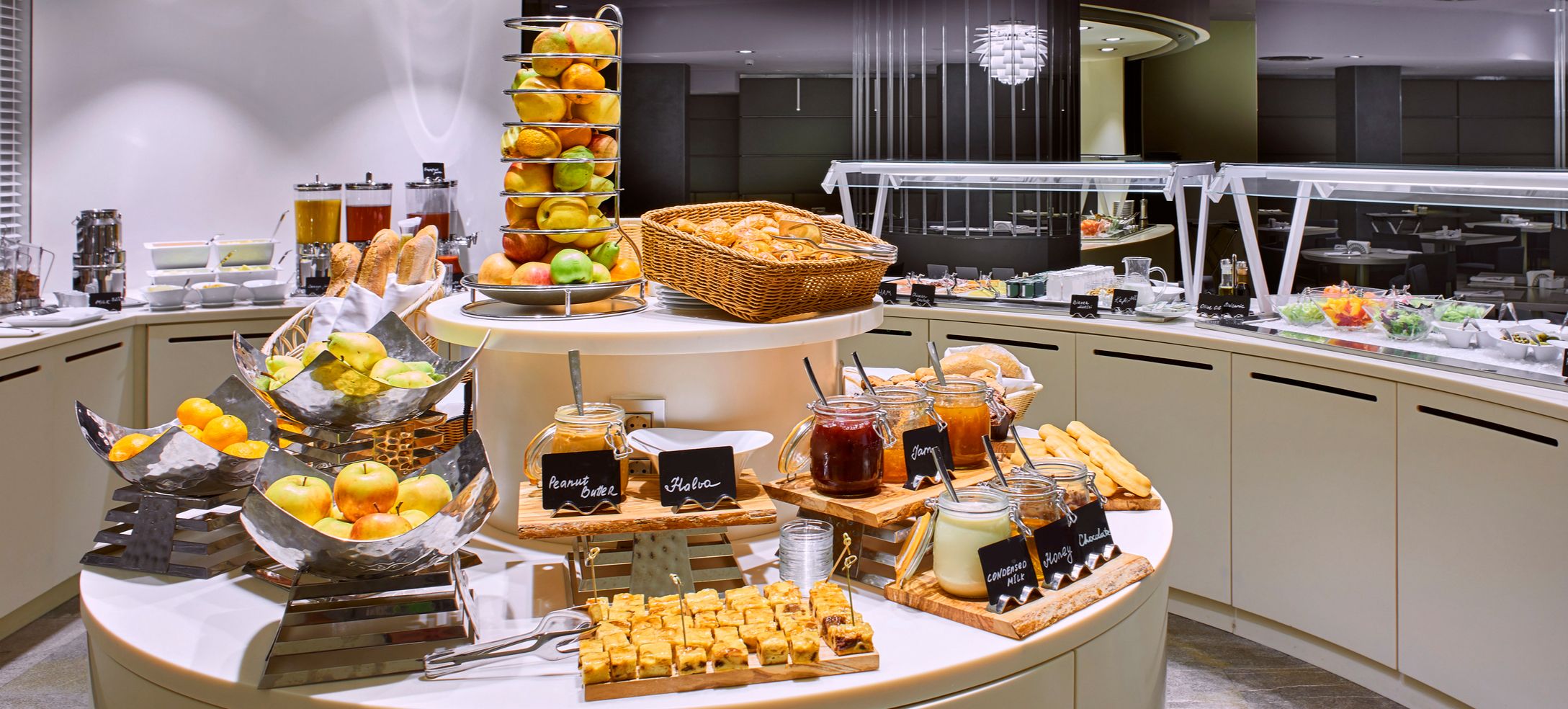
The concern isn't that anyone objects to your picnic. It's that fresh food can carry insects, plant diseases and animal pathogens into places where they could cause serious damage.
Australia and New Zealand are especially protective of their agricultural industries and natural environments, but plenty of other destinations restrict food arriving from overseas. Cruise ships are particularly interesting from a border-control perspective because their kitchens are stocked with provisions sourced from different countries.
There's an important distinction between food being served safely onboard and food being permitted into another country. The former doesn't give you permission for the latter.
New Zealand: leave the banana onboard
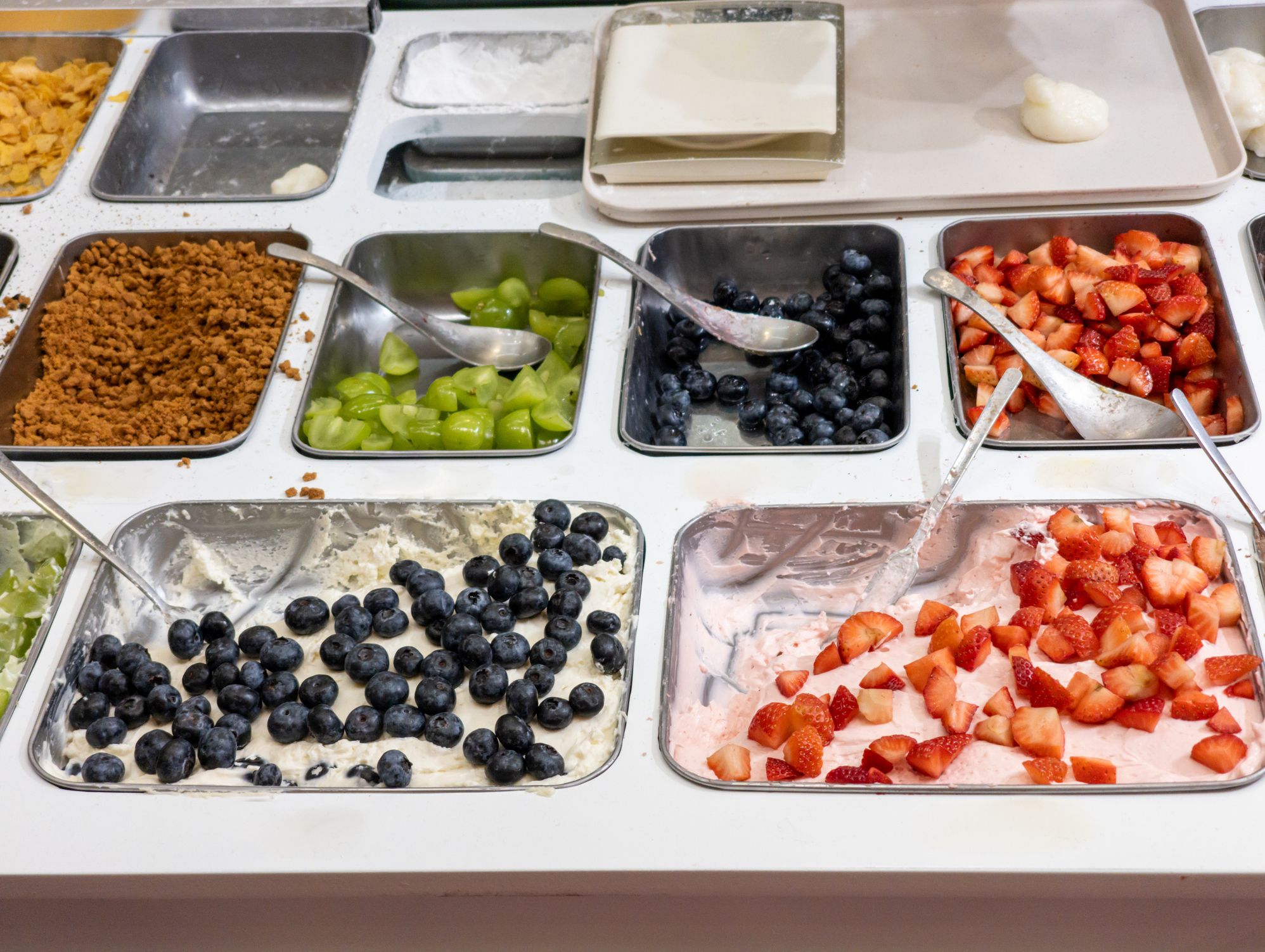
New Zealand has one of the clearest policies for cruise passengers, largely because its Ministry for Primary Industries spells everything out.
Fresh fruit and vegetables are prohibited, as are most meats, honey, seeds and prepared meals. That includes sandwiches, however lovingly assembled at breakfast.
Passengers going ashore must complete a New Zealand Traveller Declaration, and biosecurity officers can inspect their bags. If you're carrying something you're unsure about, you must declare it or leave it onboard. Failure to declare a risk item can result in an immediate NZ$400 fine.
There are even designated amnesty bins for disposing of questionable items before clearance. A rather undignified end for a croissant, admittedly, but preferable to explaining it to an official.
Australia: the buffet stays on the ship
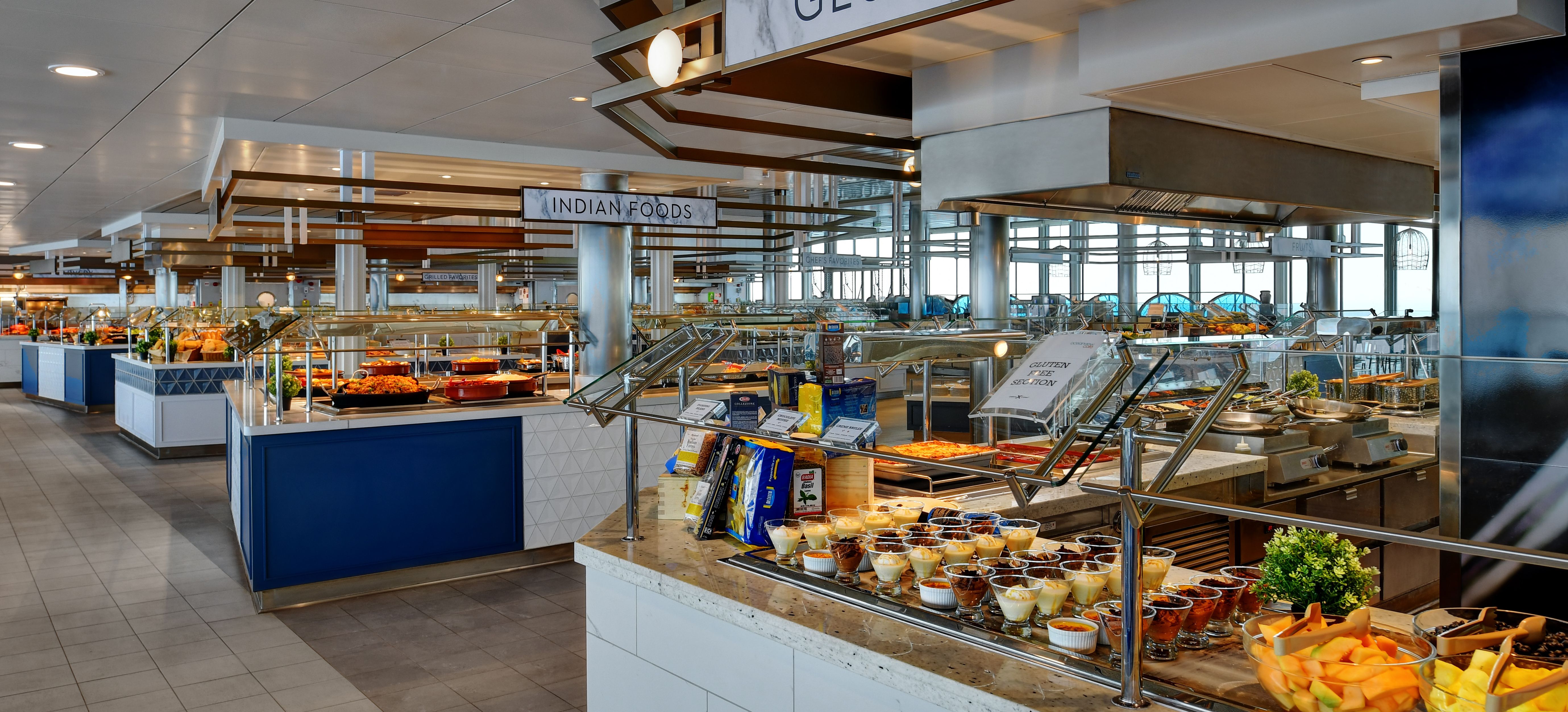
Australia takes a similarly firm position. Its Department of Agriculture, Fisheries and Forestry specifically advises cruise passengers visiting ashore for the day not to bring food off the vessel.
That includes fruit, meat, dairy products and prepared meals. Bags may be inspected, and prohibited items can be confiscated and destroyed.
The official guidance also makes clear that passengers returning to the ship later that day are still subject to biosecurity checks. So a short visit to Sydney or Hobart doesn't give your breakfast an exemption from Australian law.
Australia requires international cruise ships to broadcast biosecurity information before arrival. If the announcement interrupts your morning coffee, it's probably worth listening.
United States: even a banana from the ship can be prohibited
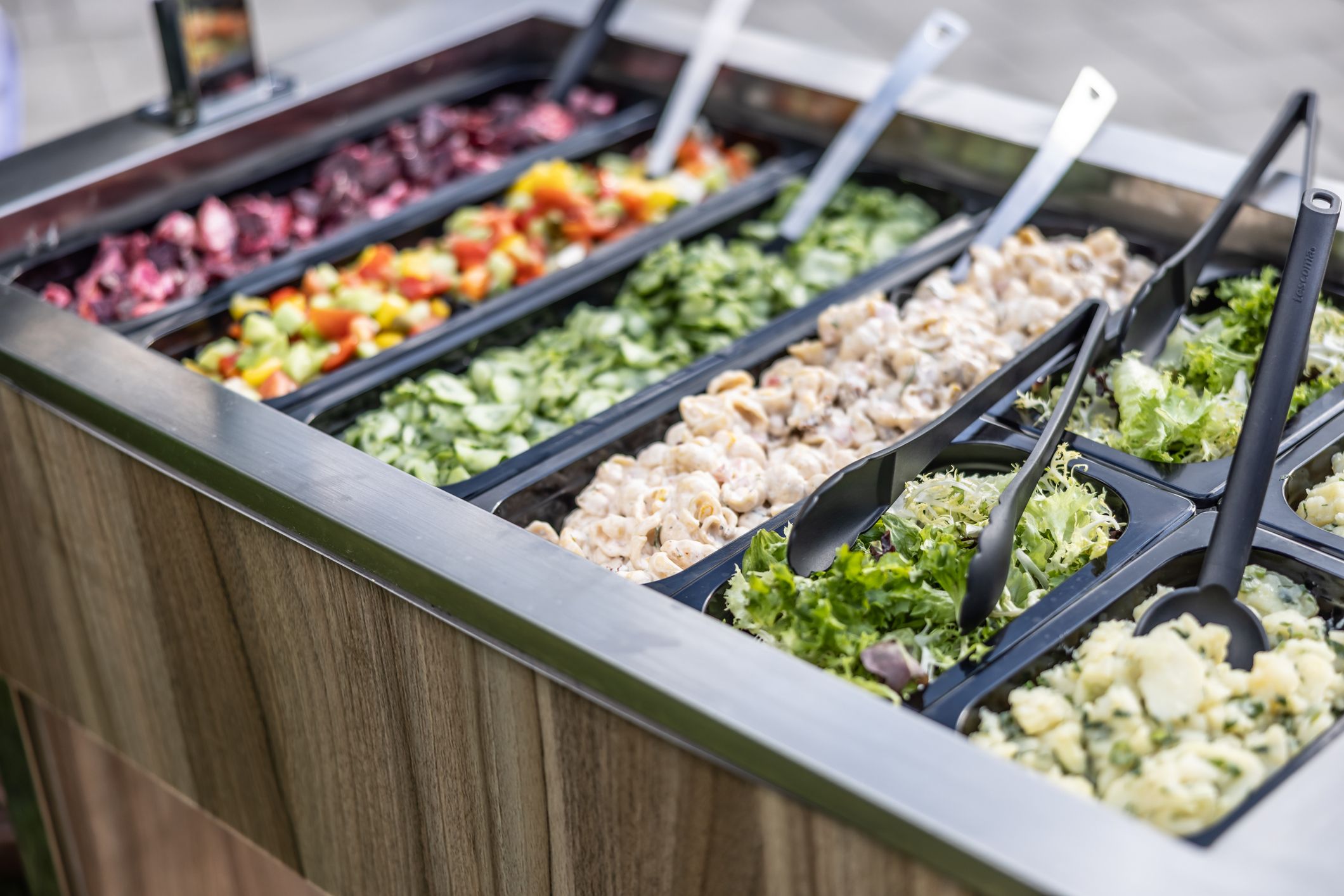
The United States Department of Agriculture is remarkably specific about fruit. Almost all fresh fruits and vegetables are prohibited from entering the country, including produce served aboard aircraft and cruise ships.
So even if your banana came from the ship's buffet rather than a market overseas, you shouldn't assume you can take it through US customs.
Travellers must declare agricultural products, and inspectors decide whether they're admissible. The good news is that declaring something honestly protects you from penalties even if the item itself isn't allowed in.
Commercially canned fruit and vegetables are generally permitted if declared, but a fresh apple, orange or banana is best left behind.
Mediterranean cruises: it depends where you've come from
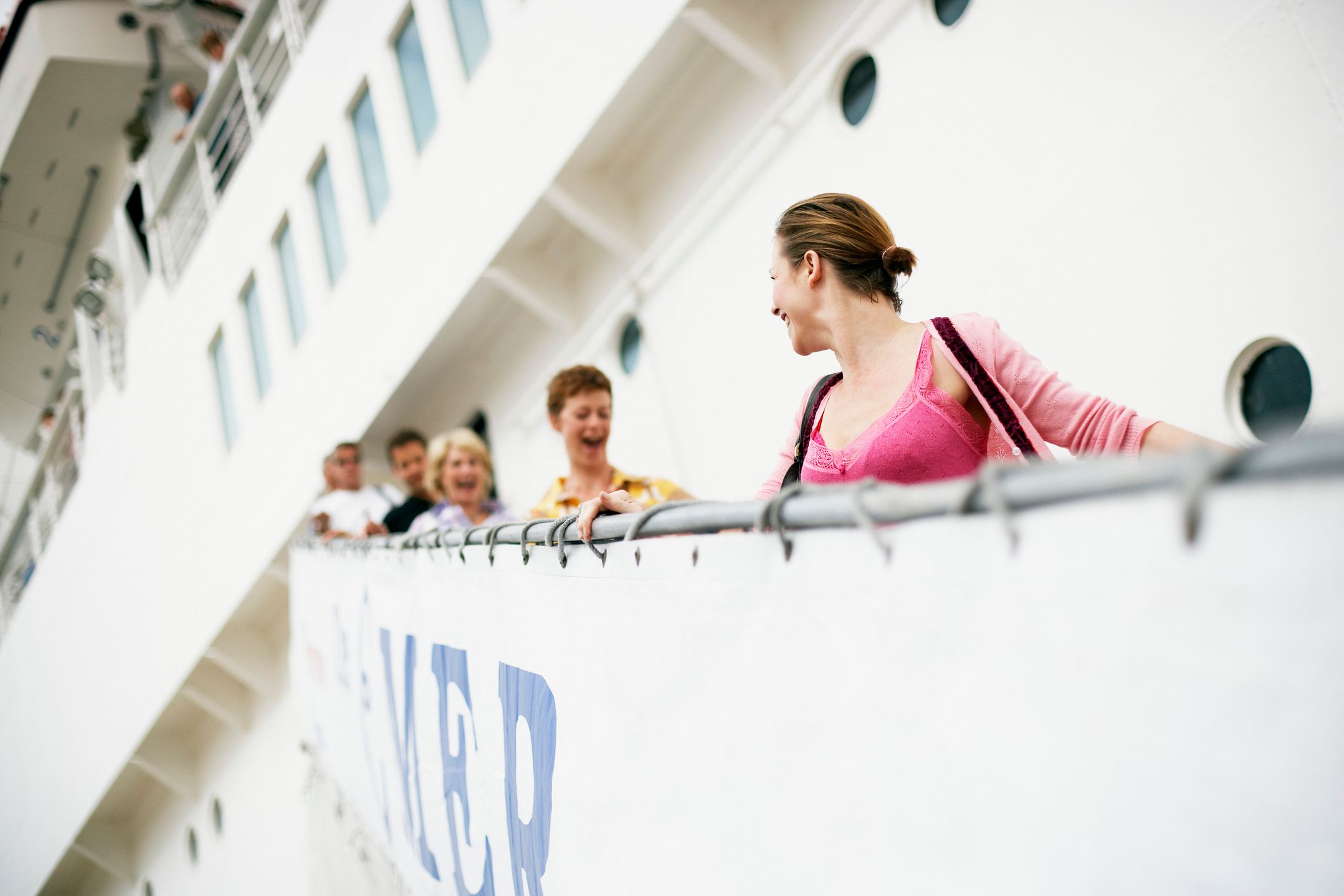
Things can be less restrictive within Europe.
EU rules generally allow travellers moving between EU countries to carry meat, dairy products, fruit and vegetables for personal consumption, provided relevant plant-health conditions are met. So a sandwich on a straightforward itinerary between EU ports may be perfectly acceptable under those rules, assuming your cruise line permits you to take food ashore.
Arriving from outside the EU is another matter. Meat and dairy products are generally prohibited, and most fresh fruit and vegetables require a phytosanitary certificate. There are exceptions, notably bananas, pineapples, coconuts, dates and durians.
Which produces a pleasingly absurd distinction: a banana may be admissible under EU plant-health rules when arriving from a non-EU country, while a ham-and-cheese sandwich generally won't be under the animal-product rules.
It also means that on an itinerary combining EU and non-EU destinations, you can't assume yesterday's lunch rules apply today.
What about packaged snacks, biscuits and chocolate?
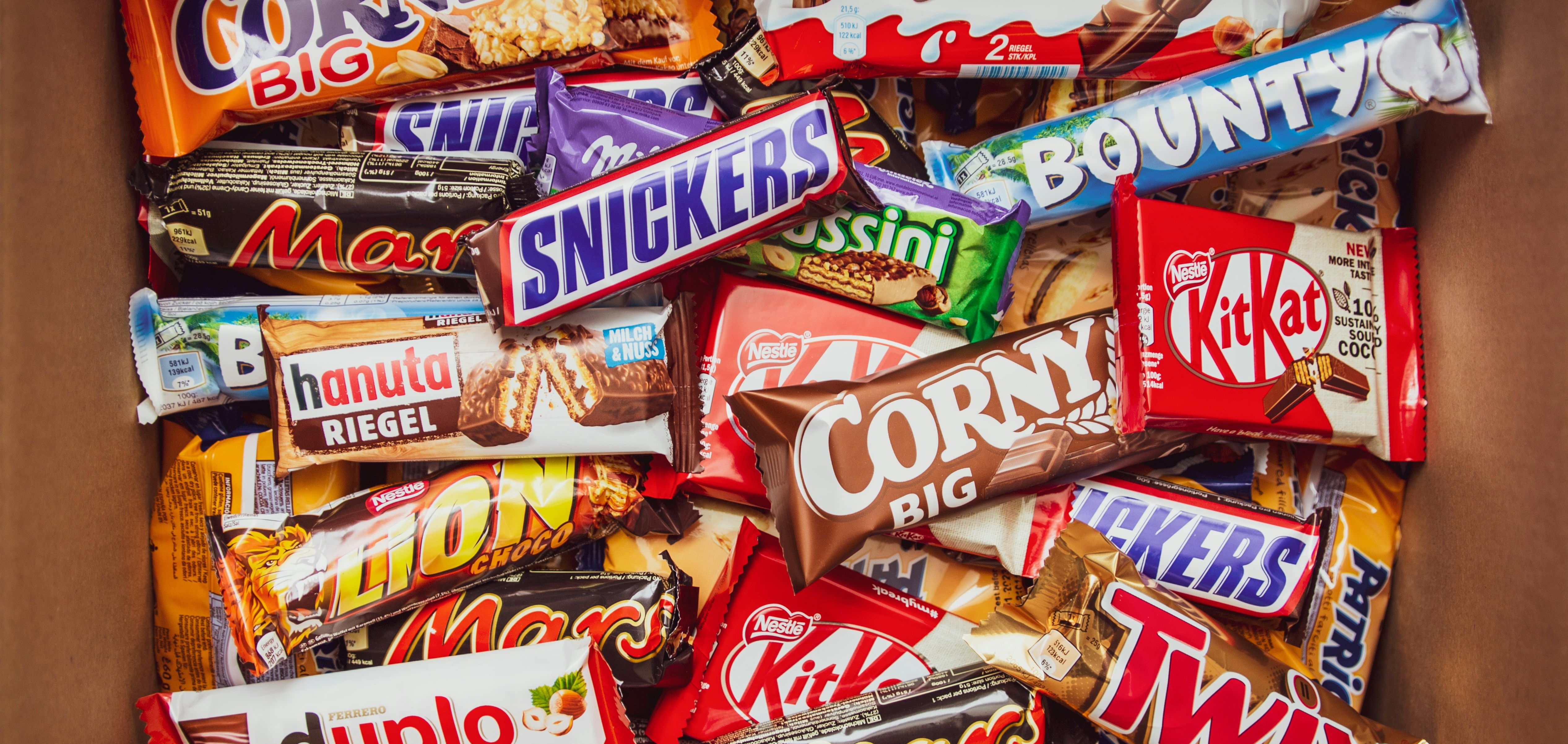
Commercially packaged food is often a safer option than anything assembled at the buffet, but the packaging isn't a passport.
Plain biscuits, sweets and chocolate may be permitted where fresh produce and meat are restricted. The EU, for example, allows certain shelf-stable foods from outside the bloc, while US authorities permit some processed products subject to declaration and inspection.
New Zealand requires arriving passengers to declare food, including packaged products, and Australia's cruise-specific guidance is particularly clear about leaving onboard food onboard. An unopened cereal bar isn't automatically exempt because it has a barcode.
If you're planning a long excursion, check the destination's rules and your cruise line's policy before packing snacks. If you need food for medical reasons, arrange this with the cruise line in advance and check the destination's requirements rather than assuming an exemption.
Can you take food back onto the cruise ship?
Coming back aboard presents a different question.
Your cruise line may restrict food brought onboard from port, particularly fresh produce, homemade dishes and perishable items. Local customs and biosecurity requirements may also apply at subsequent stops.
A commercially sealed box of biscuits is generally a more straightforward proposition than a takeaway seafood platter, but you should check your operator's rules before buying anything edible to bring back.
The safest way to plan a cruise port day
If you're spending the day ashore, the easiest approach is to eat breakfast onboard and buy lunch locally. It avoids the customs uncertainty, supports local businesses and offers a considerably better introduction to a destination than an increasingly warm sandwich from the ship.
Where you do need to carry food, check official destination guidance, ask the crew about current restrictions and declare anything that requires it. Don't assume that because you were allowed to take something ashore in one port, it'll be permitted in the next.
The important thing is to remember that border officials are interested in what you're carrying, not whether you intended to eat it before lunchtime. And however charming your explanation, a banana remains a banana.
Editorial research note: The draft draws on official guidance from New Zealand's Ministry for Primary Industries, Australia's Department of Agriculture, Fisheries and Forestry, the US Department of Agriculture, the European Commission and UK government sources. Destination rules were checked in October 2026. Cruise-line-specific policies still need checking against the operator involved, particularly for food brought back aboard.