There are two kinds of people who book Svalbard in July.
The first wants ice. Vast white emptiness. A fully Arctic tableau where the sea's a deep navy, punctuated with fragments of bright white ice. The second wants wildlife, wilderness, (and bragging rights).
High summer delivers on the wilderness and the wildlife, almost always and fortunately, it's not without ice either. So strap in, Svalbard is one of the few places left where your itinerary still has to negotiate with the seasons.
What a seven-to-ten-day Svalbard voyage usually looks like
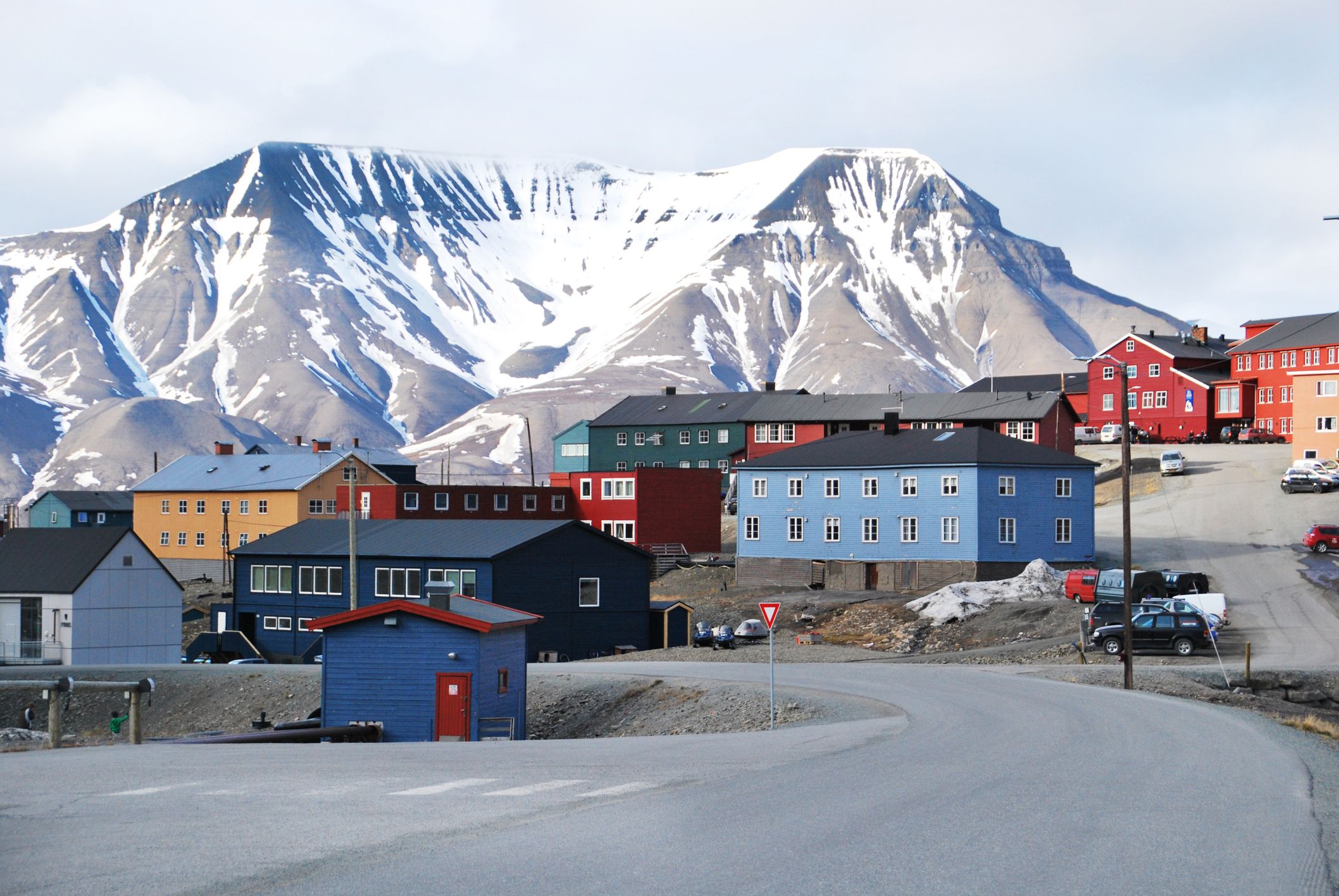

Most expedition-style Svalbard trips use Longyearbyen as a base and spend the week threading fjords, glaciers, bird cliffs, and whichever bits of the archipelago the conditions allow. The rhythm is generally a mix of scenic sailing, shore landings, and time in small boats, with plans that remain slightly provisional because the ice and weather don’t do fixed schedules.
If you’ve cruised the Med, this can feel… unsettling at first. In the Med, the ship arrives like a Swiss train. In Svalbard, the ship arrives like an intelligent animal. It pauses. It considers. It chooses.
The payoff is that you’re not just “calling at ports”. You’re moving through a landscape.
How much ice you actually see (and why the answer is “it depends”)
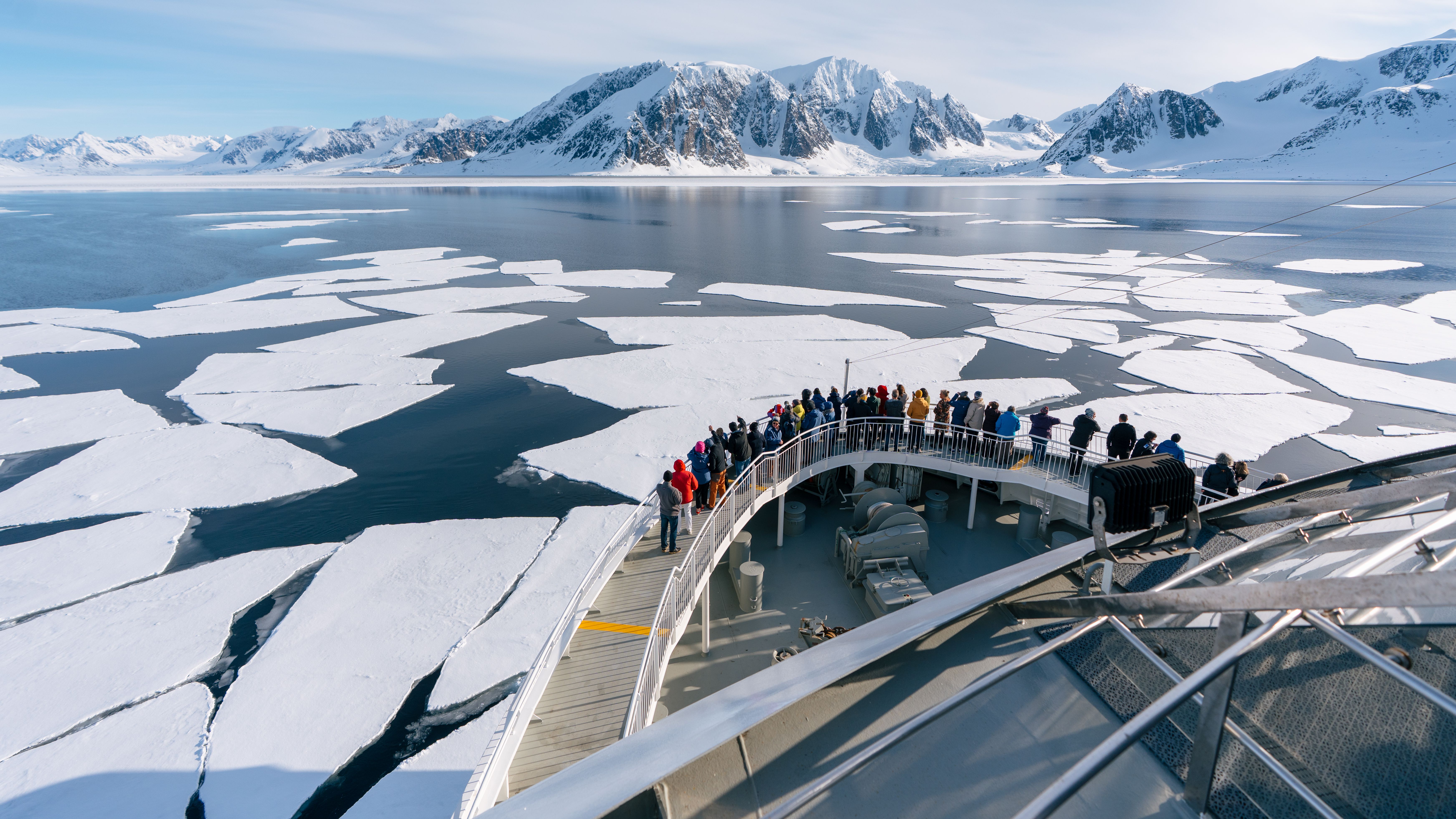
In high summer, a lot of Svalbard’s waters are open. The sea ice edge has usually retreated a little further north, and it shifts with wind and current, sometimes bunching up into a more defined line, sometimes scattering into floes with pockets of open water between them. The Norwegian Polar Institute describes this transitional area as the marginal ice zone, with an “ice edge” that’s often a belt rather than a neat boundary.
So, will you see ice? Quite possibly. Will you see the ice you’re imagining? Only if your voyage reaches the right latitude at the right time, and the conditions cooperate. This is why so many operators build “ice edge” days into the dream version of the itinerary. Some sailings explicitly aim to spend time in the pack ice north of Spitsbergen, because that’s where the big, floating Arctic mood tends to be in summer.
The blunt truth is that on some weeks you’ll get dramatic floes, seals hauling out like they’ve booked sun loungers. On other weeks, you’ll see more glacier fronts than sea ice, and you’ll have to accept that the Arctic doesn’t exist purely to satisfy your camera roll.
Polar bears: chances, realities, and the new rules
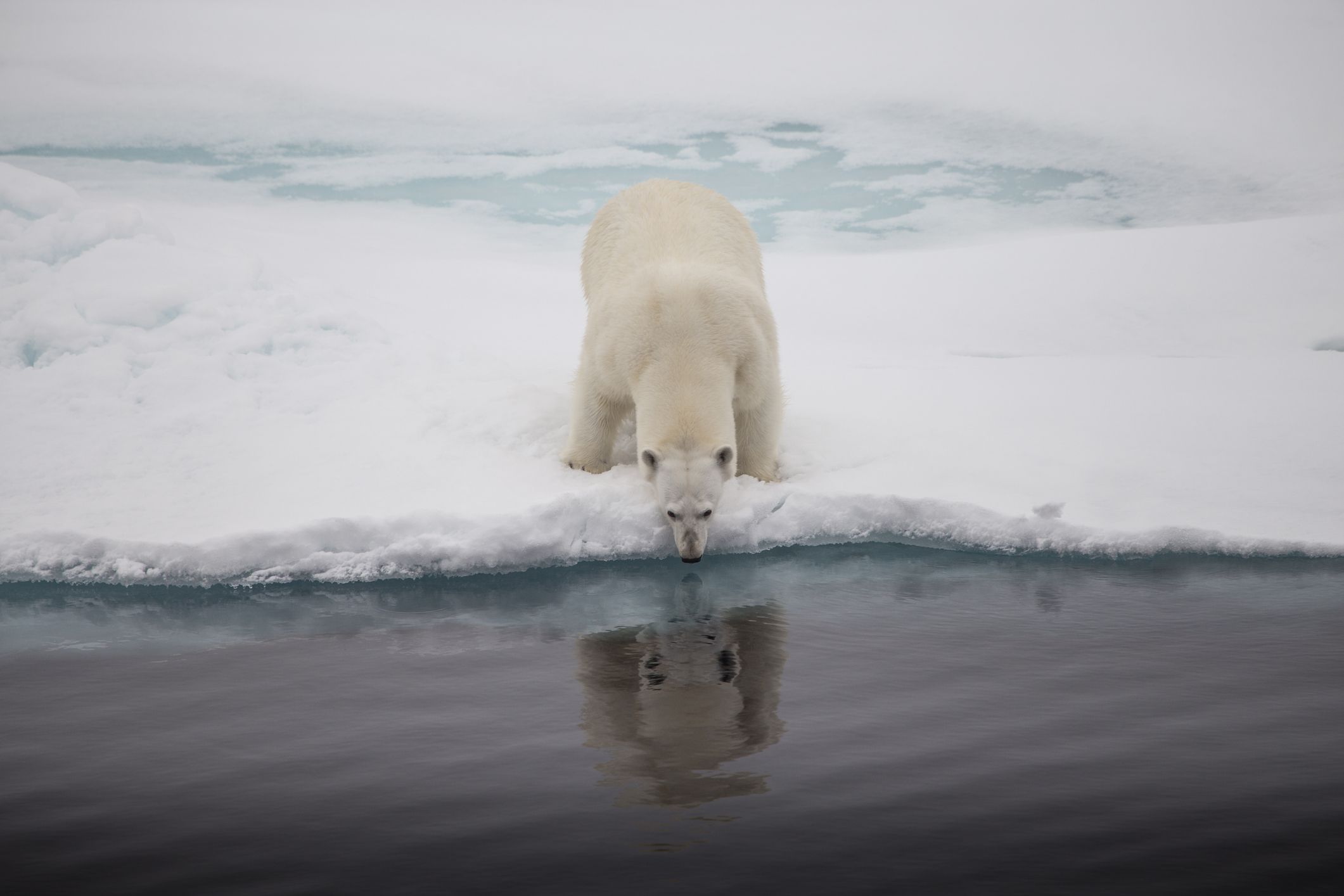
Let’s address the bear-shaped question immediately: yes, Svalbard is one of the best places on earth to hope for polar bears. No, it's still not a guarantee.
Polar bears are tied to sea ice for much of their hunting, and they can roam over huge areas. The Norwegian Polar Institute notes that polar bears are largely restricted to areas with sea ice for a significant part of the year. In the Barents Sea region that includes Svalbard, an often-cited joint Norwegian–Russian survey from 2004 estimated around 2,650 bears in that population, with roughly 1,000 in Norwegian territory.
In summer, the story gets more nuanced. Research on Svalbard/Barents Sea bears describes how some bears follow the marginal ice zone as it retreats north in summer and autumn. That means the best bear odds can be linked to how much time your trip spends near the ice edge, and whether conditions let you get there.
Then there’s the ethics and safety part, which has become stricter. AECO’s guidelines summarise the current minimum distances in Svalbard: 300 metres from polar bears, and 500 metres from 1 March to 30 June. In practice, this means you’re viewing bears the way you should view bears: from far enough away that nobody is stressed, and your zoom lens earns its keep.
If you want a bear, the best attitude is hopeful realism. Scan shorelines. Watch the ice. Trust your guides.
“Zodiac cruising” if you normally holiday in the Med
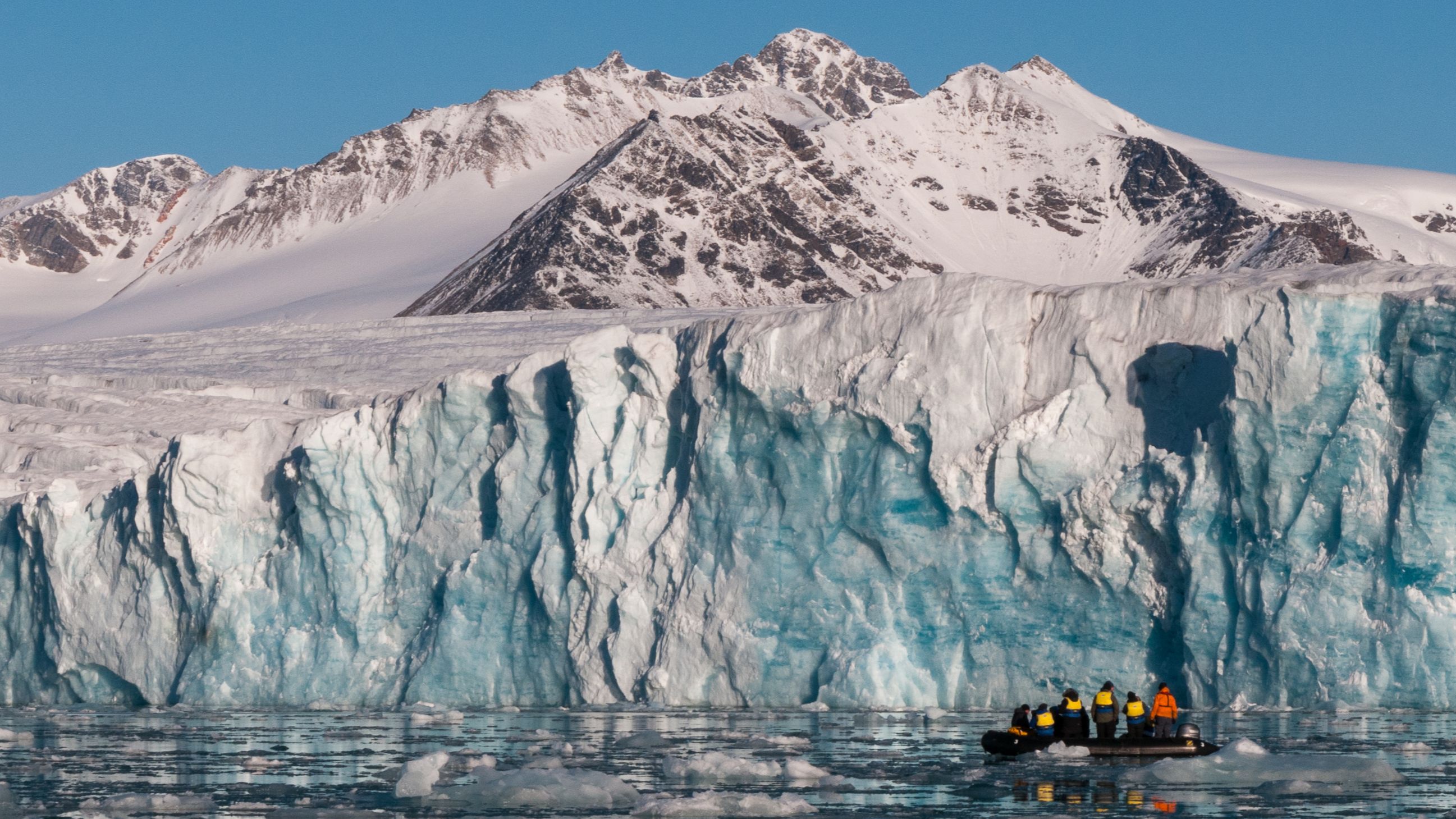
A Zodiac is a small, rigid-hulled inflatable boat designed to get you off the ship and into the details, whether that’s skimming past a glacier front or nosing into a fjord where the big ship can’t sensibly go. Lindblad describes them as small rubber boats, generally 13 to 30 feet, used to deliver people to rugged shorelines or for scenic cruising close to wildlife and ice. Cruise Critic gets even more practical, pointing out the inflatable construction that makes them light, buoyant, and shallow-drafted.
If you’re used to stepping off the ship onto a pier and immediately finding a café, the Zodiac experience will feel like a reset. You’ll be zipped into waterproof gear. You’ll be told how to sit so you don’t accidentally soak yourself. You’ll bounce a little. You’ll start scanning the water like a person in a nature documentary.
It’s not uncomfortable, exactly but you are really out in it. Sea level. Wind in your face. The sort of cold that makes you feel awake in your bones. And then, five minutes later, you’ll be very grateful for a hot drink and somewhere dry to thaw your hands back into cooperation.
The wilderness access is real, and it comes with rules
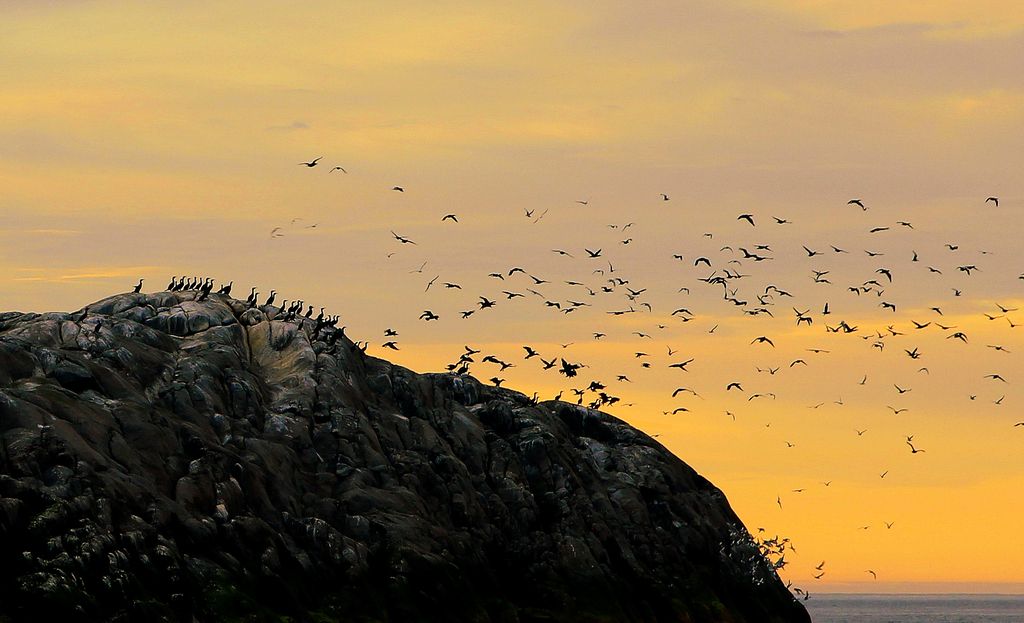
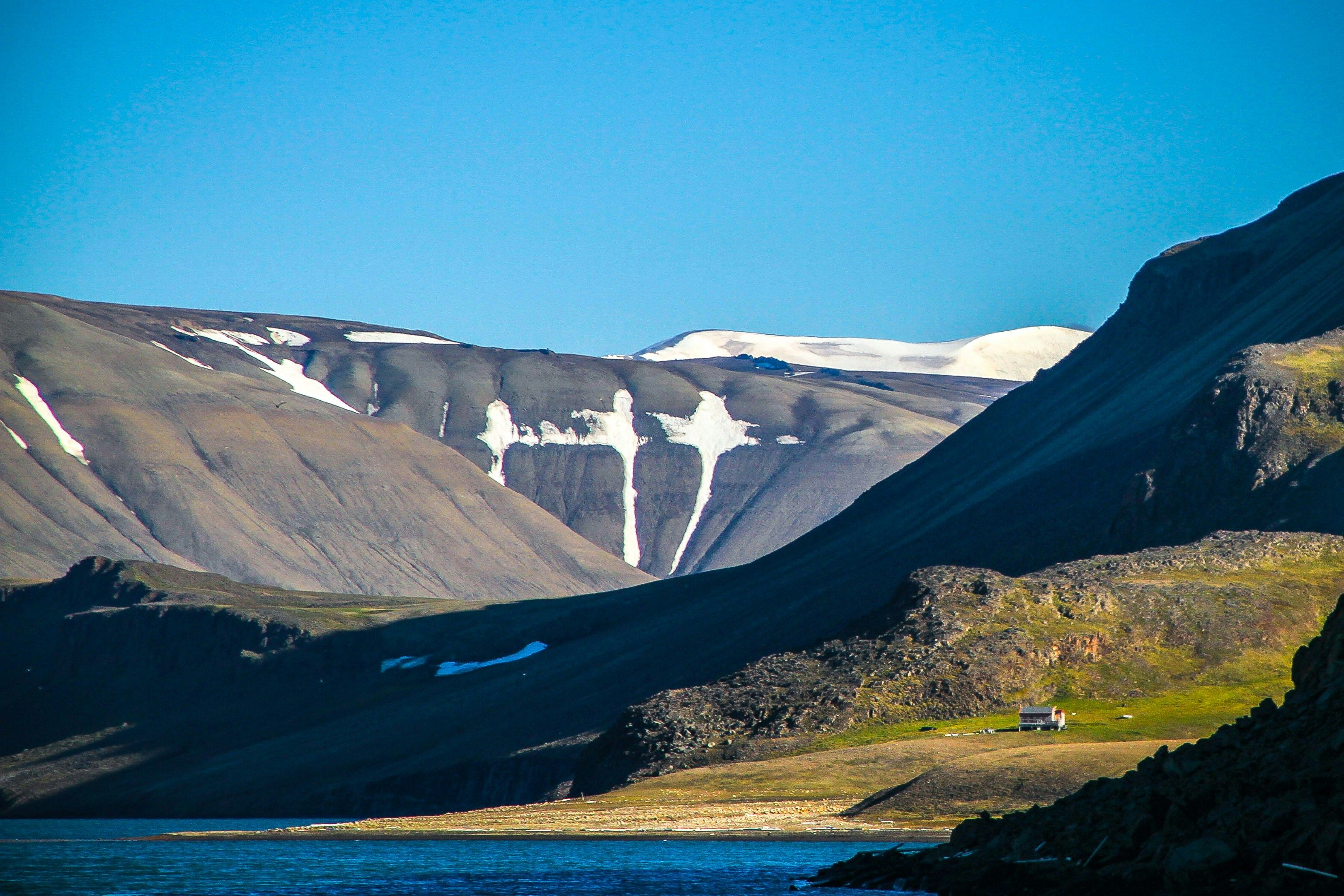
Svalbard’s wilderness isn’t curated. It’s protected, regulated, and taken seriously. From 2025, rules tightened around where larger ships can operate and land in protected areas, with widely reported limits that effectively favour smaller expedition vessels for the most flexible itineraries.
And the polar bear threat is not theoretical. The Governor of Svalbard states that anyone travelling outside settlements must be equipped with suitable means of scaring off polar bears, and recommends carrying firearms. You won’t be handed a rifle on a cruise, obviously, but you will notice how expedition operations work: guides, lookouts, controlled landings, and a general attitude of “we are visitors here.”
If you’ve only ever cruised places where the biggest hazard is a cobblestone and an Aperol Spritz, this can feel intense. It’s also part of why Svalbard feels so different. The wilderness isn’t a backdrop. It has agency.
Midnight sun and why your sleep goes strange in a good way
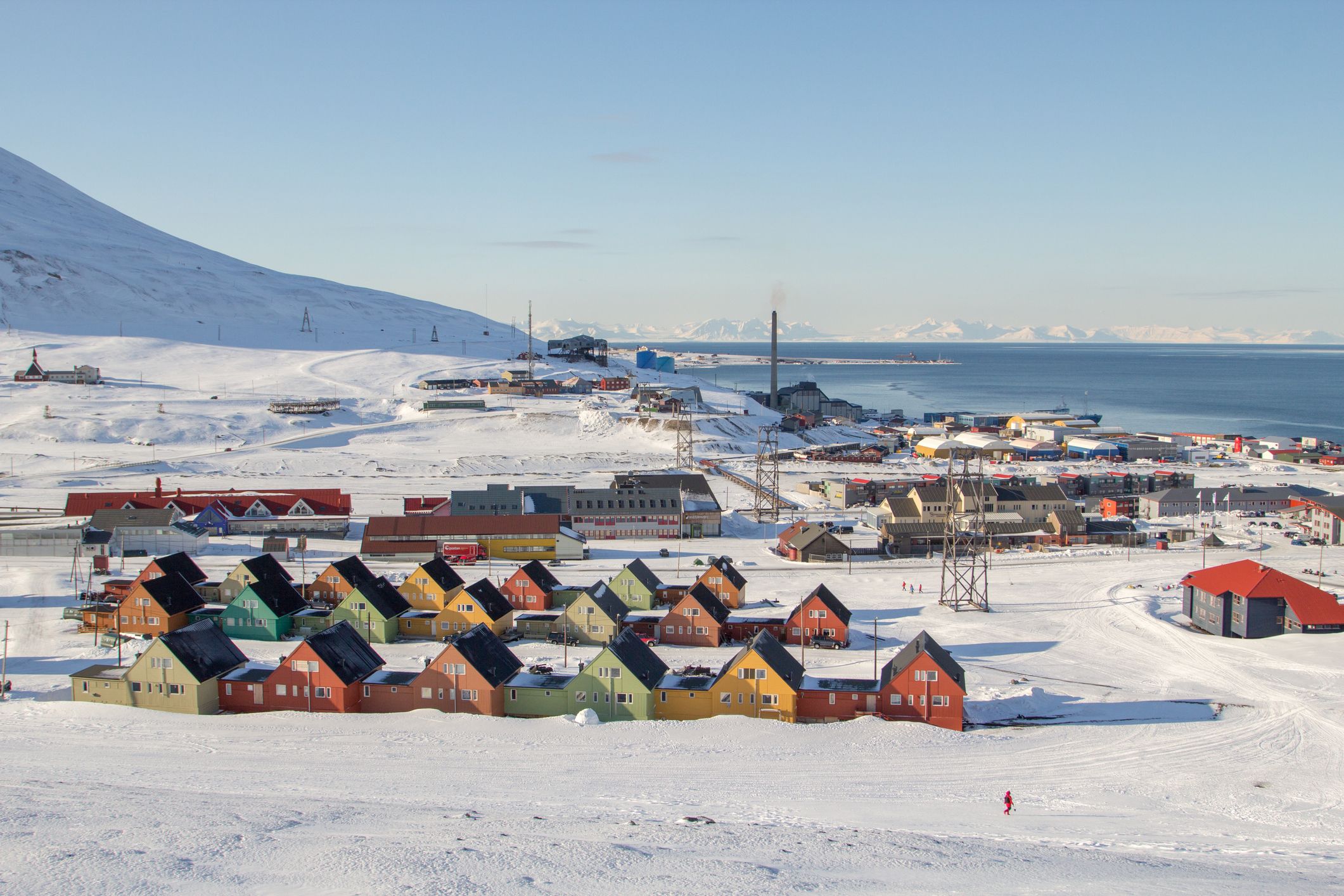
In Longyearbyen, the midnight sun runs roughly from 19 April to 23 August. That means in high summer, your body loses its main cue that it’s time to stop having fun and lie down.
You’ll think you’ll be fine. Then it’s 1:30am, the sky looks like early evening, and you’re considering a “quick” walk on deck because the light is perfect and your brain has decided bedtime is a social construct.
There’s a reason this happens. Light affects your circadian rhythm and melatonin production, which influences sleepiness and sleep timing.
The fix is simple, and slightly boring: treat darkness as a resource. Close the curtains properly. Bring an eye mask. Decide on a bedtime and behave as if you respect it, even while the sun continues shining with the smug confidence of something that doesn’t have meetings tomorrow.
And also, allow yourself a little chaos. One of the best bits of Svalbard summer is walking outside at “night” and feeling like you’ve stolen extra hours of life.