Every November the inbox fills up with “unmissable” Black Friday cruise deals. A few weeks later the same ships reappear in “wave season” or January sale campaigns that also insist they are the best value of the year. It is entirely reasonable to wonder if you should jump in November, wait until the New Year, or ignore the labels altogether.
There is no single date that always wins, but there are some clear patterns in how cruise lines use Black Friday, the quiet week between Christmas and New Year, and the January to March wave season.
What Black Friday cruise deals usually look like
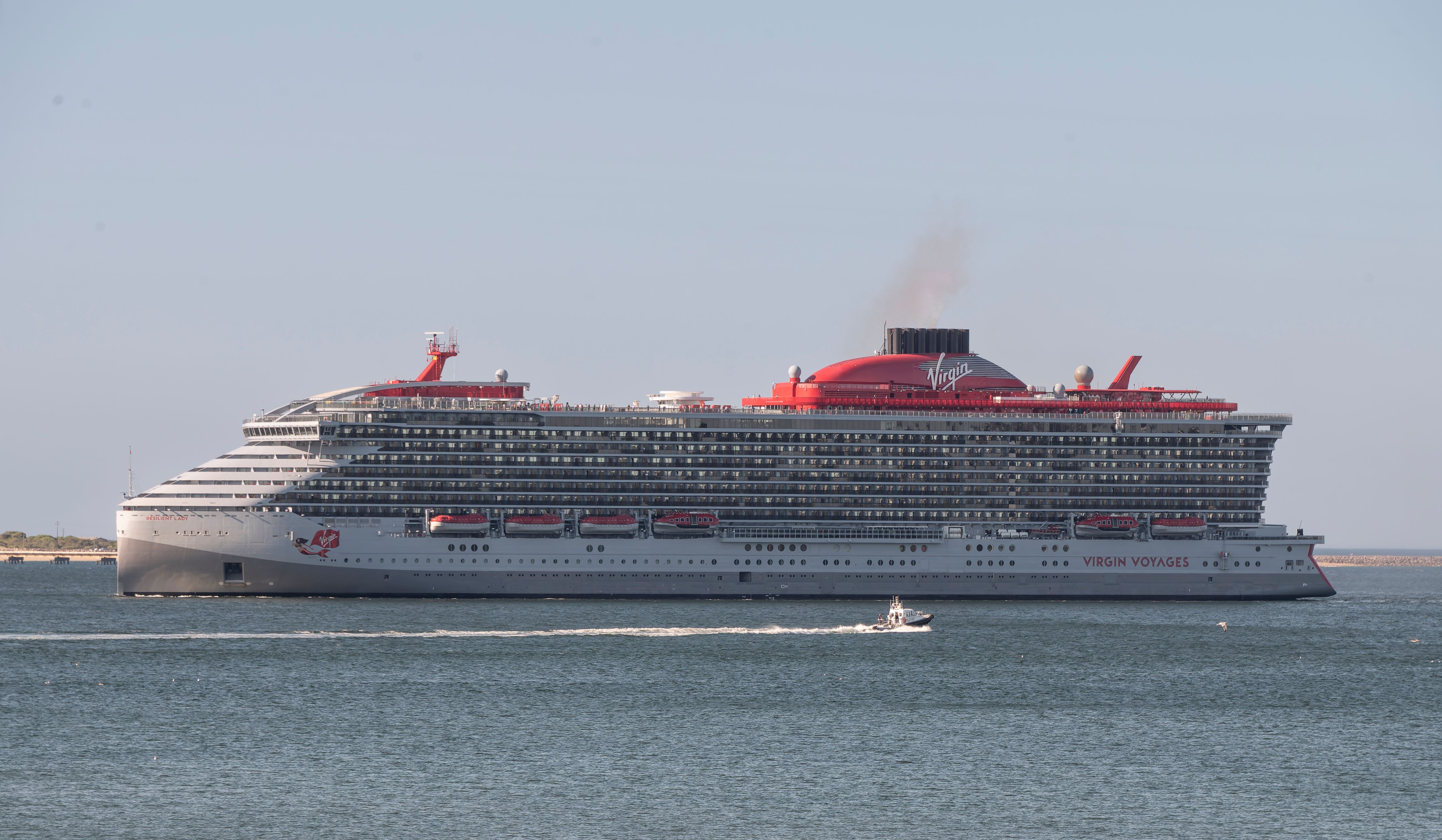
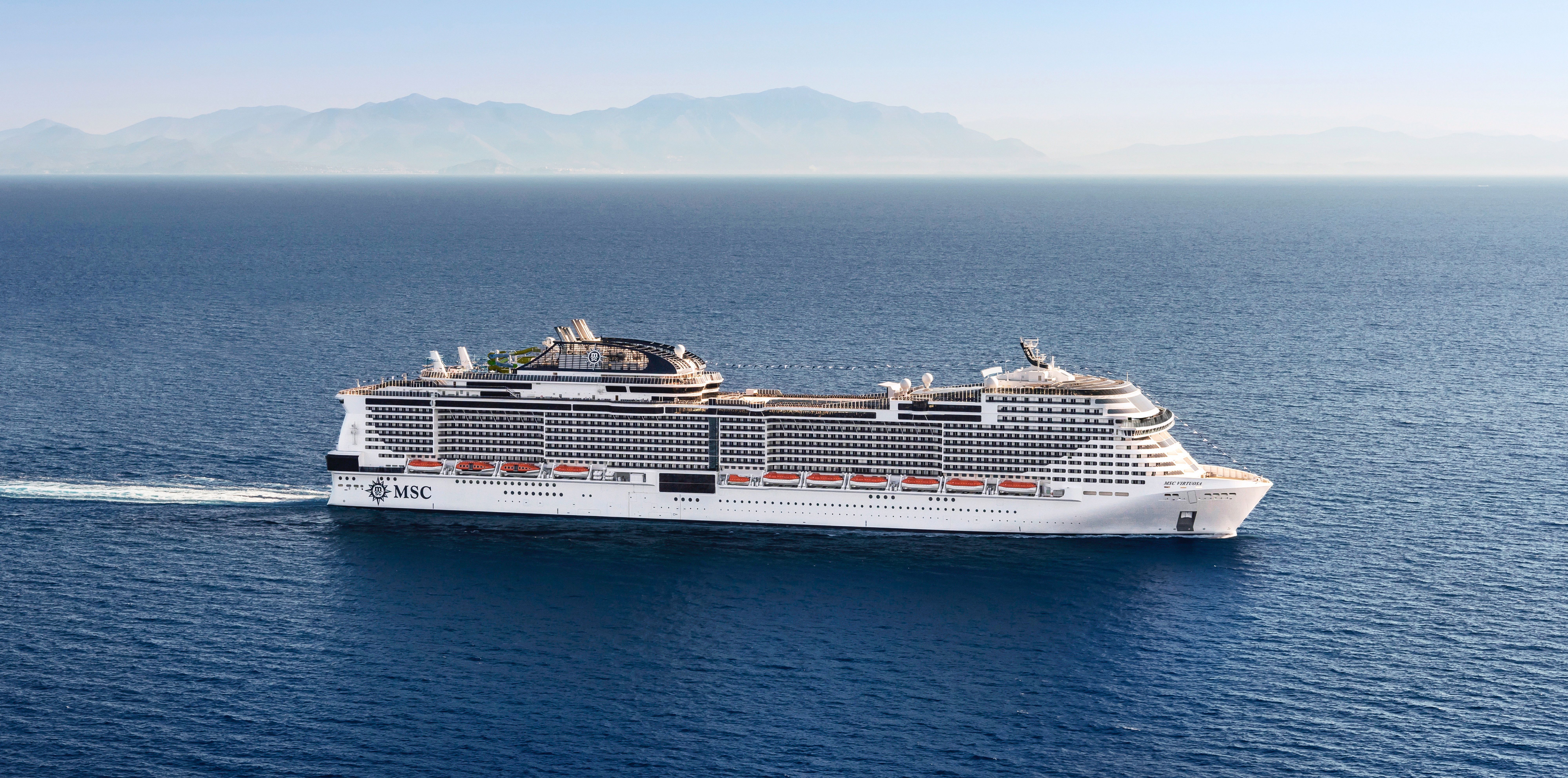
Black Friday has become a major sales period for cruise lines as well as retailers. Recent round ups have highlighted offers such as 75 per cent off the second guest on Celebrity Cruises, up to 50 per cent off fares on Princess, 40 per cent off plus drinks and Wi Fi on MSC and sizeable onboard credits on premium and luxury lines.
Virgin Voyages, for example, has promoted 80 per cent off the second passenger and up to 400 dollars of bar credit in its 2025 Black Friday campaign, while UK agencies such as IgluCruise have advertised up to 50 per cent off selected sailings during Black Friday week, with new offers added daily.
Although the branding suggests a single day, most of these promotions start before the last Friday in November and run into early December. They often apply to departures across the following year, not just last minute sailings.
In practical terms, Black Friday is designed to deliver attention grabbing headline savings and to pull forward bookings from people who already have a fairly clear idea of where and when they want to cruise.
What actually happens in January wave season
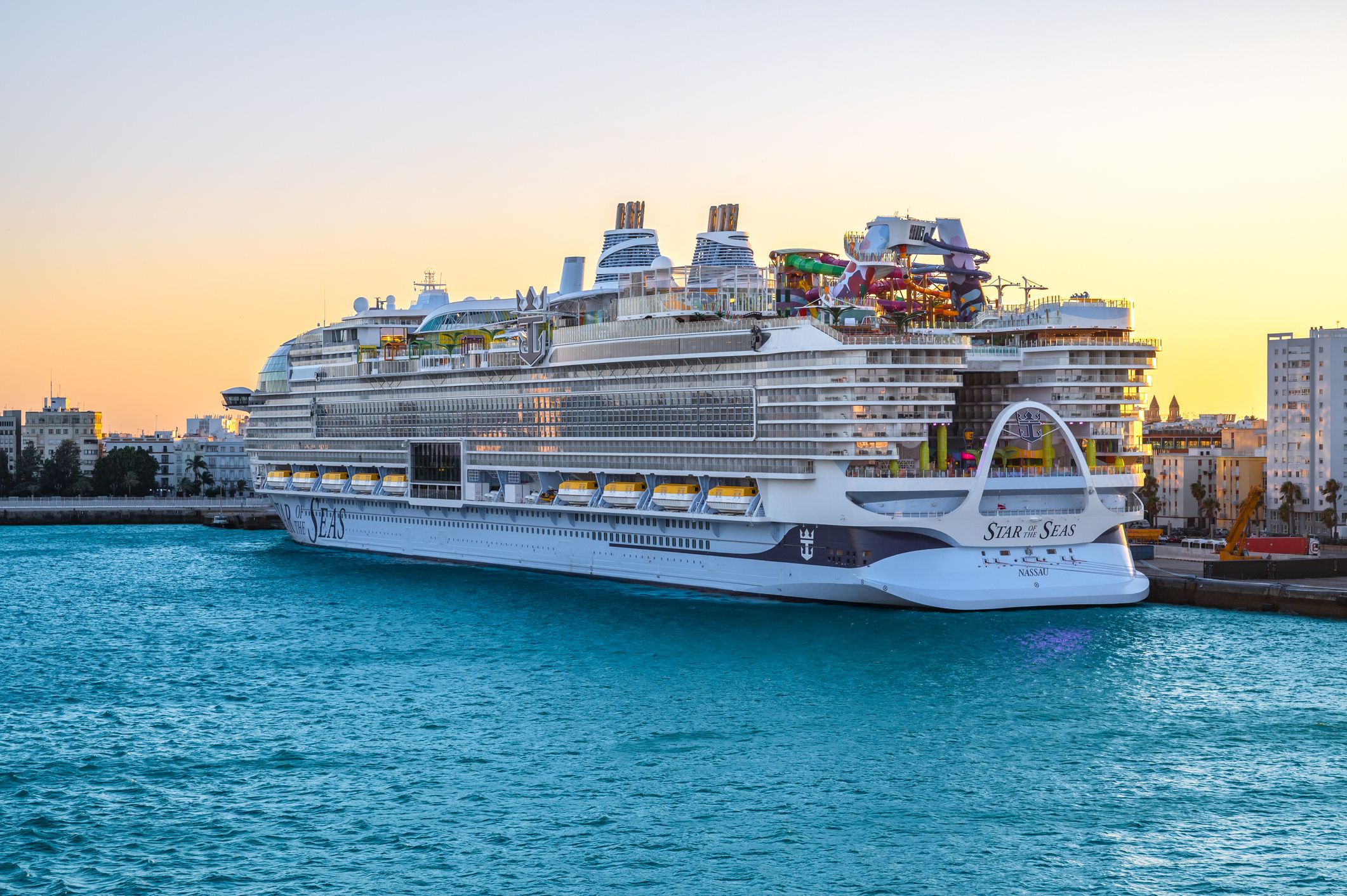
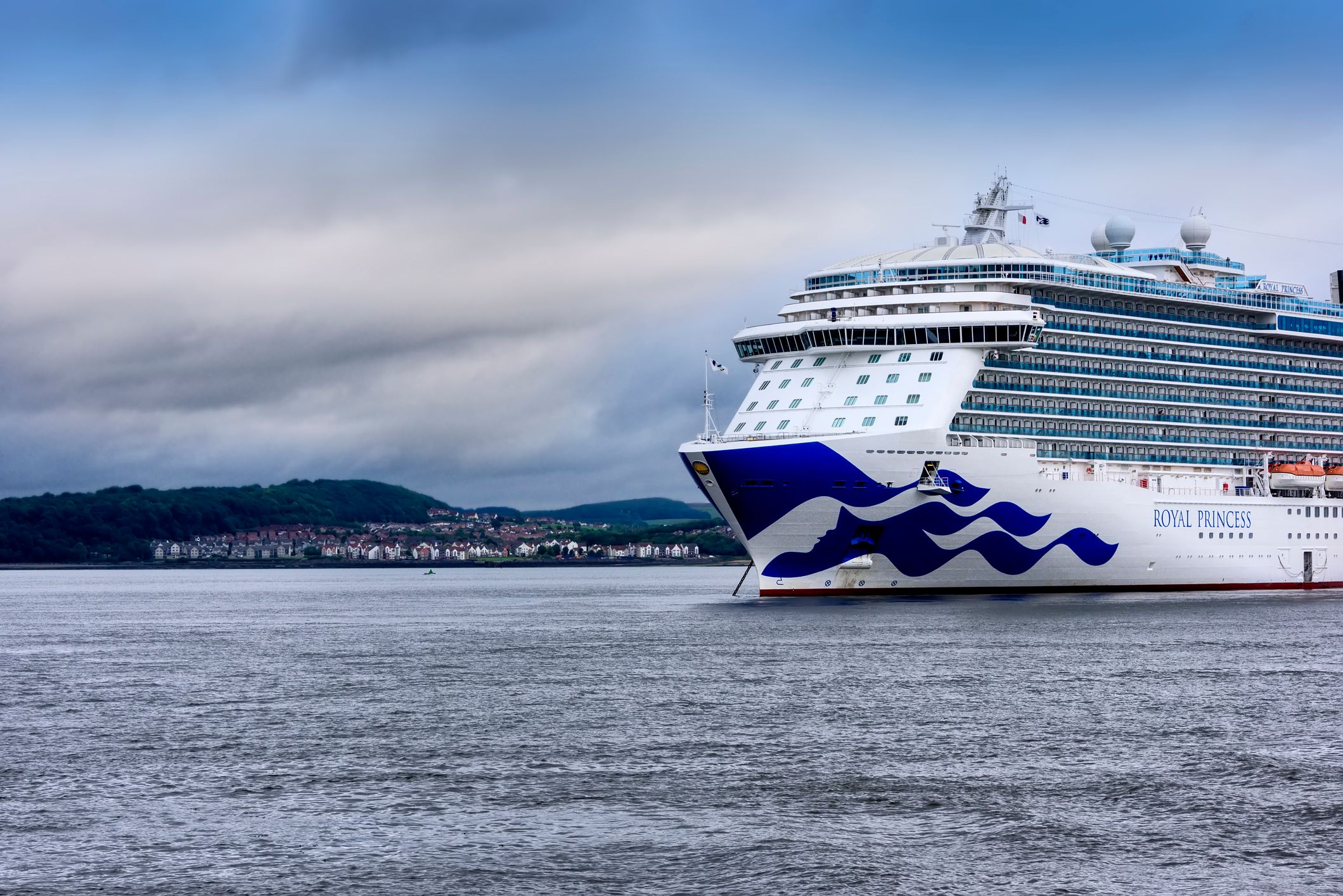
From late December into March the industry slides into wave season, which is essentially the cruise world’s long January sale. Cruise lines, travel agents and trade bodies describe this as one of the best periods to book because almost every brand is competing at once.
Wave season campaigns tend to mix modest fare reductions with a lot of added value. Typical offers include reduced deposits, free or discounted cabin upgrades, bundled drinks and Wi Fi, prepaid gratuities, onboard credit and occasionally free or reduced cost flights and shore excursions.
Major lines such as Royal Caribbean, Princess and Virgin describe January to March as the prime time to find a wide choice of itineraries with these layered promotions, particularly if you are booking six to twelve months in advance.
In other words, wave season is less about a single dramatic weekend and more about a steady three month period where offers and itineraries are adjusted week by week.
The awkward bit between Christmas and New Year
The days between Christmas and New Year are often used as a bridge between the two. Some wave season campaigns now launch in late December, while several cruise lines simply roll their Black Friday style deals forward and rebadge them as New Year offers. A recent overview of wave season noted that many brands start promoting the following year’s deals on Black Friday and continue them into January.
There is no evidence that there is a single “golden hour” on 1 January when every fare is magically at its lowest. The more important question is how quickly the departures you care about are filling and how flexible you are prepared to be.
Differences in the type of savings
Broadly, Black Friday is built around eye catching price reductions, while wave season leans harder into bundles and extras.
Black Friday campaigns are heavy on percentage based savings, low deposits and occasionally simple “second guest” discounts. Recent examples include up to 80 per cent off second guests and large onboard credits on contemporary and premium lines.
Wave season tends to spread the value. Industry guides highlight offers such as fare reductions combined with drinks packages, Wi Fi, onboard credit, flight savings and upgrades, often available across a wide range of itineraries from January through March.
Which is better depends very directly on how you travel. A traveller who rarely drinks alcohol and is happy with basic Wi Fi may gain more from a straightforward fare cut in November. A family that would otherwise pay for drinks, Wi Fi and gratuities might find a January package that covers all three represents much better overall value, even if the base fare looks similar.
What timing means for availability


Price is only one part of the decision. Availability and choice matter just as much.
Association of British Travel Agents Limited and several cruise lines advise that, for popular itineraries and peak holiday dates, booking around six to twelve months ahead remains the safest way to secure the ship, cabin type and departure you actually want. That timing often coincides with wave season, which is not a coincidence.
By Black Friday many sailings for the following year are already on sale and school holiday dates on newer ships may be selling steadily. Booking in November still counts as early in cruise terms, which means a good range of cabins and dates, particularly for families or anyone targeting specific suites.
By January the picture is clearer for the cruise lines. They know which sailings are filling strongly and which are lagging. Wave season offers can therefore be quite targeted. If you are flexible on dates and ships, that can work in your favour because underperforming itineraries will often carry stronger incentives. If you are fixed on a very specific week or cabin category there is a risk that some of the best options have already gone.
So when is the “best” time to book?

Travel experts are increasingly clear that there is no single universal answer. A recent summary of booking strategies for cruises describes wave season as the industry’s biggest sales period for combined price and perks, but also notes that high demand for certain regions now means booking nine to eighteen months ahead for the best choice. Black Friday and Cyber Monday are flagged as additional windows when particularly sharp offers appear.
A reasonable way to approach it is to think about your priorities rather than the label on the sale.
If you already know the region, rough dates and type of cabin you want, and a Black Friday or early December deal appears that you are genuinely comfortable with, there is little logic in waiting purely because January exists. Cruise lines and agent advice consistently emphasise that the best time to book is when you find a cruise you want at a price and with perks that work for you.
If you are still in research mode in November, care as much about extras as raw price and can be flexible on ship or week, then using January and February to compare wave season offers is sensible. You are shopping in a period when lines are actively competing for your booking and layering on incentives to fill the year’s inventory.
What is probably least useful is waiting months in the hope that a very specific cruise will inevitably be cheaper in a particular sale. The modern market is more dynamic than that. Rock bottom last minute deals are less common than they once were, and strong demand means some departures will simply sell out long before they ever need a dramatic discount.
Treat Black Friday and the January sales as helpful opportunities rather than magic spells. Decide roughly what you want, keep an eye on how prices and perks look in each window, then book at the point where the overall package makes sense for you. The marketing copy will always insist that this week is the best possible time. The more useful question is whether it is the right time for the trip you actually want to take.