
When cruise ships head west across the Atlantic in September–November, they’re not just chasing winter sun, they’re creating some of the best‑value sailings of the year. Repositioning cruises are one‑way, shoulder‑season journeys that move a ship from one region to another (i.e. Mediterranean to Florida/Caribbean), with more sea days, a handful of well‑placed port calls and fares that are often startlingly low per night.
What a westbound crossing actually feels like
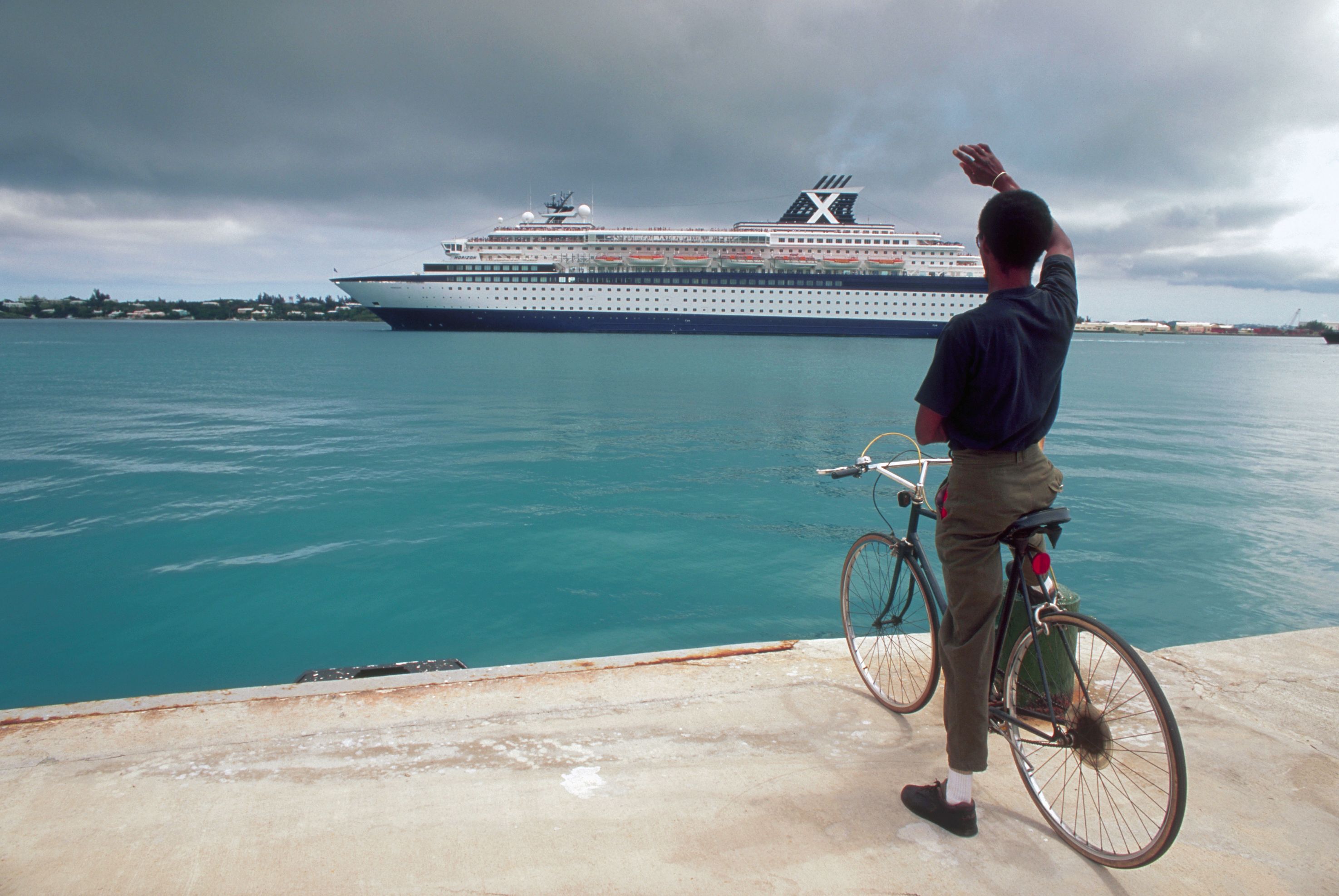
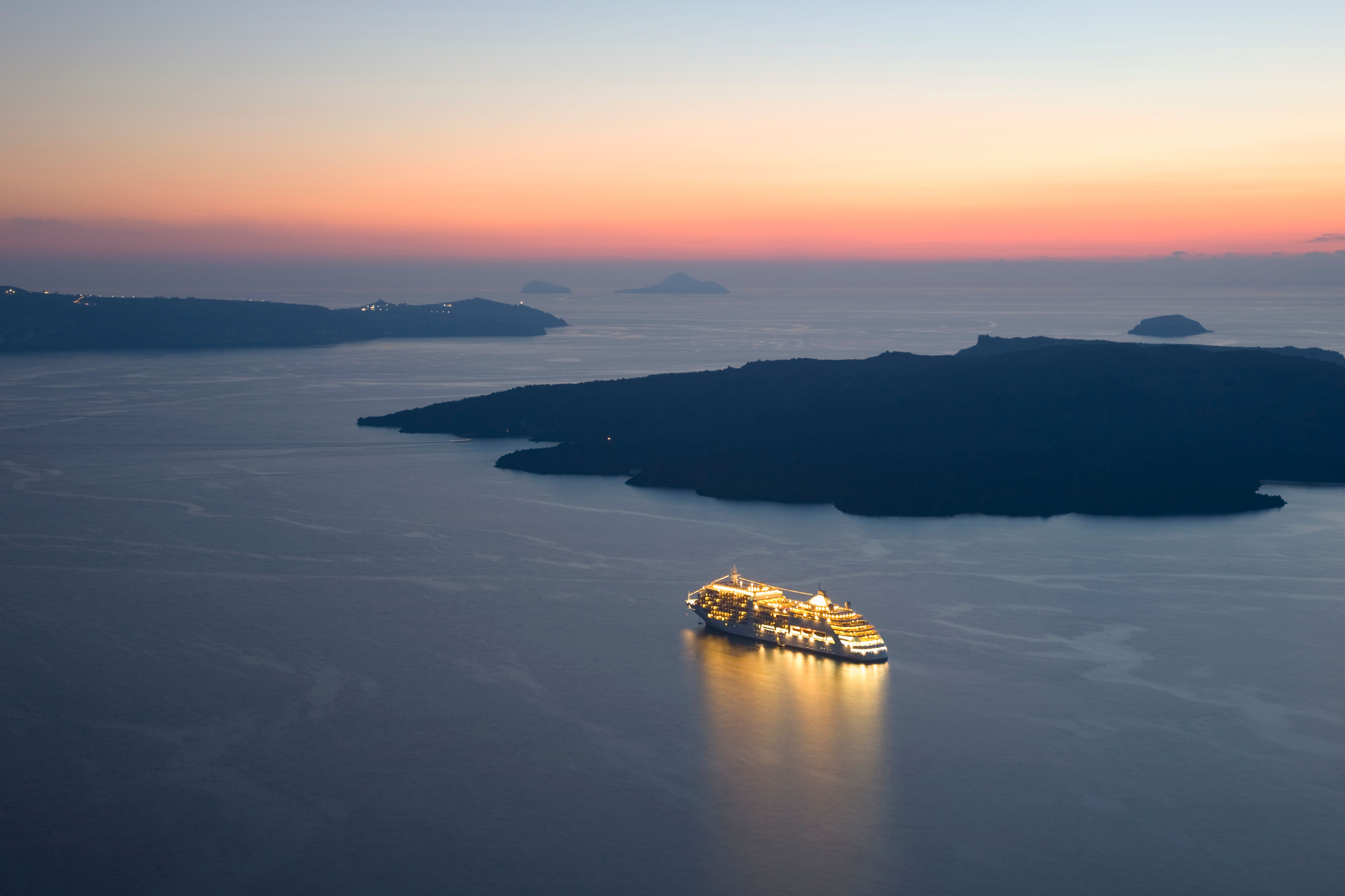
Picture long, unhurried days to explore the ship properly; lectures, spa time, a gym you actually use, and breakfast you don’t have to wolf down to make the first tender of the day. These sailings cross oceans, they’re deliberately sea‑day‑heavy, with occasional stops in places like the Canaries, Madeira or the Azores to break up the blue.
Heading west also gives you a quiet perk: your day lengthens as clocks step back across time zones, which most bodies tolerate better than eastbound “shortened days.” (In sleep‑science terms, westward travel typically produces much milder jet lag for most people.)
It’s not all olive‑oil calm. The North Atlantic in late autumn can bring lively conditions, particularly in November, but modern ships are built for it, just remember wind‑proof layers on deck and the possibility of an indoor pool day or two.
Why they’re such good value (with real numbers)
Repositioning itineraries are in much less demand than weeklong, port‑packed holidays, so lines discount them accordingly. Current, widely reported examples put per‑night prices well under $100/£100, sometimes far lower. The Points Guy rounds up 2025 repositionings with inside‑cabin lead‑ins like Carnival Glory’s 13‑night crossing from $739 (≈$57/night). UK press roundups flag similar sub‑£100/day crossings.
Do remember: while the cruise is cheap; the flights at either end can still be expensive. Budget for one‑way or multi‑city air (or use miles) and you’ll still come out ahead most of the time.
Who will love an autumn repositioning?
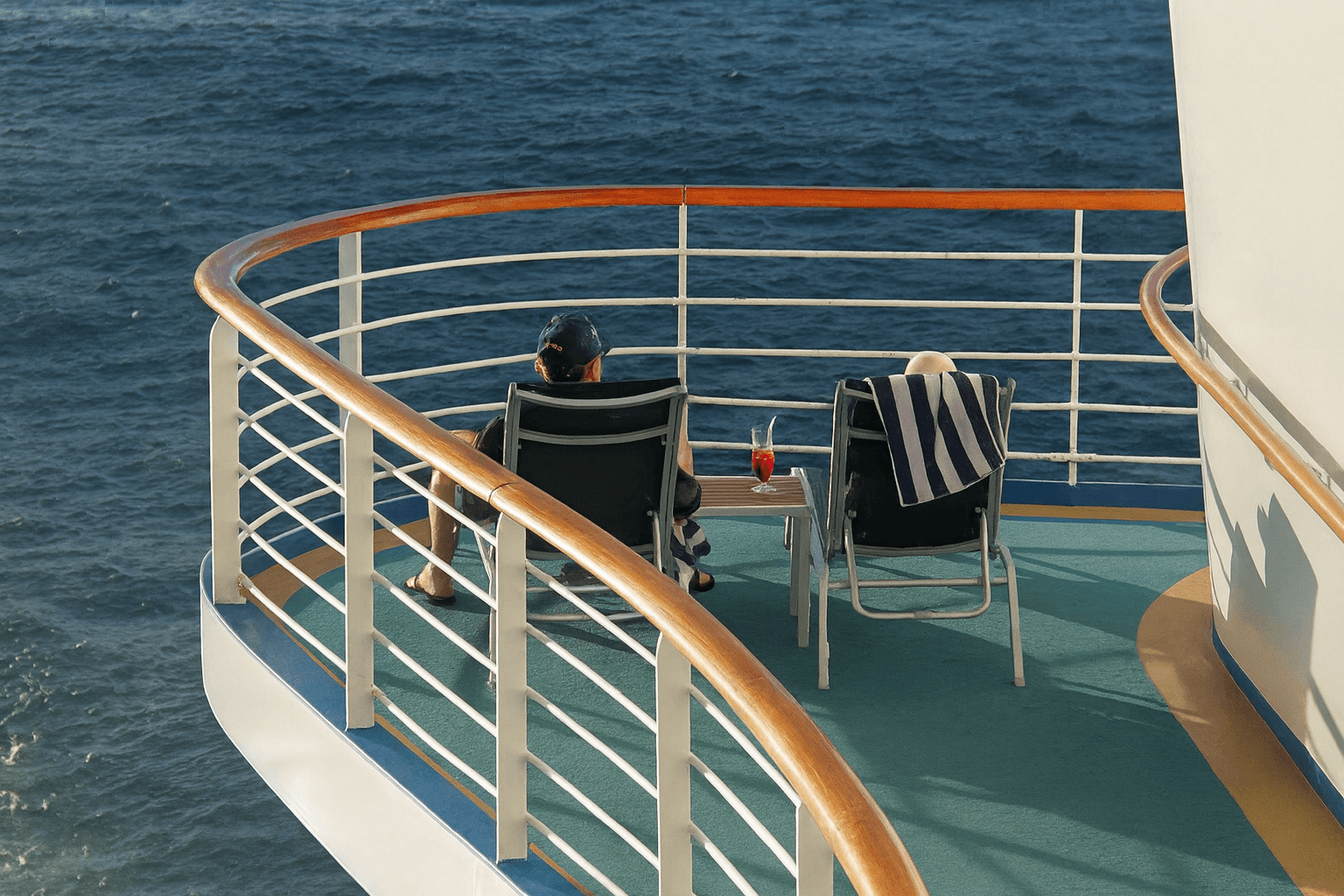
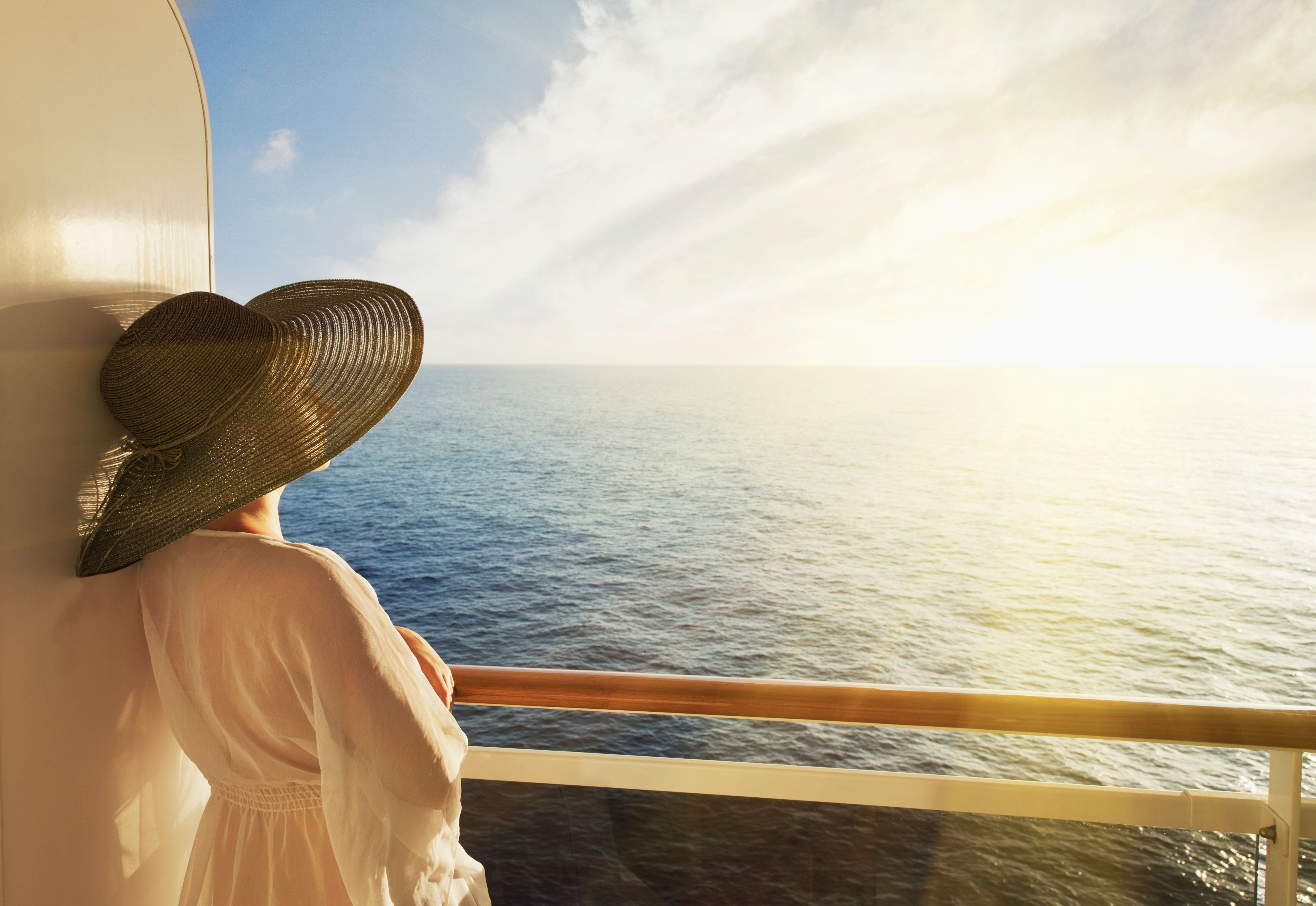
- Ship people. If you like the idea of nine or ten days to properly live on board, shows, classes, reading nooks, you’re the target audience.
- Value hunters. You care more about spacious days and a civilised fare than ticking off a new port daily. Per‑night savings are the whole point.
- Remote workers (with realistic expectations). Fleetwide upgrades like Starlink have made at‑sea Wi‑Fi much better on several major brands, good enough for email, docs and even calls when the weather cooperates. (But try not to plan your that important presentation for a mid‑Atlantic gale day.)
- Jet‑lag dodgers. Westbound is kinder on circadian rhythms for most travellers.
Routes and ships to consider this autumn
“Classic” westbound transatlantics leave the Med or Iberia and thread via Madeira, the Canaries or the Azores before Florida. Others reposition via Bermuda or head for San Juan ahead of a Caribbean season. Expect 12–16 nights on mainstream lines; small‑ship and sail‑assisted crossings can be longer.
If you’re browsing, recent roundups of autumn 2025 repositionings include everything from two‑week Halloween‑themed crossings to Panama‑Canal coastal marathons—handy for sense‑checking length, ports and vibe.
How much you might save (and where the costs hide)
- The fare: sub‑$100/£100 per night is common on shoulder‑season crossings; luxury lines discount too, albeit to higher baselines.
- Airfare: one‑way/open‑jaw tickets can be pricier than round‑trips—factor them in early or flex with miles.
- Onboard spend: with more sea days you’ll use the ship—budget realistically for Wi‑Fi, specialty dining or spa if those matter to you.
Practicalities (the useful bit)
- Pick your ship for the sea days, not the ports. Entertainment, thermal suites, libraries, laundrettes: these matter more on a crossing. Repositioning guides call this out repeatedly.
- Cabin choice: mid‑ship, lower decks ride best if you’re motion‑sensitive. (A balcony is lovely for fresh air on shoulder days.)
- Pack for range: layers, a windproof, and something cosy for deck stargazing; the Canaries can be warm while the open ocean runs cool.
- Connectivity: assume decent, not land‑fibre. Starlink rollouts have been a genuine step‑change on several big fleets.
- Insurance: buy comprehensive trip cover early; these are one‑off itineraries with flights at both ends. (Standard good sense for any long sailing.)
- Expect flexibility: captains route around weather; if a call drops or swaps, that’s the contract and the safety margin at work. You still get your crossing, just a slightly different line on the map.
The honest verdict
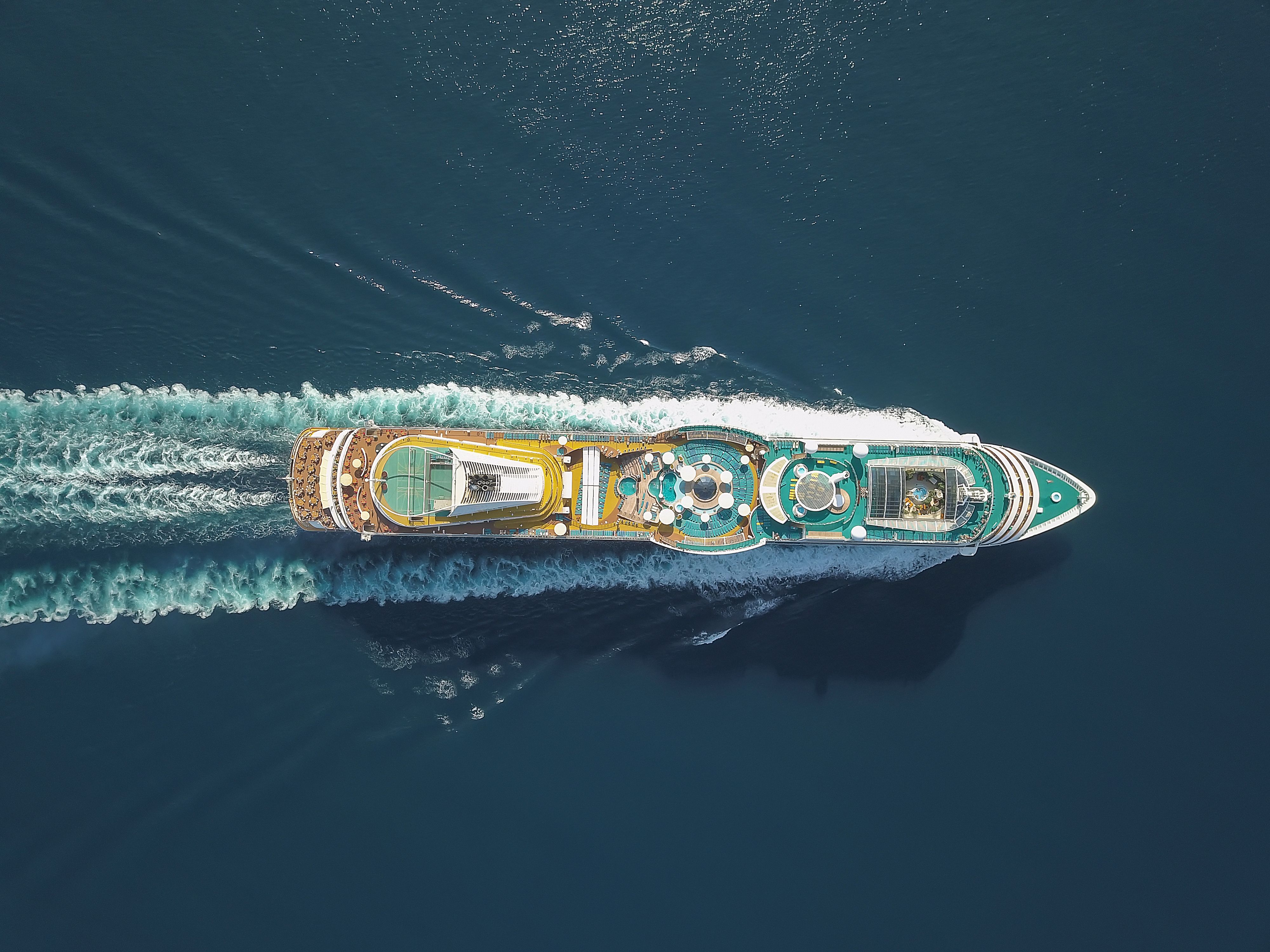

Autumn repositioning cruises are something like the slow TV of travel: hypnotic, good‑value, and unhurried. If your idea of a holiday is time to read, think, walk the promenade and learn the ship, they’re a joy, and the prices are the industry’s worst‑kept secret. Book with eyes open about flights and weather, choose a ship you genuinely want to live on for two weeks, and a westbound crossing can be the rare bargain that still feels like an indulgence.